Top 6 Natural Monuments around Billy-Montigny
Best natural monuments around Billy-Montigny are primarily its re-naturalized mining slag heaps, known as "terrils," which have transformed into ecological havens. These unique landscapes offer panoramic views and represent a significant example of nature reclaiming industrial areas. The region provides diverse natural spaces for exploration, showcasing a blend of industrial heritage and ecological recovery.
Best natural monuments around Billy-Montigny
- The most popular natural monuments is Loos-en-Gohelle slag heap, a natural monument that is the highest in Europe, reaching 146…
Last updated: August 28, 2026
Ostricourt slag heap
Highlight • Natural Monument
Translated by Google •
Tip by

Vimy Foundation Centennial Park
Highlight (Segment) • Historical Site
Vimy Foundation Centennial Park offers visitors a unique and reflective space to reflect on the horrors that occurred on these lands during the Great War, contrasting …
Translated by Google •
Tip by

Sign up now to discover places like this
Get recommendations on the best single tracks, peaks, & plenty of other exciting outdoor places.
Sign up for free
Loos-en-Gohelle slag heap
Highlight • Natural Monument
Translated by Google •
Tip by

Ladder Tree
Highlight • Forest
It is easily accessible by bicycle.
Which is not the path that goes deep into the forest.
Translated by Google •
Tip by

Spoil heaps 74 and 74a
Highlight • Natural Monument
Translated by Google •
Tip by

Sign up for free to discover even more natural monuments around Billy-Montigny.
Sign up for free
Already have an account?
Start today with a free account
Your next adventure awaits.
Login or Signup

Tips from the Community

Memorial that should not be missed at all.
0
0

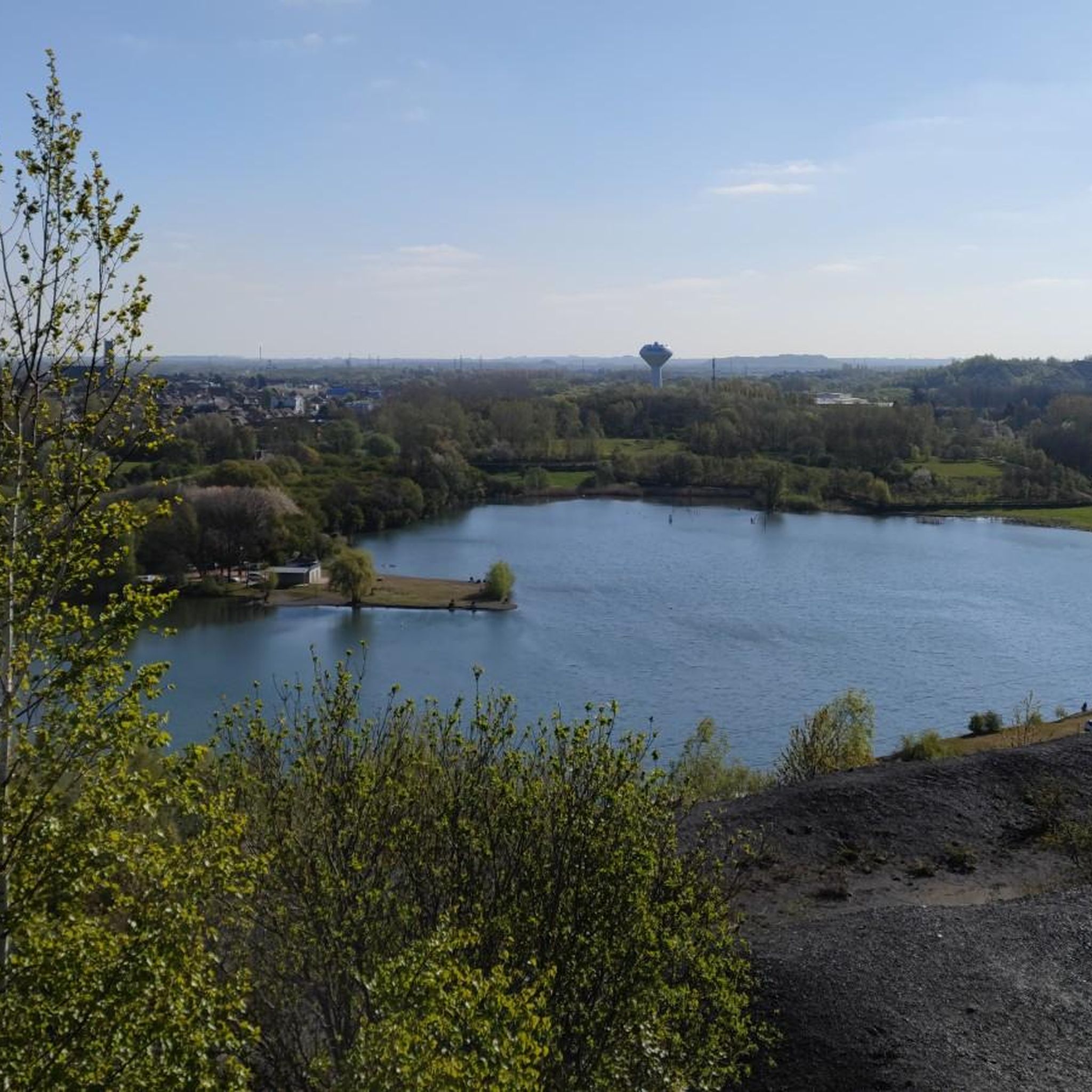
Beautiful panoramic view of Lens and the surrounding area. Be careful when you climb onto the spoil heap during a storm, it's a real hair-raiser!
1
0

Vimy Foundation Centennial Park Vimy Foundation Centennial Park offers visitors a unique and reflective space to reflect on the horrors that occurred on these lands during the Great War, contrasting with the solemnity and grace of the adjacent Canadian National Memorial. The main attraction of the four-acre park is 100 Vimy Oak trees, grown from acorns collected on the battlefield in 1917, along with the Borden bugle, the Centennial Flagpole, and 360-degree memorial views of the First World War battlefield. One hundred years after the war, the Park ensures that we never forget the sacrifice of all those who served our country. The Vimy Foundation The Vimy Foundation is a national charitable organization whose mission is to preserve and promote Canada's legacy of the First World War, symbolized by the victory at Vimy Ridge in April 1917. This momentous event is widely considered a pivotal moment in our history, Canada's first steps onto the world stage. Through youth education programs, awareness campaigns, and legacy projects, including the new Vimy Visitor and Education Centre and Centennial Park, the Vimy Foundation provides Canadians with opportunities to learn how the First World War transformed our nation. Vimy Oaks The park's oak trees are directly descended from acorns collected on the Vimy Ridge battlefield by a Canadian soldier, Lieutenant Leslie Miller of Scarborough, Ontario, and later planted on his farm in Canada, which he named The Vimy Oaks. A number of these majestic oaks are still alive today in Canada, while virtually none of the Vimy Ridge oaks survived the First World War. The Vimy Oaks Legacy Society, a Canadian non-profit volunteer association, was created to repatriate young Vimy oaks descended from acorns collected after the battle. Volunteers landscaped and planted these repatriated Vimy oaks, which now stand guard in this park adjacent to the Canadian National Vimy Memorial.
0
0

This oak, 200 to 300 years old, would have been used by the German army during the First World War as an observation post. The panel states: "The soldiers could thus observe the artillery and enemy movements. We can still observe some of the iron bars which would have been inserted into the trunk in order to constitute a ladder. The tree having continued to grow, the majority of the bars have been absorbed by the bark."
1
0

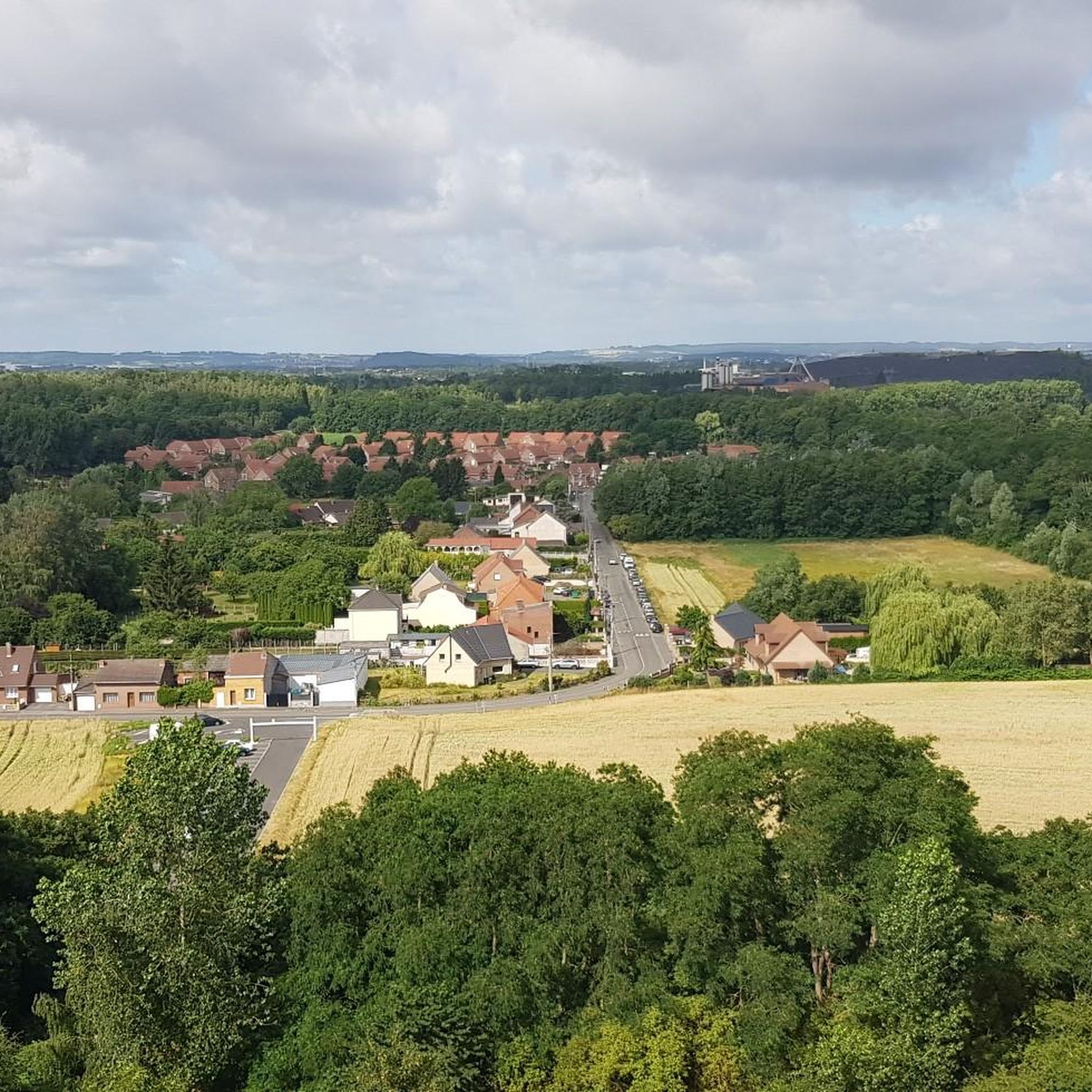
Don't miss the Loos-en-Gohelle slag heap, an astonishing and unusual spectacle. There are five hills made of coal waste, and this one is the highest, reaching 146 meters, the highest in Europe! Hike to the top and admire the views. You can see how nature has transformed the hills with plants, animals and even grapes. Take the opportunity to learn about this UNESCO World Heritage site and discover its rich history and culture at Base 11/19.
4
0

Remarkable century-old oak, having participated in the history of the First World War. It is easily accessible by bicycle. Which is not the path that goes deep into the forest.
1
0

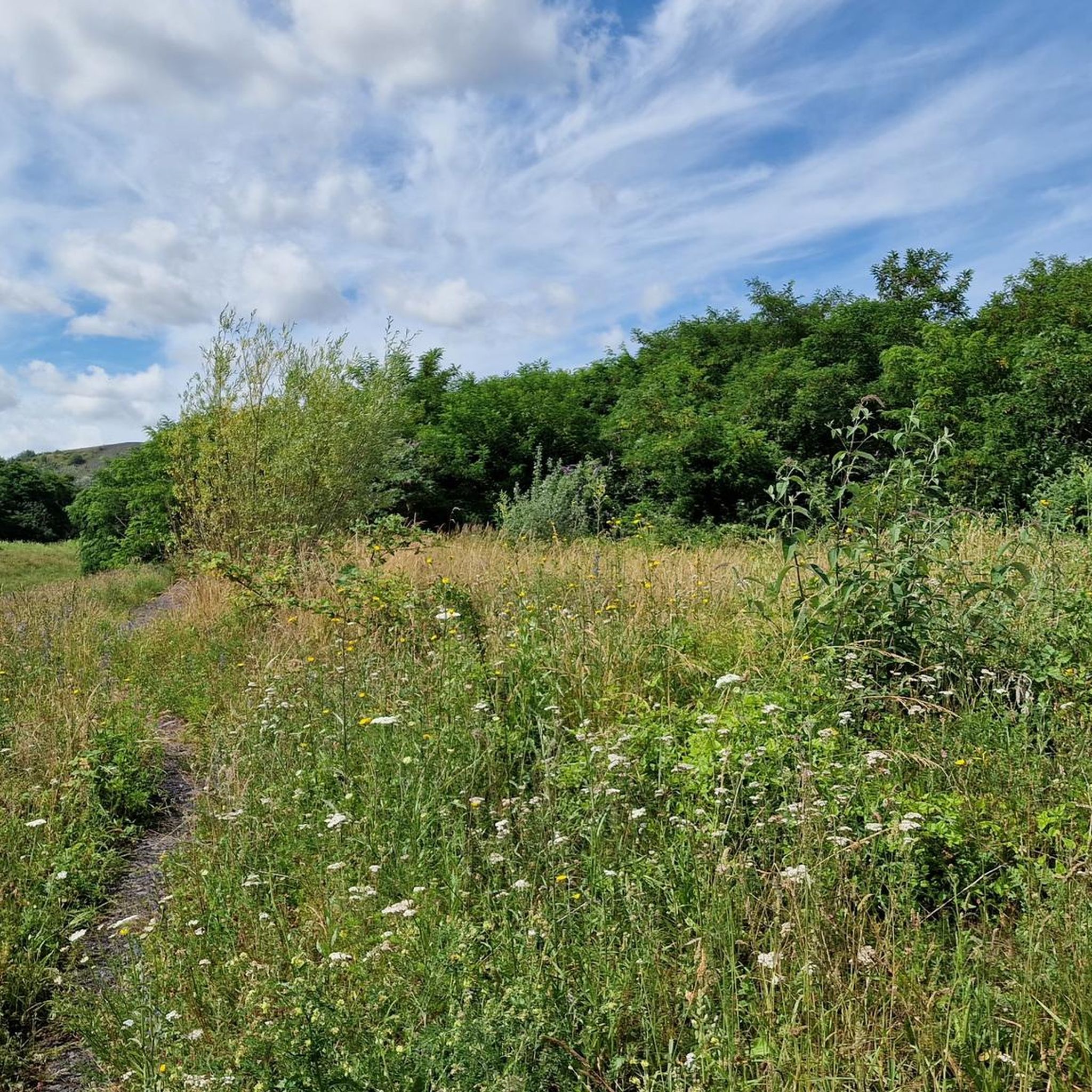
Difficult to drive on the site at this time because of the "luxuriant" vegetation. Access to the karting level is blocked by padlocked gates.
0
0

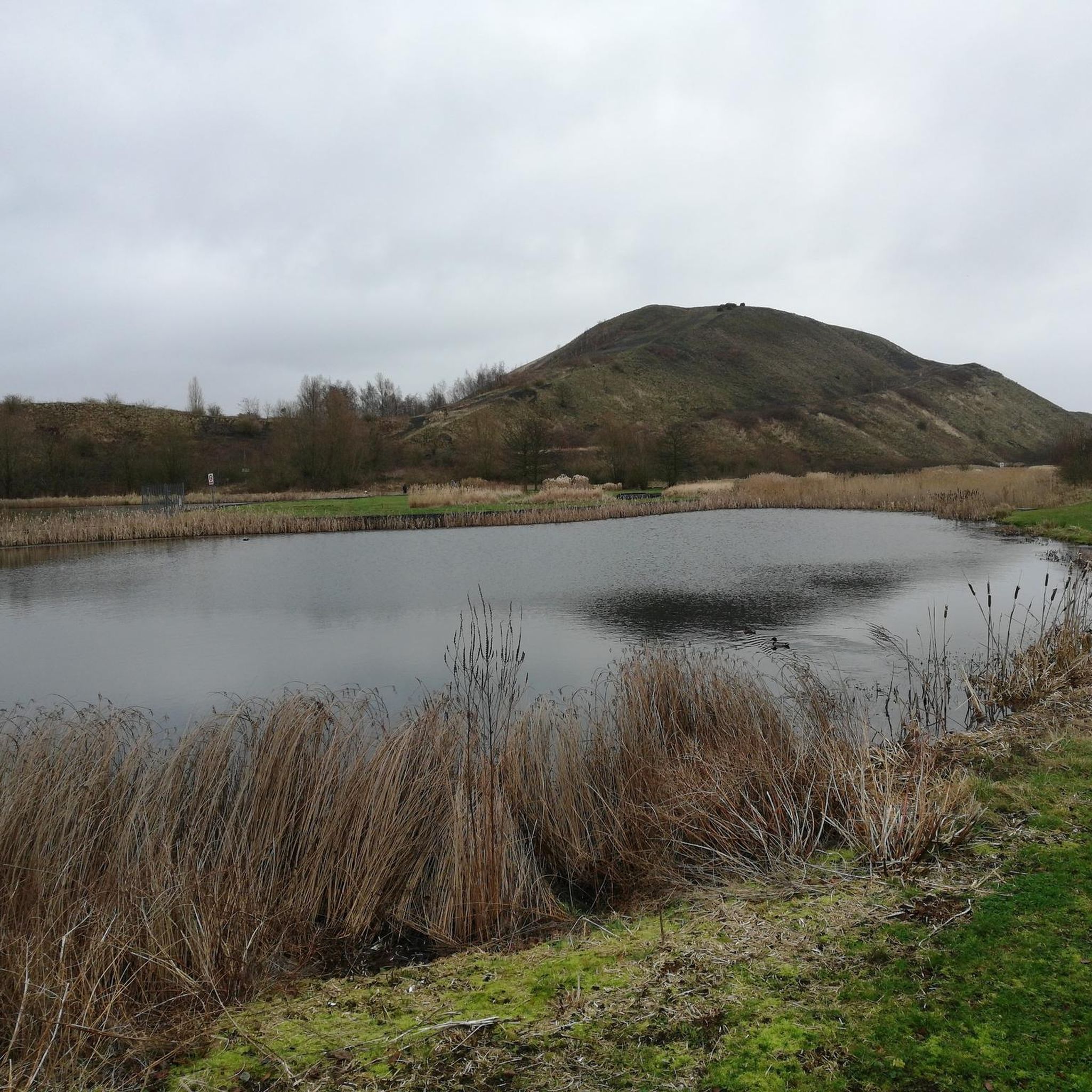
Great playground for mountain bikers! Beautiful climbs and single around the slag heaps!
0
0
Frequently Asked Questions
What makes the natural monuments around Billy-Montigny unique?
The natural monuments in this region are primarily re-naturalized mining slag heaps, known as "terrils." These sites, like the Terrils 84 and 205 of Hénin-Beaumont, have transformed from industrial remnants into significant ecological zones, supporting diverse flora and fauna. They offer a unique blend of industrial heritage and natural regeneration, providing panoramic views of the surrounding mining basin and the Artois region.
Which specific natural monuments should I visit near Billy-Montigny?
Beyond the well-known Loos-en-Gohelle slag heap, consider visiting the Terrils 84 and 205 of Hénin-Beaumont, which are ecologically rich and connected by a unique ditch system. Another interesting site is Terril 104 - 10 Sud of Courrières, a smaller slag heap composed of red and black shales, offering a distinctive landscape.
Are there opportunities for hiking or walking among these natural monuments?
Yes, the re-naturalized terrils offer excellent opportunities for hiking and walking. You can explore trails that wind up these hills, providing unique perspectives and views. For specific routes, check out the Hiking around Billy-Montigny guide, which includes routes like "View from Terril 81 – Terril 81 loop from Billy-Montigny".
Can I cycle or mountain bike near the natural monuments?
Absolutely. The transformed landscapes around Billy-Montigny are popular for cycling and mountain biking. There are routes that incorporate these unique natural monuments. For cycling, explore the Cycling around Billy-Montigny guide, and for mountain biking, refer to the MTB Trails around Billy-Montigny guide for suitable routes.
What kind of wildlife can I expect to see at these sites?
The terrils, now designated as ZNIEFF (Zones naturelles d'intérêt écologique, faunistique et floristique), are home to diverse flora and fauna. As nature has reclaimed these industrial sites, you might spot various bird species, insects, and small mammals, alongside unique plant communities that have adapted to the specific soil conditions of the slag heaps.
Are the natural monuments around Billy-Montigny suitable for families?
Many of the terrils offer accessible paths and varied terrain suitable for family outings. The experience of exploring these unique, re-naturalized hills can be educational and engaging for children, showcasing nature's resilience and the region's history. Always check specific trail difficulties before heading out with young children.
What are the best viewpoints to experience the landscape?
The summits of the terrils themselves offer the best panoramic views. For instance, climbing to the top of the Loos-en-Gohelle slag heap, which is the highest in Europe, provides extensive vistas of the surrounding area. Other terrils, like Spoil heaps 74 and 74a, also offer wide views from their peaks.
How long does it typically take to visit one of these natural monuments?
The duration of a visit can vary. For a quick exploration and panoramic view, you might spend 1-2 hours at a single terril. If you plan to hike or cycle a longer route that incorporates multiple sites, it could easily extend to a half-day or full-day activity. Consider the length and difficulty of specific routes from the komoot guides.
What is the best time of year to visit the natural monuments around Billy-Montigny?
Spring and autumn are generally ideal for visiting, as the weather is mild and the natural landscapes are vibrant with new growth or autumnal colors. Summer can also be pleasant, but be prepared for warmer temperatures. Winter offers a different, often starker beauty, but some paths might be muddy or slippery.
Are dogs allowed on the trails around the natural monuments?
Generally, dogs are welcome on trails around the natural monuments, but it's always best to keep them on a leash to protect the local wildlife and ensure the safety of other visitors. Please remember to clean up after your pet to maintain the natural beauty of these sites.
How accessible are these natural monuments for people with mobility challenges?
While some terrils feature steep ascents and varied terrain, certain areas or specific trails might offer easier access. It's recommended to research individual sites or routes beforehand. Some paths at the base of the terrils or within connecting greenways may be more suitable for those with mobility challenges.
Where can I find more information about the mining history of the region?
The natural monuments themselves are a testament to the region's rich mining past, now recognized by UNESCO. For deeper historical context, you can explore local museums or visitor centers dedicated to the coal mining basin. Online resources like Wikipedia's page on Billy-Montigny can also provide background information.
Most popular routes around Billy-Montigny
Most popular attractions around Billy-Montigny

Get inspired with the komoot mobile app


Explore more
Extend your search for the best caves by checking out these guides of the top ones around Billy-Montigny:
