Top 4 Natural Monuments around Gumprechtshofen
Best natural monuments around Gumprechtshofen are located in the Bas-Rhin department of Grand Est, north-eastern France. This commune is situated within the Northern Vosges Regional Nature Park, a UNESCO-listed Biosphere Reserve. The area features diverse landscapes, including extensive forests, gentle slopes, clearings, and numerous ponds. The River Zinsel also traverses Gumprechtshofen, contributing to the local natural environment.
Best natural monuments around Gumprechtshofen
- The most popular natural monument is Wasenbourg Castle, a historical site and natural monument. This castle ruin…
Last updated: July 4, 2026
Wasenbourg Castle
Highlight • Historical Site
Information about the castle:
burgenwelt.org/frankreich/wasen/object.php
Translated by Google •
Tip by

Grand Wintersberg
Highlight • Summit
Translated by Google •
Tip by

Sign up now to discover places like this
Get recommendations on the best single tracks, peaks, & plenty of other exciting outdoor places.
Sign up for free
Mercury Rock Temple
Highlight • Religious Site
Translated by Google •
Tip by

Lake Observatory
Highlight • Viewpoint
Translated by Google •
Tip by

Liese Rock
Highlight • Natural Monument
Translated by Google •
Tip by
Sign up for free to discover even more natural monuments around Gumprechtshofen.
Sign up for free
Already have an account?
Start today with a free account
Your next adventure awaits.
Login or Signup
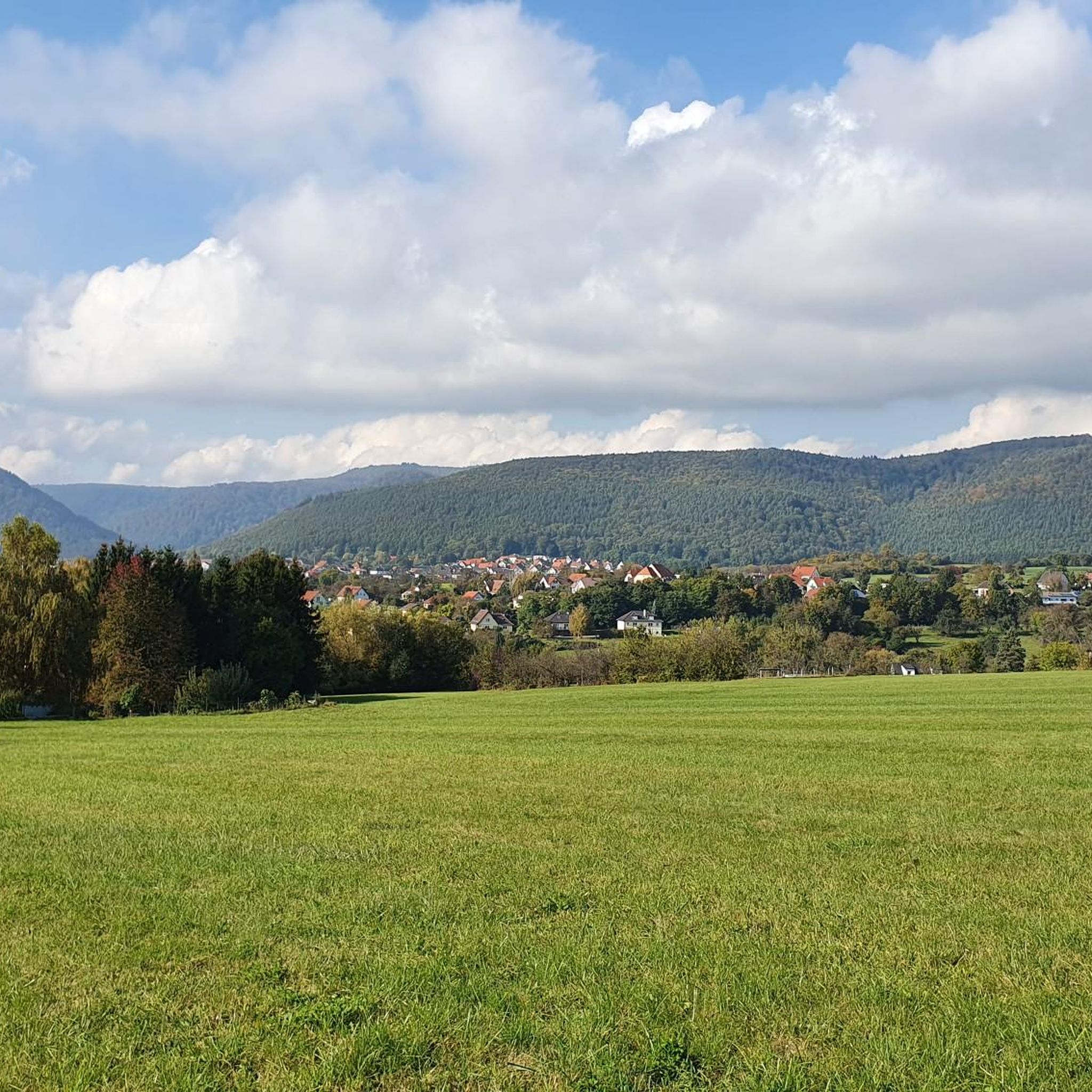
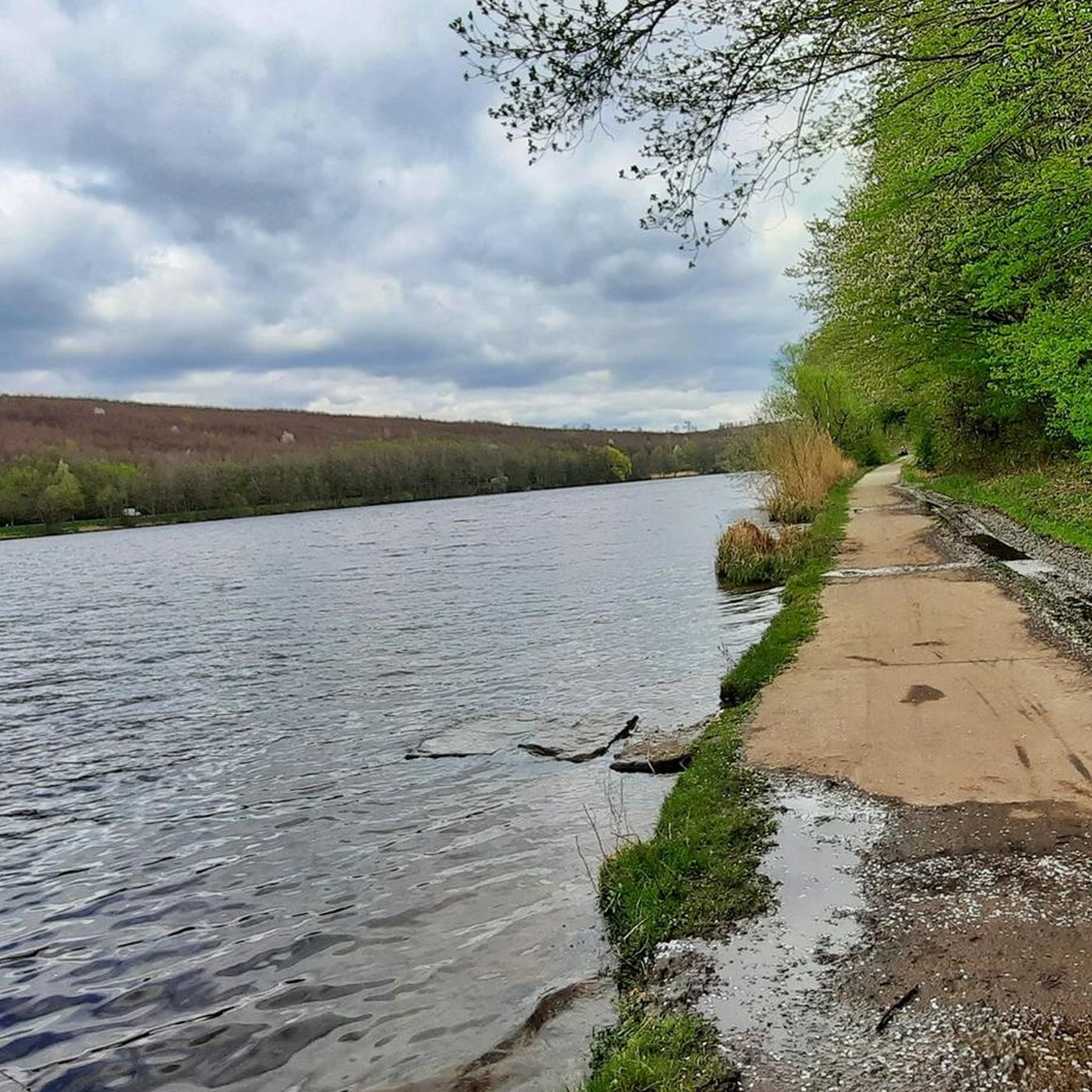
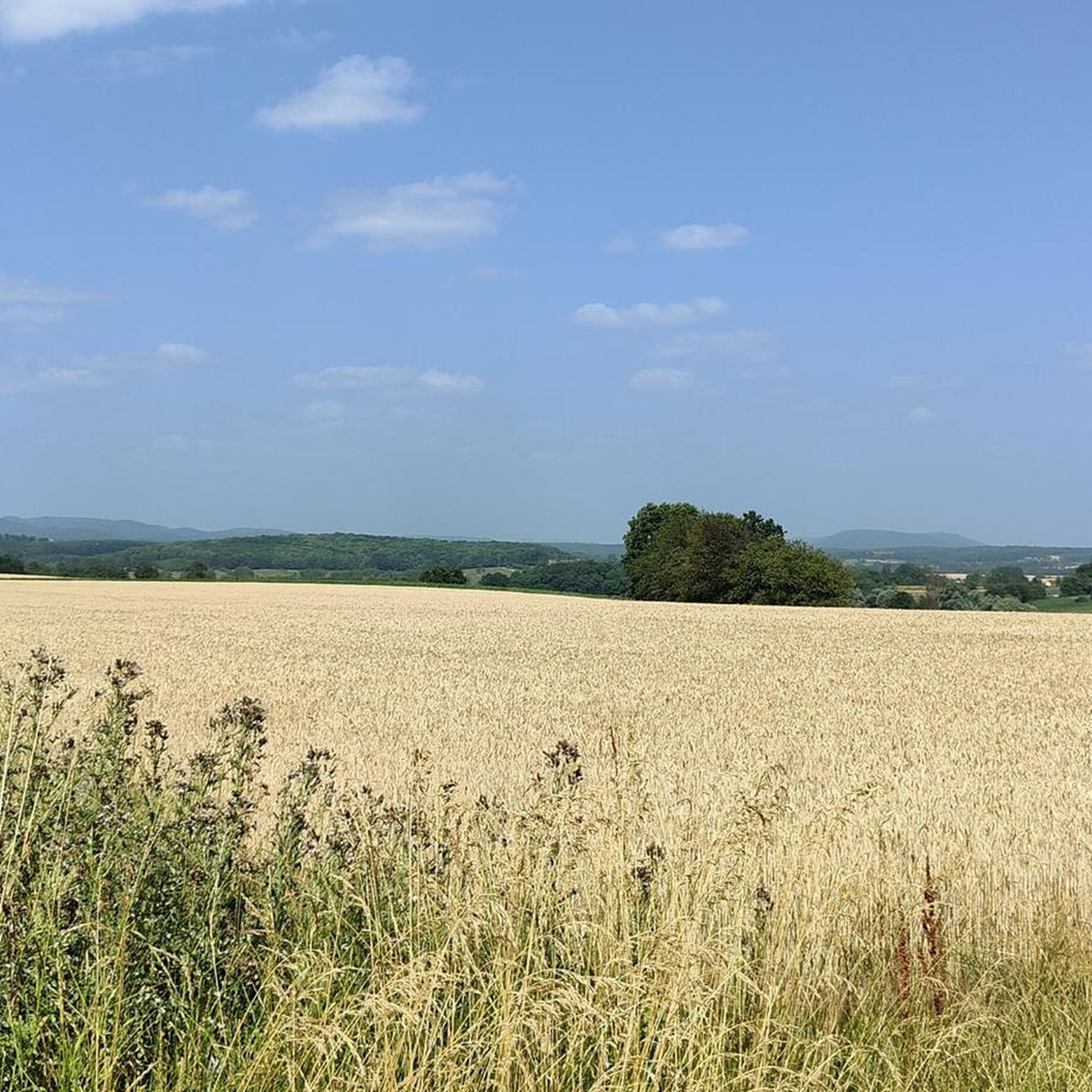
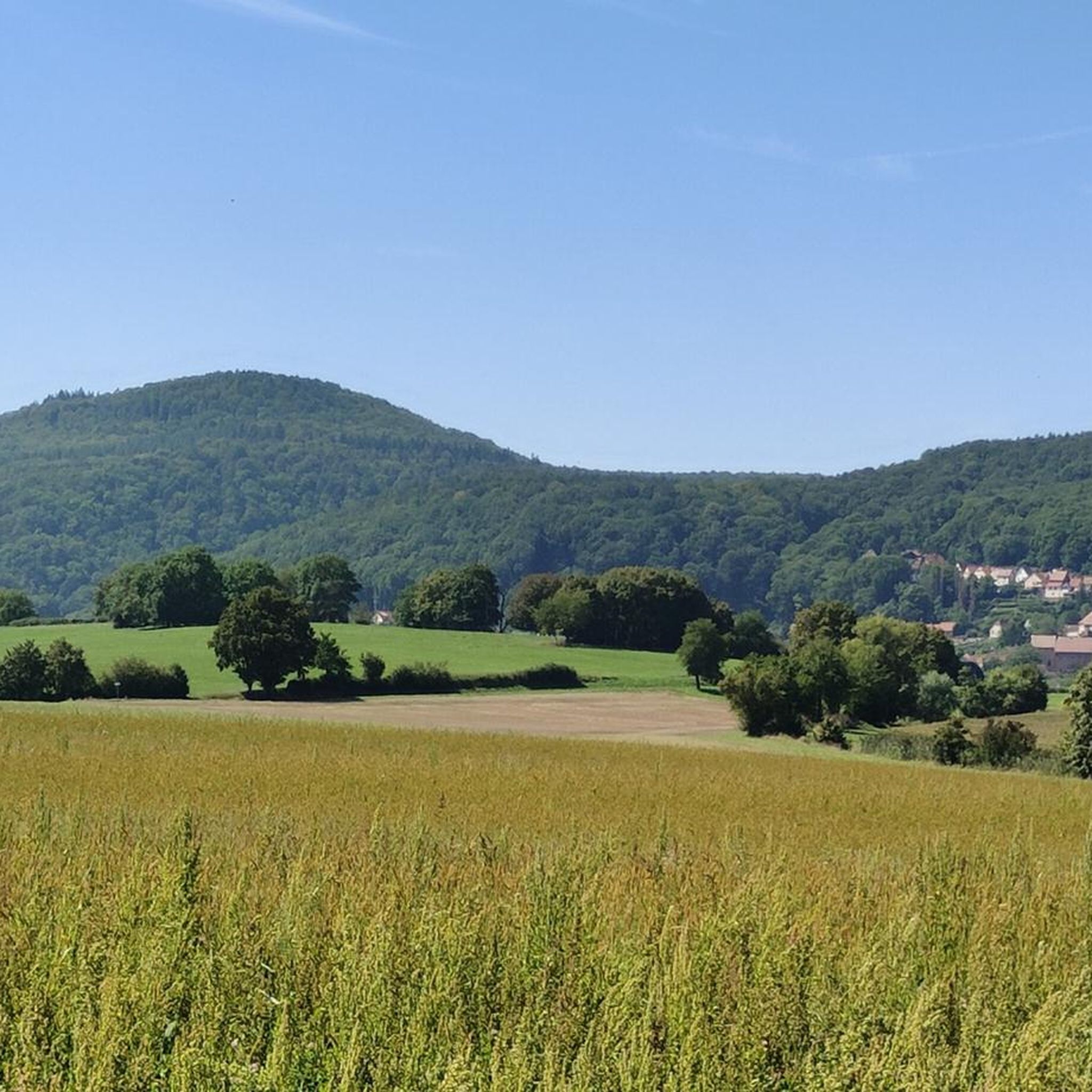

Tips from the Community

The Temple of Mercury is carved into a rock; you can only see the portal from the front; if you walk around the rock, you get the impression it's just a rock. Fascinating.
0
0

Here you can park and walk up the Grand Wintersberg with its tower.
0
0

On this hiking highlight, we encounter the remains of a temple dedicated to MERCURY (Latin: MERCURIUS). Dating back to pre-Christian times, the deities of Roman and Greek mythology in particular have been preserved in the collective memory of people in Europe to this day. MERCURY is the "messenger of the gods" in Roman mythology; his counterpart in Greek mythology is Hermes. Both have the interesting combination of being gods of trade and merchants, but also of thieves.
0
0

On the site of the ruins of Wasenburg Castle, there are the remains of a much older building: a Roman sanctuary dedicated to Mercury. Parts of the temple were rebuilt in the 19th century.
0
0

The view is magnificent from the top of the tower which is accessible
1
0
Very practical for observing a large number of animals.
0
0

Lake Reichshoffen is an essential natural space located about 2 km from the town center of Reichshoffen and near the village of Nehwiller, and serves as a refuge for a multitude of animal species. Located on the water, an ornithological observatory has been installed there by the Northern Vosges Regional Nature Park, which can be used by animal and plant lovers all year round, day and night: since 1982, 130 species have been recorded on the water or in the surrounding wetlands, of which about 40 are nesting species that breed there. Source: https://www.alsace-verte.com/de/lalsace-verte/mettez-vous-au-vert/la-reserve-naturelle-du-plan-deau-de-reichshoffen/
0
0

even without the sun, always happy to see it appear!!
0
0
Frequently Asked Questions
What are the most popular natural monuments to visit near Gumprechtshofen?
The most popular natural monuments include the ruins of Wasenbourg Castle, which offers historical insights and great views, and Grand Wintersberg, the highest peak in the Northern Vosges with a lookout tower providing panoramic vistas. Another significant site is the Mercury Rock Temple, preserving remains of a Roman sanctuary.
Are there family-friendly natural attractions around Gumprechtshofen?
Yes, the Lake Observatory near Reichshoffen is an excellent family-friendly spot. It's a nature reserve ideal for walks and observing various bird species from its ornithological observatory. The surrounding forests also offer gentle paths suitable for families.
What kind of natural features can I expect to see in the Gumprechtshofen area?
The region is characterized by vast forests, rolling hills, and diverse ecosystems, being part of the North Vosges Regional Natural Park. You'll find the serene Zinsel River, numerous ponds, and unique rock formations. The area is rich in natural beauty, offering a peaceful escape into nature.
What historical or cultural sites are integrated with the natural monuments?
Many natural monuments in the area have historical significance. Wasenbourg Castle is a historical ruin set in a natural landscape, offering views and ancient protective walls. The Mercury Rock Temple is an ancient Roman sanctuary, with parts rebuilt in the 19th century, located near the castle ruins.
What outdoor activities can I do near these natural monuments?
The area is perfect for various outdoor activities. You can explore extensive hiking and cycling trails within the North Vosges Regional Natural Park. For specific routes, consider checking out the MTB Trails around Gumprechtshofen, Running Trails around Gumprechtshofen, or Cycling around Gumprechtshofen guides for detailed routes.
Are there any unique geological features to discover?
Yes, you can find Cup-marked stones in the forests. These large sandstone blocks feature mysterious bowl-shaped cavities. While their origin is debated between prehistoric human activity and natural erosion, they are an impressive and unique geological sight.
What is the best time of year to visit the natural monuments around Gumprechtshofen?
The region's natural beauty, especially the vast forests and diverse ecosystems of the North Vosges Regional Natural Park, makes it appealing throughout the year. Spring and autumn offer pleasant temperatures and vibrant colors, ideal for hiking and cycling. Summer is great for enjoying the outdoors, while winter can provide a serene, snow-covered landscape for those who enjoy colder weather activities.
What do visitors enjoy most about the natural monuments in this region?
Visitors particularly appreciate the combination of historical significance and natural beauty. The panoramic views from Grand Wintersberg and the historical atmosphere of Wasenbourg Castle are frequently highlighted. The tranquility and opportunity for nature observation, especially at the Lake Observatory, are also highly valued.
Where is Gumprechtshofen located in relation to major natural parks?
Gumprechtshofen is strategically located at the entrance to the extensive North Vosges Regional Natural Park (Parc Naturel Régional des Vosges du Nord). This park is a UNESCO-listed Biosphere Reserve, known for its vast forests, hills, and commitment to nature conservation.
Can I find walking paths along the Zinsel River?
Yes, the Zinsel River traverses the commune of Gumprechtshofen, and its banks offer pleasant walking and cycling paths. These paths allow visitors to enjoy the serene riparian environment and the natural landscape surrounding the river.
Most popular routes around Gumprechtshofen
Most popular attractions around Gumprechtshofen

Get inspired with the komoot mobile app


Explore more
Extend your search for the best caves by checking out these guides of the top ones around Gumprechtshofen:
