Top 6 Natural Monuments around Vermelles
Best natural monuments around Vermelles are found within the rehabilitated former mining basin of Nord-Pas-de-Calais, offering unique ecological and recreational opportunities. The region's landscape features a blend of wetlands, forests, and former industrial sites transformed into natural spaces. These areas provide diverse ecosystems and serve as significant locations for environmental rehabilitation. Visitors can explore a variety of natural features that showcase the area's history and its green present.
Best natural monuments around Vermelles
- The most popular natural monuments is Loos-en-Gohelle…
Last updated: July 4, 2026
Vimy Foundation Centennial Park
Highlight (Segment) • Historical Site
Vimy Foundation Centennial Park offers visitors a unique and reflective space to reflect on the horrors that occurred on these lands during the Great War, contrasting …
Translated by Google •
Tip by

Loos-en-Gohelle slag heap
Highlight • Natural Monument
Translated by Google •
Tip by

Sign up now to discover places like this
Get recommendations on the best single tracks, peaks, & plenty of other exciting outdoor places.
Sign up for free
Spoil heaps 74 and 74a
Highlight • Natural Monument
Translated by Google •
Tip by

Tilleul de Joncquoy
Highlight • Natural Monument
Translated by Google •
Tip by

Terril Estevelles
Highlight • Summit
Translated by Google •
Tip by

Sign up for free to discover even more natural monuments around Vermelles.
Sign up for free
Already have an account?
Start today with a free account
Your next adventure awaits.
Login or Signup



Tips from the Community

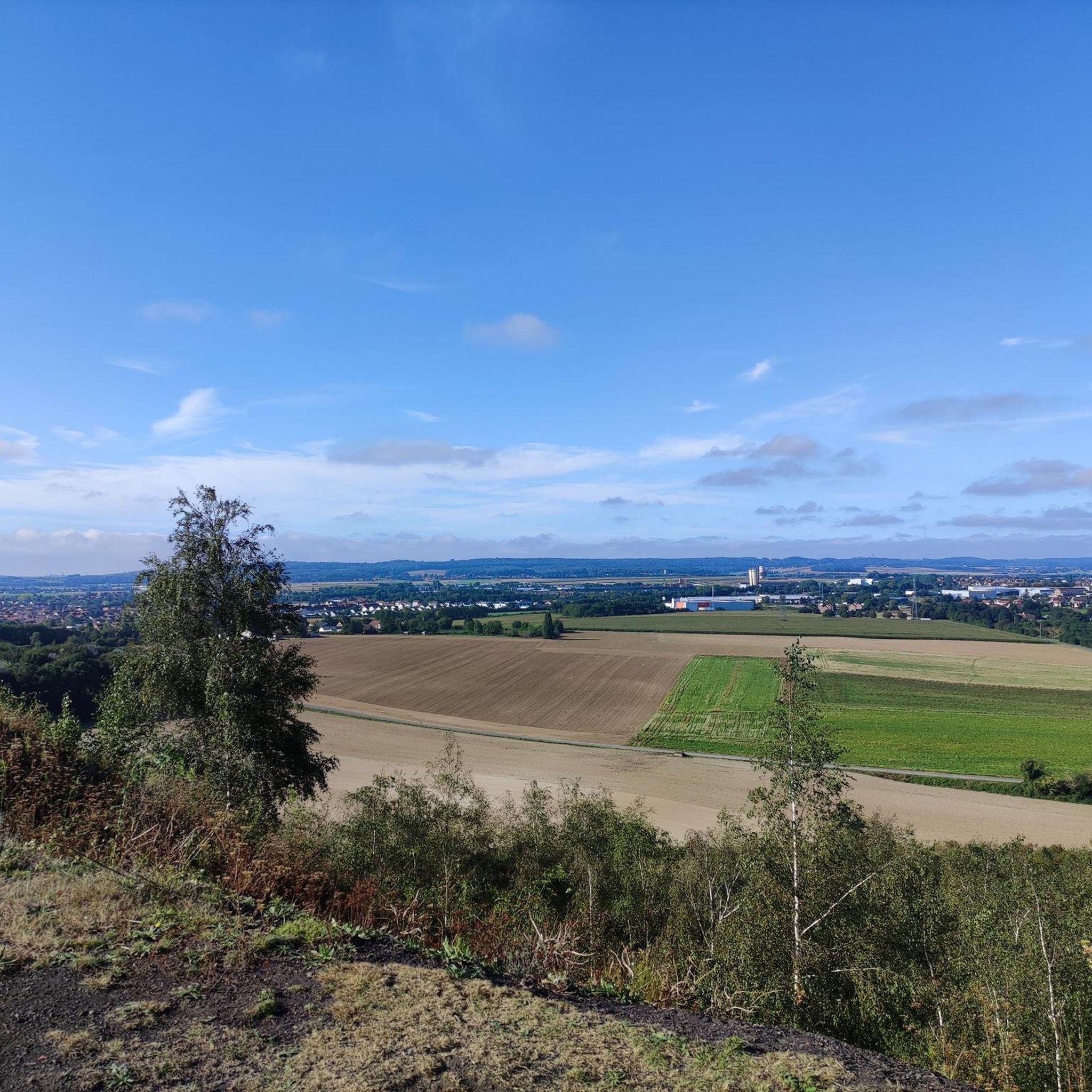
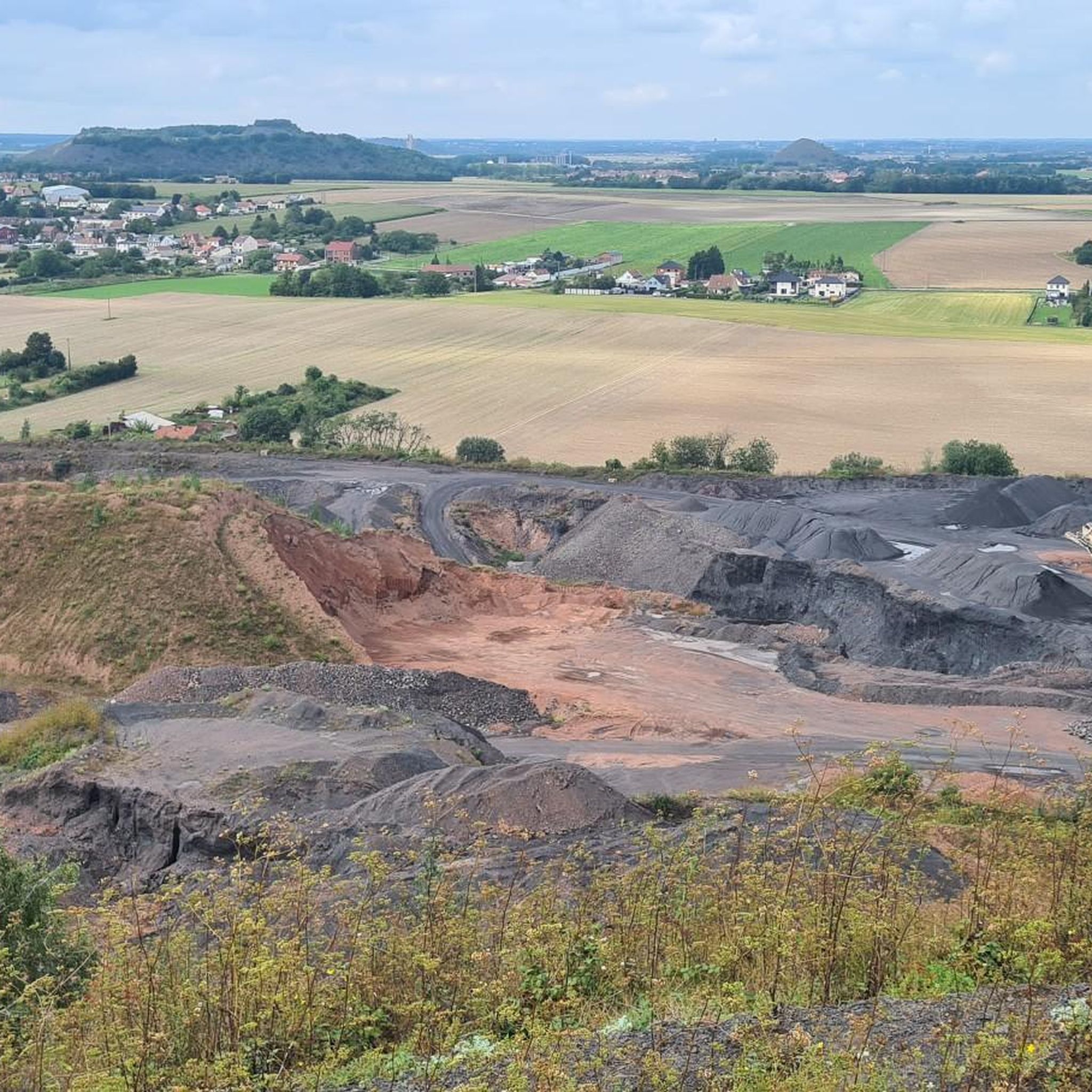
Beautiful panoramic view of Lens and the surrounding area. Be careful when you climb onto the spoil heap during a storm, it's a real hair-raiser!
1
0

The Tilleul de Joncquoy is a historic lime tree in Aubers. This tree was planted in 1490 and is an important landmark in the region. Despite the many wars and changes in the landscape, this tree has survived for more than five centuries.
8
0

Vimy Foundation Centennial Park Vimy Foundation Centennial Park offers visitors a unique and reflective space to reflect on the horrors that occurred on these lands during the Great War, contrasting with the solemnity and grace of the adjacent Canadian National Memorial. The main attraction of the four-acre park is 100 Vimy Oak trees, grown from acorns collected on the battlefield in 1917, along with the Borden bugle, the Centennial Flagpole, and 360-degree memorial views of the First World War battlefield. One hundred years after the war, the Park ensures that we never forget the sacrifice of all those who served our country. The Vimy Foundation The Vimy Foundation is a national charitable organization whose mission is to preserve and promote Canada's legacy of the First World War, symbolized by the victory at Vimy Ridge in April 1917. This momentous event is widely considered a pivotal moment in our history, Canada's first steps onto the world stage. Through youth education programs, awareness campaigns, and legacy projects, including the new Vimy Visitor and Education Centre and Centennial Park, the Vimy Foundation provides Canadians with opportunities to learn how the First World War transformed our nation. Vimy Oaks The park's oak trees are directly descended from acorns collected on the Vimy Ridge battlefield by a Canadian soldier, Lieutenant Leslie Miller of Scarborough, Ontario, and later planted on his farm in Canada, which he named The Vimy Oaks. A number of these majestic oaks are still alive today in Canada, while virtually none of the Vimy Ridge oaks survived the First World War. The Vimy Oaks Legacy Society, a Canadian non-profit volunteer association, was created to repatriate young Vimy oaks descended from acorns collected after the battle. Volunteers landscaped and planted these repatriated Vimy oaks, which now stand guard in this park adjacent to the Canadian National Vimy Memorial.
0
0

Be careful on a narrow path, in some places a slippery plastic coating covers part of the path
0
0

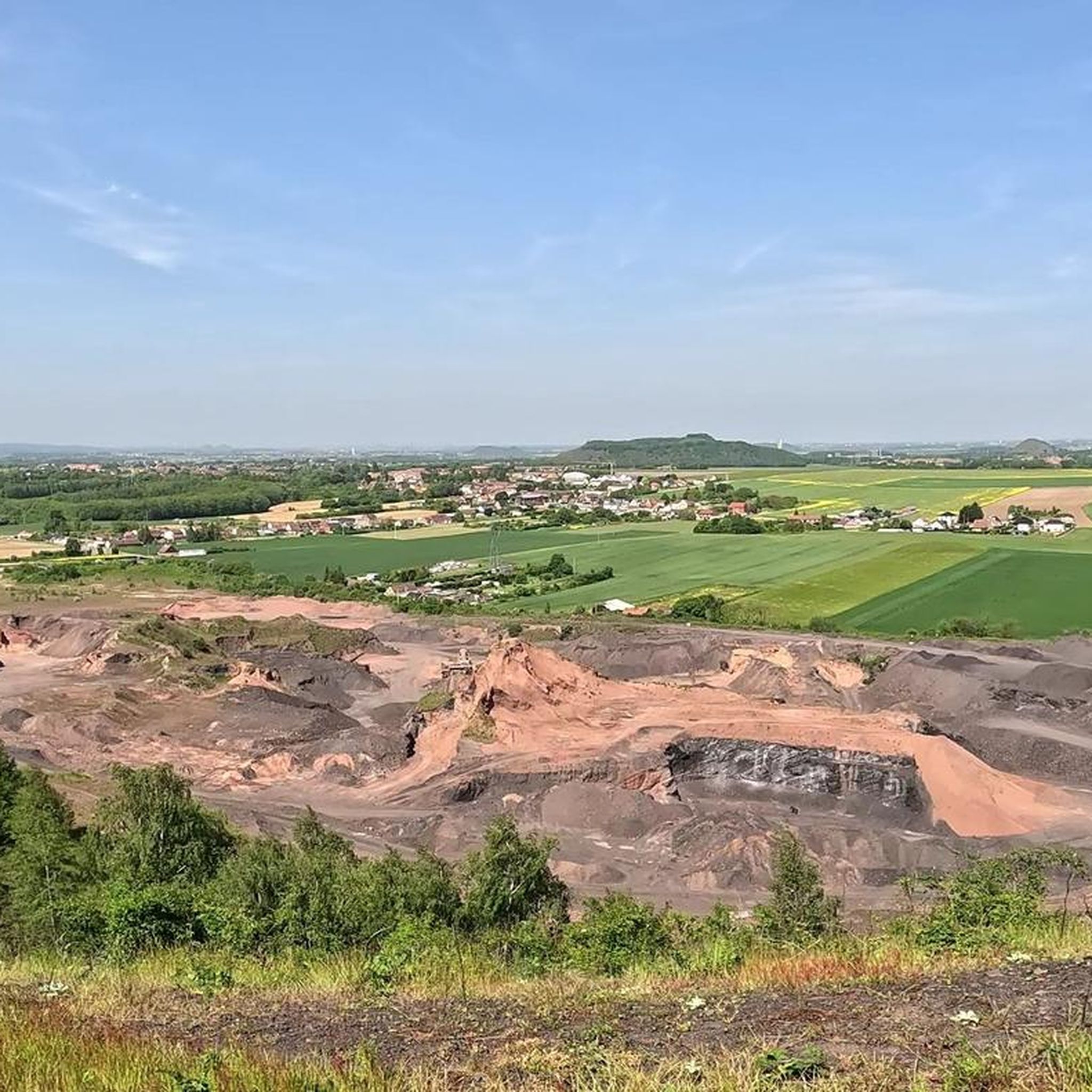
Don't miss the Loos-en-Gohelle slag heap, an astonishing and unusual spectacle. There are five hills made of coal waste, and this one is the highest, reaching 146 meters, the highest in Europe! Hike to the top and admire the views. You can see how nature has transformed the hills with plants, animals and even grapes. Take the opportunity to learn about this UNESCO World Heritage site and discover its rich history and culture at Base 11/19.
4
0

Lime tree dating from the 15th century
4
0

Beautiful slag heap accessible to the most athletic 3 switchbacks without a plateau to reach the top and admire the beautiful view of the Harnesien and the Carvinois and other summits of the slag heaps that surround it.
0
0

Great playground for mountain bikers! Beautiful climbs and single around the slag heaps!
0
0
Frequently Asked Questions
What kind of natural features can I expect to see around Vermelles?
The natural monuments around Vermelles showcase a unique blend of rehabilitated industrial landscapes and diverse ecosystems. You'll find significant wetlands, such as the Regional Natural Reserve of Marais de Cambrin and Marais d'Annezin, which are rich in biodiversity. The region is also characterized by its transformed mining slag heaps (terrils), offering elevated viewpoints and unique flora, alongside lakes and wooded areas like those found in Parc de la Glissoire.
Are there any natural monuments with historical significance near Vermelles?
Yes, several natural monuments in the area hold historical significance. The Tilleul de Joncquoy is a historic lime tree planted in 1490, having survived centuries of changes. Additionally, the Vimy Foundation Centennial Park, while a memorial, features 100 Vimy Oak trees grown from acorns collected on the battlefield in 1917, connecting nature with the region's World War I history.
What outdoor activities can I do near the natural monuments around Vermelles?
The area offers a variety of outdoor activities. You can enjoy hiking on the transformed slag heaps like the Loos-en-Gohelle slag heap or Terril Estevelles, which provide panoramic views. Mountain biking is popular at sites like Spoil heaps 74 and 74a. The wetlands and parks, such as Marais d'Annezin and Parc de la Glissoire, are ideal for gentle walks, birdwatching, and fishing. For more structured routes, explore the nearby hiking, cycling, and road cycling guides around Vermelles.
Are there any family-friendly natural monuments or activities in the area?
Yes, several sites are suitable for families. The Tilleul de Joncquoy is an easy-to-visit historical tree. Parc de la Glissoire is a great option, offering lakes for fishing, over 10 kilometers of trails for walking, and even a sandy beach in summer. The Marais d'Annezin also provides marked walking paths and picnic tables in a tranquil setting, perfect for a family outing.
Where can I find the best panoramic views of the region?
For breathtaking panoramic views, head to the top of the transformed mining slag heaps. The Loos-en-Gohelle slag heap, the highest in Europe, offers extensive vistas of the surrounding landscape. Similarly, the Spoil heaps 74 and 74a and Terril Estevelles also provide excellent viewpoints after a climb. Parc de la Glissoire features a viewpoint atop a former mining spoil tip, offering a 360° panorama.
What makes the wetlands near Vermelles special for nature lovers?
The wetlands, such as the Regional Natural Reserve of Marais de Cambrin, Annequin, Cuinchy, and Festubert, are nationally recognized for their ecological significance. They boast a mosaic of wetlands, flooded meadows, and ponds, supporting 28 natural habitats and over 200 plant species. These reserves are particularly remarkable for their birdlife, serving as major nesting sites and important stopovers for migratory birds, making them ideal for birdwatching enthusiasts.
Can I go birdwatching near Vermelles?
Absolutely. The Regional Natural Reserve of Marais de Cambrin, Annequin, Cuinchy, and Festubert is an excellent spot for birdwatching. It's known for species like Common Pochard, Black-necked Grebe, and Northern Shoveler, and features a covered observatory for visitors. Parc de la Glissoire also hosts a diverse array of bird species, including 31 aquatic types, making it another good location for observing local avifauna.
Are there any dog-friendly natural monuments or trails?
Many natural areas and trails around Vermelles are generally dog-friendly, especially those in the rehabilitated mining landscapes and wetlands. Always keep your dog on a leash and clean up after them to protect the local wildlife and ensure a pleasant experience for all visitors. Specific regulations may vary by site, so it's advisable to check local signage.
What is the best time of year to visit the natural monuments around Vermelles?
The natural monuments around Vermelles can be enjoyed year-round. Spring and autumn offer pleasant temperatures for hiking and cycling, with vibrant foliage or blooming wildflowers. Summer is ideal for activities around the lakes and wetlands, though it can be warmer. Winter provides a different, often serene, perspective on the landscapes. For birdwatching, spring and autumn are particularly rewarding due to migration patterns.
What is the significance of the slag heaps (terrils) in the region?
The slag heaps, or terrils, are a defining feature of the region's natural monuments. These artificial hills, remnants of the mining industry, have undergone significant ecological transformation. They now host unique ecosystems and offer elevated vantage points for panoramic views. They symbolize the successful rehabilitation of the mining landscape, turning industrial heritage into valuable natural and recreational spaces, and are often part of the UNESCO World Heritage site.
Are there accessible natural monuments for visitors with limited mobility?
While many trails in the region involve varied terrain, some sites offer more accessible options. The Marais d'Annezin features marked walking paths that are generally gentle, and the Regional Natural Reserve of Marais de Cambrin includes elevated walkways designed to enhance accessibility for observing the wetlands. It's always recommended to check specific site conditions for the most up-to-date accessibility information.
Can I find places to fish near the natural monuments?
Yes, fishing is a popular activity in some of the natural areas. Parc de la Glissoire, for instance, boasts six lakes spanning 12 hectares that are open for fishing. The Marais d'Annezin also offers opportunities for fishing in its tranquil wetland environment. Always ensure you have the necessary permits and adhere to local fishing regulations.
What do visitors enjoy most about the natural monuments around Vermelles?
Visitors frequently appreciate the unique blend of industrial heritage and natural beauty. The panoramic views from the slag heaps, like the Loos-en-Gohelle slag heap, are often highlighted. The transformation of these former mining sites into vibrant natural spaces, offering diverse activities from mountain biking to birdwatching in the wetlands, is also a key draw. The tranquility of places like Marais d'Annezin and the historical significance of sites like the Tilleul de Joncquoy are also highly valued.
Most popular routes around Vermelles
Most popular attractions around Vermelles

Get inspired with the komoot mobile app


Explore more
Extend your search for the best caves by checking out these guides of the top ones around Vermelles:
