Top 8 Natural Monuments around Vernierfontaine
Best natural monuments around Vernierfontaine are found within the Doubs department in the Bourgogne-Franche-Comté region of eastern France. This area is characterized by the Jura mountains, green valleys, dense forests, and limestone plateaus. Vernierfontaine is part of the Parc Naturel Régional du Doubs Horloger, an area recognized for its natural monuments, waterfalls, canyons, caves, and lakes. The region offers a diverse landscape for exploration.
Best natural monuments around Vernierfontaine
- The most popular natural monument is Source de la Loue,…
Last updated: July 5, 2026
Source de la Loue
Highlight • Cave
Translated by Google •
Tip by

Source du Pontet
Highlight • Cave
Translated by Google •
Tip by
Sign up now to discover places like this
Get recommendations on the best single tracks, peaks, & plenty of other exciting outdoor places.
Sign up for free
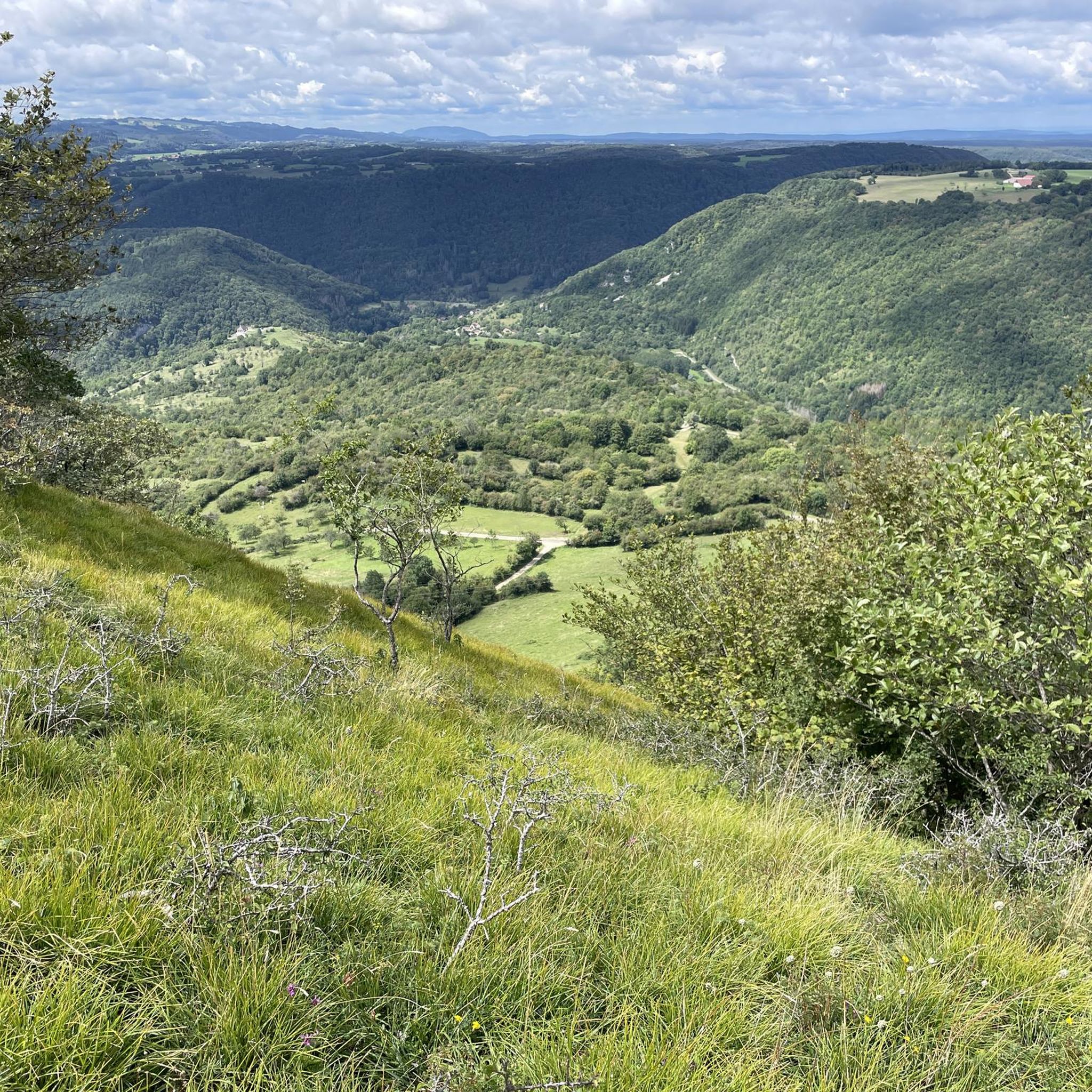
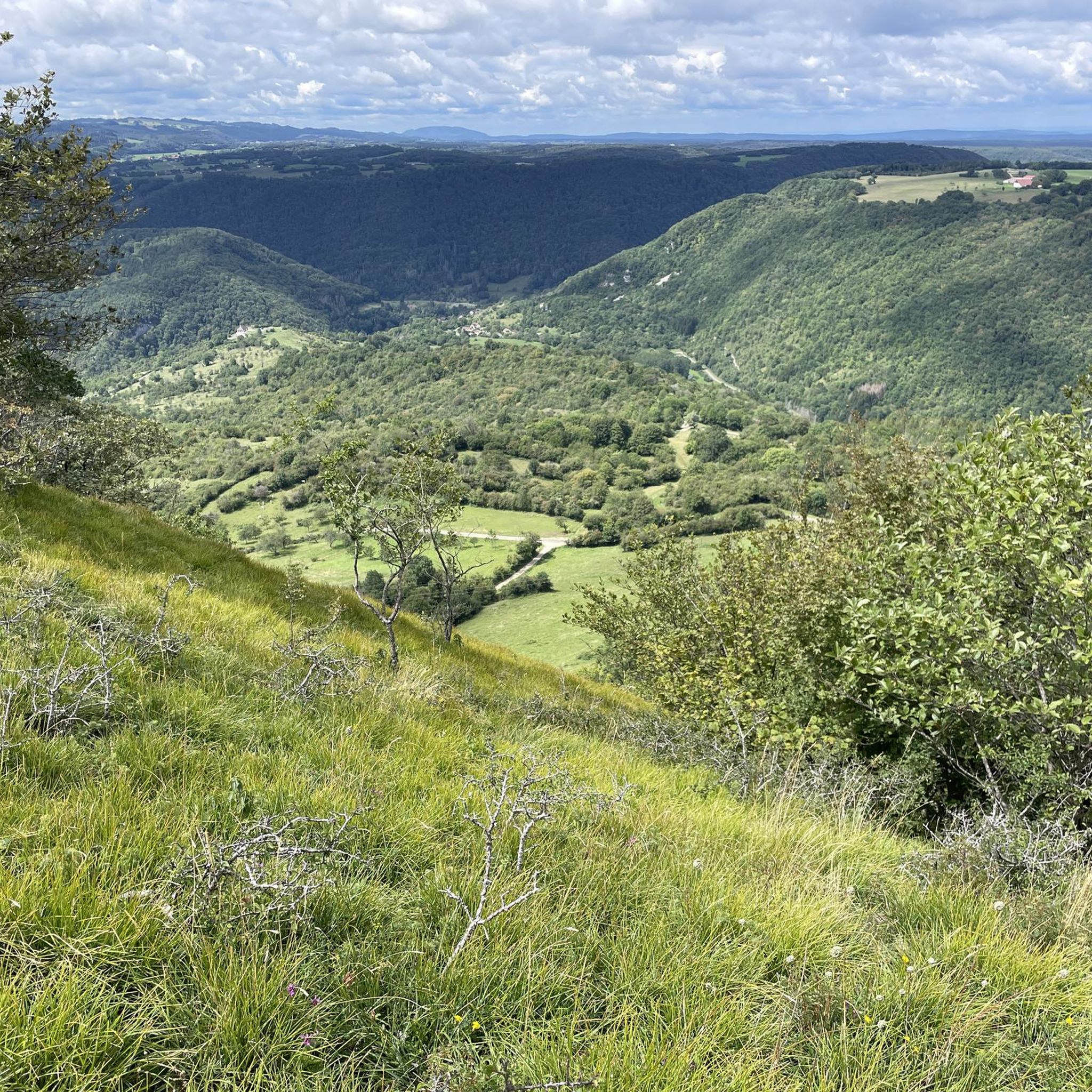
Renédale Viewpoint
Highlight • Natural Monument
And as a bonus, from this side you have a …
Translated by Google •
Tip by
View of Roche Bottine
Highlight • Viewpoint
Translated by Google •
Tip by

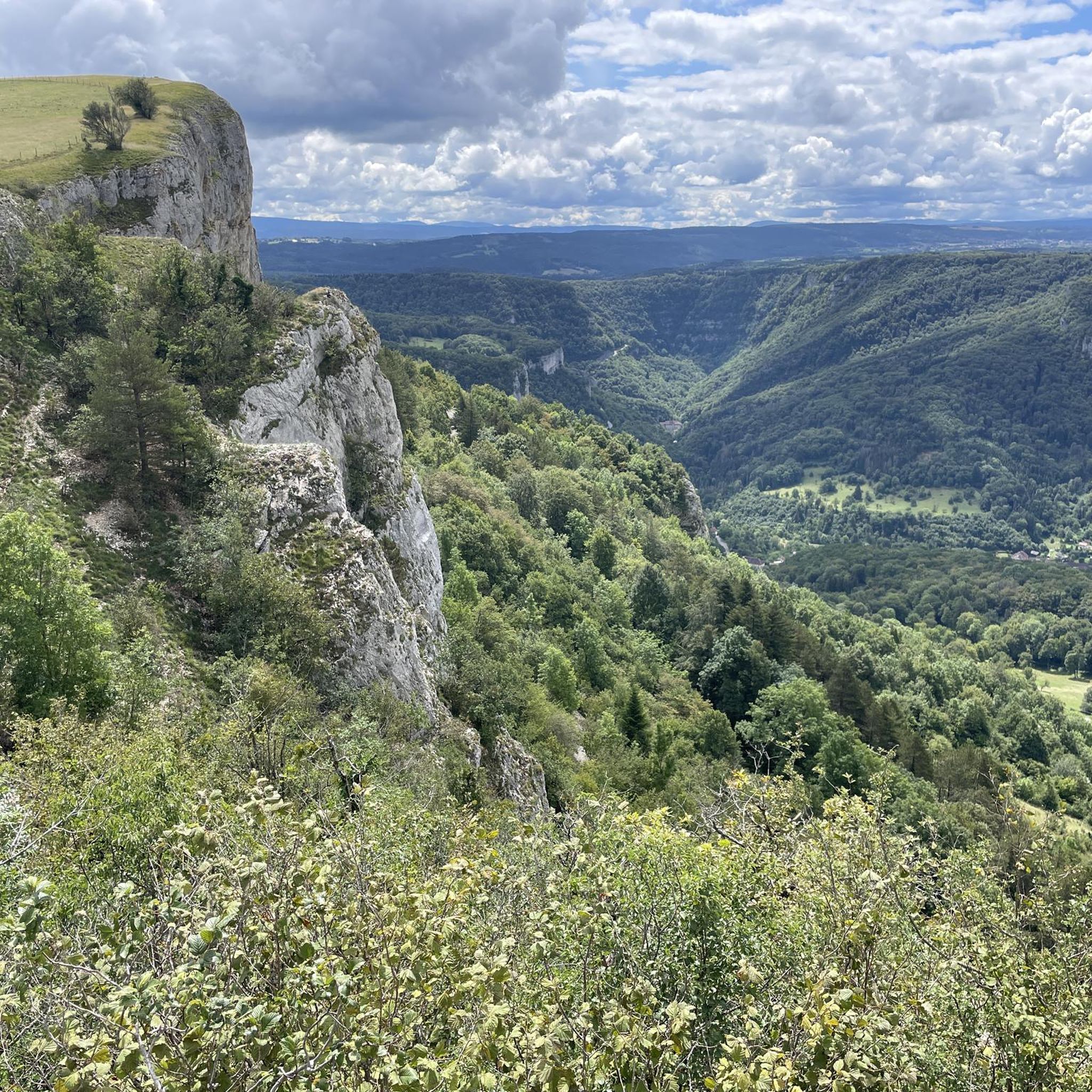
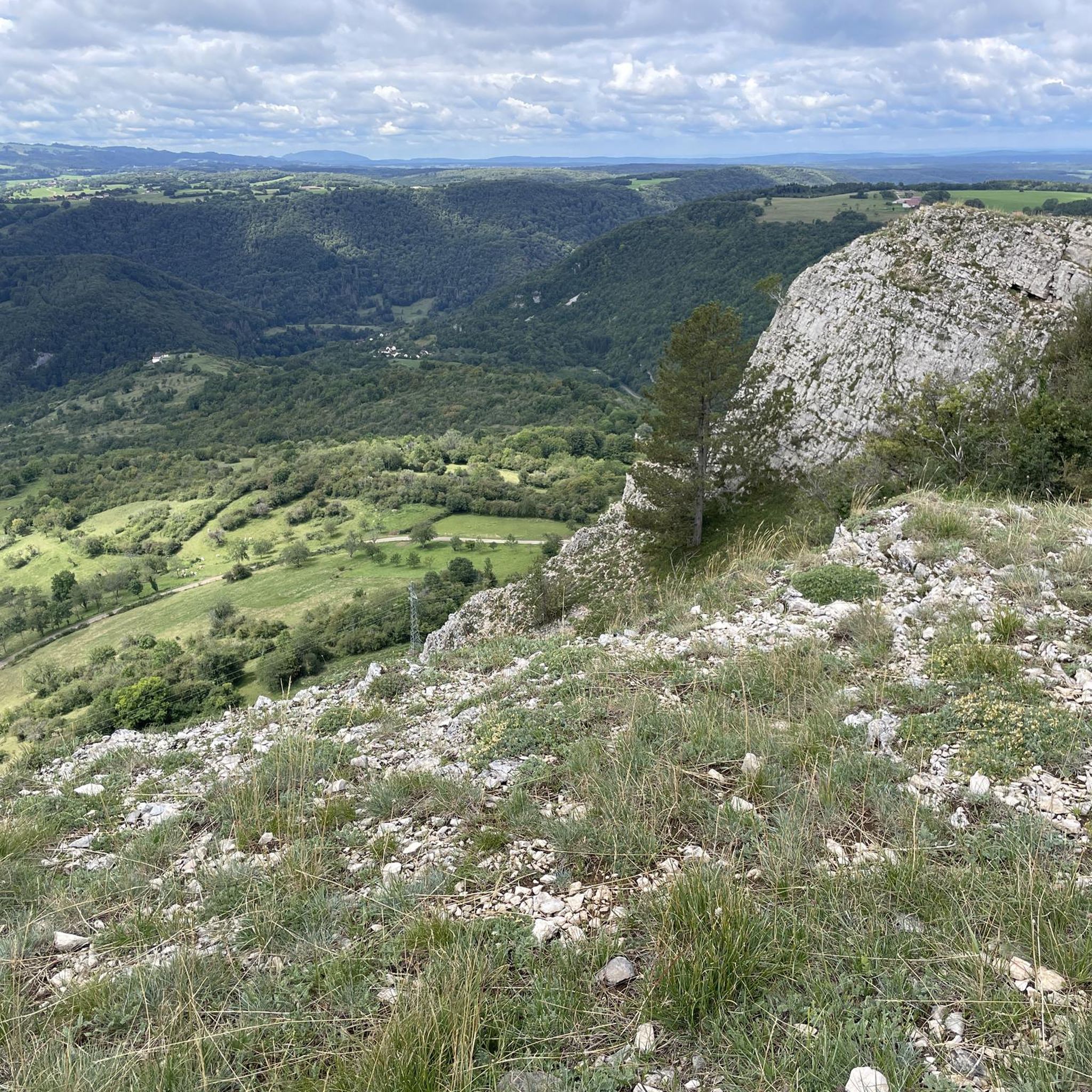
White Limestone Cliffs
Highlight • Natural Monument
Translated by Google •
Tip by
Sign up for free to discover even more natural monuments around Vernierfontaine.
Sign up for free
Already have an account?
Start today with a free account
Your next adventure awaits.
Login or Signup

Tips from the Community

The source of the Loue River is announced by the rushing water even before you see it. It's impressive and magical to stand beneath the 150-meter-high cliffs and watch the river rush out of its cave.
5
1

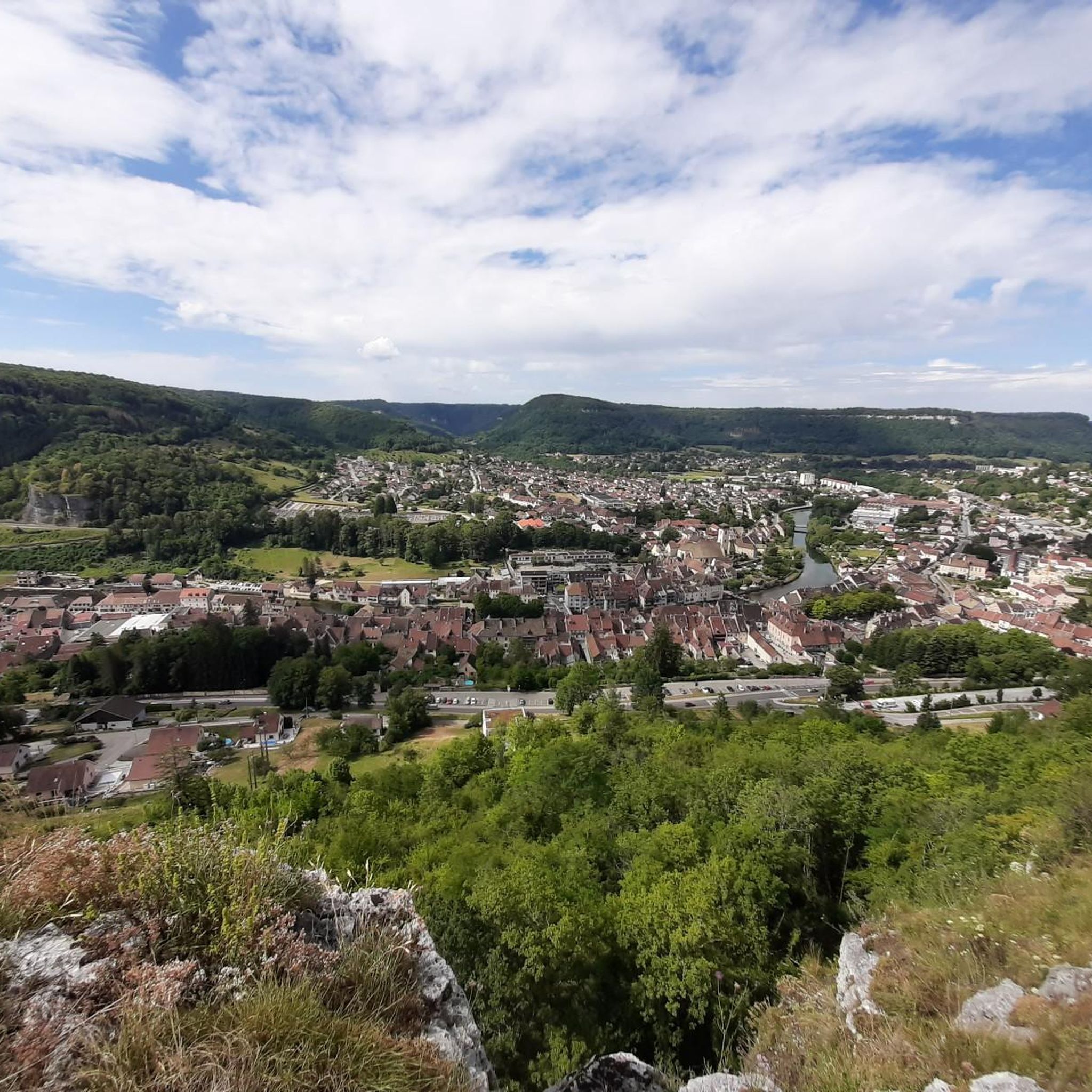
A beautiful valley - very relaxing to drive. La Roche Bottine is the right-hand rock edge that you see above Ornans. It is on the right of Ornans towards Lahier, above the D492 The left-hand rock edge is the Belvédére de Notre-Dame du Mont. Curious rock... its special shape inspired its name: La Roche Bottine
1
0

Here you have a view of three rock masses. The question is which one is the Roche Bottines
6
0

This cavern is impressive, the immense cliff seems to crush this “small” opening in the wall, from which clear waters gush. The lights and the tranquility of the place are remarkable. Consider bringing a headlamp to explore the caves a little more. Climbing enthusiasts will notice some equipped routes with quite an overhang.
2
2

One of the largest springs in the entire Jura region. Very impressive after long periods of rain.
3
0

This is truly a magical place! A whole river that comes straight out of the rock. There is a huge parking lot just a few hundred meters away, which takes some of the magic out of the place. So I would recommend visiting this place out of season. And instead of starting from the parking lot, take a long walk along the surrounding hiking trails, which are definitely worth it.
5
1

From the top of this belvedere, you will have a breathtaking view of the Cirque de la Source de la Loue.
2
0
When you finally reach the source, you are greeted by a 150 meter high rock face - a magnificent cirque. Below, you will see the source of the Loue.
2
0
Frequently Asked Questions
What types of natural features can I expect to see around Vernierfontaine?
The region around Vernierfontaine, situated in the Doubs department, is rich in diverse natural features. You can explore impressive karst springs like Source de la Loue and Source du Pontet, which feature caves and powerful waterfalls. The landscape also includes deep gorges, panoramic viewpoints such as Renédale Viewpoint, dense forests, and unique limestone formations like the White Limestone Cliffs. Further afield in the Doubs, you'll find large lakes, peat bogs, and the majestic Le Saut du Doubs waterfall.
What is the best time of year to visit the natural monuments around Vernierfontaine?
The natural monuments around Vernierfontaine are beautiful throughout the year, but the best time to visit generally depends on your preferred activities. Spring and autumn offer pleasant temperatures for hiking and exploring, with vibrant foliage or blooming flora. Summer is ideal for water-based activities at lakes like Lac de Saint-Point, while winter can transform the landscape into a snowy wonderland, suitable for winter hikes, though some access might be limited.
Are there family-friendly natural monuments around Vernierfontaine?
Yes, several natural monuments are suitable for families. For instance, the View of Roche Bottine is categorized as family-friendly, offering an accessible viewpoint. Lakes like Lac de Saint-Point provide opportunities for bathing and boat hire, and the Frasne Peat Bogs offer an explanatory walk on a wooden pontoon, which can be engaging for children. Many trails leading to these sites are also suitable for various fitness levels.
What outdoor activities can I do near the natural monuments around Vernierfontaine?
The region offers a wide range of outdoor activities. You can enjoy gravel biking on routes like the 'Loue River – The Loue loop' or 'Old railway bridge – Ornans loop'. There are also numerous running trails, including loops starting directly from Vernierfontaine. For mountain biking enthusiasts, options like the 'Source du Pontet – Cave of the Counterfeiters loop' provide challenging rides. You can find more details on these activities in the Gravel biking around Vernierfontaine, Running Trails around Vernierfontaine, and MTB Trails around Vernierfontaine guides.
Are there hiking trails near the natural monuments?
Absolutely. Many natural monuments are accessible via hiking trails. For example, Source de la Loue is easily reached via marked GR trails. The area around Le Saut du Doubs also features numerous hiking paths through gorges and pine forests. Lac de Saint-Point has a 20-kilometer walking path suitable for all levels. For specific running trails, you can consult the Running Trails around Vernierfontaine guide.
Can I bring my dog to the natural monuments?
Many natural areas in France are dog-friendly, especially on marked trails. However, specific rules can vary for protected sites or nature reserves like Lac de Remoray or Frasne Peat Bogs. It's generally advisable to keep dogs on a leash to protect wildlife and ensure the comfort of other visitors. Always check local signage for any restrictions.
Where can I find parking near the natural monuments?
Most popular natural monuments and trailheads will have designated parking areas. For example, sites like Source de la Loue are generally well-equipped with visitor facilities, including parking. It's recommended to check specific location details before your visit, especially during peak seasons, as parking can fill up quickly.
Is public transport available to reach these natural sites?
While Vernierfontaine itself is a smaller commune, public transport options to reach some of the larger natural sites in the Doubs department may exist, though they might be limited. For many of the more remote natural monuments, personal transport is often the most convenient way to access them. It's best to research specific routes and schedules for the particular monument you wish to visit.
What do visitors enjoy most about the natural monuments around Vernierfontaine?
Visitors frequently highlight the spectacular natural beauty and the sense of immersion in nature. The powerful karst springs and waterfalls, such as Source de la Loue and Source du Pontet, are particularly impressive. The breathtaking panoramic views from belvederes like Renédale Viewpoint, offering vistas of deep gorges and cirques, are also highly appreciated. The region's diverse landscape provides a relaxing and inspiring experience for nature lovers.
Are there any hidden natural gems worth exploring in the area?
Beyond the well-known sites, the region is full of smaller, less-trafficked natural wonders. The White Limestone Cliffs offer a playful route with astonishing formations and viewpoints that might feel like a hidden discovery. Exploring the numerous smaller gorges and rivers throughout the Parc Naturel Régional du Doubs Horloger can also lead to unique and tranquil experiences away from the main crowds.
How much time should I allocate to visit the natural monuments?
The time needed varies greatly depending on the monument and your planned activities. For a quick visit to a viewpoint like Renédale Viewpoint, an hour might suffice. However, exploring a site like Source de la Loue with its surrounding trails could take half a day. If you plan to hike or combine multiple sites, a full day or even several days would be ideal to fully appreciate the region's natural beauty.
Are there any caves to explore near Vernierfontaine?
Yes, the region is known for its caves. Source de la Loue and Source du Pontet are both impressive cave systems where water emerges. Further afield, the Grottes d'Osselle are among the oldest tourist caves in the world, offering a fascinating underground journey through geological formations.
Most popular routes around Vernierfontaine
Most popular attractions around Vernierfontaine

Get inspired with the komoot mobile app


Explore more
Extend your search for the best caves by checking out these guides of the top ones around Vernierfontaine:
