Top 8 Natural Monuments around Saint-Rome-De-Tarn
Best natural monuments around Saint-Rome-De-Tarn are found within a landscape characterized by limestone plateaus, deep gorges, and distinctive rock formations. This region, part of the Grands Causses Regional Natural Park, offers diverse natural features. The area's geology has sculpted unique landforms, providing compelling reasons for exploration. It is a destination for those interested in natural landscapes and geological wonders.
Best natural monuments around Saint-Rome-De-Tarn
- The most popular natural monuments is Cap de Coste Viewpoint, a viewpoint that offers a…
Last updated: July 5, 2026
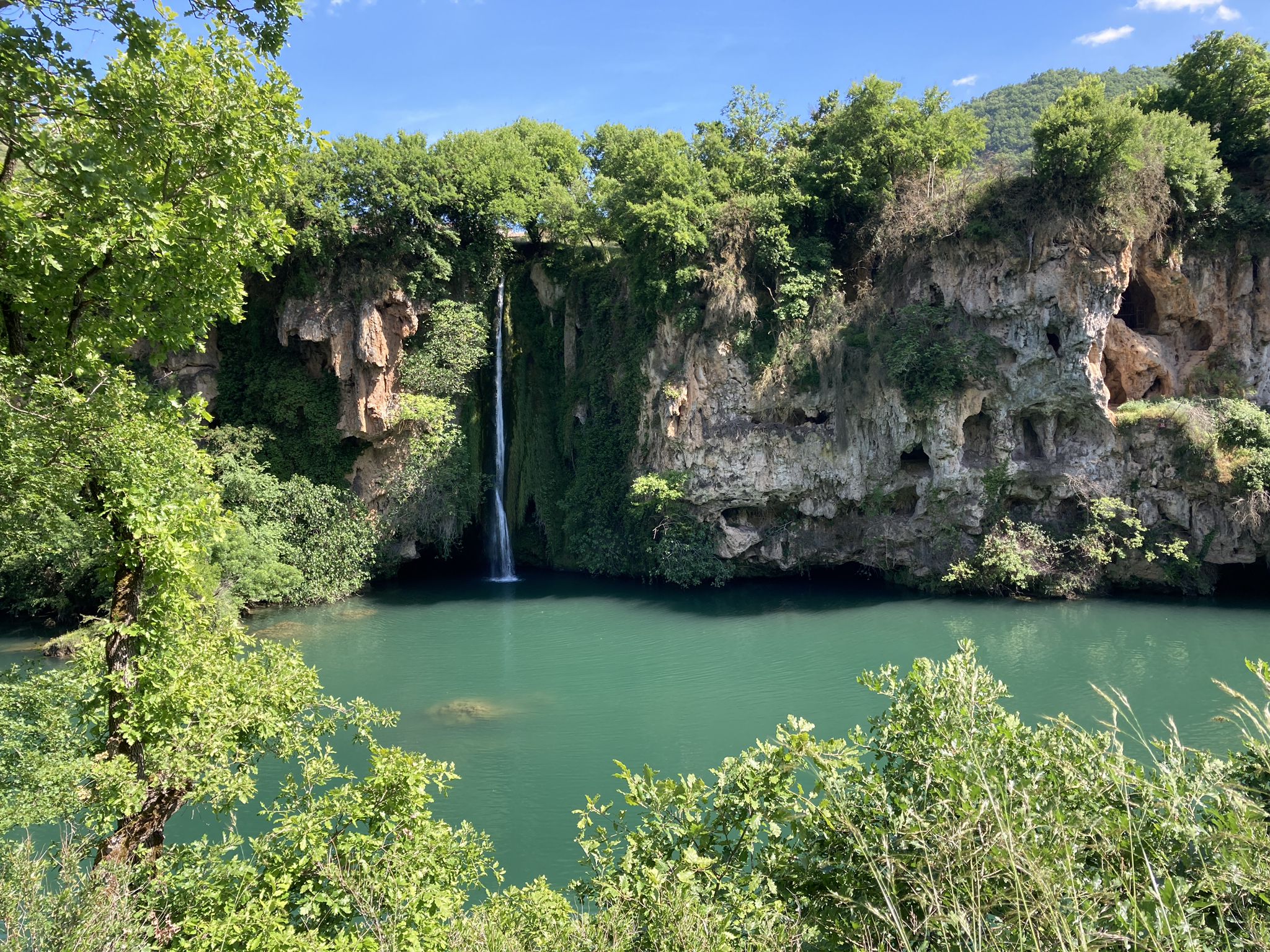
The Creissels waterfalls
Highlight • Waterfall
Translated by Google •
Tip by

The Three Crosses – View of the Millau Viaduct
Highlight • Viewpoint
Translated by Google •
Tip by

Sign up now to discover places like this
Get recommendations on the best single tracks, peaks, & plenty of other exciting outdoor places.
Sign up for free
Cascade des Raspes du Tarn
Highlight • Waterfall
Translated by Google •
Tip by

Cap de Coste Viewpoint
Highlight • Viewpoint
Translated by Google •
Tip by

The Rock Engraved with Two Crosses
Highlight • Natural Monument
Translated by Google •
Tip by

Sign up for free to discover even more natural monuments around Saint-Rome-De-Tarn.
Sign up for free
Already have an account?
Start today with a free account
Your next adventure awaits.
Login or Signup
Popular around Saint-Rome-De-Tarn

Other adventures around Saint-Rome-De-Tarn

Tips from the Community

The name "Montagne de Trois Croix" already hinted at it, and so it's no real surprise to find more than just a summit cross up here, which – as is common in many places – crowns the mountain peak. The central cross, standing in the middle, points the observer to the execution of the incarnate Son of God, Jesus of Nazareth. According to biblical tradition, however, he was not condemned to death and crucified alone, but together with two criminals. Pope Francis, who died on Easter Monday, once composed the following prayer on this subject: "Help us, Son of Man, to free ourselves from the arrogance of the thief, the robber on your left, and of the short-sighted and the corrupt (...) Instead, we ask you, Son of God, to identify us with the good thief who looked at you with eyes full of shame, repentance, and hope; who, with the eyes of faith, saw divine victory in your apparent defeat and thus knelt before your mercy and grace and stole paradise with honesty and integrity.
0
1

History and nature an ideal mix
0
0

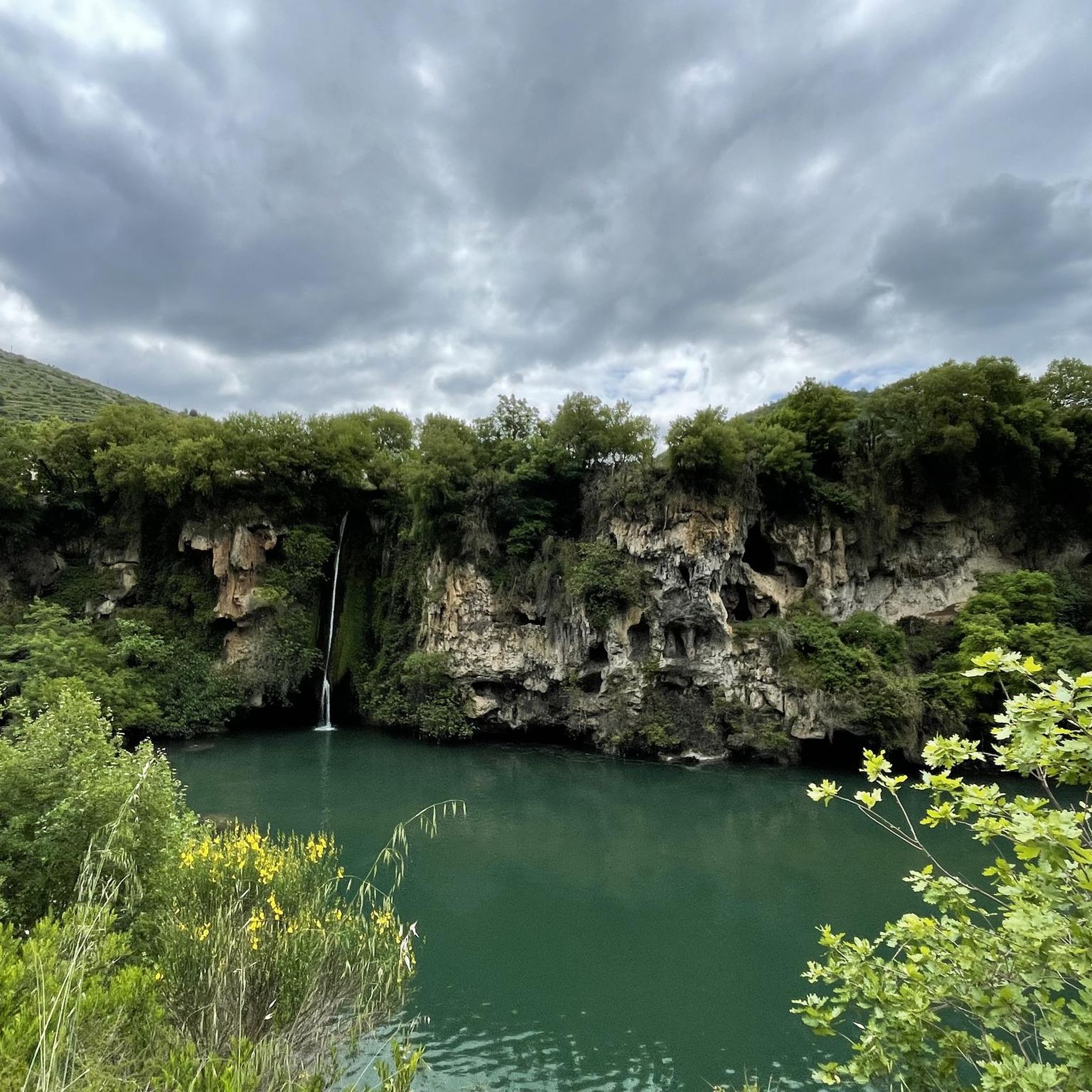
The Creissels waterfall is a true natural gem! It is a resurgence that flows constantly throughout the year, with a flow that varies. What makes this place so special is that it is loaded with calcium carbonate, which has allowed the formation of a magnificent tuff rock. In winter, when temperatures drop, the waterfall transforms into a magical spectacle. The icy concretions that form are simply magnificent, and it is fascinating to see how the waterfall can completely petrify at times. It is an ideal place for nature lovers and photographers in search of enchanting landscapes. I highly recommend visiting the Creissels waterfall, whether to admire its peaceful flow in summer or its incredible transformation in winter!
1
1

Magnificent panorama to be seen absolutely
0
0

Insanely beautiful view from the plateau.
0
1

Great view of the waterfall
0
0

She is glancing at us from the village from where we can see her. The Cresseils waterfall is a nugget of nature at the gates of the city. The water comes from the ledges of Larzac, then flows into the Tarn with a fall of 23 meters high. Several other waterfalls follow one another for the height of wonder.
0
1
Frequently Asked Questions
What are some of the most impressive natural viewpoints around Saint-Rome-de-Tarn?
For breathtaking panoramas, visit Cap de Coste Viewpoint, which offers a spectacular view of Millau, its viaduct, and the Tarn valley. The Gorges du Tarn also feature several magnificent viewpoints like Point Sublime, Cirque des Baumes, and Roc des Hourtous, providing bird's-eye views of the river and towering cliffs.
Are there any natural monuments suitable for families with children?
Yes, the Cascade des Raspes du Tarn is a picturesque waterfall often described as magical, and it's considered family-friendly. Additionally, the Dinosaur Footprints of Peyre offer an easy-to-access and engaging experience for children, allowing them to discover ancient history in the rocks.
What unique geological features can I explore in the region?
The region is rich in unique geology. The Gorges du Tarn are known for their deep canyons, dramatic meanders, and dolomitic arches. The Causse du Larzac features 'lunar landscapes' and ruiniform rocks shaped by erosion, along with numerous underground formations like sinkholes and caves. The Chaos de Montpellier-le-Vieux is famous for its 'City of Stones,' where wind and rain have sculpted gigantic rocks into imaginative shapes resembling an ancient city.
Where can I find historical natural monuments near Saint-Rome-de-Tarn?
You can visit The Rock Engraved with Two Crosses, a natural block with ancient engravings. Another historical site is Rocher de Caylus, which features remains of a medieval castle and offers superb views. The Dinosaur Footprints of Peyre also provide a fascinating glimpse into prehistoric times.
What outdoor activities are available near these natural monuments?
The area offers a wide range of outdoor activities. The Gorges du Tarn are ideal for hiking, kayaking, canoeing, and rock climbing. The Causse du Larzac provides extensive opportunities for hiking, horseback riding, and mountain biking. You can find various routes for these activities, including hiking trails, MTB trails, and gravel biking routes around Saint-Rome-de-Tarn.
Are there specific hiking trails to explore the natural monuments?
Yes, there are numerous hiking trails. For example, you can explore the Gorges du Tarn, which offers trails through dramatic scenery. The Causse du Larzac also has designated trails for hiking. For specific routes, consider exploring the hiking guide for Saint-Rome-de-Tarn, which includes routes like the 'Pines Circuit' and loops to the 'Tiergues Dolmen'.
What is the significance of the Roquefort Caves as a natural monument?
The Roquefort Caves are a unique natural monument due to their geological origin and the specific microclimate they create. Formed by a collapsed limestone plateau and natural fissures called 'fleurines,' these caves maintain a constant cool temperature and high humidity. This environment is essential for the spontaneous growth of Penicillium roqueforti, the mold responsible for Roquefort cheese, making them a crucial link between geology and gastronomy.
What kind of wildlife can be observed in the natural monuments area?
The region is home to diverse wildlife. In the Gorges du Tarn, you might spot vultures, eagles, falcons, and European beavers. The Causse du Larzac boasts a rich variety of plant species, including protected ones like the Cardabelle thistle, and is a habitat for majestic birds of prey such as kites, vultures, and falcons.
What makes the Causse du Larzac a UNESCO World Heritage site?
The Causse du Larzac is recognized as a UNESCO World Heritage site for its unique agro-pastoral cultural landscape. Beyond its stunning 'lunar landscapes' and ruiniform rocks, it showcases a strong relationship between humans and their environment, visible in elements like 'lavognes' (natural pools for animals), 'jasses' (sheepfolds), and 'cazelles' (shepherd huts), reflecting ancient pastoral traditions.
Can I find any natural rock arches or unique formations in the area?
Yes, the Gorges du Tarn are known for their dolomitic arches and uniquely shaped rocks formed by erosion, such as the mysterious Arcs Saint-Pierre on the Causse Méjean. The Chaos de Montpellier-le-Vieux is also famous for its 'ruiniform' rocks, which create an illusion of an ancient, dilapidated city with formations resembling arches, sphinxes, and mythical creatures.
What do visitors enjoy most about the natural monuments around Saint-Rome-de-Tarn?
Visitors frequently highlight the spectacular views, such as those from Cap de Coste Viewpoint, and the magical quality of places like the Cascade des Raspes du Tarn. The unique geological formations, like the 'City of Stones' at Chaos de Montpellier-le-Vieux, and the historical elements, such as the Dinosaur Footprints of Peyre, are also highly appreciated for their natural beauty and engaging experiences.
Is it possible to go wild swimming near the natural monuments?
The Gorges du Tarn, with the Tarn River winding through its dramatic landscapes, offers opportunities for water activities like kayaking and canoeing. While specific wild swimming spots are not detailed, the presence of waterfalls, resurgent springs, and the river itself suggests potential areas for enjoying the water in a natural setting.
Most popular routes around Saint-Rome-De-Tarn
Most popular attractions around Saint-Rome-De-Tarn

Get inspired with the komoot mobile app


Explore more
Extend your search for the best caves by checking out these guides of the top ones around Saint-Rome-De-Tarn:
