Top 5 Natural Monuments around Rosières
Best natural monuments around Rosières are located in a commune in the Haute-Loire department of France. This region features a blend of geological formations, historical pathways, and traditional heritage. The landscape is characterized by volcanic activity and erosion, shaping unique natural features. Visitors can explore a variety of natural monuments that showcase the area's distinct geology and history.
Best natural monuments around Rosières
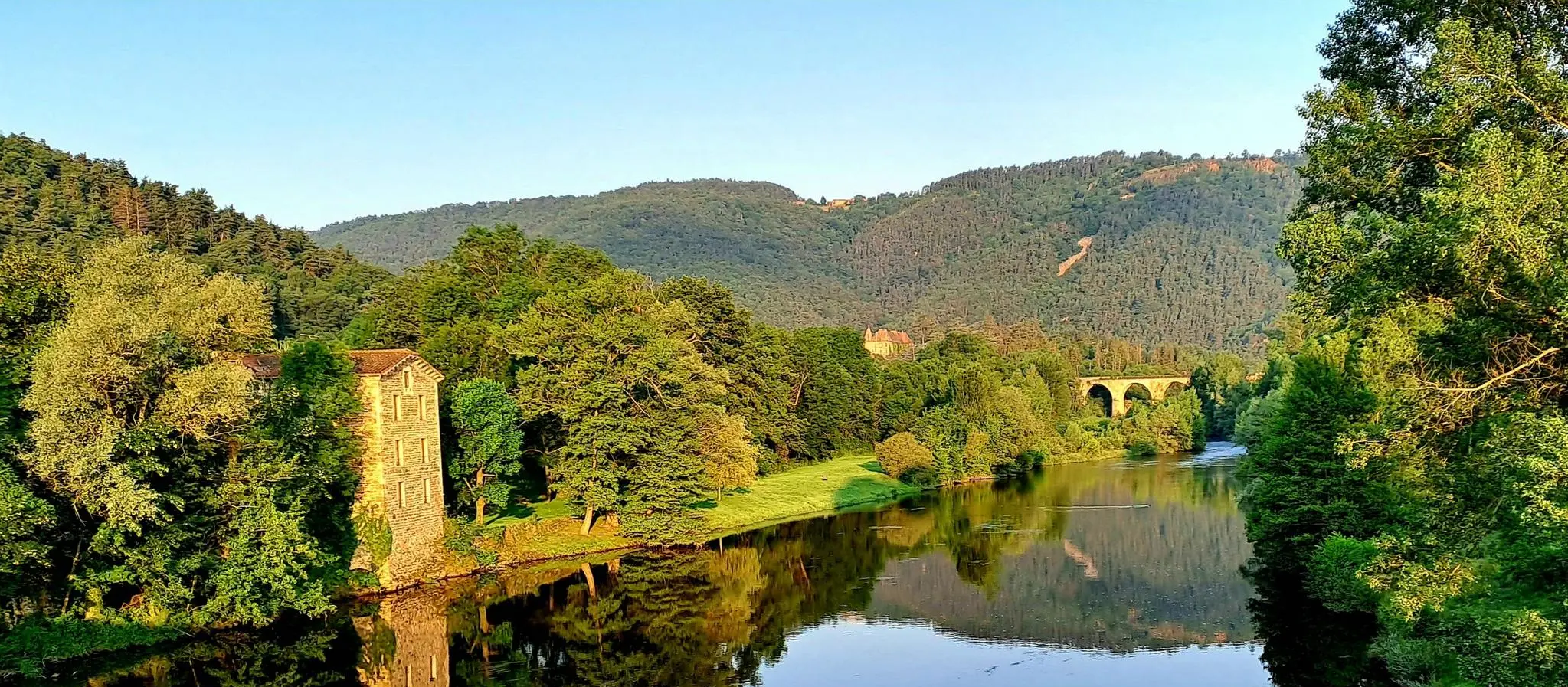
- The most popular natural monument is Château d'Artias, a castle and natural monument situated on a…
Last updated: July 5, 2026
Château d'Artias
Highlight • Castle
Translated by Google •
Tip by

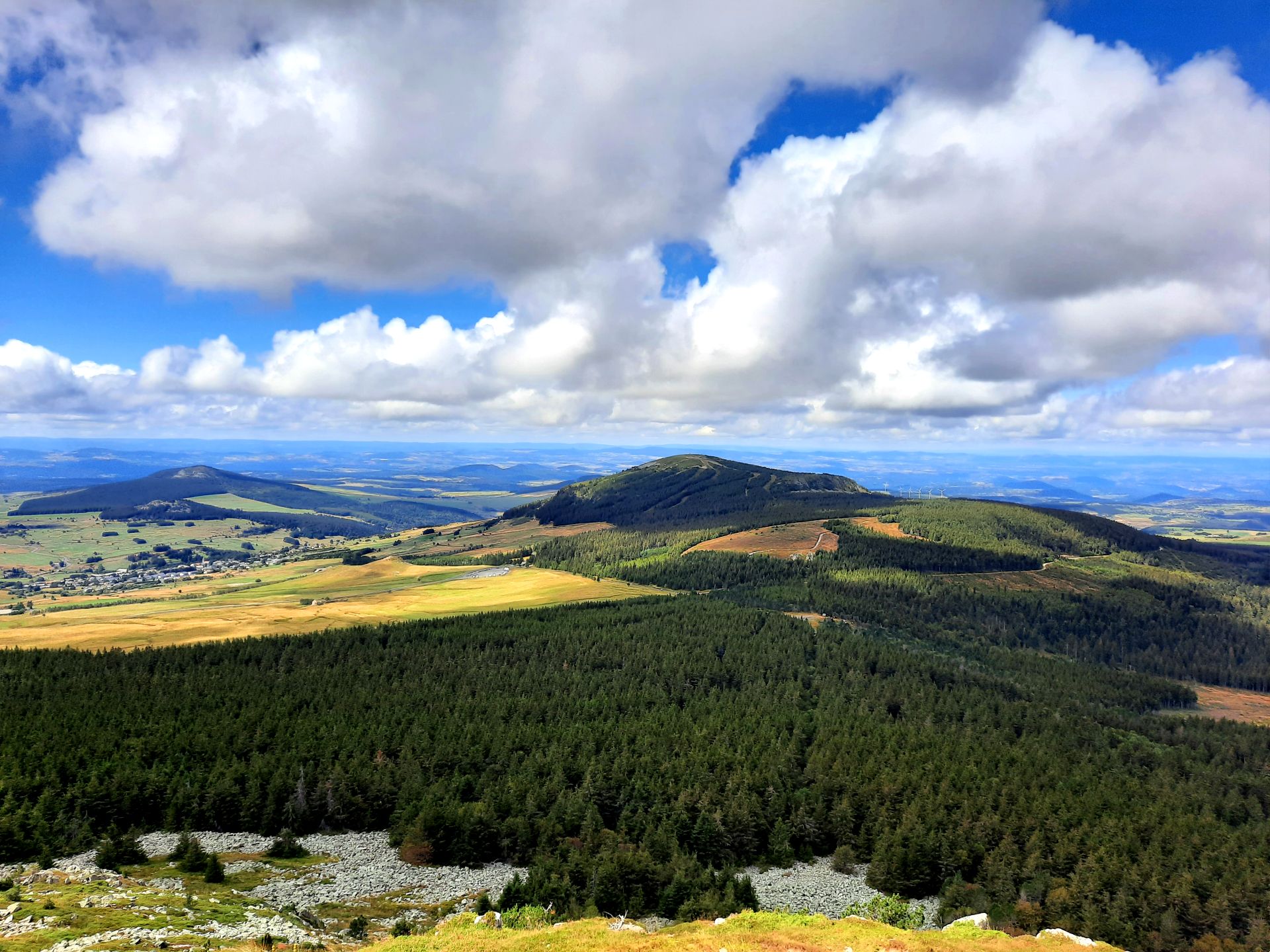
Suc de Chapteuil
Highlight • Natural Monument
Translated by Google •
Tip by

Sign up now to discover places like this
Get recommendations on the best single tracks, peaks, & plenty of other exciting outdoor places.
Sign up for free
Montjoie Viewpoint
Highlight • Viewpoint
Translated by Google •
Tip by

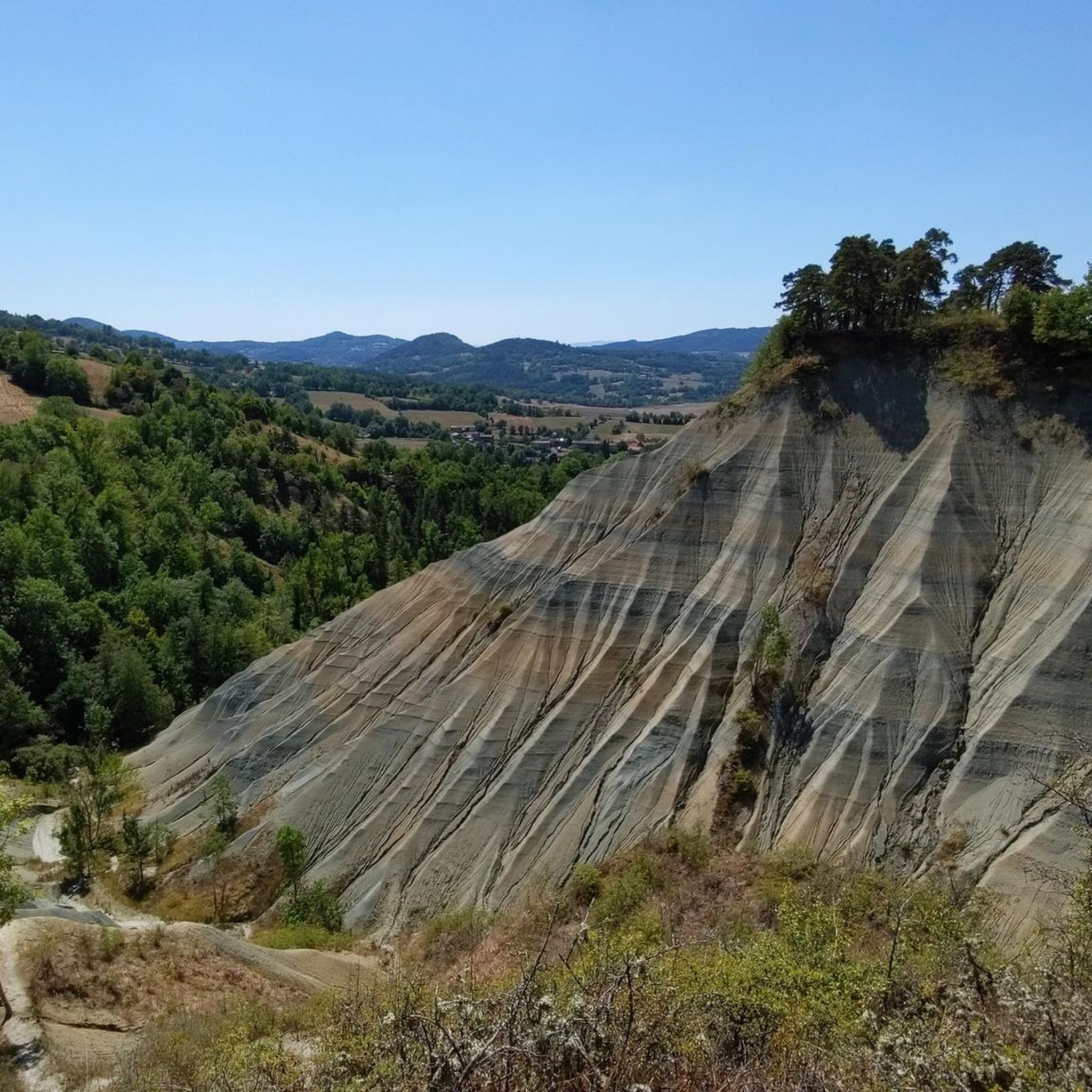
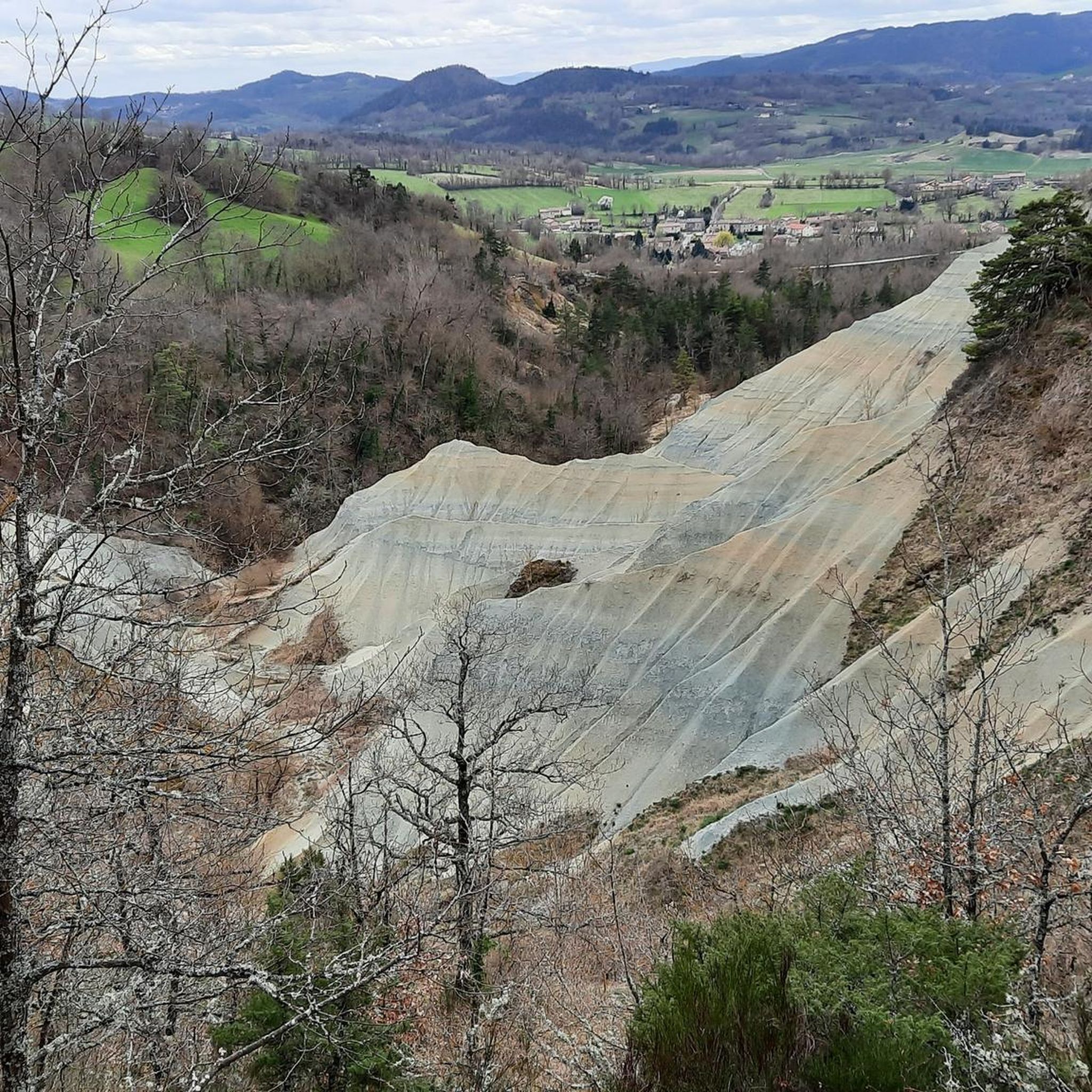
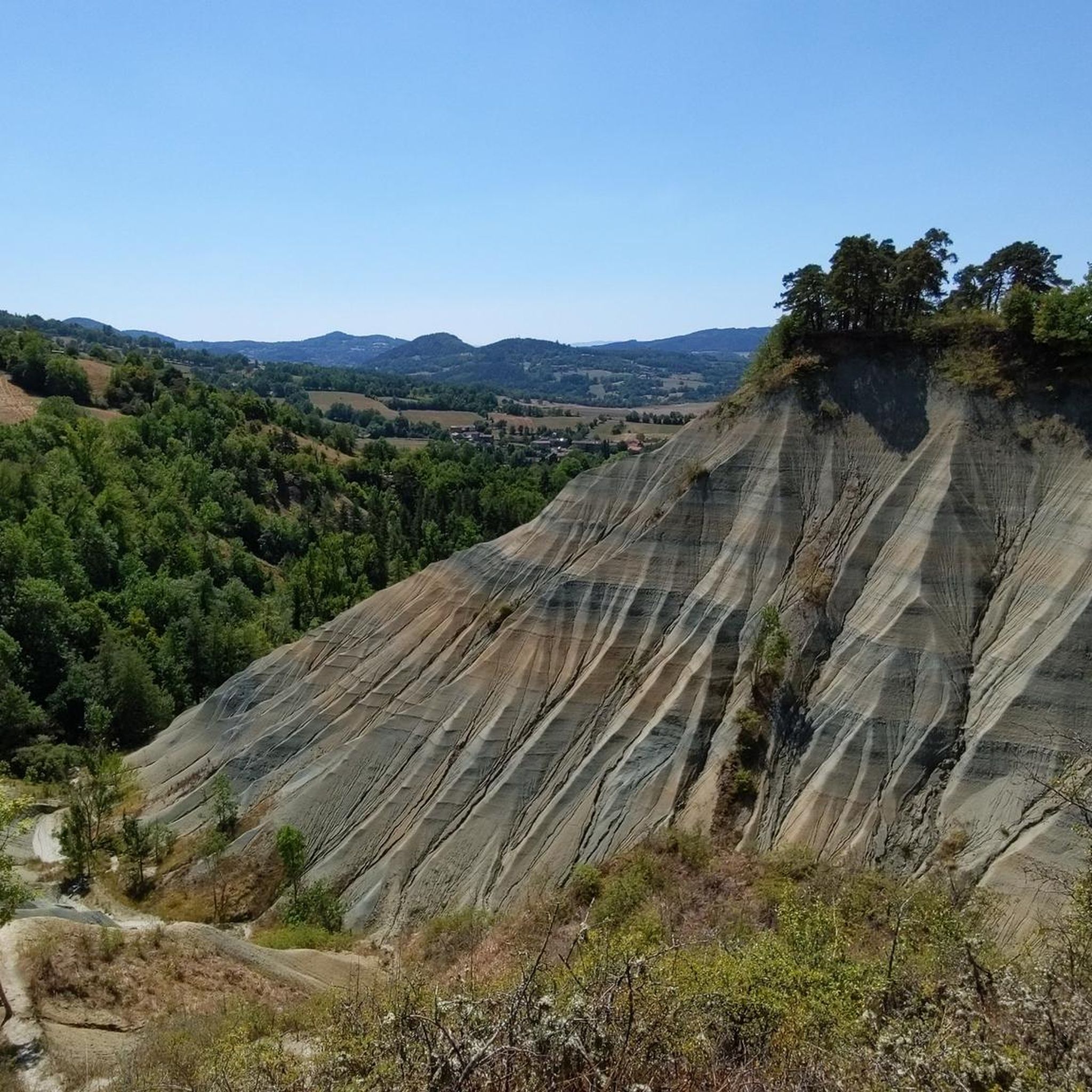
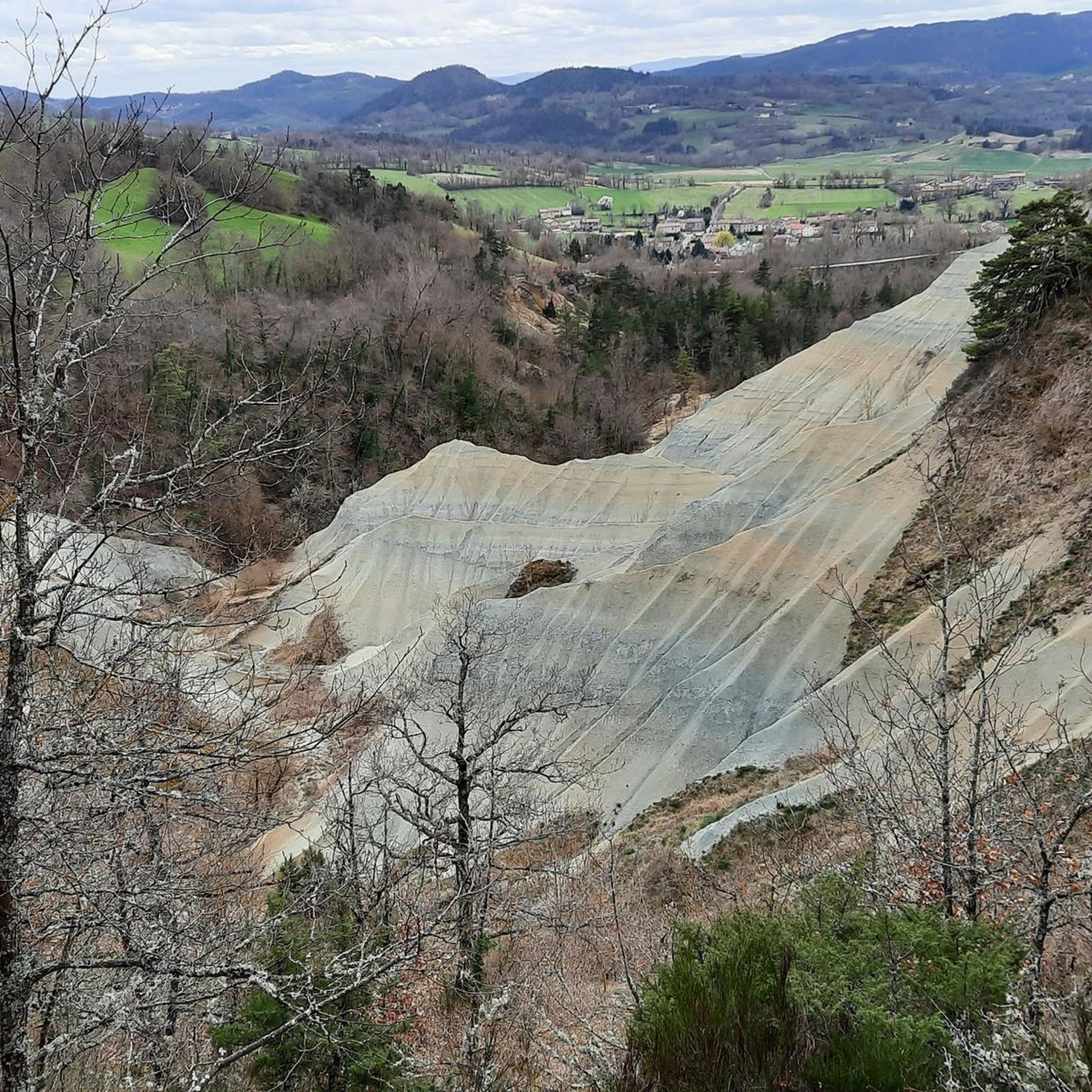
View of the Corboeuf Ravine
Highlight • Canyon
Translated by Google •
Tip by

Suc de Bartou
Highlight • Volcano
The small mountains are clearly visible from the village of Chamalières-sur-Loire.
Translated by Google •
Tip by

Sign up for free to discover even more natural monuments around Rosières.
Sign up for free
Already have an account?
Start today with a free account
Your next adventure awaits.
Login or Signup
Popular around Rosières



Tips from the Community

You can ride right up to the castle then climb up onto the top. The views spectacular
0
0

From the bridge over the Loire and then to the right is a drama! Too narrow, poorly visible and even dangerous. Over the road to Artias is much better.
0
0

The Suc de Chapteuil is an enormous organ rock which represents an ancient volcanic chimney. The 360 degree view is sublime. We'll be amazed!
0
0
The Suc de Chapteuil is an enormous organ rock which represents an ancient volcanic chimney. Organs have always been used in construction, notably for the castle of the lords of Chapteuil, the remains of which can be seen.
0
0

Magnificent view and possibility of picnicking at the top.
0
0

Interesting to see that there is a "mountain of joy" not only in Spanish Galicia, but also here in southeastern France. These two places not only have the name in common, but also the first view of the towers of the cathedral of Santiago de Compostela with the tomb of the Holy Apostle James the Elder, or of the cathedral with the black Madonna of Le-Puy. en-Velay. The small pile of stones that have accumulated at this point, however, is reminiscent of the Spanish "Cruz de Ferro" (iron cross) on Monte Irago.
3
0

The Château d'Artias, whose existence dates back at least to the 10th century, suffered during the French Revolution, a period from which the castle was used as a stone quarry. The ruins are now classified as Historic Monuments. Its location on a pyramidal rock block makes it quite a spectacular place.
7
0

The Suc de Bartou and the Rocher de Costaros are two small mountains neighboring each other, culminating at almost 1,000 meters and resulting from strong volcanic activity. The small mountains are clearly visible from the village of Chamalières-sur-Loire.
1
0
Frequently Asked Questions
What are the most notable natural monuments to visit around Rosières?
The Rosières region in Haute-Loire offers several unique natural monuments. Among the most popular are the View of the Corboeuf Ravine, known for its striking multicolored clay canyon, and Suc de Chapteuil, an impressive organ rock that is an ancient volcanic chimney offering panoramic views. Don't miss Château d'Artias, a historical site situated on a pyramidal rock block, providing a spectacular viewpoint.
Are there any historical natural monuments in the Rosières area?
Yes, the region blends natural beauty with historical significance. Château d'Artias is a prime example, a castle ruin dating back to the 10th century, perched dramatically on a pyramidal rock. The Montjoie Viewpoint also holds historical context, named after the 'Mountain of Joy' where pilgrims would first glimpse their destination, offering views towards Le-Puy-en-Velay.
What kind of geological features can I expect to see at the natural monuments near Rosières?
The natural monuments around Rosières are characterized by fascinating geological formations shaped by volcanic activity and erosion. You'll encounter the vibrant, multicolored clay layers of the Corboeuf Ravine, impressive basalt organ rocks like Suc de Chapteuil (an ancient volcanic chimney) and the Basalt organ of Queyrières, and dramatic rock formations that host historical sites like Château d'Artias.
What outdoor activities can I do near the natural monuments in Rosières?
The area around Rosières is excellent for various outdoor activities. You can enjoy hiking, running, and gravel biking. Many routes, such as the 'Corbœuf Ravine Loop' for hiking, or the 'View of the Corboeuf Ravine – Corboeuf Ravine Viaduct loop' for running and gravel biking, allow you to explore the unique landscapes. For more detailed routes, check out the Hiking around Rosières, Running Trails around Rosières, and Gravel biking around Rosières guides.
Are there family-friendly natural monuments or activities around Rosières?
While specific 'family_friendly' tags are not present for all highlights, the natural monuments offer engaging experiences for families. The Corboeuf Ravine, with its striking colors, can be a visually exciting destination for children. Many of the hiking routes around these sites are suitable for families, depending on the chosen difficulty. For example, there are easy hiking loops available in the region.
What do visitors enjoy most about the natural monuments in Rosières?
Visitors frequently praise the breathtaking views and unique geological formations. The 'spectacular place' and 'sublime 360-degree view' from Château d'Artias and Suc de Chapteuil are often highlighted. The 'impressive' multicolored clay canyon of the Corboeuf Ravine also receives high acclaim for its visual impact.
Can I find viewpoints offering panoramic vistas among the natural monuments?
Absolutely. The region is rich in viewpoints. Château d'Artias offers a spectacular perspective over the surrounding area from its pyramidal rock. Suc de Chapteuil provides a magnificent 360-degree view from its summit. Additionally, the Montjoie Viewpoint, at 722m altitude, offers extensive views including the cathedral of Le-Puy-en-Velay.
What is the best time to visit the natural monuments around Rosières?
While specific seasonal recommendations are not provided, generally, spring and autumn offer pleasant temperatures for exploring the outdoor natural monuments and hiking trails. These seasons often provide comfortable conditions for walking and enjoying the views without the intense heat of summer or the potential for snow in winter. However, the unique geological features like the Corboeuf Ravine can be appreciated year-round.
Are there any natural monuments that are particularly unique or unusual?
The Rosières region boasts several unique natural monuments. The View of the Corboeuf Ravine is particularly unusual with its multicolored clay formations, often likened to a 'Colorado of Auvergne'. The Suc de Chapteuil and the Basalt organ of Queyrières are also distinctive, showcasing impressive basalt columns formed from ancient volcanic activity.
Are there opportunities for hiking near the Corboeuf Ravine?
Yes, the Corboeuf Ravine is a popular spot for hikers. There are several routes that allow you to explore this unique geological site, such as the 'Corbœuf Ravine Loop' which is a more challenging hike, or the 'View of the Corboeuf Ravine – Corboeuf Ravine Viaduct loop' which offers moderate options from Rosières or Mézères. You can find more details in the Hiking around Rosières guide.
Most popular routes around Rosières
Most popular attractions around Rosières

Get inspired with the komoot mobile app


Explore more
Extend your search for the best caves by checking out these guides of the top ones around Rosières:
