Top 18 Natural Monuments around Sankt Johann-Kurzerode
Best natural monuments around Sankt Johann-Kurzerode offer diverse natural and historical sites. The region's landscape features rock formations, forests, and elevated viewpoints. Visitors can explore 18 natural monuments, including ancient castles and unique geological features. These sites provide opportunities to experience the local terrain and natural beauty.
Best natural monuments around Sankt Johann-Kurzerode
- The most popular natural monuments is Haut-Barr Castle, a castle and natural monument that offers fantastic views over the Vosges and the Rhine Valley. The top…
Last updated: July 5, 2026
Haut-Barr Castle
Highlight • Castle
Translated by Google •
Tip by

Graufthal Troglodyte Houses
Highlight • Historical Site
Translated by Google •
Tip by

Sign up now to discover places like this
Get recommendations on the best single tracks, peaks, & plenty of other exciting outdoor places.
Sign up for free
Rocher du Calice
Highlight • Natural Monument
Translated by Google •
Tip by

Einsiedlerhütte and Troglodyte Houses of Falkenfelsen
Highlight • Historical Site
Translated by Google •
Tip by

Rocher JL Huck
Highlight • Viewpoint
There is not a rest bench here, but a nice "Sitzfels".
Translated by Google •
Tip by

Sign up for free to discover even more natural monuments around Sankt Johann-Kurzerode.
Sign up for free
Already have an account?
Start today with a free account
Your next adventure awaits.
Login or Signup

Tips from the Community

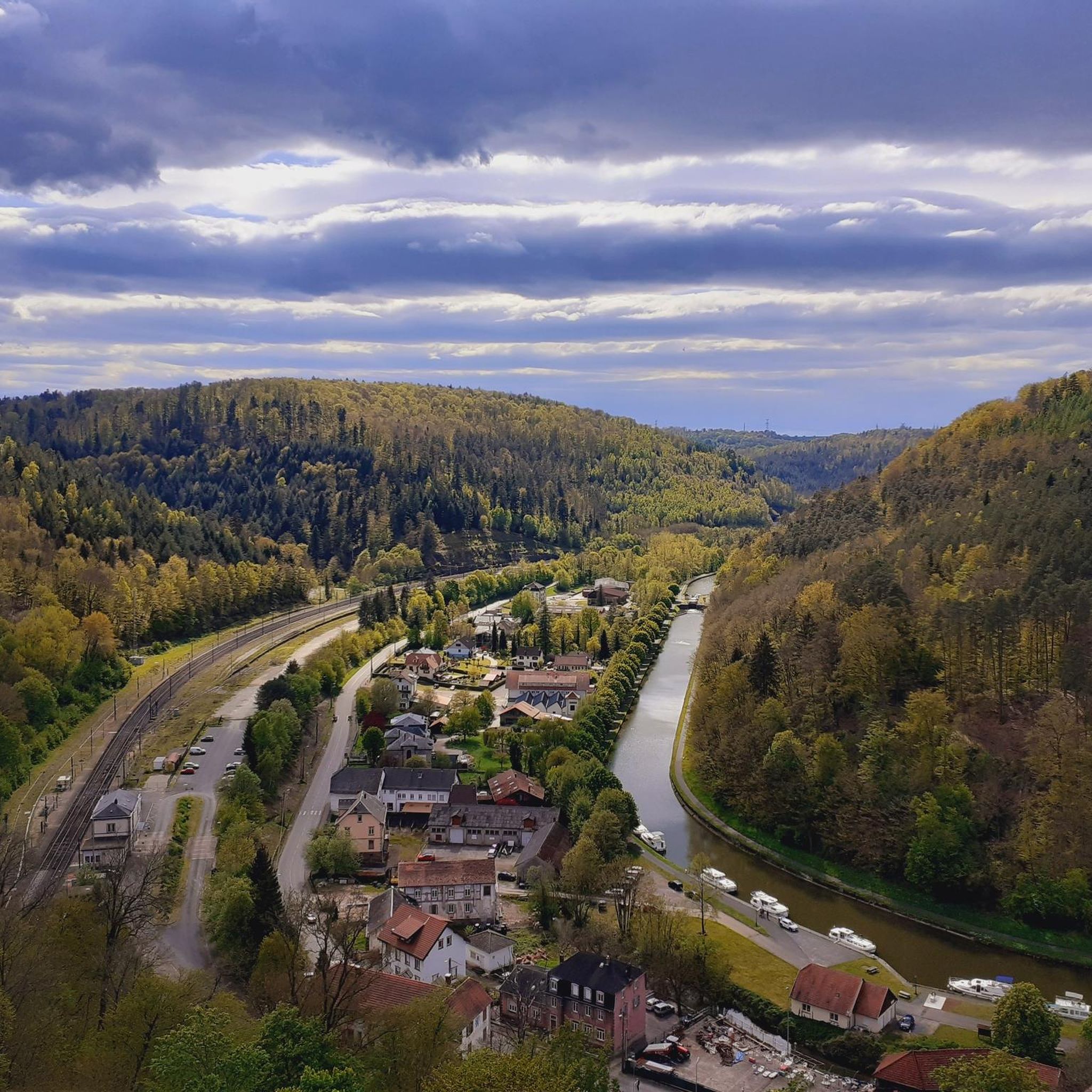
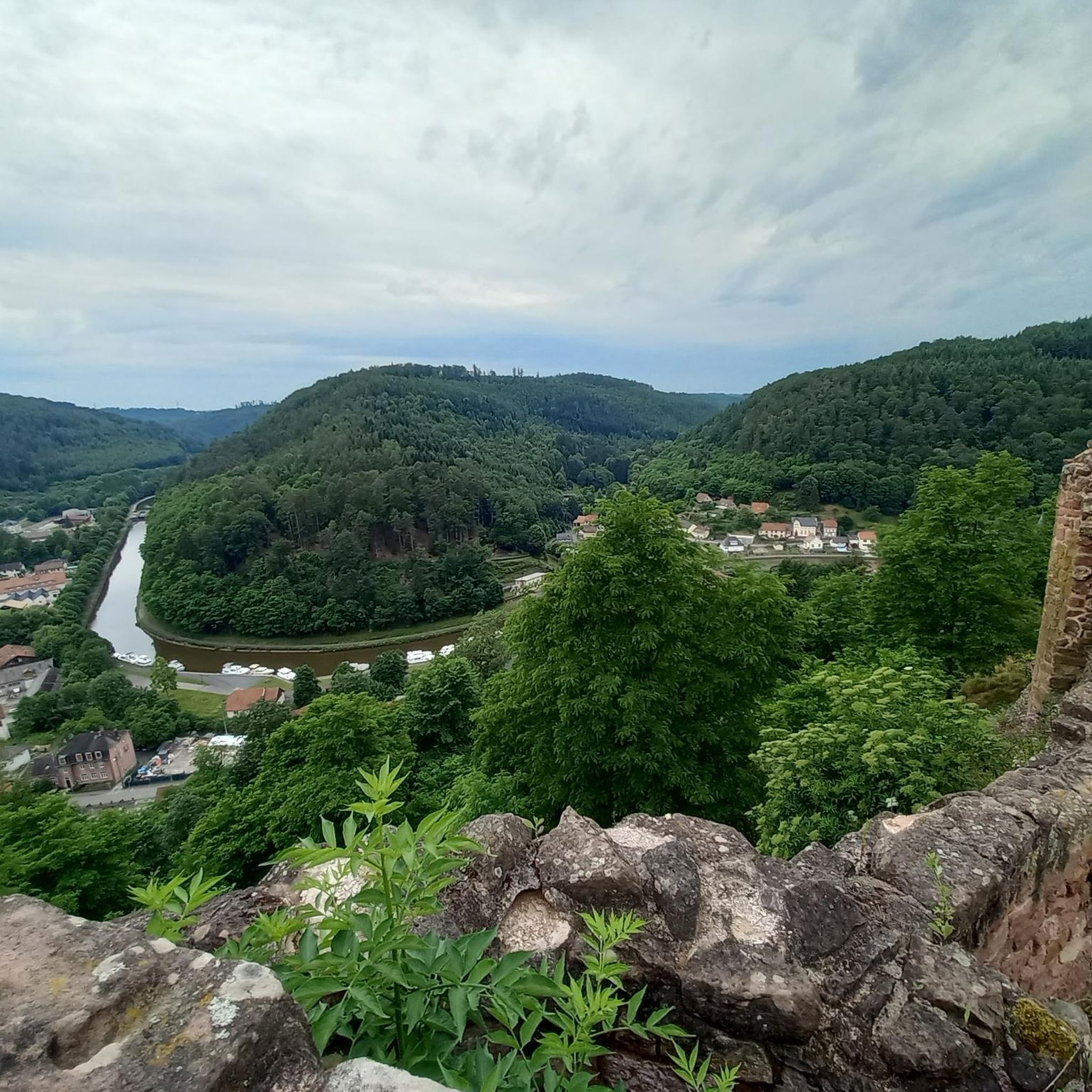
Elongated rock castle above the Zorn valley, southwest of Saverne. After a varied history, it has been state property for approx. 150 years. Varied structures from different eras in the inner courtyard. Great view over the Rhine valley and the northern Vosges.
3
0

Under the very rock, which forms a rock shelter, lived for a long time the hermit known as "the Falkenfels", from 1895 until his death in 1902. There is no certainty about the origins of Edouard Hinbeer, nicknamed friendly by the population and in the archives the Waldbruder (brother of the forest). A valiant man, he looked after the pigs of the commune of Hellert. The population esteemed him, considered him a holy man and took turns bringing him their midday meals.
0
0
Great view; right on the trail JL Huck was long-time president of the 'club vosgien'
0
0

Very nice view from the rock named after a president of the Club Vosgien.
0
0

The Rocher du Chalice, located not far from the Plan Incliné in the charming town of Saint-Louis, is a natural spectacle not to be missed. Nestled in the middle of the forest, this fascinating rock is a living witness to the natural erosion that has shaped the territory over the years. Its particular shape invites visitors to give free rein to their imagination, discovering various shapes, animals, faces and engravings sculpted by natural elements. To discover it, a walk is essential. From the Luge du Plan Incliné car park, follow the yellow dot markings for a distance of 1.2 km towards the Rocher du Chalice. The approach is via a path then a steep path, offering a little adventure before even reaching the rock. And the exploration doesn't stop there. You can extend your hike through several unusual underground passages, then via the Vallée des Éclusiers and Hofmuhl, before returning to the starting point, for a total circuit of 11.4 km.
1
0

Here you can find 2 former rock houses. Also a bench with a table for a picnic. There is an information board in French at the entrance. It's about 15 minutes from the parking lot. We did a little circular walk.
0
0

Interesting rock dwellings, e.g. T. were converted into a small museum, which also provides information about the complex history of the area, e.g. B. the match production and the archaeological excavation site of the monastery. Current information: https://www.visit.alsace/217006470-maisons-des-rochers/
3
1

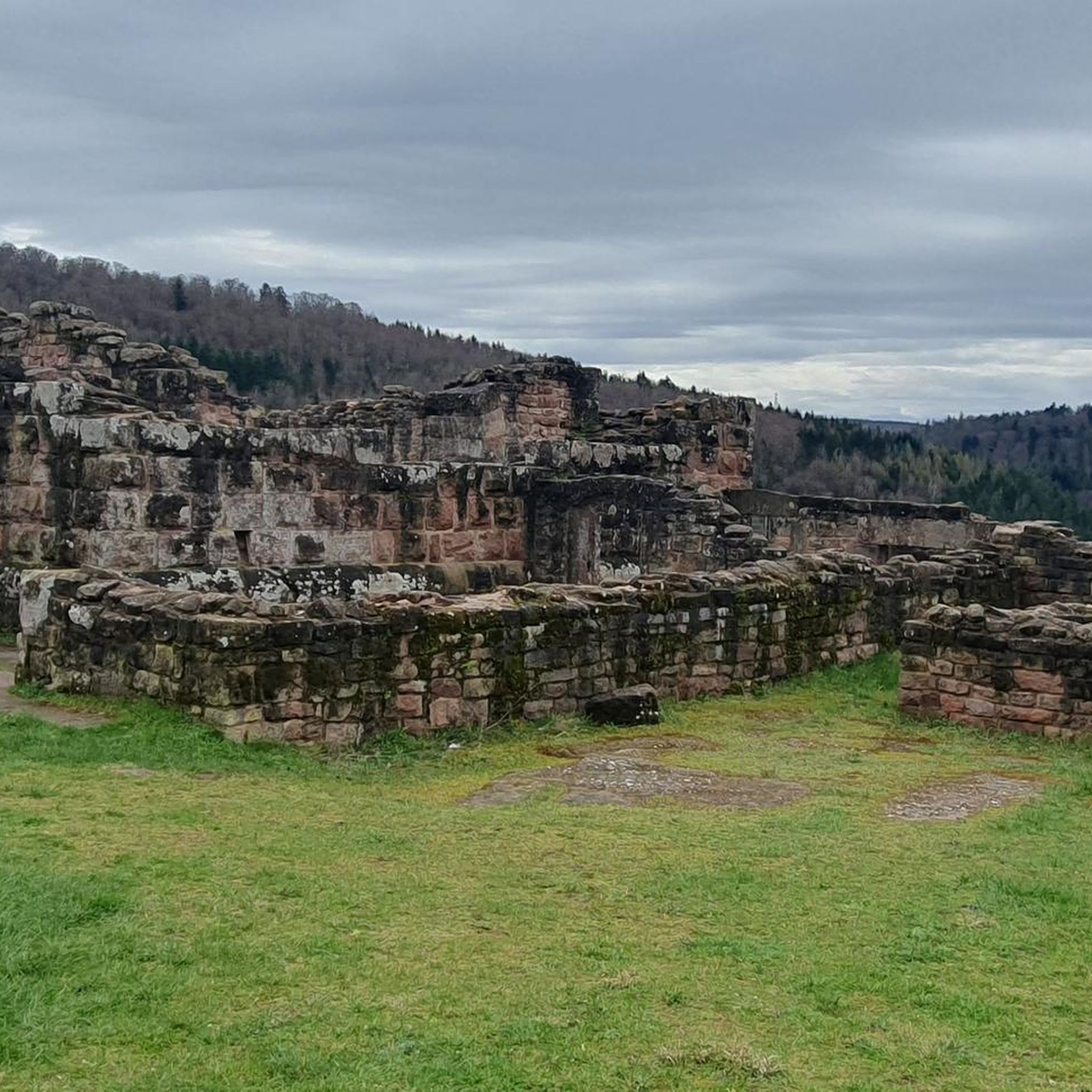
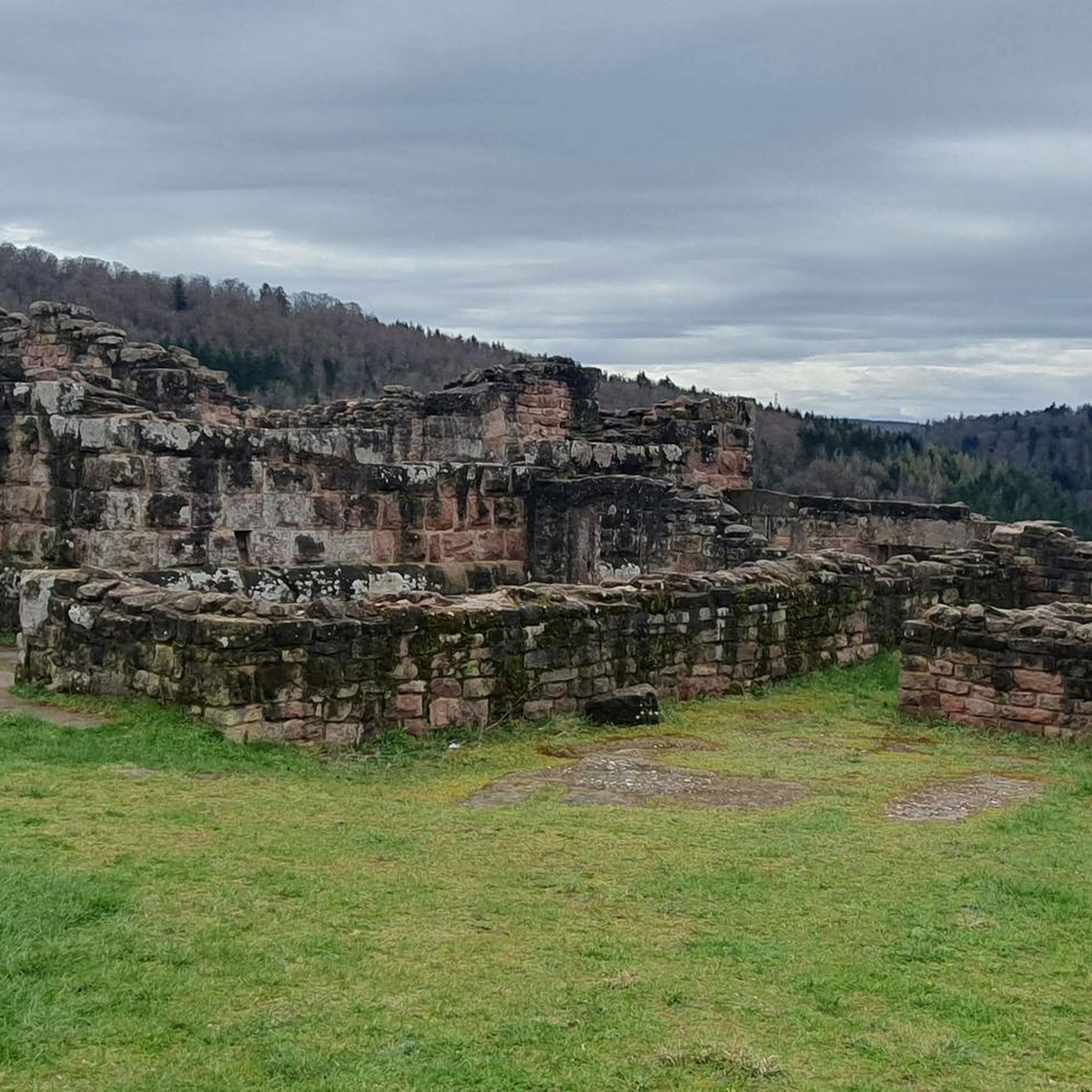
This singular castle uses the rocks as elements of fortification. A belvedere located at the top constitutes a high point, as well as a bridge between two rocks.
2
0
Frequently Asked Questions
What are the most popular natural monuments around Sankt Johann-Kurzerode?
Among the most popular natural monuments in the region is Haut-Barr Castle, known for its fantastic views over the Vosges and Rhine Valley. Visitors also highly rate the Graufthal Troglodyte Houses, unique dwellings built into the rock, and the fascinating Rocher du Calice, a rock formation shaped by natural erosion in the forest.
Are there historical sites among the natural monuments?
Yes, the region offers a blend of natural beauty and history. The Haut-Barr Castle is a prominent example, an ancient rock castle offering historical insights and panoramic views. The Graufthal Troglodyte Houses are another significant historical site, where you can explore semi-troglodyte dwellings that were inhabited until the mid-20th century.
What kind of natural features can I expect to see?
Sankt Johann-Kurzerode is known for its diverse natural features, including impressive rock formations, dense forests, and elevated viewpoints. You can explore unique geological formations like the Rocher du Calice, which showcases natural erosion, or the Rocher de la Spille, a striking 9-meter high rock in the forest.
Are there family-friendly natural monuments to visit?
Yes, the Graufthal Troglodyte Houses are considered family-friendly, offering an engaging historical experience. The Haut-Barr Castle is also suitable for families, providing an opportunity to explore ancient ruins and enjoy scenic views.
Which natural monuments offer the best panoramic views?
For exceptional panoramic views, Haut-Barr Castle is highly recommended. From its elevated position, you can see across the Vosges and the Rhine Valley, and on clear days, even the Strasbourg Cathedral. The top of the rocks at the castle can be reached by stairs, with a walkway connecting two of these rocks.
What outdoor activities can I do near these natural monuments?
The region around Sankt Johann-Kurzerode offers various outdoor activities. You can find numerous routes for mountain biking, gravel biking, and road cycling. For example, there are MTB trails like the 'Loop between locks 18 and 21 from Phalsbourg', and gravel biking routes such as the 'Ecluse No. 21 – Port of Lutzelbourg loop'. For road cyclists, there are routes like the 'Saverne – Port of Lutzelbourg loop'.
Are there hiking trails near the natural monuments?
Yes, many natural monuments are integrated into hiking opportunities. For instance, to discover the Rocher du Calice, a walk is essential, with a recommended 11.4 km circuit starting from the Luge du Plan Incliné car park. The Haut-Barr Castle is also accessible via various trails, offering a chance to explore the surrounding forests.
What do visitors enjoy most about the natural monuments in Sankt Johann-Kurzerode?
Visitors particularly appreciate the combination of natural beauty and historical significance. The stunning views from places like Haut-Barr Castle, the unique experience of the Graufthal Troglodyte Houses, and the intriguing rock formations like the Rocher du Calice are frequently highlighted. The opportunity to explore ancient sites and witness natural erosion up close makes for a memorable visit.
Are there any unique or lesser-known natural monuments worth exploring?
Beyond the most popular sites, the Rocher de la Spille is a unique natural monument. This 9-meter high rock, lost in the middle of the forest, has a fascinating legend associated with it and also serves as a climbing wall. Its mysterious presence makes it a captivating spot for those looking for something a bit different.
When is the best time to visit the natural monuments?
The natural monuments around Sankt Johann-Kurzerode can be enjoyed throughout much of the year. Spring and autumn offer pleasant temperatures for hiking and exploring, with vibrant foliage or blooming nature. Summer is also popular, though it can be warmer. Many sites, especially castles and rock formations, are accessible year-round, but it's always good to check specific opening hours for historical sites like the Graufthal Troglodyte Houses.
Can I visit the natural monuments with my dog?
While specific regulations for each site may vary, generally, natural outdoor areas and hiking trails are often dog-friendly, provided dogs are kept on a leash. For historical sites or indoor attractions like the Graufthal Troglodyte Houses, it's advisable to check their specific pet policies beforehand.
Most popular routes around Sankt Johann-Kurzerode
Most popular attractions around Sankt Johann-Kurzerode

Get inspired with the komoot mobile app


Explore more
Extend your search for the best caves by checking out these guides of the top ones around Sankt Johann-Kurzerode:
