Top 6 Natural Monuments around Coye-La-Forêt
Best natural monuments around Coye-La-Forêt include diverse landscapes within the Chantilly Forest, characterized by extensive woodlands and serene water bodies. This region, part of the Oise department in France, offers a blend of historical and protected natural environments. Visitors can explore various natural features, from ancient ponds to unique geological formations. The area provides opportunities for outdoor activities amidst its natural heritage.
Best natural monuments around Coye-La-Forêt
- The most popular natural monument is Étangs de Commelles, a lake that…
Last updated: July 5, 2026
The Blue Lake of Carnelle
Highlight • Forest
Translated by Google •
Tip by

Étangs de Commelles
Highlight • Lake
Translated by Google •
Tip by
Sign up now to discover places like this
Get recommendations on the best single tracks, peaks, & plenty of other exciting outdoor places.
Sign up for free
Butte d'Aumont
Highlight • Natural Monument
Translated by Google •
Tip by

The Chêne des Grès
Highlight • Natural Monument
Translated by Google •
Tip by

La Pierre Longue Menhir
Highlight • Monument
Accessible by walking along the wood in the field, it is visible from the field or the woods.
Translated by Google •
Tip by

Sign up for free to discover even more natural monuments around Coye-La-Forêt.
Sign up for free
Already have an account?
Start today with a free account
Your next adventure awaits.
Login or Signup
Tips from the Community

What is to be remembered from this route is the passage through the Carnelle forest. However, there are too many roads on the Isle Adam and along the Oise. No particular difficulty.
0
0

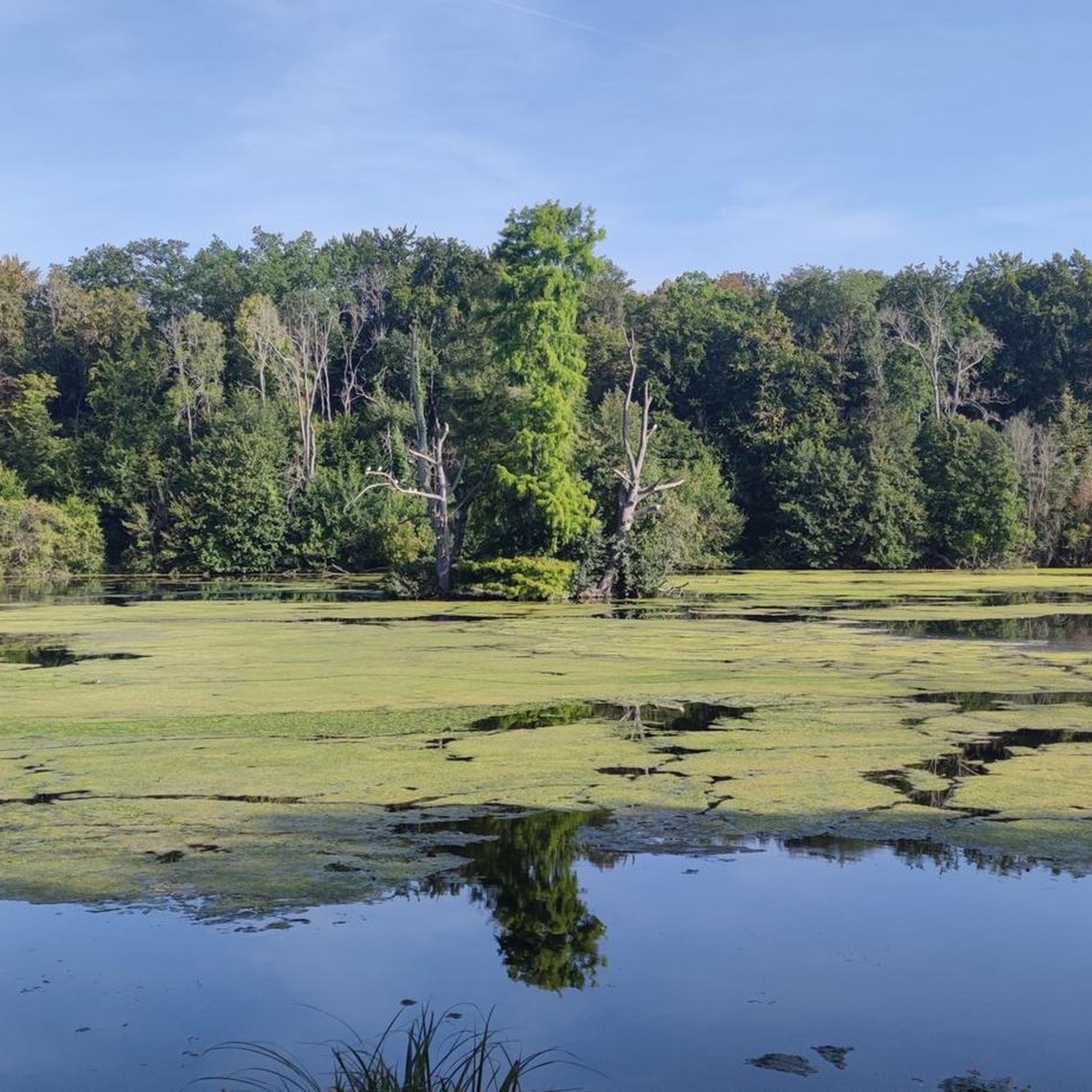
pretty lake hidden in the middle of the forest
0
0

From this summit you can enjoy a panoramic view of the surrounding countryside and the Halatte forest. You can also discover the historical and cultural heritage of the region, such as the ruins of the Aumont castle and the Saint-Martin chapel.
3
0

A 3-meter-high isolated menhir, made of sandstone, with a typical shark's fin shape, suggesting that a part has been broken. Accessible by walking along the wood in the field, it is visible from the field or the woods.
0
0

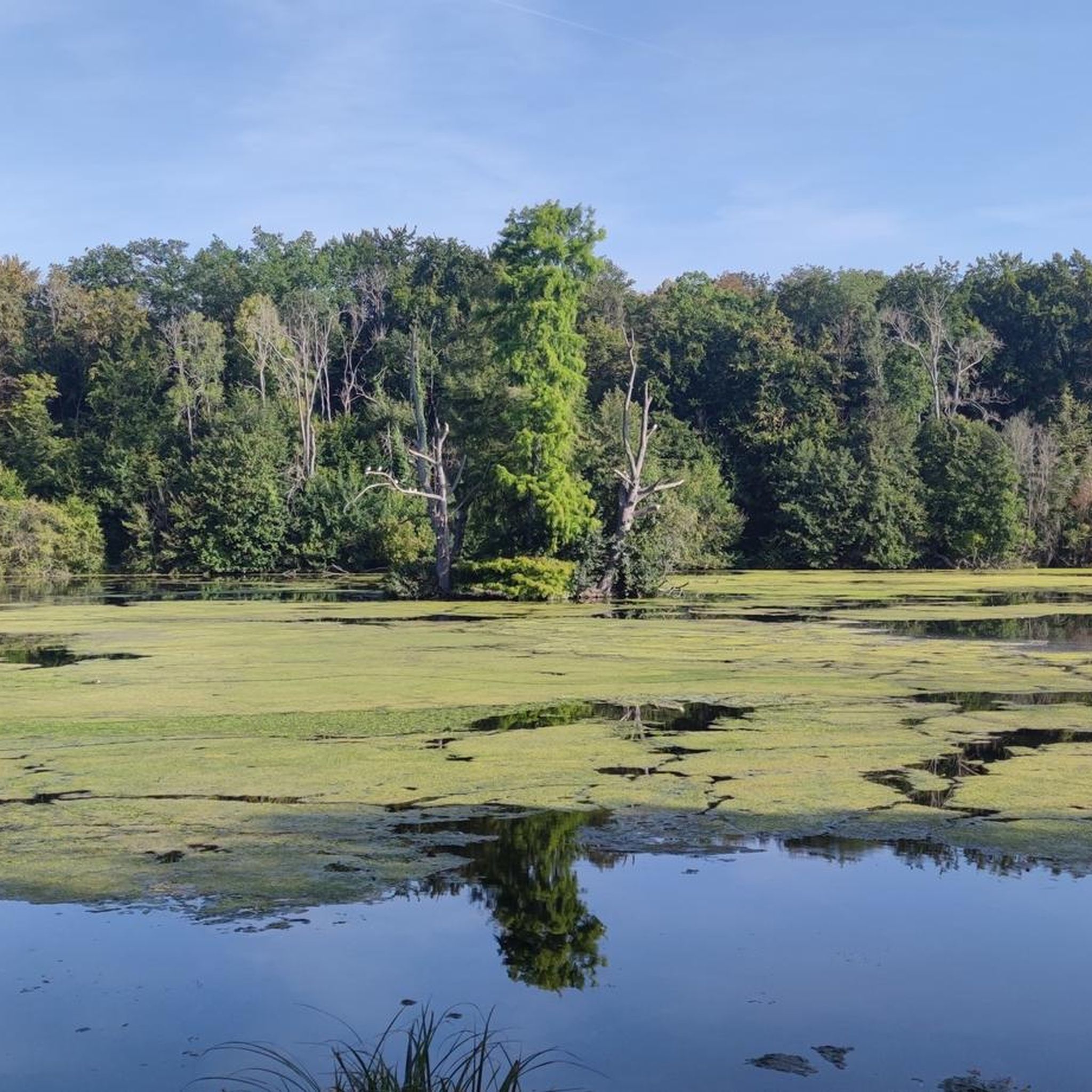
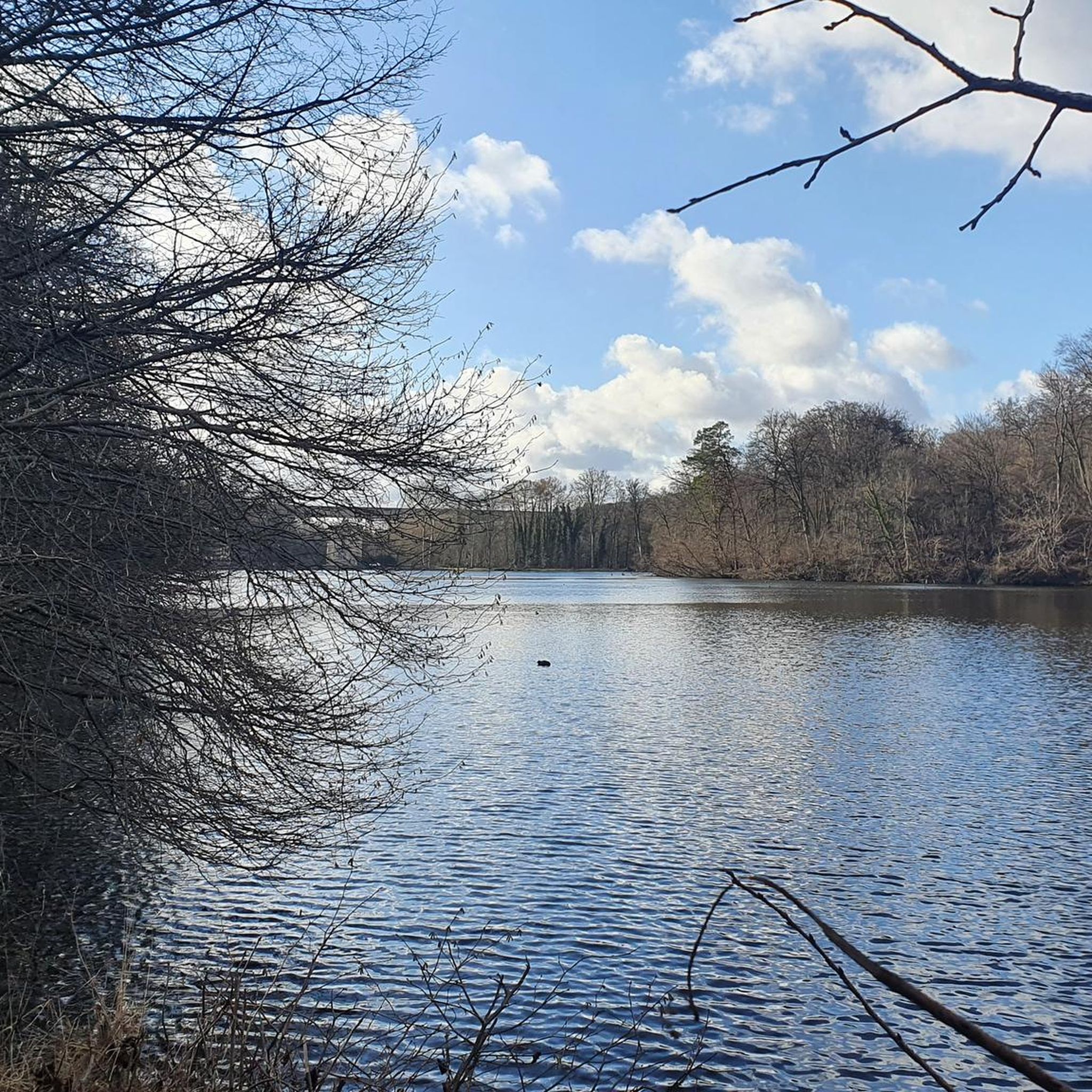
The ponds of Commelles are part of the beautiful forest of Chantilly and therefore of the Regional Natural Park Oise-Pays de France It is a protected site, rich in biodiversity, with thousands of frogs in March. In the 19th century, the ponds were frequented by romantic artists and authors such as Chateaubriand.
1
1
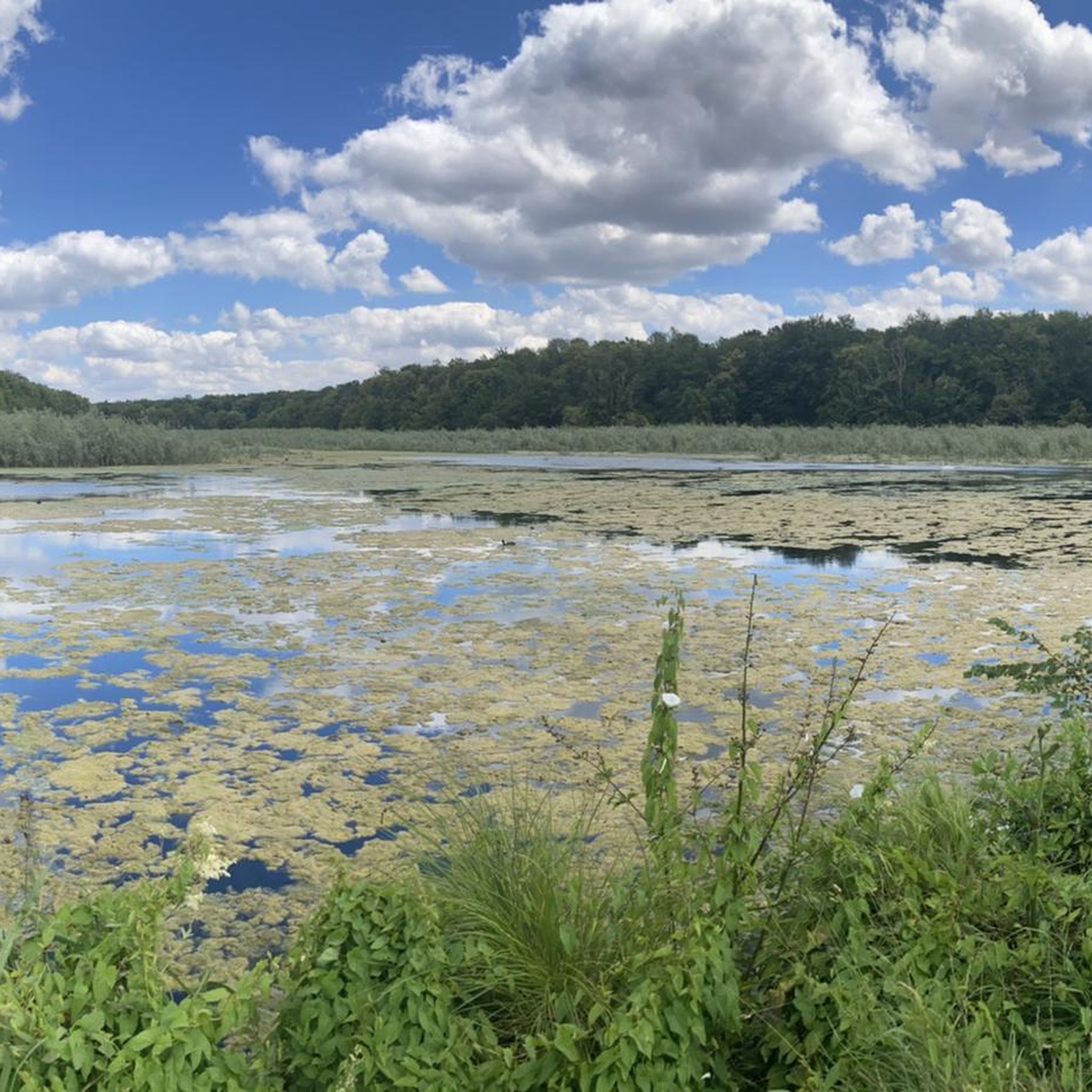
Lac Bleu is one of the two bodies of water in the Carnelle forest. On sunny days, its name takes on its full meaning. But there is another reason for the name of this lake from ancient quarries. The rock at the bottom is a mixture of gypsum and marl. The color is changing due to algae, but originally it is deep blue. Around the lake, one can appreciate oaks, beeches and chestnuts. A feast for the eye!
1
0

The Blue Lake, like the small pond located a few dozen meters away, has been built in old marl quarries, which give the water a bluish color. For this reason, they reach a depth of 20 to 30 m and swimming is prohibited there for safety reasons. On the other hand, you can go fishing there. The ponds have replaced the quarries, and the presence of green marls, which color their bed, explains their astonishing variation in color. Going from turquoise blue to emerald green, depending on the depth, the time of day, the intensity of the light.
0
0
Here we find a quite astonishing sandy mound in the middle of the forest! A small dune of Pilat in the middle of the Halatte forest. On your mountain bikes!
0
0
Frequently Asked Questions
What unique natural features can I discover around Coye-La-Forêt?
Coye-La-Forêt is nestled within the expansive Forêt de Chantilly, which itself is a significant natural monument offering vast woodlands and diverse flora and fauna. You can also find unique geological formations like the sandy mound at Butte d'Aumont, and ancient trees such as The Chêne des Grès, a remarkable 300-year-old sessile oak.
Are there any notable lakes or water bodies to visit near Coye-La-Forêt?
Yes, the area features beautiful water bodies. The Étangs de Commelles are a series of four interconnected ponds, popular for leisurely strolls and rich in biodiversity. Another must-see is The Blue Lake of Carnelle, known for its striking deep blue color, attributed to the gypsum and marl rock at its bottom.
What kind of historical or cultural sites are integrated with the natural monuments?
The natural monuments around Coye-La-Forêt often blend with historical elements. The Étangs de Commelles, for instance, are believed to have been created by monks in the 13th century, and the picturesque Château de la Reine Blanche, a 19th-century neo-medieval castle, stands on the banks of one of these ponds. Additionally, Butte d'Aumont offers views that include the ruins of Aumont castle and the Saint-Martin chapel.
Are there family-friendly natural monuments or trails suitable for children?
Many natural monuments in the region are family-friendly. Both the Étangs de Commelles and The Blue Lake of Carnelle are great for leisurely walks with children. The Chêne des Grès, a remarkable ancient oak, also makes for an interesting short detour for nature lovers of all ages. The Sentier Découverte de Coye-la-Forêt, with its informative panels, offers an educational experience for families.
What outdoor activities can I do near these natural monuments?
The region offers a variety of outdoor activities. You can enjoy road cycling, general cycling, and mountain biking on numerous routes. For example, there are several road cycling routes like the 'Royaumont Abbey loop' or mountain biking trails such as the 'Chantilly Castle – The Apremont Table loop'. You can find more details on these activities and routes in the Road Cycling Routes around Coye-La-Forêt, Cycling around Coye-La-Forêt, and MTB Trails around Coye-La-Forêt guides.
Are there specific trails for exploring the natural heritage of Coye-La-Forêt?
Yes, Coye-La-Forêt offers dedicated trails to explore its natural heritage. The Sentier Découverte de Coye-la-Forêt is a 13 km trail, also available as two 6.5 km loops, guiding visitors through the forest and the Étangs de Commelles with informative panels. For plant enthusiasts, the Sentier Botanique de Coye-la-Forêt is a 2 km loop showcasing over a hundred different tree and plant species, including some rare ones, with identifying signposts.
What is the best time of year to visit the natural monuments around Coye-La-Forêt?
The natural monuments around Coye-La-Forêt are beautiful year-round. Spring brings blooming flora and active wildlife, especially around the Étangs de Commelles where thousands of frogs can be seen in March. Summer is ideal for longer walks and cycling. Autumn offers stunning foliage in the Forêt de Chantilly, while winter provides serene, crisp walks through the woodlands.
What do visitors enjoy most about the natural monuments in this region?
Visitors particularly appreciate the tranquility and natural beauty of the area. The Étangs de Commelles are loved for their peaceful atmosphere and rich biodiversity. The deep blue color of The Blue Lake of Carnelle and the panoramic views from Butte d'Aumont are also highly praised. The komoot community has shared 55 photos and given 150 upvotes, highlighting the visual appeal and enjoyable experiences.
Is there a prehistoric monument in the area?
Yes, you can find La Pierre Longue Menhir, a 3-meter-high isolated sandstone menhir. It has a distinctive shark's fin shape, suggesting a part may have broken off. It is accessible by walking along the wood in the field and is visible from both the field and the woods.
Are the trails around Coye-La-Forêt suitable for dogs?
The extensive woodlands of the Forêt de Chantilly and many of the trails, including the Sentier Découverte and Sentier Botanique, are generally dog-friendly. However, it's always advisable to keep dogs on a leash, especially in areas with wildlife or near water bodies like the Étangs de Commelles, which are protected sites rich in biodiversity.
Where can I find information about the local flora and fauna?
The Sentier Botanique de Coye-la-Forêt is specifically designed for botanical discovery. This 2 km loop trail, managed by the 'La Sylve' association, features over a hundred different tree and plant species, some of which are rare, like the Doronic à feuilles de plantain and the Laîche appauvrie. Informative signposts along the path identify the species, and it's also a good spot for observing various insects and birds.
Most popular routes around Coye-La-Forêt
Most popular attractions around Coye-La-Forêt

Get inspired with the komoot mobile app


Explore more
Extend your search for the best caves by checking out these guides of the top ones around Coye-La-Forêt:
