Top 7 Natural Monuments around Lanobre
Natural monuments around Lanobre are defined by a landscape rich in water bodies, dense forests, and volcanic geology, situated within the Cantal department of France. The region features significant natural attractions, including large reservoirs and glacial lakes. Its proximity to the Auvergne's volcanic landscapes contributes to diverse ecosystems and geological formations. This area offers a range of natural features for exploration.
Best natural monuments around Lanobre
- The most popular natural monument is View over Bort-les-Orgues, a viewpoint offering expansive…
Last updated: July 5, 2026
View over Bort-les-Orgues
Highlight • Natural Monument
Translated by Google •
Tip by

Lac de la Crégut
Highlight • Lake
Translated by Google •
Tip by

Sign up now to discover places like this
Get recommendations on the best single tracks, peaks, & plenty of other exciting outdoor places.
Sign up for free
La Tour d’Auvergne Center
Highlight • Settlement
Translated by Google •
Tip by

Confluence of the Dordogne and the Arpiat
Highlight • River
Translated by Google •
Tip by

Saut de la Saule Waterfall
Highlight • Waterfall
Translated by Google •
Tip by

Sign up for free to discover even more natural monuments around Lanobre.
Sign up for free
Already have an account?
Start today with a free account
Your next adventure awaits.
Login or Signup
Tips from the Community

Great route for the E-Mountain bike
0
0

Nice little place with a small supermarket, bakery and church.
0
0

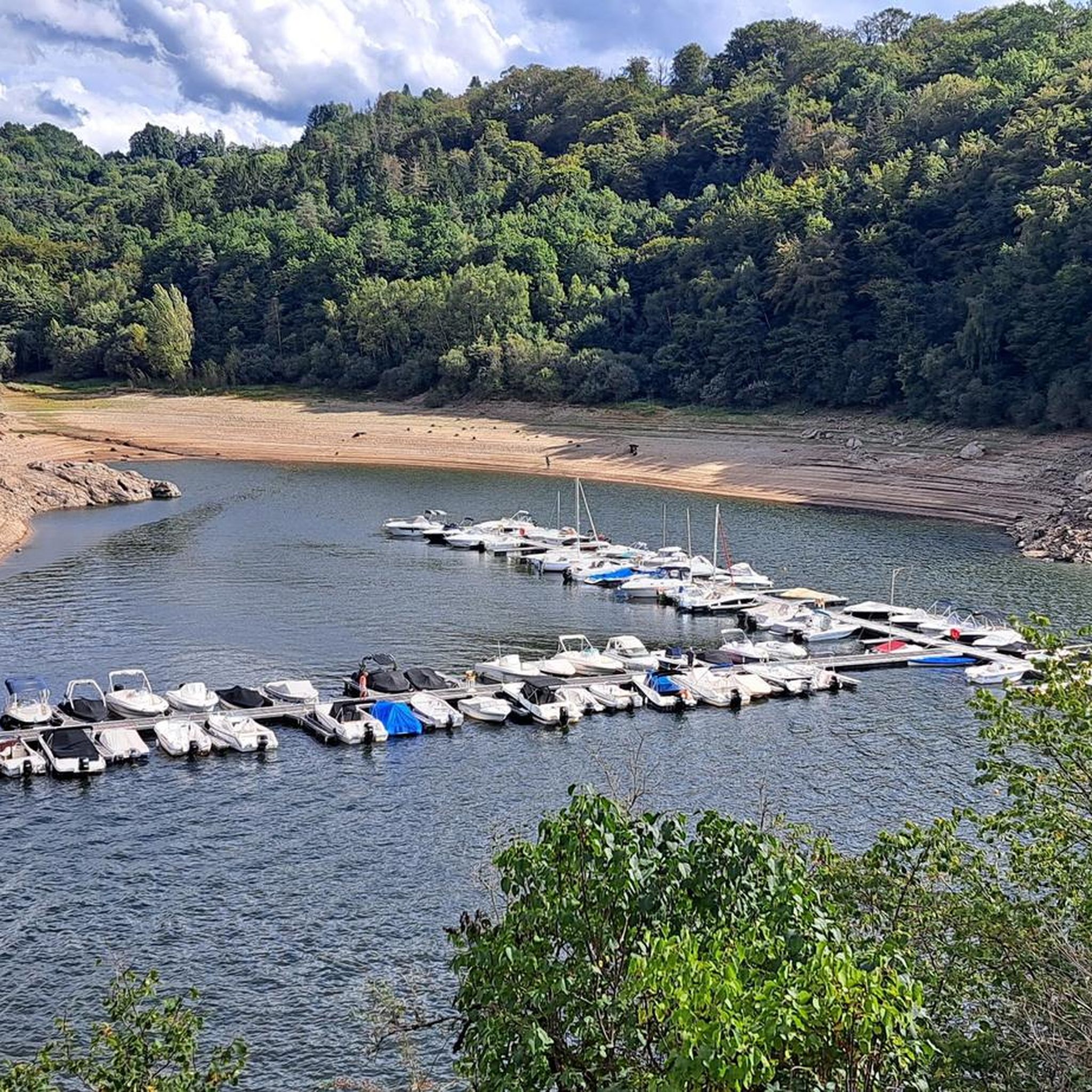
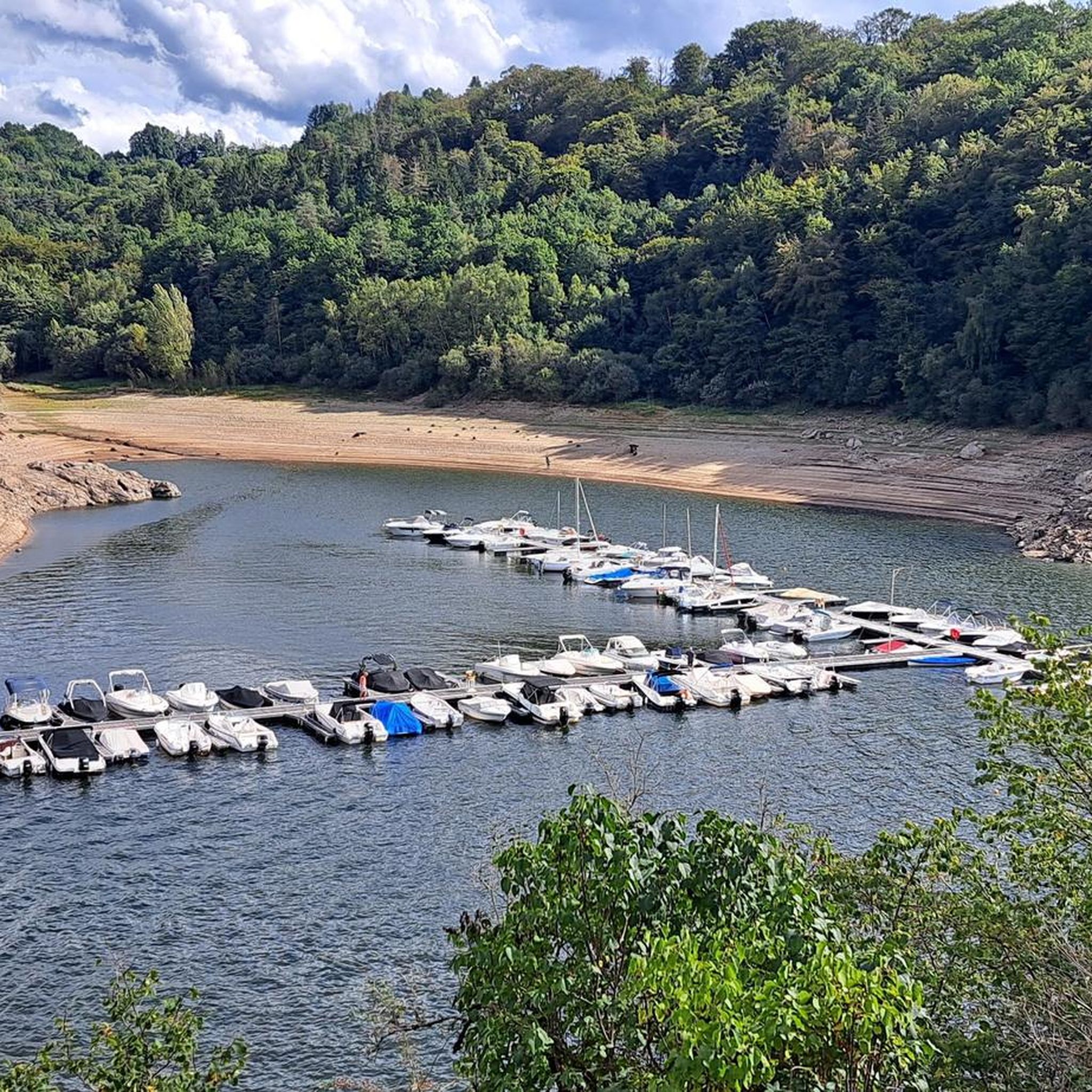
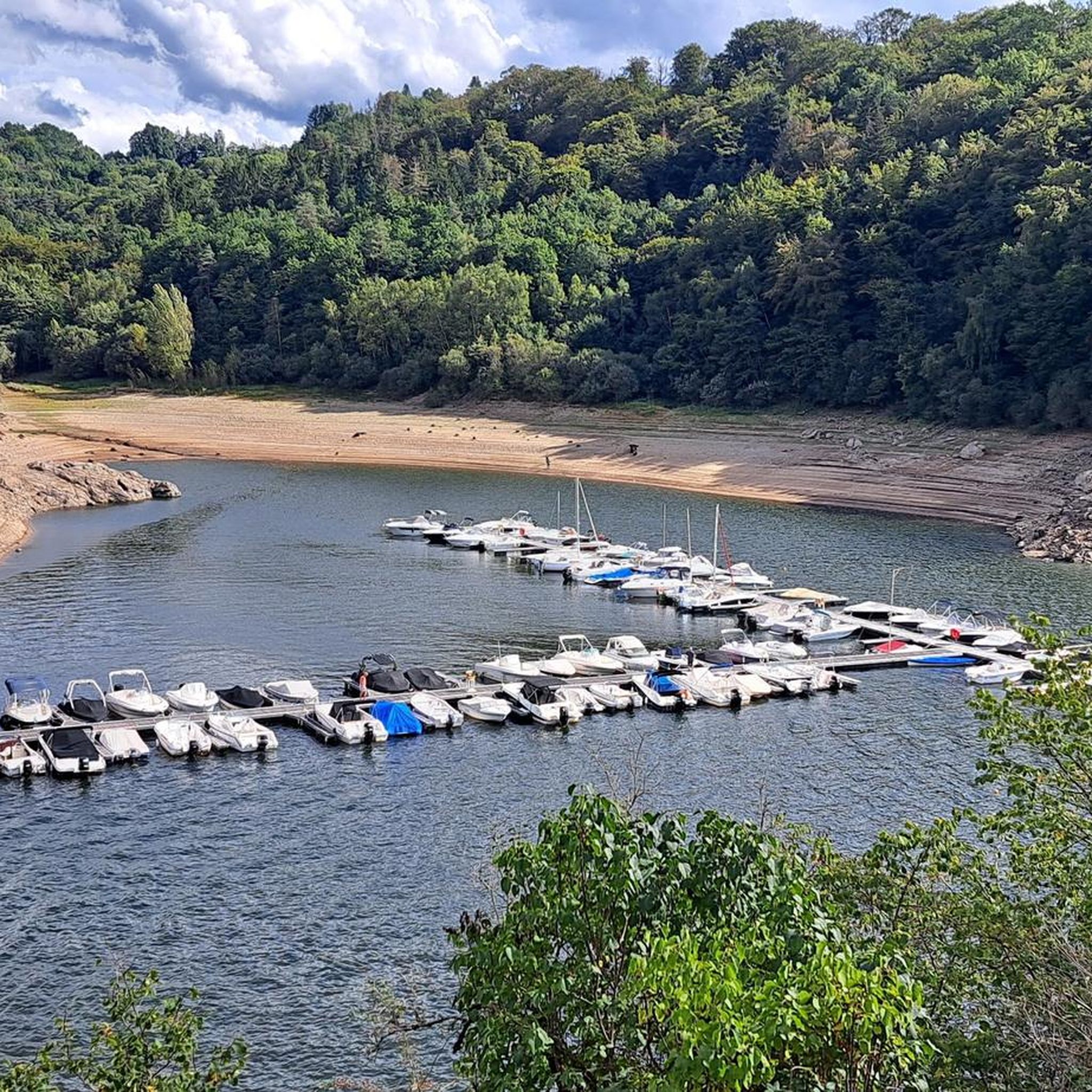
The municipality of Bort-les-Orgues has around 2500 inhabitants and is located in the Dordogne valley. Bort is the name of a ford with a steep slope. The name les Orgues (the organ pipes) is given by a striking rock formation above the town.[
1
0

La Tour d'Auvergne was once an impregnable fortress belonging to the house of La Tour d'Auvergne and whose castle was built on an ancient Roman tower. The castle has since given way to a peaceful village built on an ancient basalt flow, whose organs can be seen near the church. The Tour d'Auvergne is also under the protection of Notre-Dame de Natzy which overlooks the surrounding area a short distance from the village.
2
0
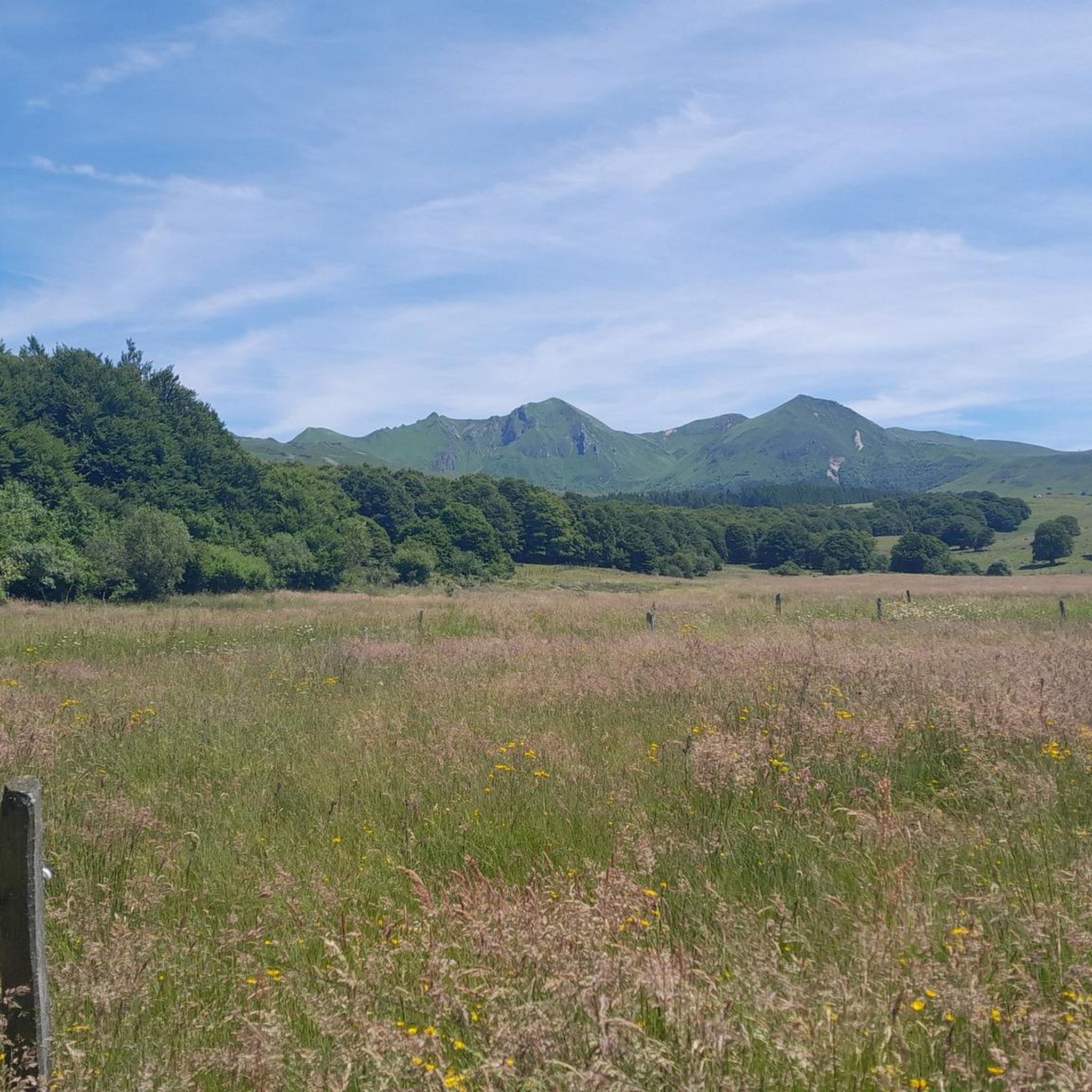
Lac de la Crégut is the largest natural lake of glacial origin in the Massif Central. From its banks, you can enjoy magnificent views of the Monts du Cantal and the surrounding lakes. It is now part of a whole system of reservoirs that supply water to the Rhue hydroelectric power station, at the Bort dam.
0
0
Saut de la saule is a waterfall in a canyon carved into the rock by the Rhue (a tributary of the Dordogne). The site was once used for the silkworm industry. Today, between the canyon and the remains of human activity, there is no shortage of tourist interest.
0
0

A timeless place! On the border of the Dordogne and the Corrèze, they constitute one of the best observatories in the area. These cliffs look like a giant organ, which gave them this name
0
0

Frequently Asked Questions
What are some of the most popular natural monuments to visit near Lanobre?
Visitors frequently enjoy the expansive vistas from View over Bort-les-Orgues, where cliffs resemble giant organ pipes. Another highly appreciated spot is Saut de la Saule Waterfall, a beautiful waterfall within a canyon carved by the Rhue river.
Are there any significant lakes of natural origin in the Lanobre area?
Yes, Lac de la Crégut is a must-see. It is the largest natural glacial lake in the Massif Central, offering magnificent views of the Monts du Cantal and surrounding lakes. It's also part of a system supplying the Rhue hydroelectric plant.
What kind of geological formations can be found near Lanobre, particularly those related to volcanic activity?
The region is close to the volcanic landscapes of the Auvergne. At La Tour d’Auvergne Center, you can observe basalt columns near the church, which are geological formations resulting from the solidification of a basaltic flow, indicating the proximity of an ancient volcanic crater.
Where can I find a peaceful spot to enjoy the confluence of rivers near Lanobre?
For a quiet and serene experience, visit the Confluence of the Dordogne and the Arpiat. This extremely calm place marks the most upstream point of the Bort-les-Orgues dam reservoir and is ideal for a picnic.
Are there family-friendly natural monuments or activities around Lanobre?
Many natural sites are suitable for families. Lac de la Crégut is considered family-friendly, offering beautiful views and a tranquil environment. The general area with its numerous lakes and forests provides gentle opportunities for exploration and enjoying nature together.
What outdoor activities can I do near the natural monuments around Lanobre?
The area offers a variety of activities. You can find numerous hiking trails, such as the 'Château de Val Circuit' or 'Siauve Beach – Val Castle loop', by exploring the Hiking around Lanobre guide. For cycling enthusiasts, there are road cycling and touring bicycle routes, including loops around the Bort-les-Orgues Dam or Lac de la Crégut, detailed in the Road Cycling Routes around Lanobre and Cycling around Lanobre guides.
What is the best season to visit the natural monuments in Lanobre?
The natural monuments around Lanobre, characterized by lakes, forests, and volcanic landscapes, are beautiful year-round. However, spring and autumn offer pleasant temperatures for hiking and cycling, with vibrant foliage in autumn. Summer is ideal for water sports on the larger lakes, while winter can provide a serene, snow-covered landscape, though some access might be limited.
What kind of wildlife can I expect to see in the natural areas around Lanobre?
The dense forests, particularly those of beech and fir, and the numerous water bodies create diverse habitats. You might spot various bird species, small mammals, and aquatic life. The proximity to the Parc Naturel Régional des Volcans d'Auvergne also suggests a rich biodiversity, making it a good area for wildlife observation.
Are there any circular walking routes available near the natural monuments?
Yes, several circular walks are available. For instance, the 'Château de Val Circuit' is a moderate 9.2 km loop, and there are easier options like the 'Val Castle loop from Château de Val' at 3.2 km. You can find more details and options in the Hiking around Lanobre guide.
What are the main characteristics of the natural landscape surrounding Lanobre?
The landscape around Lanobre is primarily defined by its abundant water bodies, including numerous lakes and the vast reservoir created by the Barrage de Bort-les-Orgues. Dense forests, predominantly beech and fir, cover much of the area. The region's proximity to the volcanic landscapes of the Auvergne also contributes to unique geological features and diverse ecosystems.
What do visitors particularly enjoy about the natural monuments in this region?
Visitors consistently praise the stunning panoramic views, the tranquility of the lakes, and the impressive geological formations. Many appreciate the opportunity to connect with nature, whether through hiking, enjoying a picnic by a river confluence, or simply taking in the serene beauty of the glacial lakes and volcanic remnants.
Most popular attractions around Lanobre

Get inspired with the komoot mobile app


Explore more
Extend your search for the best caves by checking out these guides of the top ones around Lanobre:
