Top 4 Natural Monuments around Ols-Et-Rinhodes
Best natural monuments around Ols-Et-Rinhodes include prehistoric dolmens and the characteristic limestone plateau upon which the commune is built. This Ols-Et-Rinhodes geographical area, located in the Aveyron department of France, offers a glimpse into ancient history and the region's geological makeup. The natural features Ols-et-Rinhodes presents are integral to its identity, providing a tangible link to prehistory and diverse landscapes.
Best natural monuments around Ols-Et-Rinhodes
- The most popular natural monuments is Saut de la Mounine, a viewpoint that offers…
Last updated: May 8, 2026
Gouffre du Lantouy
Highlight • Natural Monument
Translated by Google •
Tip by

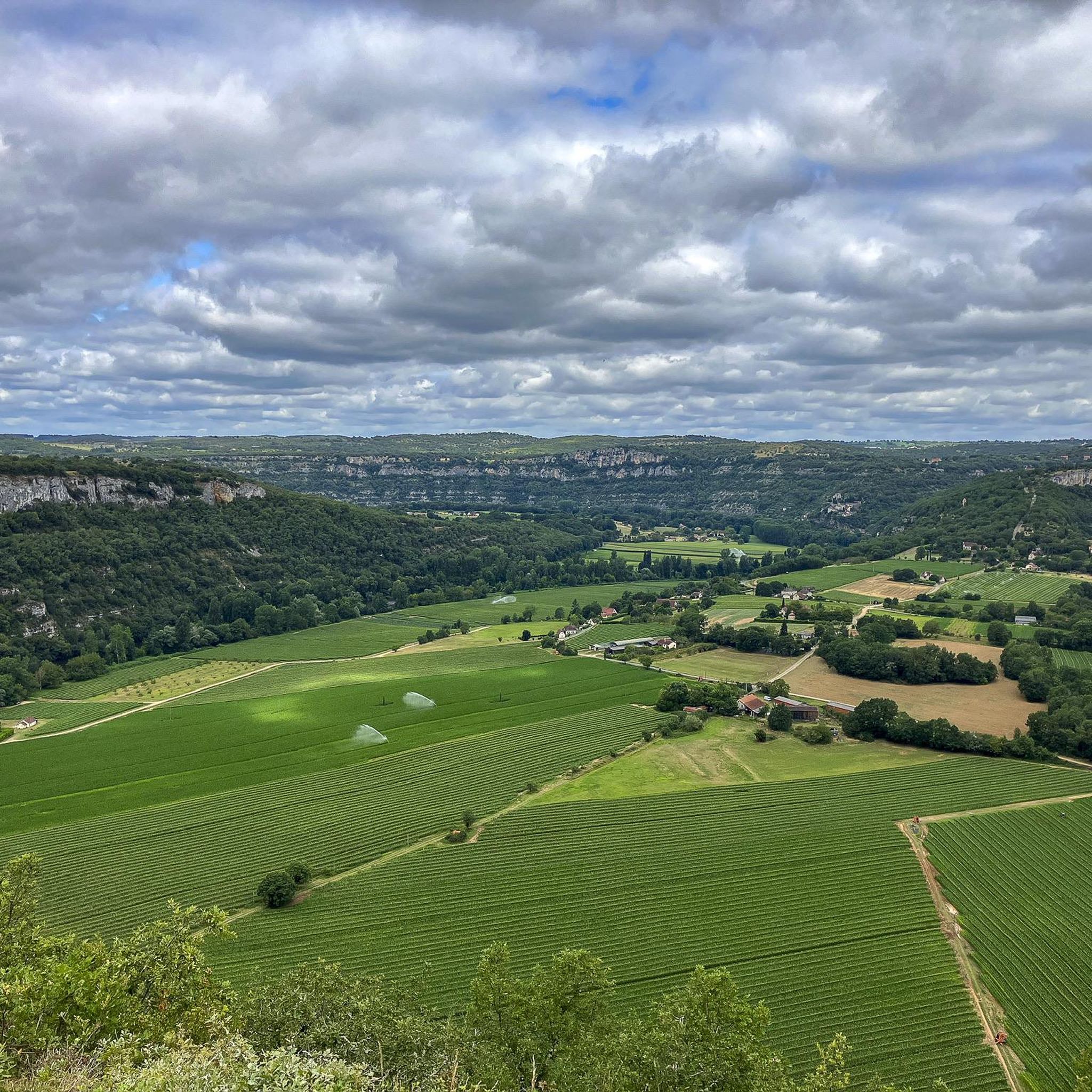
Saut de la Mounine
Highlight • Viewpoint
Translated by Google •
Tip by

Sign up now to discover places like this
Get recommendations on the best single tracks, peaks, & plenty of other exciting outdoor places.
Sign up for free
Roc Albe
Highlight • Viewpoint
Translated by Google •
Tip by

Dolmen du Cloup de Rhines
Highlight • Historical Site
Translated by Google •
Tip by

Super-Cayrou
Highlight • Natural Monument
Tip by

Start today with a free account
Your next adventure awaits.
Login or Signup

Tips from the Community

Pleasant refuge but in full sun, remember to take water if you go for a walk in the middle of the day :)
0
0

I know the legend of the Lantouy chasm. It's a bit gory.
0
0


In 1122, a monastery belonging to the Benedictines of the Cluniac order stood here. Legend has it that the spring appeared after the monastery's disappearance. The spring is said to be fertile.
1
0


Frequently Asked Questions
What are some of the most notable natural monuments to visit in Ols-Et-Rinhodes?
Ols-Et-Rinhodes is rich in natural heritage. You can explore the mysterious prehistoric Dolmen du Cloup de Rhines, which testifies to ancient burial practices. Another must-see is the Gouffre du Lantouy, a natural chasm associated with a local legend and offering a peaceful spot for discovery. Don't miss Saut de la Mounine, a belvedere providing superb views of the Lot valley.
What makes the dolmens in Ols-Et-Rinhodes significant?
The dolmens in Ols-Et-Rinhodes, like the Dolmen du Cloup de Rhines, are highly significant as they are prehistoric funerary monuments. These large stone structures, typically comprising massive slabs, offer a tangible link to Neolithic communities over 4,000 years ago. They served as collective burial sites and highlight the region's rich archaeological past, especially given that the Aveyron department has nearly 1,000 such sites.
Are there any natural viewpoints offering panoramic scenery in Ols-Et-Rinhodes?
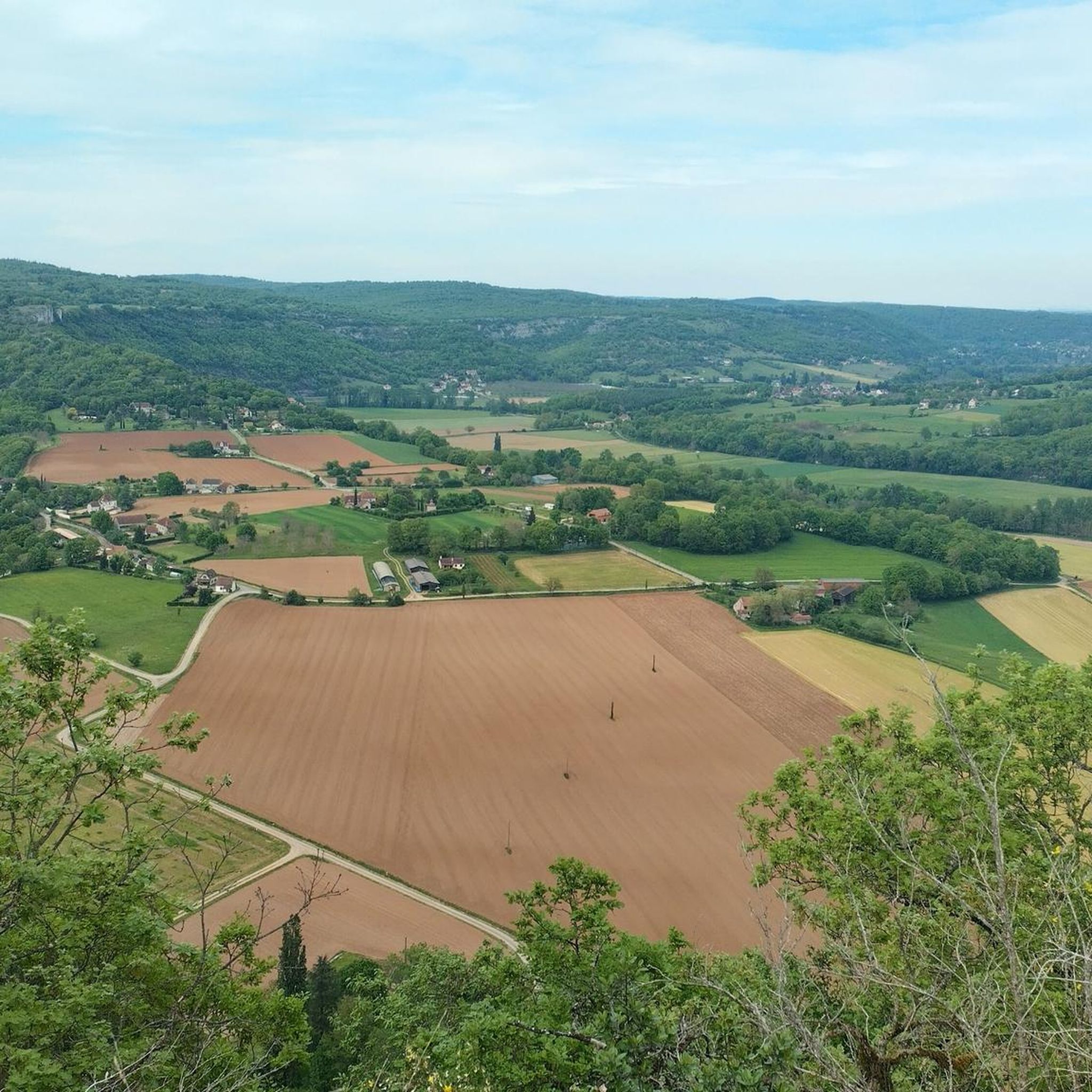
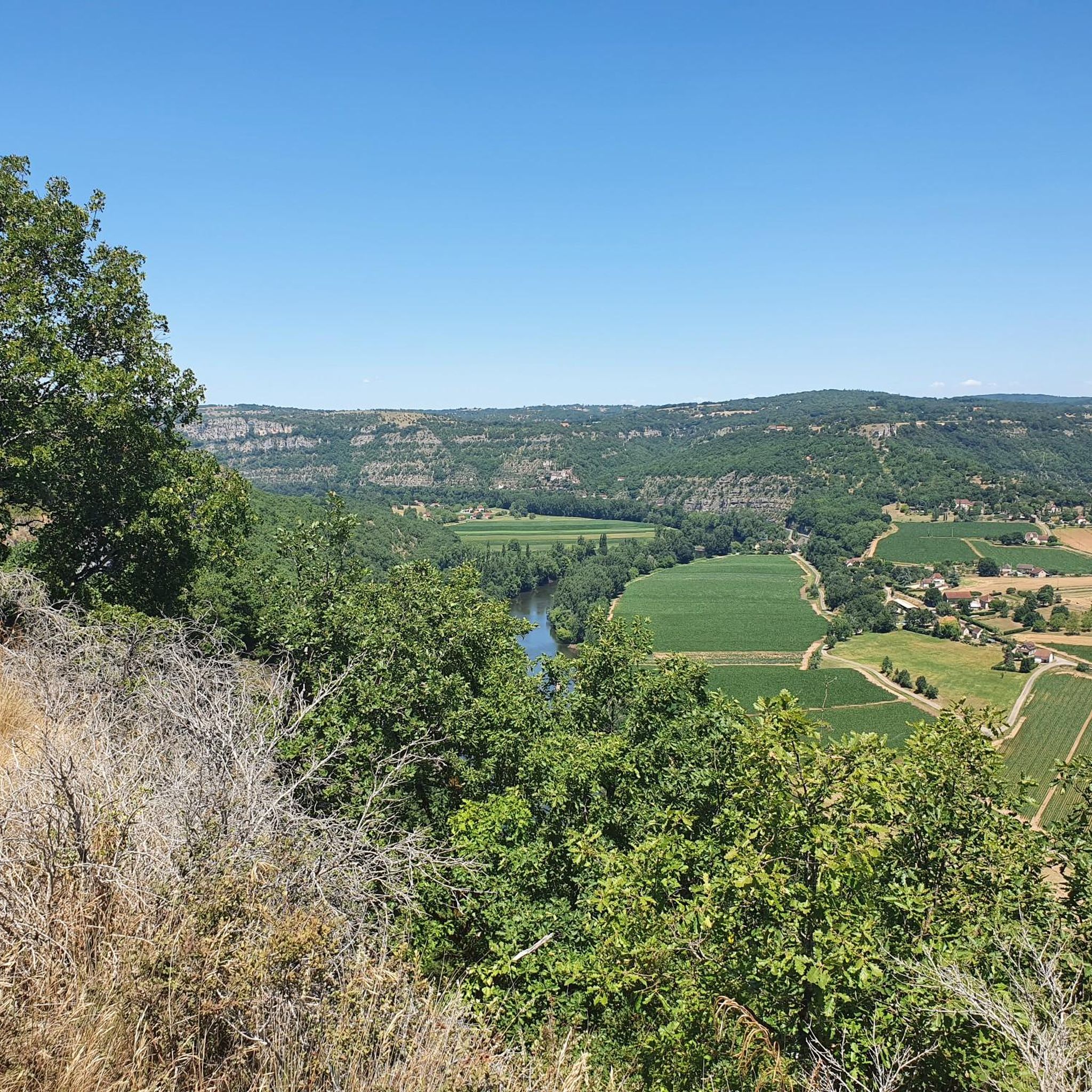
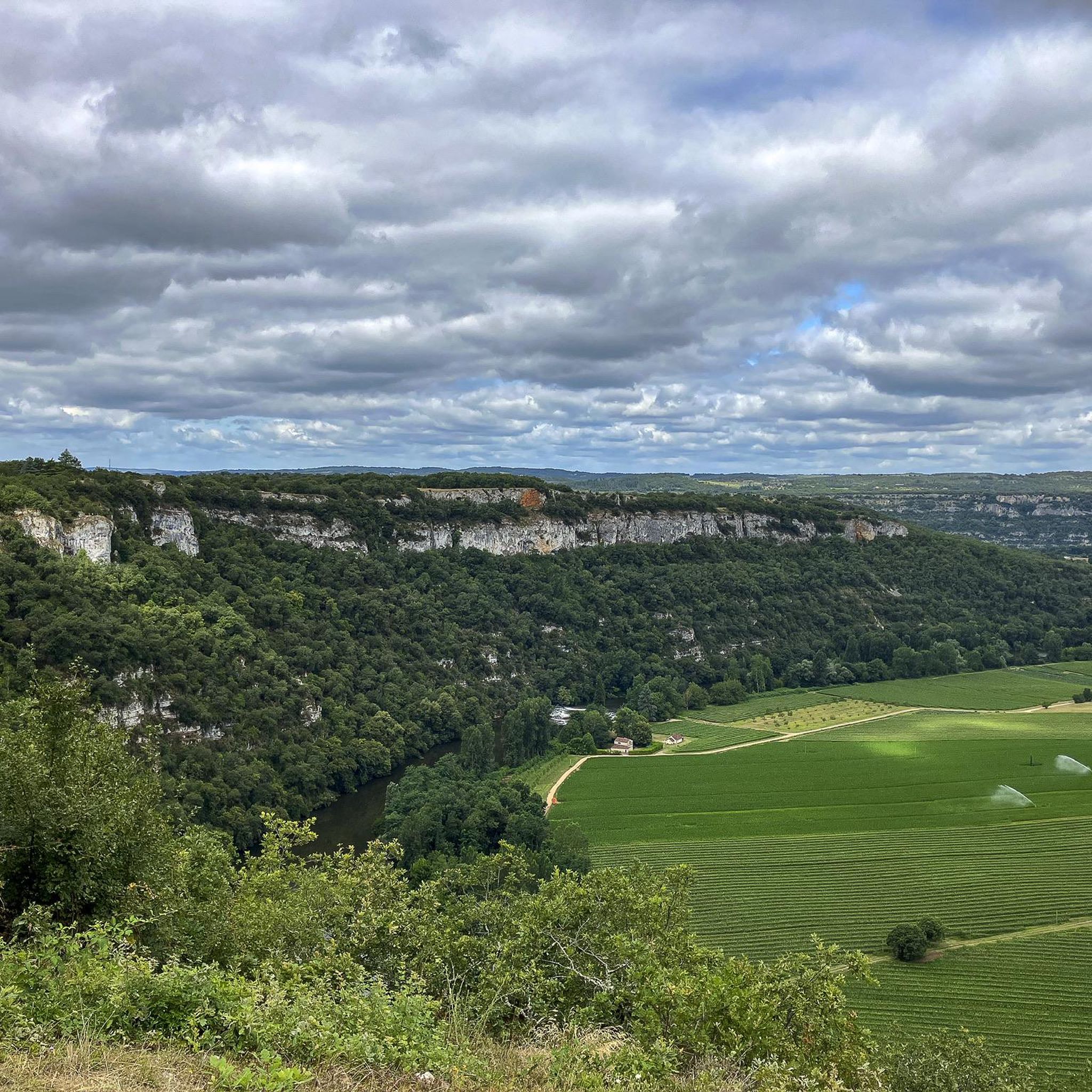
Yes, Ols-Et-Rinhodes boasts several stunning viewpoints. The Saut de la Mounine offers a superb view of the Lot River's meanders and its valley, perched 150 meters above the alluvial plain. You can also visit Super-Cayrou, another prominent natural monument and viewpoint, and Roc Albe, known for its magnificent river views and as a paragliding take-off spot.
What kind of hiking trails can I find near the natural monuments in Ols-Et-Rinhodes?
The area around Ols-Et-Rinhodes offers a variety of hiking trails. You can explore routes like the 'Foissac Dolmens Trail' which is an easy 5 km loop, or more moderate options such as the 'Dolmen du Devès des Gleyettes – Dolmen de Marie-Gaillard loop'. For a comprehensive overview of hiking possibilities, check out the Hiking around Ols-Et-Rinhodes guide.
Are there specific trails to explore the dolmens in Ols-Et-Rinhodes?
Yes, the commune of Ols-Et-Rinhodes features a dedicated 10-kilometer hiking trail that allows visitors to discover several dolmens, including the notable "Dolmen du Puech d'Ols (A)", alongside other historical features. This trail provides an excellent way to immerse yourself in the region's prehistoric past and natural beauty.
Can I find routes suitable for mountain biking or running near Ols-Et-Rinhodes?
Absolutely! Ols-Et-Rinhodes and its surroundings are well-suited for various outdoor activities. For mountain biking, you can find moderate routes like the 'Le Lavoir du Flancou – Les Étangs de Gorre loop'. Runners can enjoy trails such as the 'Menhir de Camboulan loop'. For more options, refer to the MTB Trails around Ols-Et-Rinhodes guide and the Running Trails around Ols-Et-Rinhodes guide.
Is Ols-Et-Rinhodes suitable for family visits?
Yes, Ols-Et-Rinhodes is a great destination for families. The natural monuments, particularly the dolmens, offer an engaging way to introduce children to history and nature. The 10-kilometer hiking trail designed to explore the dolmens is a good option for active families. The Gouffre du Lantouy also provides a place for discovery and picnicking, making it a pleasant family outing.
Are the natural monuments accessible for visitors with dogs?
Many natural areas and trails in Ols-Et-Rinhodes are generally dog-friendly, allowing you to explore the natural monuments with your canine companion. It's always recommended to keep dogs on a leash, especially near historical sites and in areas where wildlife might be present, and to clean up after them to preserve the natural environment for everyone.
What is the best time of year to visit the natural monuments in Ols-Et-Rinhodes?
The best time to visit the natural monuments in Ols-Et-Rinhodes is typically during the spring (April to June) and autumn (September to October). During these seasons, the weather is generally mild and pleasant for hiking and exploring, and the natural landscapes are particularly beautiful. Summer can also be enjoyable, but it can get quite warm, so early mornings or late afternoons are preferable for outdoor activities.
Are there places to picnic near the natural monuments?
Yes, several spots are suitable for picnicking. The Gouffre du Lantouy is specifically mentioned as a great place for picnicking, offering a serene environment for a break. When picnicking, please remember to bring back all your waste to help preserve the natural beauty of the area.
What unique natural features define the landscape of Ols-Et-Rinhodes?
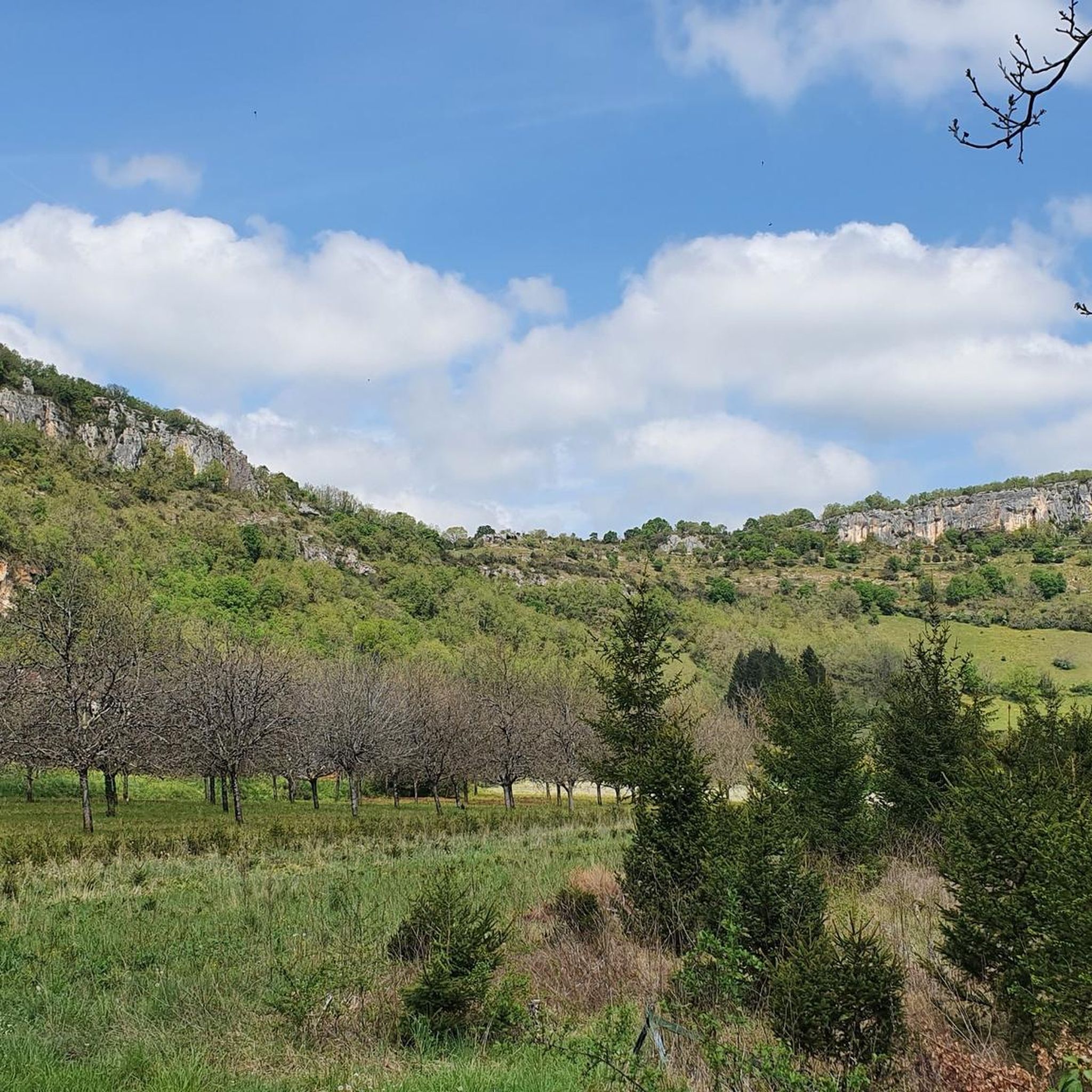
The landscape of Ols-Et-Rinhodes is primarily defined by its characteristic limestone plateau, which is part of the larger Causse Comtal. This geological foundation has shaped the area, creating conditions favorable for the preservation of its numerous prehistoric dolmens. The plateau features arid vegetation and offers picturesque views, providing a diverse natural environment that is intrinsically linked to the region's historical and archaeological significance.
What do visitors enjoy most about the natural monuments in Ols-Et-Rinhodes?
Visitors particularly enjoy the blend of ancient history and natural beauty. The mystery surrounding the prehistoric dolmens, such as the Dolmen du Cloup de Rhines, captivates many. The superb panoramic views from belvederes like Saut de la Mounine are also highly appreciated, offering a chance to connect with the serene landscape of the Lot valley.
Most popular routes around Ols-Et-Rinhodes
Most popular attractions around Ols-Et-Rinhodes

Get inspired with the komoot mobile app


Explore more
Extend your search for the best caves by checking out these guides of the top ones around Ols-Et-Rinhodes:
