Top 7 Natural Monuments around La Fajolle
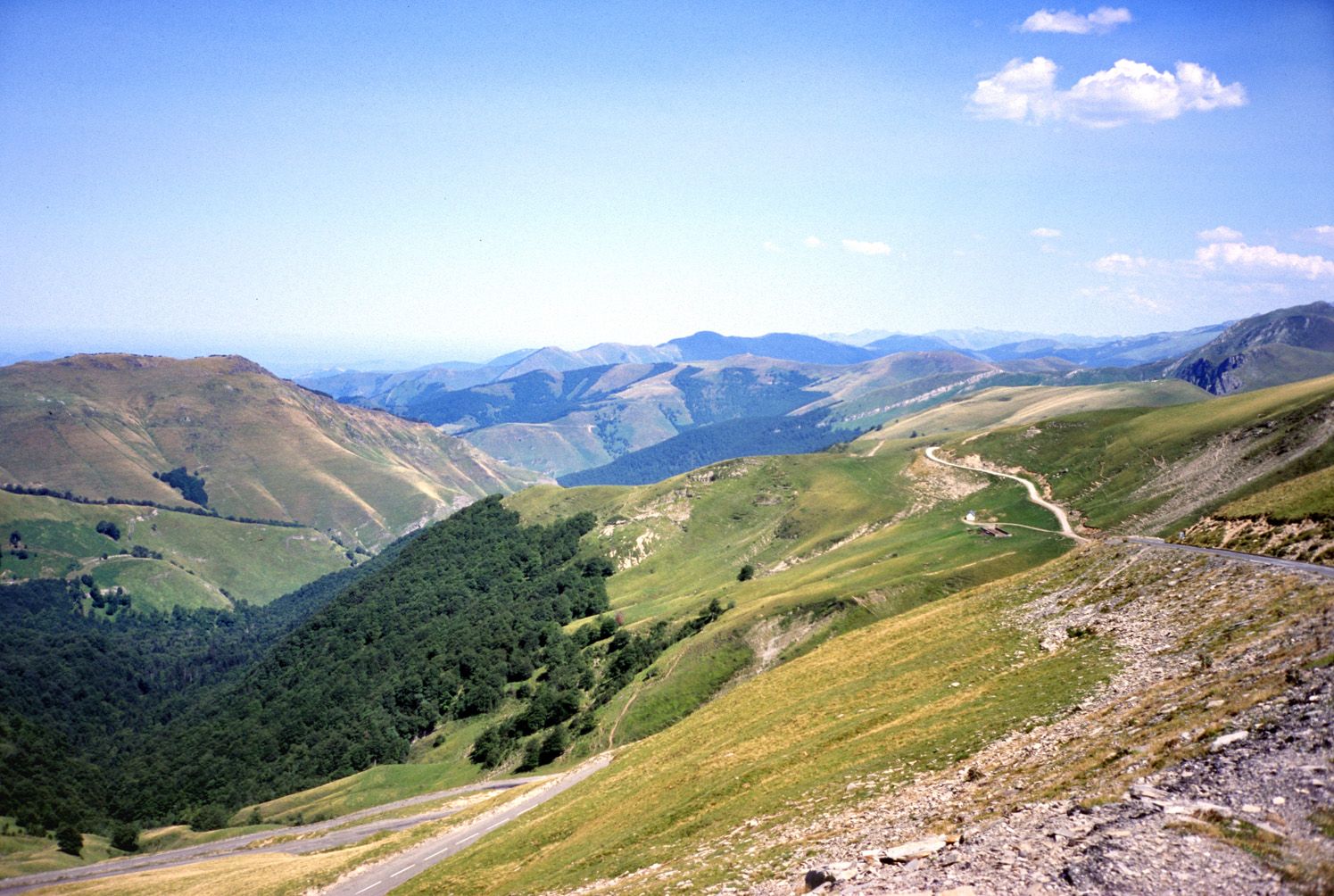
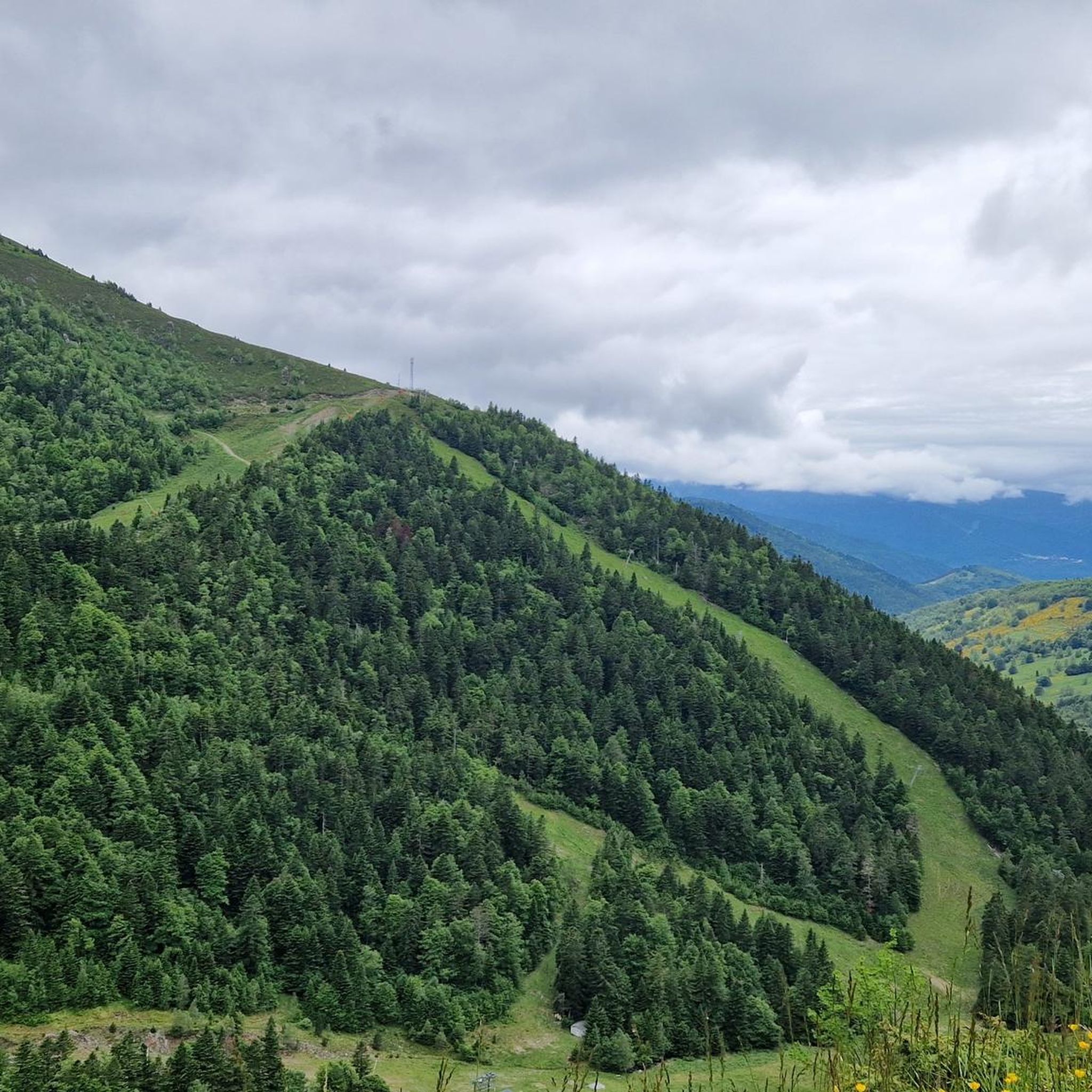
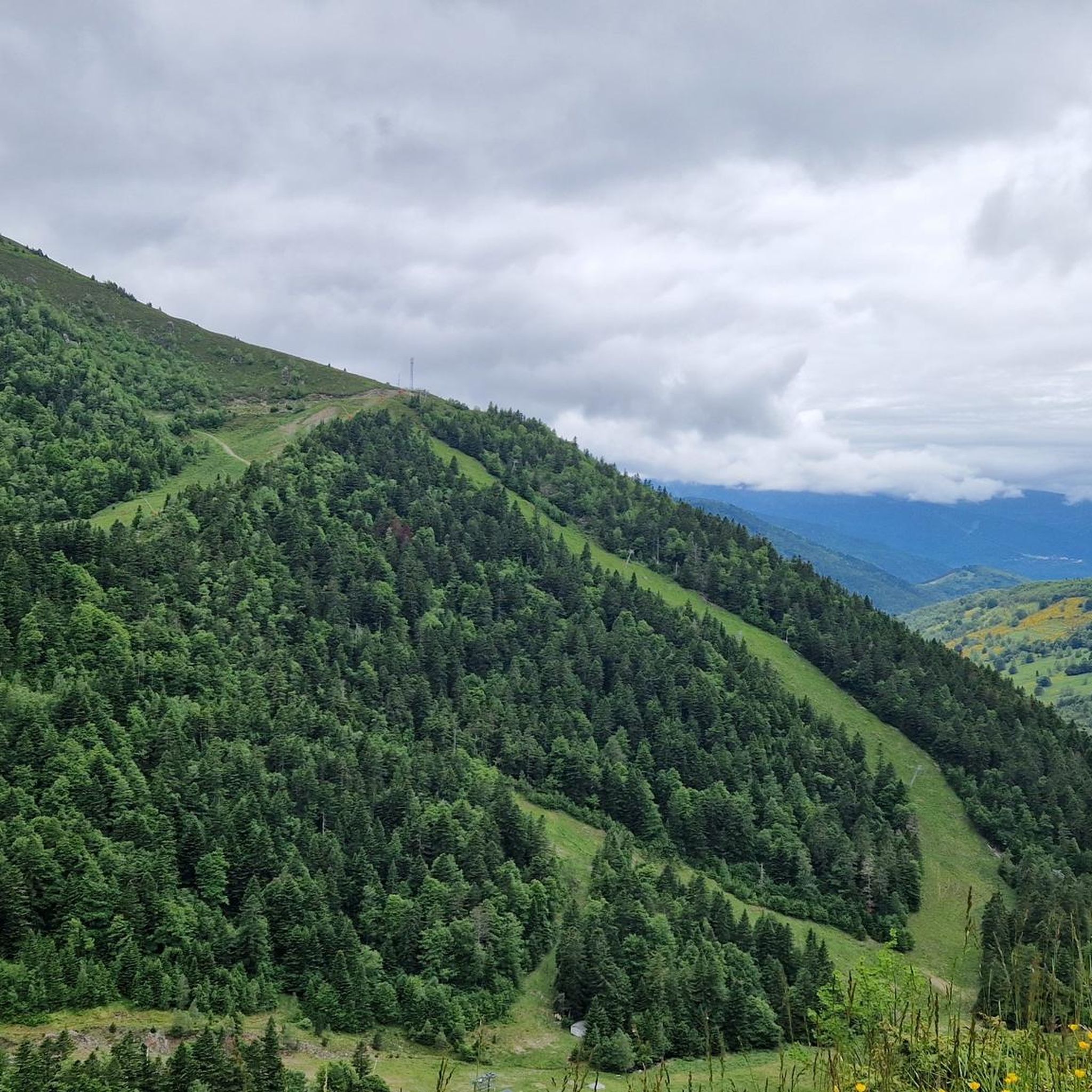
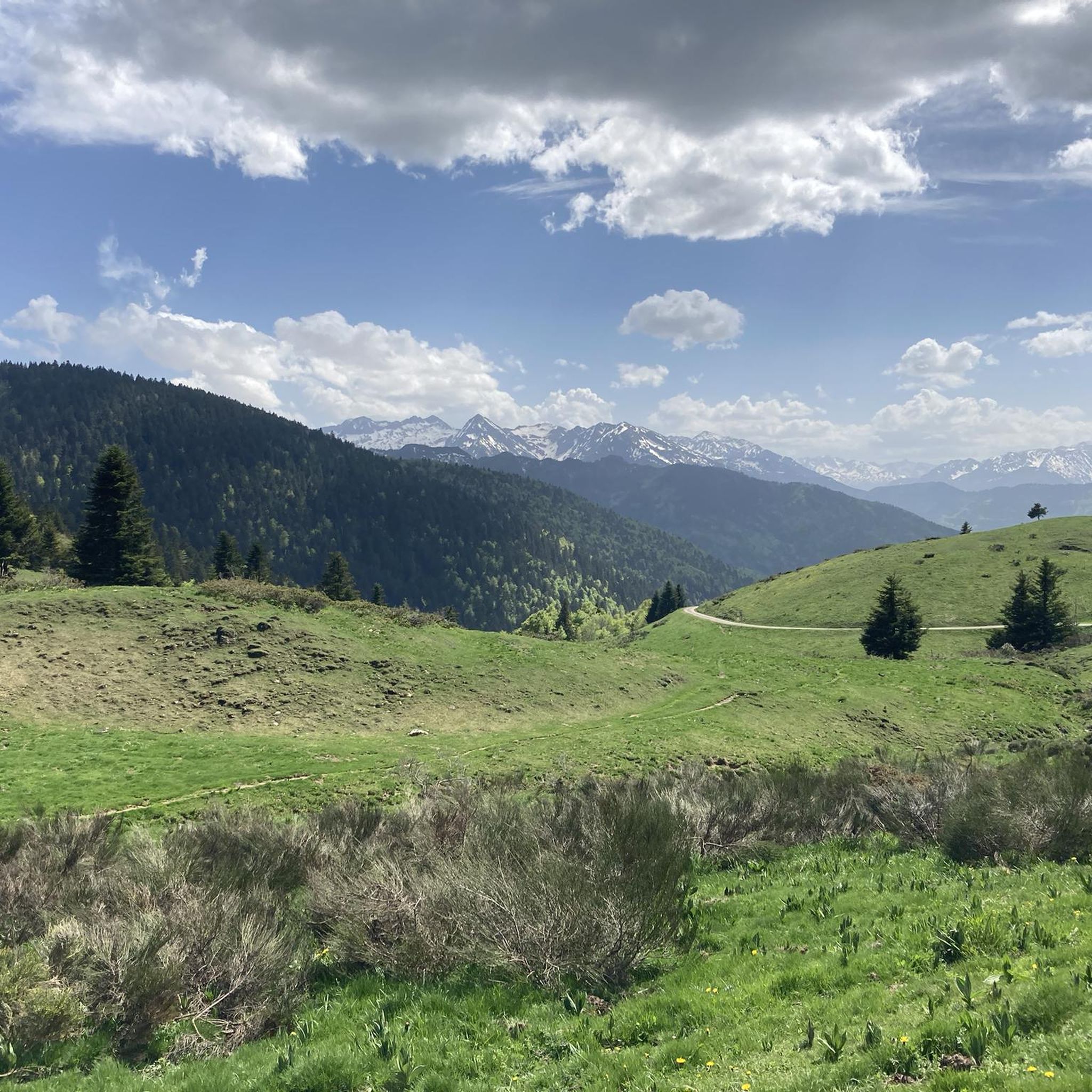
Natural monuments around La Fajolle offer a diverse natural heritage within the Aude department of Southern France. The region is characterized by significant altitude variations and varied geological substrates, contributing to a wide array of natural habitats. Protected areas like the Natura 2000 site "Bassin du Rebenty" and the ZNIEFF "Picaucel et forêt de La Fajolle" highlight the area's ecological importance. La Fajolle region natural attractions include dense forests, high-altitude pastures, and unique wetlands.
Best natural monuments around La Fajolle
…Last updated: July 5, 2026
Gorges de la Frau
Highlight (Segment) • Gorge
Translated by Google •
Tip by

Naguille Lake
Highlight • Lake
Now in …
Translated by Google •
Tip by

Sign up now to discover places like this
Get recommendations on the best single tracks, peaks, & plenty of other exciting outdoor places.
Sign up for free
Thermal springs
Highlight • Natural Monument
More information: de.wikipedia.org/wiki/Ax-les-Thermes?wprov=sfla1
Translated by Google •
Tip by

View of Étang Bleu
Highlight • Viewpoint
Translated by Google •
Tip by

Laurenti Lake
Highlight • Lake
The road to the parking lot is a forest path
Translated by Google •
Tip by

Sign up for free to discover even more natural monuments around La Fajolle.
Sign up for free
Already have an account?
Start today with a free account
Your next adventure awaits.
Login or Signup
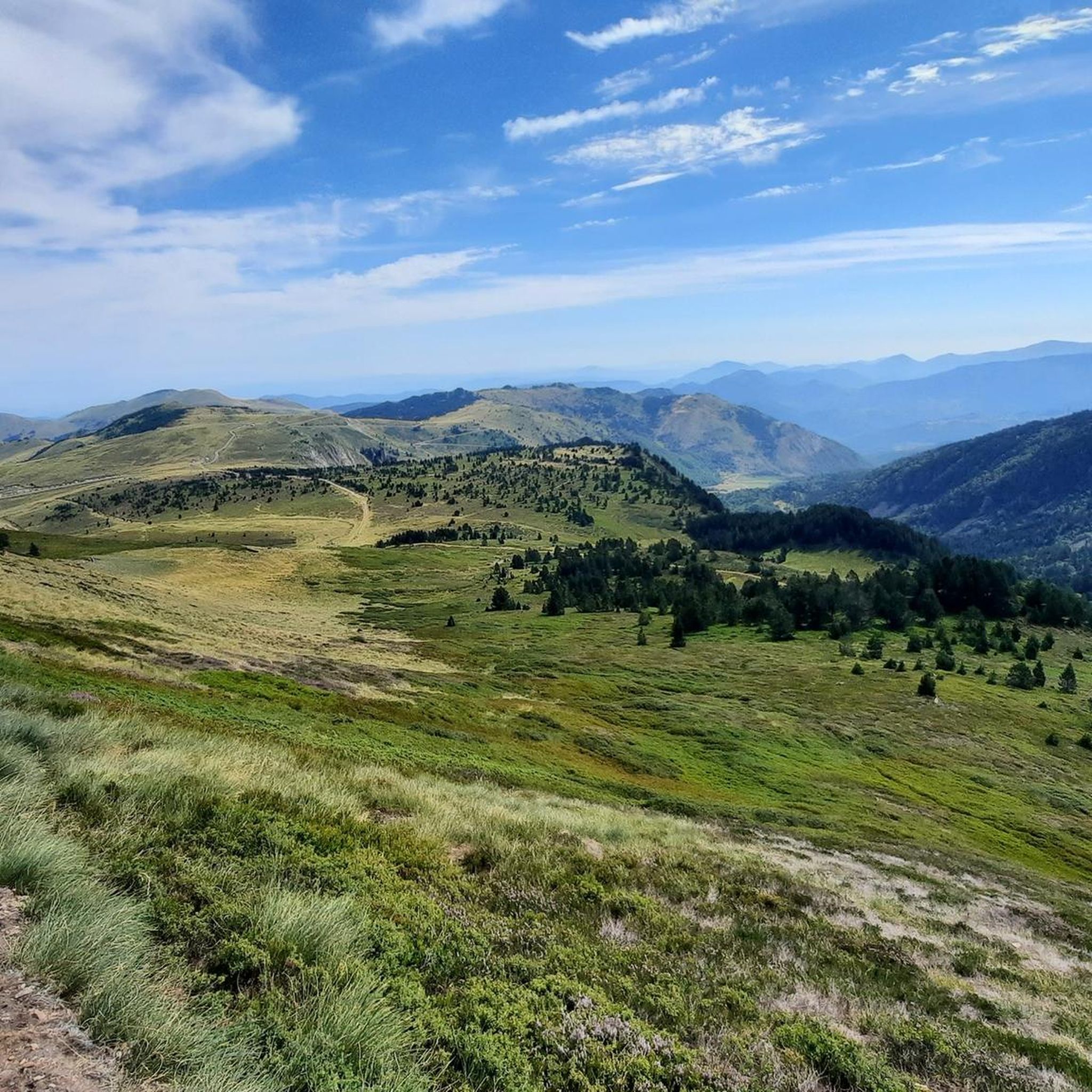
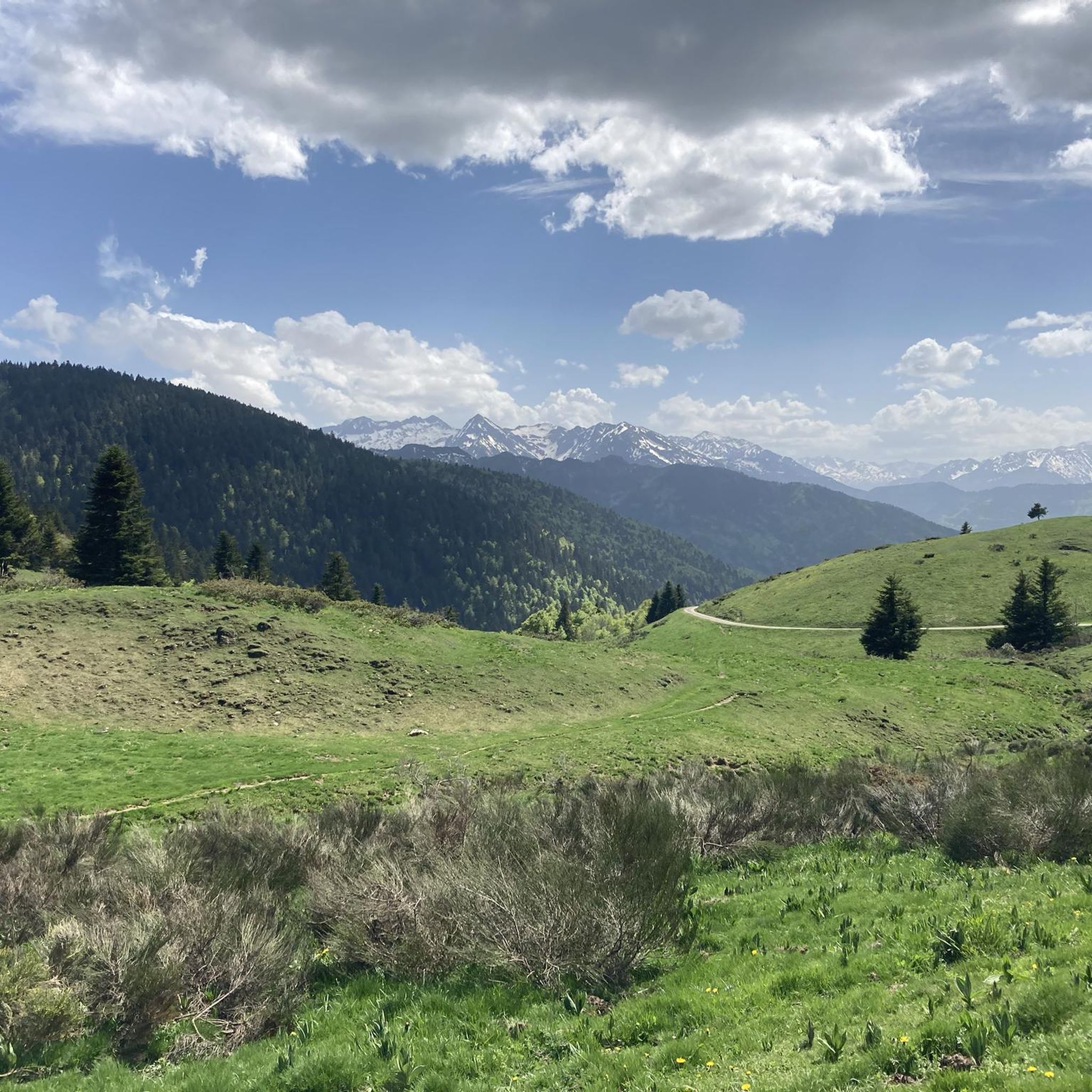

Other adventures around La Fajolle

Tips from the Community

Beautiful but very busy in the summer The road to the parking lot is a forest path
0
0

When you hike up to this view of the Etang Bleu, you are rewarded with a breathtaking sight where the bright blue waters of the pond are nestled among the rugged peaks of the Pyrenees. The Etang Bleu, known for its deep blue and strikingly clear waters, is surrounded by lush vegetation and rocky outcrops, creating a tranquil and almost magical atmosphere. You can take advantage of this peaceful spot to take a break and soak up the natural beauty of the area before continuing your exploration of the nearby Etang de Rabassoles and its equally captivating landscape.
1
0

The gorge is gorgeous indeed! I was there in August. Not a drop of water. Would like to go back a different season. Descent was partially overgrown and hard to find. No views there.
0
0

Over a length of three kilometres, the Èrç river has sculpted the rocks over thousands of years, creating a deep gorge that reaches between 300 and 400 metres deep. A place where the power of nature and the traces of erosion are clearly visible. The Gorges de la Frau are not only an impressive natural phenomenon, but also a witness to history. For centuries, they served as a natural passage between the Pyrenean valleys and thus tell stories of trade, travel and discovery. Today, this gorge is a central point of the Grand Traversée Ariège Pyrénées (GTAP) VTT, a mountain bike trail that makes the hearts of all adventurers beat faster. But whether you are on foot or on two wheels, the view of this narrow and steep gorge is breathtaking. It's almost like entering another world, where the rocks form the walls of an ancient castle and every stone, every tree, every curve has a story to tell. And although photos try to capture its beauty, they simply cannot do justice to the majestic atmosphere of the Gorges de la Frau. It is a place to be experienced, felt and breathed - an unforgettable natural wonder not to be missed on your trip through the Pyrenees.
4
0

Nice idea, if I had had more time it would be something for me too. More information: https://de.wikipedia.org/wiki/Ax-les-Thermes?wprov=sfla1
3
0

Gorges de la Frau is a narrow canyon that stretches for three kilometres. This protected natural area was formed by the erosion of the Èrç river on the rock. The canyon is between 300 and 400 metres deep and has been a passageway between the Pyrenean valleys for centuries.
2
0

The Etang de Naguilles is a dam lake which supplies the hydroelectric power station of Orlu. With an area of almost 100 hectares, it culminates at 1,855 meters. Now in industrial use, the pond has long animated local tales and legends. The Ariégeois say that the pond of Naguilles was born from the meeting of a blacksmith and the beast of the forest of Naguilles. The blacksmith allegedly gave the ferocious ferocious beast a white-hot iron bar. The beast, then thirsty, would have emptied all the water sources of the mountain before exploding at the current location of the pond.
0
1

After (or before ...) your ride, take a foot bath in one of the city's hot springs.
1
0
Frequently Asked Questions
What are the most popular natural monuments around La Fajolle?
Visitors frequently enjoy the View of Étang Bleu, known for its bright blue waters nestled among the Pyrenees. Another must-see is Gorges de la Frau, where the Èrç river has carved a deep canyon. Naguille Lake, a large dam lake at 1,855 meters, is also a popular spot.
What unique natural features can I explore in the La Fajolle region?
The La Fajolle region is rich in diverse natural features. It's part of the Natura 2000 site "Bassin du Rebenty," which boasts significant altitude variations and varied geological substrates supporting a wide array of habitats. You can also explore the ZNIEFF "Picaucel et forêt de La Fajolle" with its dense beech and fir forests, and discover rare wetlands and peat bogs, such as the "tourbière de Font rouge," which are home to specialized flora and fauna like the Pyrenean Desman and various odonates.
Are there hiking trails near the natural monuments in La Fajolle?
Yes, the area around La Fajolle offers numerous hiking opportunities. You can find various routes, including moderate trails like "Le Pic de Tarbesou" or "Pic de Tarbesou – Étang de Pailhères loop." For more options, explore the Hiking around La Fajolle guide.
What is the terrain like at <a href="https://www.komoot.com/highlight/456262" target="_blank" rel="noopener">Gorges de la Frau</a>?
The Gorges de la Frau features a narrow canyon, 300 to 400 meters deep, sculpted by the Èrç river. The terrain is rugged and steep, showcasing the powerful effects of erosion. It's an impressive natural phenomenon that forms part of the Grand Traversée Ariège Pyrénées (GTAP) VTT, offering breathtaking views whether you're on foot or mountain biking.
Where can I find scenic viewpoints of natural monuments in La Fajolle?
For stunning vistas, head to the View of Étang Bleu, where you'll see the clear blue waters of the pond surrounded by rocky Pyrenean peaks. Another beautiful spot is Laurenti Lake, which offers picturesque views, though it can be quite busy in summer.
Are there any family-friendly natural monuments or activities in the area?
While specific family-friendly natural monuments are not explicitly detailed, the region's diverse landscapes, including forests and lakes, offer opportunities for family outings. The Thermal springs are noted as family-friendly, offering a relaxing experience. Exploring the less strenuous parts of the ZNIEFF "Picaucel et forêt de La Fajolle" or the shores of Naguille Lake could also be suitable for families.
What kind of wildlife can be found in the natural monuments of La Fajolle?
The natural monuments in La Fajolle are home to a rich array of wildlife. The Rebenty river and its tributaries, part of the Natura 2000 site, are crucial for rare aquatic fauna such as the Pyrenean Desman, European Otter, White-clawed Crayfish, Sculpin, and Southern Barbel. The wetlands and peat bogs harbor specialized species like the Cantabrian Viviparous Lizard, various odonates (dragonflies and damselflies), the Amphibious Vole, and the Pyrenean Euprocte.
What is the best time of year to visit the natural monuments around La Fajolle?
The diverse habitats and varying altitudes in La Fajolle mean that different times of year offer unique experiences. Spring and summer are ideal for hiking and enjoying the lush vegetation and high-altitude pastures. The wetlands and peat bogs are particularly vibrant during warmer months. For specific conditions, especially for higher altitude areas, it's always advisable to check local weather forecasts before your visit.
What cycling opportunities are available near these natural monuments?
The region around La Fajolle provides excellent cycling opportunities, including challenging routes like the "Pailhères Pass – Mijanès loop" for touring bicycles and "Pradel Pass – Pailhères Pass loop" for gravel biking. The Gorges de la Frau is also a central point of the Grand Traversée Ariège Pyrénées (GTAP) VTT. You can find more details in the Cycling around La Fajolle guide and the Gravel biking around La Fajolle guide.
Are there any efforts to protect the natural environment in La Fajolle?
Yes, La Fajolle is deeply committed to nature conservation. The municipality is actively pursuing the creation of a National Nature Reserve on over 600 hectares of its directly owned land. This initiative aims to protect its high-altitude pastures, wetlands, and the source of the Rebenty, ensuring the preservation of exceptional natural assets like fields of Yellow Gentian and diverse habitats for future generations. The region is also part of the Natura 2000 network, specifically the "Bassin du Rebenty" site, dedicated to protecting endangered species like the Pyrenean Desman.
What do visitors enjoy most about the natural monuments in La Fajolle?
Visitors particularly appreciate the tranquil atmosphere and breathtaking views offered by spots like the View of Étang Bleu. The majestic atmosphere and the sheer power of nature visible in the Gorges de la Frau are also highly praised. Many find the natural beauty, from deep canyons to high-altitude lakes and unique wetlands, to be an unforgettable experience.
Can I find accommodation or places to eat near the natural monuments?
While specific cafes, pubs, or accommodations directly adjacent to every natural monument are not detailed, the general area around La Fajolle offers options. For information on local amenities, it's best to check resources for La Fajolle and nearby villages, which cater to visitors exploring the region's natural attractions.
Most popular routes around La Fajolle
Most popular attractions around La Fajolle

Get inspired with the komoot mobile app


Explore more
Extend your search for the best caves by checking out these guides of the top ones around La Fajolle:
