Top 13 Natural Monuments around Le Béage
Best natural monuments around Le Béage are found in a mountain commune in the Ardèche department of France, situated at an altitude between 1200m and 1600m. This area serves as a gateway to the Montagne Ardéchoise, characterized by its wild, volcanic, and authentic nature. The region features unique geological formations, including volcanic peaks and a significant watershed. It offers diverse natural landscapes for exploration.
Best natural monuments around Le Béage
- The most popular natural monuments is South summit of Mont…
Last updated: July 5, 2026
South summit of Mont Mézenc
Highlight • Summit
You are also precisely on the watershed line.
Translated by Google •
Tip by

Mount Gerbier de Jonc
Highlight • Summit
Translated by Google •
Tip by

Sign up now to discover places like this
Get recommendations on the best single tracks, peaks, & plenty of other exciting outdoor places.
Sign up for free
Boutières Cross Pass
Highlight • Mountain Pass
Translated by Google •
Tip by

Lac d’Issarlès
Highlight • Lake
Translated by Google •
Tip by
Tchier de Borée
Highlight • Monument
Translated by Google •
Tip by

Sign up for free to discover even more natural monuments around Le Béage.
Sign up for free
Already have an account?
Start today with a free account
Your next adventure awaits.
Login or Signup
Tips from the Community

The Tchier de Borée is a contemporary artwork situated in the heart of the volcanic landscapes of the Boutières region. Created in 2008 by Fabienne Versé and Serge Boyer, this megalithic installation comprises 70 standing stones arranged in a circle 80 meters in diameter. Each stone bears a symbol or message: runes, astrological signs, natural elements (air, water, fire, earth), winds, mythology… The word “Tchier” (from the local dialect) means “pile of stones”: a tribute to stone, time, and the memory of the land. https://www.montagnedardeche.com/patrimoine-culturel/tchier-de-boree-2634/
0
0

Lots of hikers. Be polite and share the trail. The descent with the small steps is a treat.
0
0

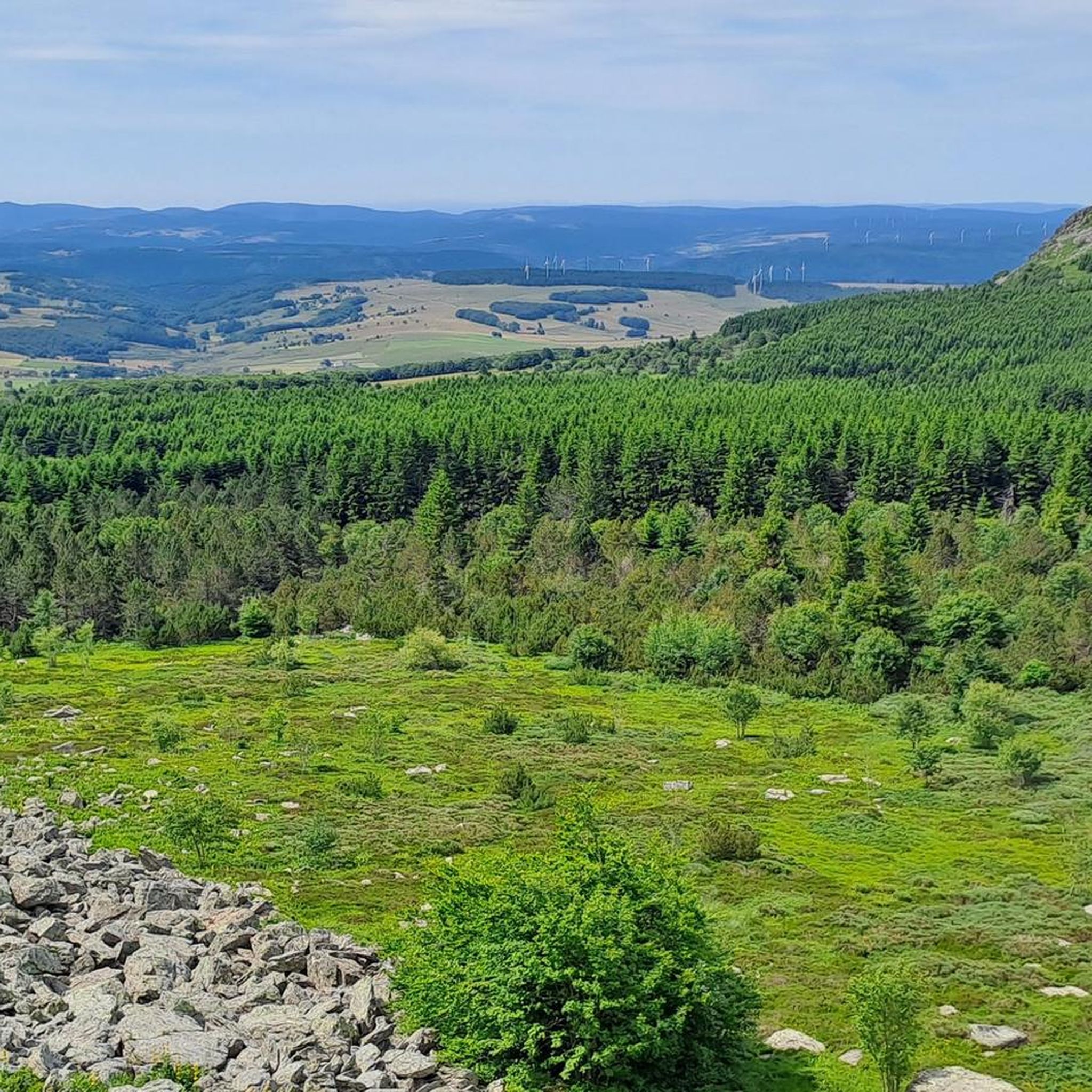
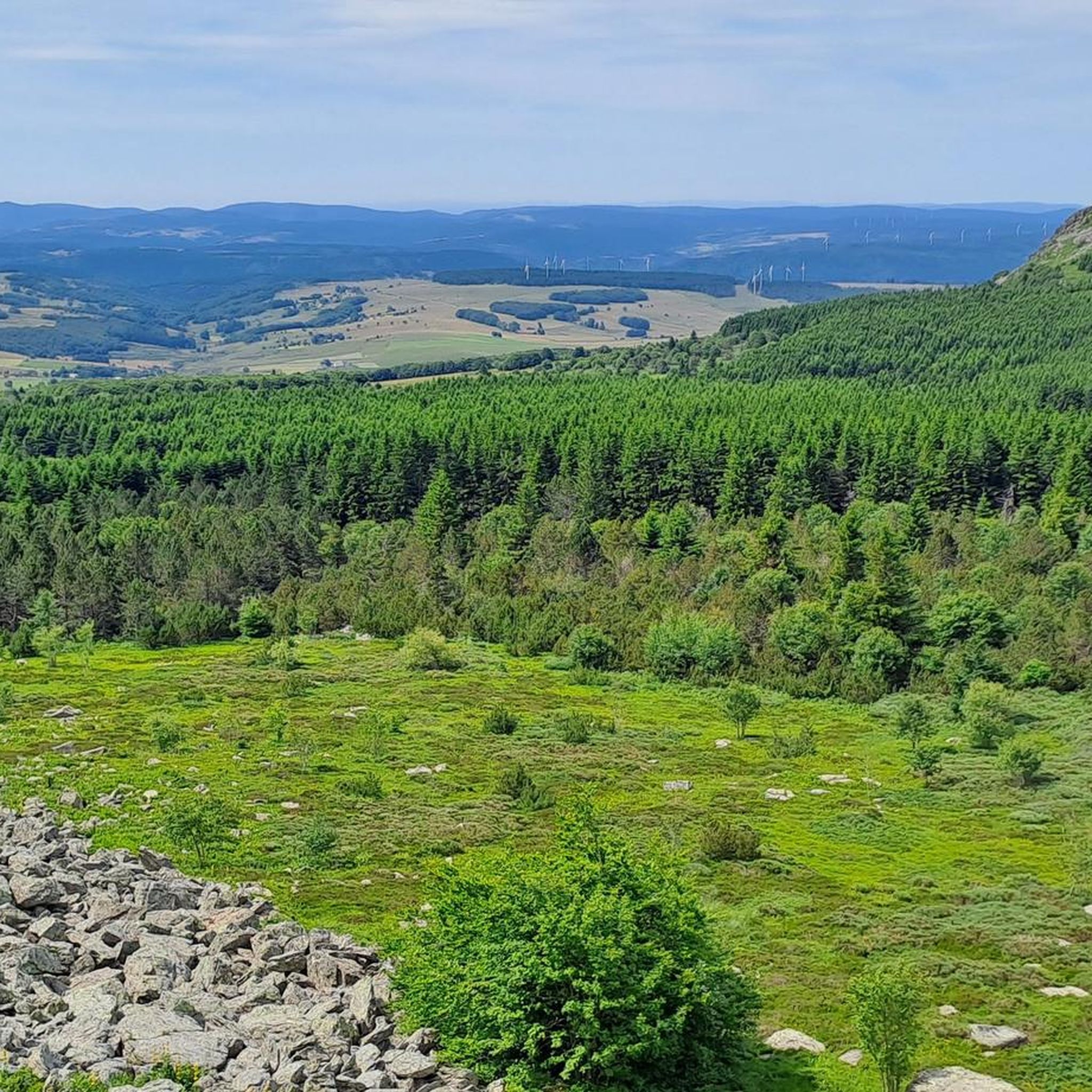
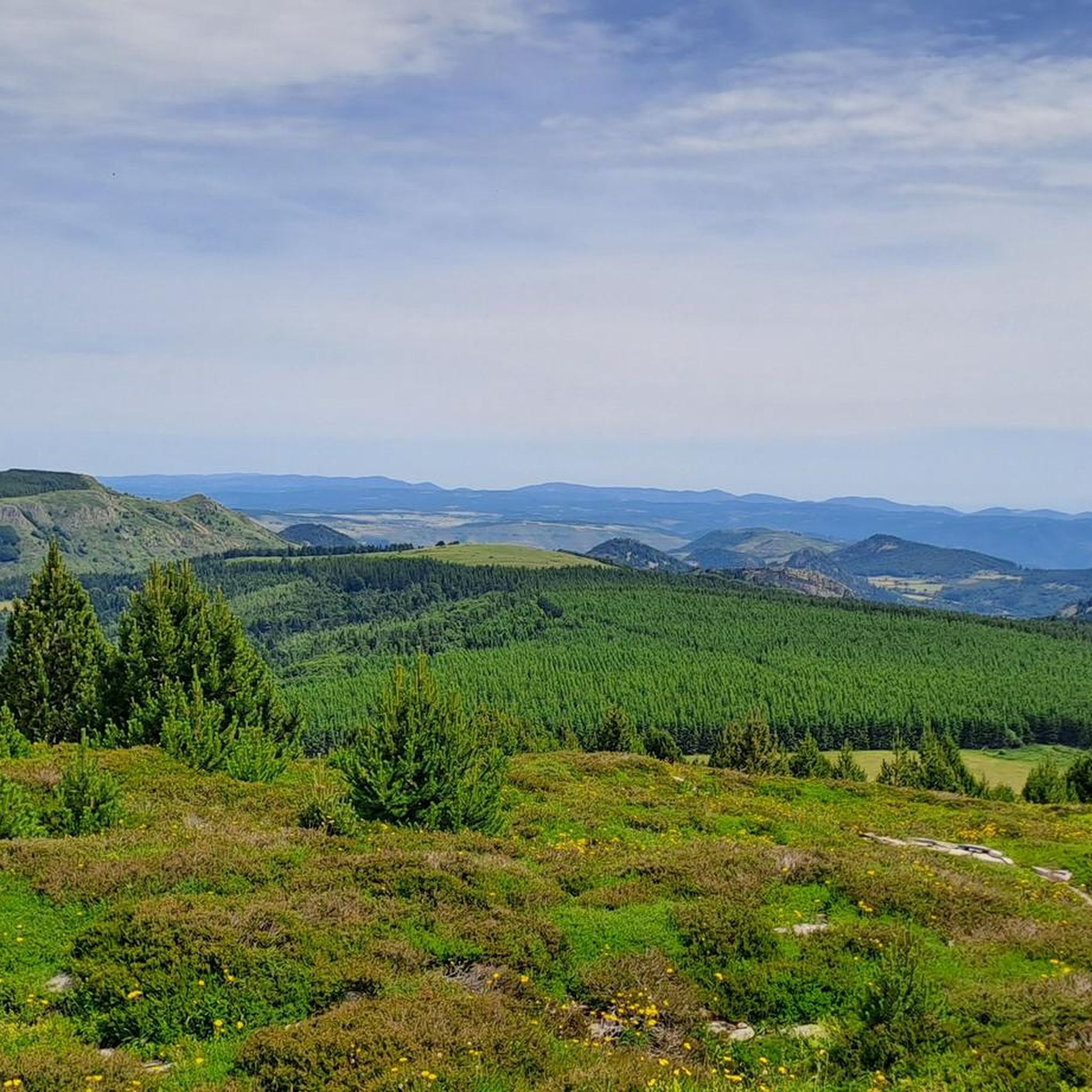
One of the most beautiful viewpoints in the region with the village of Borée, at the foot of the Sucs and Mont Mézenc
0
0
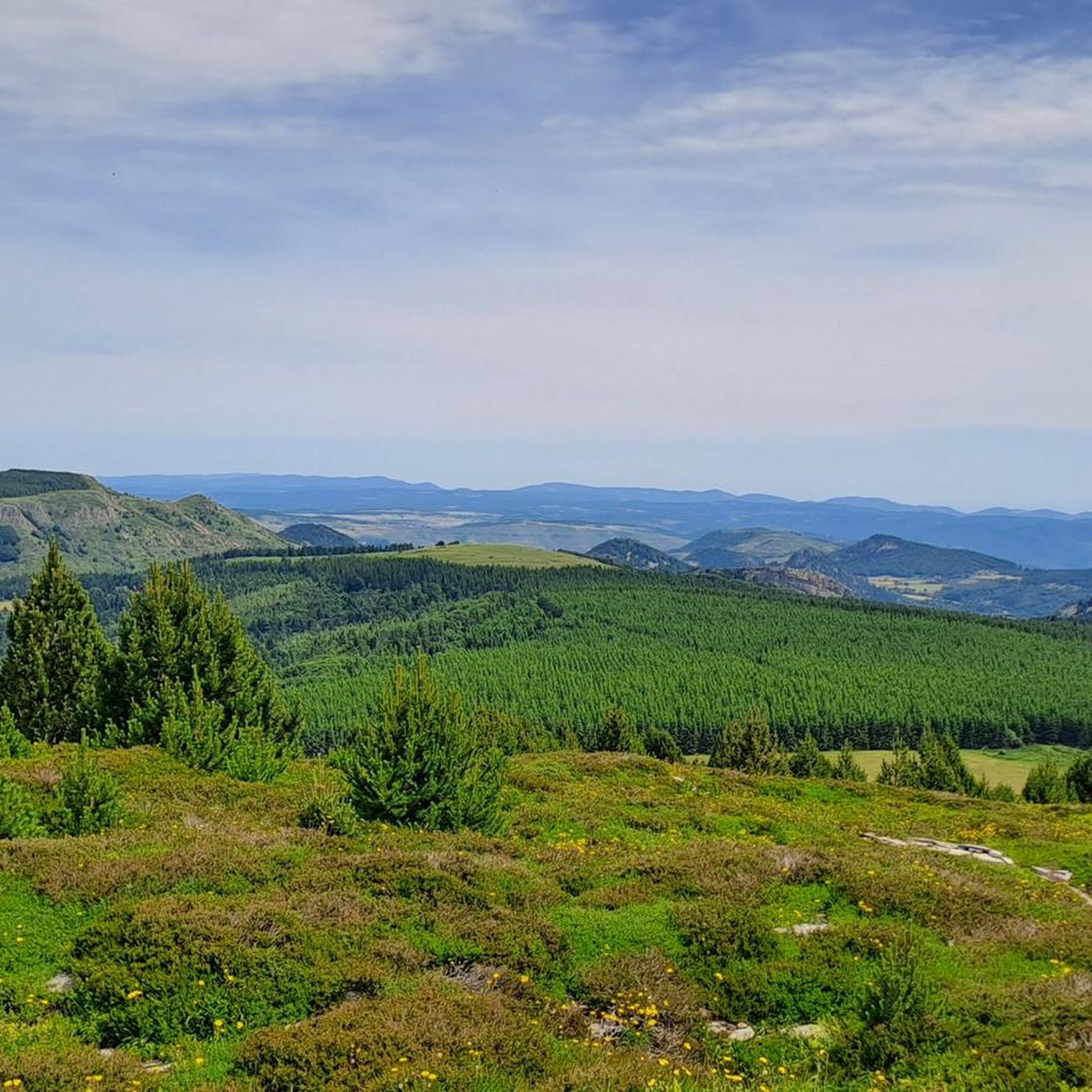
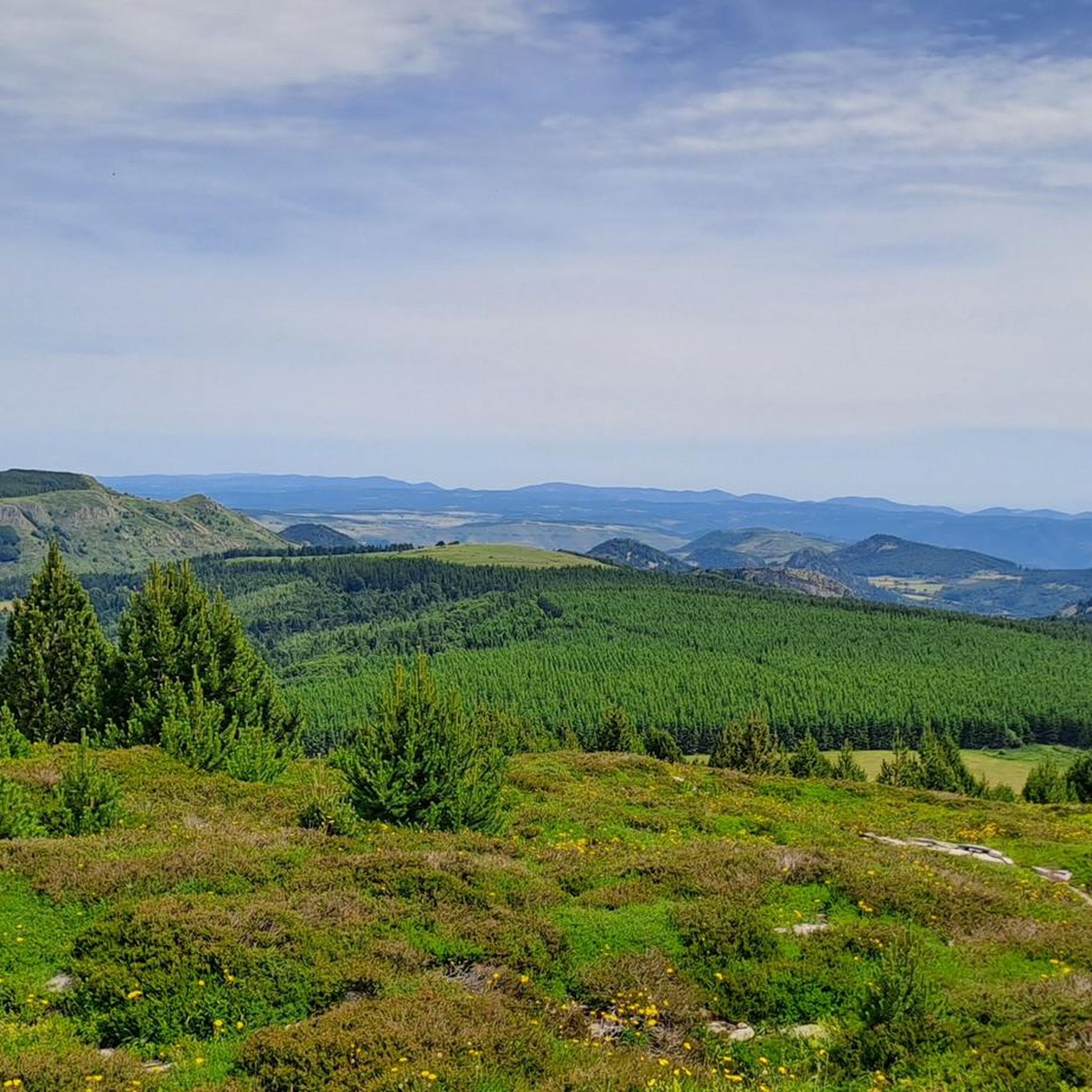
A pass at an altitude of over 1500 m. It is the highest in Ardèche.
0
0

Mont Gerbier-de-Jonc is one of the highest peaks of the Monts d'Ardèche in the south-eastern Massif Central. The mountain itself is a striking, extinct volcanic cone with a good view over the Massif Central. The ascent and descent require some fitness and good footwear. There are a few short climbing rocks that cannot be avoided. But the view is worth it.
0
0

Very nicely located grotto, you can also go swimming below.
0
1

Contemporary work by Fabienne and Serge Boÿer: Glypheins sculptors. 70 stones engraved with symbols, myths of the country of Boutières, allegory. The cultural history of the high country of Boutières is told through nine themes: memory, reflection and philosophers, secrets and desires, travelers and pilgrims, astronomers and cartographers.
0
0

Stroll around the lake on Sunday July 23, 2023. Very pleasant because it is largely shaded. Provide credit card (no possibility to pay in cash) for paid parking from 01/06 to 30/09, package 3€. Lots of people on the beaches and around.
1
0
Frequently Asked Questions
What are some of the most popular natural monuments to visit around Le Béage?
The region around Le Béage is known for its unique volcanic landscapes. Among the most popular are the South summit of Mont Mézenc, offering incredible views and sitting on a significant watershed line. Another must-see is Mount Gerbier de Jonc, an extinct volcanic cone that is the official source of the Loire River. Visitors also frequently enjoy the panoramic views from Boutières Cross Pass, the highest mountain pass in Ardèche.
What unique geological features can I expect to see in the natural monuments around Le Béage?
Le Béage is situated in a volcanic region, so you'll encounter many 'sucs' or volcanic peaks like Mount Gerbier de Jonc and the Sucs de Montfol and Taupernas. The area is also notable for its watershed lines, particularly at Mont Mézenc, where water flows towards both the Atlantic and the Mediterranean. Additionally, Lac d’Issarlès is a deep lake formed by magma escaping from a chamber beneath it.
What do visitors particularly enjoy about the natural monuments in this region?
Visitors frequently praise the stunning 360-degree panoramic views from peaks like Mont Mézenc and Mount Gerbier de Jonc. The unique volcanic landscapes and the wild, authentic character of the Montagne Ardéchoise are also highly appreciated. Many enjoy the sense of adventure, especially the short climbing sections on Mont Gerbier de Jonc, and the refreshing atmosphere of places like Lac d’Issarlès.
Are there natural monuments suitable for families with children near Le Béage?
Yes, several natural monuments are great for families. The ascent of Mount Gerbier de Jonc is popular with children due to its fun, narrow path and some climbing sections. Lac d’Issarlès offers a monitored beach for swimming during July and August, and easy walks around its perimeter. The Tchier de Borée, with its engraved standing stones and superb views, also provides an engaging experience for all ages.
What is the best time of year to visit the natural monuments around Le Béage?
The region's natural monuments are beautiful year-round, but the best time depends on your preferred activities. Summer (July-August) is ideal for swimming at Lac d’Issarlès and enjoying the fresh mountain air. Spring and autumn offer pleasant temperatures for hiking and exploring the volcanic landscapes, often with fewer crowds and vibrant foliage. Winter brings snow, transforming the landscape into a serene, picturesque setting, though some paths might be less accessible.
What should I pack for a visit to the natural monuments in Le Béage?
Given the mountainous terrain and varying altitudes, it's advisable to pack layers of clothing. Sturdy hiking shoes with good grip are essential, especially for ascents like Mount Gerbier de Jonc or Mont Mézenc. Don't forget water, snacks, sun protection (hat, sunscreen), and a camera to capture the magnificent panoramas. If visiting Lac d’Issarlès in summer, bring swimwear.
Are there any facilities like cafes or restaurants near these natural monuments?
Yes, some natural monuments offer facilities. For instance, Boutières Cross Pass has a cafe available for refreshments. In the vicinity of Mount Gerbier de Jonc, you'll find small shops and eateries. For Lac d’Issarlès, there are options around the lake, especially near the monitored beach area.
What outdoor activities can I do near the natural monuments around Le Béage?
The area around Le Béage is excellent for various outdoor activities. You can enjoy extensive hiking, with trails leading to volcanic peaks like Mont Mézenc and the Sucs de Montfol and Taupernas. There are also numerous road cycling routes, including challenging ascents to passes like Boutières Cross Pass. For those who enjoy running, the loop around Lac d’Issarlès is a popular choice.
Are there easy hiking trails near the natural monuments for less experienced visitors?
Yes, there are options for easier hikes. While some ascents like Mount Gerbier de Jonc involve some climbing, many paths around the base of the volcanic peaks offer gentler walks. The circular trail around Lac d’Issarlès is relatively flat and suitable for a leisurely stroll. Additionally, the area around the Sucs de Montfol and Taupernas features various hiking circuits, some of which are less strenuous, offering magnificent panoramas without significant difficulty.
Can I find less crowded natural sites or 'hidden gems' around Le Béage?
While popular sites attract visitors, the vastness of the Montagne Ardéchoise allows for quieter exploration. The Sucs de Montfol and Taupernas, though offering magnificent panoramas similar to more famous peaks, can sometimes be less crowded. The Tchier de Borée, a contemporary artistic site nestled within the volcanic landscapes, offers superb views and a unique cultural experience that might be considered a hidden gem by some, providing a different kind of natural monument to explore.
What is the significance of the Mont Gerbier de Jonc?
Mount Gerbier de Jonc is a striking, extinct volcanic cone and holds significant importance as the official source of the Loire River, France's longest river. Its unique geological formation and role as a major watershed point make it a fascinating natural monument. The ascent to its summit is a popular activity, rewarding visitors with breathtaking panoramic views of the surrounding Ardèche landscape.
What makes Lac d’Issarlès a unique natural monument?
Lac d’Issarlès is a beautiful mountain lake with a unique origin: it was formed by the escape of magma from a chamber beneath it, making it extremely deep (138 meters). This volcanic lake offers a picturesque setting for relaxation and activities. Its north shore features a monitored beach during summer, and the surrounding area provides numerous marked hiking trails, making it a versatile destination for nature lovers.
Are there any cultural or historical sites integrated with the natural monuments?
Yes, the Tchier de Borée is a notable example. While set amidst the natural volcanic landscapes of the Boutières region, it is a contemporary artistic site featuring 70 engraved standing stones. These stones bear symbols and messages related to local mythology and natural elements, offering a blend of art, history, and nature. It provides superb views of the village of Borée with Mont Mézenc in the background.
Most popular routes around Le Béage
Most popular attractions around Le Béage

Get inspired with the komoot mobile app


Explore more
Extend your search for the best caves by checking out these guides of the top ones around Le Béage:
