Top 6 Natural Monuments around Montségur
Best natural monuments near Montségur include a diverse range of geological features and landscapes. The region, known for its historic Cathar castle, features towering peaks, protected reserves, and serene river valleys. This area offers a variety of natural attractions for nature enthusiasts and hikers. The landscape provides opportunities to explore deep gorges, high summits, and unique hydrological phenomena.
Best natural monuments around Montségur
- The most popular natural monuments is Mount Fourcat, a summit that offers a superb view from…
Last updated: July 5, 2026
Gorges de la Frau
Highlight (Segment) • Gorge
Translated by Google •
Tip by

Mount Fourcat
Highlight • Summit
Translated by Google •
Tip by

Sign up now to discover places like this
Get recommendations on the best single tracks, peaks, & plenty of other exciting outdoor places.
Sign up for free
Fontestorbes Spring
Highlight • Natural Monument
Translated by Google •
Tip by

Roquefort-les-Cascades Waterfalls
Highlight • Waterfall
Translated by Google •
Tip by

Devil's Pond
Highlight • Lake
Translated by Google •
Tip by
Sign up for free to discover even more natural monuments around Montségur.
Sign up for free
Already have an account?
Start today with a free account
Your next adventure awaits.
Login or Signup
Popular around Montségur
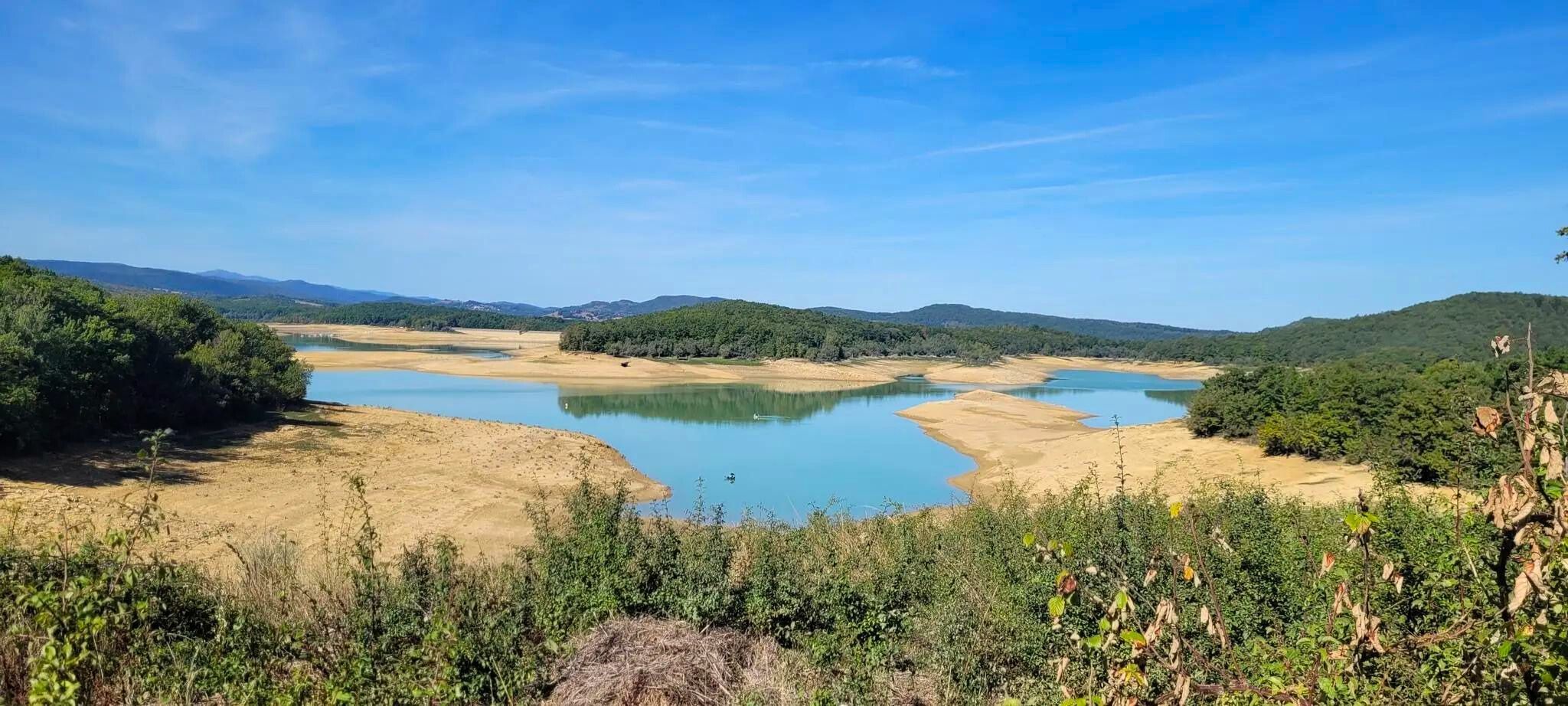
Plains, hills and mountains – GR 7 in the heart of France’s Occitania
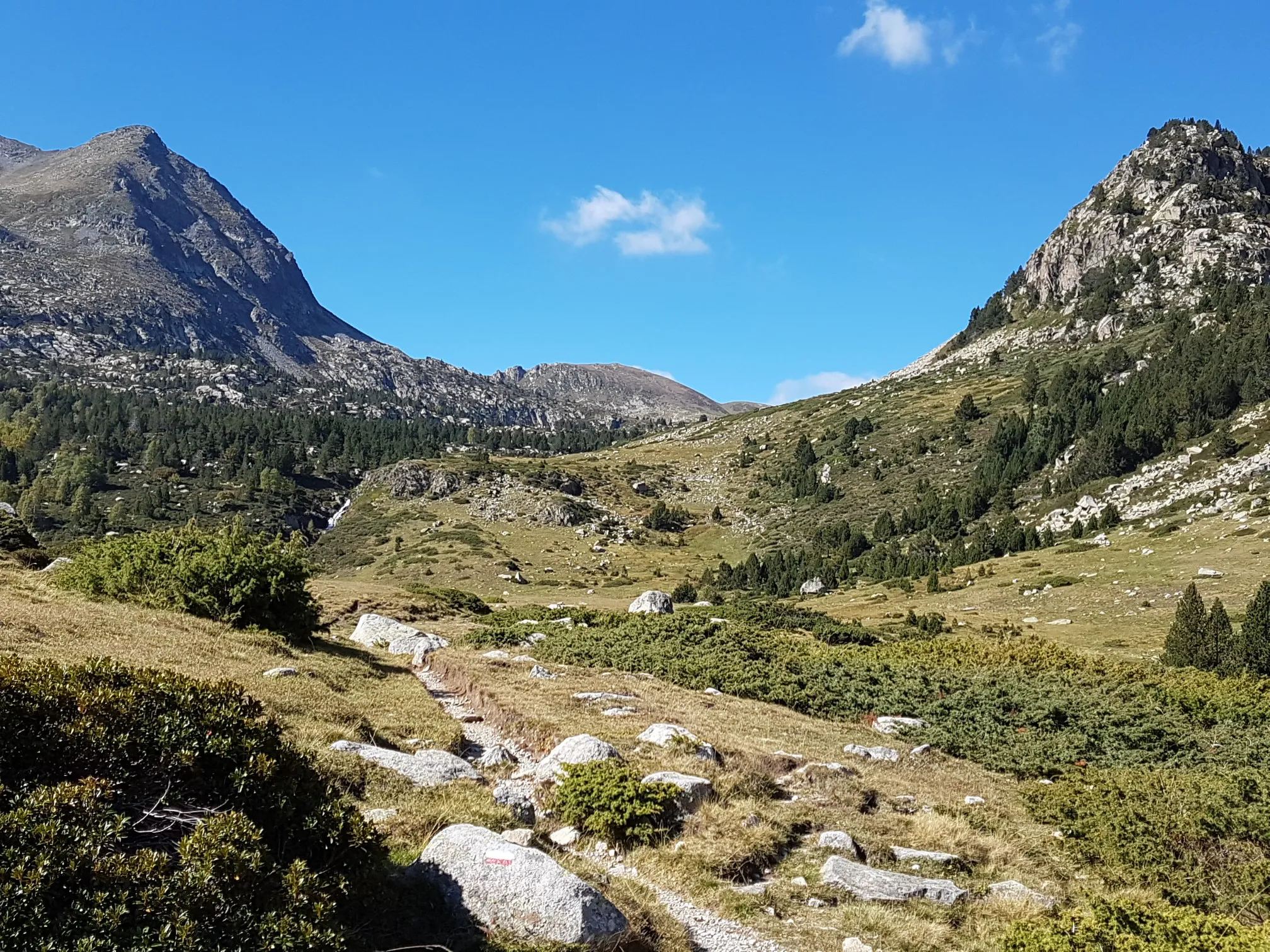
Le chemin des Bonshommes — In the footsteps of the Cathars
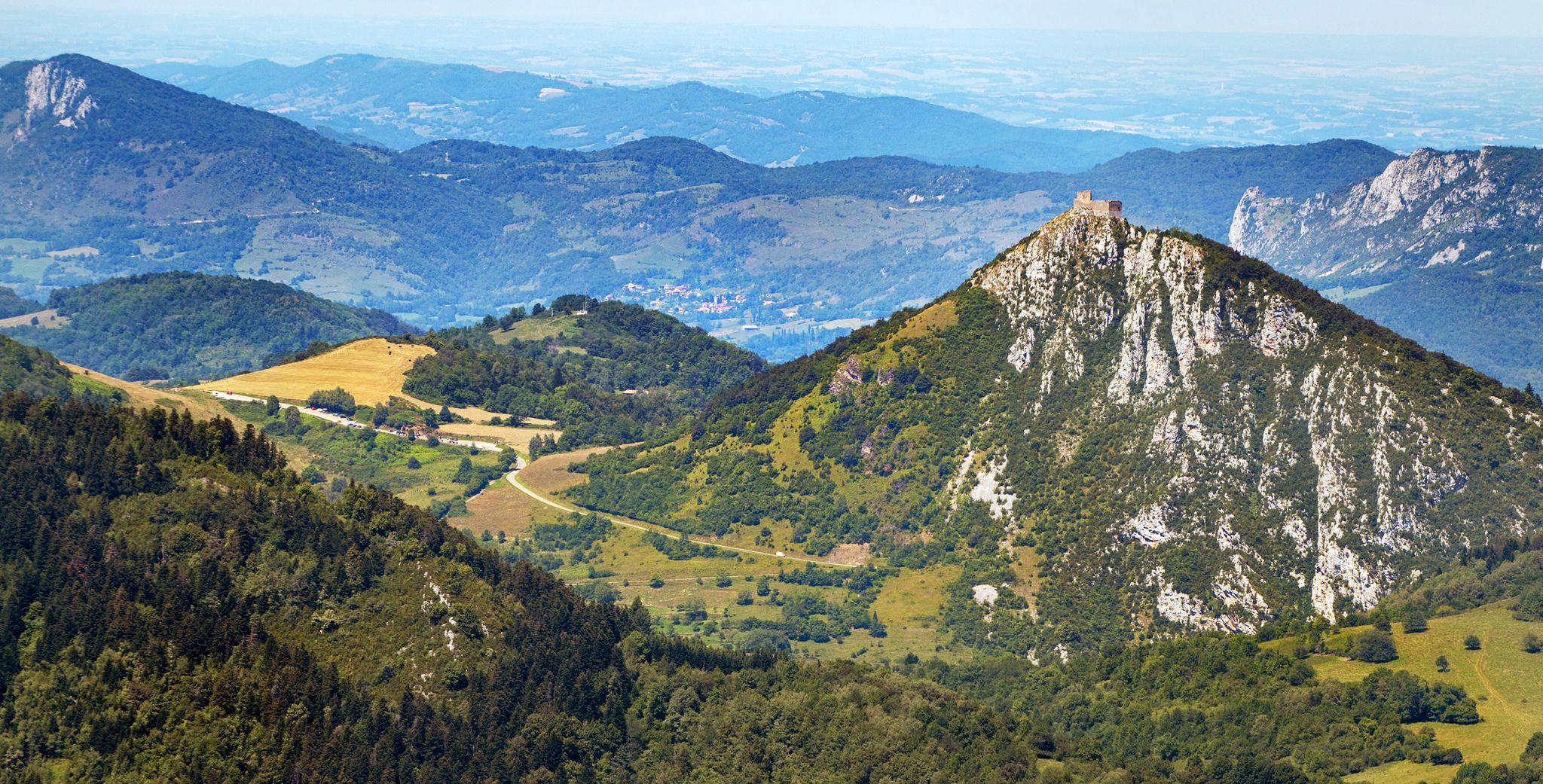
Cathar Route from Catalonia to France – Bons Homes Path (GR 107)
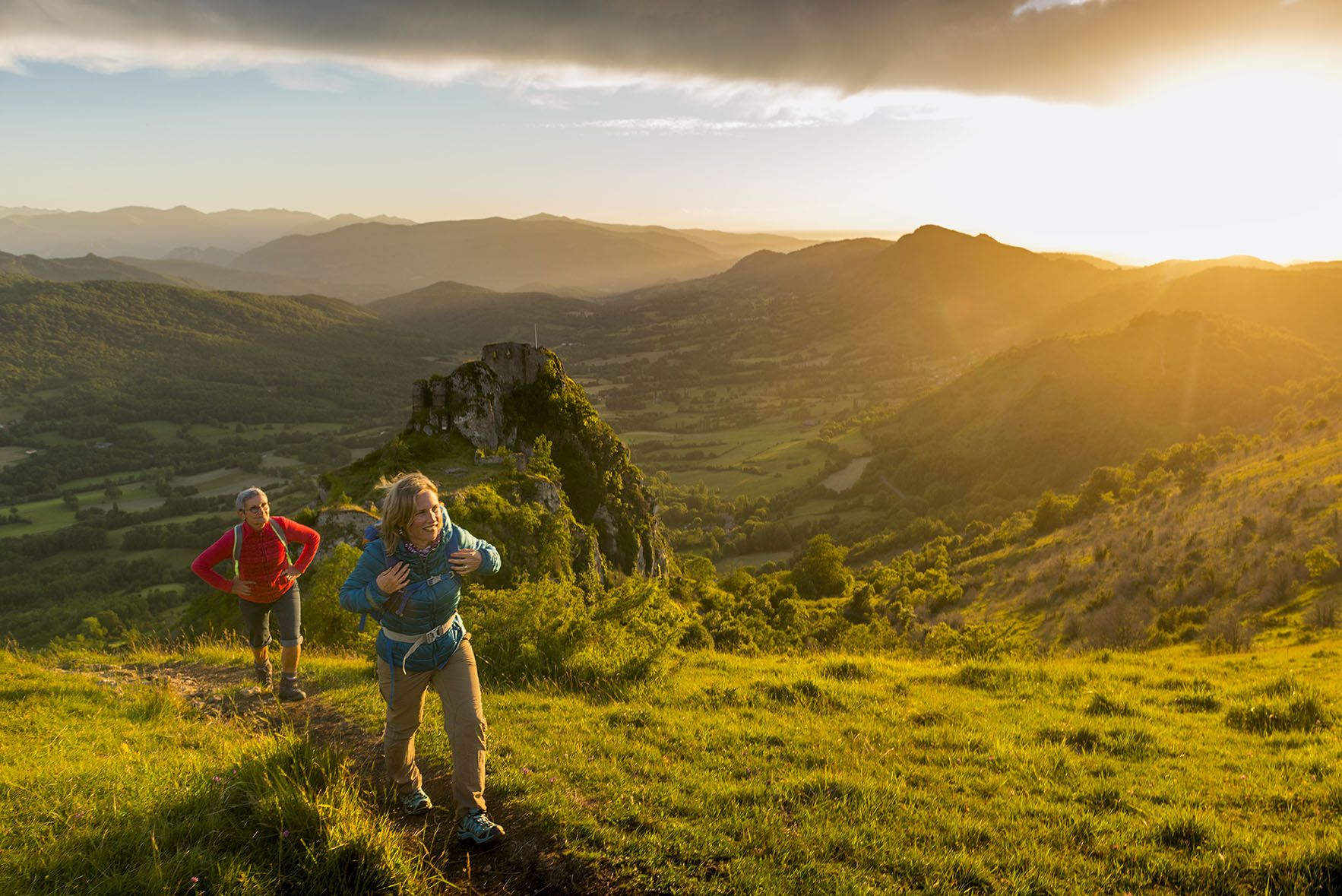
The chemin des Bonshommes — a journey between France and Spain
Hiking around Montségur
Road Cycling Routes around Montségur
Cycling around Montségur
Running Trails around Montségur
MTB Trails around Montségur

Gravel biking around Montségur
Other adventures around Montségur


Tips from the Community

A magnificent location offering stunning views of the Ariège Pyrenees: the Montcalm Massif, the Bassiès Massif, the Beille Plateau, and more. Easily accessible from Croquié in both summer and winter, provided you're well-equipped and at least a little fit (800m+). Its only drawback: it's very crowded, especially in winter.
0
0

Possibility of bivouac and magnificent natural spectacle by numerous griffon vultures
1
1


Magnificent intermittent fountain, no detour is found on the road. A must-see!
0
0

A beautiful set of natural waterfalls, easily accessible in just a few minutes from a car park located at the exit of the village of Roquefort-les-Cascades, at the cost of a short hike (there are several picnic tables and a guinguette). Best seen after heavy rain to fully enjoy the spectacle.
0
0

The gorge is gorgeous indeed! I was there in August. Not a drop of water. Would like to go back a different season. Descent was partially overgrown and hard to find. No views there.
0
0

Over a length of three kilometres, the Èrç river has sculpted the rocks over thousands of years, creating a deep gorge that reaches between 300 and 400 metres deep. A place where the power of nature and the traces of erosion are clearly visible. The Gorges de la Frau are not only an impressive natural phenomenon, but also a witness to history. For centuries, they served as a natural passage between the Pyrenean valleys and thus tell stories of trade, travel and discovery. Today, this gorge is a central point of the Grand Traversée Ariège Pyrénées (GTAP) VTT, a mountain bike trail that makes the hearts of all adventurers beat faster. But whether you are on foot or on two wheels, the view of this narrow and steep gorge is breathtaking. It's almost like entering another world, where the rocks form the walls of an ancient castle and every stone, every tree, every curve has a story to tell. And although photos try to capture its beauty, they simply cannot do justice to the majestic atmosphere of the Gorges de la Frau. It is a place to be experienced, felt and breathed - an unforgettable natural wonder not to be missed on your trip through the Pyrenees.
4
0

Gorges de la Frau is a narrow canyon that stretches for three kilometres. This protected natural area was formed by the erosion of the Èrç river on the rock. The canyon is between 300 and 400 metres deep and has been a passageway between the Pyrenean valleys for centuries.
2
0
Frequently Asked Questions
What unique natural phenomena can I observe around Montségur?
The region is home to the Fontestorbes Spring, known for its unique intermittent water flow. In summer, its high volume of water stops and starts at short intervals, a phenomenon described as unique worldwide.
Are there any protected natural areas near Montségur?
Yes, the Massif du Saint Barthélémy Nature Reserve is Ariège's first nature reserve, established in 2015. It covers the northern slopes of the Tabe massif, offering exceptional diversity from mountain to alpine environments, rich fauna, and flora. Guided tours are often available to explore its unique biodiversity.
What are the best natural monuments for panoramic views in the Montségur area?
For breathtaking panoramas, consider hiking to Mount Fourcat in the Tabe massif, which offers superb views. The twin peaks of Pic de Soularac (2,368m) and Pic de Saint-Barthélémy (2,348m) are also iconic belvederes of the Cathar Pyrenees, providing unparalleled views from the Mediterranean to the central Pyrenees.
Can I find family-friendly natural monuments around Montségur?
Absolutely. The Roquefort-les-Cascades Waterfalls are easily accessible with a short hike from a car park, making them ideal for families. There are picnic tables and a guinguette nearby. Additionally, a simple walk along the River Lasset offers a tranquil natural experience suitable for families, where you can admire diverse flora and potentially spot river trout.
What kind of geological features can be found in the Montségur region?
The region boasts diverse geological features. The Gorges de la Frau showcase impressive erosion where the Èrç river has sculpted rocks over thousands of years, creating a deep canyon. The Massif du Saint Barthélémy Nature Reserve also exhibits strong geographical and geological features, including migmatites and dolomitic limestones, separated by the Trimouns fault line.
Are there challenging hiking opportunities to natural monuments in Montségur?
Yes, for challenging hikes, the ascent to Pic de Soularac and Pic de Saint-Barthélémy involves demanding walks through ash woods and rocky slopes, rewarding hikers with deep blue lakes and spectacular views. The Devil's Pond can also be a stopover for those pushing towards Pic Saint-Barthélemy.
What wildlife can I expect to see in the natural monuments around Montségur?
The Massif du Saint Barthélémy Nature Reserve is rich in fauna, including Pyrenean Galliformes, Bearded Vulture, Golden Eagle, and the Pyrenean Desman. When hiking the higher peaks like Pic de Soularac and Pic de Saint-Barthélémy, you might observe chamois, deer, and various birds of prey in their preserved mountain environment.
Are there any natural sites with historical significance near Montségur Castle?
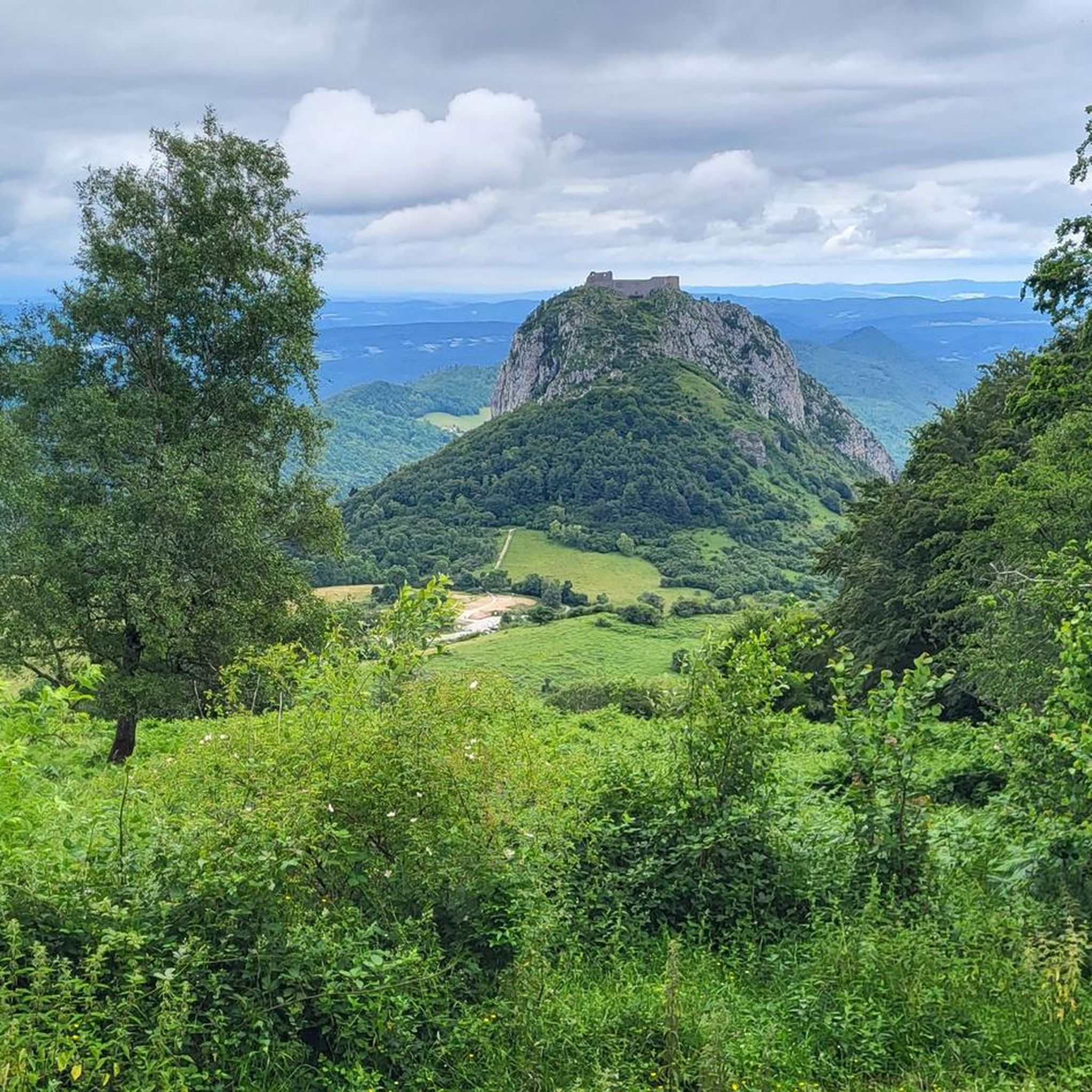
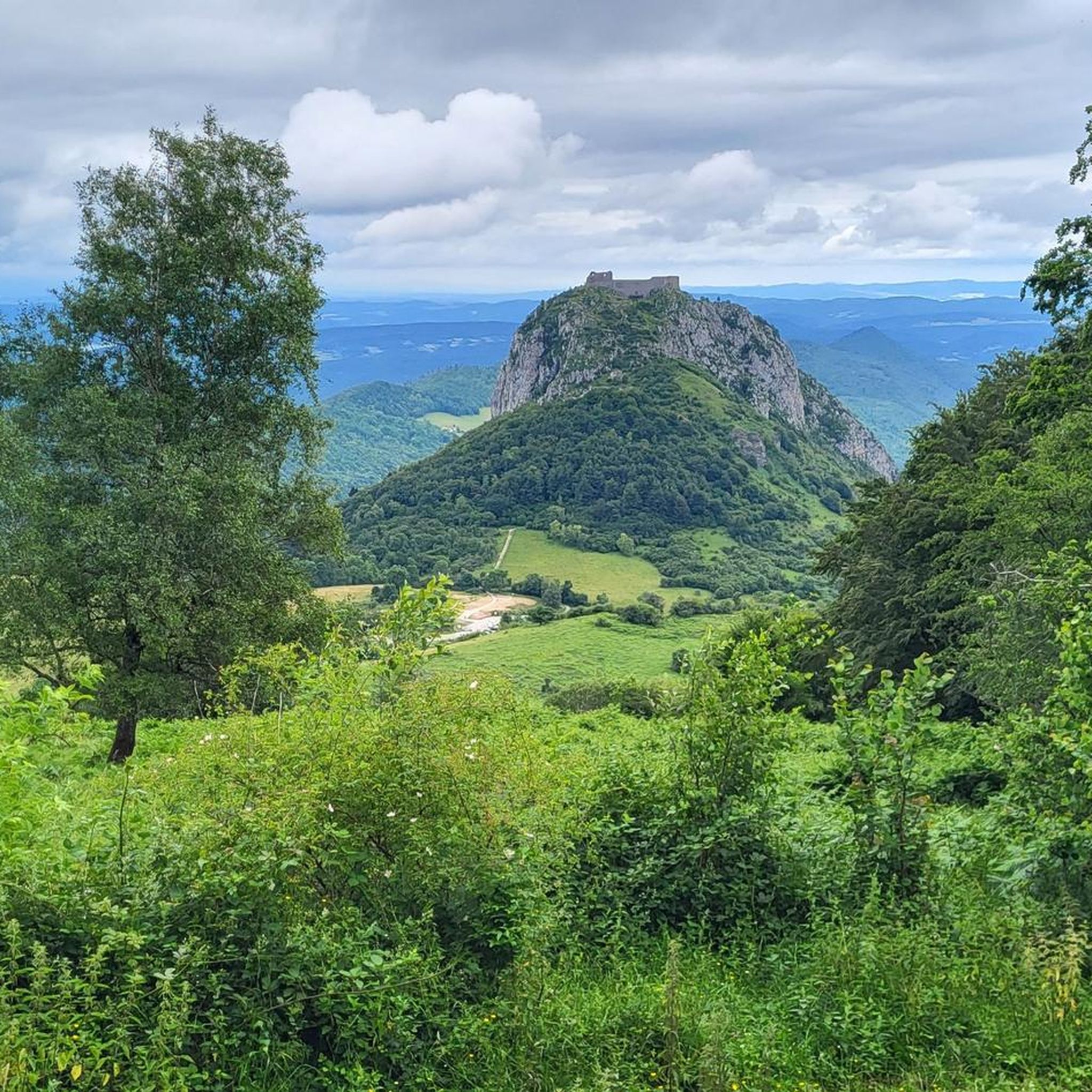
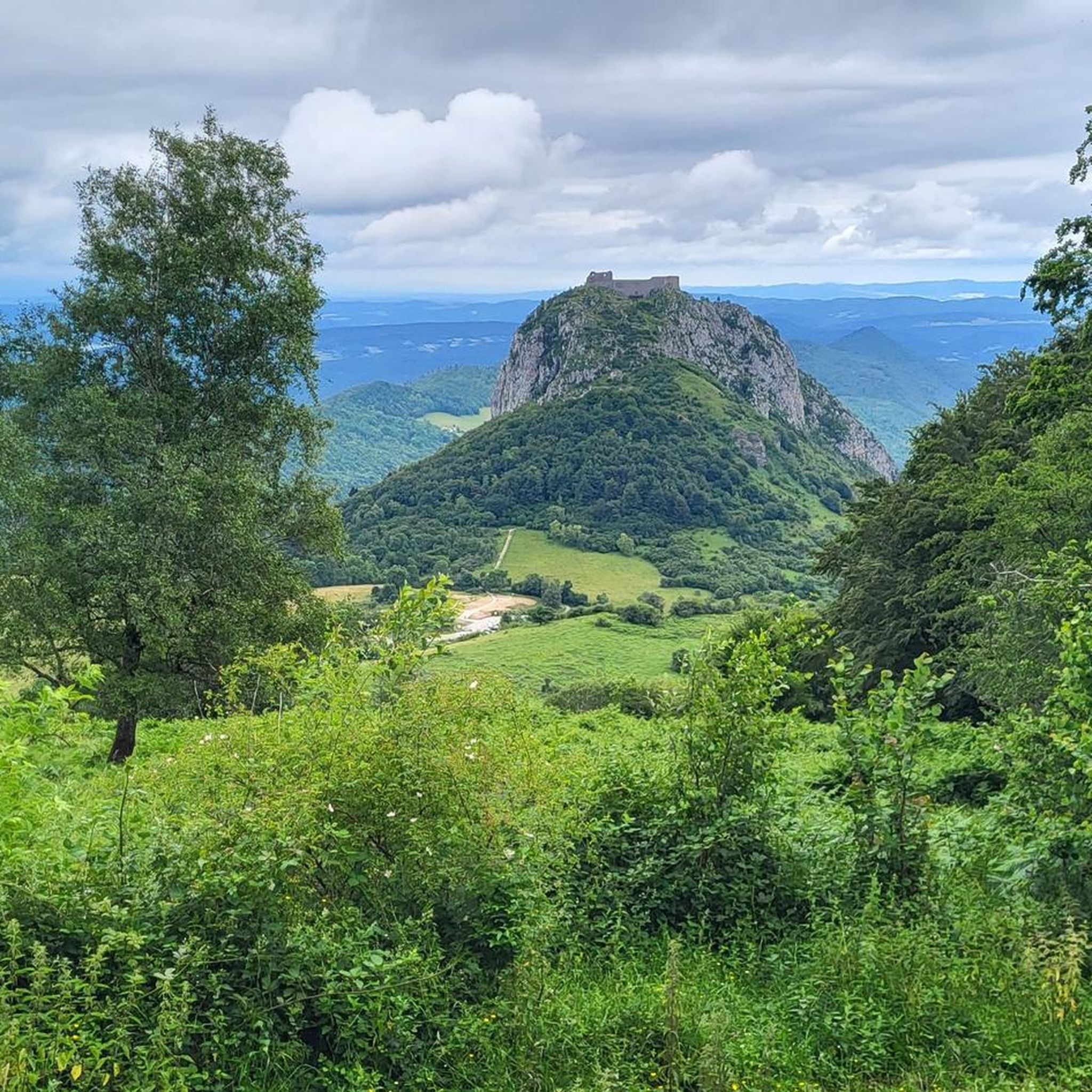
The 'Pog' of Montségur itself, the sugar loaf-shaped rocky peak on which Montségur Castle is perched, holds immense historical significance. A roughly two-hour walk around its base offers excellent views of the castle and the surrounding landscape. The Roc de la Tour, a steep ridge in the area, also provides insight into the strategic natural defenses used during the castle's siege.
What outdoor activities, besides hiking, can I do near these natural monuments?
The region offers various outdoor activities. The Gorges de la Frau are a central point of the Grand Traversée Ariège Pyrénées (GTAP) VTT, a popular mountain bike trail. You can find more options for mountain biking, running, and mountaineering by exploring the nearby guides like MTB Trails around Montségur, Running Trails around Montségur, and Mountain Hikes around Montségur.
What are some less-known natural gems to explore in the Montségur area?
Beyond the main attractions, you can discover the Canalette, a 1.5-hour walk leading to grassy mountain heaths with views of Frau mountain and the twin peaks. Another option is the Jasse de Prémaout, a two-hour walk to a small refuge offering a clear view of Montségur Castle. For paragliders and those seeking a 360° panorama, Roc de la Gourgue (1,618 m) is a modest peak with rewarding views.
When is the best time to visit the natural monuments around Montségur?
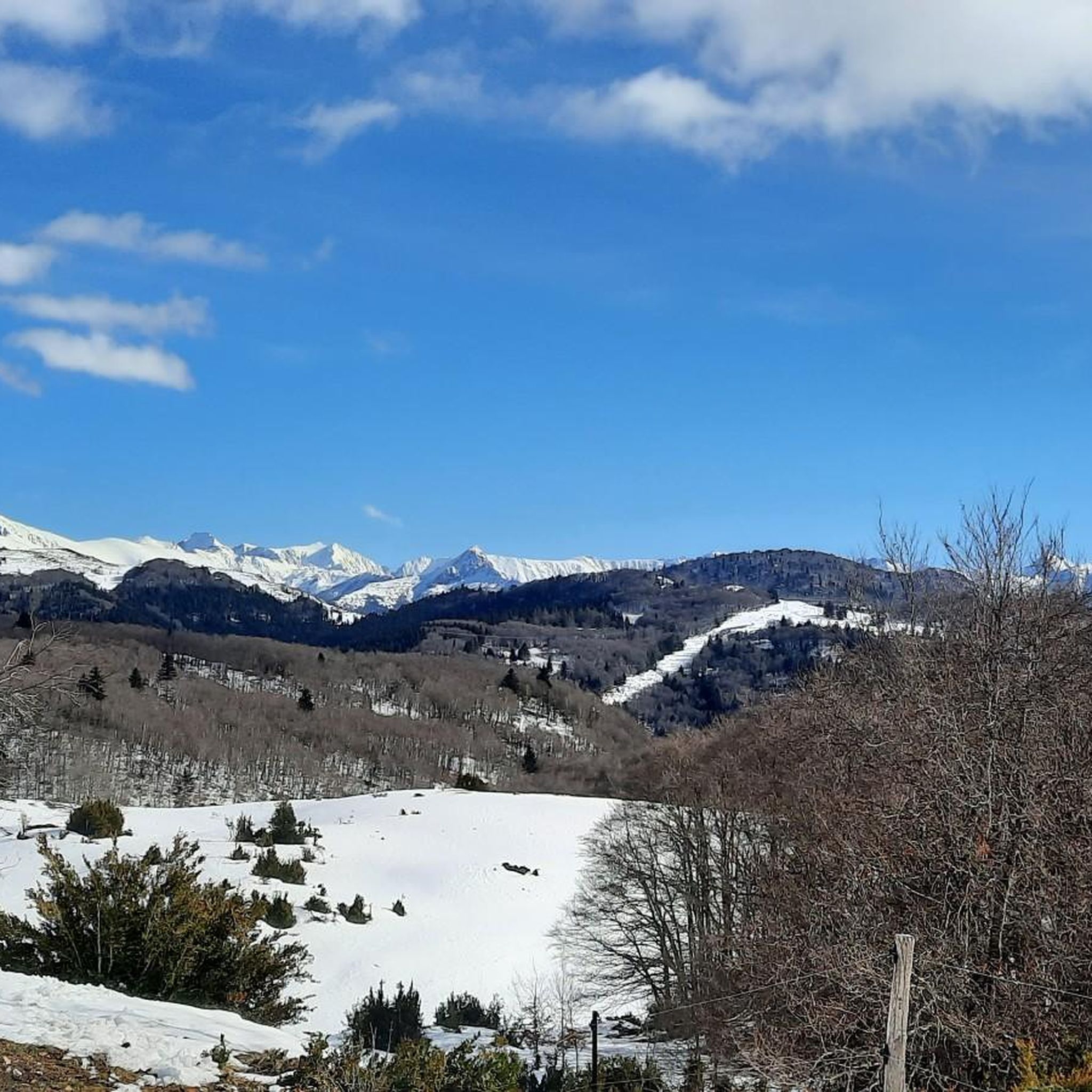
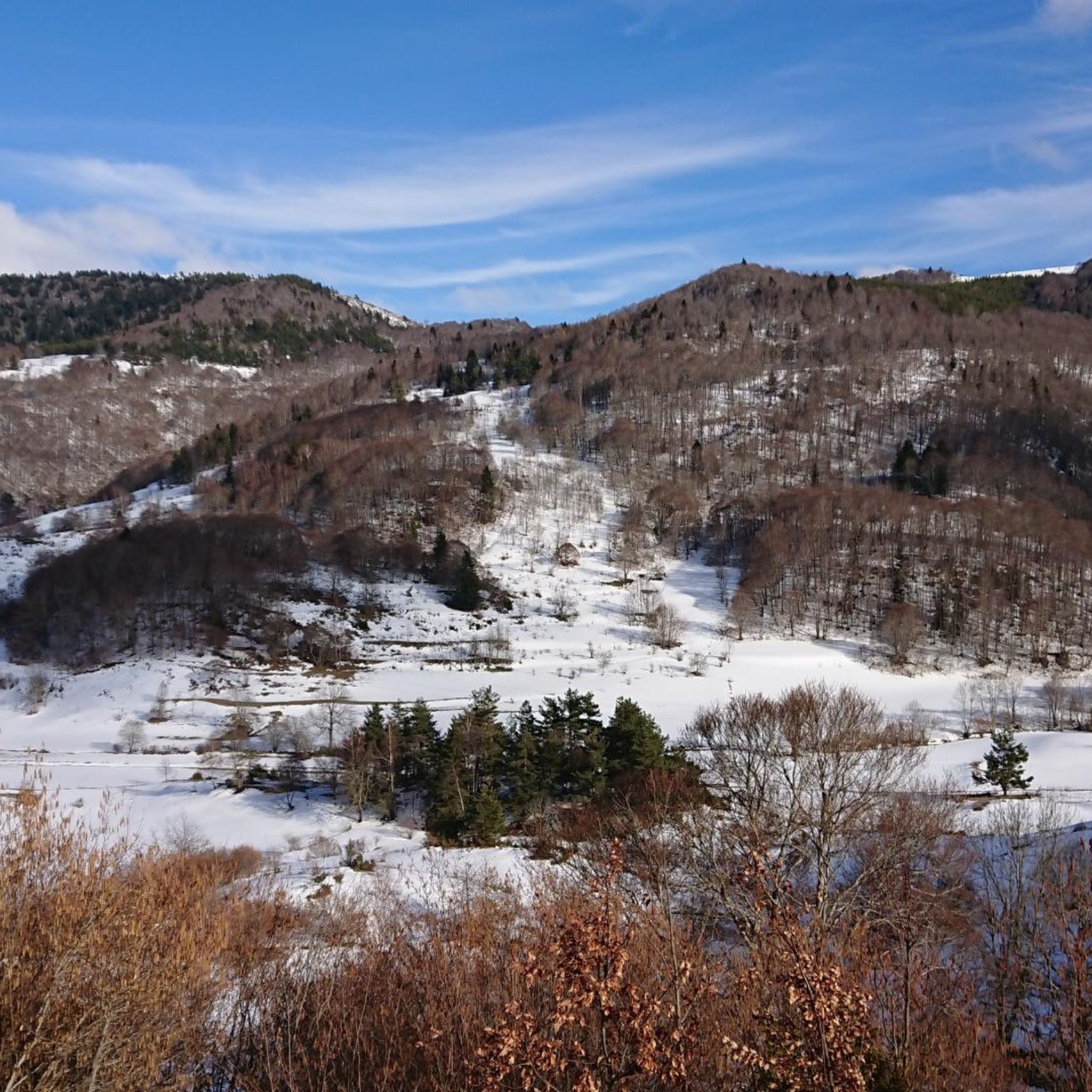
The best time to visit largely depends on your preferred activity. Spring and autumn offer pleasant temperatures for hiking and exploring the diverse flora and fauna. Summer is ideal for enjoying the intermittent flow of the Fontestorbes Spring and the refreshing Roquefort-les-Cascades Waterfalls, especially after heavy rain. Winter can offer unique, snow-covered landscapes for experienced hikers, particularly in higher altitudes like the Massif du Saint Barthélémy Nature Reserve.
Most popular routes around Montségur
Most popular attractions around Montségur

Get inspired with the komoot mobile app


Explore more
Extend your search for the best caves by checking out these guides of the top ones around Montségur:
