Top 10 Natural Monuments around Entrages
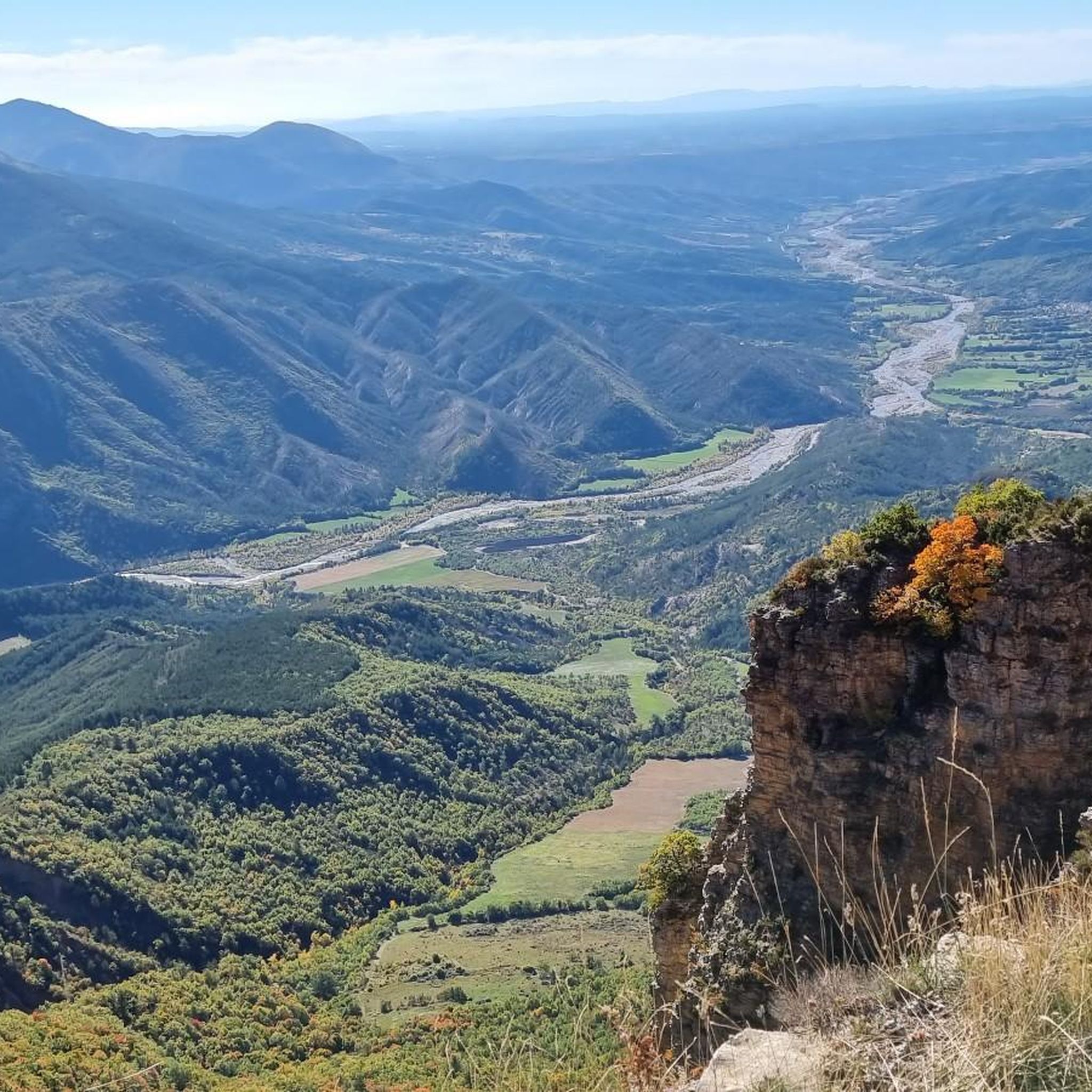
Natural monuments around Entrages offer a diverse range of geological and scenic features in the Alpes-de-Haute-Provence. The region is characterized by wild meadows, rocky bars, and wooded hills, providing a setting for unique natural sites. These areas are notable for their geological significance, including ancient marine fossils and distinctive rock formations. Entrages serves as a base for exploring these natural wonders and the tranquil environment of the pre-Alps.
Best natural monuments around Entrages
- The most popular natural monuments is Gorges…
Last updated: July 5, 2026
Col du Défens (1,230 m)
Highlight • Mountain Pass
Translated by Google •
Tip by

Barrême
Highlight • Settlement
Translated by Google •
Tip by

Sign up now to discover places like this
Get recommendations on the best single tracks, peaks, & plenty of other exciting outdoor places.
Sign up for free
Sentinel of the Asse – Andy Goldsworthy
Highlight • Monument
Translated by Google •
Tip by

Terres Noires Trail
Highlight (Segment) • Trail
Translated by Google •
Tip by

Gorges de Trévans
Highlight • Gorge
Translated by Google •
Tip by

Sign up for free to discover even more natural monuments around Entrages.
Sign up for free
Already have an account?
Start today with a free account
Your next adventure awaits.
Login or Signup

Tips from the Community

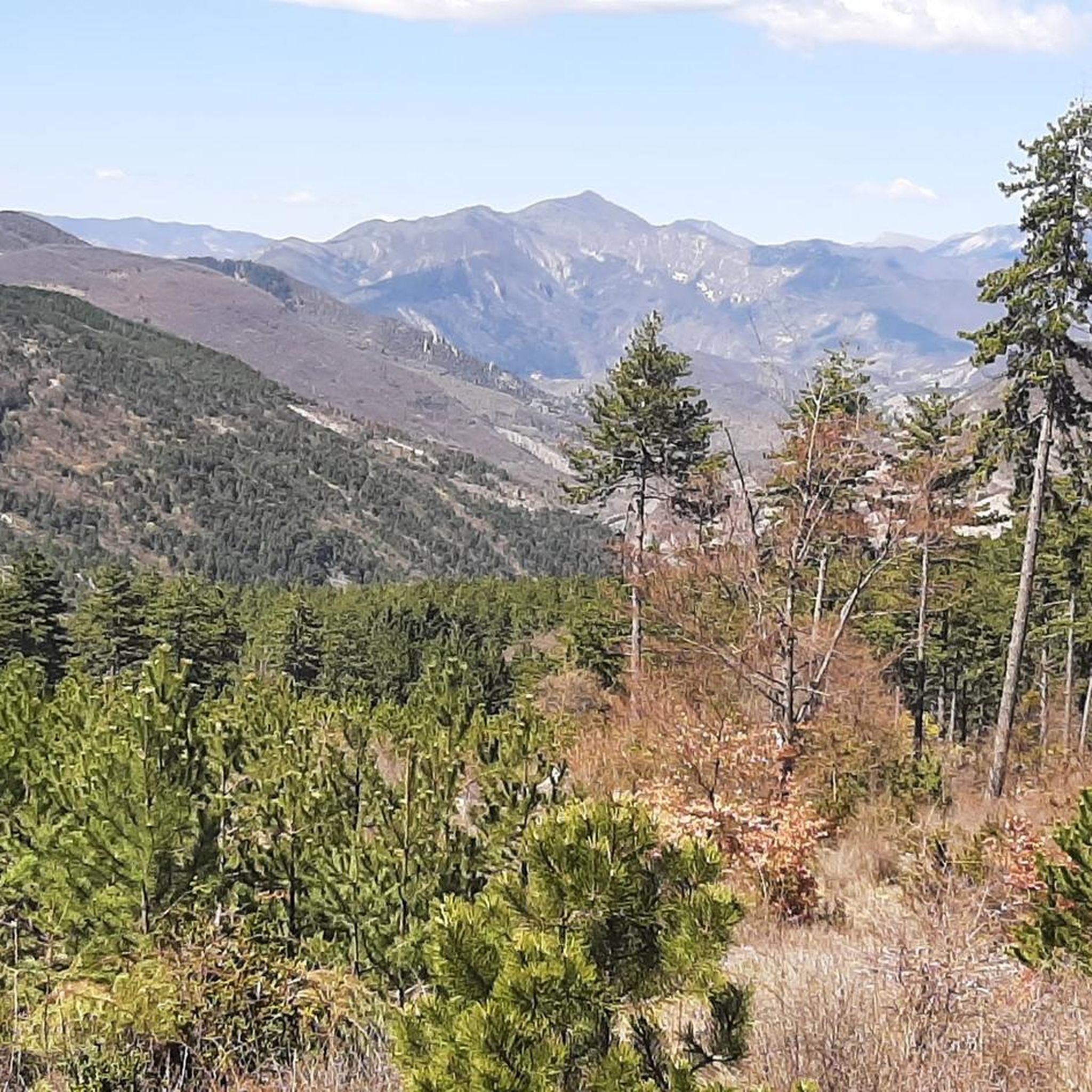
What can I say? This trail section is simply magnificent. Breathtakingly beautiful. You definitely need solid riding skills and some experience on trails like this. The rocks aren't slippery, and the ground has plenty of grip. I can confirm it's S1. I love it here!
0
0

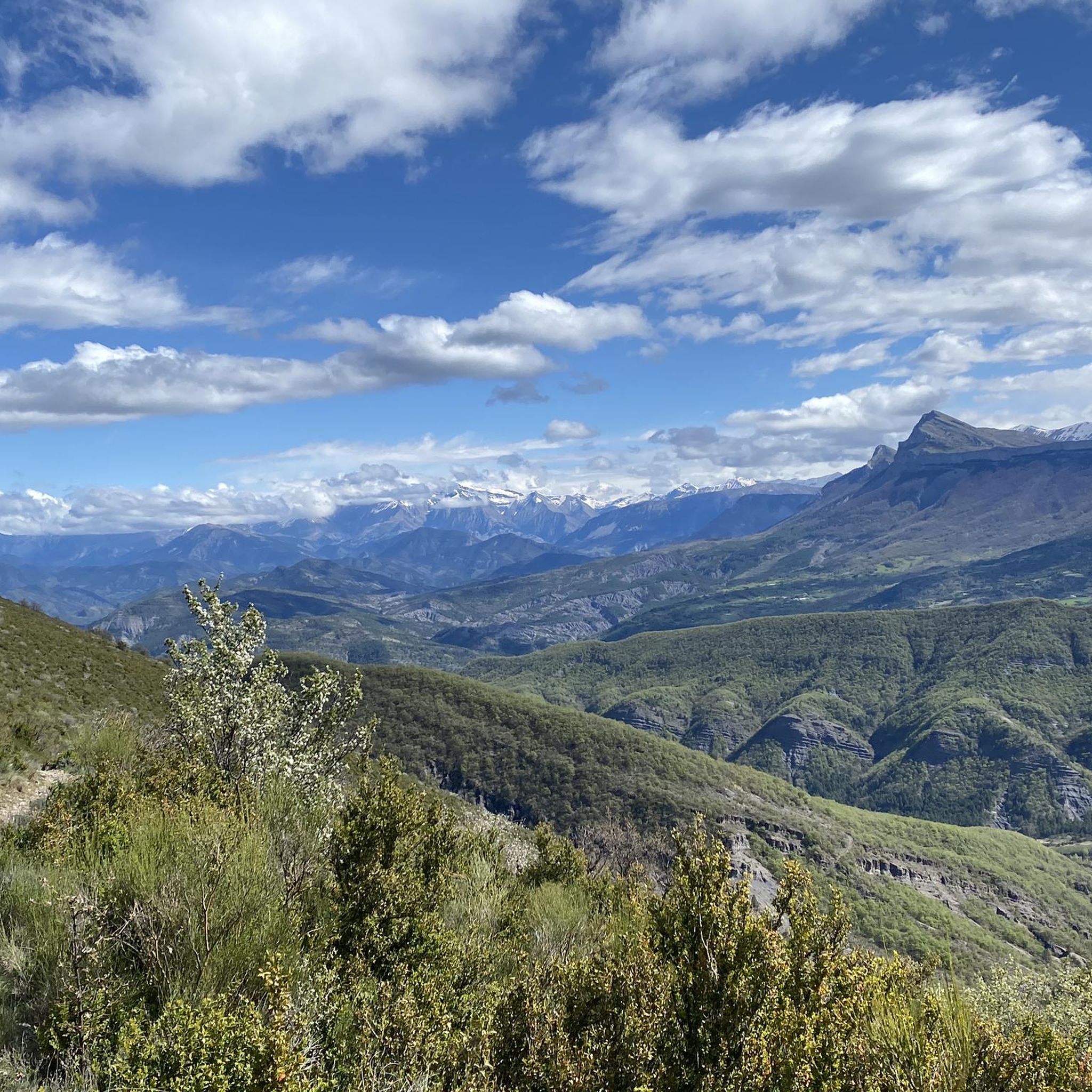
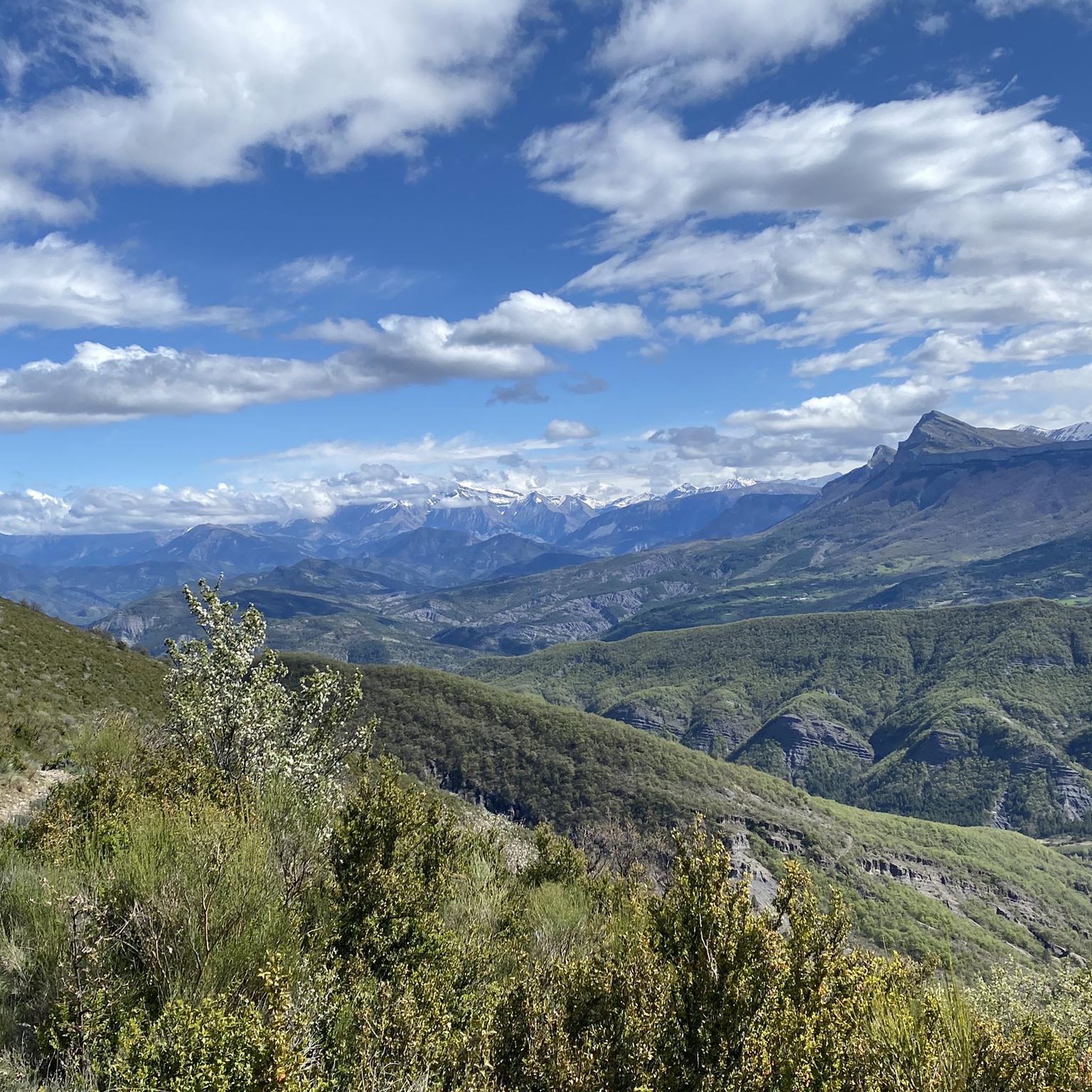
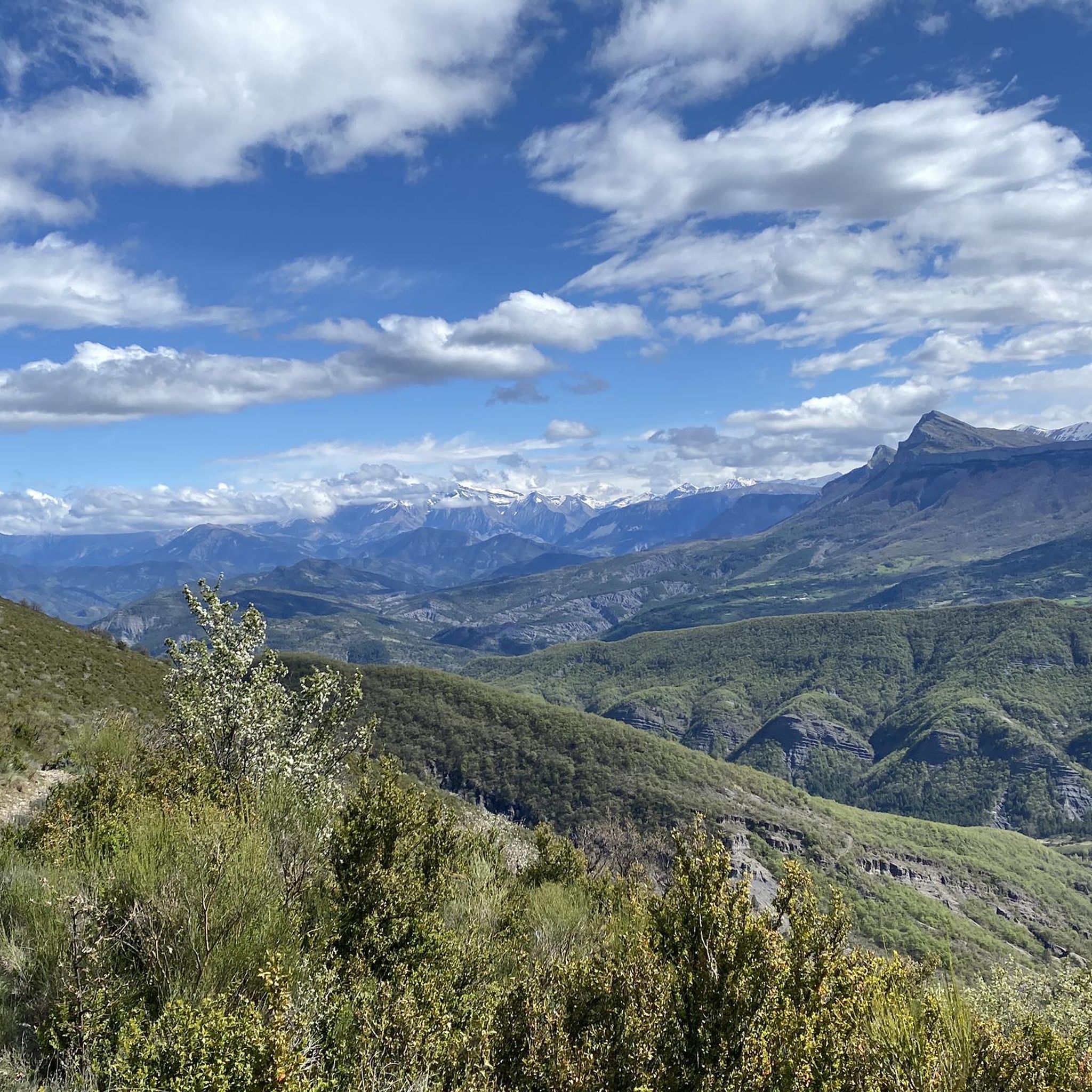
Beautiful landscape, small road, only the last bends are strenuous.
3
0

At the bend of a hairpin bend, this egg is a work of Andy Goldsworthy. This is one of the three “Sentinels” of the Refuge d’Art course; it represents the Asse valley.
1
0

On the western slope, after going up the long Asse de Clumanc Valley from Barrême, the difficulties really begin in Tartonne with a first ramp of 1.5 km at 6.5%. Then after a small flat area comes a nice final of 2.6 km where the slope will be around 7%. On this side you can see one of Andy Goldsworthy's sentinels, an ovoid-shaped cairn placed at the side of the road as part of an artistic trail created by this renowned artist practicing land art. On the eastern slope, nothing very complicated until Lambruisse with 5 km where the hardest passage will not exceed 4.5%. On the other hand, things become tougher with the final including 1.8 km at 6.5% on average, but the last 350 meters are at 8.5%. The road is very beautiful and quiet on both sides. This pass is enchanting.
2
0
This strange construction which sits in one of the bends of the Col du Défens is in reality a work by Andy Goldsworthy, a major figure in land art. It is part of the route entitled “Refuge d’art” which offers a 150 kilometer hike, imagined and created by the British artist through the National Geological Nature Reserve of Haute-Provence. This artistic itinerary, original and unique in Europe, combining contemporary art, hiking and rural heritage, includes ten works scattered throughout the Dignois region. Among them, three ovoid stone cairns, designated as “Sentinels”, one for each of the three valleys of the Haute-Provence Geological Reserve. Besides this one which represents the Asse valley, you can find another sentinel in the Clue de Barles, at the edge of the road at the foot of the cliff, representing the Bès valley, and the third in the commune of Authon in the Vançon valley. “It is the top of the cairn which brings the energy of the stone to its peak, just as it is in the keystone of an arch that all the energy is concentrated. »Andy Goldsworthy Andy Goldsworthy's work and vision were the subject of a film entitled "Rivers and tides" which you can see here: https://www.dailymotion.com/video/x15e83f?playlist=x54l1y or just the trailer: https://www.dailymotion.com/video/xjggqk?fbclid=IwAR2l_oUGJuU5sc5vLobLojCfRrBf3xa42fqjOKc-uL4DrOQomGKoypSHfWk For more information on the “Refuge d’art” route: https://www.tourisme-alpes-haute-provence.com/refuge-art-andy-goldsworthy/
3
1

The ascent of the Col du Défens is on a good quality road with very little traffic, beautiful scenery and an easy climb on both sides. The icing on the cake is an egg-shaped sculpture by Andy Goldworthy that you will come across at some point.
1
0
This small village is very rich in fossiliferous sites. It is an eponymous site. It gives its name to a very ancient period of life on earth. Indeed the Barrêmian is a period of the secondary era very rich in ammonites. The concentration is such that some fountains in the village, you will see, are made up of these fossils. The rich collection of paleontologists Marthe and Louis Maurel can be admired in the natural history museum located in the town hall of the village. For fans of more contemporary stories, know that Napoleon Bonaparte spent the night in the village on March 4, 1815.
1
0
This small village is very rich in fossiliferous sites. It is an eponymous site. It gives its name to a very ancient period of life on earth. Indeed the Barrêmian is a period of the secondary era very rich in ammonites. The concentration is such that some fountains in the village, you will see, are made up of these fossils. The rich collection of paleontologists Marthe and Louis Maurel can be admired in the natural history museum located in the town hall of the village. For fans of more contemporary stories, know that Napoleon Bonaparte spent the night in the village on March 4, 1815.
1
0
Frequently Asked Questions
What unique geological natural monuments can I explore near Entrages?
The region around Entrages is part of the National Geological Nature Reserve of Haute-Provence, offering extraordinary geological sites. You can visit the world-renowned Ammonite Slab at Digne-les-Bains, featuring over 1,550 ammonite fossils dating back 185 million years. Another significant site is the Ichthyosaurus Walk at Robine-sur-Galabre, where you can see fossils of ancient marine reptiles. Additionally, the Valley of the Sirenians in the Tabori Ravine near Castellane contains fossils of ancient marine mammals, providing insights into prehistoric ecosystems.
Are there any natural monuments with historical significance around Entrages?
Yes, the village of Barrême is a natural monument rich in fossiliferous sites, so much so that it gives its name to a geological period, the Barrêmian, known for its abundance of ammonites. You can see these fossils integrated into village fountains and explore the natural history museum. For a more recent historical note, Napoleon Bonaparte spent a night in Barrême on March 4, 1815.
What are some popular natural monuments for scenic views and hiking?
For breathtaking panoramic views, consider hiking to Cousson Summit (1,516 meters altitude), which offers stunning 360-degree vistas of the surrounding mountains and valleys. Another popular spot is Col du Défens (1,230 m), a mountain pass known for its magnificent scenery and accessible climb. The distinctive 'Robines' (slopes of black marl) also contribute to the picturesque landscapes and are rich in fossils.
What outdoor activities can I do near these natural monuments?
The region around Entrages is ideal for various outdoor activities. You can find numerous routes for cycling, gravel biking, and running. For cycling enthusiasts, there are challenging routes like the 'Clues de Barles – Saut de la Pie Waterfall loop' from Digne-les-Bains. Gravel bikers can explore trails such as the 'Chasseurs Trail Descent'. Runners can enjoy routes like 'Chapelle Saint-Michel-de-Cousson depuis Entrages'. You can find more details on these activities in the cycling, gravel biking, and running guides for Entrages.
Are there any challenging trails or natural monuments for experienced adventurers?
Yes, for those seeking a challenge, the Gorges de Trévans offers a steep climb and open slopes that are not for the faint of heart. Another challenging option is the Terres Noires Trail, which requires solid riding skills due to its terrain, though the rocks provide good grip.
What is the best time to visit the natural monuments around Entrages?
The region is beautiful throughout much of the year. For hiking and outdoor activities, spring and autumn offer pleasant temperatures and vibrant scenery. Summer is also popular, especially for activities like swimming in places like Gorges de Trévans. The geological sites are generally accessible year-round, but always check local conditions, especially for higher elevations or during winter months.
Are there any unique art installations or cultural points of interest among the natural monuments?
Yes, you can discover the Sentinel of the Asse – Andy Goldsworthy, an ovoid stone sculpture by the renowned land artist Andy Goldsworthy. This work is part of the unique 'Refuge d’art' route, a 150-kilometer artistic itinerary through the National Geological Nature Reserve of Haute-Provence, combining contemporary art, hiking, and rural heritage.
What do visitors particularly enjoy about the natural monuments near Entrages?
Visitors frequently praise the magnificent scenery and the tranquility of the area. The good quality roads with minimal traffic, especially around Col du Défens, are often highlighted. The unique geological formations and the opportunity to witness ancient fossils also leave a lasting impression. Many appreciate the chance to swim in the Gorges de Trévans on hot days.
Are there family-friendly natural monuments or activities in the area?
The village of Barrême is considered family-friendly, offering an engaging way to learn about geology through its fossil-rich sites and natural history museum. While some trails are challenging, many areas around Entrages offer picturesque landscapes suitable for walks with varying difficulty levels, allowing families to explore the natural beauty and geological wonders together.
What kind of wildlife can I expect to see around the natural monuments?
The natural environment around Entrages, characterized by wild meadows, rocky bars, and wooded hills, supports diverse wildlife. While specific sightings depend on the season and location, you might encounter various bird species, small mammals, and insects typical of the pre-Alpine and Mediterranean climates. The tranquil setting provides opportunities for nature observation.
Are there any natural monuments that are particularly good for photography?
Absolutely. The panoramic views from Cousson Summit are exceptional for photography, especially at sunrise or sunset. The distinctive 'Robines' (slopes of black marl) create unique geological patterns that make for striking landscape shots. The Sentinel of the Asse art installation also provides an interesting subject against the natural backdrop.
Most popular routes around Entrages
Most popular attractions around Entrages

Get inspired with the komoot mobile app


Explore more
Extend your search for the best caves by checking out these guides of the top ones around Entrages:
