Top 5 Mountain Passes around Saint-Jeannet
Best mountain passes around Saint-Jeannet are characterized by the prominent Baou de Saint-Jeannet, a significant natural landmark offering experiences akin to traversing a mountain pass. The area provides diverse landscapes, including scrubland, forests, and karst formations. Trails often lead to panoramic viewpoints, offering expansive views towards the Alps and the Mediterranean Sea. The region combines natural beauty with accessibility from the charming medieval village of Saint-Jeannet.
Best mountain passes around Saint-Jeannet
- The most popular mountain passes is Col de Puimichel…
Last updated: July 5, 2026
Col d'Espinouse (838 m)
Highlight • Mountain Pass
Tip by

L'Orme Pass
Highlight • Mountain Pass
Translated by Google •
Tip by

Sign up now to discover places like this
Get recommendations on the best single tracks, peaks, & plenty of other exciting outdoor places.
Sign up for free
Col de Puimichel
Highlight • Mountain Pass
Translated by Google •
Tip by

Saint-Jurs Pass
Highlight • Mountain Pass
Translated by Google •
Tip by

View of the Durance Valley from the Collet de l'Escale
Highlight • Viewpoint
Translated by Google •
Tip by

Start today with a free account
Your next adventure awaits.
Login or Signup
Tips from the Community


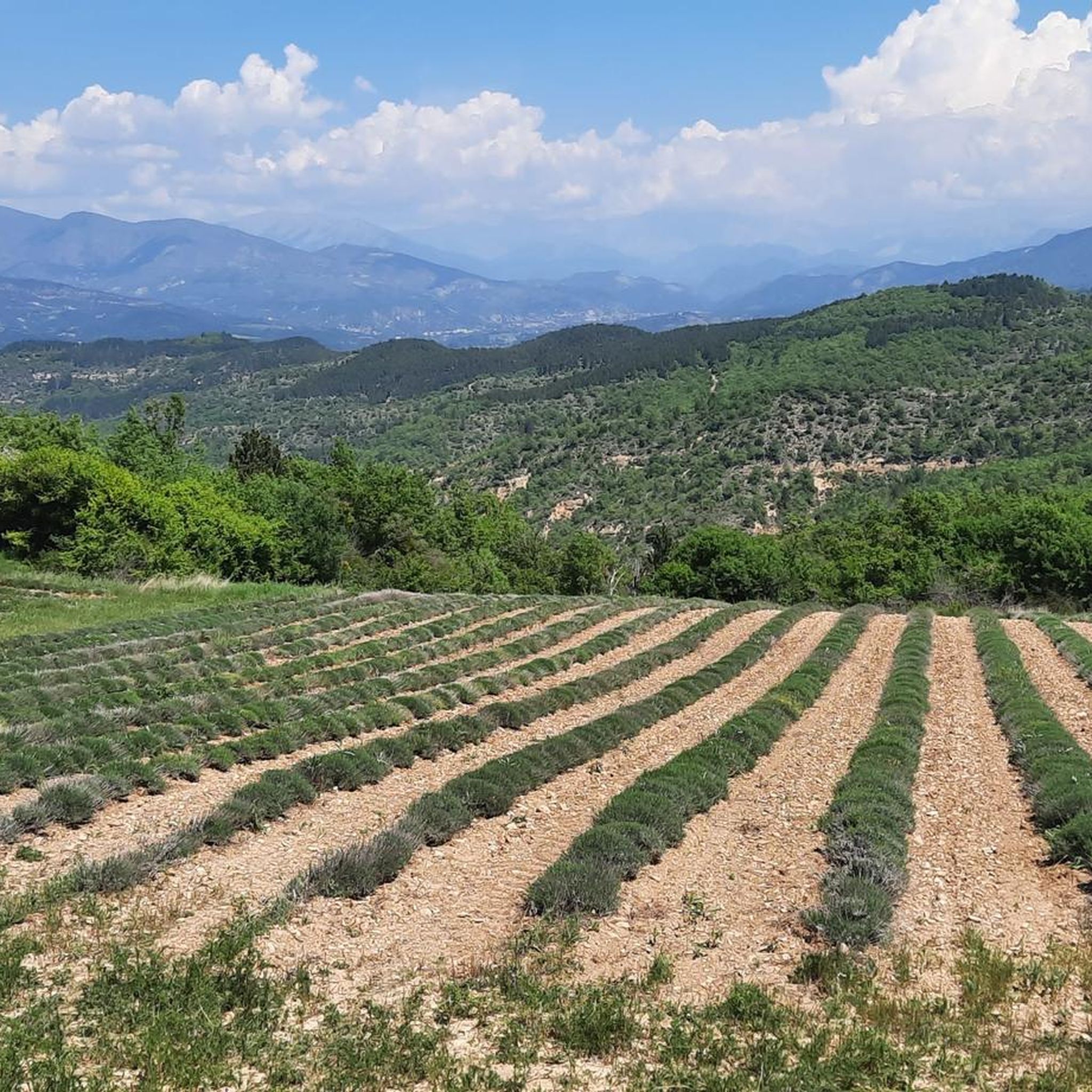
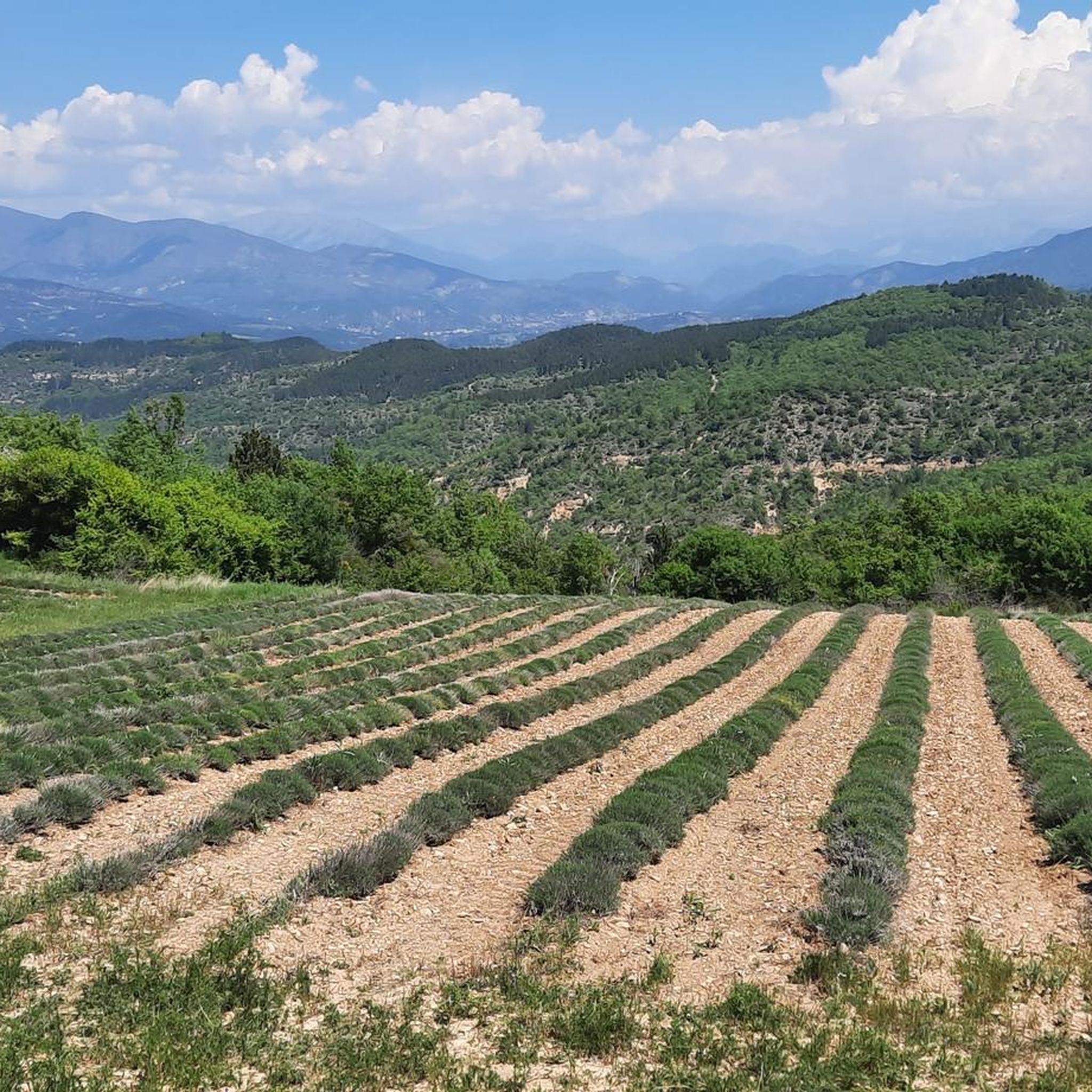
The Col d'Espinouse peaks at 838m and has two very different sides. From Bras d'Asse, more than 10 km of climbing awaits you and be careful not to be fooled by its low average percentage because this pass has many passages at more than 7%, especially towards the end with the last 700 meters at 8% and above all this slope is very exposed to the wind which often blows very strongly. On the other side from the Chaffaut road the climb is around 3-4 km shorter, is not exposed to the wind but has a steep and regular gradient (6-7% on average and passages at 11%).
2
0
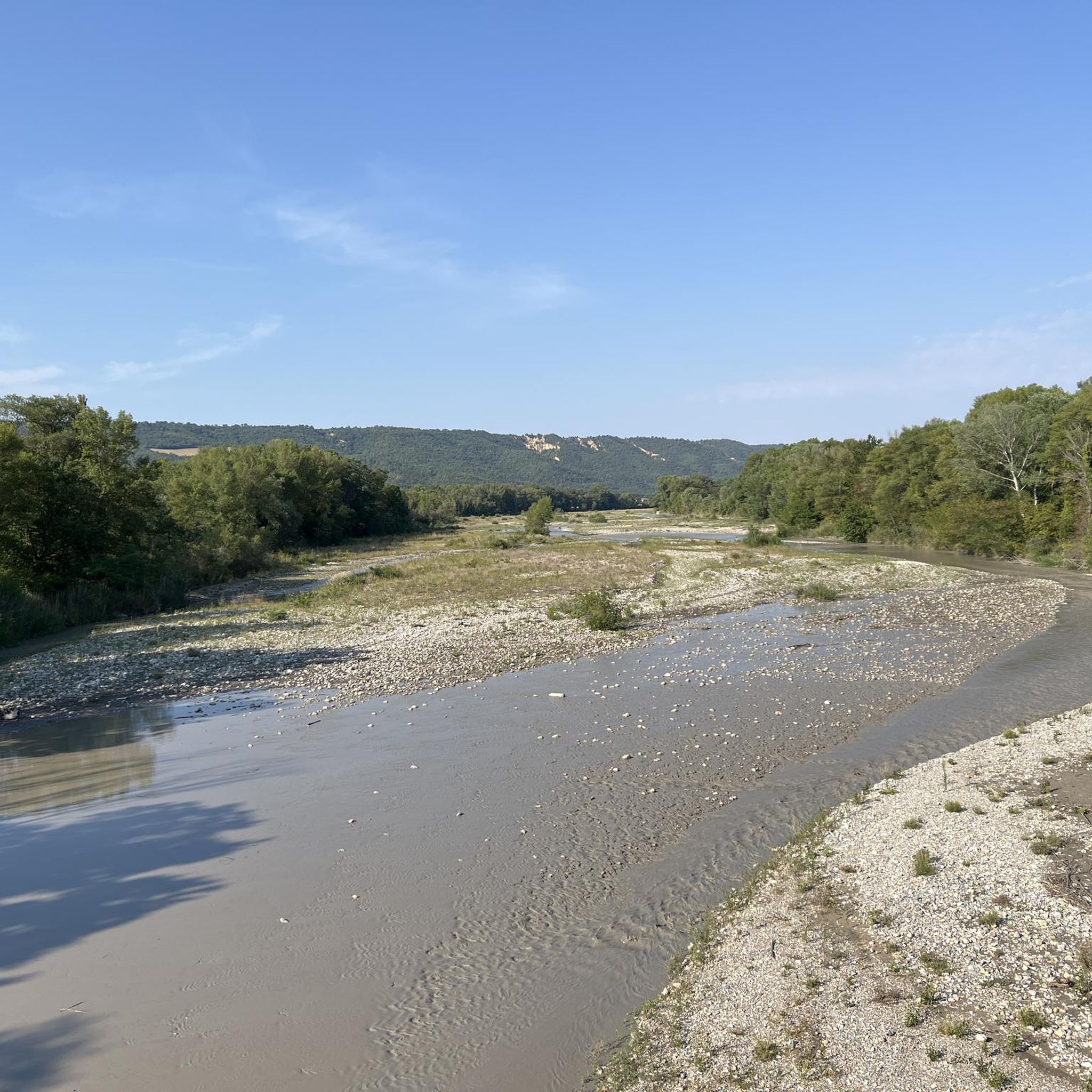
The Col de l'Orme peaks at 734m. This pass is really simple, especially from the baths despite its 9km climb. To put it simply, this pass has an average of not even 3%. The big downside is that it's a road pass located on the RN 85 and it's very busy so don't linger too long at the top, there's not much to see...
2
1

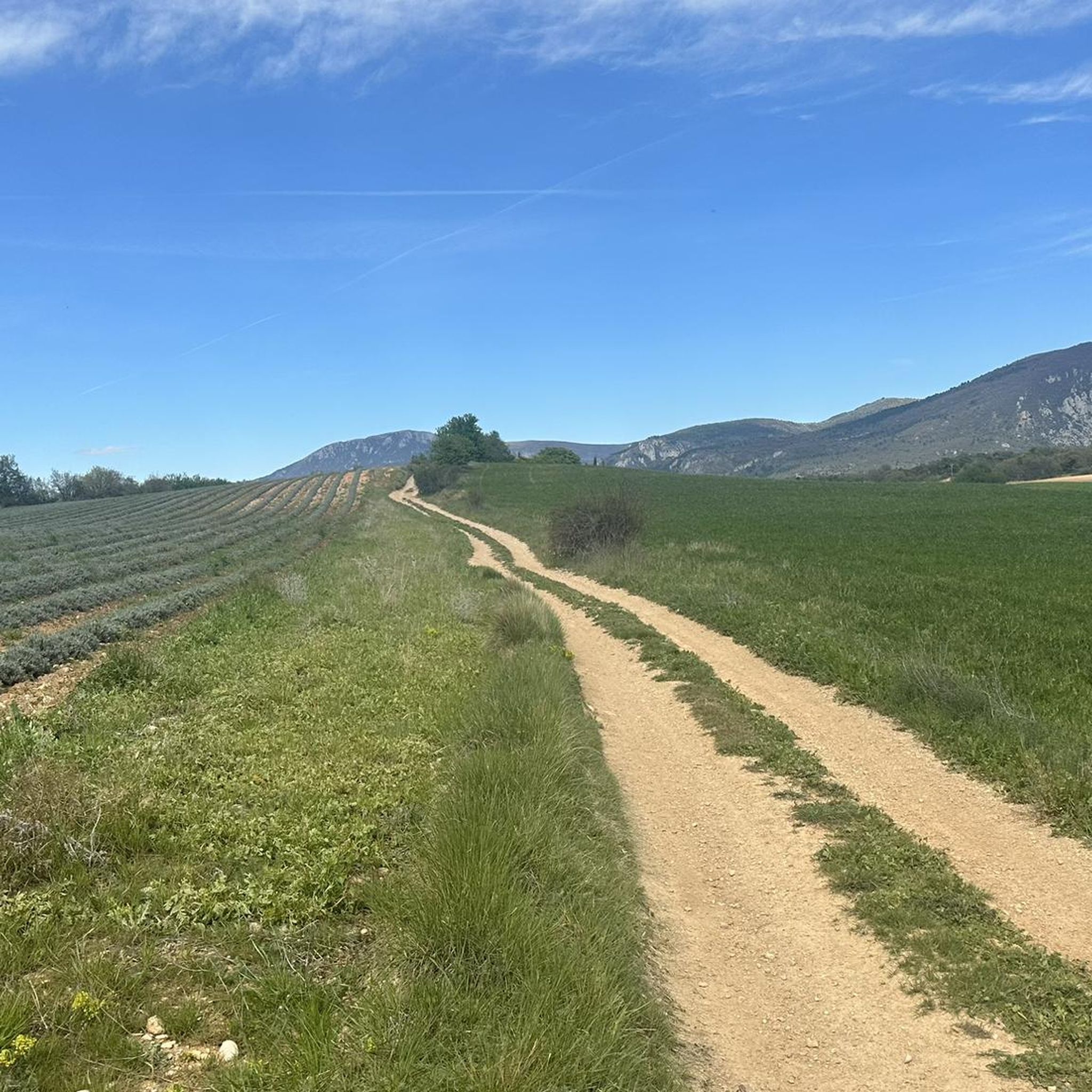
A pretty mountain pass at 1,318 meters above sea level above the town of Saint-Jurs. Note that the road between Saint-Jurs and the pass is almost exclusively unpaved gravel, so a gravel bike is preferable!
1
0

From this small pass, you have a very beautiful view, and your first glimpse of the Durance valley.
0
0

From Bras d'Asse, a beautiful, very calm climb far from the traffic to switch into a spectacular descent.
1
0

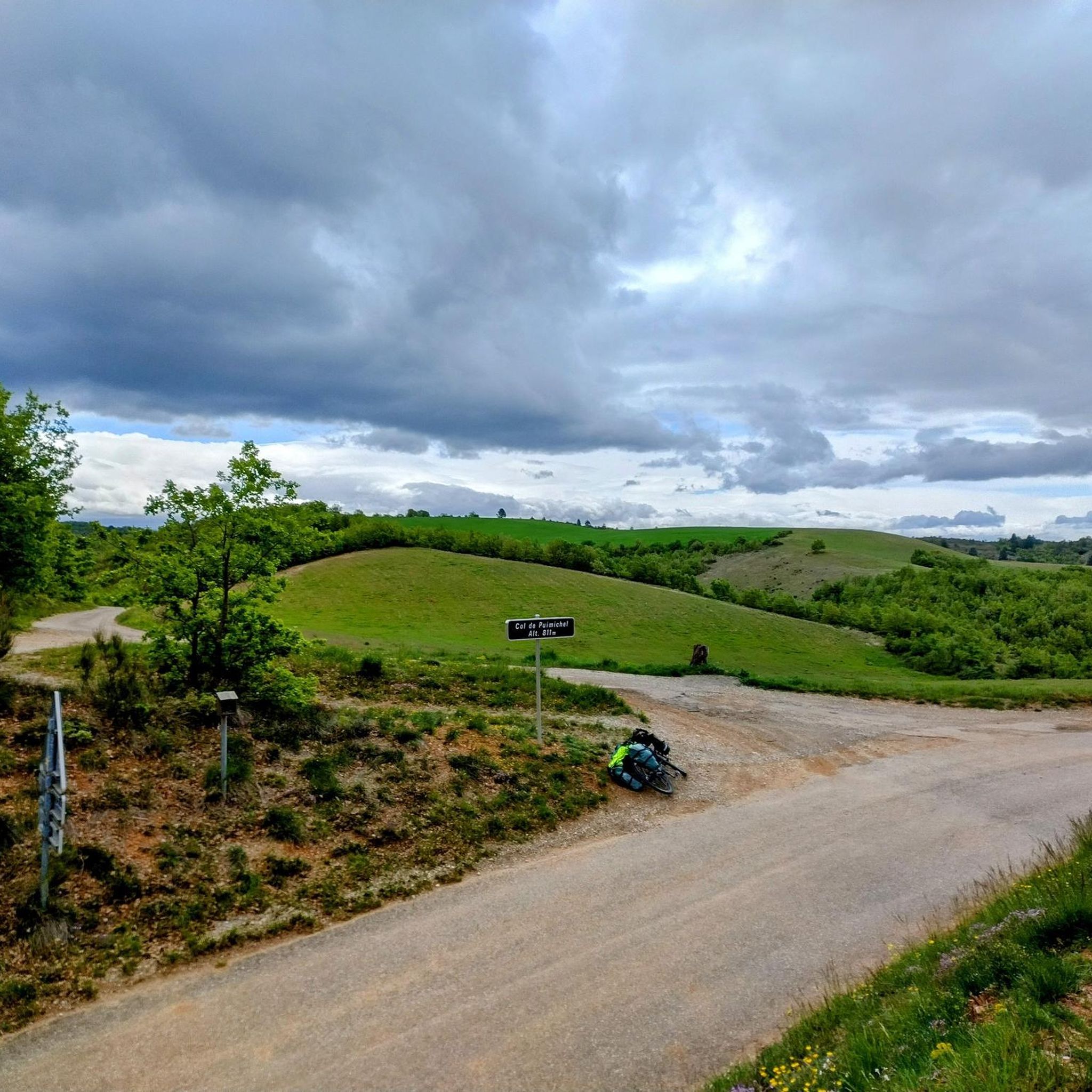
The Col de Puimichel from Le Castellet is 11km long with an average gradient of 3.2%. The maximum gradient is 8%, towards the middle of the climb.
2
0
The Col de l'Orme is 13.6 km long, with 340 m of elevation gain. The average slope is 2.5%.
0
2
Frequently Asked Questions
What kind of mountain pass experiences can I expect around Saint-Jeannet?
The Saint-Jeannet area is unique in that its 'mountain pass' experiences primarily revolve around the prominent **Baou de Saint-Jeannet**. Instead of traditional passes connecting valleys, you'll find trails leading to and around this rocky peak, offering breathtaking panoramic views, challenging ascents, and diverse landscapes. These routes provide an intense mountain experience with views stretching from the Alps to the Mediterranean Sea.
What are some notable mountain passes or viewpoints to visit near Saint-Jeannet?
While the Baou de Saint-Jeannet is the main attraction, other notable spots include Col de Puimichel, known for its very nice views on a quiet road, and Col d'Espinouse (838 m), which offers a stimulating climb with sections exceeding 7% gradients. For a more adventurous experience, Saint-Jurs Pass is located at 1,318 meters and features an almost exclusively unpaved gravel road, ideal for gravel biking.
Are there family-friendly hiking options around the Saint-Jeannet mountain passes?
The trails around the Baou de Saint-Jeannet offer a range of difficulties. While some ascents can be steep, there are options for varying fitness levels. The village of Saint-Jeannet itself is charming and accessible, and some routes provide a more extensive exploration combining the village with natural beauty. Always check specific trail details for suitability for younger children or those seeking easier walks.
What kind of views can I expect from the mountain passes in Saint-Jeannet?
The primary draw of the Baou de Saint-Jeannet and surrounding trails is the stunning 360-degree panoramic views. From the summit, you can simultaneously behold the distant Alps and the sparkling coastline of the Côte d'Azur. An orientation table at the top helps identify various geographical features, making the experience even more rewarding.
What outdoor activities can I do near these mountain passes?
Beyond hiking and climbing the Baou, the region around Saint-Jeannet is excellent for various outdoor activities. You can find numerous routes for cycling, including options for gravel biking, as well as dedicated running trails and extensive hiking routes. The limestone cliffs of the Baou are also a renowned rock climbing destination.
What is the best time of year to visit the mountain passes around Saint-Jeannet?
The trails around Saint-Jeannet can be enjoyed for much of the year. Spring and autumn generally offer the most pleasant temperatures for hiking and cycling. Summers can be hot, so early morning or late afternoon excursions are recommended. While winter hiking is possible, it's essential to check weather conditions, as some higher sections might experience colder temperatures or occasional snow.
Are there any historical or cultural points of interest along the mountain pass routes?
Yes, the routes often wind through diverse landscapes that hold traces of history. Hikers can encounter remnants of Ligurian and Roman history, as well as medieval structures like the ruined stone house of Le Castellet, which was once a large sheepfold. The charming medieval village of Saint-Jeannet itself offers a rich historic ambiance to explore before or after your outdoor adventure.
How accessible are the mountain passes from the village of Saint-Jeannet?
The trails leading to and around the Baou de Saint-Jeannet are easily accessible from the charming medieval village. This proximity allows visitors to seamlessly combine their outdoor adventures with exploring the village's historic ambiance, including its cafes and restaurants.
What are the typical trail conditions for mountain passes in this area?
The trails are generally well-maintained, but conditions can vary. You'll encounter diverse landscapes, including scrubland, forests of broom, juniper, and oak, and karst formations. Some sections can be steep and rocky, particularly on the ascent to the Baou de Saint-Jeannet. For passes like Saint-Jurs Pass, expect unpaved gravel roads, making a gravel bike preferable if cycling.
What do visitors enjoy most about the mountain passes around Saint-Jeannet?
Visitors consistently praise the stunning panoramic views, especially from the Baou de Saint-Jeannet, which offers a unique perspective of both the Alps and the Mediterranean. The challenging yet rewarding hikes, the quiet roads for cycling, and the diverse natural landscapes are also highly appreciated. The accessibility from the charming village of Saint-Jeannet adds to the overall appeal.
Is there parking available near the trailheads for the mountain passes?
Yes, parking is generally available in or near the village of Saint-Jeannet, which serves as a convenient starting point for many of the trails leading to the Baou and other routes. It's advisable to arrive early during peak seasons to secure a spot.
Can I reach the mountain passes using public transport from nearby cities like Nice?
Saint-Jeannet is accessible by public transport from Nice. Bus services connect Nice to Saint-Jeannet, making it possible to reach the village and then access the trailheads for the mountain pass experiences. It's recommended to check current bus schedules for the most up-to-date information.
Most popular routes around Saint-Jeannet
Most popular attractions around Saint-Jeannet

Get inspired with the komoot mobile app


Explore more
See even more epic mountain passes by checking out these guides around Saint-Jeannet:
