Top 9 Natural Monuments around Barrême
Best natural monuments around Barrême showcase the diverse geological history and landscapes of the Alpes-de-Haute-Provence region. The area is characterized by significant rock formations, mountain passes, and summits offering expansive views. Barrême itself is notable for its fossil heritage, lending its name to a geological stage. These natural features provide opportunities for exploration and offer insights into Earth's ancient past.
Best natural monuments around Barrême
- The most popular natural monuments is Cadières de Brandis, a natural monument featuring large…
Last updated: August 29, 2026
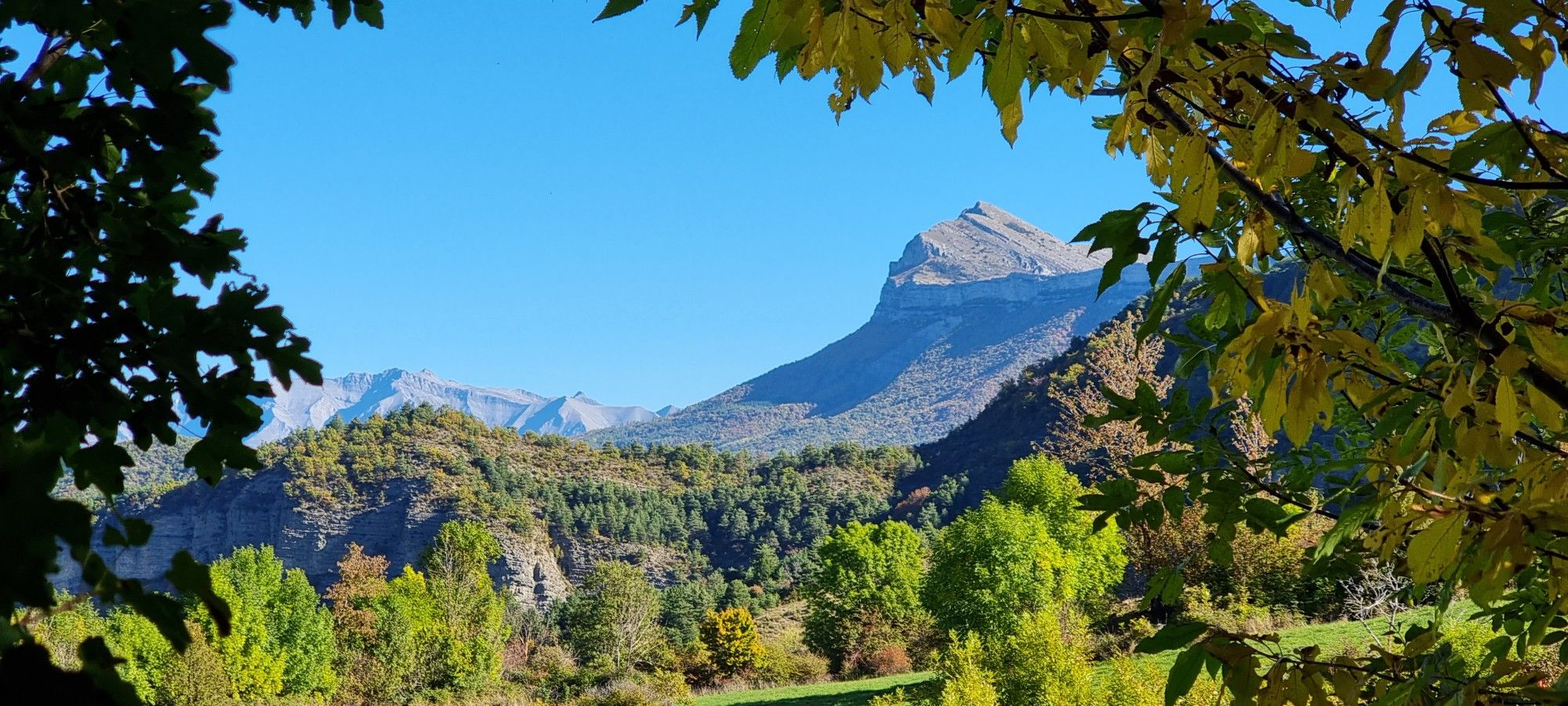
Cadières de Brandis
Highlight • Natural Monument
path in the shade going up
Translated by Google •
Tip by

Col du Défens (1,230 m)
Highlight • Mountain Pass
Translated by Google •
Tip by

Sign up now to discover places like this
Get recommendations on the best single tracks, peaks, & plenty of other exciting outdoor places.
Sign up for free
Barrême
Highlight • Settlement
Translated by Google •
Tip by

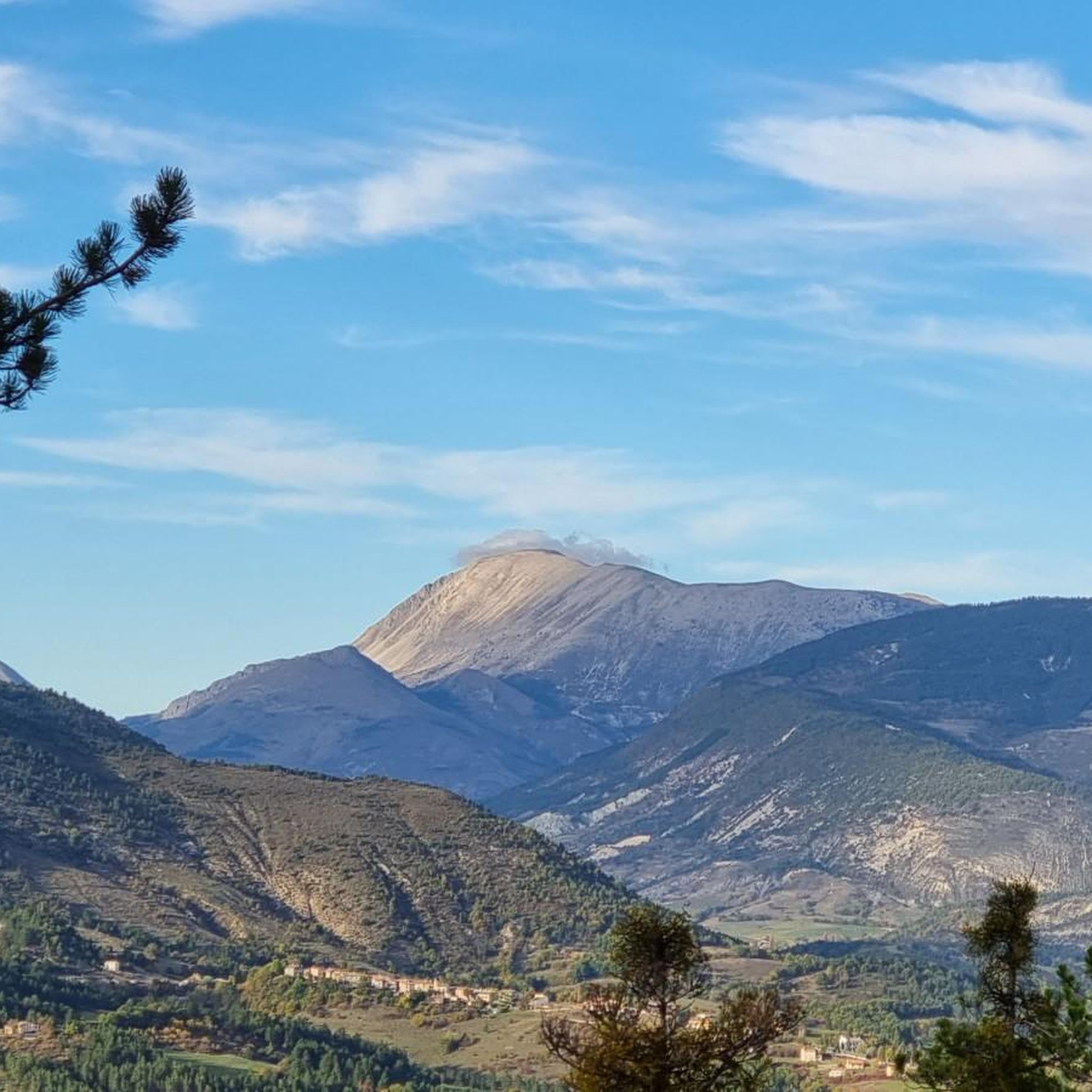
Agrà Summit (1,523 m)
Highlight • Summit
Access to the mountain is …
Translated by Google •
Tip by

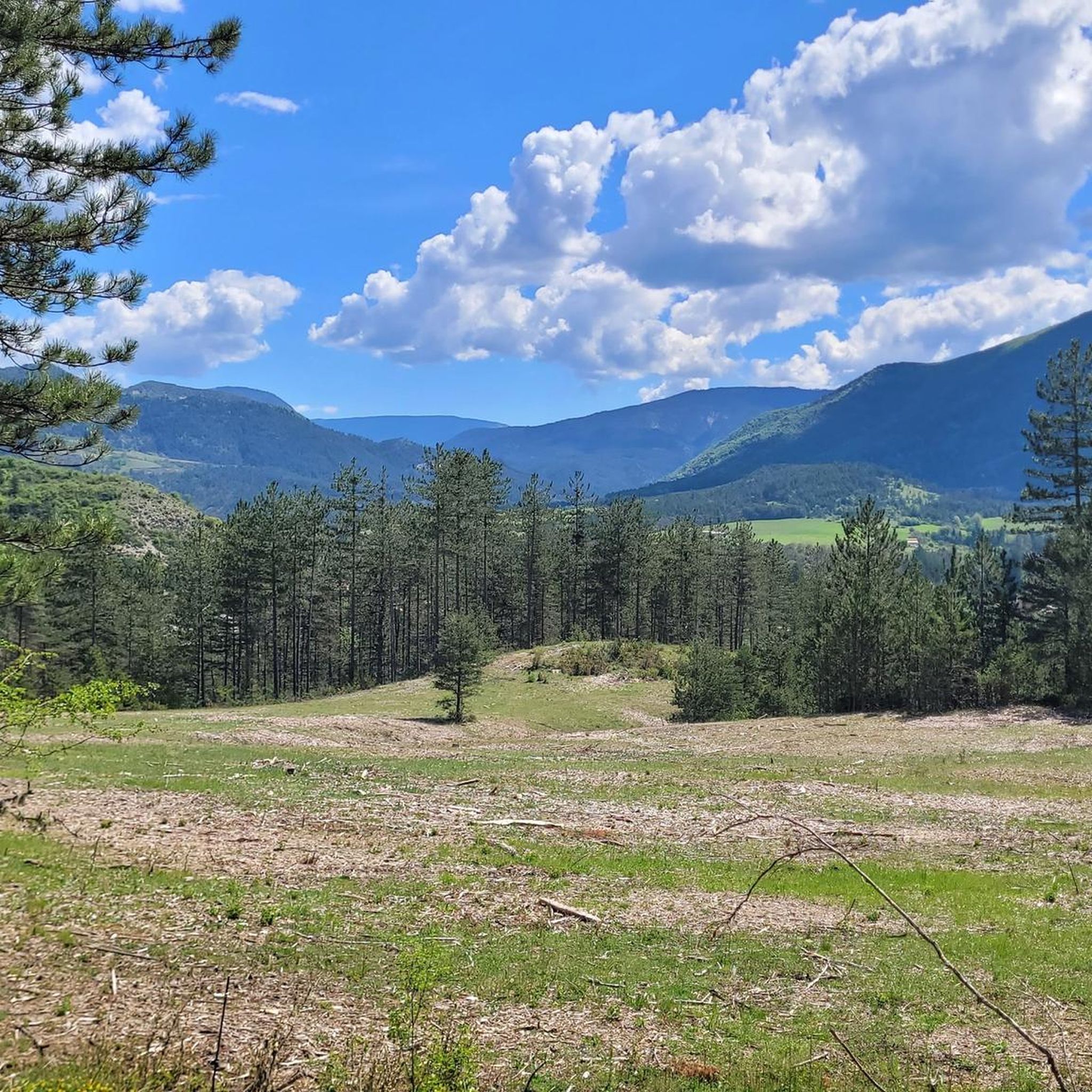
Section in Chateauneuf-lès-Moustiers
Highlight (Segment) • Trail
Translated by Google •
Tip by
Sign up for free to discover even more natural monuments around Barrême.
Sign up for free
Already have an account?
Start today with a free account
Your next adventure awaits.
Login or Signup
Other adventures around Barrême

Tips from the Community

Very scenic hike and (if you like) climbing to the Cadières de Brandis in the Alpes-de-Haute-Provence department. The Cadières de Brandis mountain dominates the Verdon valley. The hiking car park is on the Route Napoléon between Castellane and Barrême in the Parc naturel régional du Verdon nature park. On the way down I got a little off the path, so pay attention to the markings (yellow bars), because off the path it can quickly become exposed and even dangerous.
1
0

I walked this loop via GPS, I am not an experienced alpinist. There were four of us, 2 kids aged 14 and 16 in good condition. I found the route if you follow the GPS quite challenging in certain parts. Especially the part after the Menhir; steep sections with some climbing. And it is not always clear where to go. (Ultimately with GPS) So be warned if you have young kids or are in poor condition. Once you're used to it, it's a fantastic experience!
2
0


Beautiful landscape, small road, only the last bends are strenuous.
3
0

Before starting the loop take an easier right turn. path in the shade going up
3
0

On the western slope, after going up the long Asse de Clumanc Valley from Barrême, the difficulties really begin in Tartonne with a first ramp of 1.5 km at 6.5%. Then after a small flat area comes a nice final of 2.6 km where the slope will be around 7%. On this side you can see one of Andy Goldsworthy's sentinels, an ovoid-shaped cairn placed at the side of the road as part of an artistic trail created by this renowned artist practicing land art. On the eastern slope, nothing very complicated until Lambruisse with 5 km where the hardest passage will not exceed 4.5%. On the other hand, things become tougher with the final including 1.8 km at 6.5% on average, but the last 350 meters are at 8.5%. The road is very beautiful and quiet on both sides. This pass is enchanting.
2
0

Hiking/mountain biking trail at the base, but on the surface generally accessible in gravel with a little piloting technique. Some passages, especially in the scree require a little finesse but nothing impossible or dangerous. Your efforts will be rewarded with exceptional panoramas.
1
0

The ascent of the Col du Défens is on a good quality road with very little traffic, beautiful scenery and an easy climb on both sides. The icing on the cake is an egg-shaped sculpture by Andy Goldworthy that you will come across at some point.
1
0
Frequently Asked Questions
What are the most prominent natural monuments to visit around Barrême?
The region around Barrême offers several remarkable natural monuments. Among them are the spectacular Cadières de Brandis rock formations, which majestically guard the entrance to the Grand Canyon du Verdon. You can also explore the Agrà Summit (1,523 m) for superb panoramic views, and the scenic Col du Défens (1,230 m), a mountain pass known for its beautiful scenery and accessible climb.
What unique geological features can be found near Barrême?
Barrême is at the heart of the Haute-Provence Geological Nature Reserve, Europe's largest protected geological reserve. The village itself is an eponymous site, giving its name to the Barremian geological stage, dating back over 110 million years. You can find a rich fossil heritage, particularly ammonites, which are even incorporated into some village fountains. The reserve offers an open-air museum experience with signposted discovery trails.
Are there any natural monuments suitable for families around Barrême?
Yes, the village of Barrême itself is considered family-friendly due to its rich fossil sites and the natural history museum located in the town hall, which displays collections from paleontologists Marthe and Louis Maurel. This offers an educational and engaging experience for all ages.
What kind of views can I expect from the natural monuments in the area?
The natural monuments around Barrême offer diverse and expansive views. From the Agrà Summit (1,523 m), you get a superb panorama of the Valensole plateau and surrounding mountains, complete with an orientation table. The Cadières de Brandis provide stunning vistas of the Verdon valley and surrounding peaks. Mont Chiran also offers expansive panoramic views of the Southern Alps and Provence.
What outdoor activities can I do near these natural monuments?
The region is excellent for various outdoor activities. You can find numerous hiking trails, such as the 'Trou de Chalvet loop from Moriez' or 'Le Poil Abandoned Village loop from Saule-Mort'. For cycling enthusiasts, there are routes like the 'Lac de Castillon - Haute-Provence Geological National Nature Reserve' or 'Col des Robines – Verdon Viaduct loop from Barrême'. You can explore more options on the Hiking around Barrême and Road Cycling Routes around Barrême guide pages.
Are there any water-based natural attractions or activities?
Yes, the beautiful Lac de Castillon, an artificial lake within the Verdon Regional Park, is known for its emerald-colored water. It offers numerous recreational opportunities including swimming, kayaking, and windsurfing. Its picturesque setting makes it ideal for relaxation and water sports.
What historical significance does Barrême have in relation to its natural monuments?
Barrême holds significant historical and geological importance. It is the eponymous site for the Barremian geological stage, a period of the secondary era rich in ammonites. The village's natural history museum showcases this ancient past. Additionally, for those interested in more recent history, Napoleon Bonaparte spent a night in the village on March 4, 1815.
What is the best time of year to visit the natural monuments around Barrême?
The region is generally pleasant for outdoor activities from spring through autumn. Spring brings blooming flora, while summer is ideal for water activities at Lac de Castillon. Autumn offers comfortable hiking temperatures and beautiful fall colors. Winter can be suitable for snowshoeing on higher peaks like Mont Chiran, depending on snow conditions.
Are there any challenging hikes or climbs to natural monuments in the area?
Yes, the hike to Cadières de Brandis is described as scenic and can be challenging, offering exceptional views and the chance to witness unique geological formations. The climb to Mont Chiran (1905 meters) is also highly recommended for its stunning views and well-maintained paths, suitable for experienced hikers.
What do visitors particularly enjoy about the natural monuments near Barrême?
Visitors frequently praise the truly spectacular rock formations of Cadières de Brandis and the superb panoramic views from spots like the Agrà Summit. The good quality roads and magnificent scenery of passes like Col du Défens are also highly appreciated. The rich fossil heritage and educational aspects of Barrême village itself are also a highlight for many.
Can I observe celestial bodies at any of the natural monuments?
Yes, Mont Chiran, reaching an altitude of 1905 meters, features an astronomical observatory at its summit. This provides a unique opportunity for stargazers to observe celestial bodies through telescopes, complementing the stunning daytime panoramic views.
Are there any natural monuments that are also significant for their flora and fauna?
Lac de Castillon, nestled within the Verdon Regional Park, is known for its alpine-like flora and fauna, making it a beautiful spot for nature observation. The trails around Mont Chiran also feature alpine pastures, and the broader Haute-Provence Geological Nature Reserve supports diverse ecosystems alongside its geological wonders.
Most popular attractions around Barrême

Get inspired with the komoot mobile app


Explore more
Extend your search for the best caves by checking out these guides of the top ones around Barrême:
