Top 6 Natural Monuments around Lacapelle-Barrès
Best natural monuments around Lacapelle-Barrès are found within the Cantal department, offering access to the Regional Natural Park of the Volcanoes of Auvergne. This area features diverse landscapes, including ancient volcanic peaks and dramatic river gorges. These natural attractions provide unique geological formations and opportunities for outdoor exploration.
Best natural monuments around Lacapelle-Barrès
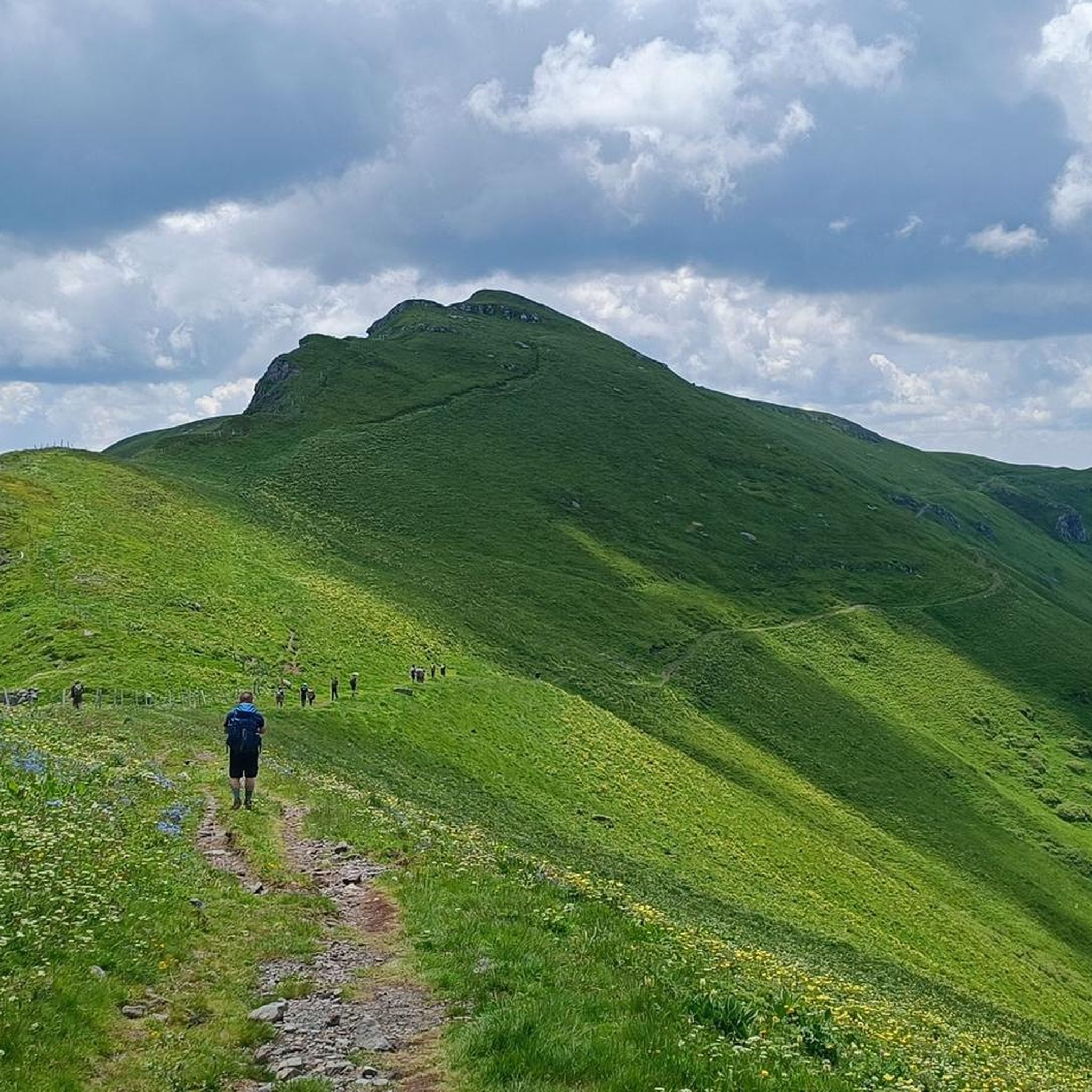
- The most popular natural monuments is Plomb du Cantal, a summit that is the highest peak in Cantal at 1,855 meters. It offers panoramic views across…
Last updated: July 5, 2026
Plomb du Cantal
Highlight • Summit
It is located on a ridge line …
Translated by Google •
Tip by

Pas de Cère Gorges
Highlight • Gorge
Translated by Google •
Tip by
Sign up now to discover places like this
Get recommendations on the best single tracks, peaks, & plenty of other exciting outdoor places.
Sign up for free
L'Élancèze
Highlight • Summit
Translated by Google •
Tip by
Puy Brunet
Highlight • Summit
Translated by Google •
Tip by

Arbre de la Biche Waterfall
Highlight • Waterfall
Translated by Google •
Tip by
Sign up for free to discover even more natural monuments around Lacapelle-Barrès.
Sign up for free
Already have an account?
Start today with a free account
Your next adventure awaits.
Login or Signup

Tips from the Community

A wild site with landscapes of great beauty. Steep path with stones and roots. Requires a certain level of physical fitness with hiking boots preferred.
0
0

A magnificent site to cool down in hot weather.
1
0

a 360° view of the Cantal, Lozère, Puy de Dôme... breathtaking
0
0

Magnificent hike with a big climb to reach the lead of Cantal (1855m altitude). It is better to take a jacket (it is very cold up there). The hike takes between 2h and 3h45 (with a break).
0
0

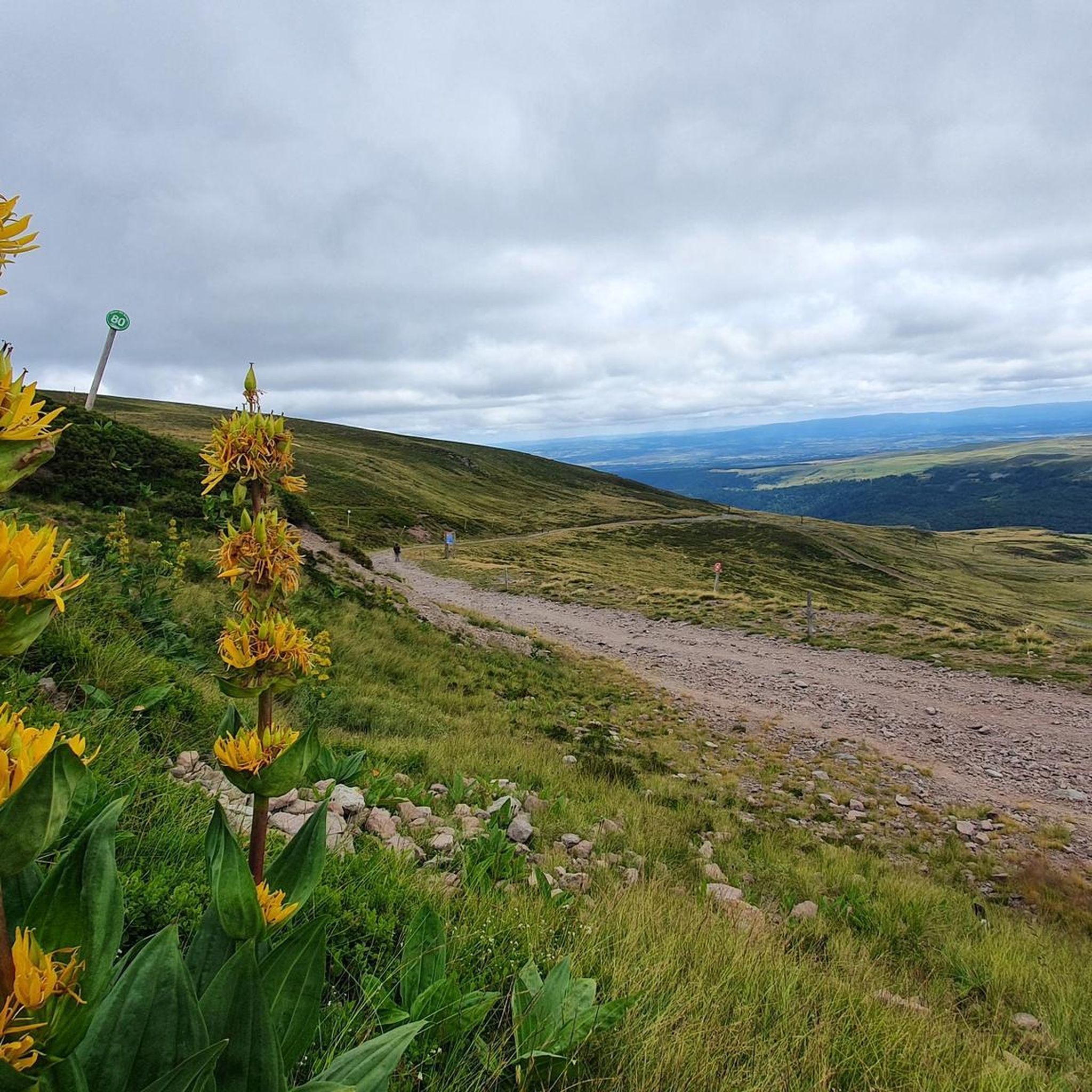
The somewhat arduous ascent over a stony forest path is definitely worth it because of the view and the rare plants that can be admired here. The tour is classified as easy, but should only be attempted with hiking boots and poles because of the stones and the gradient. At the top you should be free from giddiness - then the tour is an absolute highlight!
1
0

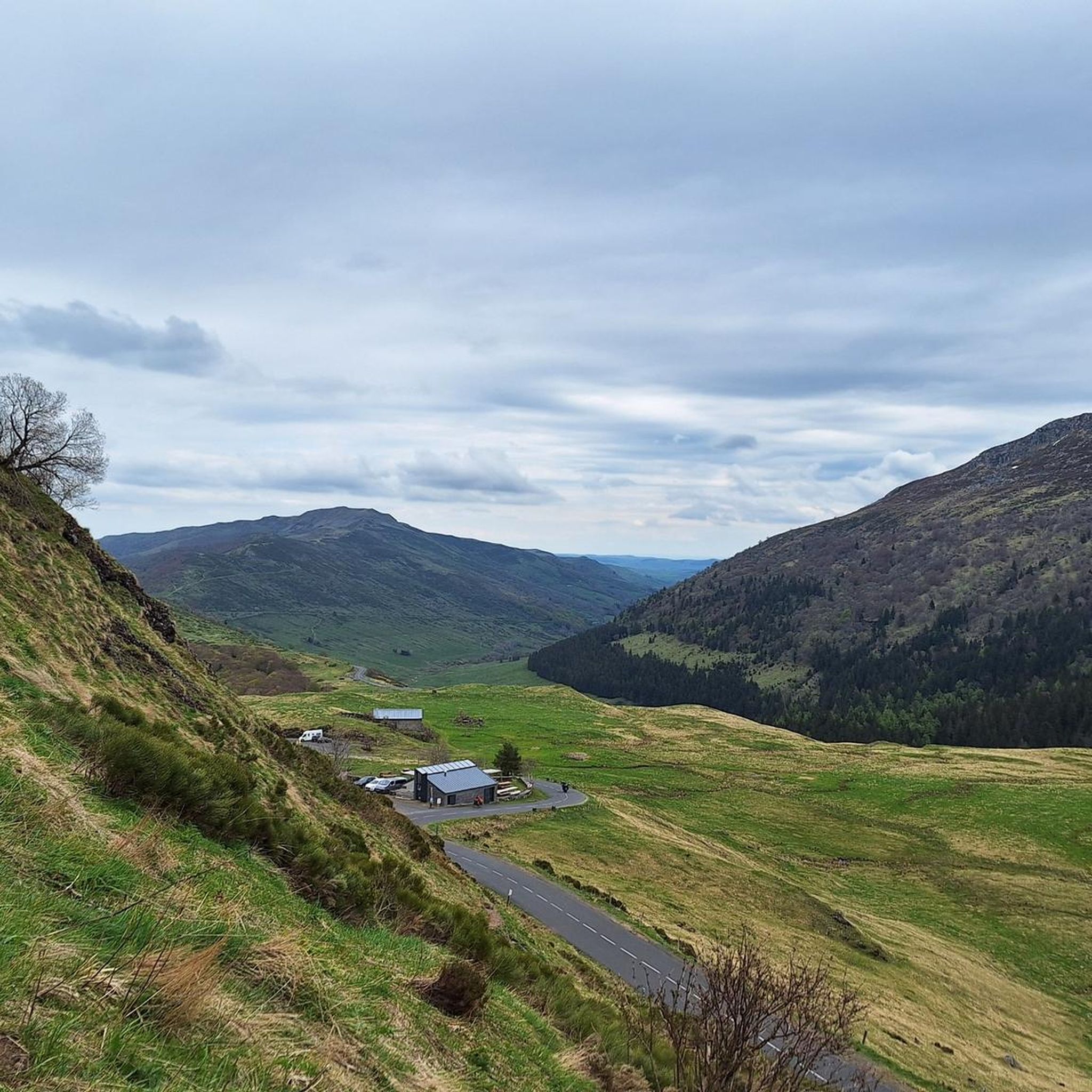
The Puy Brunet rises to 1,806 meters, slightly south of the Plomb du Cantal, on the ridge line from the Puy de Bâne to the Rocher de la Sagne du Porc.
1
0
The Plomb du Cantal, with its 1,855 meters of altitude, is the highest peak in Cantal and the second in the Massif Central. It is located on a ridge line (from the puy de Bâne to the rock of Sagne du Porc) which separates the valleys of Cère, Alagnon, Brezons and Lagnon.
1
0
Frequently Asked Questions
What kind of natural landscapes can I expect to see around Lacapelle-Barrès?
Around Lacapelle-Barrès, you'll discover a diverse range of natural landscapes, primarily characterized by ancient volcanic peaks and dramatic river gorges. The region is part of the Regional Natural Park of the Volcanoes of Auvergne, offering stunning geological formations and expansive views.
Are there family-friendly natural monuments to visit near Lacapelle-Barrès?
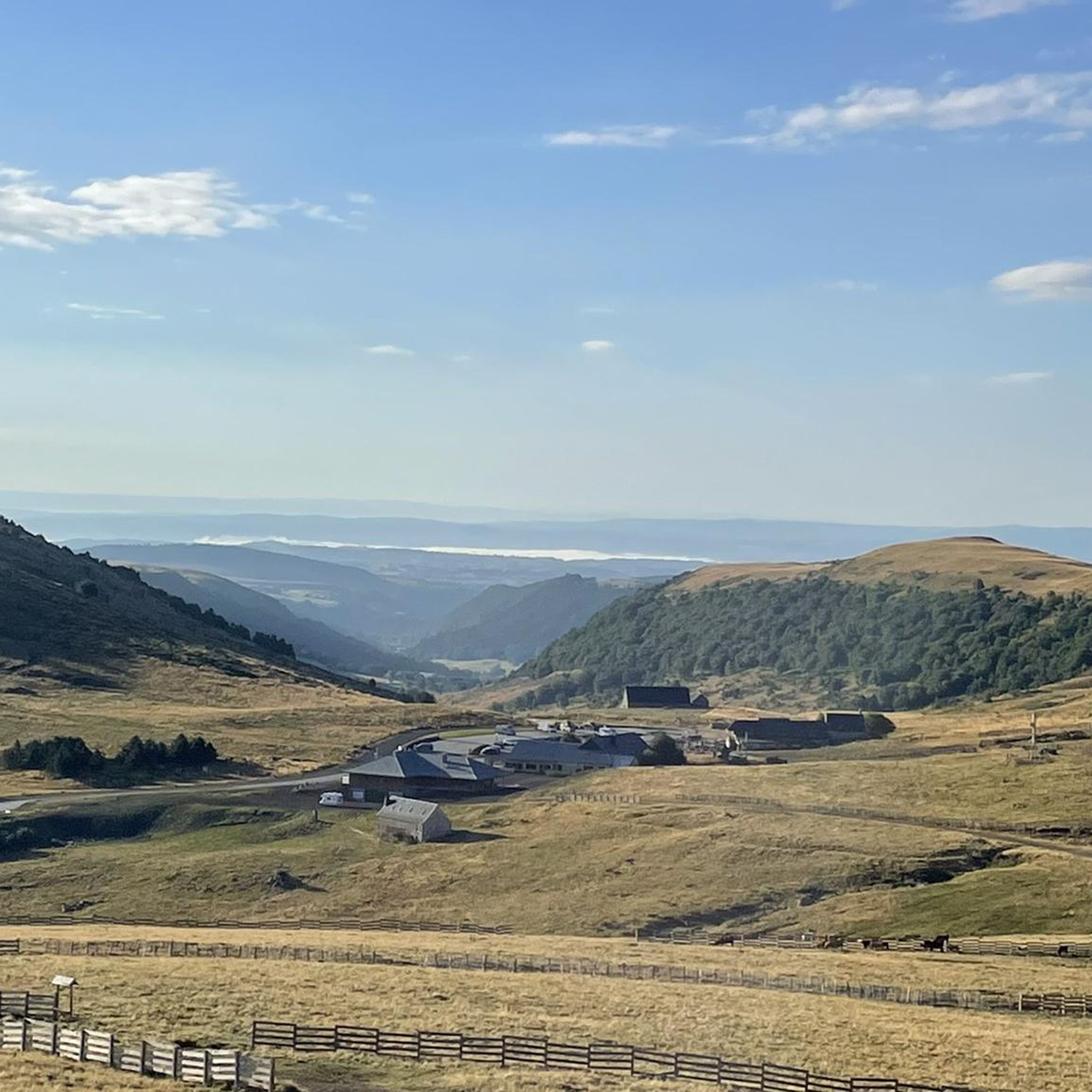
Yes, the Pas de Cère Gorges is a protected natural area that is considered family-friendly. It features a laid-out path allowing you to explore the magnificent site, and an application is available for a fun and educational treasure hunt for younger visitors. It's also a great spot to cool down in hot weather.
What are the best natural monuments for panoramic views?
For breathtaking panoramic views, you should visit Plomb du Cantal, the highest peak in Cantal. On a clear day, you can see across the Mounts of Cantal, the Cère Valley, and even the Chaîne des Puys. Another excellent viewpoint is Puy Brunet, which also offers magnificent vistas of the surrounding volcanic landscapes.
What outdoor activities can I do near these natural monuments?
The region around Lacapelle-Barrès offers a variety of outdoor activities. You can enjoy extensive hiking, mountain biking, and road cycling. For example, there are numerous hiking trails, MTB trails, and cycling routes that allow you to explore the volcanic peaks and river gorges. The Gorges de la Truyère also offer water-based activities like swimming, fishing, canoeing, and kayaking.
Are there any natural monuments with historical significance?
Yes, the Hangman's Rock is a natural monument with a historical past. In the Middle Ages, this rock was indeed a place of execution. Today, it offers an ideal spot to enjoy the view. The Gorges du Pas-de-Cère also hold traces of prehistoric occupation and old railways, adding to their intrigue.
What kind of wildlife can be observed in the natural monuments?
The natural monuments around Lacapelle-Barrès are rich in biodiversity. At Plomb du Cantal, you might spot marmots, mouflons, chamois, and various birds of prey. The Pas de Cère Gorges are a protected natural area known to be home to a population of European otters, though they are very hard to observe.
What is the best time of year to visit the natural monuments?
The best time to visit the natural monuments around Lacapelle-Barrès is generally from late spring to early autumn (May to October). During these months, the weather is typically milder, making hiking and outdoor activities more enjoyable. Summer offers lush greenery and full access to all trails, while autumn provides beautiful foliage. Winter can be challenging due to snow and ice, especially at higher elevations like the Plomb du Cantal.
Are there any waterfalls or unique water features to see?
Yes, the region features captivating water features. The Saut du Chien Waterfall, located within the broader Gorges de la Truyère, is characterized by a succession of impressive waterfalls cascading through a granitic landscape. It also offers views of the Couesque reservoir. The Gorges de la Truyère themselves are known for the Truyère river carving deep, wooded gorges and forming artificial lakes like Grandval and Sarrans.
What should I wear when visiting the natural monuments?
When visiting the natural monuments, especially for hiking, it's recommended to wear appropriate outdoor clothing. Sturdy hiking boots are essential due to varied terrain, which can include stony paths and roots, particularly in areas like the Pas de Cère Gorges or during the ascent to L'Élancèze. Layers are advisable as weather conditions can change quickly, especially at higher altitudes where winds can be strong.
Can I access the Plomb du Cantal easily?
Access to Plomb du Cantal is possible via a scenic cable car ride from the Le Lioran resort, followed by a short hike to the summit. For those seeking a more challenging experience, several hiking trails, including sections of the GR4, offer a demanding ascent. You can find more information about routes like the Tour du Plomb du Cantal.
What makes the Gorges de la Truyère unique?
The Gorges de la Truyère are unique due to the Truyère river's deep incision into granite plateaus, creating dramatic wooded gorges. This landscape is dotted with artificial lakes and dams, which are vital for hydroelectric power. A notable man-made structure within the gorges is the elegant Garabit Viaduct, a masterpiece by Gustave Eiffel, which adds a historical and architectural dimension to the natural beauty.
Are there any less-known natural monuments worth exploring?
While popular, the L'Élancèze summit offers a rewarding experience for those willing to undertake an arduous ascent. It provides magnificent views of the Cantal mountains and a chance to observe rare plant species. Its double peak makes it easily recognizable within the Monts du Cantal.
Most popular routes around Lacapelle-Barrès
Most popular attractions around Lacapelle-Barrès

Get inspired with the komoot mobile app


Explore more
Extend your search for the best caves by checking out these guides of the top ones around Lacapelle-Barrès:
