Top 20 Natural Monuments around Étretat
Best natural monuments around Étretat are found along France's Alabaster Coast in Normandy. This region is characterized by dramatic white chalk cliffs and unique geological formations. These natural wonders have been sculpted over millennia by the erosion of wind and water, creating a distinctive and ever-changing landscape. The area offers striking verticality and wild beauty, making it a notable destination for natural exploration.
Best natural monuments around Étretat
- The most popular natural monument is Cliffs of Étretat, a natural…
Last updated: July 5, 2026
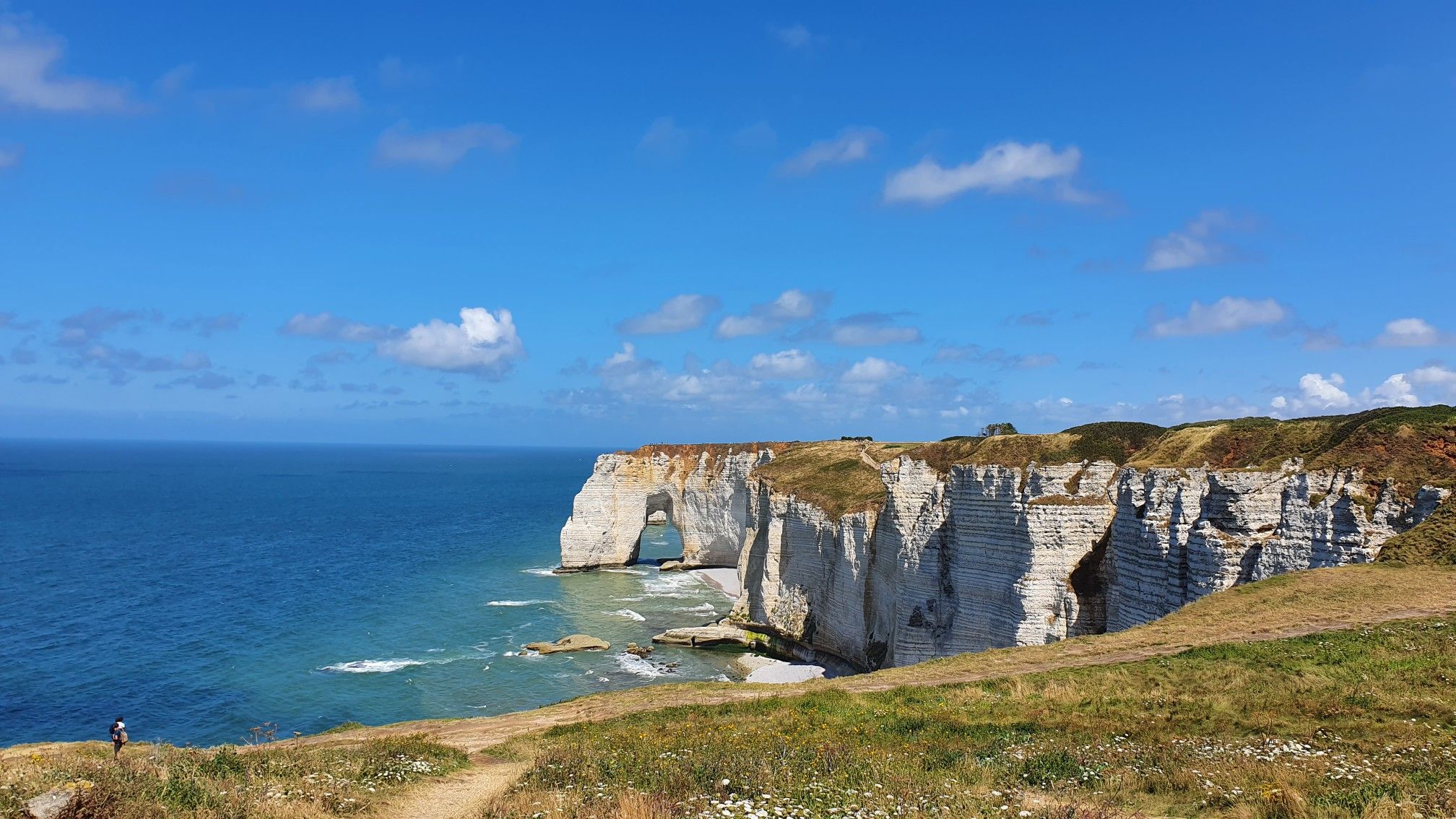
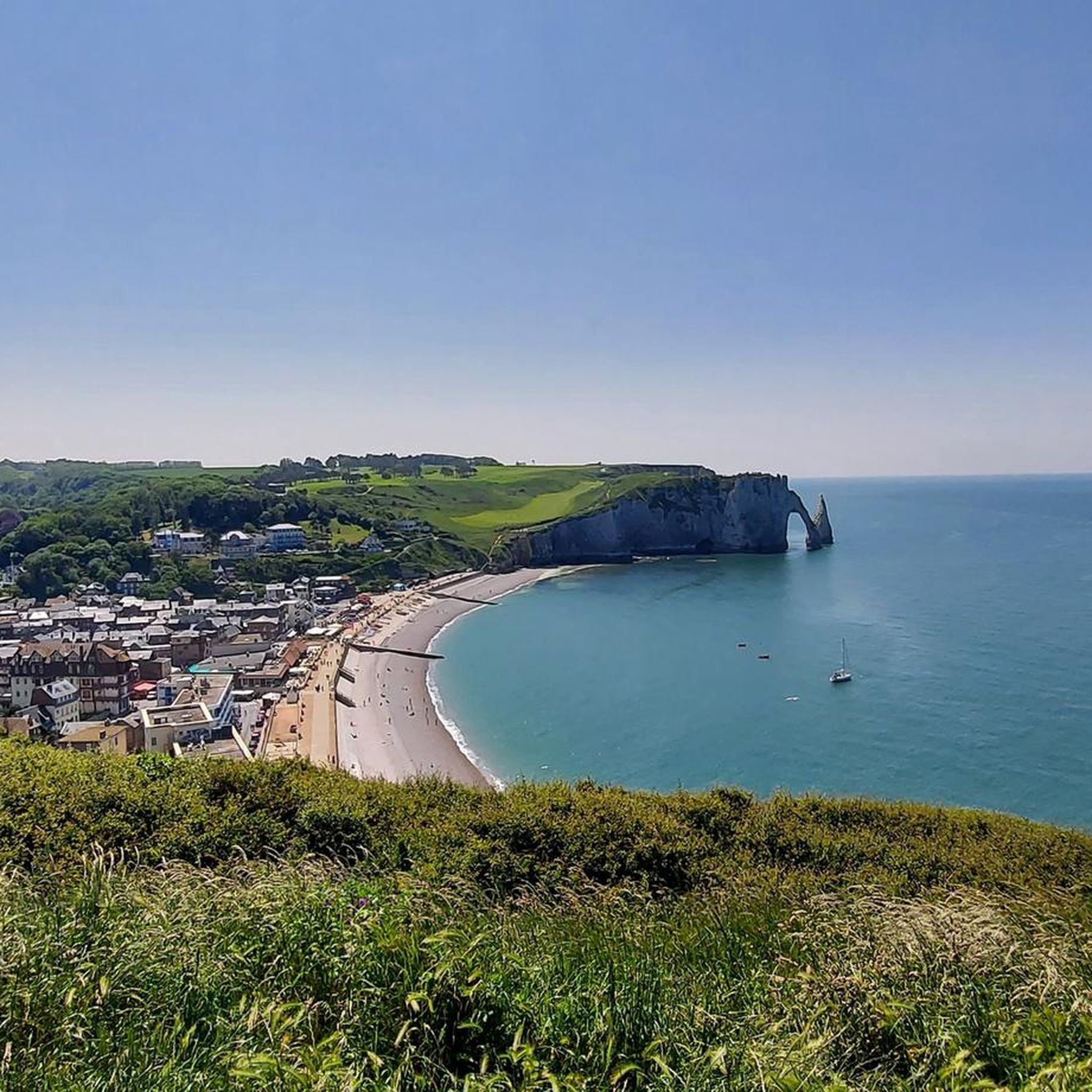
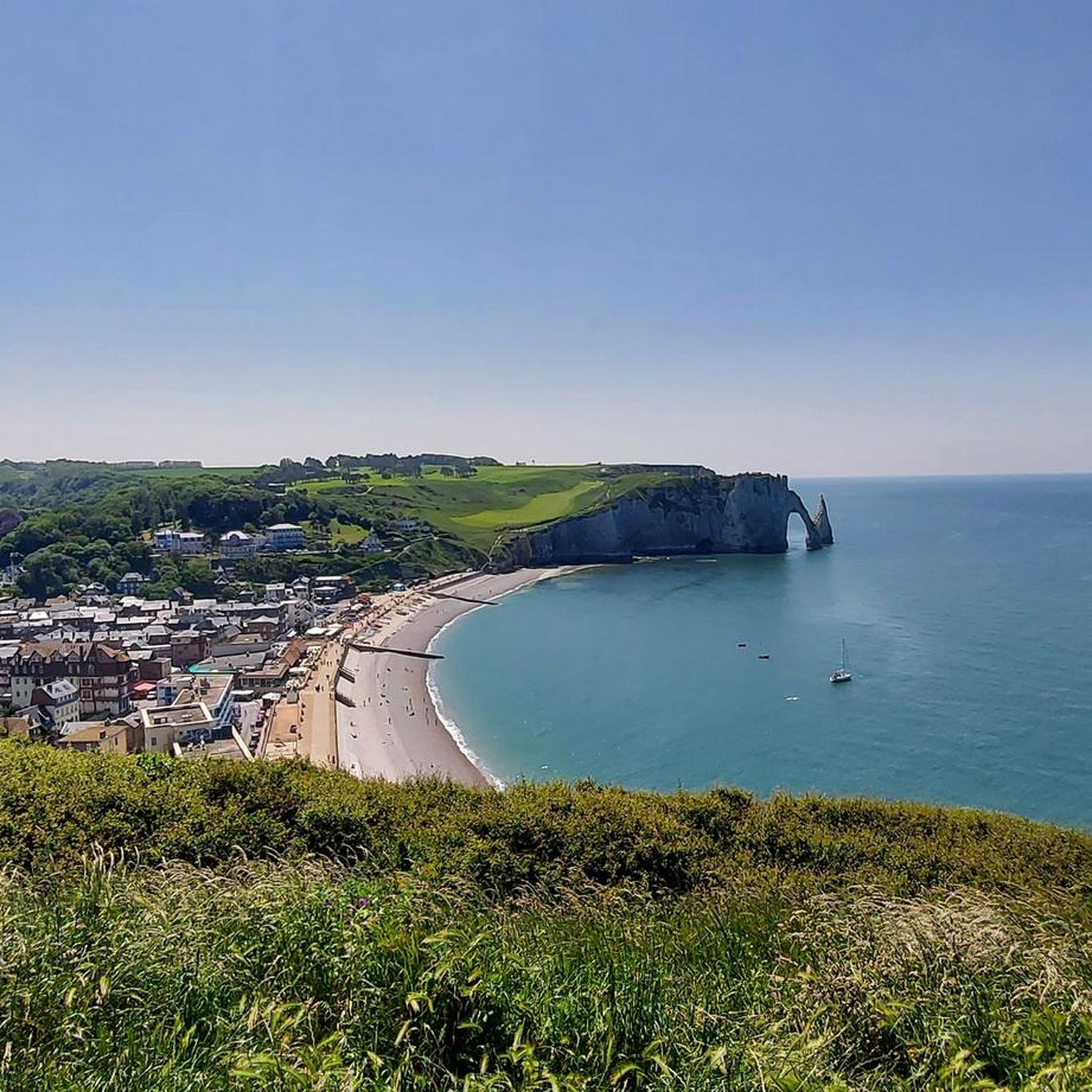
Cliffs of Étretat
Highlight • Natural Monument
Translated by Google •
Tip by

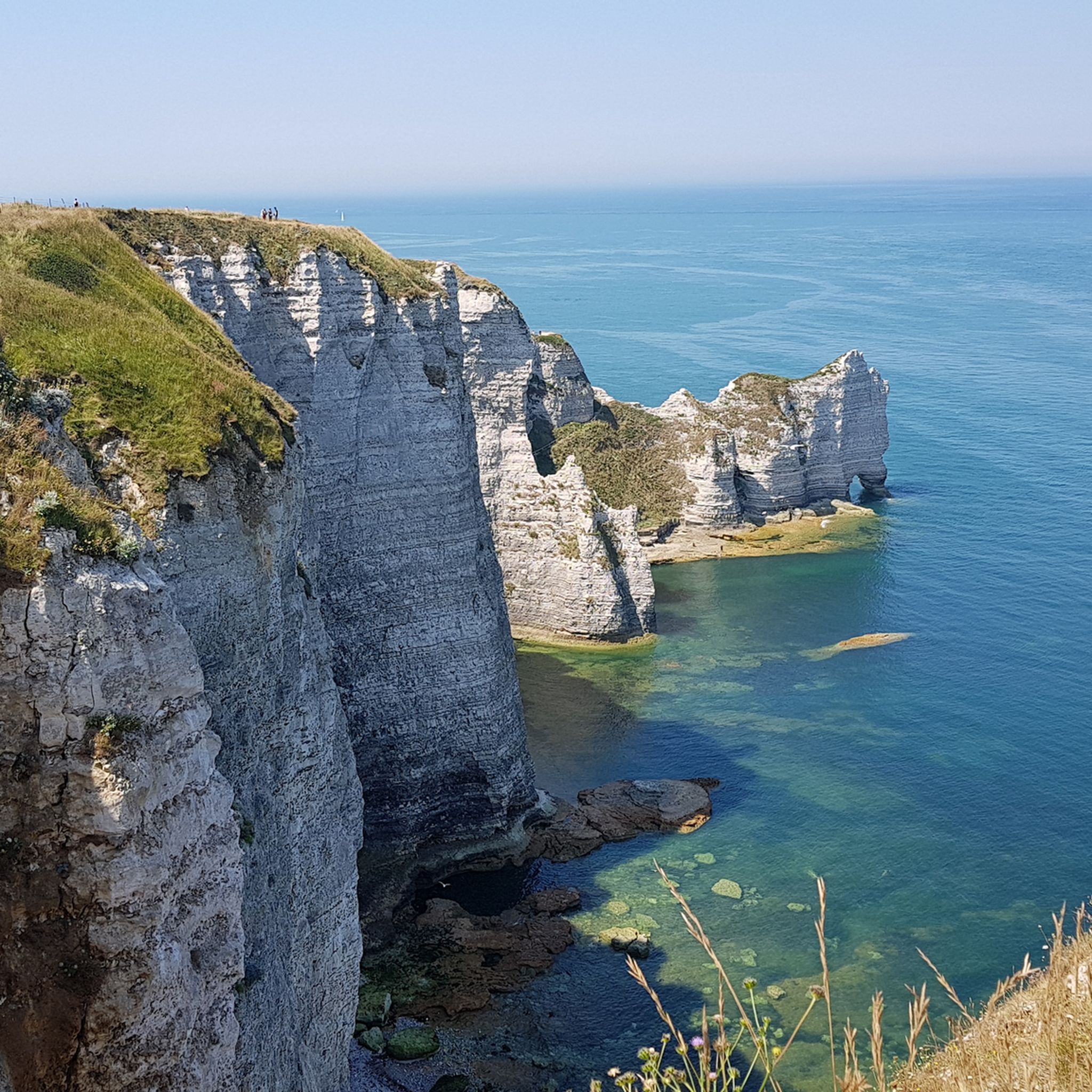
Porte d'Aval Arch (Étretat)
Highlight • Natural Monument
Translated by Google •
Tip by

Sign up now to discover places like this
Get recommendations on the best single tracks, peaks, & plenty of other exciting outdoor places.
Sign up for free
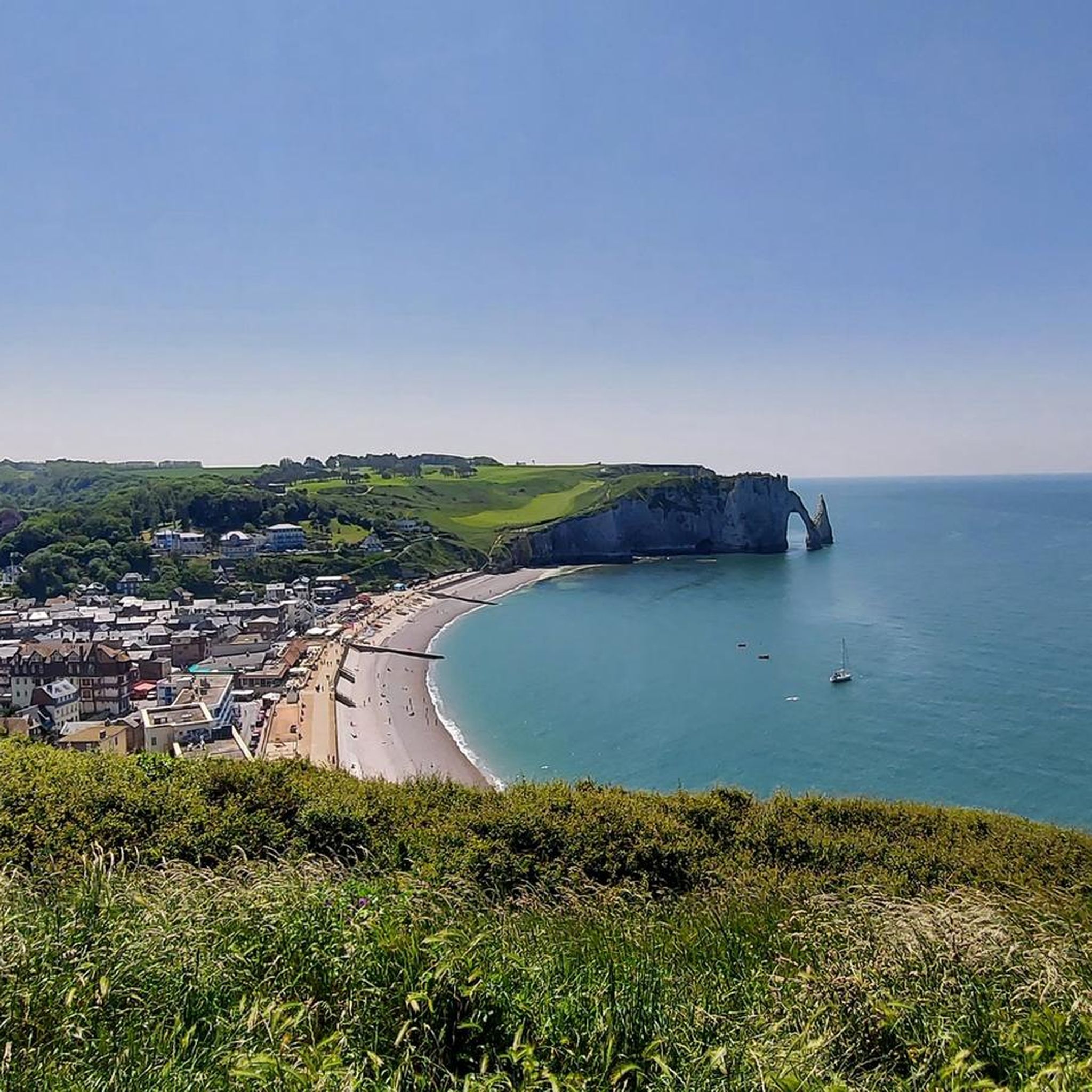
Pointe de la Courtine Viewpoint
Highlight • Viewpoint
The Pointe de la Courtine is a rocky outcrop from which you can see the white chalk …
Translated by Google •
Tip by

Étretat to Vattetot-sur-Mer Coastal Path
Highlight (Segment) • Trail
Translated by Google •
Tip by
Plage du Tilleul
Highlight • Beach
And if you're curious enough, you can follow the stand and climb through a grotto. You …
Translated by Google •
Tip by

Sign up for free to discover even more natural monuments around Étretat.
Sign up for free
Already have an account?
Start today with a free account
Your next adventure awaits.
Login or Signup
Other adventures around Étretat

Tips from the Community

Many painters, including Monet, have immortalized these natural beauties.
5
0


The cliffs are simply a dream. A highlight of a holiday in Normandy. I highly recommend a hike right along the cliffs. There's something for everyone, whether it's a short or long hike.
1
0

Formed underwater millions of years ago, the cliffs are composed of deposits of pale calcareous marine organisms and the skeletons of siliceous organisms. They then rose to form these flint-strewn limestone giants. They appear particularly resilient, yet they are fragile and constantly changing: wind, tides, rainwater infiltration, frost and subsequent thawing weaken them. Erosion leads to regular landslides and cliff retreat.
3
0

This is probably one of the most popular motifs for photography and painting. It's amazing what nature creates.
9
0

Beautiful, small bay that invites you to take a short break during the hike.
0
0

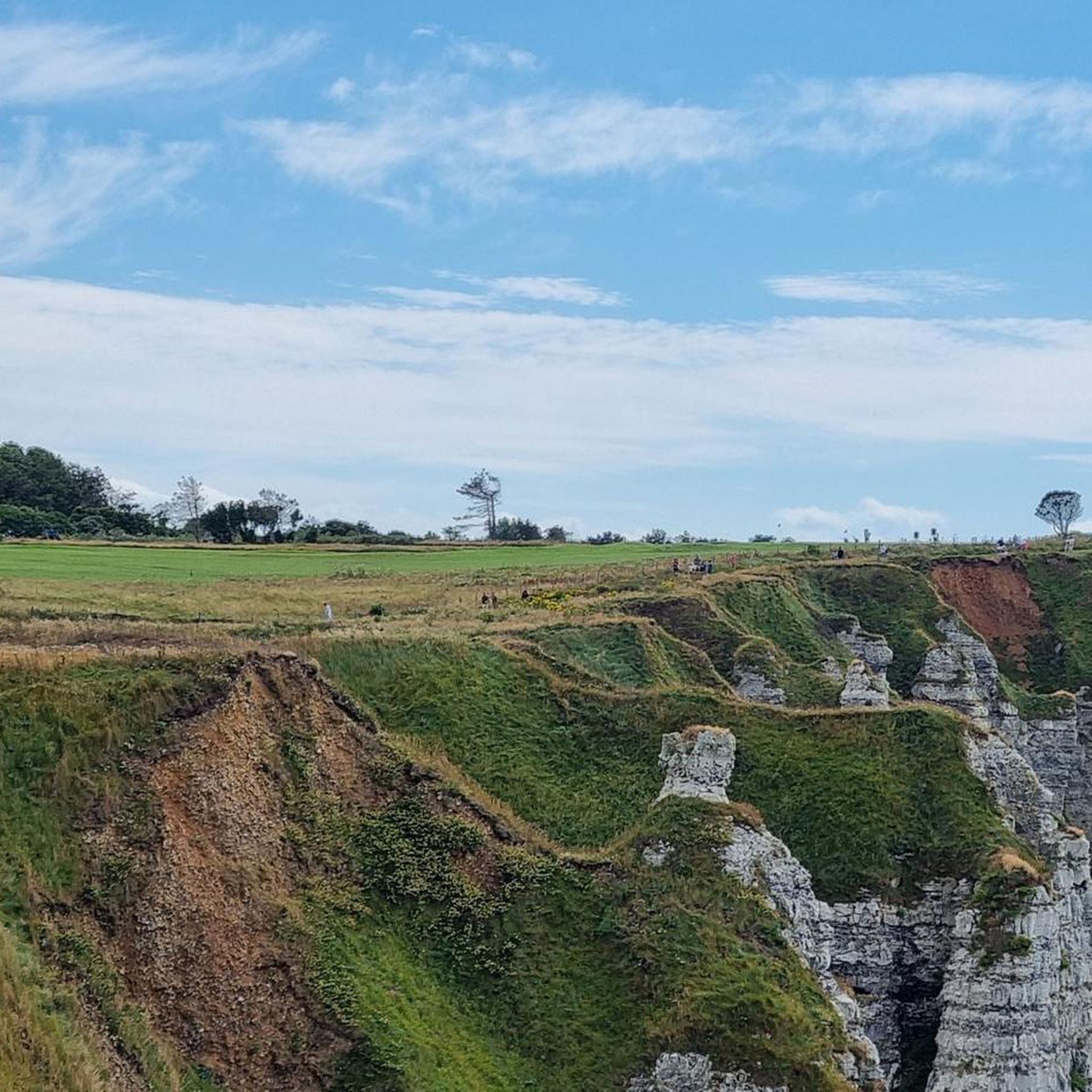
The coastal path along the Falaise near Étretat is a true journey of discovery for the senses. The path takes you from the Jardins d'Étretat to Vattetot-sur-Mer, always along the impressive cliffs. The landscape changes constantly with the light, and every hour offers a new, picturesque setting reminiscent of the works of the Impressionists. It is as if you are walking through a living painting. This path offers you countless views of the rugged beauty of the Alabaster Coast, with the mighty cliffs rising majestically above the sea. It is a quiet path, away from the large crowds of tourists, which gives you the opportunity to experience nature in all its glory. It is best to pack a picnic blanket, as there are no benches along the path, but many places that are perfect for a rest. The hike up here on the cliffs not only offers breathtaking panoramas, but also interesting geological formations where you can see the different sedimentary layers of the coast. An absolute highlight for every hiker who wants to experience Normandy in all its diversity.
1
0
Tilleul Beach is a wonderful place to enjoy the tranquility of the Normandy coast. With its white chalk cliffs that dramatically extend into the sea and the idyllic pebble beach, it provides the perfect backdrop for a relaxing stroll. What makes this beach particularly exciting is the opportunity to explore a small grotto. If you're curious enough, the path will take you through this natural cave, and on the other side, you'll be rewarded with fantastic views of the sea. Be careful of the tides, though – they can change quickly, and you could get wet if you wait too long! It's best to pack your swimsuit just in case. The pebble beach is perfect for taking a break during your hike and enjoying the view of the impressive cliffs. Locals and hikers alike gather here to appreciate Normandy's unspoiled nature. A truly worthwhile hike along the Alabaster Coast, where you can experience both the cliffs from above and the water up close.
1
0
Frequently Asked Questions
What unique geological features define the natural monuments around Étretat?
The natural monuments around Étretat are primarily defined by dramatic white chalk cliffs and unique geological formations carved by millennia of erosion. Key features include the iconic arches like the Porte d'Aval and La Manneporte, and the striking solitary rock formation known as L'Aiguille (The Needle). These formations are a testament to the relentless force of the sea and wind against the chalk coastline.
What are some of the most impressive viewpoints to experience the Étretat cliffs?
For breathtaking panoramic views, consider visiting the Pointe de la Courtine Viewpoint, which offers expansive vistas over the Alabaster Coast, the sea, and the cliffs. The Panoramic Trail of the Cliffs of Étretat also provides continuously changing and fantastic views of the three striking arches: Porte d'Amont, Porte d'Aval, and Manneporte.
Are there specific hiking trails to explore the natural monuments?
Yes, there are several excellent hiking opportunities. The Panoramic Trail of the Cliffs of Étretat offers a scenic walk with views of the arches and the Needle. Another popular option is the Étretat to Vattetot-sur-Mer Coastal Path, which provides stunning cliffside landscapes. Additionally, the Chemin des Douaniers offers memorable experiences and stunning panoramic views along the cliffs.
What outdoor activities can I do near the natural monuments in Étretat?
Beyond hiking, the Étretat area offers various outdoor activities. You can find numerous cycling routes, including easy and moderate options like the 'Phare d'Antifer — loop from Étretat' or 'Étretat – Antifer Lighthouse loop from Étretat'. For mountain biking enthusiasts, there are trails such as 'Cliffs of Vaucottes – View of the Vaucottes Cliffs loop from Étretat'. Explore more options on the Cycling around Étretat and MTB Trails around Étretat guide pages.
What is the best time of year to visit Étretat's natural monuments?
The cliffs of Étretat are a dynamic landscape, constantly shaped by nature, making each visit unique. While beautiful year-round, spring and autumn often offer pleasant temperatures for hiking and fewer crowds. Summer can be busy but provides longer daylight hours. Always check local weather conditions before your visit, as the coastal weather can change rapidly.
What should I wear when visiting the Étretat cliffs?
Given the coastal environment and potential for hiking, it's advisable to wear comfortable, sturdy walking shoes with good grip. Layers of clothing are recommended to adapt to changing weather conditions, including wind and potential rain. A hat and sunscreen are also useful, especially during sunnier periods, as there is little shade on the cliff paths.
Are the natural monuments in Étretat family-friendly?
Yes, many areas around the natural monuments can be enjoyed by families. The views from the cliff tops are accessible, and there are well-maintained paths like the Panoramic Trail of the Cliffs of Étretat. However, caution is advised, especially with young children, due to the cliff edges. The pebble beach also offers a unique experience for families.
What makes the Porte d'Aval Arch so famous?
The Porte d'Aval Arch (Étretat) is one of Étretat's most iconic formations. This massive flint arch was carved by the relentless force of waves against the cliff. It's famously said to resemble an elephant's trunk dipping into the sea, a comparison popularized by Guy de Maupassant. Its striking appearance has made it a popular subject for photography and art.
What is the significance of L'Aiguille (The Needle) in Étretat?
L'Aiguille (The Needle) is a solitary, pointed rock formation rising dramatically from the sea next to the Porte d'Aval. Standing between 51 and 70 meters tall, it is a powerful symbol of millions of years of erosion. Beyond its geological marvel, L'Aiguille gained universal recognition through Maurice Leblanc's Arsène Lupin novels, where it is depicted as being hollow and concealing a treasure.
What do visitors enjoy most about the natural monuments around Étretat?
Visitors consistently praise the breathtaking views and the unique geological formations. The dramatic scenery, especially the chalk cliffs and natural arches, provides endless photography opportunities, particularly during sunrise or sunset. Many also appreciate the well-maintained trails that offer stunning panoramic views and the sense of artistic and literary inspiration the landscape provides.
Are there any specific safety considerations when visiting the cliffs?
Yes, caution is strongly advised when exploring the cliffs. The chalk cliffs can be unstable, and there are forbidden areas under the cliffs due to the risk of rockfalls. Always stay on marked paths, keep a safe distance from the cliff edges, and respect any warning signs. Tides can also affect access to certain areas on the beach, so be aware of tide times.
Where can I find information about public transport or parking for the Étretat cliffs?
While specific details on parking and public transport are best checked with local tourism resources, Étretat is a well-known tourist destination. You can often find information on parking facilities within or near the town, and public transport options (like buses) connecting to nearby larger towns. For the most current information, it's recommended to consult the official Étretat tourism website or local transport providers.
Most popular attractions around Étretat

Get inspired with the komoot mobile app


Explore more
Extend your search for the best caves by checking out these guides of the top ones around Étretat:
