Top 7 Natural Monuments around Prato-Di-Giovellina
Best natural monuments around Prato-Di-Giovellina offer a diverse range of geological formations and scenic landscapes on the island of Corsica. The region features dramatic gorges carved by rivers, unique rock formations, and high-altitude glacial lakes. These natural attractions provide opportunities for exploration and immersion in untouched nature. The area's rugged beauty is characterized by Mediterranean maquis, ancient forests, and striking coastlines.
Best natural monuments around Prato-Di-Giovellina
- The most popular natural monuments is The Arch of Corte, a natural_monument that…
Last updated: July 19, 2026
The Arch of Corte
Highlight • Natural Monument
Translated by Google •
Tip by

La Scala di Santa Regina Gorge
Highlight • Gorge
This parade of La Scala di Santa Regina …
Translated by Google •
Tip by

Sign up now to discover places like this
Get recommendations on the best single tracks, peaks, & plenty of other exciting outdoor places.
Sign up for free
Scala di Santa Regina Stone Bridge
Highlight • Bridge
Source: paradisu.de/regionen/noerdliches-inselinneres/niolo
Translated by Google •
Tip by

Natural Pools on the Fiume Tavignano
Highlight • River
Translated by Google •
Tip by

Above Corte
Highlight • Viewpoint
Translated by Google •
Tip by

Sign up for free to discover even more natural monuments around Prato-Di-Giovellina.
Sign up for free
Already have an account?
Start today with a free account
Your next adventure awaits.
Login or Signup
Tips from the Community

Added to the collection: https://www.komoot.com/de-de/collection/3600632/-naturdenkmaeler-besondere-baeume-und-weitere-schaetze-der-natur
0
0


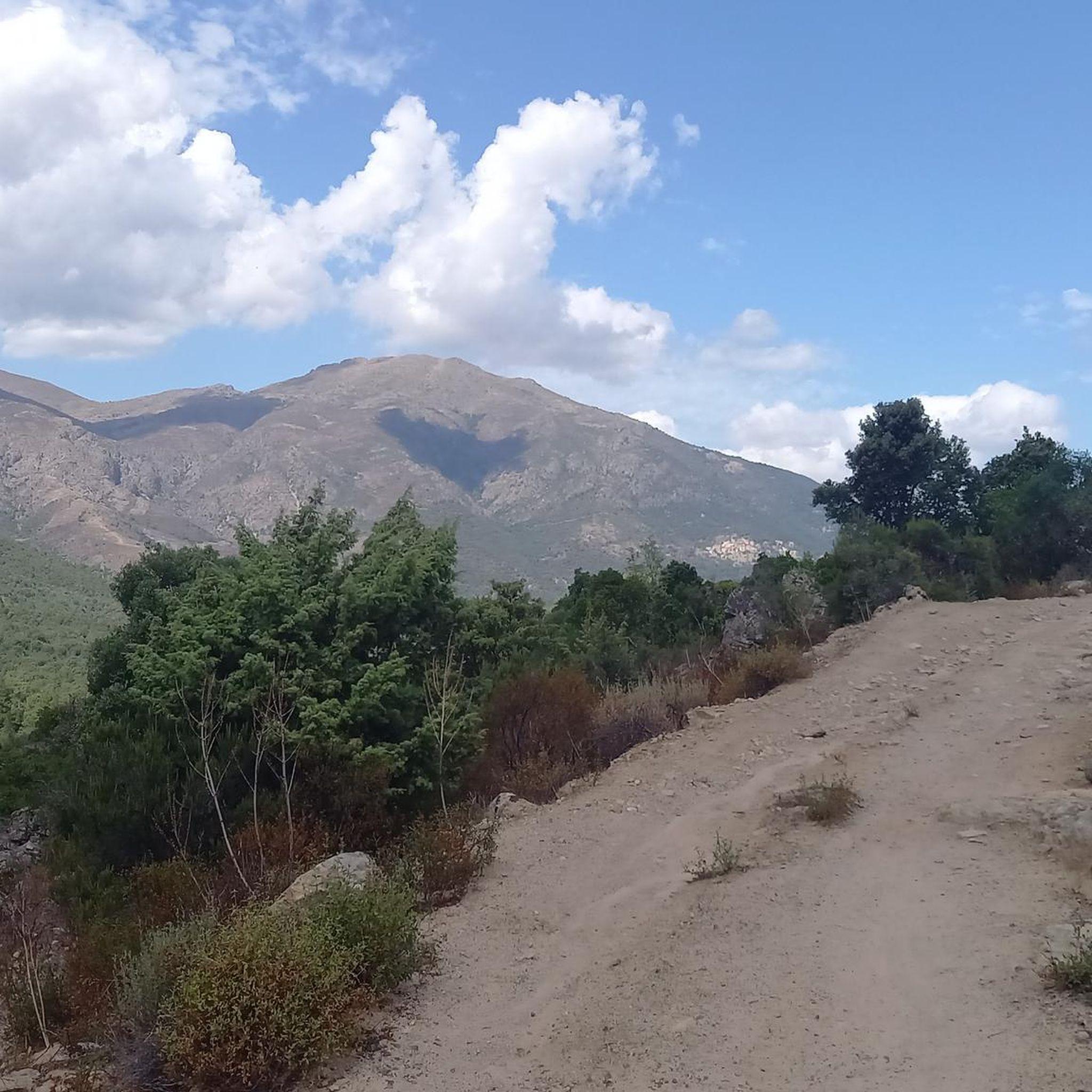
Consisting of granite, this solid arch with such fragile airs is a symbol of Corsica. An obligatory passage through the Tavignano valley, on the heights of Corte.
0
0

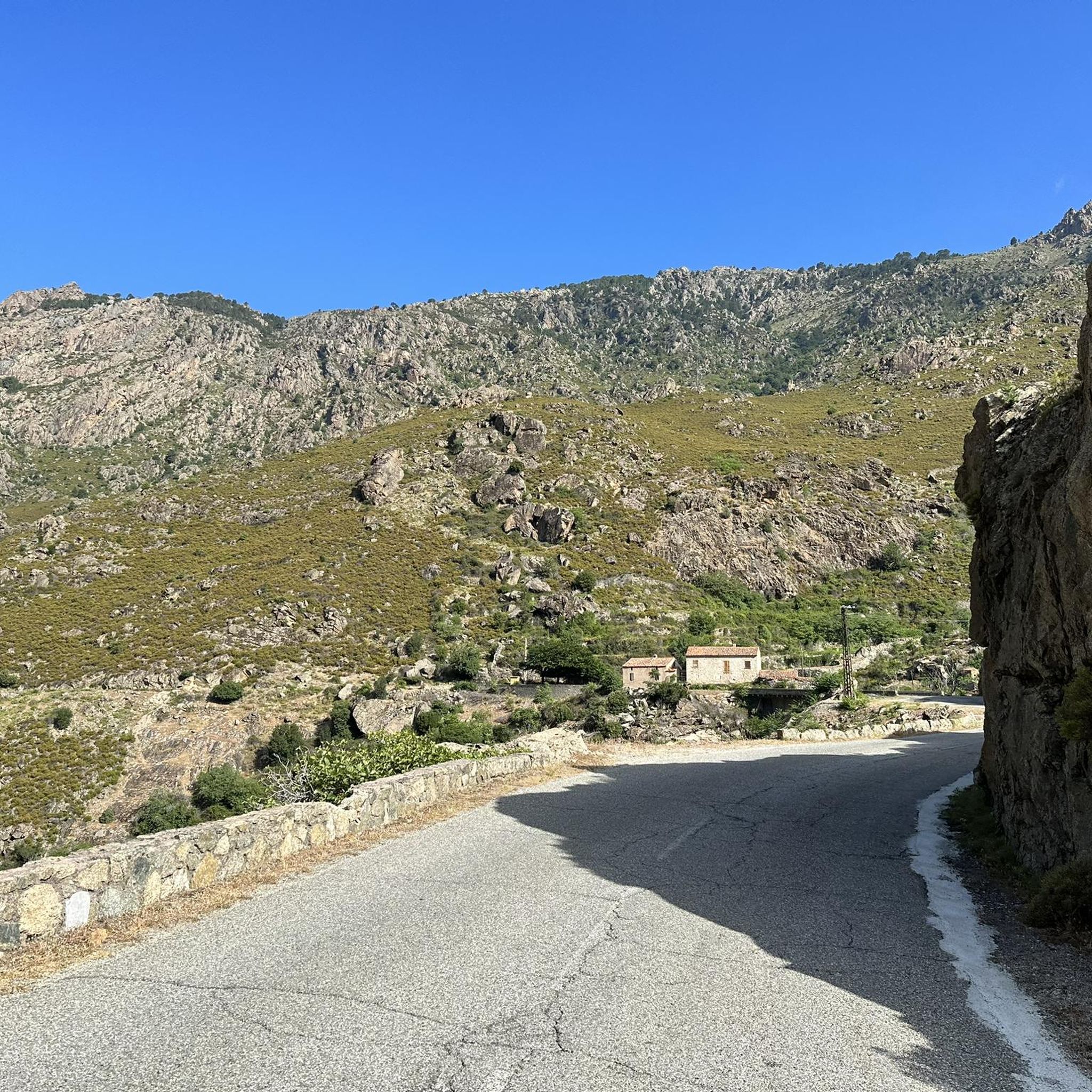
From here we can see Corte looming in the distance, nestled in the hollow of the valley. The view of the village is striking but there is still a way to go to reach it. On the other side we can see the village of Santa-Lucia-di-Mercurio, much closer!
0
0

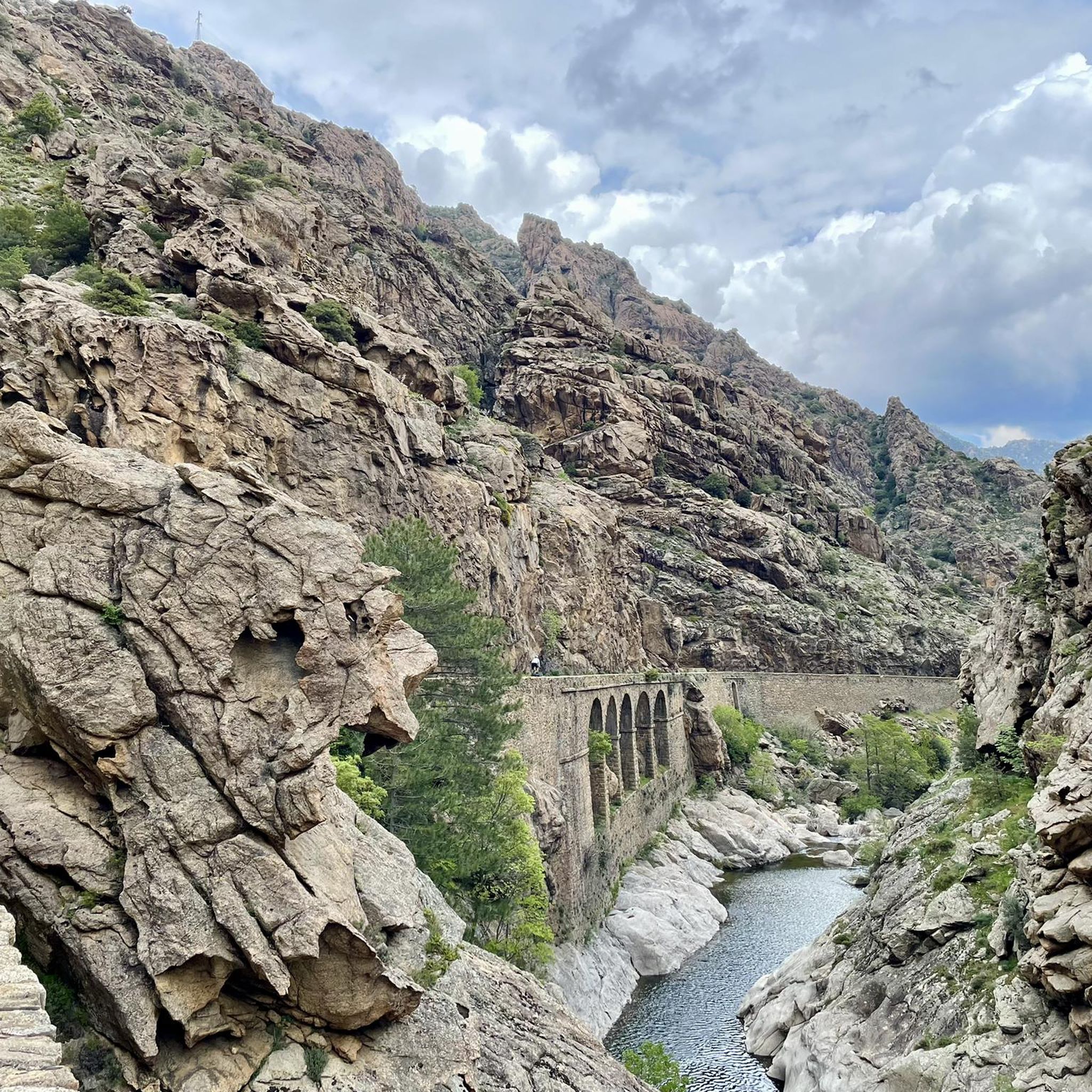
The spectacular Scala di Santa Regina is the eastern entrance to the Niolo. Reddish granite rocks show beautiful tafoni weathering here. A centuries-old mule track leads hikers through the gorge. But swimming in clear rivers is also possible. Source: https://www.paradisu.de/regionen/noerdliches-inselinneres/niolo/
1
0

The Arche de Corte is a natural arch located above Corte and overlooking the valley of Tavignano. This icon of Corsica is well worth climbing. It may seem a little fragile but the rock is granite which gives the arch its strength.
3
0

No, you're not dreaming ! You are indeed in Corsica, although this narrow canyon may remind you of a Far West setting. This parade of La Scala di Santa Regina (Saint Régine's staircase) is a long gorge that stretches for more than 15 kilometers. It was dug by the Golo river which flows below. You evolve at the foot of high rock faces. That's wonderful !
3
0
Frequently Asked Questions
What are the most popular natural monuments to visit near Prato-Di-Giovellina?
Among the most popular natural monuments are The Arch of Corte, a striking natural arch offering rewarding views after a climb, and La Scala di Santa Regina Gorge, known for its dramatic rock faces carved by the Golo river, reminiscent of a Far West landscape. Visitors also highly appreciate Above Corte for its panoramic views of Corte and the surrounding valley.
Are there any family-friendly natural monuments or activities around Prato-Di-Giovellina?
Yes, the Natural Pools on the Fiume Tavignano are a great option for families. These well-visited swimming pools offer clear waters and even a small sandy beach, perfect for children to play. Bathing shoes are highly recommended for comfort.
What unique geological features can I expect to see in the natural monuments of this region?
The region boasts a variety of unique geological features. You can find the striking reddish-hued magmatic rock formations of the Calanques de Piana, a UNESCO World Heritage site, sculpted by centuries of erosion into bizarre shapes. The Gorges de Spelunca are notable for their pinkish granite rocks and intensely red coloration in some areas. Additionally, the Agriates Desert, despite its name, features rocky ridges and a unique blend of Mediterranean maquis leading to pristine turquoise-water beaches.
What kind of outdoor activities can I do near the natural monuments around Prato-Di-Giovellina?
The area offers diverse outdoor activities. You can explore the Agriates Desert by car, motorbike, 4x4, or by hiking and cycling along the coastal path. The Gorges de la Restonica are popular for hiking, with trails leading to glacial lakes like Lac de Melo and Lac de Capitello. For more structured routes, you can find various hiking routes, road cycling routes, and MTB trails around Prato-Di-Giovellina.
Are there any historical elements or structures within these natural monument areas?
Yes, the Gorges de Spelunca feature two historic Genoese stone bridges, Pont de Pianella and Pont de Zaglia, dating from the 13th to 17th centuries. These bridges are classified as historical monuments and can be crossed while hiking along the canyon floor. Additionally, the Agriates Desert was historically cultivated and used for transhumance, adding a layer of human history to its natural beauty.
What are the glacial lakes like, and how accessible are they?
The glacial lakes, Lac de Melo and Lac de Capitello, are located in the upper reaches of the Restonica Gorge. Lac de Melo (1710m) is known for its emerald green water and inviting picnic spots, accessible via a moderate 3-hour round trip hike from the Grotelle sheepfolds. Lac de Capitello (1930m) is Corsica's deepest lake, offering a more rugged beauty with impressive rock towers. The path to Capitello from Melo is more challenging, with some sections requiring chains for assistance. Lac de Nino, at 1,743 meters, is another high-altitude oasis known for its unique 'pozzines' and semi-wild ponies.
What is the best time of year to visit the natural monuments around Prato-Di-Giovellina?
The best time to visit largely depends on the specific monument and activity. For swimming in river pools like those in the Gorges de la Restonica or Fiume Tavignano, summer is ideal. For hiking to glacial lakes, late spring to early autumn offers more favorable conditions, as Lac de Melo is frozen for a significant part of the year. The Calanques de Piana are stunning at sunset, intensifying their red colors, making late afternoon visits particularly rewarding.
Can I drive to all the natural monuments, or are some only accessible by foot?
Many natural monuments offer scenic drives. You can drive along the narrow D623 road through the Gorges de la Restonica for spectacular views, or the D81 road through the Agriates Desert. The D81 road between Porto-Ota and Piana also offers panoramic views of the Calanques de Piana. However, some areas, like the glacial lakes Lac de Melo and Lac de Capitello, require hiking to reach them. The coastal path (Sentier des Douaniers) in the Agriates Desert is also primarily for walking or cycling.
What makes the Agriates Desert unique, given its name?
Despite its name, the Agriates Desert is not a barren wasteland but a vibrant and protected 15,000-hectare wilderness. It's characterized by dense Mediterranean maquis, rocky ridges, and temporary streams. Its uniqueness lies in the striking contrast between its arid inland landscape and its 37 km long coastline, which boasts some of Corsica's most stunning turquoise-water beaches, such as Saleccia and Lotu.
What do visitors enjoy most about the natural monuments in this region?
Visitors frequently praise the breathtaking natural landscapes, the dramatic rock formations, and the opportunities for immersion in untouched nature. The clear turquoise waters of the river pools and coastal beaches are a highlight for many, as are the rewarding views from elevated points like Above Corte and The Arch of Corte. The blend of rugged beauty with historical elements, such as the Genoese bridges in Gorges de Spelunca, also adds to the appeal.
Are there any specific tips for visiting the Gorges de la Restonica?
The Gorges de la Restonica are renowned for their scenic beauty and turquoise river pools, ideal for swimming. A drive along the narrow, winding D623 road offers spectacular views. For hikers, trails of varying difficulty lead to Lac de Melo and Lac de Capitello. It's advisable to check local conditions, especially during peak season, and be prepared for winding mountain roads. For more information on the Gorges, you can visit visit-corsica.com.
What is the significance of Lac de Nino and its 'pozzines'?
Lac de Nino, located on the Camputile plateau, is the source of the Tavignano river, Corsica's second-largest river. It is particularly renowned for its unique 'pozzines' – small peat bogs dotted with interconnected water holes – and lush green turf where semi-wild ponies often graze. This high-altitude oasis offers a distinct, almost Tibet-like landscape, contrasting sharply with the island's coastal scenery.
Most popular attractions around Prato-Di-Giovellina

Get inspired with the komoot mobile app


Explore more
Extend your search for the best caves by checking out these guides of the top ones around Prato-Di-Giovellina:
