Top 6 Natural Monuments around Zérubia
Natural monuments around Zérubia are found in a small mountain village situated at an altitude of 815 meters in Corsica, France. The area is characterized by chestnut groves and traversed by rivers such as the Rizzanese, Chiuvone, and Baraci. Zérubia serves as a gateway to several natural sites within a preserved natural setting. The surrounding Corsican landscape features impressive geological formations and unique ecosystems.
Best natural monuments around Zérubia
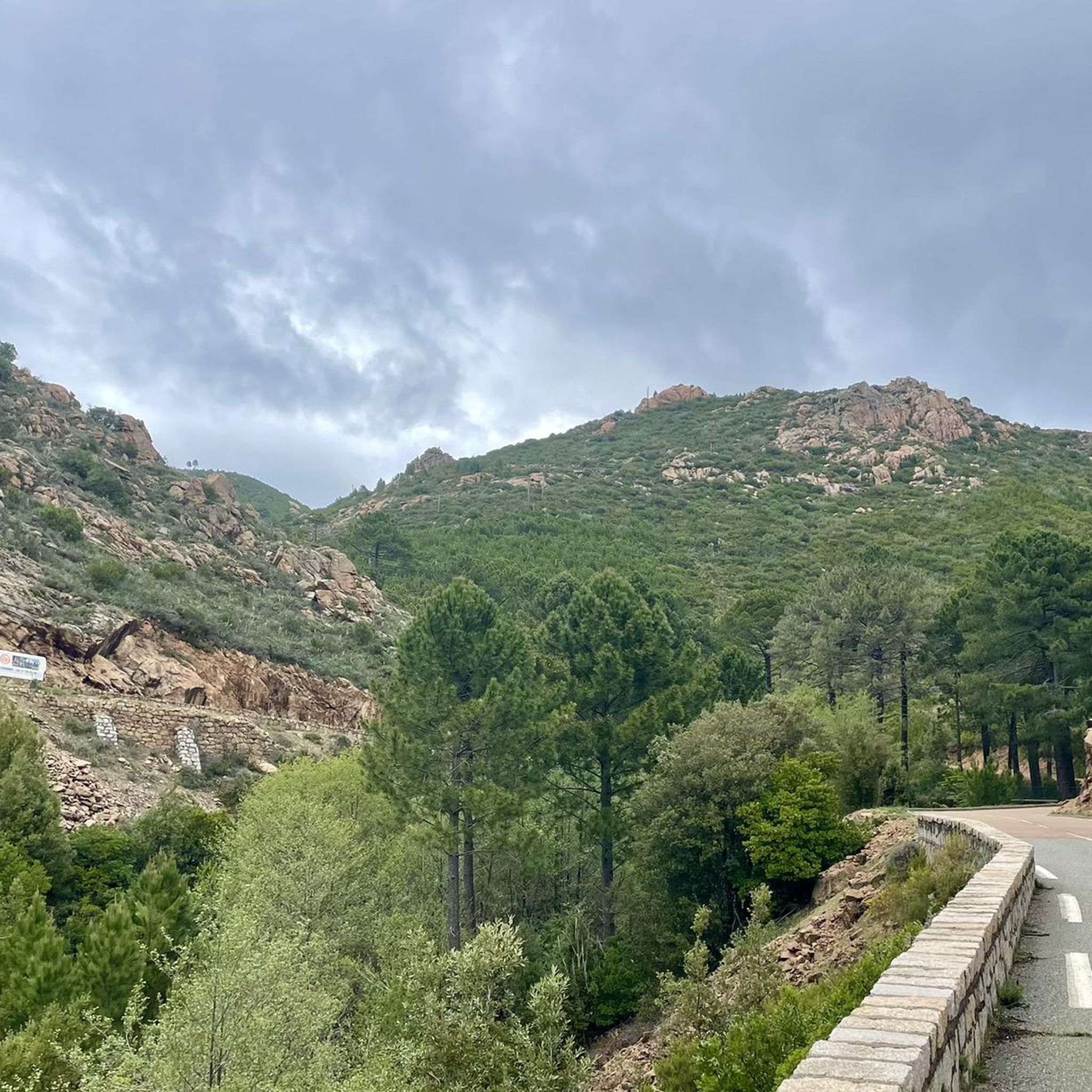
- The most popular natural monument is Castellu di Cucuruzzu, a historical site and natural monument that is the most important archaeological site in Corsica, dating back to the Bronze Age. It is nestled at 700 meters above sea level.
- Another must-see spot is Ancient Chestnut Tree (Circa 1200), a natural monument. This ancient tree is believed to be a cultivated plant from centuries ago.
- Visitors also love Boulders Near Cuciurpula, a natural monument featuring unique rock formations. This site offers scenic views and is part of a walking loop.
- Zérubia is known for ancient trees, unique rock formations, and high-altitude plateaus. The region offers a variety of natural monuments to see and explore, from archaeological sites to geological features.
- The natural monuments around Zérubia are appreciated by the komoot community, with over 100 upvotes and 85 photos shared by visitors.
Last updated: August 29, 2026
Castellu di Cucuruzzu
Highlight • Historical Site
Translated by Google •
Tip by

Pozzines of Parc Naturel Régional de Corse
Highlight • Natural
Translated by Google •
Tip by

Sign up now to discover places like this
Get recommendations on the best single tracks, peaks, & plenty of other exciting outdoor places.
Sign up for free
Ancient Chestnut Tree (Circa 1200)
Highlight • Natural Monument
Mont San Petru
Highlight (Segment) • Summit
Translated by Google •
Tip by

Boulders Near Cuciurpula
Highlight • Natural Monument
Translated by Google •
Tip by

Sign up for free to discover even more natural monuments around Zérubia.
Sign up for free
Already have an account?
Start today with a free account
Your next adventure awaits.
Login or Signup
Tips from the Community

On the Cucuruzzu-Capula archaeological site trail. Easy, well-shaded hike, mostly in the forest. Admission is €4 per adult.
0
0

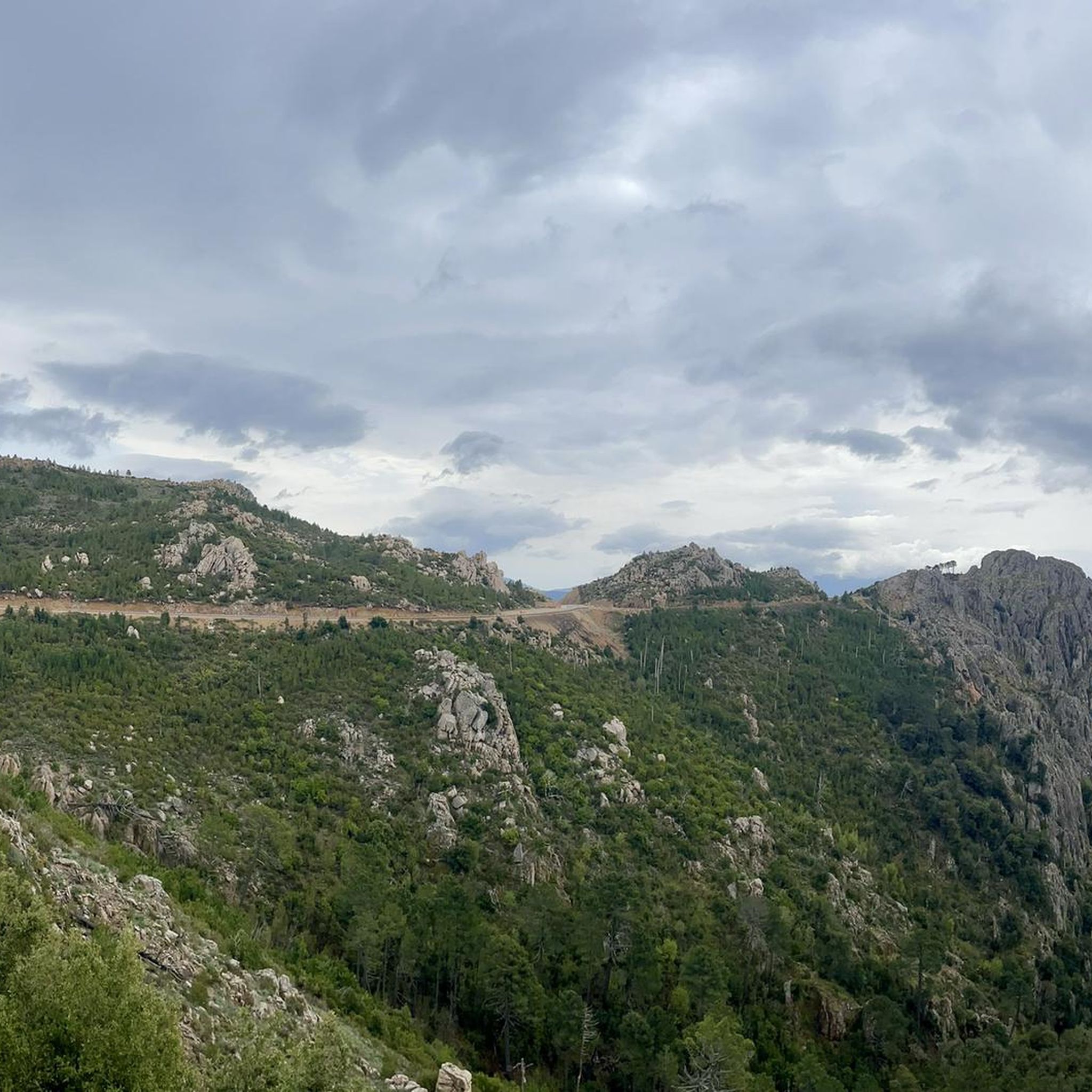
A great, but difficult tour. Good fitness and surefootedness are required! The trail is well marked with yellow and red markers.
0
0

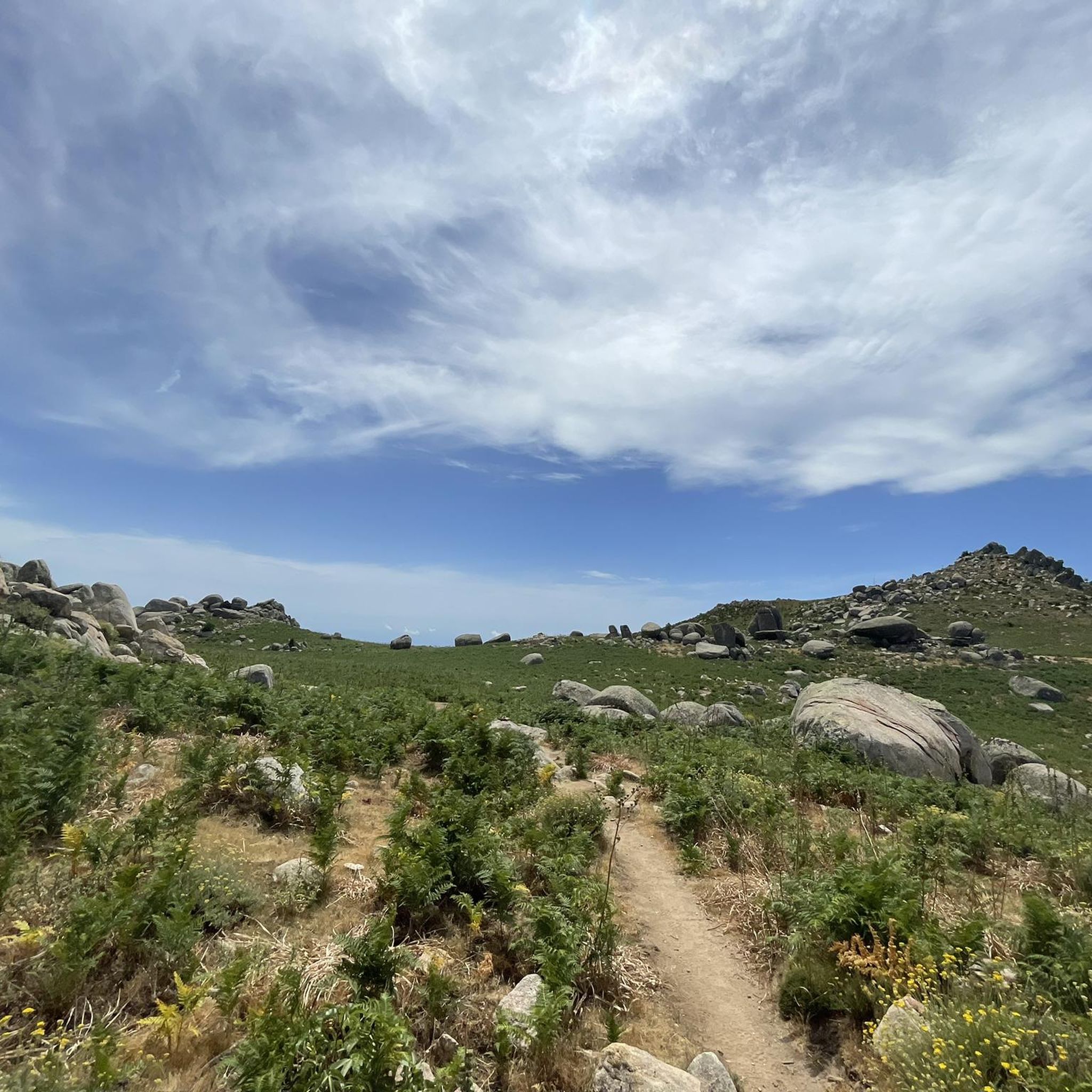
The waterholes are truly breathtaking. You walk on meter-high soft moor substrate and the sounds of the underground running water are pure relaxation. You have to experience it to be believed. Then spectacular wild animals come by and graze here and when the sunset comes or there is often fog it is like from another world. Bebehmen and with a blanket just listen and wait. My very personal highlight of Corsica that you will never forget.
2
0

The Castellu di Cucuruzzu is the most important archaeological site in Corsica. Nestled at 700 meters above sea level, it dates back to the Bronze Age. It is possible to visit it for €4.
0
0

If trees could talk... It is said to be a cultivated plant that a farmer planted at the time. Unfortunately, it is hollow on the back, but it still blooms every year
0
0

Beautiful walk (loop) from Serra Di Scopamena (2.5h), with beautiful views. The descent is definitely worth it.
0
0
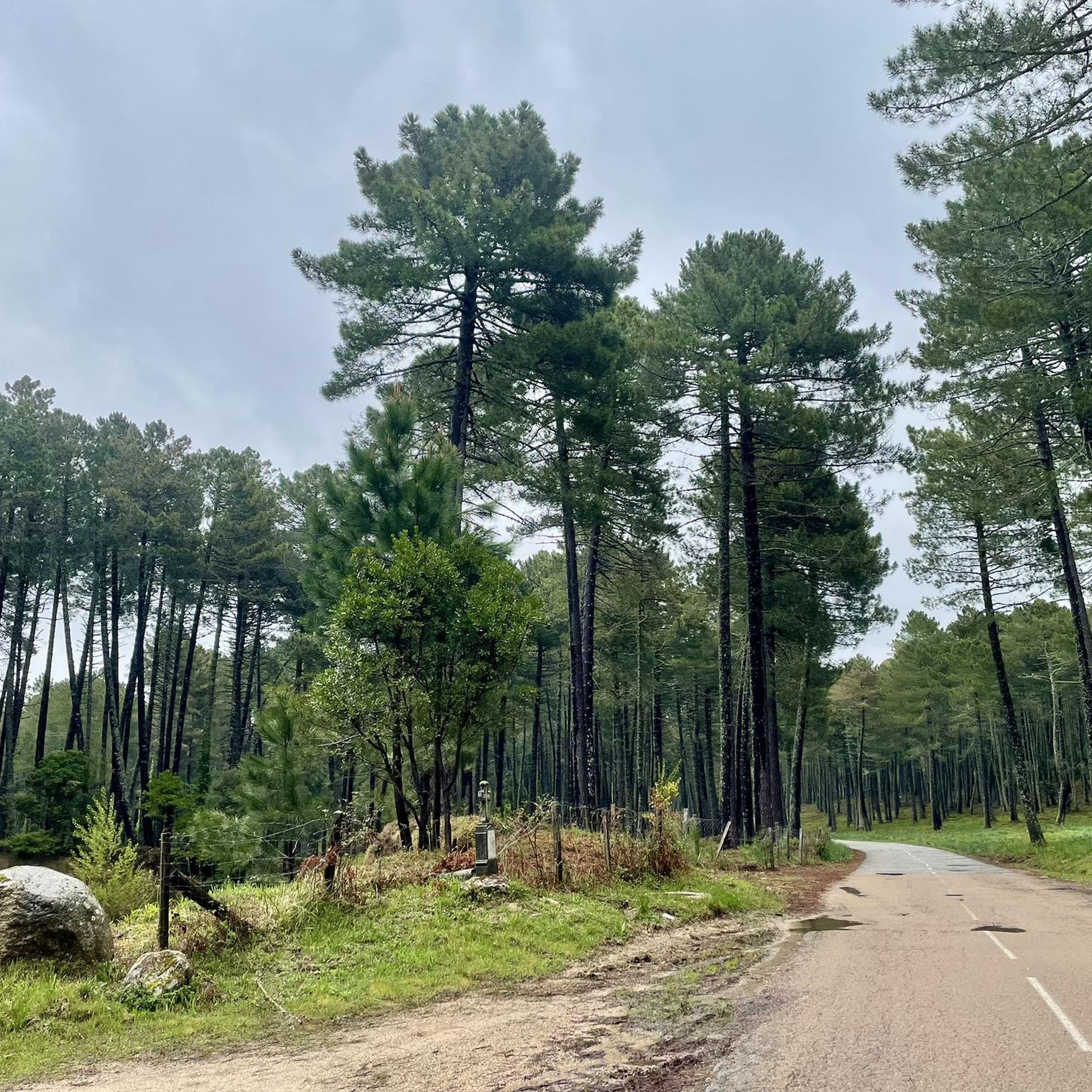
Dreamlike. Like in a fairytale forest .....
2
0

From Wikipedia: "The Castellu di Cucuruzzu is a megalithic place of worship of Torre culture on the island of Corsica, which was discovered in 1959 by aerial photography. It was used in the Corsican Bronze and Iron Age between the 9th and 4th century BC."
2
1
Frequently Asked Questions
What unique natural monuments can I explore around Zérubia?
Beyond the well-known sites, you can discover several unique natural monuments. For instance, the Ancient Chestnut Tree (Circa 1200) is a remarkable natural monument believed to be a cultivated plant from centuries ago. Another intriguing spot is the Boulders Near Cuciurpula, which features unique rock formations and offers scenic views as part of a walking loop. Further afield, the dramatic granite spires of the Aiguilles de Bavella offer stunning contrasts and opportunities for canyoning, while the Coscione Pozzines present unique spongy lawns at high altitude, grazed by free-roaming animals.
Are there family-friendly natural monuments around Zérubia?
Yes, several natural monuments are suitable for families. The Castellu di Cucuruzzu, an important Bronze Age archaeological site nestled at 700 meters above sea level, is categorized as family-friendly. Its forest setting makes for an engaging visit. Additionally, the Piscines Naturelles de Cavu (Natural Pools of Cavu) offer crystal-clear waters for a refreshing and relaxing family experience.
What kind of natural features can I expect to see near Zérubia?
The region around Zérubia boasts a diverse range of natural features. You can find ancient trees like the Ancient Chestnut Tree (Circa 1200), unique rock formations such as the Boulders Near Cuciurpula, and high-altitude plateaus. The landscape is characterized by chestnut groves, rivers like the Rizzanese, Chiuvone, and Baraci, and impressive geological formations including granite spires (Aiguilles de Bavella) and red porphyry cliffs (Scandola Nature Reserve, Calanques of Piana).
Are there historical or cultural sites among the natural monuments?
Yes, the region beautifully blends natural beauty with historical significance. The Castellu di Cucuruzzu is a prime example, being the most important archaeological site in Corsica, dating back to the Bronze Age. This site is nestled within a natural forest setting, offering both historical exploration and natural appreciation.
What outdoor activities can I do near the natural monuments around Zérubia?
The area offers a variety of outdoor activities. You can find numerous running trails, road cycling routes, and gravel biking paths. For instance, there are challenging running loops like the Quenza loop, and scenic road cycling routes such as the GT20 Stage 11 and Col de la Vaccia Loop. Gravel biking options include loops around Zonza and Bavella Pass. You can explore more details on these activities in the Running Trails around Zérubia, Road Cycling Routes around Zérubia, and Gravel biking around Zérubia guides.
What is the best time to visit the natural monuments around Zérubia?
The best time to visit largely depends on the activity. For hiking and exploring the natural monuments, spring (April-June) and autumn (September-October) offer pleasant temperatures and fewer crowds. Summer (July-August) is ideal for enjoying natural swimming spots like the Piscines Naturelles de Cavu, but can be very hot and busy. Winter can be beautiful for some areas, especially at higher altitudes like Mont San Petru, but some trails may be challenging due to snow or ice.
Are there any viewpoints offering panoramic views of the natural landscape?
Absolutely. The Mont San Petru is a summit that offers breathtaking panoramic views, though it's a challenging climb. The Boulders Near Cuciurpula also provide beautiful vistas. From certain points around the Aiguilles de Bavella, you can see across to Monte Incudine, both the east and west coasts of Corsica, the Gulf of Porto Vecchio, and even Sardinia.
What do visitors enjoy most about the natural monuments around Zérubia?
Visitors frequently praise the preserved natural setting and the unique geological formations. Many are captivated by the ancient history of sites like the Castellu di Cucuruzzu, describing it as 'dreamlike' and like being in a 'fairytale forest'. The tranquility and unique ecosystem of the Pozzines of Parc Naturel Régional de Corse are also highly valued, with visitors noting the 'breathtaking' waterholes and the relaxation provided by the sounds of underground water.
Are there any challenging natural monuments for experienced hikers?
Yes, for experienced hikers seeking a challenge, Mont San Petru offers a great but difficult tour requiring good fitness and surefootedness. The trail is well-marked, leading to rewarding summit views. The Aiguilles de Bavella also provide opportunities for strenuous hikes and canyoning for those looking for adventure.
Can I find unique ecosystems or wildlife near Zérubia's natural monuments?
Yes, the region is rich in unique ecosystems. The Pozzines of Parc Naturel Régional de Corse, for example, are characterized by green, spongy lawns that serve as a grazing paradise for horses, cows, and boar that roam freely. The Scandola Nature Reserve, though further afield, is a UNESCO World Heritage site known for its incredible diversity of marine life and is a haven for birdwatching, particularly for ospreys among the dramatic red rock formations of the Calanques of Piana.
What are the options for parking and public transport when visiting natural monuments?
Access to many natural monuments around Zérubia typically involves driving. Parking availability varies by site; for example, access to the Castellu di Cucuruzzu usually involves a designated parking area near the entrance where information is also available. Public transport options are generally limited in this mountainous region, making a car the most convenient way to reach many of the more remote natural sites. It's advisable to check specific access details for each monument before your visit.
Most popular attractions around Zérubia

Get inspired with the komoot mobile app


Explore more
Extend your search for the best caves by checking out these guides of the top ones around Zérubia:
