Top 11 Natural Monuments around Omessa
Best natural monuments around Omessa are found in the picturesque region of Haute-Corse, France. This area is characterized by its rugged natural scenery and opportunities for outdoor exploration. While Omessa itself is a small commune, it serves as a gateway to the diverse natural features of the Corsican interior. Visitors can explore a landscape shaped by mountains, rivers, and unique geological formations.
Best natural monuments around Omessa
- The most popular natural monument is The Arch of Corte, a natural…
Last updated: July 6, 2026
The Arch of Corte
Highlight • Natural Monument
Translated by Google •
Tip by

La Scala di Santa Regina Gorge
Highlight • Gorge
This parade of La Scala di Santa Regina …
Translated by Google •
Tip by

Sign up now to discover places like this
Get recommendations on the best single tracks, peaks, & plenty of other exciting outdoor places.
Sign up for free
Antia Stream Swimming Area
Highlight • River
Translated by Google •
Tip by

Scala di Santa Regina Stone Bridge
Highlight • Bridge
Source: paradisu.de/regionen/noerdliches-inselinneres/niolo
Translated by Google •
Tip by

Natural Pools on the Fiume Tavignano
Highlight • River
Translated by Google •
Tip by

Sign up for free to discover even more natural monuments around Omessa.
Sign up for free
Already have an account?
Start today with a free account
Your next adventure awaits.
Login or Signup
Tips from the Community

Added to the collection: https://www.komoot.com/de-de/collection/3600632/-naturdenkmaeler-besondere-baeume-und-weitere-schaetze-der-natur
0
0


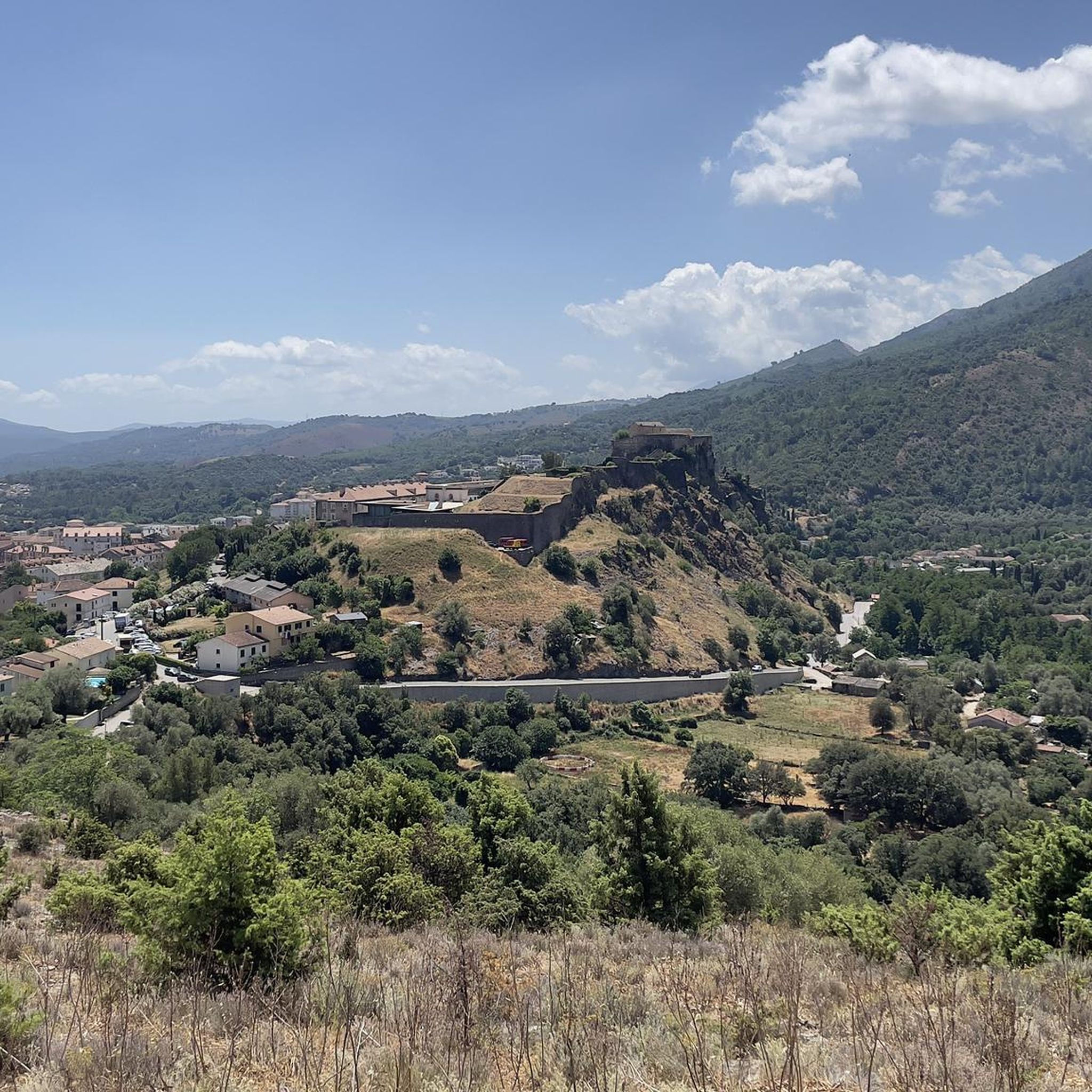
Consisting of granite, this solid arch with such fragile airs is a symbol of Corsica. An obligatory passage through the Tavignano valley, on the heights of Corte.
0
0

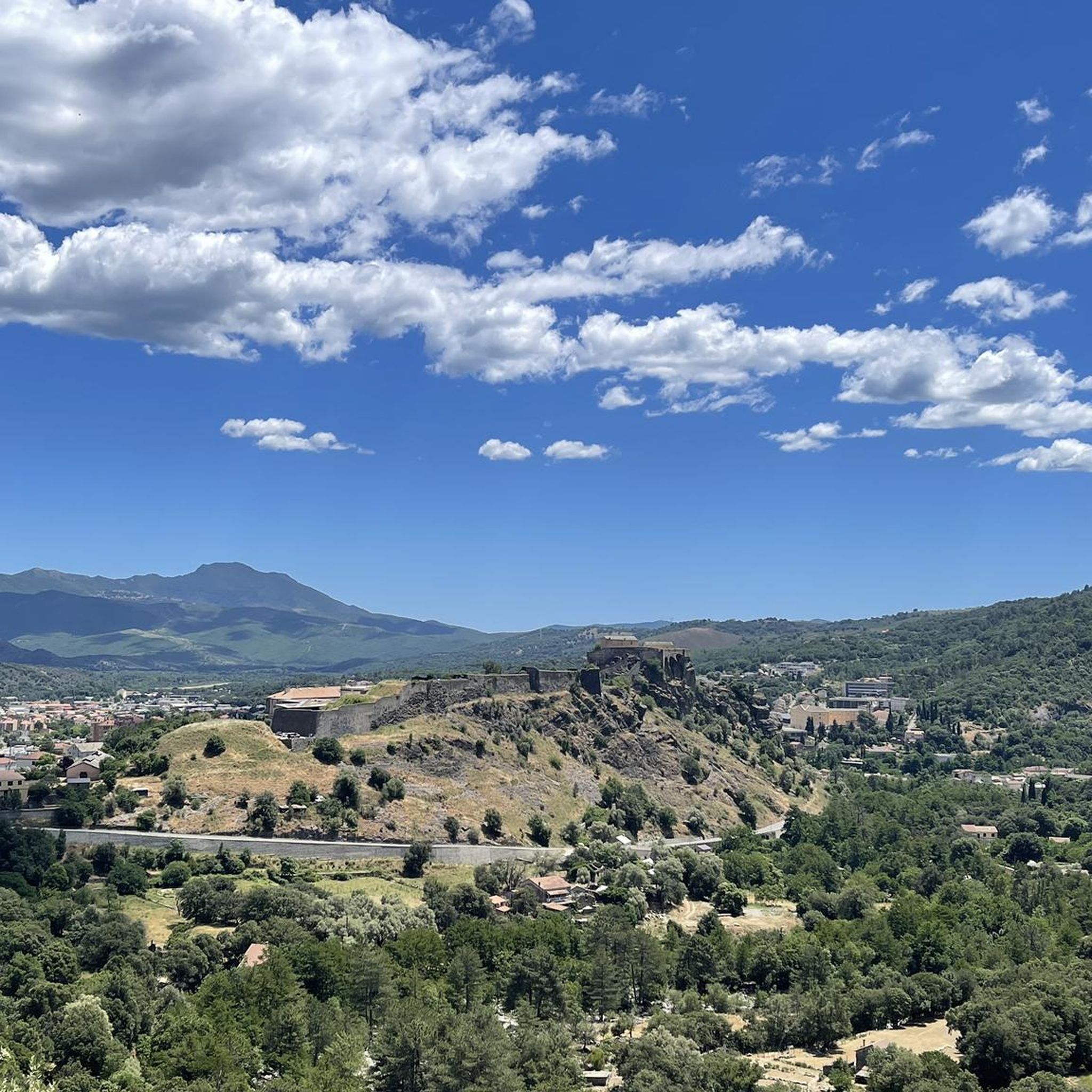
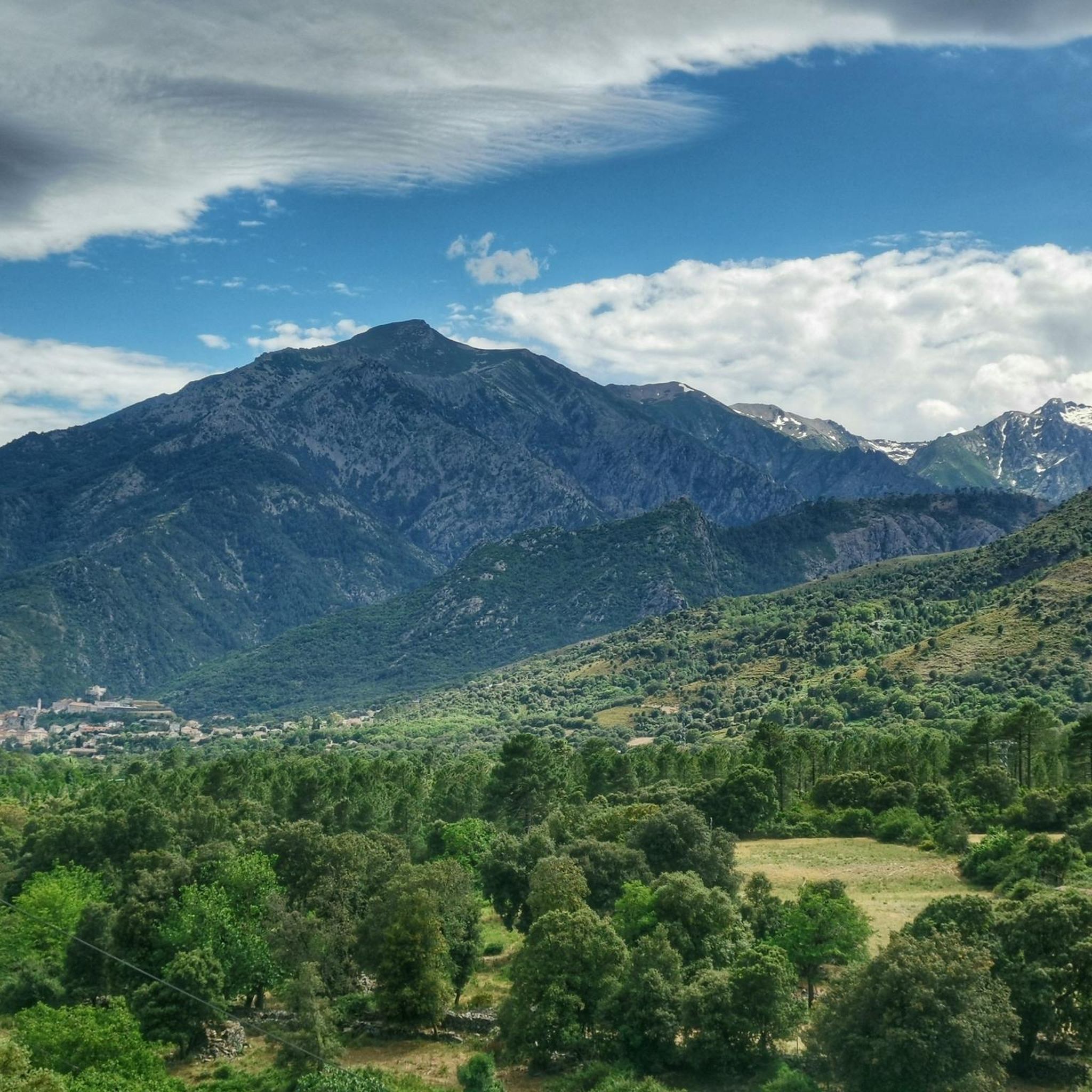
The spectacular Scala di Santa Regina is the eastern entrance to the Niolo. Reddish granite rocks show beautiful tafoni weathering here. A centuries-old mule track leads hikers through the gorge. But swimming in clear rivers is also possible. Source: https://www.paradisu.de/regionen/noerdliches-inselinneres/niolo/
1
0

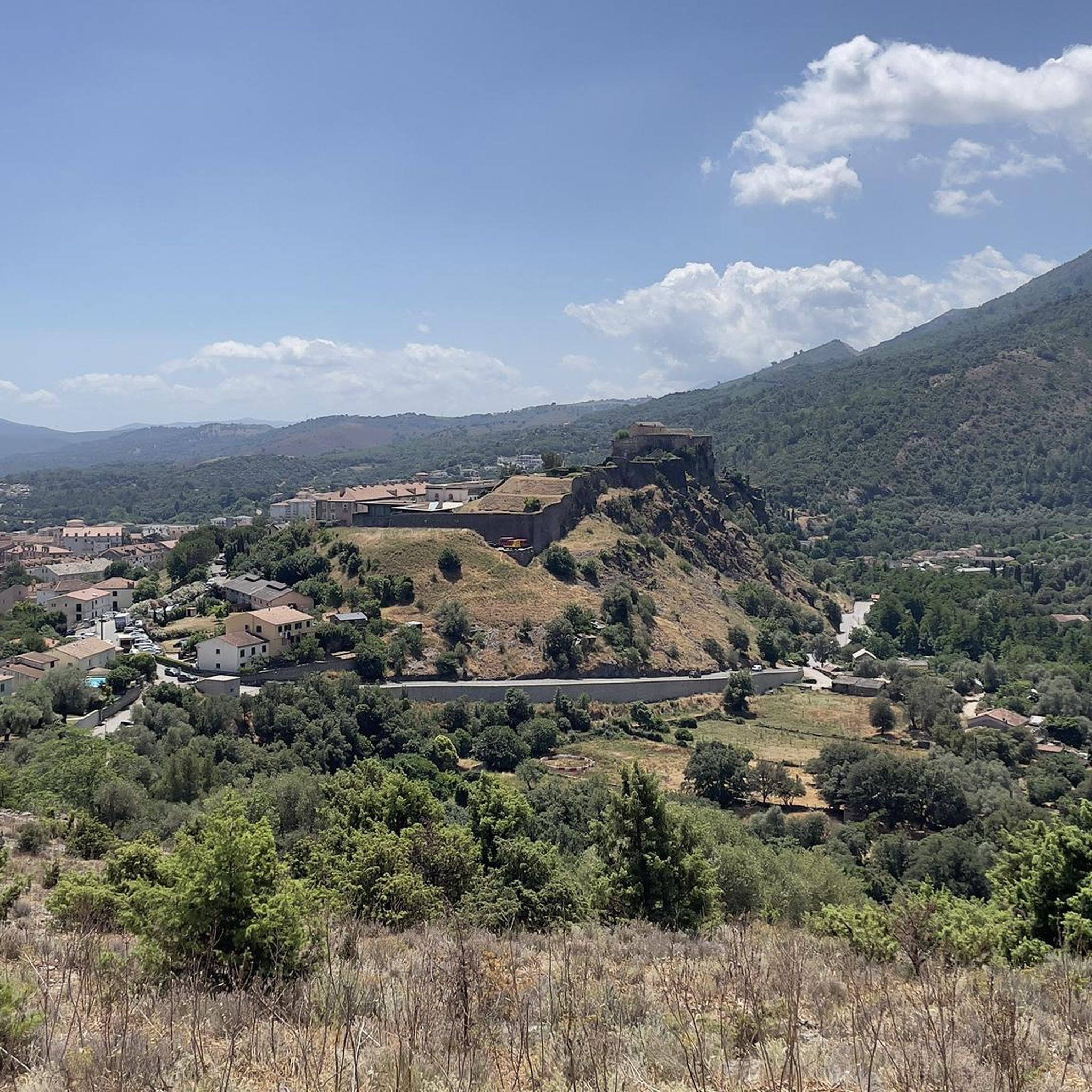
The Arche de Corte is a natural arch located above Corte and overlooking the valley of Tavignano. This icon of Corsica is well worth climbing. It may seem a little fragile but the rock is granite which gives the arch its strength.
3
0

No, you're not dreaming ! You are indeed in Corsica, although this narrow canyon may remind you of a Far West setting. This parade of La Scala di Santa Regina (Saint Régine's staircase) is a long gorge that stretches for more than 15 kilometers. It was dug by the Golo river which flows below. You evolve at the foot of high rock faces. That's wonderful !
3
0
Frequently Asked Questions
What are the most notable natural monuments to visit around Omessa?
Among the most notable natural monuments, you'll find The Arch of Corte, an iconic granite formation offering rewarding views after a challenging climb. Another must-see is La Scala di Santa Regina Gorge, a long gorge carved by the Golo river, featuring high rock faces and a canyon-like landscape. Within this gorge, the Scala di Santa Regina Stone Bridge showcases centuries-old mule tracks and unique reddish granite with tafoni weathering.
Are there opportunities for swimming in natural waters near Omessa?
Yes, the region offers several spots for refreshing dips. You can visit the Antia Stream Swimming Area, known for its cascades and pools where brave visitors can refresh. Another excellent option is the Tavignano River Swimming Pools, a beautiful river offering ample opportunities for swimming and even canyoning.
What kind of terrain and elevation can I expect on trails around Omessa's natural monuments?
The terrain around Omessa's natural monuments is diverse and often rugged. For instance, reaching The Arch of Corte involves a strenuous climb of about 1000 meters from Corte. The gorges, like La Scala di Santa Regina Gorge, feature high rock faces and can be quite warm. Generally, you can expect mountainous landscapes with significant elevation changes, characteristic of the Corsican interior.
What outdoor activities can I do near these natural monuments?
Beyond exploring the natural monuments themselves, the area around Omessa is excellent for various outdoor activities. You can find numerous routes for mountain biking, cycling, and road cycling. For example, there are challenging MTB trails like the 'Restonica Gorges – Ponte Restonica loop from Corte' and demanding road cycling routes such as the 'Santa Regina Pass – Vergio Pass loop from Omessa'. You can explore more options in the MTB Trails around Omessa, Cycling around Omessa, and Road Cycling Routes around Omessa guides.
Are there any family-friendly natural monuments or activities suitable for children?
While some trails can be challenging, areas like the Antia Stream Swimming Area and Tavignano River Swimming Pools offer opportunities for families to enjoy natural swimming spots. The paths to these areas might be rocky, so supervision is advised. For general exploration, the less strenuous sections of the gorges or riverbanks can be enjoyed by families with older children.
What is the best time of year to visit the natural monuments around Omessa?
The Corsican mountains are best visited during spring (April to June) and autumn (September to October) for hiking and exploring natural monuments. During these seasons, the weather is generally milder, and the landscapes are vibrant. Summer can be very hot, especially in the gorges, making early mornings or late afternoons preferable for activities. Winter can bring snow to higher elevations, limiting access.
What unique geological features can be observed in the area?
The region boasts several unique geological features. The Arch of Corte is a striking natural granite arch. La Scala di Santa Regina Gorge presents a dramatic canyon-like environment with high rock faces carved by the Golo river. Within this gorge, you can observe reddish granite rocks displaying fascinating tafoni weathering patterns, particularly around the Scala di Santa Regina Stone Bridge.
What do visitors enjoy most about the natural monuments around Omessa?
Visitors frequently highlight the spectacular views and the sense of accomplishment after challenging climbs. The unique rock formations, such as the Arch of Corte, are often compared to famous geological sites. The opportunity to swim in clear river pools amidst beautiful landscapes is also a major draw. Many appreciate the wild, untamed beauty and the feeling of being immersed in nature, often describing the experience as 'wonderful' and 'rewarding'.
Are there any viewpoints offering panoramic vistas of the natural scenery?
Yes, many natural monuments double as excellent viewpoints. The climb to The Arch of Corte offers rewarding panoramic views down to the Tavignano valley and Corte. The high rock faces within La Scala di Santa Regina Gorge also provide impressive vistas of the canyon-like landscape. Generally, the mountainous terrain around Omessa is rich with opportunities for scenic overlooks.
Is public transport available to reach these natural monuments?
While Omessa is situated in a region known for its natural beauty, specific public transport options directly to the more remote natural monuments are limited. It is generally recommended to have a car for exploring the diverse natural features of the Corsican interior, especially for reaching trailheads or specific highlights like the gorges and arches. Some areas might be accessible via regional bus services to nearby towns, but further travel to the monuments would likely require private transport or a taxi.
What should I wear when visiting the natural monuments, especially in autumn?
In autumn, the weather in the Corsican mountains can be variable. It's advisable to wear layers, including a waterproof and windproof outer shell, as temperatures can drop, and rain is possible. Sturdy hiking boots with good ankle support are essential for navigating rocky and uneven terrain, especially for challenging climbs like the one to The Arch of Corte. For river swimming areas, bring appropriate swimwear and water shoes.
Are there any cafes, pubs, or accommodation options directly near the natural monuments?
Directly at the natural monuments, facilities like cafes, pubs, or accommodation are generally not available, as these are often remote natural sites. However, nearby towns such as Corte, which is approximately 8.5 km from Omessa, offer a range of amenities including cafes, restaurants, and various accommodation options. It's best to plan your visits to the monuments with provisions and then return to a town for services.
Most popular attractions around Omessa

Get inspired with the komoot mobile app


Explore more
Extend your search for the best caves by checking out these guides of the top ones around Omessa:
