Top 20 Natural Monuments around Corscia
Best natural monuments around Corscia showcase the island's diverse geological and ecological richness. The region features dramatic coastal formations, serene mountain landscapes, and unique rock formations. Corscia offers a variety of natural sites, from high mountain summits to ancient bridges and river valleys. These locations provide opportunities to experience the island's distinct natural beauty.
Best natural monuments around Corscia
- The most popular natural monuments is The Arch of Corte, a natural_monument that is a spectacular rock formation located above…
Last updated: July 6, 2026
Monte Cinto
Highlight • Summit
Translated by Google •
Tip by

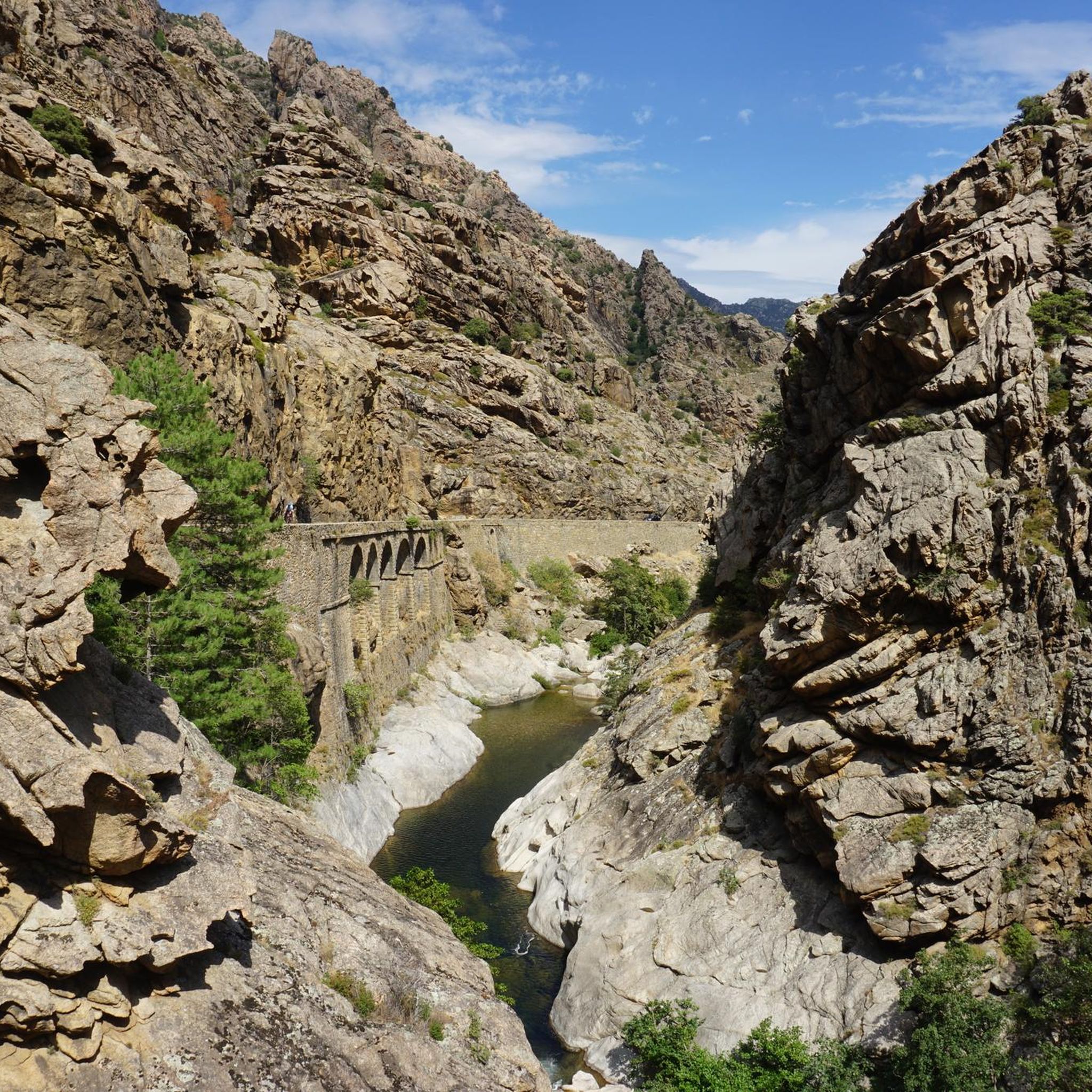
Muricciolu Bridge
Highlight • Bridge
Translated by Google •
Tip by

Sign up now to discover places like this
Get recommendations on the best single tracks, peaks, & plenty of other exciting outdoor places.
Sign up for free
The Arch of Corte
Highlight • Natural Monument
Translated by Google •
Tip by
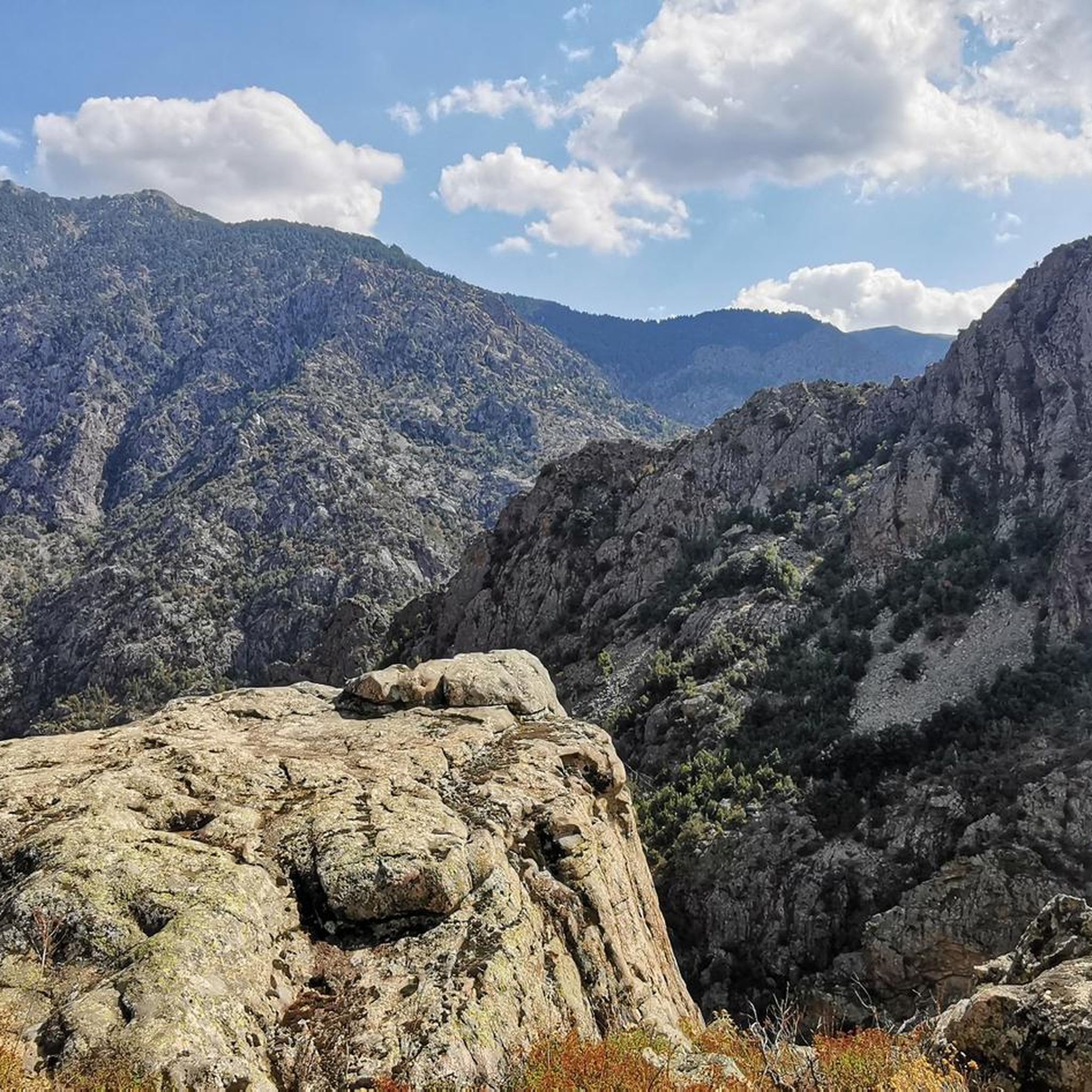
Stagnu Pass
Highlight • Summit
Translated by Google •
Tip by

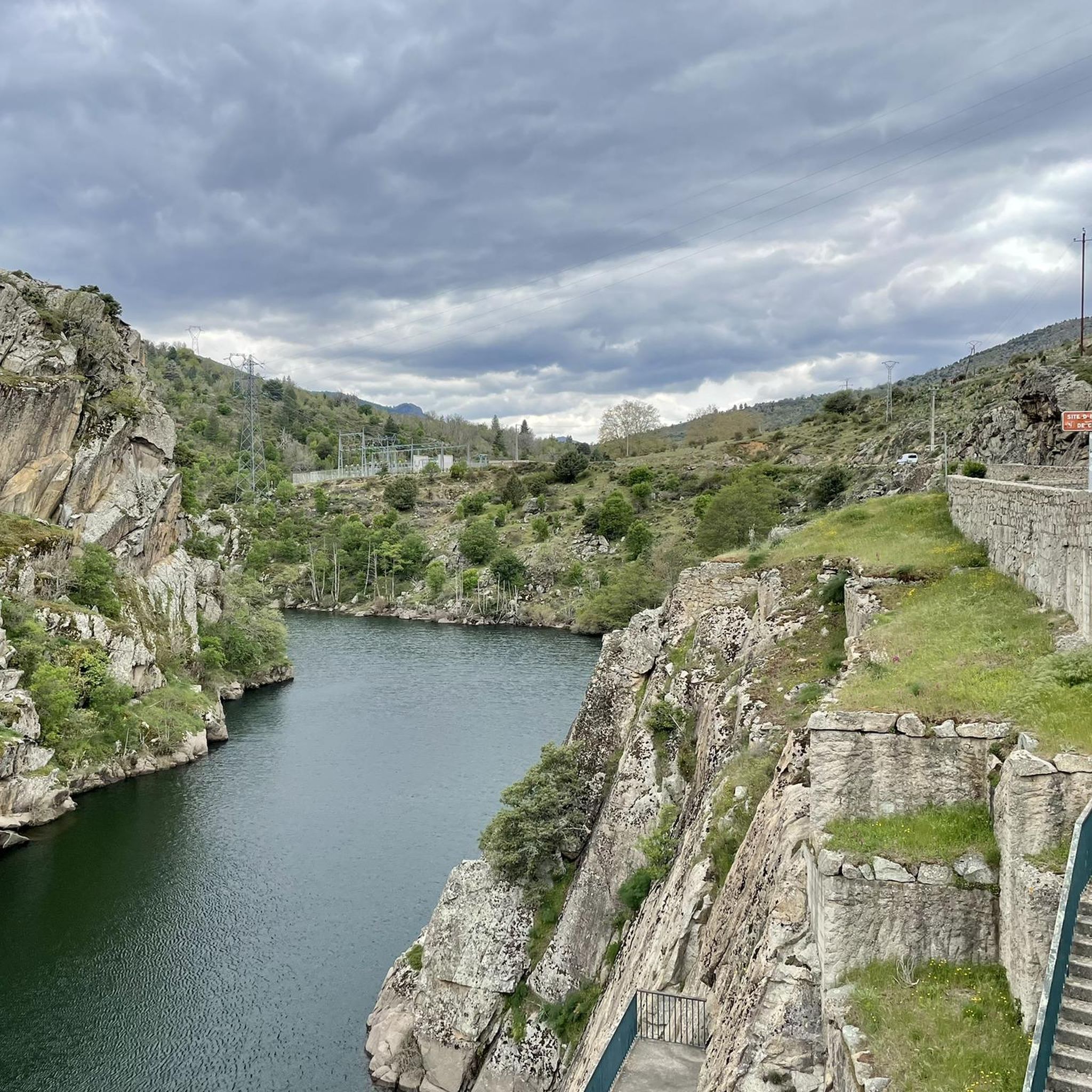
Riviseccu River
Highlight • River
Translated by Google •
Tip by

Sign up for free to discover even more natural monuments around Corscia.
Sign up for free
Already have an account?
Start today with a free account
Your next adventure awaits.
Login or Signup
Tips from the Community

Added to the collection: https://www.komoot.com/de-de/collection/3600632/-naturdenkmaeler-besondere-baeume-und-weitere-schaetze-der-natur
0
0

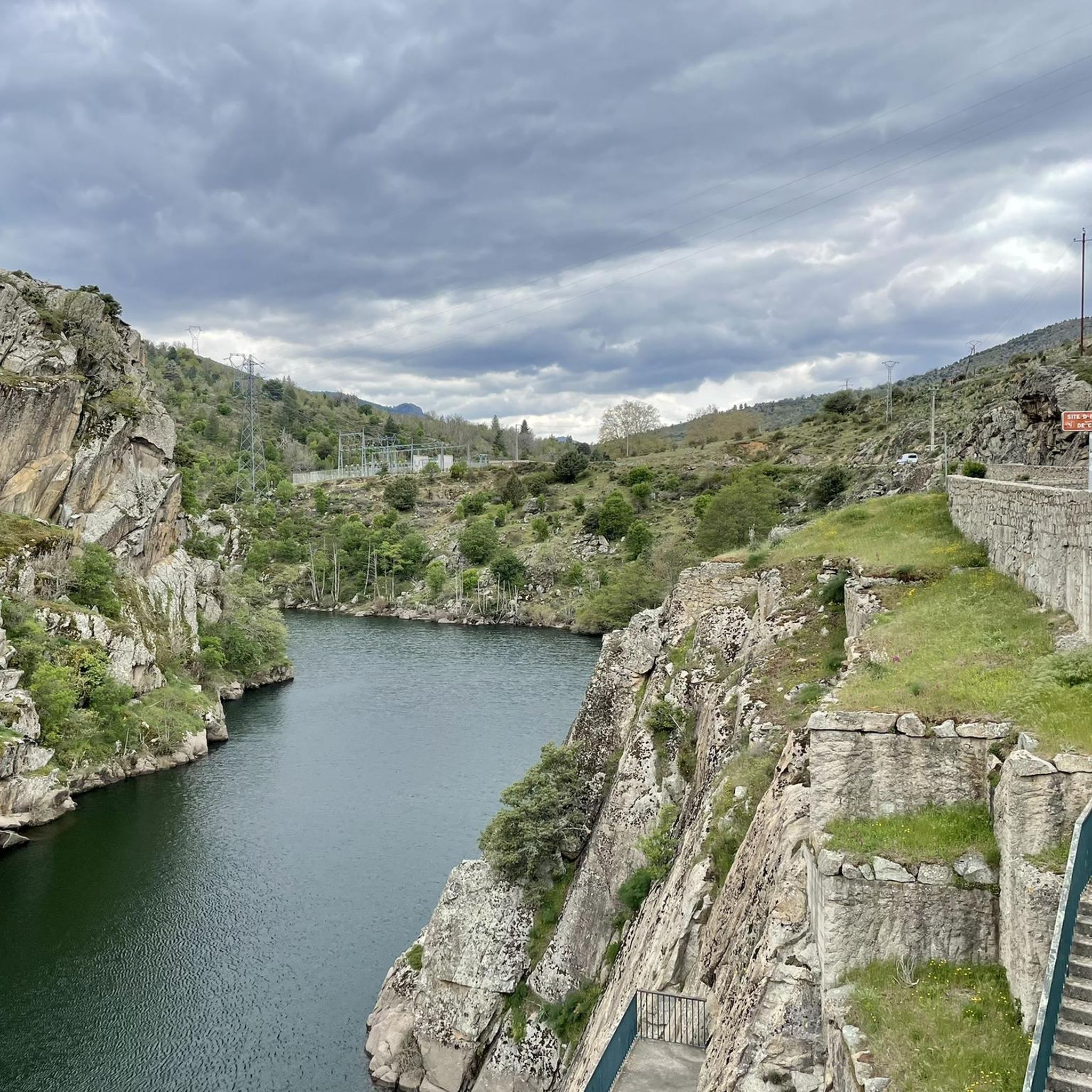
As already mentioned, the bridge has been destroyed and closed since a flood two years ago. But it is easily passable for those with little experience, at their own risk, of course. Simply walk down the broken structure on the south side like a staircase.
0
0

The **Vallée de la Restonica** is a true natural paradise, and the area around **Riviseccu** offers some of the most beautiful hiking trails and landscapes in Corsica. Here is some interesting information about Riviseccu and the surrounding area: 1. **Hiking Trails**: - The **Sentier de la basse vallée de la Restonica** is particularly family-friendly and ideal for relaxing walks. This trail becomes very popular during the summer months as it offers breathtaking views of the surrounding nature. - A popular hiking trail leads from the **Passerelle de Chjarasgiolu** to the **Passerelle de Riviseccu**. This trail has a rating of **4.4 out of 5 stars** and is known for its scenic views. 2. **Access**: - Access to the Vallée de la Restonica is via the D623, approximately **1.1 km** past the Tuani campsite and the ruins of the **Chapelle des Grecs**. 3. **Nature Experience**: - Riviseccu is less well-known and therefore offers a quieter, more unspoiled environment, ideal for nature lovers. The hikes here are often less frequented, allowing for a more intense nature experience. 4. **Reviews**: - The Bergeries de Riviseccu have a rating of **4.3 out of 5 stars**, based on the experiences of hikers who have explored the region. The **Vallée de la Restonica**, and especially the area around **Riviseccu**, are perfect for anyone looking to experience Corsica's natural beauty.
2
0


The bridge is not passable (or only for the brave). However, you can cross the stream in some places (in your underwear). Otherwise, it's a great picnic and swimming spot.
0
0

Great bathing spot at the end of May 2024! The bridge is currently not passable and the municipality is redirecting the path (access ban). However, if you can cross the river, there is no need for a redirection.
0
0

Consisting of granite, this solid arch with such fragile airs is a symbol of Corsica. An obligatory passage through the Tavignano valley, on the heights of Corte.
0
0
Frequently Asked Questions
What are some of the most remarkable natural monuments in Corsica?
Corsica boasts a diverse range of natural monuments. Highlights include the dramatic coastal formations of the Scandola Nature Reserve and the Calanques de Piana, both UNESCO World Heritage sites. Inland, you'll find the majestic Monte Cinto, the highest peak on the island, and the impressive granite spires of the Aiguilles de Bavella. The Arch of Corte is another spectacular rock formation overlooking the Tavignano valley.
Are there family-friendly natural monuments to visit in Corsica?
Yes, several natural monuments in Corsica are suitable for families. The area around the Riviseccu River in the Restonica Valley offers particularly family-friendly hiking trails and natural pools for refreshing dips. The Lavezzi Islands, accessible by boat, also provide fine sandy beaches and calm waters ideal for a family day out.
What unique natural features can I expect to see at Corsica's natural monuments?
You can expect to see a wide array of unique natural features. The coastal areas, such as Scandola and the Calanques de Piana, are famous for their red porphyry and granite rock formations, sea caves, and diverse marine life. In the mountains, you'll encounter towering granite needles like the Aiguilles de Bavella, high mountain lakes, and unique 'pozzines' (natural water-filled holes in spongy lawns) found at Lake Nino and Coscione. River valleys like Restonica offer white-water canyons and natural swimming pools.
What outdoor activities can I do near Corsica's natural monuments?
The natural monuments in Corsica offer numerous outdoor activities. You can enjoy hiking, with trails ranging from easy strolls to challenging ascents like those leading to Monte Cinto or the Stagnu Pass. Canyoning is popular in areas like the Aiguilles de Bavella, while boat tours are ideal for exploring coastal sites like Scandola and the Calanques de Piana. For cycling enthusiasts, there are many routes around the region, including challenging road cycling routes like the Restonica Valley Trail or the Santa Regina Pass. Find more details on these activities in our guides for Mountain Hikes around Corscia, Road Cycling Routes around Corscia, and Cycling around Corscia.
Are there any historical or cultural sites among Corsica's natural monuments?
Yes, some natural monuments also hold historical significance. The Muricciolu Bridge, for instance, is a Genoese work built between the 16th and 18th centuries, accompanied by an old mill, offering a glimpse into the island's past alongside its natural beauty.
Which natural monuments offer the best viewpoints in Corsica?
Many natural monuments provide spectacular viewpoints. Monte Cinto, as Corsica's highest point, offers expansive panoramic views. The Stagnu Pass on the GR20 also provides breathtaking vistas. The D81 road through the Calanques de Piana has numerous lookouts, especially stunning at sunset. The Arch of Corte offers a rewarding view down to the Tavignano valley and Corte after a steep climb.
What is the best time to visit Corsica's natural monuments?
The best time to visit Corsica's natural monuments largely depends on the activity. Spring (April-June) and autumn (September-October) are ideal for hiking and exploring mountain sites like the Aiguilles de Bavella or the Restonica Gorges, as the weather is milder and the landscapes are vibrant. For coastal exploration and swimming in places like Scandola or the Lavezzi Islands, the summer months (July-August) are most popular, though they can be crowded.
How can I access some of Corsica's natural monuments?
Access varies by location. Coastal sites like the Scandola Nature Reserve and the Calanques de Piana are primarily accessed by boat tours departing from towns like Porto or Calvi. The Calanques can also be explored by car via the D81 road. Mountain areas like the Aiguilles de Bavella and the Restonica Gorges are accessible by car, with winding roads leading to trailheads and viewpoints. Some remote sites, such as Lake Nino, require significant hiking.
Where can I find wild swimming spots near Corsica's natural monuments?
Corsica offers many opportunities for wild swimming. The Restonica Gorges, near Corte, are dotted with natural pools of clear water, perfect for a refreshing dip after a hike. The Lavezzi Islands boast crystal-clear waters and fine sandy beaches ideal for swimming and snorkeling. You can also find inviting swimming spots near the Muricciolu Bridge.
Are there challenging hikes around Corsica's natural monuments?
Yes, Corsica is renowned for its challenging hikes. The ascent to Monte Cinto, the island's highest peak, is a demanding but rewarding experience. The Stagnu Pass is an emblematic passage on the famous GR20 trail, known for its rugged terrain and spectacular views. The climb to the Arch of Corte also involves a steep ascent. For more challenging routes, explore our guide on Mountain Hikes around Corscia.
Are there any less-known natural gems in Corsica worth exploring?
While many sites are popular, areas like the Riviseccu River in the Restonica Valley are often less frequented, offering a quieter and more unspoiled nature experience. These areas provide an intense connection with Corsica's natural beauty away from the main crowds.
What are the differences between Corsica's coastal and mountain natural monuments?
Corsica's natural monuments offer distinct experiences depending on whether they are coastal or mountainous. Coastal sites like the Scandola Nature Reserve and Calanques de Piana feature dramatic red rock cliffs, sea caves, and rich marine biodiversity, best explored by boat. Mountain sites such as the Aiguilles de Bavella, Monte Cinto, and the Restonica Gorges are characterized by towering granite formations, deep gorges, alpine lakes, and ancient forests, ideal for hiking, canyoning, and experiencing rugged mountain scenery.
Most popular attractions around Corscia

Get inspired with the komoot mobile app


Explore more
Extend your search for the best caves by checking out these guides of the top ones around Corscia:
