Top 15 Natural Monuments around Serdinya
Best natural monuments around Serdinya include a variety of geological formations and elevated viewpoints within the Pyrenees-Orientales region. This area is characterized by its mountainous terrain, offering significant peaks and natural features shaped by geological processes. The landscape provides opportunities for exploring high-altitude environments and observing diverse natural structures. These natural features contribute to the region's appeal for outdoor activities.
Best natural monuments around Serdinya
- The most popular natural monuments is Canigou, a summit that is considered a symbol…
Last updated: June 22, 2026
Canigou
Highlight • Summit
Translated by Google •
Tip by

Pic de la Pena
Highlight • Summit
Tour to the highlight: komoot.de/tour/340851629?ref=itd
Translated by Google •
Tip by

Sign up now to discover places like this
Get recommendations on the best single tracks, peaks, & plenty of other exciting outdoor places.
Sign up for free
The Estanyol
Highlight • Lake
Translated by Google •
Tip by

Refuge de Bonne-Aigue
Highlight • Mountain Hut
It is open all year round to hikers.
Translated by Google •
Tip by
Roc de la Foradada
Highlight • Natural Monument
Translated by Google •
Tip by

Sign up for free to discover even more natural monuments around Serdinya.
Sign up for free
Already have an account?
Start today with a free account
Your next adventure awaits.
Login or Signup

Tips from the Community

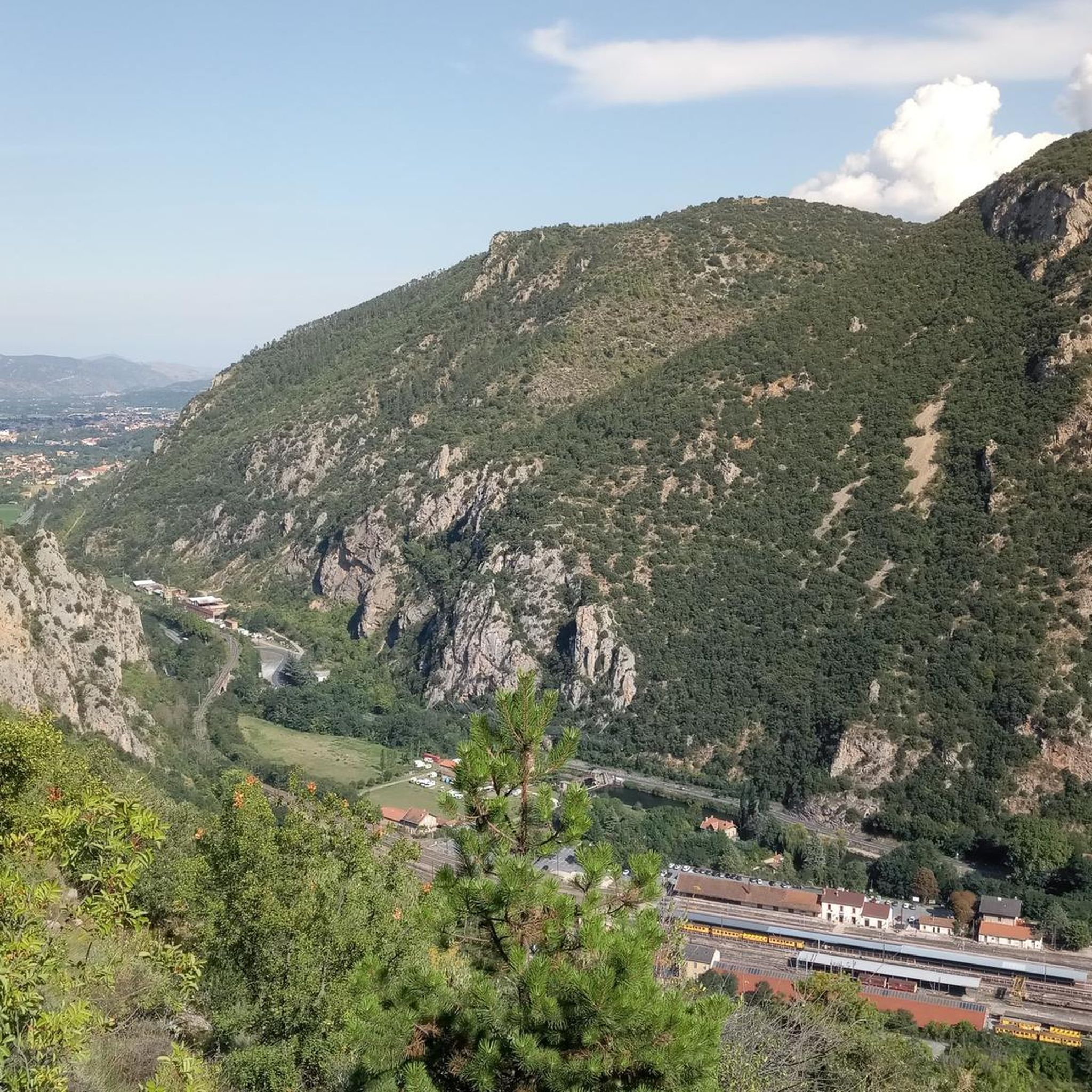
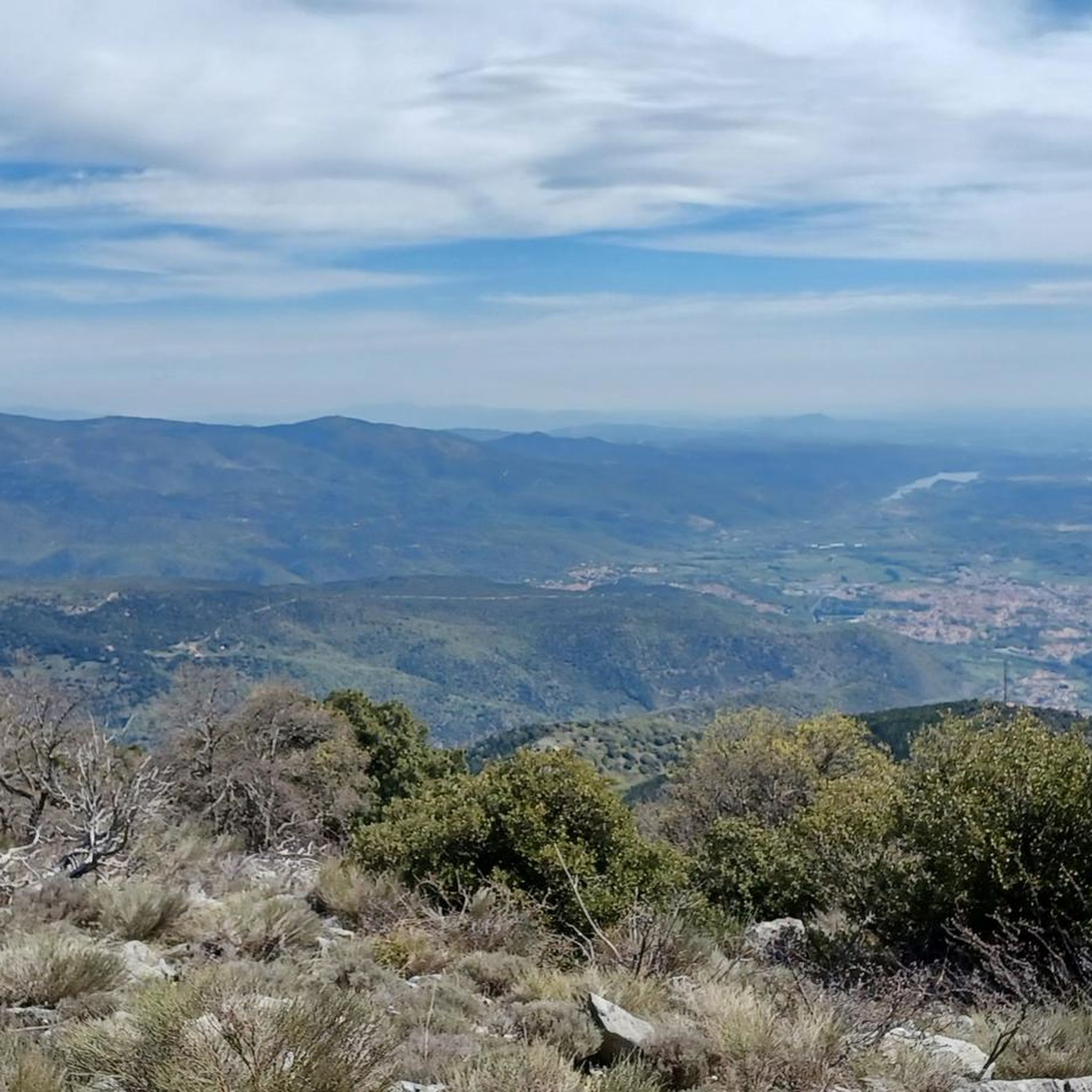
Beautiful point to look around and let each other pass
15
0

Generally shaded, this loop can be done in hot weather.
0
0

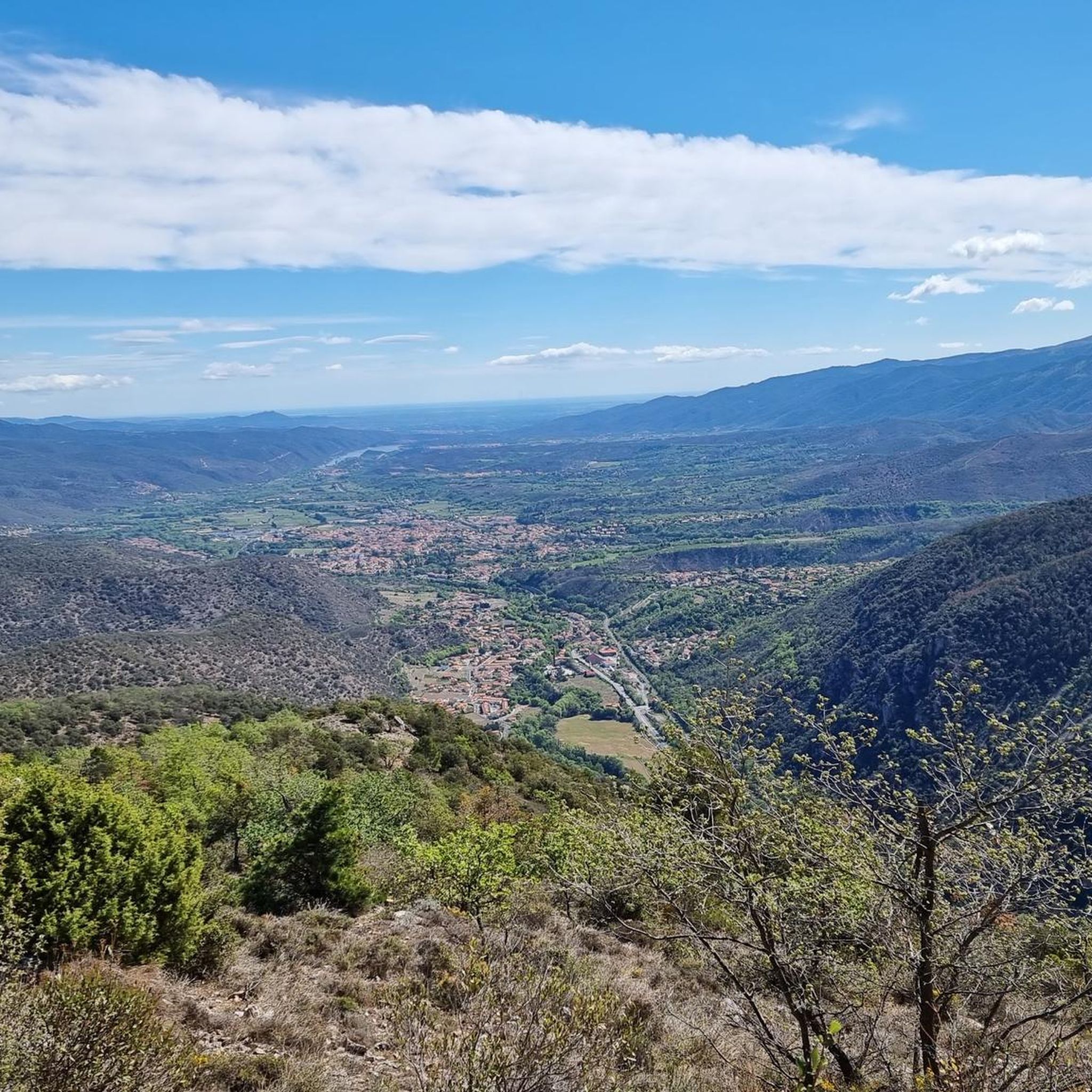
The classic and arguably most-visited peak of the Eastern Pyrenees. Due to its location, this mountain can be seen far into France. The gravel road to the Ras dels Cortalets parking lot requires good shock absorbers (please correct me if it's no longer allowed to drive there). From there, it's only 600 meters of elevation gain via Pic Joffre to the summit. The second ascent from the south is somewhat more challenging, so a traverse is also possible.
2
3

Magnificent summit, one of the emblems of Catalonia, the ascent and descent made by the famous chimney more impressive than difficult
0
0

Unmanned shelter with fresh spring water
3
0

This small pond is one of the corners of paradise hidden here and there in the mountains. Come closer, sit down and take the time to observe the wildlife and the landscape. It is ideally located for a break before starting the ascent to the Canigou peak.
0
0
This old, unguarded refuge is still in good condition. It is perched on a privileged location, on a balcony, offering superb panoramas of Vernet-les-Bains on the north-west slope of Canigou. It is open all year round to hikers.
1
0

The Canigou peak is a peak in the Pyrénées-Orientales in the south of France. Culminating at 2,784 meters above sea level, it is located in the Catalan Pyrenees regional natural park, approximately 50 kilometers from the city of Perpignan. Canigou Peak is considered a symbol of Catalonia, with a legend that the mountain is the throne of the King of Catalonia. It is also considered a sacred place for Catalans, with a local tradition of going up the mountain to watch the sunrise on the summer solstice. The mountain is a popular hiking spot, with several hiking trails leading to the summit. Hikers can also spend the night in mountain huts located along the trails. In winter, Canigou is also a place for cross-country skiing and snowshoeing. The summit of Canigou offers a panoramic view of the Pyrenees and the Mediterranean, as well as the city of Perpignan and the Roussillon plain. The region is also rich in flora and fauna, with species such as chamois, mouflon and golden eagle. Canigou Peak is an important place of pilgrimage for Catalans, as well as a place to hike and explore for visitors to the region.
5
3
Frequently Asked Questions
What are some of the most prominent natural monuments to visit around Serdinya?
The region around Serdinya is home to several impressive natural monuments. Among them, Canigou stands out as a symbol of Catalonia, offering panoramic views from its 2,784-meter summit. Another notable spot is Pic de la Pena, providing a magnificent panorama at 1062 meters. Don't miss Roc de la Foradada, an impressive geological formation featuring a narrow passage cut in the rock.
Are there family-friendly natural monuments or activities around Serdinya?
While many natural monuments involve hiking, some areas offer more accessible experiences. For a peaceful break, The Estanyol, a small pond, is an idyllic spot to observe wildlife and the landscape, suitable for families looking for a gentle outing. The general appeal of the region's natural features, like lakes and unique rock formations, can be enjoyed by various age groups, though specific 'family-friendly' categorizations for all monuments are not available.
What kind of outdoor activities can I do near the natural monuments in Serdinya?
The natural monuments around Serdinya are excellent starting points for various outdoor activities. You can find numerous hiking trails, such as the 'Church of Notre-Dame de Vie loop from Villefranche-de-Conflent' or the more challenging 'Jujols Orientation Table – Fonte Freda loop'. For cyclists, there are routes like 'From Olette to lake Matemale', and mountain bikers can explore trails like 'Col de Jou – Vernet-les-Bains washhouse loop'. You can find more details on these activities in the hiking, cycling, and MTB guides for Serdinya.
What are the best hiking trails to access the natural monuments?
Many natural monuments in Serdinya are best explored on foot. For Canigou, there are several trails leading to its summit, with options for overnight stays in mountain huts. Pic de la Pena is also accessible via hiking routes, offering extensive views. The 'Roc de la Coste loop from Jujols' is a moderate option, while the 'Jujols Orientation Table – Fonte Freda loop' presents a more difficult challenge. Always check trail conditions before you go.
Are there any natural monuments that offer significant panoramic views?
Absolutely. Canigou, at 2,784 meters, provides a breathtaking panoramic view of the Pyrenees, the Mediterranean, and the Roussillon plain. Similarly, Pic de la Pena offers a magnificent panorama at 1062 meters. Even the Refuge de Bonne-Aigue is perched in a privileged location, offering superb panoramas of Vernet-les-Bains.
What kind of geological features can be observed in the Serdinya region?
The Serdinya region, part of the Pyrenees-Orientales, is characterized by its mountainous terrain and diverse geological formations. You can observe significant peaks like Canigou, which is a major summit. Unique rock formations are also present, such as Roc de la Foradada, a narrow passage cut naturally into the rock. The landscape is shaped by geological processes, offering high-altitude environments and distinctive natural structures.
What do visitors particularly enjoy about the natural monuments around Serdinya?
Visitors to Serdinya's natural monuments often highlight the stunning panoramic views, especially from summits like Canigou and Pic de la Pena. The unique geological formations, such as the impressive Roc de la Foradada, are also highly appreciated. Many enjoy the sense of peace and the opportunity to observe wildlife around places like The Estanyol, and the challenging yet rewarding hiking experiences.
Are there any natural monuments that are also significant cultural or historical sites?
Yes, Canigou is not just a natural monument but also holds significant cultural importance. It is considered a symbol of Catalonia and a sacred place for Catalans, with traditions like watching the sunrise on the summer solstice from its summit. The region's history is intertwined with its natural landscape, offering a blend of natural beauty and cultural heritage.
Can I find accommodation or refuges near the natural monuments?
Yes, for those planning longer excursions, there are options for accommodation. For instance, hikers ascending Canigou can spend the night in mountain huts located along the trails. The Refuge de Bonne-Aigue is an old, unguarded refuge that is still in good condition and open all year round to hikers, offering a convenient stop with superb panoramas.
What is the best time of year to visit the natural monuments around Serdinya?
The best time to visit largely depends on the activity you plan. For hiking and exploring the higher peaks like Canigou, the warmer months from late spring to early autumn are generally ideal, offering more favorable weather conditions. In winter, Canigou also becomes a spot for cross-country skiing and snowshoeing, offering a different experience for those equipped for snow.
Are there any lakes or ponds among the natural monuments in Serdinya?
Yes, the region offers serene water features. The Estanyol is a small pond nestled in the mountains, providing a peaceful spot to observe wildlife and enjoy the tranquil landscape. It's ideally located for a break, especially if you're planning an ascent towards Canigou.
Most popular routes around Serdinya
Most popular attractions around Serdinya

Get inspired with the komoot mobile app


Explore more
Extend your search for the best caves by checking out these guides of the top ones around Serdinya:
