Top 16 Natural Monuments around Étalondes
Best natural monuments around Étalondes showcase the dramatic beauty of the Alabaster Coast in Normandy's Seine-Maritime department. This region is characterized by impressive geological features and picturesque coastal landscapes. Visitors can explore significant natural formations that highlight the area's unique geology. The terrain offers various opportunities to experience the natural features of the French coastline.
Best natural monuments around Étalondes
- The most popular natural monuments is Ault Chalk Cliffs, a natural monument that features striking chalk cliffs recognized as…
Last updated: July 6, 2026
Ault Chalk Cliffs
Highlight • Natural Monument
Translated by Google •
Tip by

La Cise Cliff
Highlight • Natural Monument
Translated by Google •
Tip by

Sign up now to discover places like this
Get recommendations on the best single tracks, peaks, & plenty of other exciting outdoor places.
Sign up for free
Bois de Cise
Highlight • Forest
Translated by Google •
Tip by

Cliffs of Ault
Highlight • Natural Monument
Even if the city has lost its splendor, the site is impressive, because to the north, the plain of …
Translated by Google •
Tip by

Viewpoint overlooking the cliffs of Le Tréport
Highlight • Viewpoint
Translated by Google •
Tip by

Sign up for free to discover even more natural monuments around Étalondes.
Sign up for free
Already have an account?
Start today with a free account
Your next adventure awaits.
Login or Signup
Tips from the Community


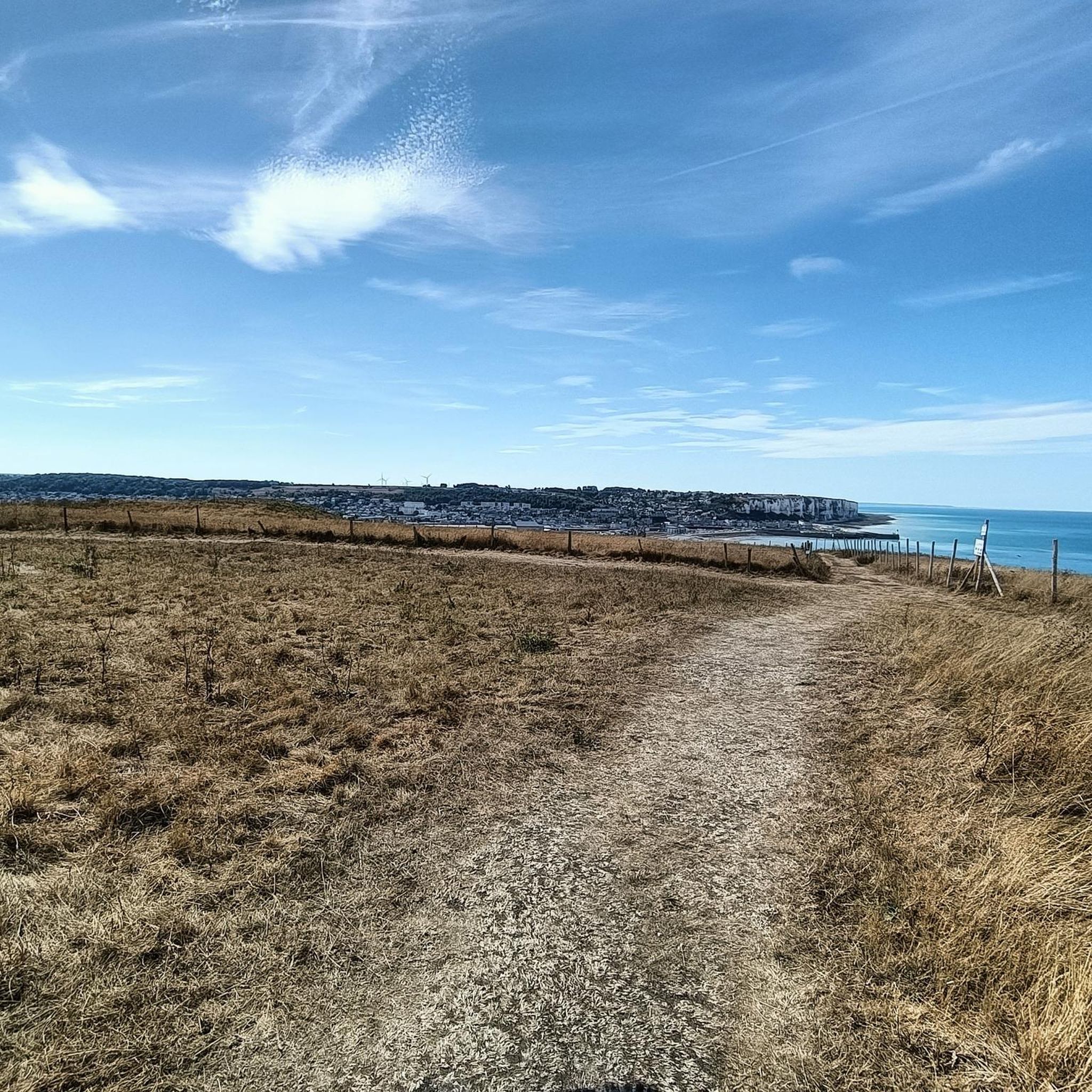
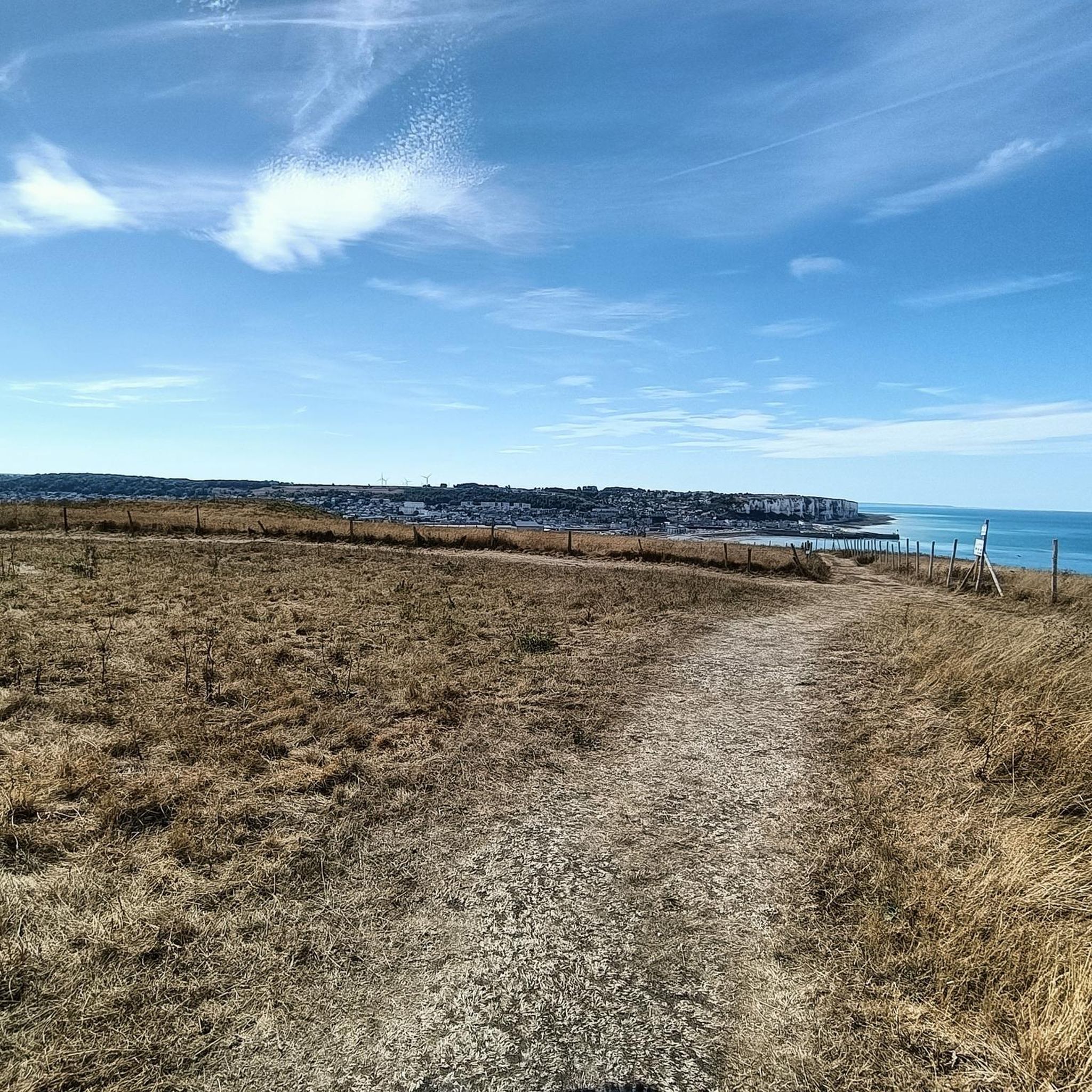
you don't have to take the cliff top path on the last stretch to Treport funicular
0
0

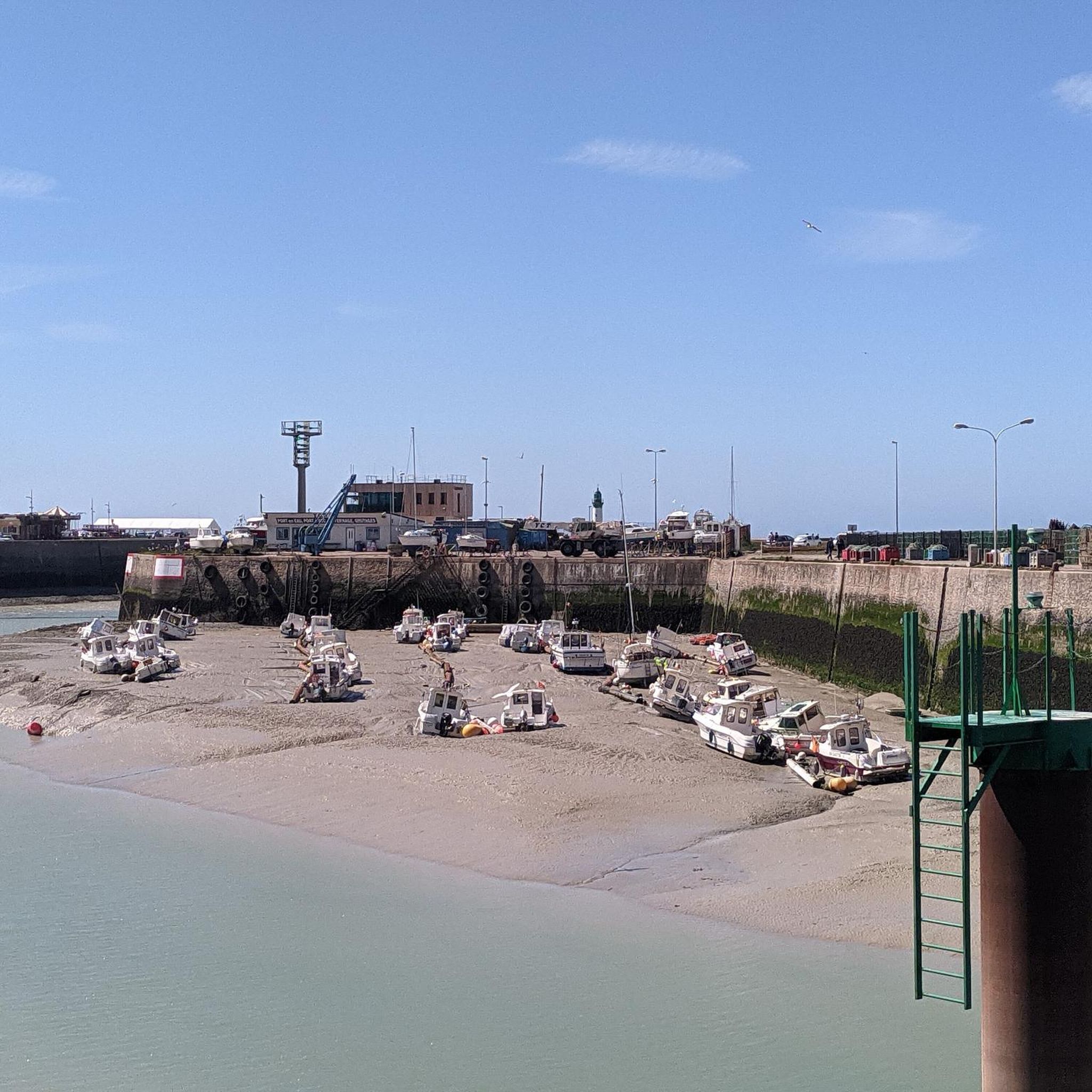
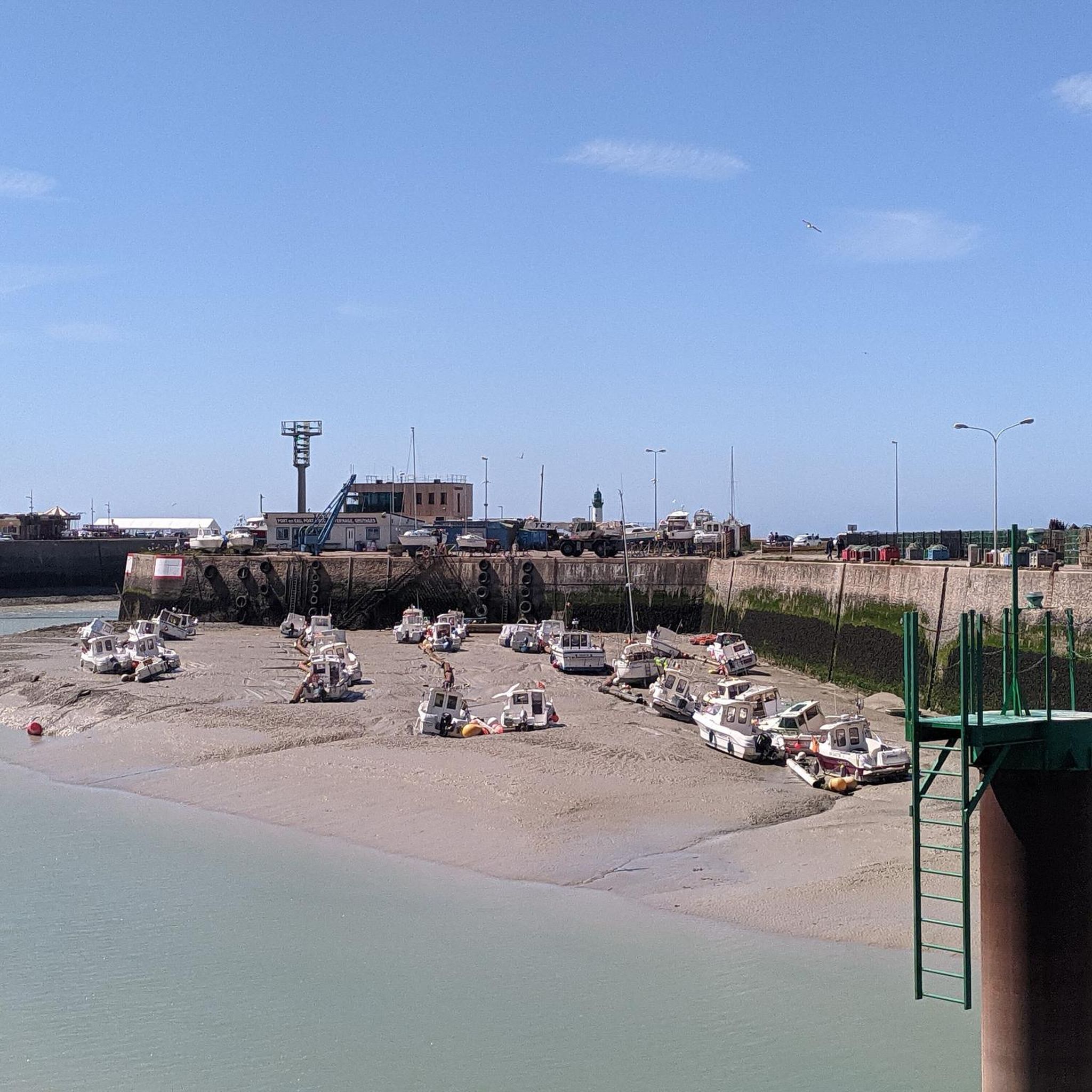
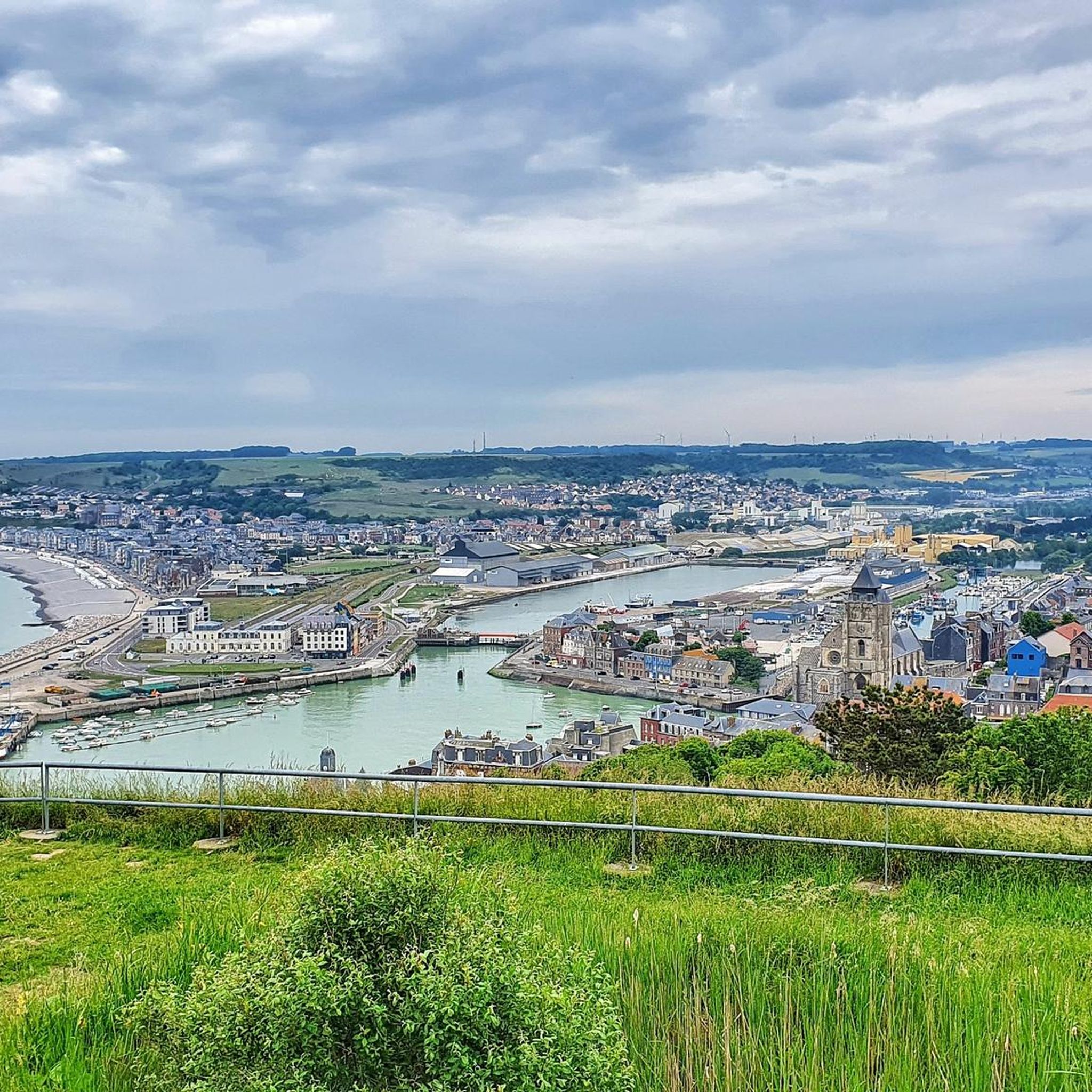
Above the cliffs of Le Treport there is a great view over the city, the sea and the cliffs of Mers-les-Bains.
3
0
The cliffs are made of chalk and are impressive to look at.
3
0
Here in Ault begin the chalk cliffs, which stretch all the way to Normandy and repeatedly appear as enormous cliffs.
4
0


The cliffs around the beach of Ault are composed of chalk from the Upper Cretaceous, more precisely from the Turonian and Coniacian (around 83 million years ago to 90 million years ago). They are strewn with flint nodules which highlight the subhorizontal stratification planes (the formation of flint has already been discussed in Discovery of the geology of the cliffs of Étretat, presentation of an excursion from the beach of Tilleul (Antifer) to the Porte d'Amont (Étretat Nord)). The relative proportion of chalk and flint is around 90-95% chalk to 5-10% flint. Flint horizons are stratigraphic markers. On the cliffs of Ault, the regular flint band called Seven Sisters is recognizable and characterizes the boundary between the Middle Coniacian and the Upper Coniacian (around 87 million years ago). The boundary between the lower and middle Coniacian is marked by the Shoreham 2 marl level, which is more difficult to identify. These lithostratigraphic markings allow in particular the correlation of distant deposits, such as between the Normandy and Picardy coasts, or between the French and English coasts.
3
0
Frequently Asked Questions
What are the most prominent natural features to see around Étalondes?
The region around Étalondes is renowned for its dramatic chalk cliffs, which are a defining characteristic of the Normandy Alabaster Coast. You'll find impressive geological formations composed of chalk from the Upper Cretaceous period, often interspersed with flint nodules. Key sites include the Ault Chalk Cliffs and La Cise Cliff, both offering spectacular coastal views and insights into the area's unique geology.
Are there hiking trails near the natural monuments around Étalondes?
Yes, there are several hiking opportunities near the natural monuments. For instance, you can explore trails along the cliffs, such as the path near La Cise Cliff, which offers scenic and exhilarating walks overlooking the Bay of Somme. You can find more detailed hiking routes and guides in the Hiking around Étalondes guide, which includes routes like 'La Falaise Trail'.
What kind of geological features can be observed at these natural monuments?
The natural monuments around Étalondes, particularly the chalk cliffs, showcase fascinating geological features. These cliffs are primarily composed of chalk from the Upper Cretaceous period (around 83 to 90 million years ago). You can observe subhorizontal stratification planes highlighted by flint nodules. At La Cise Cliff, for example, the regular flint band known as the Seven Sisters is recognizable, marking a significant geological boundary.
What do visitors enjoy most about the natural monuments in this area?
Visitors frequently praise the breathtaking coastal views and the sheer scale of the chalk cliffs. Many appreciate the opportunity to explore both cliffside paths and sandy shores, especially at low tide. The area's unique geological significance and the dramatic landscapes, such as those seen from the Viewpoint overlooking the cliffs of Le Tréport, are highly valued. The komoot community has collectively given these locations over 290 upvotes and shared more than 110 photos.
Are there any family-friendly natural monuments or activities suitable for children?
While many of the cliff trails can be challenging, areas like the Ault Chalk Cliffs and the nearby Plage d'Ault offer opportunities for families to enjoy the coastal environment. The sandy beach at Onival, near Ault, provides a different coastal experience, especially at low tide, where children can explore the shore with views of the impressive cliffs.
Can I find viewpoints offering panoramic vistas of the coast?
Absolutely. The region is rich in viewpoints that provide stunning panoramic vistas. The Viewpoint overlooking the cliffs of Le Tréport is a prime example, offering impressive views of the chalk walls. Similarly, the Cliffs of Ault provide expansive views where the Normandy cliffs begin to rise, stretching towards the Normandy coast and the Bay of Somme.
What other outdoor activities can I do near these natural monuments?
Beyond hiking, the area around Étalondes offers opportunities for gravel biking and mountain biking. You can find various routes that take you through the scenic landscapes near the natural monuments. For gravel biking, check out the Gravel biking around Étalondes guide, and for mountain biking, refer to the MTB Trails around Étalondes guide.
Are there any natural monuments that are less crowded?
While popular sites like the Ault Chalk Cliffs attract many visitors, exploring some of the less-known sections of the Alabaster Coast or visiting during off-peak hours can offer a more tranquil experience. The broader coastal landscape, including areas near the Cliffs of Mers-les-Bains, provides extensive stretches where you can find quieter spots to appreciate the natural beauty away from the main tourist hubs.
What is the best time of year to visit the natural monuments around Étalondes?
The natural monuments around Étalondes can be enjoyed throughout the year, but spring and early autumn often offer the most pleasant conditions for exploring. During these seasons, the weather is generally mild, and the landscapes are vibrant. Summer can be popular, while winter offers a dramatic, rugged beauty, though some paths might be more challenging due to weather conditions.
Are there any natural monuments with historical significance?
While primarily natural, the dramatic coastal landscape itself has historical context, having served as a natural barrier and viewpoint throughout history. The region's geological formations, such as the chalk cliffs, tell a story millions of years old. Additionally, some viewpoints, like the Viewpoint overlooking the cliffs of Le Tréport, may feature monuments or signs commemorating historical events or figures related to the area.
Where can I see the highest cliffs in the region?
For truly impressive heights, you should visit the White cliffs near Criel Plage. These cliffs are among the highest in Europe, reaching up to 106 meters on the Mont-Joli Bois. They offer a magnificent spectacle, especially at sunset, and are composed of striking chalk and flint formations.
Is it possible to access sandy beaches near the natural monuments?
Yes, while many parts of the Alabaster Coast feature pebble beaches, you can find sandy stretches, particularly at low tide. The Plage d'Ault, for instance, is intrinsically linked to the Ault Chalk Cliffs and offers access to a sandy beach at low tide, providing a different perspective of these impressive formations.
Most popular routes around Étalondes
Most popular attractions around Étalondes

Get inspired with the komoot mobile app


Explore more
Extend your search for the best caves by checking out these guides of the top ones around Étalondes:
