Top 4 Natural Monuments around Queyrières
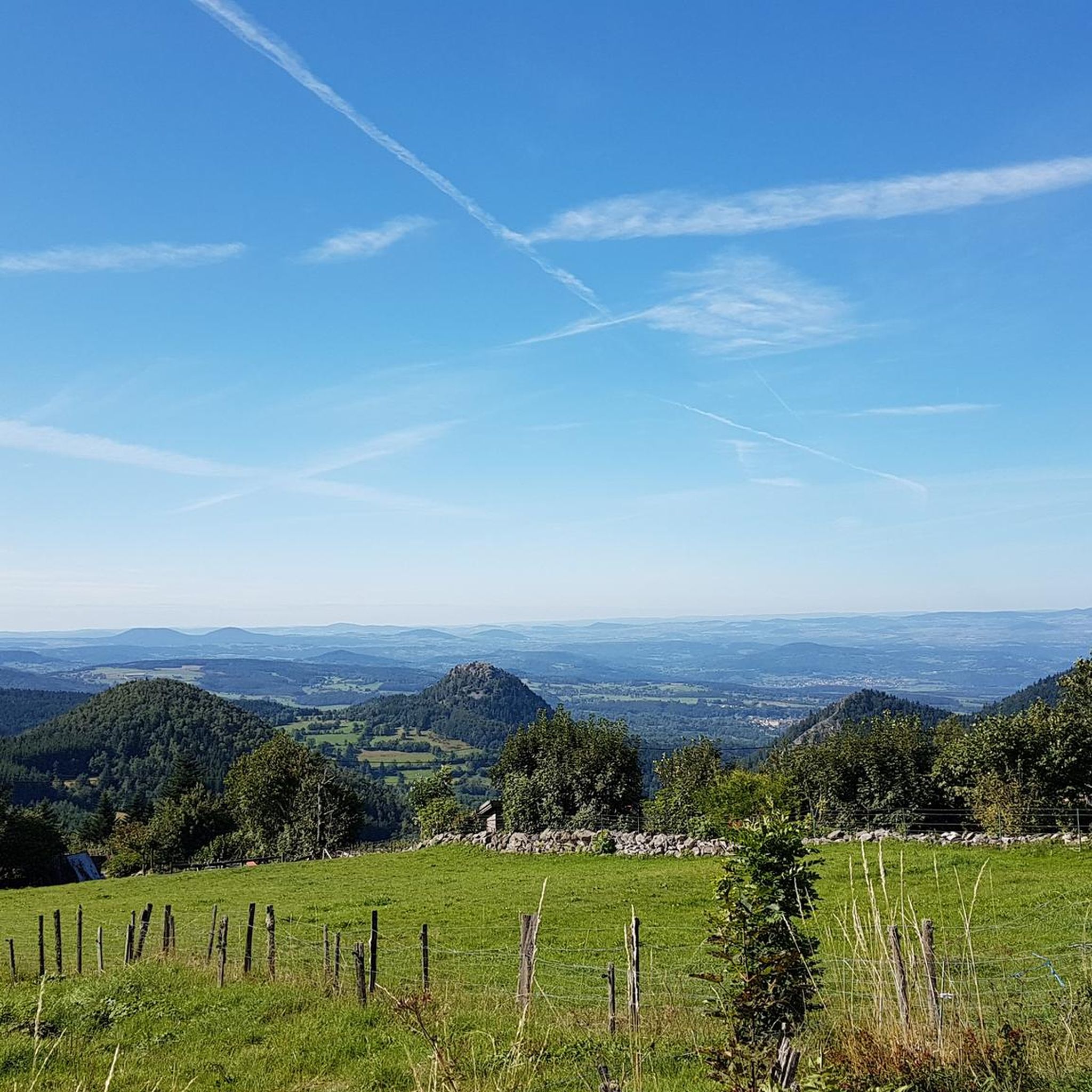
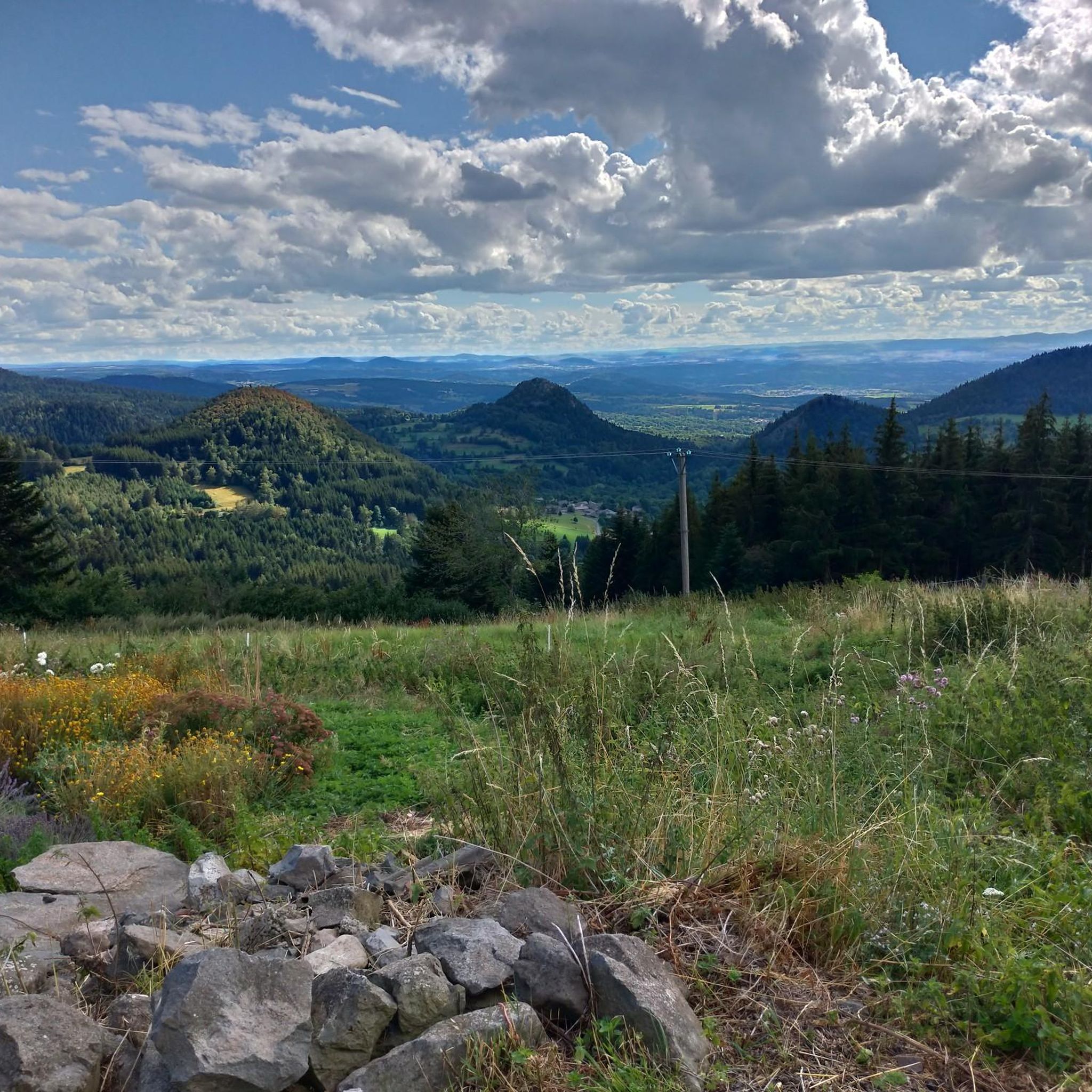
Natural monuments around Queyrières highlight the region's volcanic past and diverse geological features. The area is characterized by its distinctive volcanic peaks, known as "sucs du Meygal," and impressive basaltic formations. These natural attractions offer various viewpoints and opportunities to explore the terrain around Queyrières. The landscape provides insights into the geological features of this part of France.
Best natural monuments around Queyrières
- The most popular natural monuments is Suc de Chapteuil, a natural monument that features an enormous…
Last updated: July 6, 2026
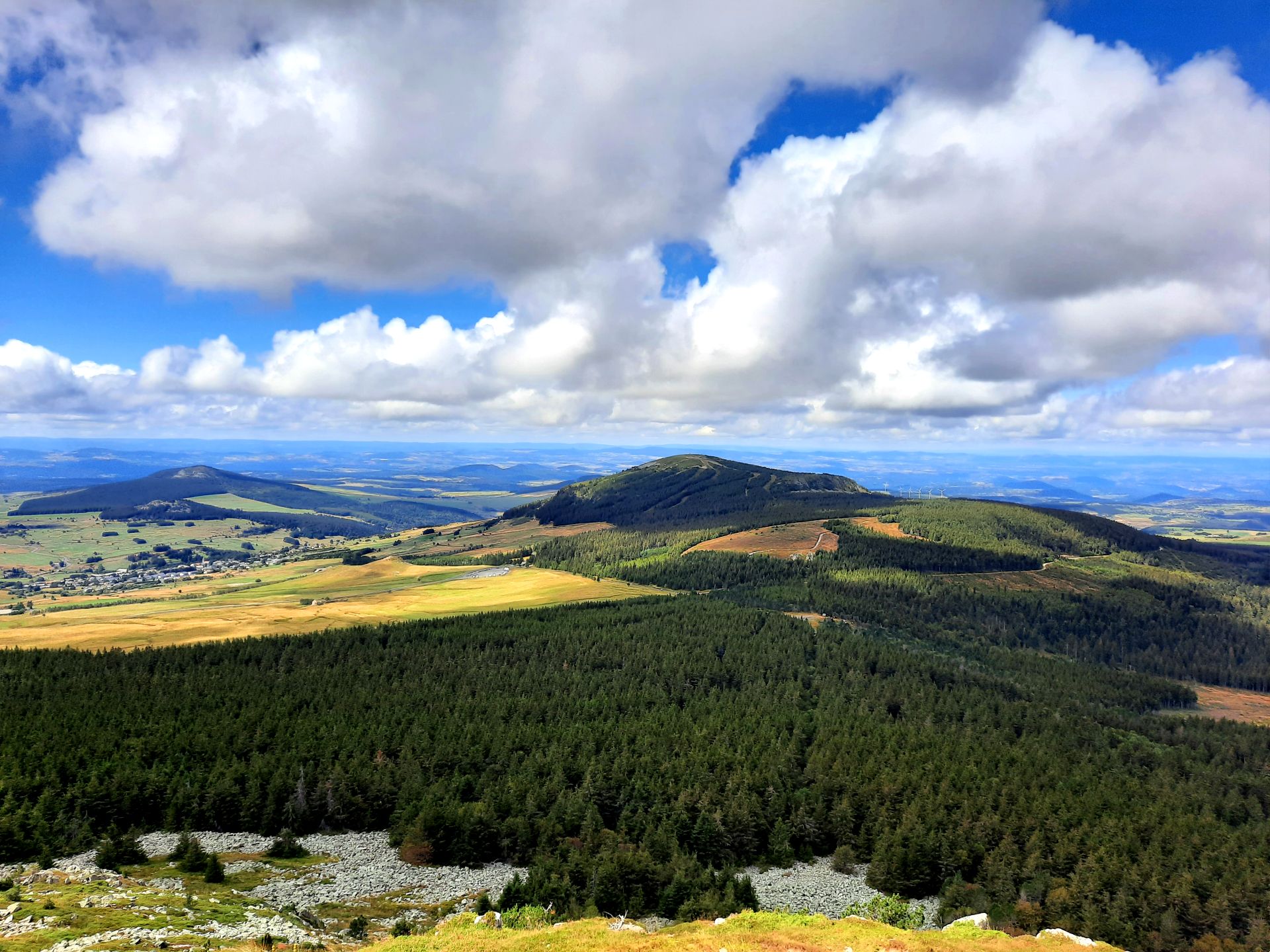
Lake Saint-Front
Highlight • Lake
Translated by Google •
Tip by

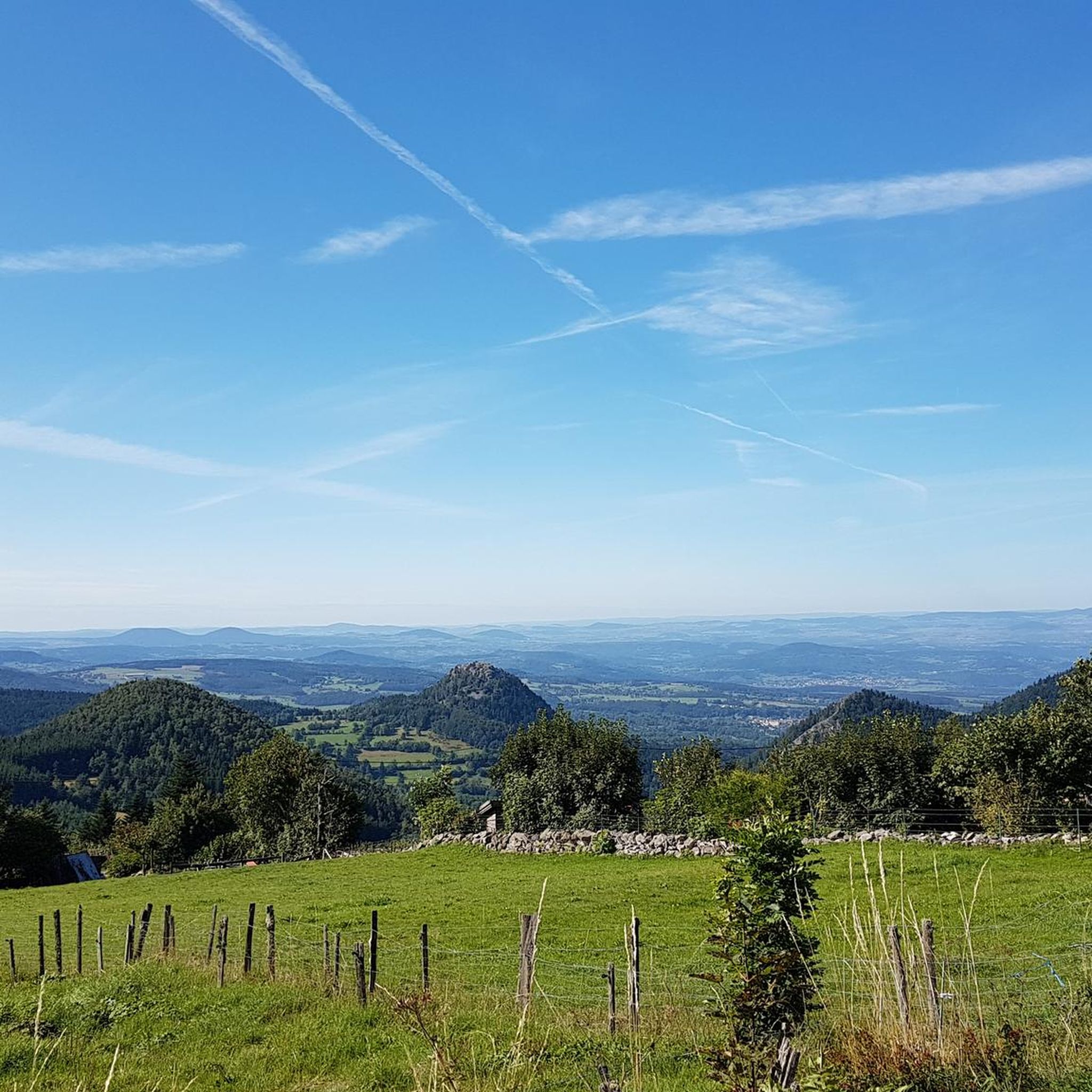
Suc de Chapteuil
Highlight • Natural Monument
Translated by Google •
Tip by
Sign up now to discover places like this
Get recommendations on the best single tracks, peaks, & plenty of other exciting outdoor places.
Sign up for free
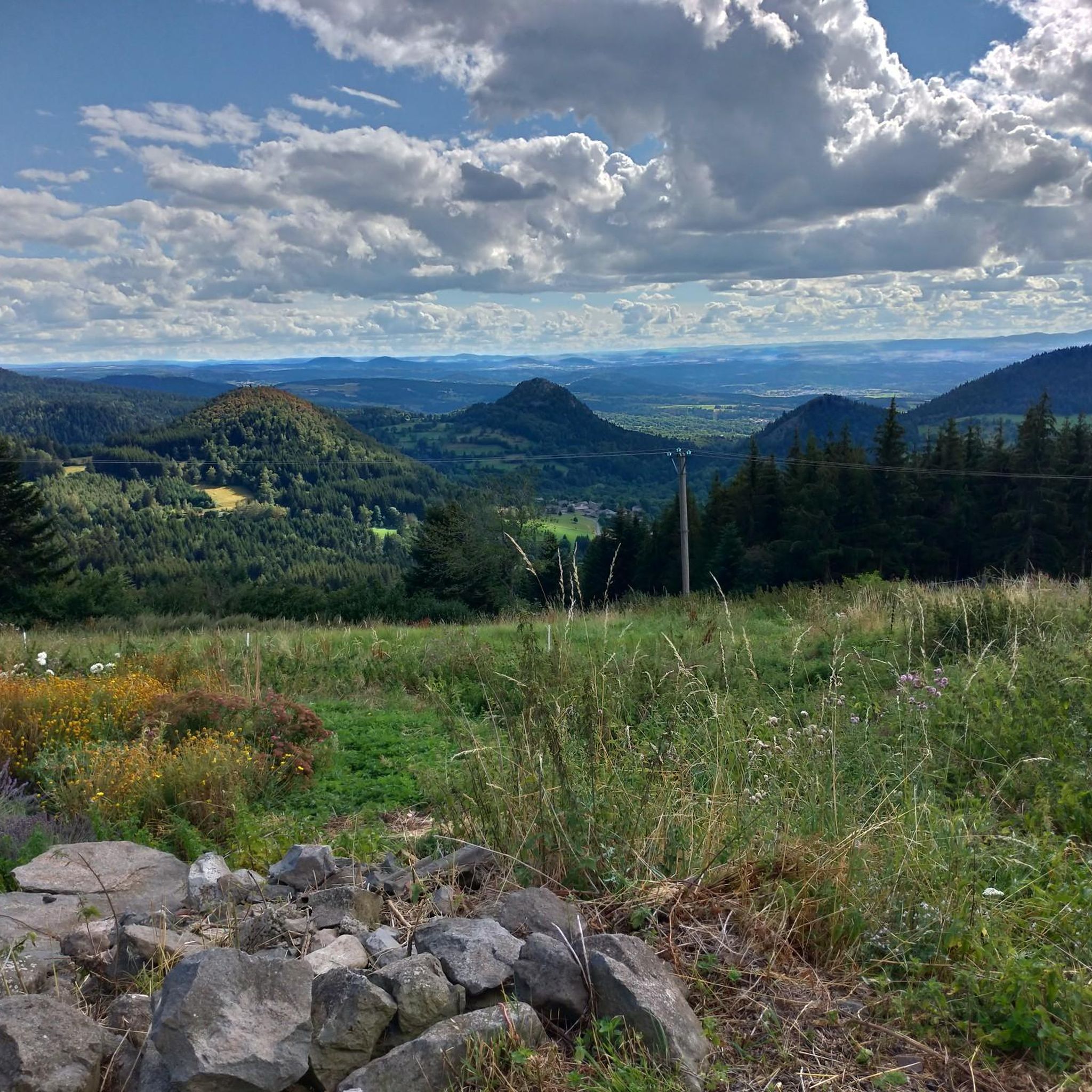
Montjoie Viewpoint
Highlight • Viewpoint
Translated by Google •
Tip by

View of the Corboeuf Ravine
Highlight • Canyon
Translated by Google •
Tip by

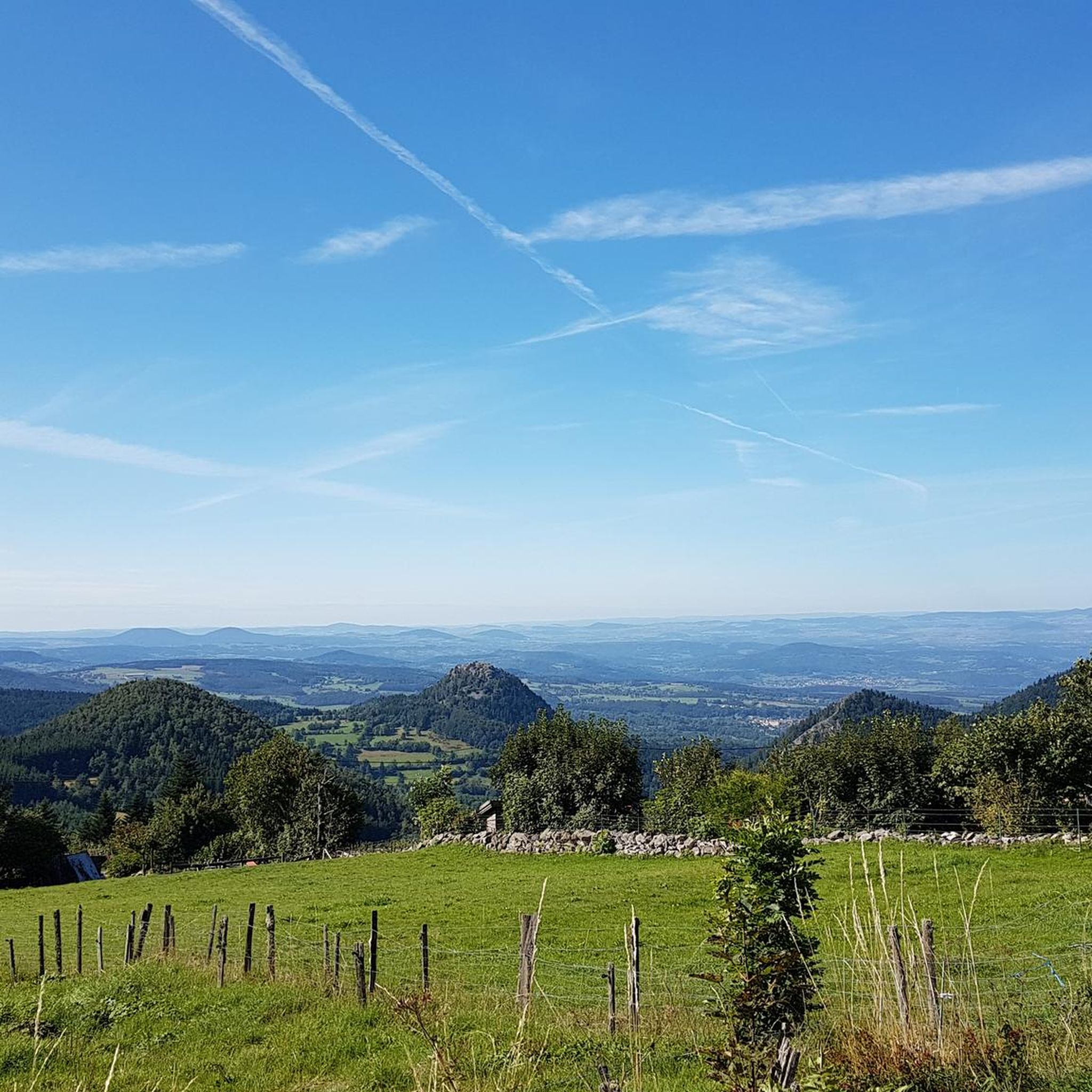
Basalt organ of Queyrières
Highlight • Natural Monument
Translated by Google •
Tip by

Sign up for free to discover even more natural monuments around Queyrières.
Sign up for free
Already have an account?
Start today with a free account
Your next adventure awaits.
Login or Signup

Other adventures around Queyrières

Tips from the Community

This lake located at an altitude of over 1200 m has magnificent colours
0
0

Culminating at more than 1,250 meters, Lake Saint-Front is the highest lake in Haute-Loire. This natural lake of volcanic origin is seven meters deep and underneath is 47 meters of mud accumulated over geological time.
0
0
The Suc de Chapteuil is an enormous organ rock which represents an ancient volcanic chimney. The 360 degree view is sublime. We'll be amazed!
0
0
The Suc de Chapteuil is an enormous organ rock which represents an ancient volcanic chimney. Organs have always been used in construction, notably for the castle of the lords of Chapteuil, the remains of which can be seen.
0
0

Magnificent view and possibility of picnicking at the top.
0
0

Interesting to see that there is a "mountain of joy" not only in Spanish Galicia, but also here in southeastern France. These two places not only have the name in common, but also the first view of the towers of the cathedral of Santiago de Compostela with the tomb of the Holy Apostle James the Elder, or of the cathedral with the black Madonna of Le-Puy. en-Velay. The small pile of stones that have accumulated at this point, however, is reminiscent of the Spanish "Cruz de Ferro" (iron cross) on Monte Irago.
3
0

The highest lake in Haute-Loire, culminating at over 1,250 meters. Natural lake of volcanic origin with a marked path allowing you to go around it.
1
0
Impressive basalt organ, on which the small village of Queyrières is leaned. It is possible to go around the rock.
2
0
Frequently Asked Questions
What unique geological formations can I explore around Queyrières?
The region around Queyrières is rich in volcanic geology. You can discover impressive basaltic organs, such as the Basalt organ of Queyrières, which are column-like rock structures formed from ancient volcanic activity. These formations are so regular they often resemble organ pipes. Another significant feature is the Lac de Saint-Front, a vast lake that is actually a maar, formed by a violent volcanic explosion.
Are there natural monuments with panoramic views near Queyrières?
Yes, several natural monuments offer breathtaking panoramas. The Suc de Chapteuil, an enormous organ rock representing an ancient volcanic chimney, provides a sublime 360-degree view. Additionally, Mont Testavoyre, the highest point in the commune at 1,436 meters, offers magnificent views of the "sucs du Meygal" (distinctive volcanic peaks), especially stunning at sunset.
What natural monuments are suitable for families with children?
The Lac de Saint-Front is a family-friendly natural monument. Its vastness and origin as a volcanic maar make it an interesting and accessible spot for all ages. While specific family-friendly trails are not detailed for all monuments, the general natural setting provides ample space for exploration.
What kind of outdoor activities can I do near the natural monuments?
The area around Queyrières is ideal for various outdoor activities. You can find numerous routes for hiking, cycling, and mountain biking. For detailed routes and information, explore the guides for Hiking around Queyrières, Cycling around Queyrières, and MTB Trails around Queyrières.
Where can I find historical context alongside natural beauty?
The Montjoie Viewpoint offers a blend of natural beauty and historical significance. From this 722-meter altitude, you can see the cathedral of Le-Puy-en-Velay and the Saint-Michel chapel. The name "Montjoie" (Mountain of Joy) itself has historical roots, reminiscent of pilgrim routes.
What makes the Cirque de Billère a notable natural monument?
The Cirque de Billère is an impressive natural monument characterized by its dramatic rock blocks and 180-degree cliffs. It offers a spectacular natural amphitheater, rewarding visitors with its unique geological formations and scenic beauty after a climb.
What is the best time of year to visit the natural monuments around Queyrières?
The natural monuments around Queyrières can be enjoyed throughout the year, but spring and autumn often offer the most pleasant conditions for outdoor activities like hiking, with mild temperatures and vibrant landscapes. Summer is also popular, especially for enjoying the lakes, while winter can provide a unique, snow-covered perspective, though some access might be more challenging.
Are there any natural monuments that are easily accessible from the village of Queyrières?
Yes, the Basalt organ of Queyrières is located very close to the village, making it an easily accessible and captivating sight. You can even go around the rock formation, offering a convenient way to experience the region's volcanic geology.
What do visitors particularly enjoy about the natural monuments in this region?
Visitors frequently appreciate the stunning panoramic views, especially from spots like the Suc de Chapteuil. The unique volcanic formations, such as the basaltic organs, are also a major draw, offering a glimpse into the region's geological past. Many enjoy the tranquility and the opportunity for picnics in unforgettable natural settings.
Can I find natural monuments that are also good for picnicking?
Mont Testavoyre is highly recommended for picnics. After a relatively short climb to its summit, you are rewarded with a magnificent panorama of the "sucs du Meygal," providing an ideal and almost fairytale-like natural setting to enjoy a meal outdoors.
What is the significance of the 'sucs du Meygal' mentioned in the region?
The 'sucs du Meygal' refer to the distinctive volcanic peaks that characterize the landscape around Queyrières. These ancient volcanoes are a defining feature of the region's geology, offering unique shapes and often serving as excellent viewpoints, such as from Mont Testavoyre.
Most popular routes around Queyrières
Most popular attractions around Queyrières

Get inspired with the komoot mobile app


Explore more
Extend your search for the best caves by checking out these guides of the top ones around Queyrières:
