Top 7 Natural Monuments around Monistrol-D'Allier
Best natural monuments around Monistrol-D'Allier are found within the Gorges de l'Allier, a dramatic canyon carved by the Allier River in the Haute-Loire region. This area is characterized by impressive basaltic cliffs and unique "orgues basaltiques" formed from ancient volcanic activity. The Allier River, one of Europe's last wild rivers, is a central feature, offering natural beaches and a rich, preserved natural environment. The region provides diverse outdoor activities and showcases significant geological formations.
Best natural monuments around Monistrol-D'Allier
- The…
Last updated: July 6, 2026
La Durande Summit
Highlight • Summit
Translated by Google •
Tip by

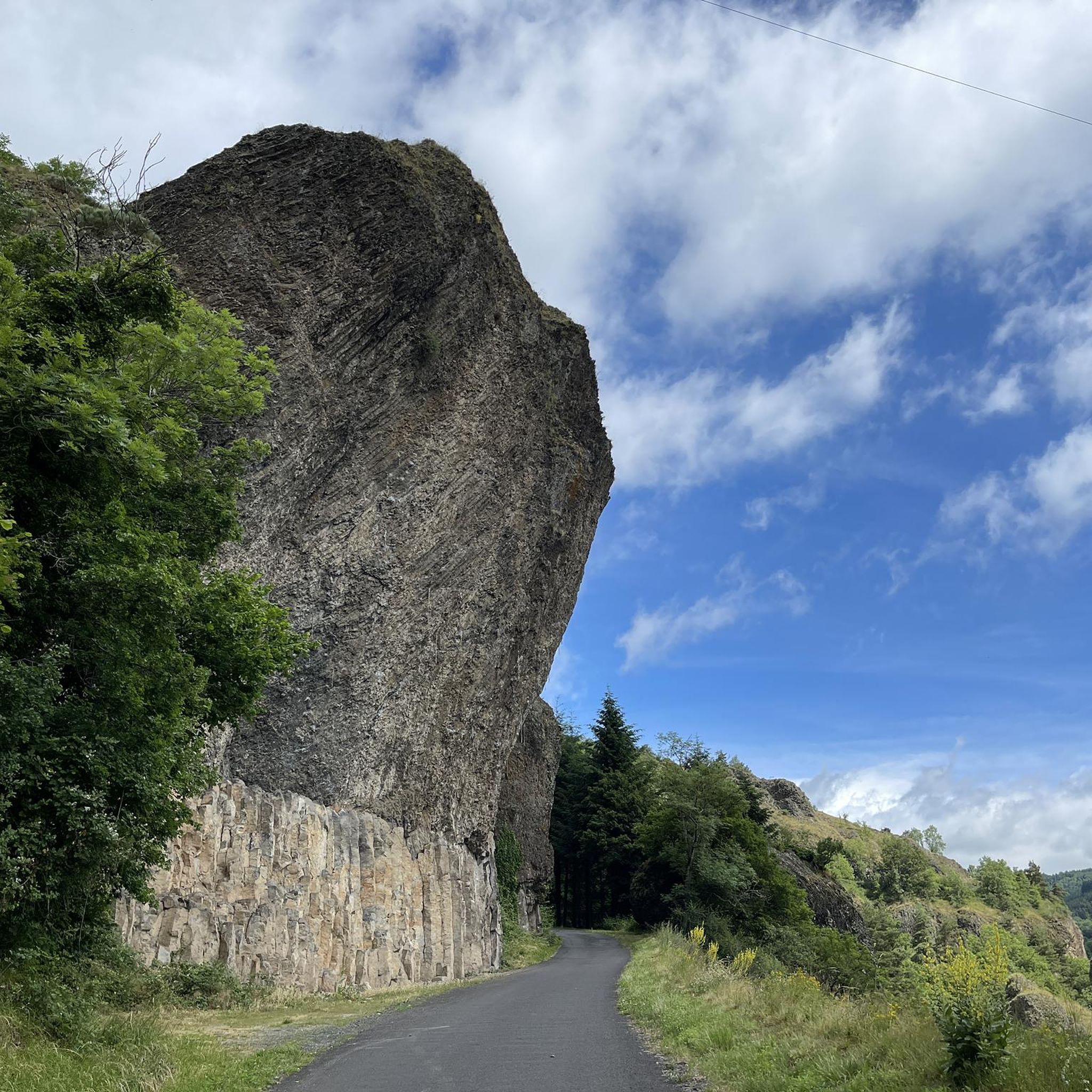
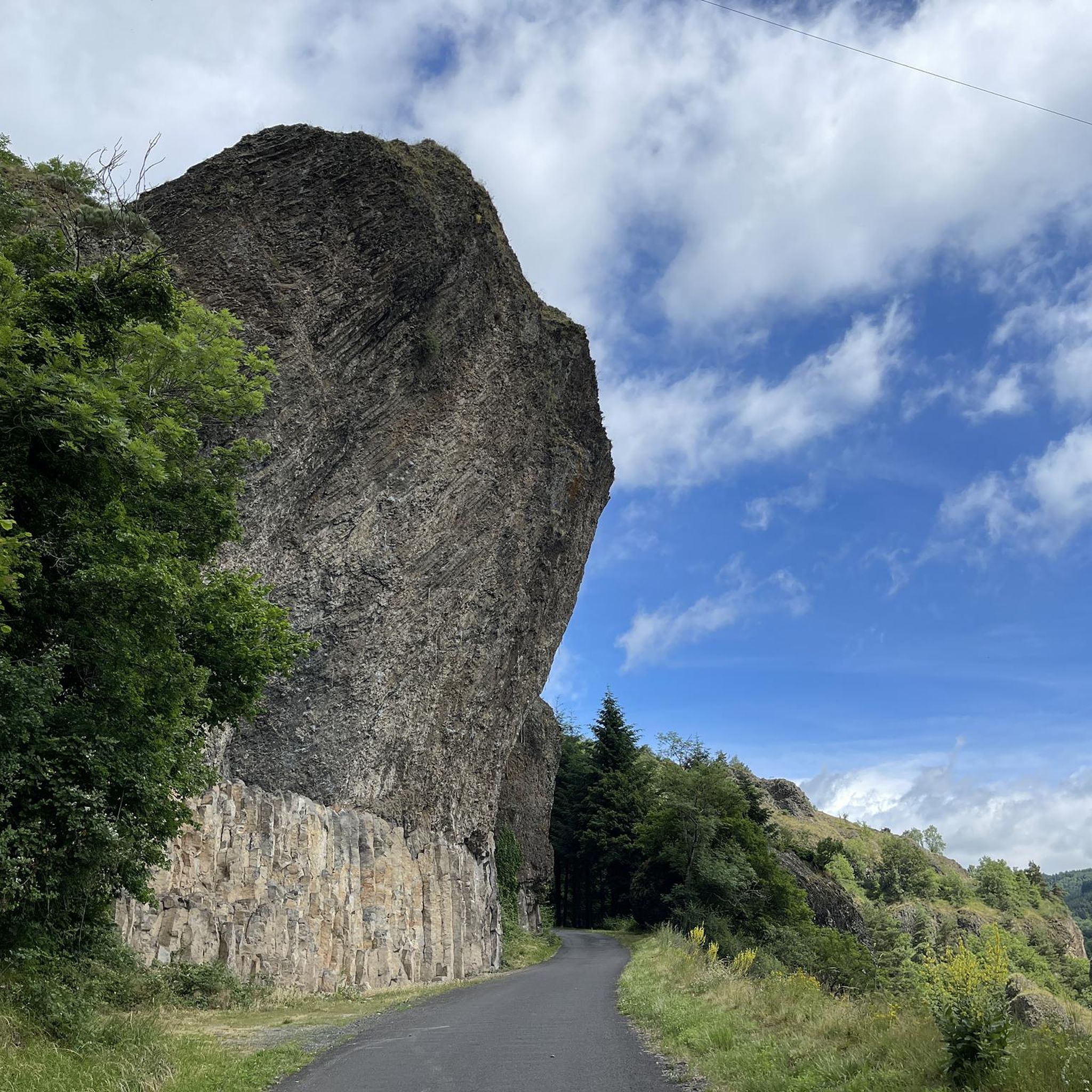
Basalt Columns and Fountain of Prades
Highlight • Natural Monument
Translated by Google •
Tip by

Sign up now to discover places like this
Get recommendations on the best single tracks, peaks, & plenty of other exciting outdoor places.
Sign up for free
The Organ Pipes of Prades
Highlight • Natural Monument
Translated by Google •
Tip by

Roche Servière Basalt Cliffs
Highlight • Natural Monument
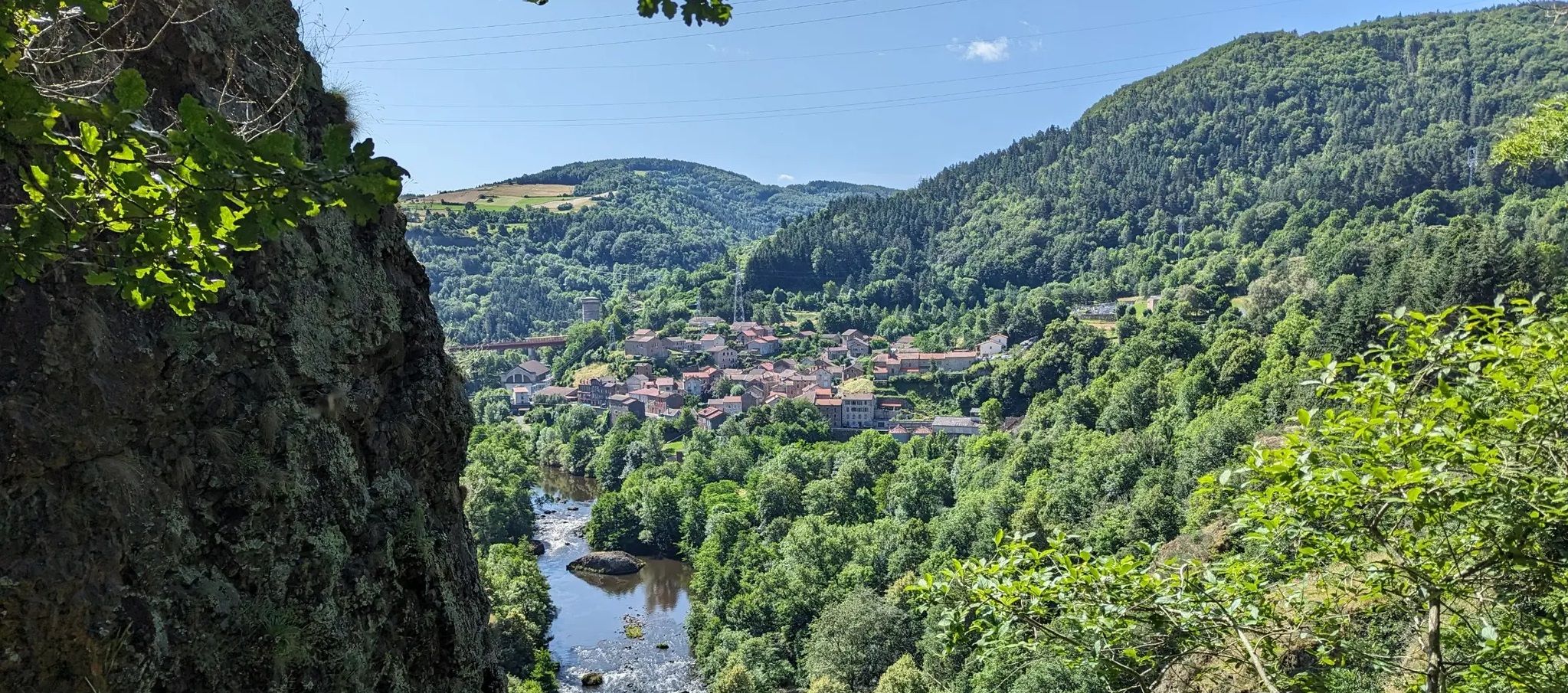
On the northernmost part there is an (unsecured) viewing point with a very nice view over the Alliertal.
Translated by Google •
Tip by

Prades Beach and the Basaltic Rocks of the Allier
Highlight • Beach
Translated by Google •
Tip by

Sign up for free to discover even more natural monuments around Monistrol-D'Allier.
Sign up for free
Already have an account?
Start today with a free account
Your next adventure awaits.
Login or Signup
Popular around Monistrol-D'Allier
Other adventures around Monistrol-D'Allier

Tips from the Community


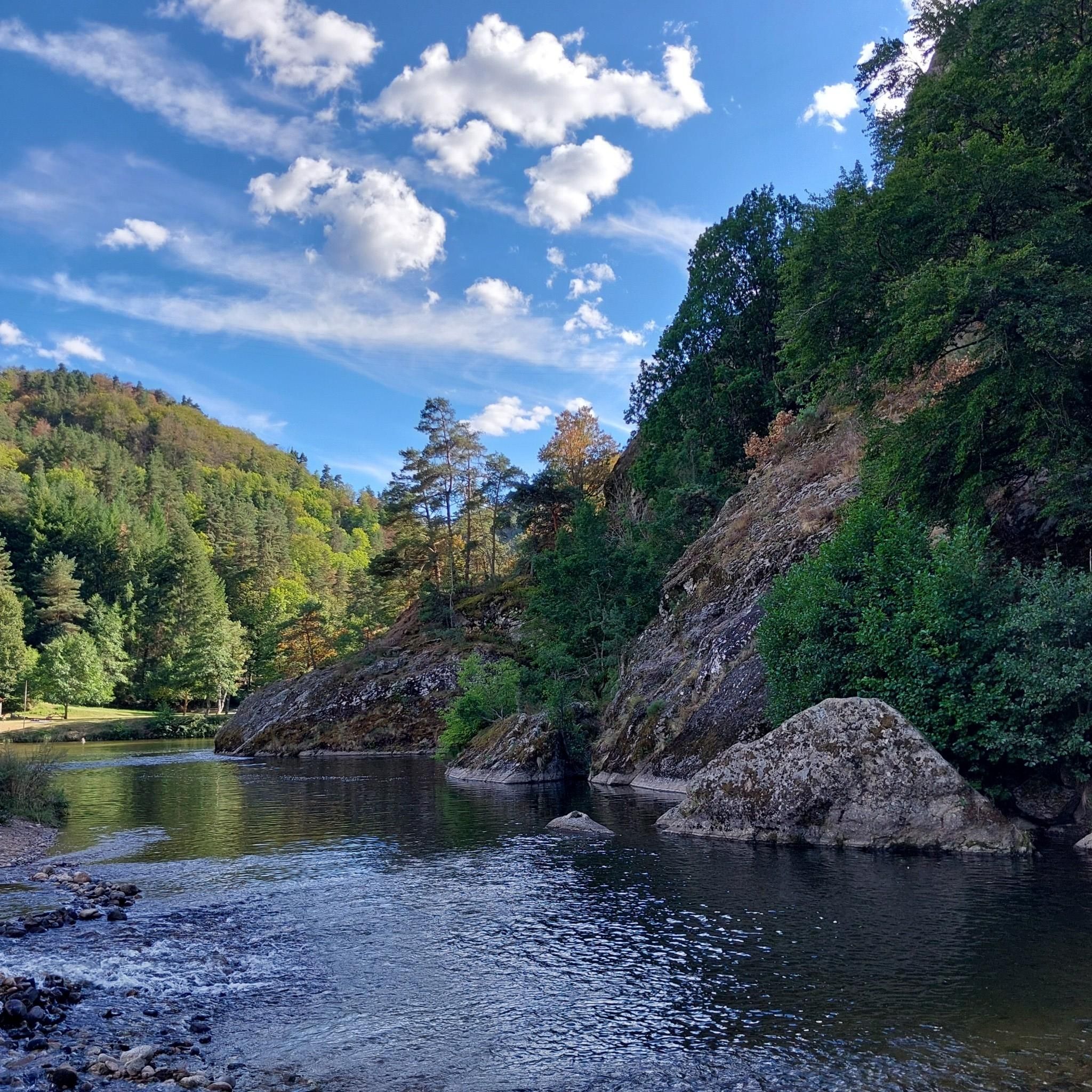
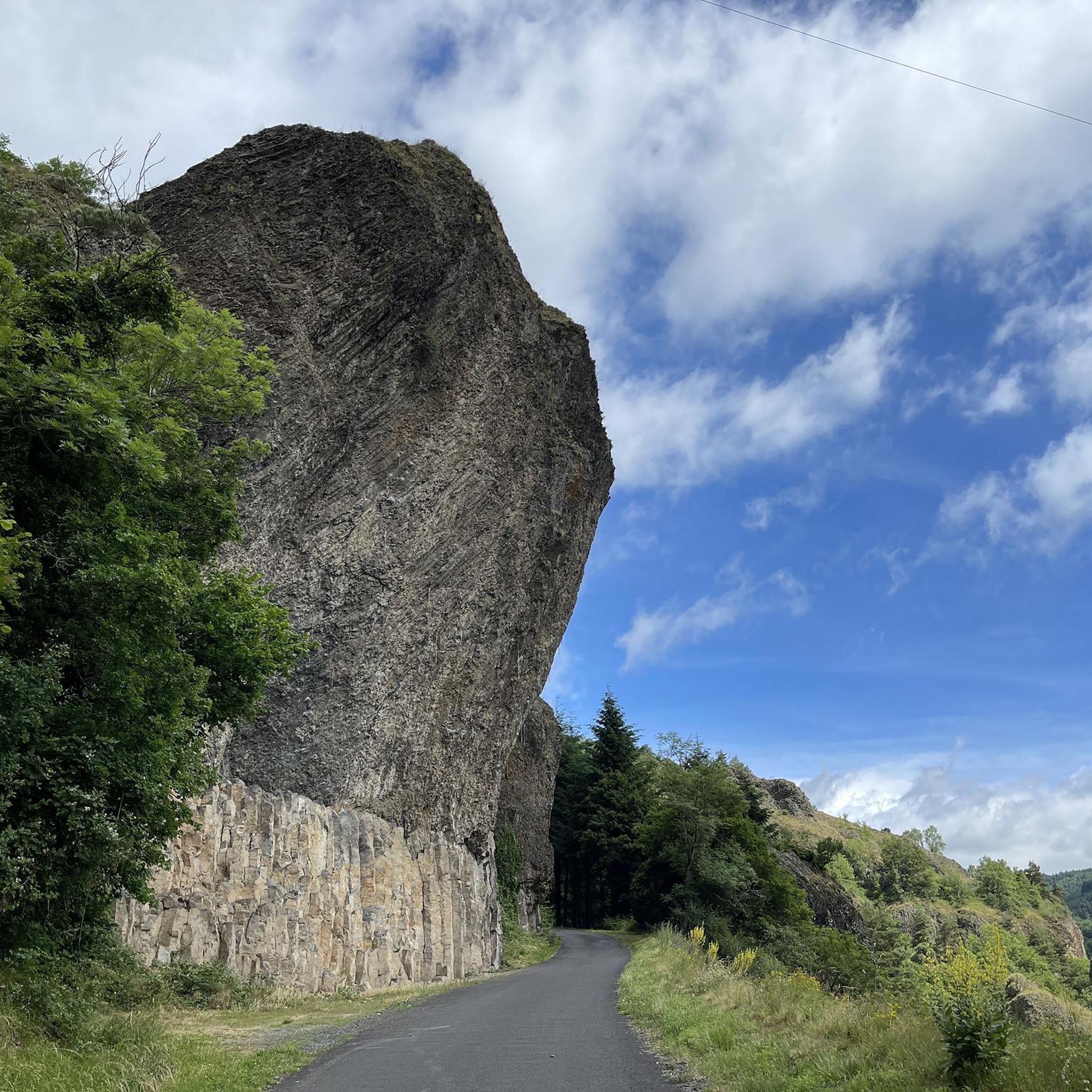
At the exit of Prades, an impressive rock formation stands opposite the bridge which straddles the Allier. Right next door, a charming little beach invites you to stop and cool off in this magnificent basalt environment.
1
0

The summit, Durande, is an ancient isolated volcano that offers a magnificent 360° panorama as far as Mont Blanc.
2
1

La Durande is located in the Devès massif at an altitude of 1,300 meters. This summit offers beautiful panoramas.
3
0

Tap fresh water from the spring, rest on the bench by the Allier, cross the bridge and admire the impressive hexagonal basalt blocks from the suddenly cooled volcanic vents - then it's time for the winding climb to the Col.
1
0

Like most peaks in the region, "La Durande" is of volcanic origin. From there, you have a phanstatic 360 degree view.
2
1

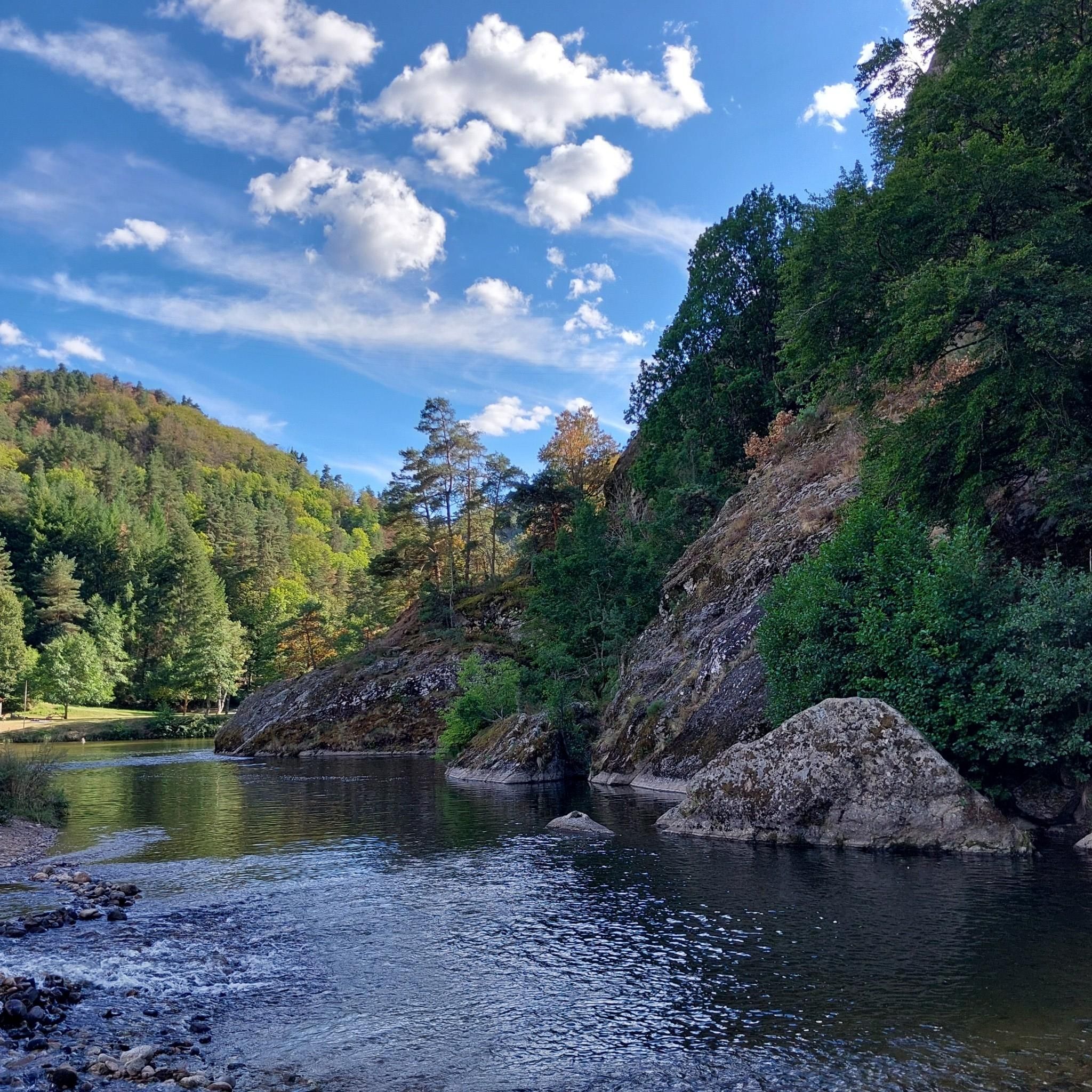
Prades beach is located on the banks of the Allier facing an impressive basalt rock. It's an ideal place for a break.
0
0
92m high basalt rock, where the "organ structure" of the cooled lava is beautifully displayed. On the northernmost part there is an (unsecured) viewing point with a very nice view over the Alliertal.
3
0
Frequently Asked Questions
What geological features can I expect to see in the natural monuments around Monistrol-D'Allier?
The natural monuments around Monistrol-D'Allier are primarily characterized by the dramatic Gorges de l'Allier, featuring impressive basaltic cliffs and unique "orgues basaltiques" (basaltic organs). These formations are the result of ancient volcanic activity, creating visually stunning rock pillars. You can observe these hexagonal basalt blocks at sites like Basalt Columns and Fountain of Prades and The Organ Pipes of Prades.
Are there family-friendly natural monuments in the Monistrol-D'Allier area?
Yes, several natural monuments are suitable for families. Basalt Columns and Fountain of Prades offers a spring for fresh water and a bench by the Allier River, making it a pleasant stop. The Organ Pipes of Prades also features a nearby beach for cooling off. Additionally, Prades Beach and the Basaltic Rocks of the Allier is an ideal spot for a break by the river.
What kind of hiking trails are available near the natural monuments?
The region offers a variety of hiking trails, from easy strolls to more challenging routes. You can find numerous options for exploring the Gorges de l'Allier and its natural monuments. For instance, there are routes like "Monistrol-d'Allier – Saint Madeleine Chapel loop from Monistrol-d'Allier" which is rated easy. For more options, check out the Hiking around Monistrol-D'Allier guide.
Can I enjoy water activities near the natural monuments in Monistrol-D'Allier?
Absolutely. The Allier River, a central feature of the Gorges de l'Allier, is known as one of Europe's last wild rivers and is perfect for water activities. Monistrol-d'Allier is a popular starting point for white-water sports such as rafting, canoeing, and canyoning. You can also find natural beaches along the river, like Prades Beach, ideal for swimming and picnicking.
What is the best time of year to visit the natural monuments around Monistrol-D'Allier?
The Gorges de l'Allier are beautiful throughout the year, but the best time to visit for outdoor activities like hiking and water sports is typically from spring to early autumn (April to October). During these months, the weather is generally mild and pleasant, making it ideal for exploring the natural landscapes and enjoying the river. Summer offers warmer temperatures perfect for swimming at the natural beaches.
Are there any natural monuments that offer panoramic views?
Yes, the region boasts several spots with magnificent panoramic views. La Durande Summit, an ancient isolated volcano in the Devès massif, offers a stunning 360-degree panorama, even as far as Mont Blanc on clear days. Additionally, the Roche Servière Basalt Cliffs provide an unsecured viewing point with a very nice view over the Allier valley.
Where can I see the famous "orgues basaltiques" (basaltic organs) in the region?
The impressive "orgues basaltiques" are a prominent feature of the Gorges de l'Allier. You can best observe these unique geological formations near Monistrol-d'Allier and along paths leading to sites like the Chapelle troglodytique de la Madeleine. Specific highlights where you can see them include Basalt Columns and Fountain of Prades and The Organ Pipes of Prades.
What makes the Allier River significant in this region?
The Allier River is incredibly significant as it is celebrated as one of Europe's last wild rivers, carving the dramatic Gorges de l'Allier. Its untamed quality contributes to its ecological value and natural beauty. It's also a crucial migratory route and a protected zone for species like the Atlantic salmon, representing the last wild stock in Western Europe capable of reproducing nearly 1000 km from the ocean.
Are there options for longer or more challenging hikes near the natural monuments?
For those seeking more challenging adventures, the area around Monistrol-D'Allier offers several difficult hiking routes. Examples include "Monistrol-d'Allier – Saint Madeleine Chapel loop from La Molle" and "Pont-d'Alleyras loop from Monistrol-d'Allier." These trails allow for deeper exploration of the rugged landscapes of the Gorges de l'Allier. More details can be found in the Hiking around Monistrol-D'Allier guide.
What do visitors particularly enjoy about the natural monuments here?
Visitors are consistently impressed by the exceptional scenery and preserved natural environment of the Gorges de l'Allier. The unique geological formations, such as the basaltic organs, provide dramatic backdrops. Many also appreciate the opportunities for outdoor activities like hiking and white-water sports, as well as the chance to relax at natural beaches along the Allier River. The combination of wild beauty and diverse activities creates a rich experience.
Can I find places to eat or drink near the natural monuments?
While specific cafes and restaurants directly adjacent to every natural monument might be limited due to the wild nature of the Gorges de l'Allier, the village of Monistrol-d'Allier itself, and other nearby settlements, offer dining options. It's advisable to carry water and snacks, especially when embarking on longer hikes, but you can find amenities in the villages surrounding the natural areas.
Is it possible to visit the natural monuments during winter?
Visiting the natural monuments during winter is possible, but conditions can be challenging. The Gorges de l'Allier can be particularly wild and remote, and some trails might be less accessible due to snow or ice. While the basaltic formations can look stunning with a dusting of snow, it's crucial to check weather conditions, wear appropriate gear, and be prepared for colder temperatures and potentially shorter daylight hours. Some water activities may not be available.
Most popular routes around Monistrol-D'Allier
Most popular attractions around Monistrol-D'Allier

Get inspired with the komoot mobile app


Explore more
Extend your search for the best caves by checking out these guides of the top ones around Monistrol-D'Allier:
