Top 3 Castles around Brantôme-En-Périgord
Best castles around Brantôme-En-Périgord are found in the Dordogne region, offering a glimpse into various periods of French history and architecture. The area is characterized by its natural landscapes, including the Dronne river, and a rich cultural heritage. Many of these historical structures are nestled amidst the region's distinctive white stone and lush greenery. This area provides opportunities for exploring historical sites within a scenic environment.
Best castles around Brantôme-En-Périgord
- The most popular castles is Bourdeilles Castle, a castle…
Last updated: May 9, 2026
Bourdeilles Castle
Highlight • Castle
Visit Bourdeilles for its medieval castle, partly renovated during the Renaissance.
For its rich history: The castle, with its two distinct parts – medieval …
Translated by Google •
Tip by

Boschaud Abbey
Highlight • Historical Site
Translated by Google •
Tip by

Sign up now to discover places like this
Get recommendations on the best single tracks, peaks, & plenty of other exciting outdoor places.
Sign up for free
Bourdeilles Castle
Highlight • Castle
Translated by Google •
Tip by

Château de Puyguilhem
Highlight • Castle
Translated by Google •
Tip by

Ramefort Castle
Highlight • Castle
Translated by Google •
Tip by
Sign up for free to discover even more castles around Brantôme-En-Périgord.
Sign up for free
Already have an account?
Start today with a free account
Your next adventure awaits.
Login or Signup
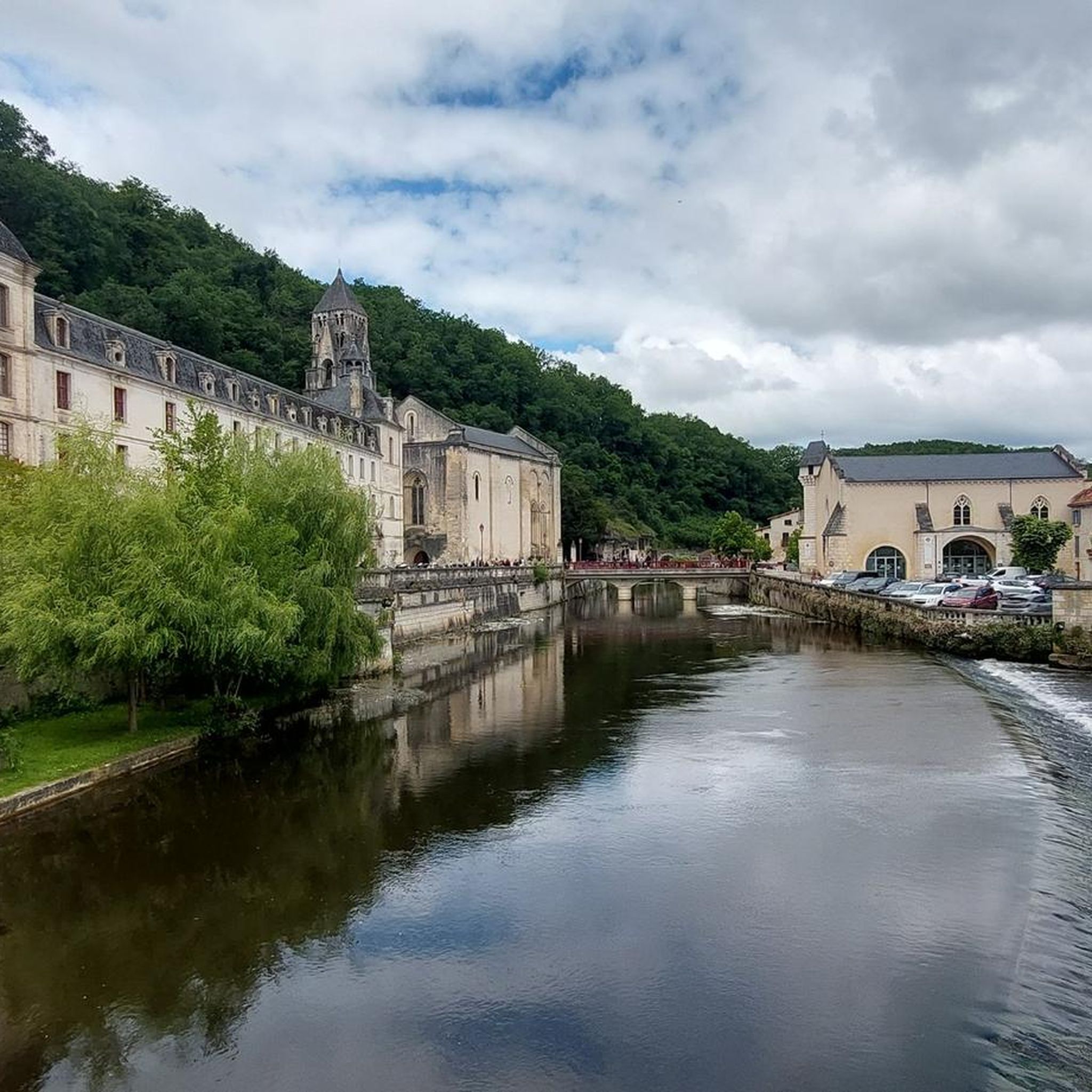
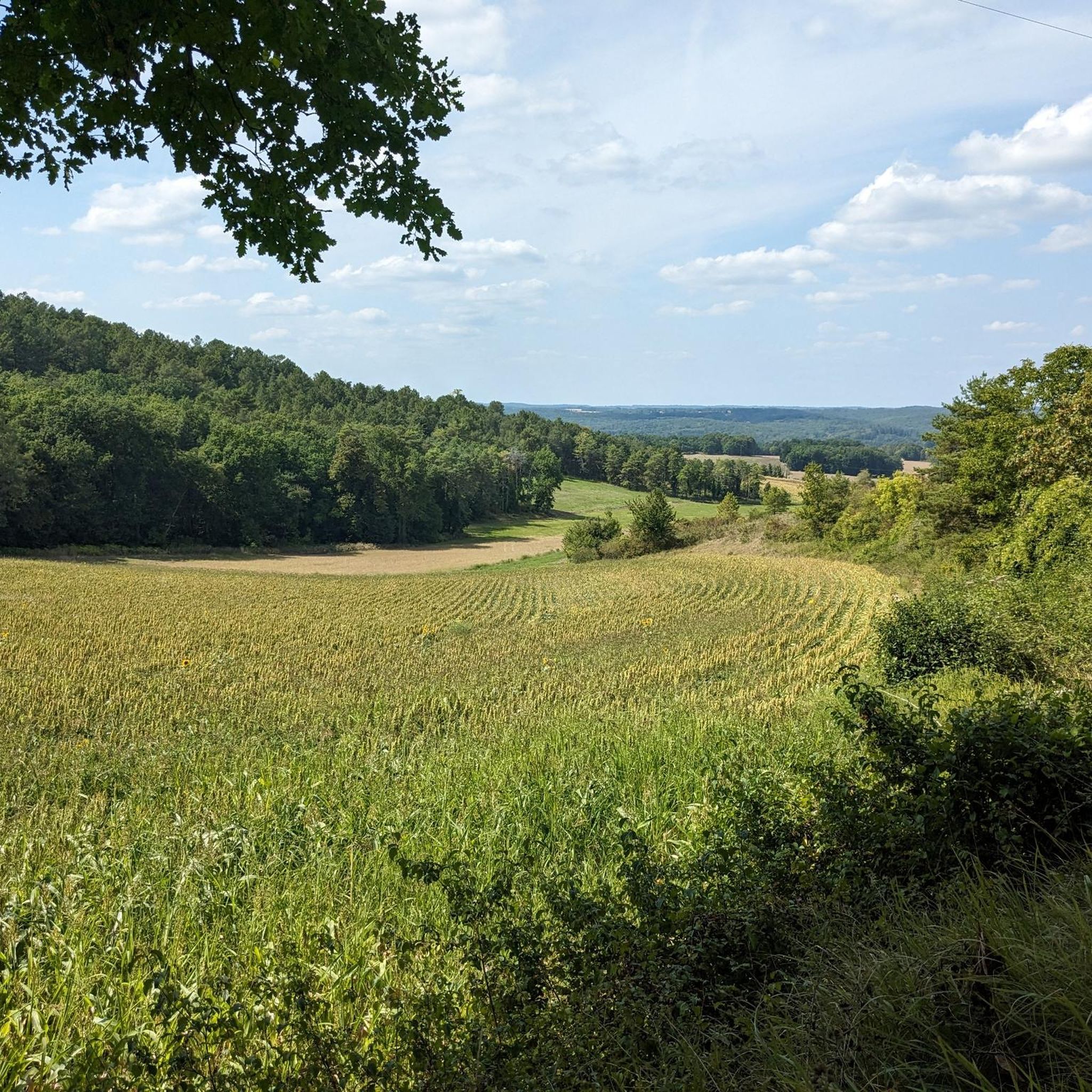
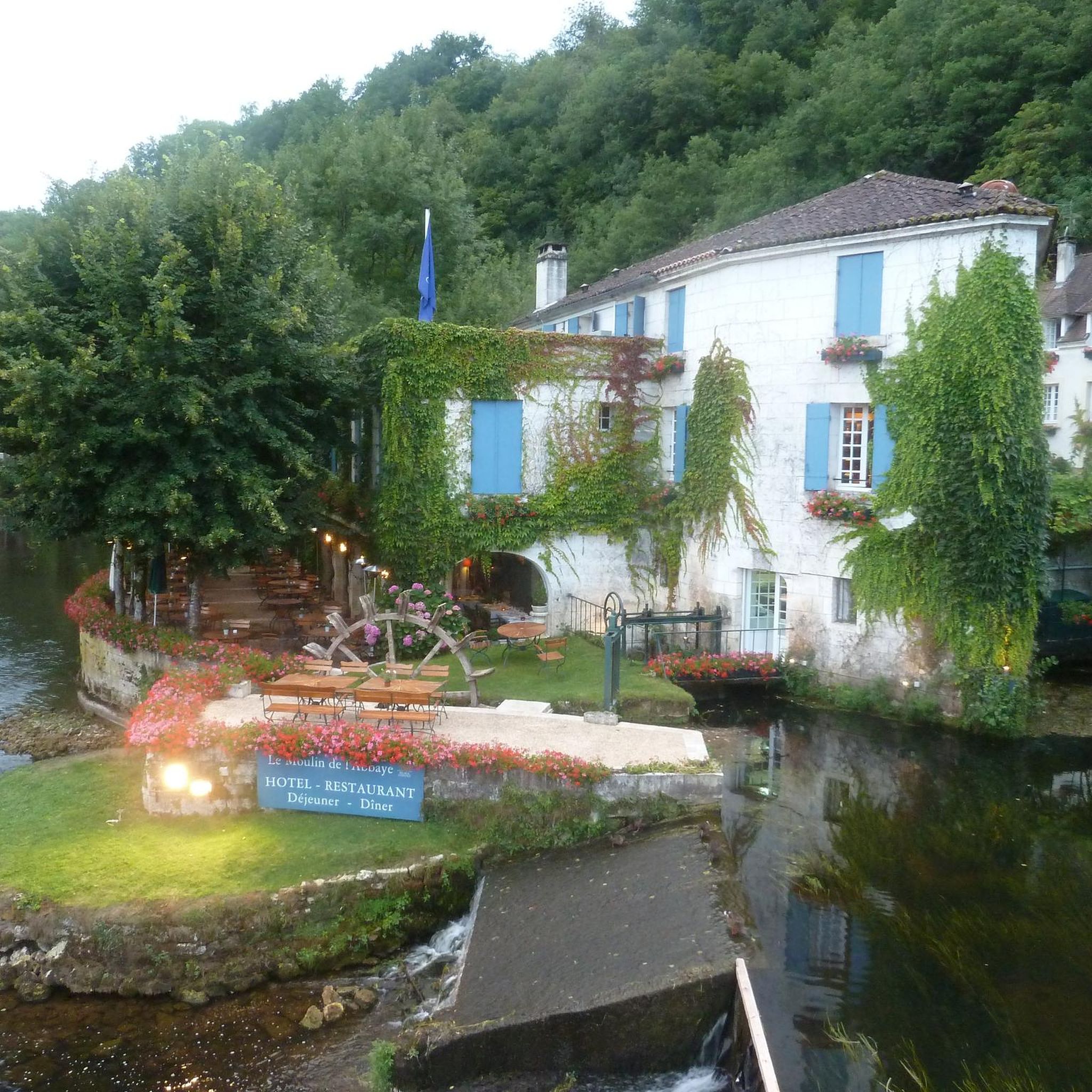
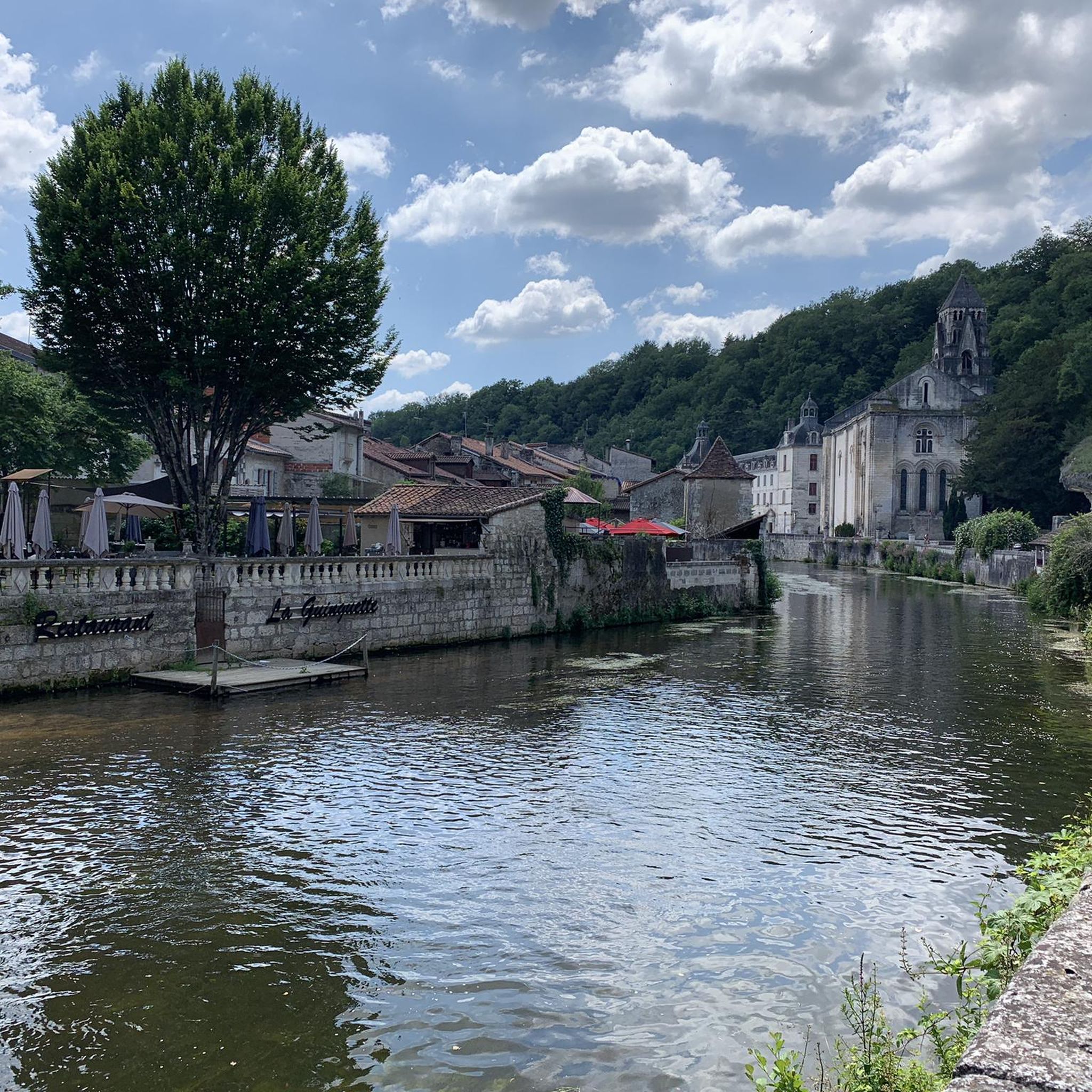
Tips from the Community

Beautiful chateau! Best seen from the road. The last 200 meters or so aren't really suitable for a racing bike.
0
0

very beautiful castle perched on a rock carved out by the waves
0
0

Why Visit Boschaud Abbey? For its history: Boschaud Abbey is a fascinating testimony to Cistercian monastic life in the Middle Ages, offering insight into the spiritual and architectural practices of that time. For its ruined beauty: Despite its partially destroyed state, the abbey retains an undeniable charm. The remains still tell of its glorious past and offer a unique contemplative experience. For the natural setting: Surrounded by greenery and calm, the abbey is a perfect place for those seeking tranquility and contact with nature. Boschaud Abbey is a place full of mystery and serenity, where history and nature intertwine, offering a memorable experience to those who venture there.
2
0
The natural setting: Peaceful environment: The abbey is located in a peaceful natural environment, surrounded by woods and fields, making it a place of tranquility. Visitors can enjoy walks in the surrounding area while discovering the history of the site. Harmony with nature: In accordance with Cistercian ideals, the Boschaud site was chosen for its isolation and natural beauty, in symbiosis with the simple and spiritual life that the monks sought. Visiting the site: Access to the ruins: Visitors can freely explore the ruins of the abbey, which allows a better understanding of the layout of the original buildings, such as the cloister, the church, and the monks' dormitories. Sense of timelessness: Visiting the ruins offers a unique atmosphere, where the past seems suspended in time, with vegetation that has reclaimed its rights on certain parts of the building, adding a particular charm to the site. Activities in the surrounding area: Near Brantôme: Located a few kilometres from the town of Brantôme, also known as the "Venice of Périgord", a visit to Boschaud Abbey can be combined with other historical sites in the region. Hiking and walking: The surroundings of the abbey offer many hiking trails that allow you to discover the natural beauty of the Périgord Vert.
2
0
Boschaud Abbey is a fascinating historical site located in the Dordogne, not far from Brantôme. Founded in the 12th century, this Cistercian abbey, although partially in ruins today, retains a particular charm that attracts history and religious architecture enthusiasts. Points of Interest of Boschaud Abbey: History of the Abbey: Founded in the 12th century: Boschaud Abbey was founded in 1154 by Cistercian monks. It was built according to the principles of the Cistercian order, advocating simplicity and stripping down, in harmony with the surrounding nature. Periods of prosperity and decline: Over the centuries, the abbey experienced periods of prosperity, in particular thanks to the agricultural production of the monks, before suffering destruction, notably during the Hundred Years' War and the Wars of Religion, which led to its gradual ruin. Architecture: Cistercian style: Boschaud Abbey is a fine example of Cistercian architecture. The remains show the simplicity and sobriety that characterize this order, with clean lines and limited use of decoration. Preserved elements: Although the abbey is in ruins, several architectural elements are still visible, including the foundations of the abbey church, Gothic arches and the walls of some parts of the abbey. The main structure of the church is particularly impressive, even in its ruined state.
2
0
Why Visit the Château de Bourdeilles? Visit Bourdeilles for its medieval castle, partly renovated during the Renaissance. For its rich history: The castle, with its two distinct parts – medieval and Renaissance – offers a unique perspective on several centuries of French history. For its panoramas: The castle tower offers magnificent views of the surrounding countryside, a highlight for landscape lovers. For its architectural heritage: This castle combines the charms of a medieval fortress and the elegance of a Renaissance palace, a rarity that makes it a must-see destination in the Dordogne. The Château de Bourdeilles is a captivating visit, offering both an immersion in history and an appreciation of the region's landscapes. It is a place where one can travel through the centuries while enjoying the natural charm of the Dordogne.
1
0
Gardens and Panoramic Views: Terraced Gardens: Visitors can stroll through the terraced gardens surrounding the castle, where they can enjoy breathtaking views of the valley and the Dronne River. Viewpoint: The top of the medieval tower offers a spectacular view of the picturesque village of Bourdeilles and its surroundings, a panorama that is worth the climb. Visits and Activities: Guided Tours: Guided tours are offered to learn more about the history of the castle and the daily life of its inhabitants over the centuries. Family Activities: In addition to traditional tours, activities and entertainment are often organized, especially for children, such as workshops or outdoor games. Why Visit the Château de Bourdeilles? For its rich history: The castle, with its two distinct parts – medieval and Renaissance – offers a unique perspective on several centuries of French history. For its panoramas: The castle tower offers magnificent views of the surrounding countryside, a highlight for landscape lovers. For its architectural heritage: This castle combines the charms of a medieval fortress and the elegance of a Renaissance palace, a rarity that makes it a must-see destination in the Dordogne. The Château de Bourdeilles is a captivating visit, offering both an immersion in history and an appreciation of the region's landscapes. It is a place where you can travel through the centuries while enjoying the natural charm of the Dordogne.
2
0
The Château de Bourdeilles is one of the most impressive historical and architectural treasures of the Périgord, in the Dordogne. Located in the charming commune of Bourdeilles, it is actually two separate castles, reflecting different eras and styles. Château de Bourdeilles Highlights: Two Castles in One: The Medieval Castle: Dating back to the 13th century, this imposing fortress is a classic example of medieval defensive architecture. It features a 35-metre high watchtower that offers panoramic views of the Dronne Valley. The Renaissance Palace: Next to the medieval castle is an elegant 16th-century palace, built in the Renaissance style. Its magnificent rooms are decorated with period furniture and works of art, adding a refined contrast to the austerity of the medieval fortress. Magnificent Interiors: Renaissance Furniture: The palace contains one of the finest collections of Renaissance furniture in France. Each room offers a glimpse into the aristocratic lifestyle of the time. The Salle des Etats: This imposing room in the palace is particularly notable for its coffered ceiling and frescoes, which are examples of Renaissance art. History and Heritage: Bourdeille Family: For centuries, the château was the residence of the Bourdeille family, an influential noble family. Pierre de Bourdeille, better known as Brantôme, a writer and warrior, grew up here. Strategically Important Site: Perched above the Dronne River, the château played a crucial defensive role during medieval wars, particularly during the Hundred Years' War.
2
0
Frequently Asked Questions
What are some notable castles to visit in the Brantôme-En-Périgord area?
Beyond the most popular, you can explore the Renaissance-style Château de Puyguilhem, known for its elegant blend of Gothic and Renaissance architecture and beautiful gardens. Another significant site is the Bourdeilles Castle, which uniquely combines medieval and Renaissance styles, offering panoramic views of the countryside.
Are there any castles in the region with unique architectural features?
Yes, the Château de Puyguilhem is a Renaissance jewel, reminiscent of Loire Valley castles with its white stone facades, slate roofs, and corner turrets. The Ramefort Castle is also unique, built sheer on the rock and commanding the road along the Dronne river.
Which castles offer a glimpse into different historical periods?
The Bourdeilles Castle is an excellent example, featuring both a medieval fortress and a Renaissance palace, providing a unique perspective on several centuries of French history. Additionally, the Château de la Hierce, built between 1520 and 1530, is a pure Renaissance example, devoid of medieval or Gothic influences.
Are there family-friendly castles to visit near Brantôme-En-Périgord?
Yes, Bourdeilles Castle is categorized as family-friendly. The Château de Puyguilhem also offers guided tours and educational workshops, which can be engaging for families.
What kind of outdoor activities can I do near these castles?
The region offers various outdoor activities. You can find numerous cycling routes, such as the 'In search of castles towards Puyguilhem' route, or explore running trails like the 'Château de la Hierce loop'. For more options, check out the Cycling around Brantôme-En-Périgord guide, the Road Cycling Routes around Brantôme-En-Périgord guide, or the Running Trails around Brantôme-En-Périgord guide.
Are there castles with gardens worth visiting?
Yes, the Château de Puyguilhem is renowned for its beautifully restored, enchanting gardens, which have been awarded the 'Jardin Remarquable' label. These gardens offer a wide variety of landscapes and are a haven for biodiversity.
Can I find any ancient or prehistoric sites near the castles?
The Château de la Hierce, located in Brantôme, is built on a limestone cliff that features ancient troglodytic dwellings and prehistoric engravings. This showcases a continuous human presence on the site for thousands of years, offering a unique historical context beyond the castle itself.
What are the best times to visit the castles in Brantôme-En-Périgord?
Many castles, like the Château de Puyguilhem, are open year-round. However, visiting during spring or autumn often provides pleasant weather for exploring both the castles and their surrounding landscapes, avoiding the peak summer heat and crowds.
Are there any castles that are private but still offer picturesque views?
Puymarteau Castle, overlooking Brantôme and the Dronne valley, is a private estate. While only occasionally open to the public, its exterior, with features like corbelled turrets and mullioned windows, makes for a picturesque sight during a walk around the area.
What do visitors enjoy most about the castles around Brantôme-En-Périgord?
Visitors appreciate the rich history and architectural heritage of the castles, with many highlighting the unique blend of medieval and Renaissance styles. The panoramic views from sites like Bourdeilles Castle are also a major draw, as are the beautiful gardens at places like Château de Puyguilhem.
Are there any historical sites other than castles to explore?
Yes, Boschaud Abbey is a fascinating historical site located not far from Brantôme. Founded in the 12th century, this Cistercian abbey, though partially in ruins, retains a particular charm for history and religious architecture enthusiasts, showcasing Cistercian style and preserved elements like Gothic arches.
Where can I find information on guided tours for castles in the Périgord region?
The Château de Puyguilhem offers guided tours, educational workshops, and cultural events. For specific details on other castles like Château de la Hierce, it's best to check their official websites or local tourism resources for current tour availability and schedules. For example, you can find information on Château de la Hierce via Dordogne-Périgord Tourisme.
Most popular routes around Brantôme-En-Périgord
Most popular attractions around Brantôme-En-Périgord

Get inspired with the komoot mobile app


Explore more
Looking for the best castles somewhere else? Discover other guides around Brantôme-En-Périgord:
