Top 8 Natural Monuments around Lomma
Best natural monuments around Lomma include a variety of protected areas and coastal features. The region is characterized by its coastal proximity, diverse ecosystems, and natural reserves. Lomma's environment is shaped by marine influences, beaches, and agricultural lands. These areas provide ecological significance and recreational opportunities for visitors.
Best natural monuments around Lomma
- The most popular natural monuments is Lund Botanical Garden, a natural monument that features an eight-hectare outdoor area with over 7,000 different plant species. It also…
Last updated: May 9, 2026
Strandhusens Revlar Nature Reserve
Highlight • Natural Monument
The sandy reefs along the Lomma coast are popular feeding and resting places for both migrating and resident seabirds. The shallow seabed is also an important nursery …
Translated by Google •
Tip by

Lund Botanical Garden
Highlight • Natural Monument
Translated by Google •
Tip by

Sign up now to discover places like this
Get recommendations on the best single tracks, peaks, & plenty of other exciting outdoor places.
Sign up for free
Rinnebäcksravinen Nature Reserve
Highlight • Gorge
Rinnebäck ravine
Translated by Google •
Tip by

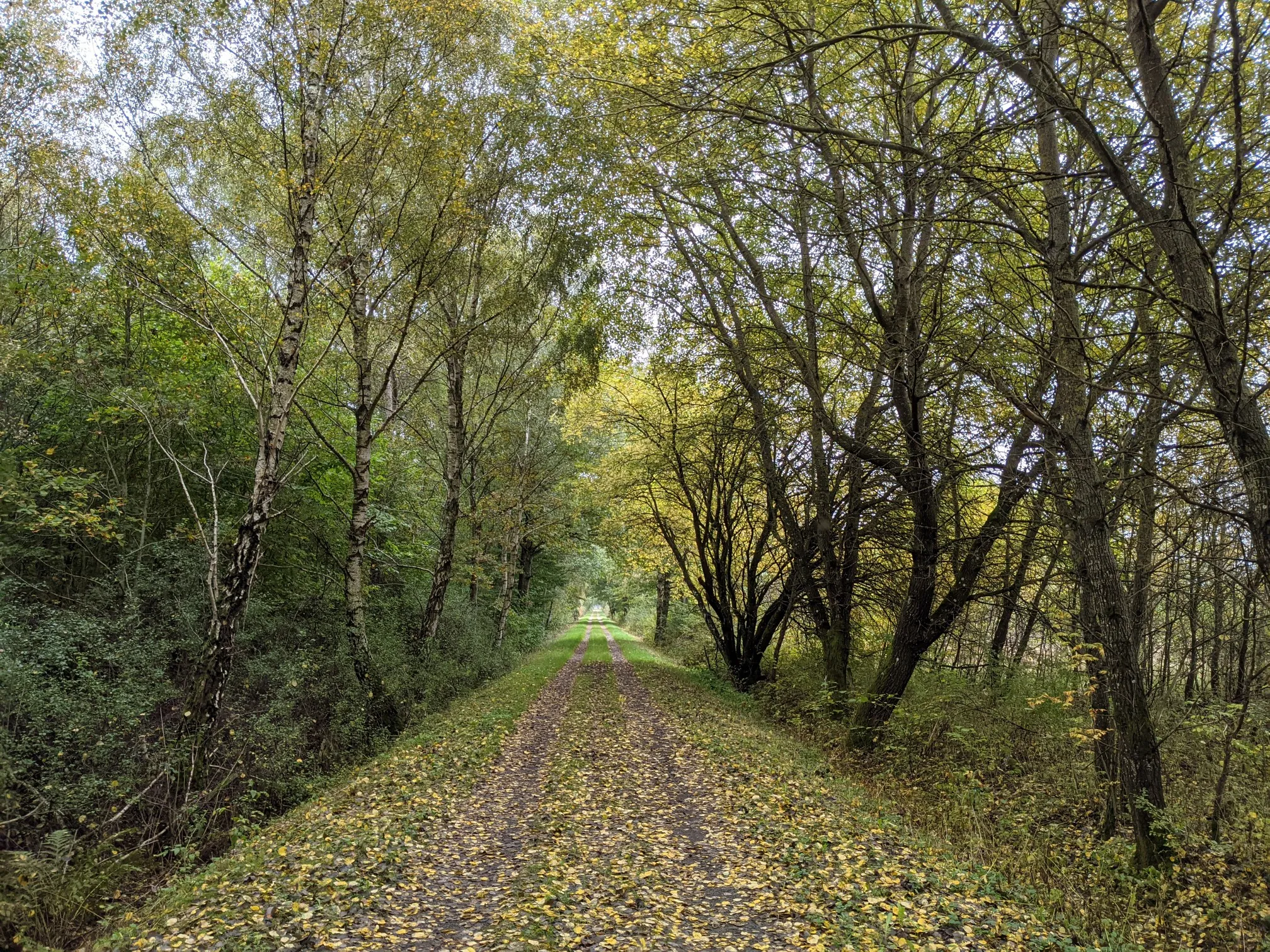
Haboljungs Fure Nature Reserve
Highlight • Forest
Tip by

Öresund Fountain
Highlight • Monument
Translated by Google •
Tip by

Sign up for free to discover even more natural monuments around Lomma.
Sign up for free
Already have an account?
Start today with a free account
Your next adventure awaits.
Login or Signup

Other adventures around Lomma

Tips from the Community

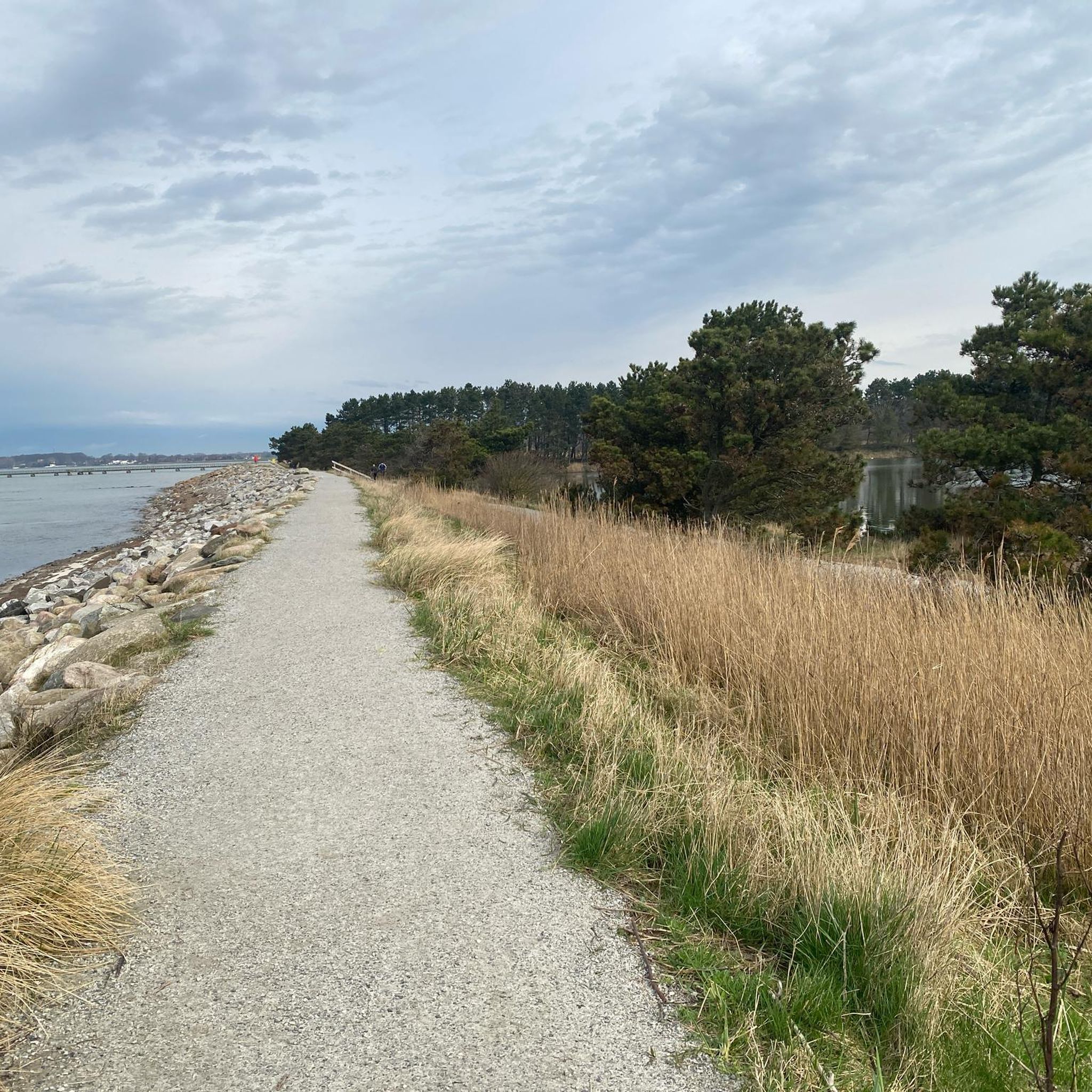
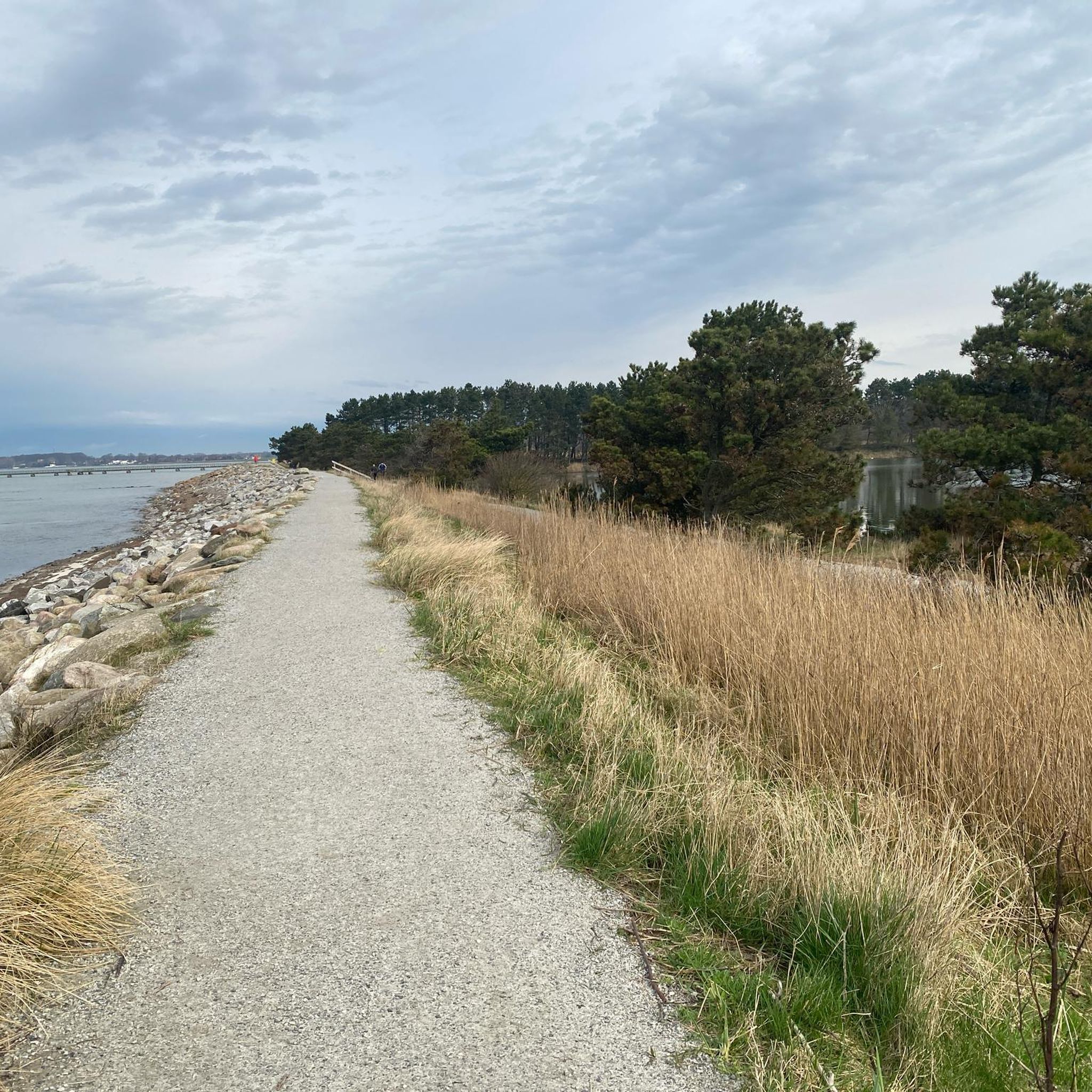
In Haboljungs Fure Nature Reserve you follow soft sandy paths through open pine forest, where woodpeckers, tits and roe deer move quietly between the trunks. The young pines, originally planted to stop the drifting sand, are slowly turning into a more natural coastal woodland oasis – a peaceful place for a short walk or easy ride before you roll on towards the beaches of Lomma.
0
0

Strandhusens revlar (en) The sandy reefs along the Lomma coast are popular feeding and resting places for both migrating and resident seabirds. The shallow seabed is also an important nursery for many flatfish and life thrives in the extensive seagrass beds. The Strandhusens Revlar marine reserve protects the shallow seabed and water including extensive beds of seagrass that grow along the coast. The water in Lommabukten is a typically brackish environment with a mix of salt and fresh water. The seagrass meadows grow at a depth of 1-12 meters and are a globally threatened habitat. They are important to a variety of species that forage here. The meadow area in particular is a tree nursery for several species. Life thrives here: beachhoppers (amphioda), lots of small laver scallops and Baltic woodlice. You can also find fry of small fish, sand gobies, fish of the Gobiidae family, garfish, as well as common shrimp. Cod and trout hunt in the upper layers of seagrass and closer to the bottom live cod, eel and Atlantic herring. The broad-nosed needle, which is a close relative of the seahorse, hides in the sea grass. Flatfish thrive on the bare mosaic sandbars surrounded by the seagrass stands. Beach crabs search for food and take cover under rocks. Several species of seabirds use the seagrass beds to forage. The seagrass mitigates erosion by binding sand and bottom sediment with its roots, while the leaf mass reduces wave energy reaching the beach. Vegetation absorbs nutrients and carbon dioxide from the water, mitigating the effects of eutrophication and climate change. Another important effect of the seagrass meadows is the stabilization of the bottom sediment, resulting in even clearer water. The purpose of the reserve is to protect and care for the valuable natural environment of the area and its biodiversity. It is important to ensure the survival of the seagrass beds and shallow seabed so that they can continue to support rich marine life.
1
0

A great place to visit. The entrances are closed at 9.30 pm so you can enjoy the garden after work or classes here. The garden plan is very nice, variety of plants that grow in Sweden and other areas. The garden is big enough for a walk. There are space to sit for a picnic during a warm day
1
0

Sculpture created in 1934 by Danish artist Gerhard Henning
5
4

The monuments tell the story of the town and there are several
4
1

The Lund Botanical Garden is open year-round and features an impressive eight-hectare outdoor area, home to over 7,000 different plant species. A further 2,000 plant species from predominantly tropical and subtropical regions are housed in the large greenhouse.
4
0

Lund's Botanical Garden is worth a visit for anyone who enjoys botanical gardens and wants to escape the city center for a while and get into the countryside. A short stroll through charming little alleys takes you there. In addition to the gardens, there's also a greenhouse with different climate zones and a pleasant café with indoor and outdoor seating.
1
0

Nice relax, varm gardenhouse and swedish fika in the garden too.
0
0
Frequently Asked Questions
What types of natural areas can I explore around Lomma?
Lomma offers a diverse range of natural areas, including coastal features, nature reserves, and botanical gardens. You can find marine reserves with extensive seagrass beds like Strandhusens Revlar Nature Reserve, unique geological formations such as Rinnebäcksravinen Nature Reserve, and the expansive Lund Botanical Garden. The region also features pine forests, wetlands, and beautiful beaches.
Are there any family-friendly natural monuments or areas in Lomma?
Yes, several natural areas around Lomma are great for families. Lund Botanical Garden is a wonderful place for all ages, with its vast collection of plants and a pleasant café. Lomma Beach is known for its fine white sand and shallow, calm waters, making it ideal for families with young children. Rinnebäcksravinen Nature Reserve also offers accessible paths for walks, and the Swimming Bay at Järavallen Nature Reserve has clear water and sandy areas perfect for a family day out.
Where can I go for a walk or hike near Lomma's natural monuments?
You can find various walking and hiking opportunities. Haboljungs Fure, part of the Habo Ljung nature reserve, features a vast pine forest on sandy soil, popular for walkers and joggers. Rinnebäcksravinen Nature Reserve has good walking and cycling routes around its unique gorge. For more structured routes, you can explore the running trails around Lomma, which include loops like the Trekantsdamm – Lomma Beach loop.
What kind of wildlife can I expect to see in Lomma's nature reserves?
Lomma's nature reserves are home to diverse wildlife. In Haboljungs Fure, you might spot rare songbirds like the common linnet and goldcrest, as well as larger forest animals such as foxes and wild boars. Alkärret i Haboljung, a wetland area, supports environment-adapted insects, spiders, and a rich birdlife including cuckoos, nightingales, and pheasants. Strandhusens Revlar Nature Reserve is a vital habitat for various marine species, including flatfish, garfish, common shrimp, and seabirds.
Are there any dog-friendly natural areas or trails in Lomma?
Yes, many natural areas in Lomma are suitable for dogs. Haboljungs Fure, with its pine forest, is a popular spot for dog owners. The Swimming Bay at Järavallen Nature Reserve is also noted as a dream for dogs due to its clear water and sandy areas. Always remember to keep your dog on a leash where required and clean up after them to preserve the natural environment for everyone.
What is the best time of year to visit Lomma's natural areas?
The best time to visit Lomma's natural areas largely depends on your interests. Summer is ideal for enjoying the beaches like Lomma Beach, where the water is often warm. Spring and autumn offer pleasant temperatures for walking and observing migratory birds in areas like Strandhusens Revlar Nature Reserve or the Löddeåns mynning. The Lund Botanical Garden is open year-round, with different plant species blooming throughout the seasons.
Are there opportunities for cycling or mountain biking near these natural monuments?
Yes, Lomma offers good opportunities for cycling and gravel biking. You can find various routes, including easy cycling tours like the Källby Dammar loop or longer gravel biking adventures such as the Skåne Gravel loop. For detailed routes and guides, check out the cycling guides around Lomma or the gravel biking guides around Lomma.
Can I find any unique geological features in Lomma?
Yes, Rinnebäcksravinen Nature Reserve is known for its exciting and unusual geology. This 700-meter-long ravine, around seven meters deep, was formed when the last ice sheet melted, with large bodies of water cutting into the soil. You can observe different layers of soil, including Daniite chalk, in its slopes.
Are there any coastal natural areas worth visiting in Lomma?
Absolutely. Lomma's environment is heavily shaped by its marine influences. Strandhusens Revlar Nature Reserve is a significant marine reserve protecting shallow seabed and extensive seagrass beds. Lomma Beach is also a popular coastal spot, known for its fine white sand and low, grassy dunes, offering beautiful views and recreational activities.
What is the significance of the natural areas in Lomma?
The natural areas in Lomma hold significant ecological value. They support diverse flora and fauna, provide crucial habitats for various species, and contribute to the region's biodiversity. Areas like Plommonskogen also serve as important green spaces for recreation and nature education, offering essential ecosystem services such as air and water purification, carbon sequestration, and water regulation.
Is there a place to relax and enjoy nature with amenities like a café?
Yes, Lund Botanical Garden offers a perfect blend of nature and convenience. Besides its impressive outdoor area and greenhouses, it features a pleasant café with both indoor and outdoor seating, making it an ideal spot to relax after exploring the gardens.
Are there any hidden natural gems around Lomma that are less known?
While not entirely hidden, areas like Alkärret i Haboljung, a wetland part of the Habo Ljung nature reserve, are less accessible due to wet ground, especially after heavy rains, making them feel more secluded. This area is of high conservation significance with rare wood species and rich birdlife. Plommonskogen, situated between Bjärred and Borgeby, is also a valued natural area for local residents, offering a peaceful green space for recreation and nature education.
Most popular attractions around Lomma

Get inspired with the komoot mobile app


Explore more
Extend your search for the best caves by checking out these guides of the top ones around Lomma:
