Top 10 Natural Monuments around Kävlinge
Best natural monuments around Kävlinge provide diverse outdoor experiences within Skåne, Sweden. The municipality features varied landscapes, including coastal areas, riverine environments, and tranquil forests. These natural areas are characterized by unique ecosystems, from shallow seabeds with extensive seagrass beds to ancient ravines and cultivated botanical gardens. Kävlinge offers opportunities to explore significant natural features and observe local wildlife.
Best natural monuments around Kävlinge
- The most popular natural monuments is Lund Botanical Garden, a garden that features over 7,000…
Last updated: July 6, 2026
Strandhusens Revlar Nature Reserve
Highlight • Natural Monument
The sandy reefs along the Lomma coast are popular feeding and resting places for both migrating and resident seabirds. The shallow seabed is also an important nursery …
Translated by Google •
Tip by

Lund Botanical Garden
Highlight • Natural Monument
Translated by Google •
Tip by

Sign up now to discover places like this
Get recommendations on the best single tracks, peaks, & plenty of other exciting outdoor places.
Sign up for free
Rinnebäcksravinen Nature Reserve
Highlight • Gorge
Rinnebäck ravine
Translated by Google •
Tip by

Jægersborg Deer Park
Highlight • Forest
Translated by Google •
Tip by

Haboljungs Fure Nature Reserve
Highlight • Forest
Tip by

Sign up for free to discover even more natural monuments around Kävlinge.
Sign up for free
Already have an account?
Start today with a free account
Your next adventure awaits.
Login or Signup
Tips from the Community

If in Lund, be sure to visit the garden
0
0

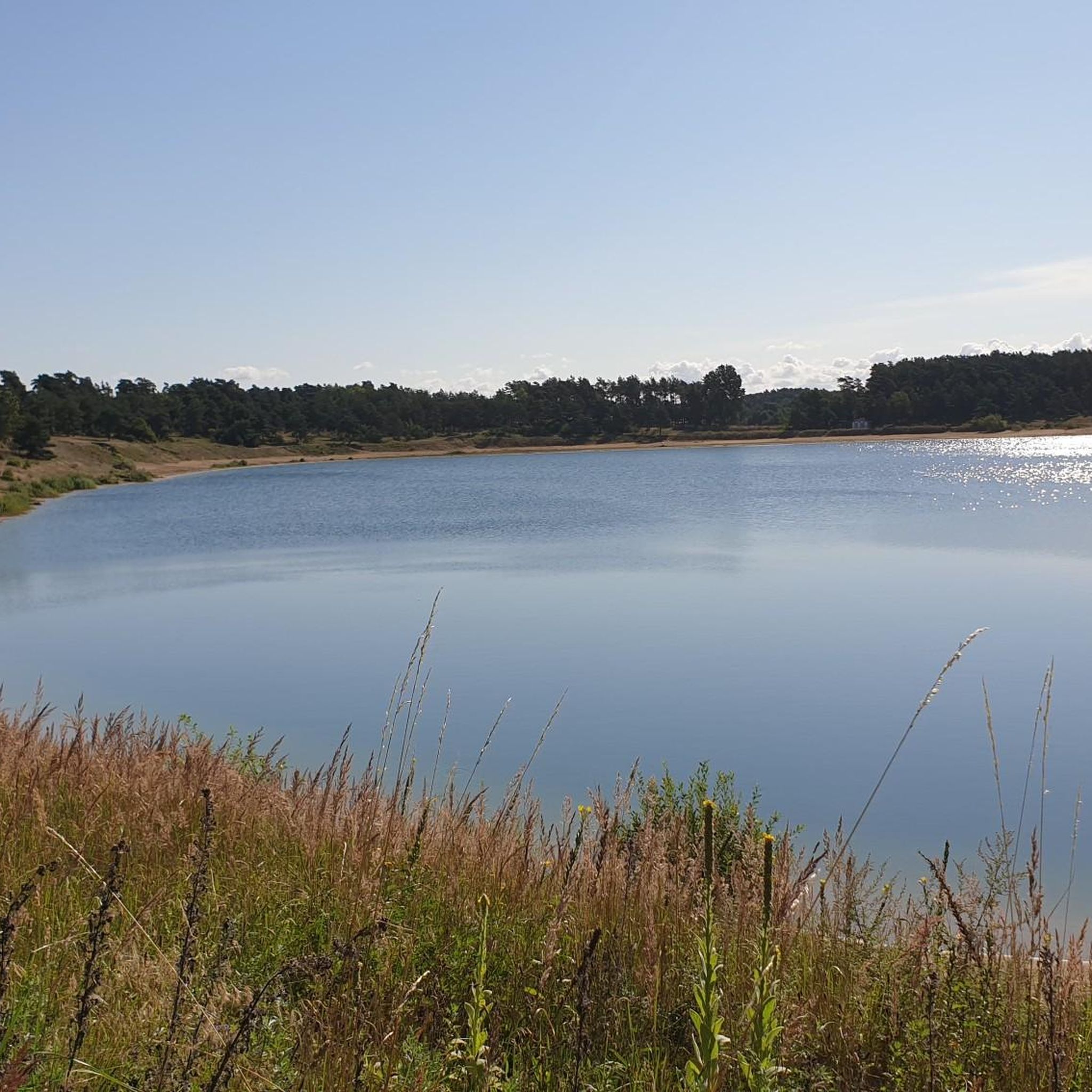
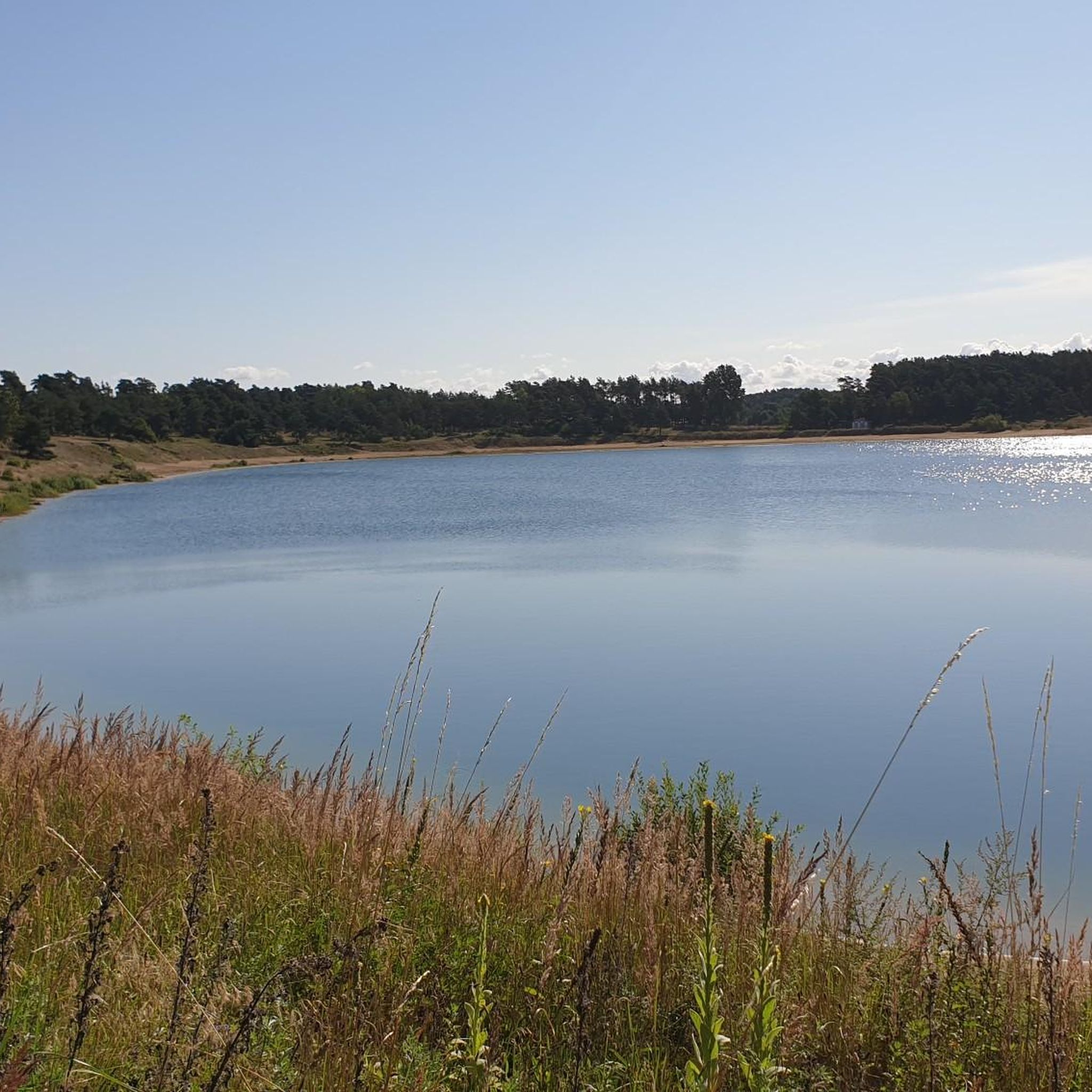
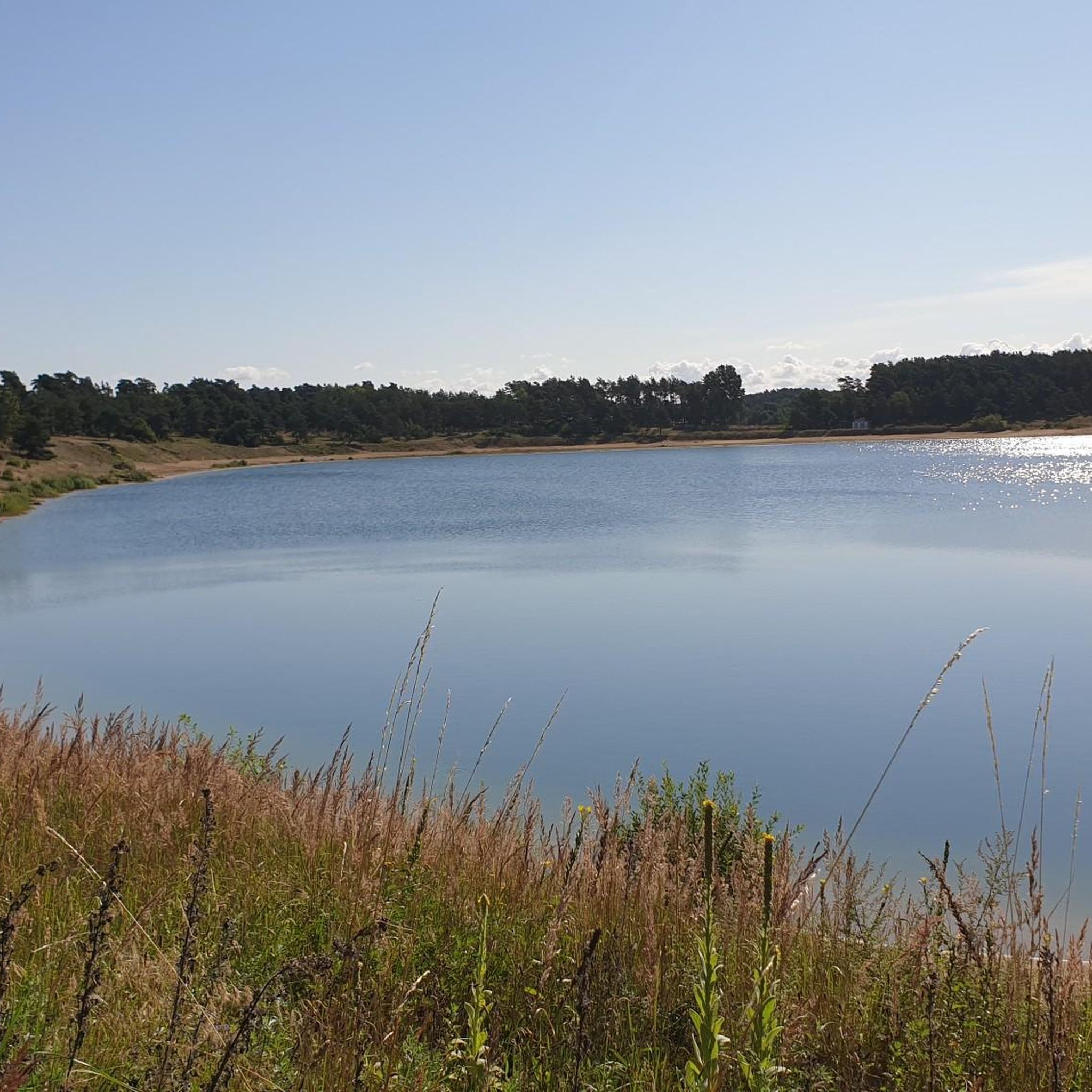
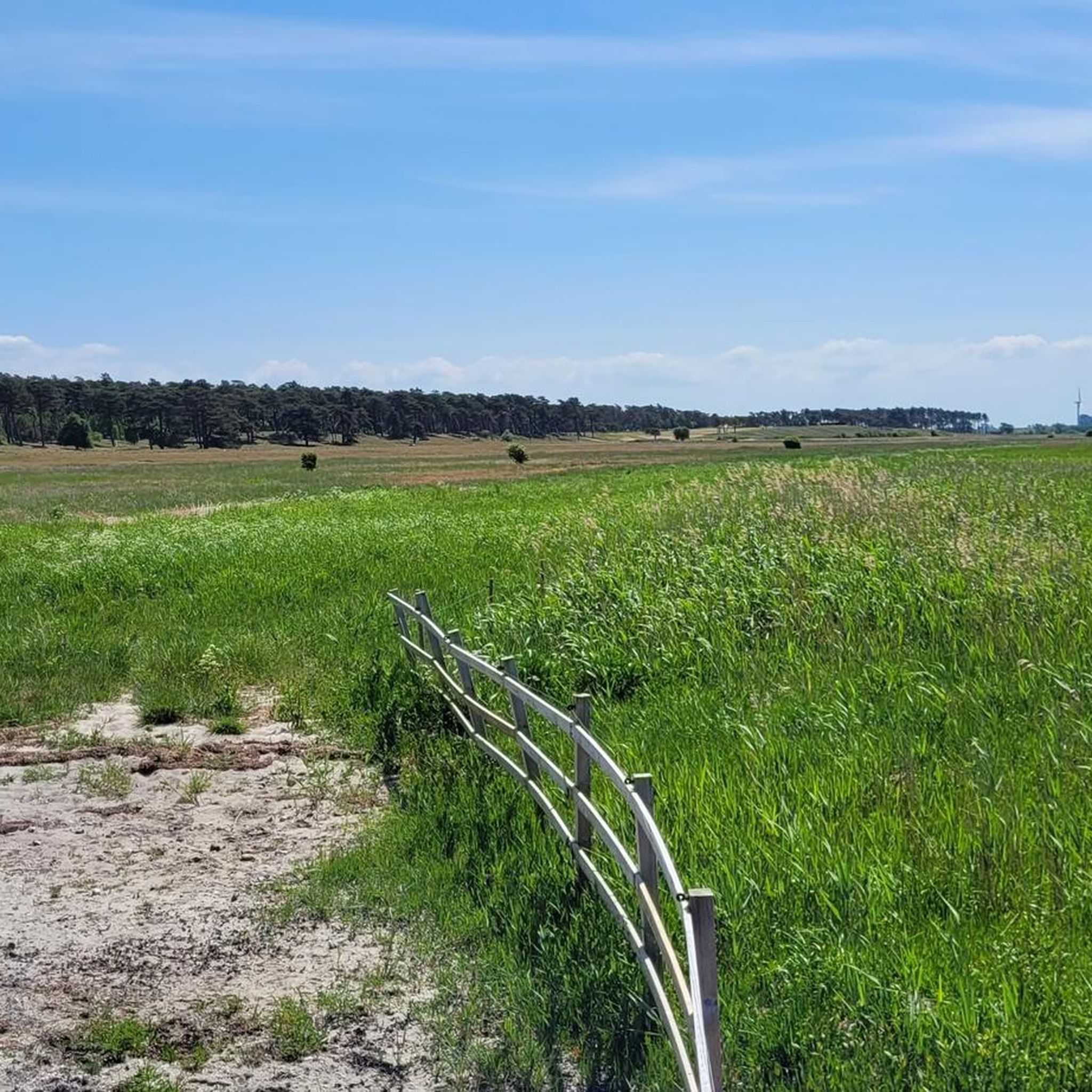
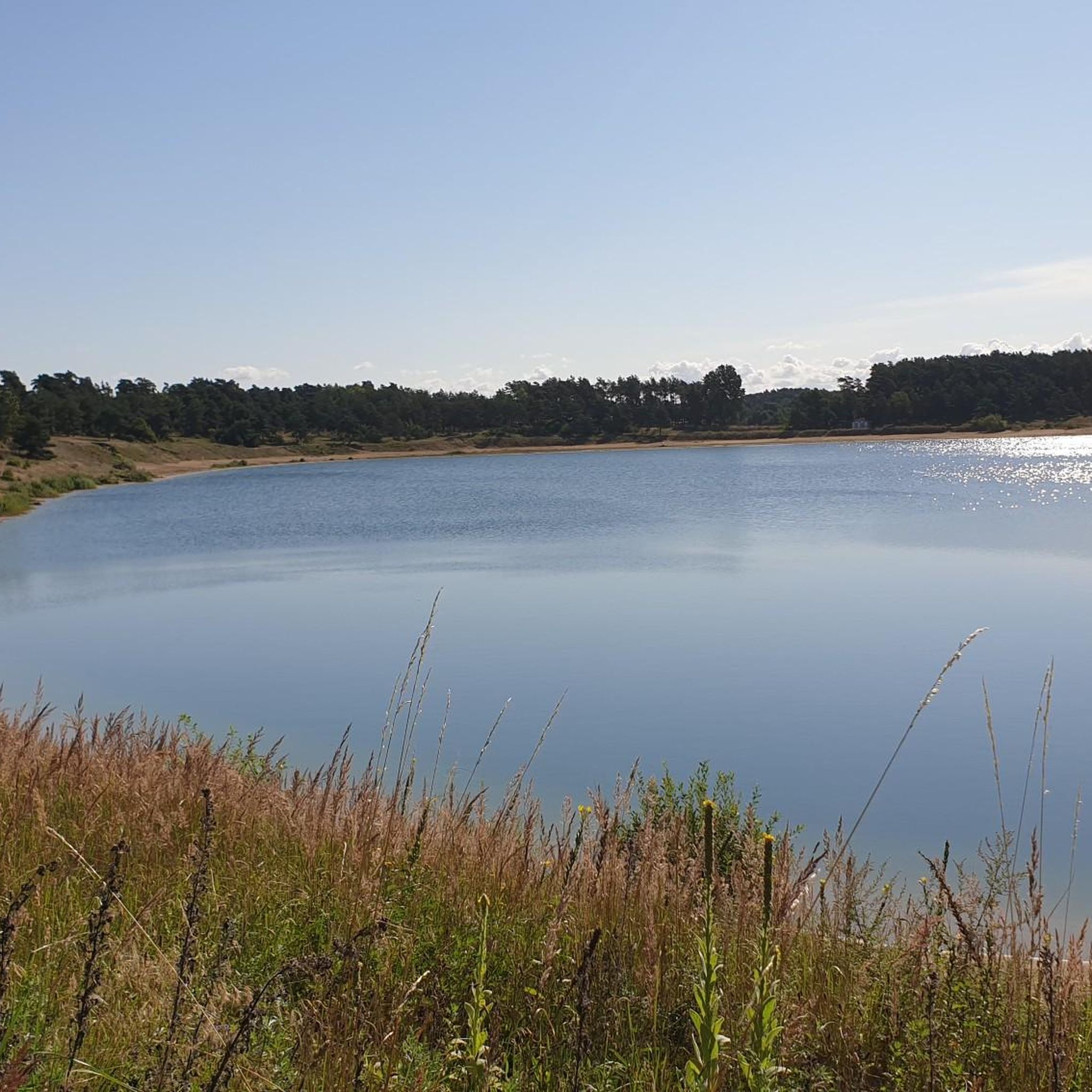
In Haboljungs Fure Nature Reserve you follow soft sandy paths through open pine forest, where woodpeckers, tits and roe deer move quietly between the trunks. The young pines, originally planted to stop the drifting sand, are slowly turning into a more natural coastal woodland oasis – a peaceful place for a short walk or easy ride before you roll on towards the beaches of Lomma.
0
0

I did a hike there in September. It was a nice landscape and easy to walk. In my opinion you don't need to see the amusement park, it seems really strange in this landscape. I would recommend you to take a binocular with you as you sometimes see deers in some distance. I only saw a few deers during the hike, most of them in the start/end region so don't expect to see them everywhere. I wanted to combine this hike with Frilandsmuseet, but it was closed this day.
0
0

The area is huge and you can spend hours hiking and watching animals
0
0

Strandhusens revlar (en) The sandy reefs along the Lomma coast are popular feeding and resting places for both migrating and resident seabirds. The shallow seabed is also an important nursery for many flatfish and life thrives in the extensive seagrass beds. The Strandhusens Revlar marine reserve protects the shallow seabed and water including extensive beds of seagrass that grow along the coast. The water in Lommabukten is a typically brackish environment with a mix of salt and fresh water. The seagrass meadows grow at a depth of 1-12 meters and are a globally threatened habitat. They are important to a variety of species that forage here. The meadow area in particular is a tree nursery for several species. Life thrives here: beachhoppers (amphioda), lots of small laver scallops and Baltic woodlice. You can also find fry of small fish, sand gobies, fish of the Gobiidae family, garfish, as well as common shrimp. Cod and trout hunt in the upper layers of seagrass and closer to the bottom live cod, eel and Atlantic herring. The broad-nosed needle, which is a close relative of the seahorse, hides in the sea grass. Flatfish thrive on the bare mosaic sandbars surrounded by the seagrass stands. Beach crabs search for food and take cover under rocks. Several species of seabirds use the seagrass beds to forage. The seagrass mitigates erosion by binding sand and bottom sediment with its roots, while the leaf mass reduces wave energy reaching the beach. Vegetation absorbs nutrients and carbon dioxide from the water, mitigating the effects of eutrophication and climate change. Another important effect of the seagrass meadows is the stabilization of the bottom sediment, resulting in even clearer water. The purpose of the reserve is to protect and care for the valuable natural environment of the area and its biodiversity. It is important to ensure the survival of the seagrass beds and shallow seabed so that they can continue to support rich marine life.
1
0

A great place to visit. The entrances are closed at 9.30 pm so you can enjoy the garden after work or classes here. The garden plan is very nice, variety of plants that grow in Sweden and other areas. The garden is big enough for a walk. There are space to sit for a picnic during a warm day
1
0

The Lund Botanical Garden is open year-round and features an impressive eight-hectare outdoor area, home to over 7,000 different plant species. A further 2,000 plant species from predominantly tropical and subtropical regions are housed in the large greenhouse.
4
0

Beautiful hiking and recreation area with an incredible number of fallow deer.
1
0
Frequently Asked Questions
What are some of the most popular natural monuments to visit around Kävlinge?
Among the most popular natural monuments are Lund Botanical Garden, which boasts over 7,000 plant species, and Jægersborg Deer Park, a vast recreation area known for its numerous fallow deer and excellent hiking opportunities. Visitors also highly appreciate Strandhusens Revlar Nature Reserve, a marine reserve vital for seabirds and marine life.
Are there family-friendly natural monuments in Kävlinge?
Yes, several natural monuments are ideal for families. Lund Botanical Garden offers spacious outdoor areas and a greenhouse to explore. Jægersborg Deer Park is perfect for wildlife spotting and walks. Additionally, Rinnebäcksravinen Nature Reserve provides accessible walking and cycling routes, and the Swimming Bay at Järavallen Nature Reserve is a great spot for clear water and sandy areas.
What kind of wildlife can I expect to see in Kävlinge's natural monuments?
Kävlinge's natural monuments are rich in wildlife. At Jægersborg Deer Park, you can observe numerous fallow deer. Along the Kävlinge River, you might spot beavers and herons. Coastal areas like Strandhusens Revlar Nature Reserve are crucial for seabirds and various marine species, including flatfish and shrimp. Lödde Sandskog is home to deer and squirrels.
Are there any natural monuments with unique geological features?
Yes, Rinnebäcksravinen Nature Reserve is a prime example. This approximately 7-meter-deep ravine was formed by melting ice sheets and features an exciting geology with visible layers of soil and Daniite chalk. It's a fascinating place to explore the region's natural history.
What outdoor activities can I do near these natural monuments?
The area around Kävlinge offers diverse outdoor activities. You can find numerous running trails, including a 'Beautiful forest trail – Sea view loop' from Järavallens naturreservat, which you can explore further in the Running Trails around Kävlinge guide. For cyclists, there are road cycling routes like the 'Bakery with coffee and drinks loop' from Löddeköpinge, detailed in the Road Cycling Routes around Kävlinge guide. Mountain biking enthusiasts can enjoy trails such as the 'Sakstorpssjön – Sea view loop' from Järavallens naturreservat, found in the MTB Trails around Kävlinge guide.
Are there accessible natural monuments for visitors with mobility considerations?
Järavallen Nature Reserve, which includes the Swimming Bay at Järavallen Nature Reserve, offers accessible trails and a birdwatching platform, ensuring broader access for visitors. Rinnebäcksravinen Nature Reserve also has good walking and cycling routes around the canyon, making it relatively easy to navigate.
Can I bring my dog to the natural monuments in Kävlinge?
Many natural areas in Kävlinge are dog-friendly. The Swimming Bay at Järavallen Nature Reserve is noted as a dream for dogs with its clear water and sandy areas. Generally, nature reserves and forests like Lödde Sandskog offer great opportunities for walks with dogs, provided they are kept on a leash as required by local regulations.
What is the best time of year to visit the natural monuments around Kävlinge?
The best time to visit depends on your interests. Spring and summer are ideal for enjoying the vibrant flora at Lund Botanical Garden and for coastal activities. Autumn offers beautiful foliage in forests like Lödde Sandskog and opportunities for mushroom picking. Winter can provide unique experiences for quiet hikes, especially in areas like Järavallen Nature Reserve.
Are there any natural monuments that are particularly good for birdwatching?
Yes, Järavallen Nature Reserve is known for its rich birdlife and features a dedicated birdwatching platform by the sea. Strandhusens Revlar Nature Reserve, a marine reserve, is also a vital feeding and resting place for seabirds, making it an excellent spot for birdwatching, especially for coastal species.
Where can I find tranquil forests for peaceful walks in Kävlinge?
Lödde Sandskog is a tranquil pine forest located near the coast, perfect for peaceful walks and relaxation. It features several marked trails suitable for both short strolls and longer hikes, offering a serene escape into nature. Jægersborg Deer Park also provides extensive forested areas for quiet exploration.
What are some lesser-known nature reserves in Kävlinge Municipality?
Beyond the more prominent sites, Kävlinge Municipality is home to several other nature reserves that preserve unique habitats. These include Salvikens strandängar, known for its coastal meadows, and moss areas such as Stora Harrie mosse, Allarps mosse, and Dagstorps mosse, each offering distinct ecological features and opportunities for quiet exploration.
Are there opportunities for fishing near the natural monuments?
The Kävlinge River, a vital natural element flowing through the municipality, is popular for fishing. Common catches include pike and perch. You can find fine walking paths along its banks, providing access to various fishing spots.
Most popular routes around Kävlinge
Most popular attractions around Kävlinge

Get inspired with the komoot mobile app


Explore more
Extend your search for the best caves by checking out these guides of the top ones around Kävlinge:
