Top 15 Natural Monuments around Kungsbacka
Best natural monuments around Kungsbacka showcase the region's diverse geological formations and coastal ecosystems. Located in northern Halland, Sweden, Kungsbacka features landscapes shaped by ancient glacial movements and the sea. The area is characterized by rugged coastlines, glacial ridges, and unique heathland environments. These natural features provide opportunities for outdoor exploration and offer insights into the area's natural history.
Best natural monuments around Kungsbacka
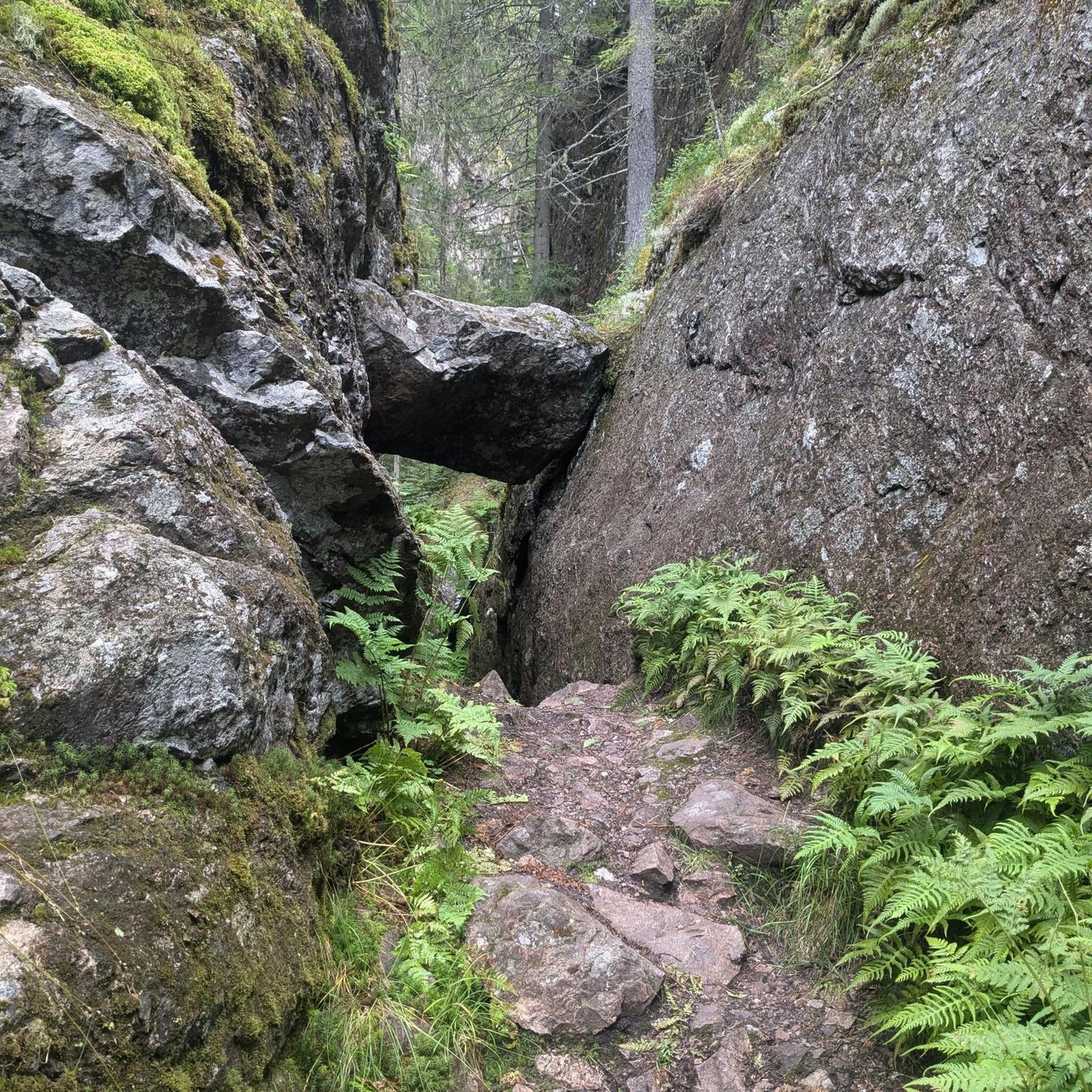
- The most popular natural monuments is Borrås Skåra Gorge, a gorge that is approximately 100…
Last updated: August 30, 2026
Borrås Skåra Gorge
Highlight (Segment) • Gorge
Translated by Google •
Tip by

Bronze Age Cairns
Highlight • Historical Site
A note is attached to a post.
Here is the German translation/explanation:
Cairns (Cairns)
Cairns belong to a class of graves constructed during the Bronze Age (1800–500 …
Translated by Google •
Tip by

Sign up now to discover places like this
Get recommendations on the best single tracks, peaks, & plenty of other exciting outdoor places.
Sign up for free
Oxsjön
Highlight • Lake
Tip by

Water Infiltration Ponds at Fjärås Bräcka Nature Reserve
Highlight • Structure
Translated by Google •
Tip by

Naturum Fjärås Bräcka Visitor Centre
Highlight • Rest Area
Translated by Google •
Tip by
Sign up for free to discover even more natural monuments around Kungsbacka.
Sign up for free
Already have an account?
Start today with a free account
Your next adventure awaits.
Login or Signup
Popular around Kungsbacka
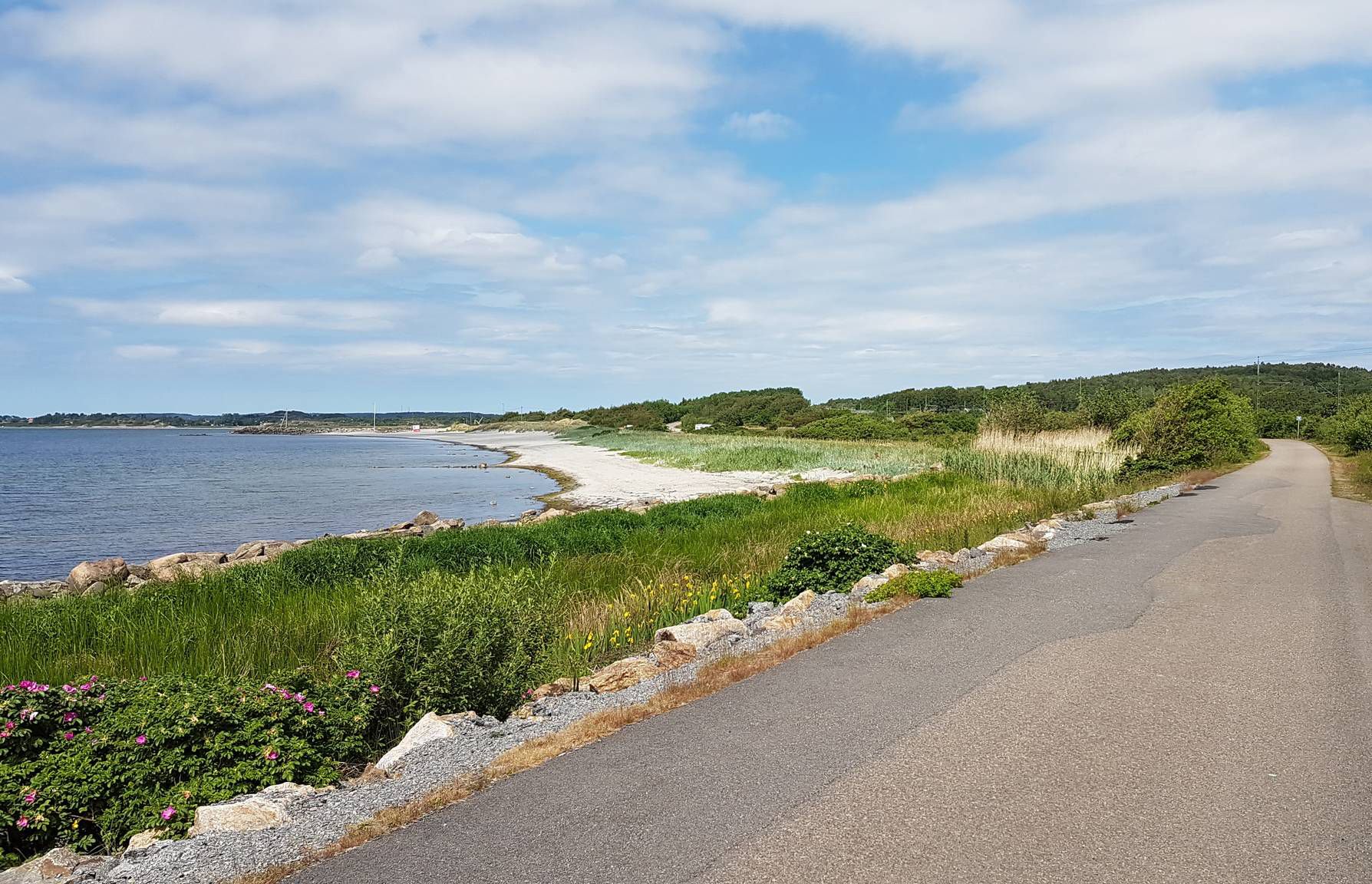
The North Sea Coast Cycle Route — Sweden
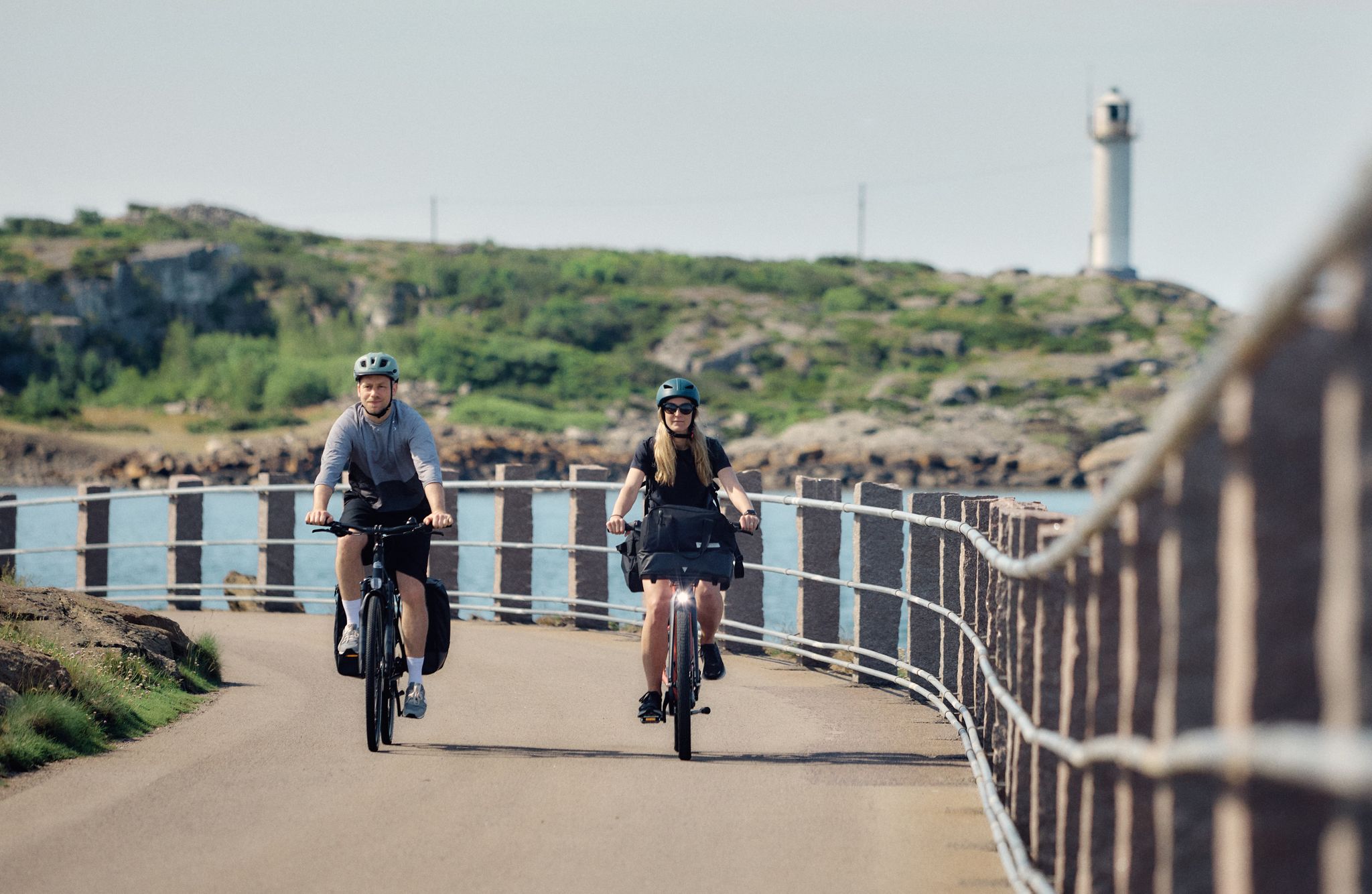
Kattegattleden – Sweden's iconic coastal cycle path
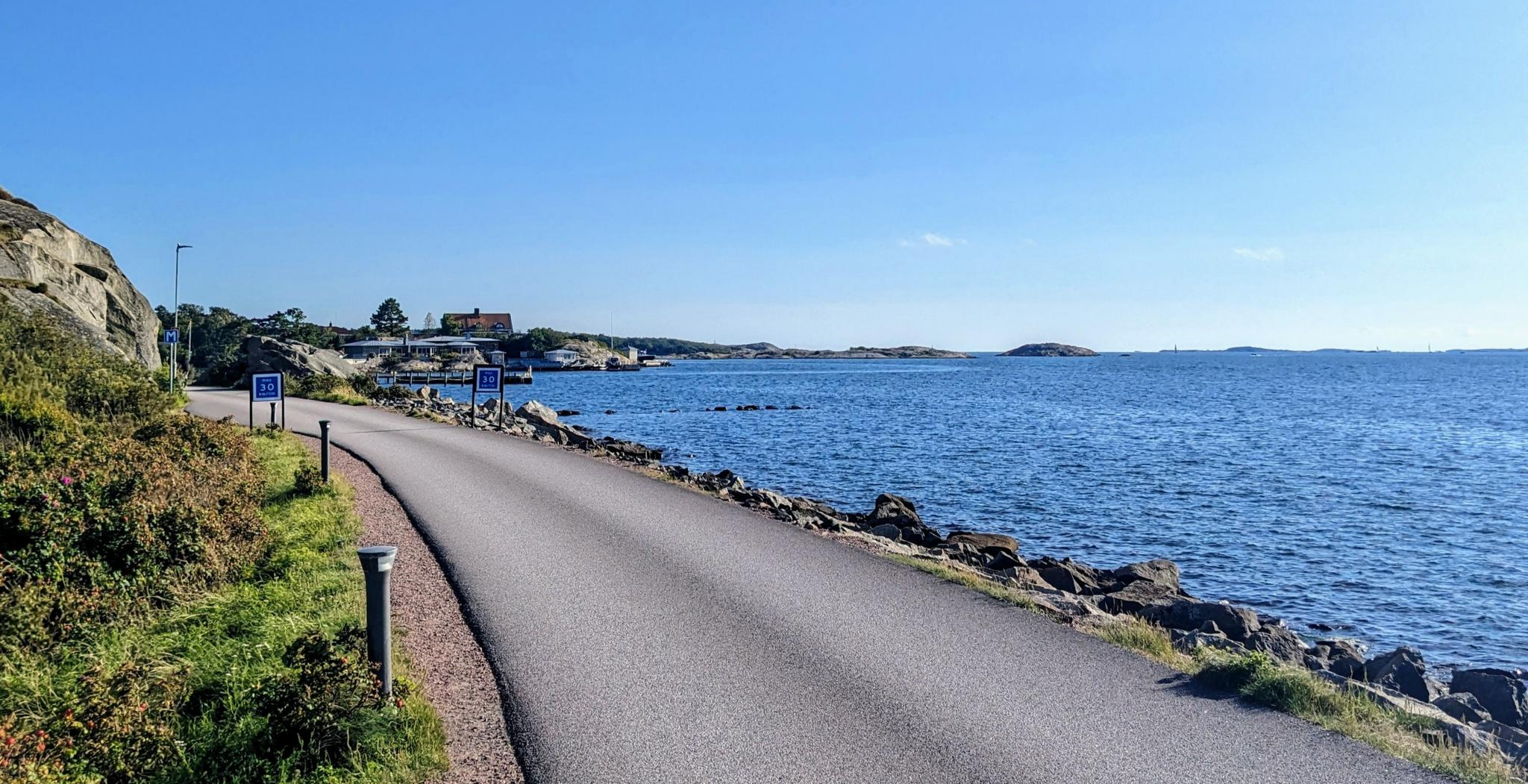
Kattegattleden Bike Trail – Coastal cycling in Sweden
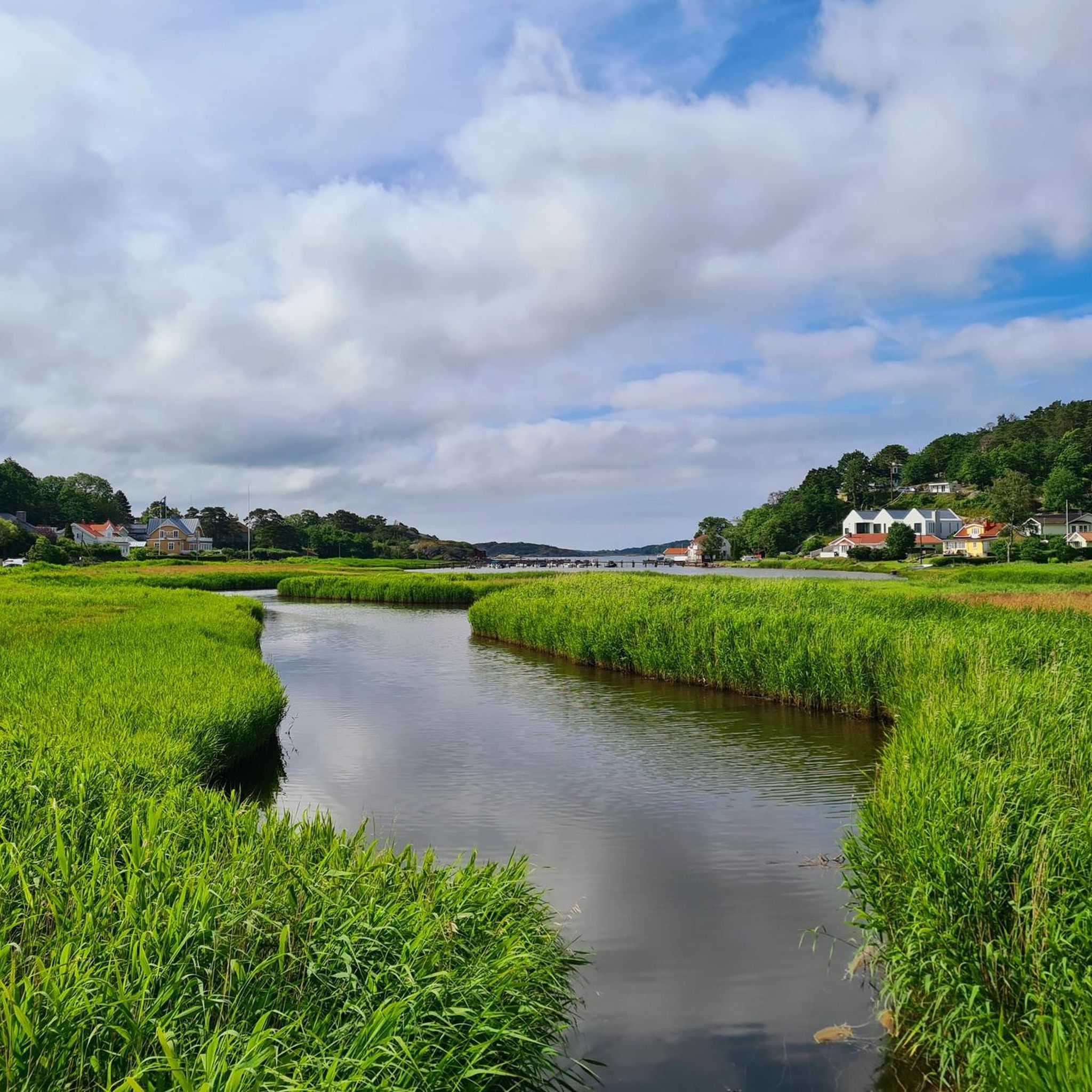
Hiking around Kungsbacka
Cycling around Kungsbacka
Road Cycling Routes around Kungsbacka
Running Trails around Kungsbacka
MTB Trails around Kungsbacka
Gravel biking around Kungsbacka


Tips from the Community

A small trail winds around the gorge. Rough terrain, fallen trees lie across it. But a small path is always recognizable.
1
0

A great circular route around the lake, always alongside the military training area. The route is also suitable for a walk with a stroller.
1
0

Beautiful lake in a nature reserve. A 2.5 km circular path leads around the lake. The path is gravelled and easy to walk on. The circular path is also easily manageable with a stroller. There are several benches and a shelter on one side of the lake, as well as two barbecue areas.
1
0
Bronze Age cairns: A note is attached to a post. Here is the German translation/explanation: Cairns (Cairns) Cairns belong to a class of graves constructed during the Bronze Age (1800–500 BC). The central part of a cairn often contains a burial chamber made of stone slabs for a single burial, either as an inhumation or cremation. Clay vessels, flint, and sometimes a metal object are part of the grave furnishings. The depression in the central part of these cairns was probably caused by the collection of stones taken from the scree in the escarpment west-southwest of the cairn. Cairns are usually located in distinctive locations—on a peak facing the sea. Ancient monuments are protected by law.
2
0

Oxsjön Lake is located in the Sandsjöbacka Natura 2000 area. It's a beautiful, calm spot for a hike. The paths lead around the lakes Sisjön and Oxsjön. There is a barbecue area here.
0
0

Part of a largely natural drinking water treatment process. The water is pumped from the Lygnern (inland lake) from a depth of around 20 m to the surface so that it is mixed with air and the aerobic bacteria can break down fungi, other bacteria and pollutants, and so that the water can seep into the sand. On its journey to the groundwater, which takes around two months, it is naturally filtered through the layers of sand. It is then pumped back up together with the natural groundwater and bacteria and other germs are killed with UV light. Finally, the water is fed into the drinking water network. What you can see here is the part when the water from the lake comes to the surface, is mixed with air and seeps into the ground.
4
0
Naturum Visitor Center. Here you will find a café, a souvenir shop and a small, lovingly designed exhibition on the topic of local nature, history and lifestyle. Here, the bridge is built from the Stone Age through the Bronze, Iron and Viking Ages to the last century. The exhibition is free of charge.
4
0

The crevice is approximately 100 meters long, ten meters deep, and 0.5-2.5 meters wide. It originated around 100 million years ago in a weak point in the rock. Over time, erosion and weathering have created the crevice.
5
1
Frequently Asked Questions
What are some of the most unique natural monuments to visit in Kungsbacka?
Kungsbacka offers several unique natural monuments. The Borrås Skåra Gorge is a geological marvel, a narrow crevice carved by ancient forces. Another impressive site is Fjärås Bräcka, an immense glacial ridge that dams Lake Lygnern, offering panoramic views and insights into the Ice Age. The coastal Kungsbackafjorden Nature Reserve, with its observation tower, is excellent for birdwatching and enjoying sea views.
Are there any natural monuments in Kungsbacka with significant historical or geological importance?
Yes, several natural monuments in Kungsbacka are rich in history and geology. Borrås Skåra Gorge was formed about 100 million years ago and further sculpted by Ice Age meltwater, with a legend of a wedged boulder. Fjärås Bräcka is an internationally recognized glacial ridge formed 14,500 years ago, featuring ancient historical remnants like the Li burial ground. Näsbokrok Nature Reserve also contains Bronze Age burial cairns visible from the sea.
Which natural monuments in Kungsbacka are suitable for families with children?
For families, Oxsjön in the Sandsjöbacka Natura 2000 area is a great choice, offering a 2.5 km circular path that is graveled and easily manageable with a stroller. It also has barbecue areas. The Naturum Fjärås Bräcka Visitor Centre, located at Fjärås Bräcka, provides educational exhibits and a café, making it a family-friendly stop. The Observation tower at Kungsbackafjorden Nature Reserve is also family-friendly, offering beautiful views and birdwatching opportunities.
Where can I find easy walking trails or accessible paths near Kungsbacka's natural monuments?
The circular path around Oxsjön is graveled and easy to walk, even with a stroller. Näsbokrok Nature Reserve offers marked coastal hiking trails, some of which are accessible. Vallda Sandö Nature Reserve also provides picturesque walking paths suitable for various abilities.
What kind of wildlife can I expect to see at Kungsbacka's natural monuments?
Kungsbacka's natural monuments are excellent for wildlife spotting, especially birds. Näsbokrok Nature Reserve is a haven for birdwatchers, serving as a breeding ground and stop for migratory birds. The Observation tower at Kungsbackafjorden Nature Reserve is specifically noted for birdwatching, particularly during migratory seasons. Vallda Sandö Nature Reserve is also appreciated for its diverse coastal environment and birdlife.
Are there opportunities for hiking or cycling near the natural monuments in Kungsbacka?
Yes, the Kungsbacka area offers numerous opportunities for outdoor activities. For hiking, you can explore trails like the 'Blue loop - Särö Västerskog' or 'Jägarens stig'. If you prefer cycling, routes such as 'Gustaf Adolfs Torg – Archipelago Coast Near Gothenburg loop' or 'Dreamlike route by the sea' are available. You can find more details on these and other routes in the Hiking around Kungsbacka and Cycling around Kungsbacka guides.
Which natural monuments offer the best panoramic views in Kungsbacka?
Fjärås Bräcka provides breathtaking panoramic views over Lake Lygnern to the east and the Kungsbacka Fjord and coastal plain to the west. The Borrås Skåra Gorge also leads to a rocky plateau with beautiful views of the surrounding area. Additionally, the Observation tower at Kungsbackafjorden Nature Reserve offers a fantastic view of the sea and bird breeding areas.
Can I find unique plant life or ecosystems at Kungsbacka's natural monuments?
Absolutely. Näsbokrok Nature Reserve supports a rare coastal heathland ecosystem with diverse flora, including sea kale, common scurvygrass, and even the carnivorous yellow bladderwort in swampy areas. Vallda Sandö Nature Reserve features botanically significant low-lying salt meadows, home to unique salt-dependent plants like rigid glasswort and the rare sea lavender.
What do visitors enjoy most about the natural monuments around Kungsbacka?
Visitors frequently appreciate the diverse natural beauty, from dramatic geological formations to serene coastal landscapes. The opportunity for peaceful walks, birdwatching, and experiencing ancient history is often highlighted. The Borrås Skåra Gorge is praised for its unique passage, while Oxsjön is loved for its calm atmosphere and easy circular path. The panoramic views from Fjärås Bräcka and the birdwatching at Kungsbackafjorden Nature Reserve are also popular.
Are there any facilities or visitor centers near the natural monuments?
Yes, the Naturum Fjärås Bräcka Visitor Centre is located at Fjärås Bräcka. It offers a café, a souvenir shop, and an exhibition on local nature, history, and lifestyle. There are also clean toilets and fresh water available. Oxsjön has several benches, a shelter, and two barbecue areas.
What are the geological features that shaped the natural monuments in Kungsbacka?
The natural monuments in Kungsbacka were primarily shaped by ancient geological processes and the Ice Age. Borrås Skåra Gorge was formed in a weak spot in the rock about 100 million years ago and further sculpted by Ice Age meltwater rivers. Fjärås Bräcka is an immense glacial ridge, or end moraine, formed towards the end of the last glaciation period. Coastal areas like Näsbokrok and Vallda Sandö Nature Reserves feature rugged landscapes, shingle fields, and cliffs, all shaped by glacial movements, sea, wind, and ice.
Are there any coastal natural monuments in Kungsbacka?
Yes, Kungsbacka boasts several coastal natural monuments. Näsbokrok Nature Reserve, on the tip of the Ölmanäs peninsula, is known for its rugged coastal beauty, shingle fields, and heather moors with stunning views of the Kattegat sea. Vallda Sandö Nature Reserve, despite its name, is a peninsula characterized by bare cliffs, boulder beaches, and unique salt meadows, offering a diverse coastal environment.
Most popular routes around Kungsbacka
Most popular attractions around Kungsbacka

Get inspired with the komoot mobile app


Explore more
Extend your search for the best caves by checking out these guides of the top ones around Kungsbacka:
