Top 15 Natural Monuments around Göteborg
Best natural monuments around Göteborg offer diverse landscapes for outdoor exploration. The region features a mix of coastal areas, dense forests, and expansive green spaces. These natural areas provide opportunities for various activities, from tranquil walks to more active adventures. Göteborg's natural environment is characterized by its accessible parks and nature reserves within and near the city.
Best natural monuments around Göteborg
- The most popular natural monuments is Gothenburg Botanical Garden, an other natural area spanning 175 hectares with…
Last updated: May 9, 2026
Oxsjön
Highlight • Lake
Tip by

Bronze Age Cairns
Highlight • Historical Site
A note is attached to a post.
Here is the German translation/explanation:
Cairns (Cairns)
Cairns belong to a class of graves constructed during the Bronze Age (1800–500 …
Translated by Google •
Tip by

Sign up now to discover places like this
Get recommendations on the best single tracks, peaks, & plenty of other exciting outdoor places.
Sign up for free
Säveån Nature Reserve
Highlight • Natural Monument
The river …
Tip by
Slätta Damm Lake
Highlight • Lake
It is named after Sven Adolf Hedlund, who around 1860, initiated the …
Tip by

Särö Västerskog Nature Reserve
Highlight • Forest
The trail runs along forest paths and rocky sections along the beach.
Tip by
Sign up for free to discover even more natural monuments around Göteborg.
Sign up for free
Already have an account?
Start today with a free account
Your next adventure awaits.
Login or Signup
Popular around Göteborg
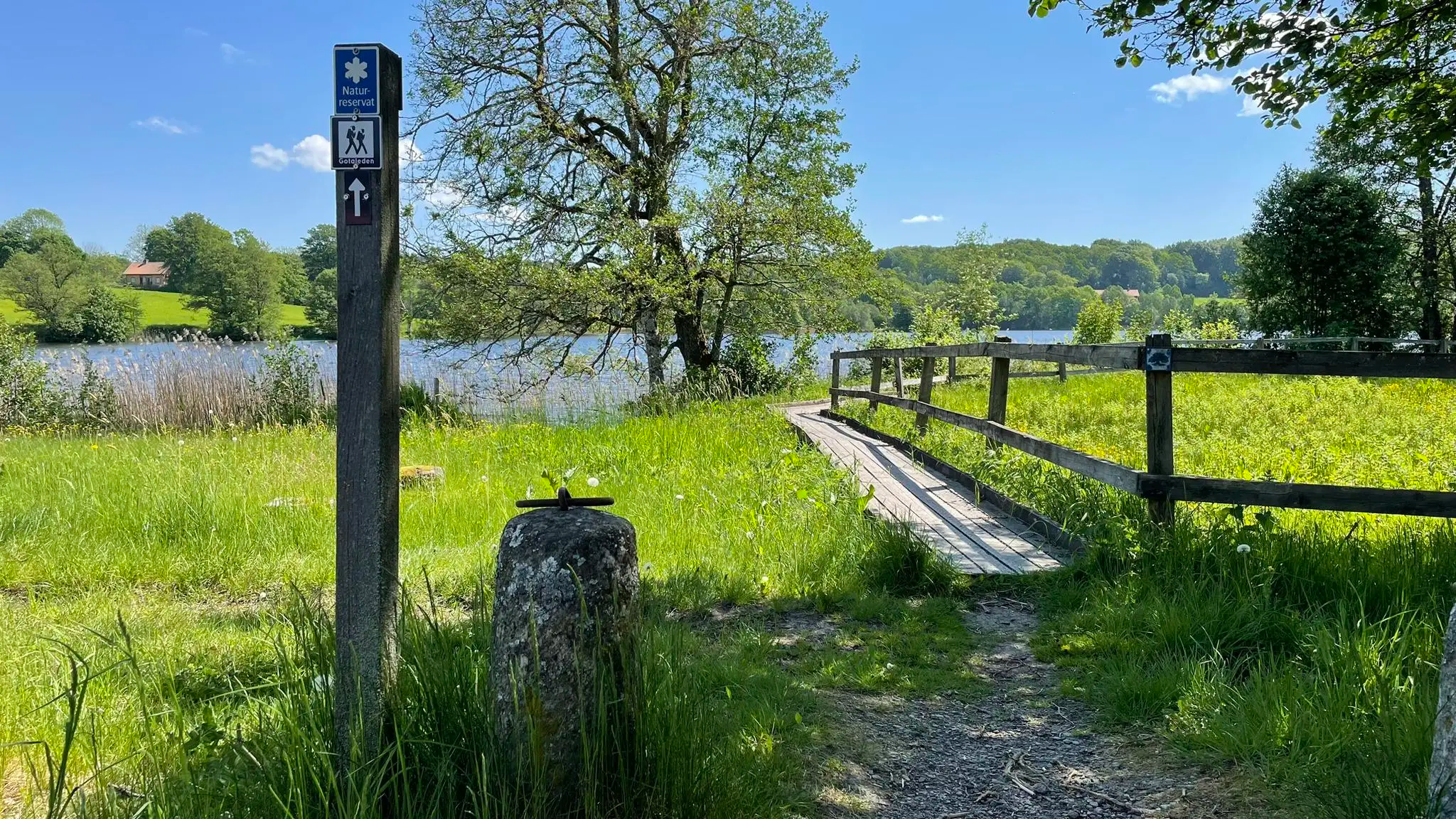
The Gotaleden trail – A great escape through western Sweden
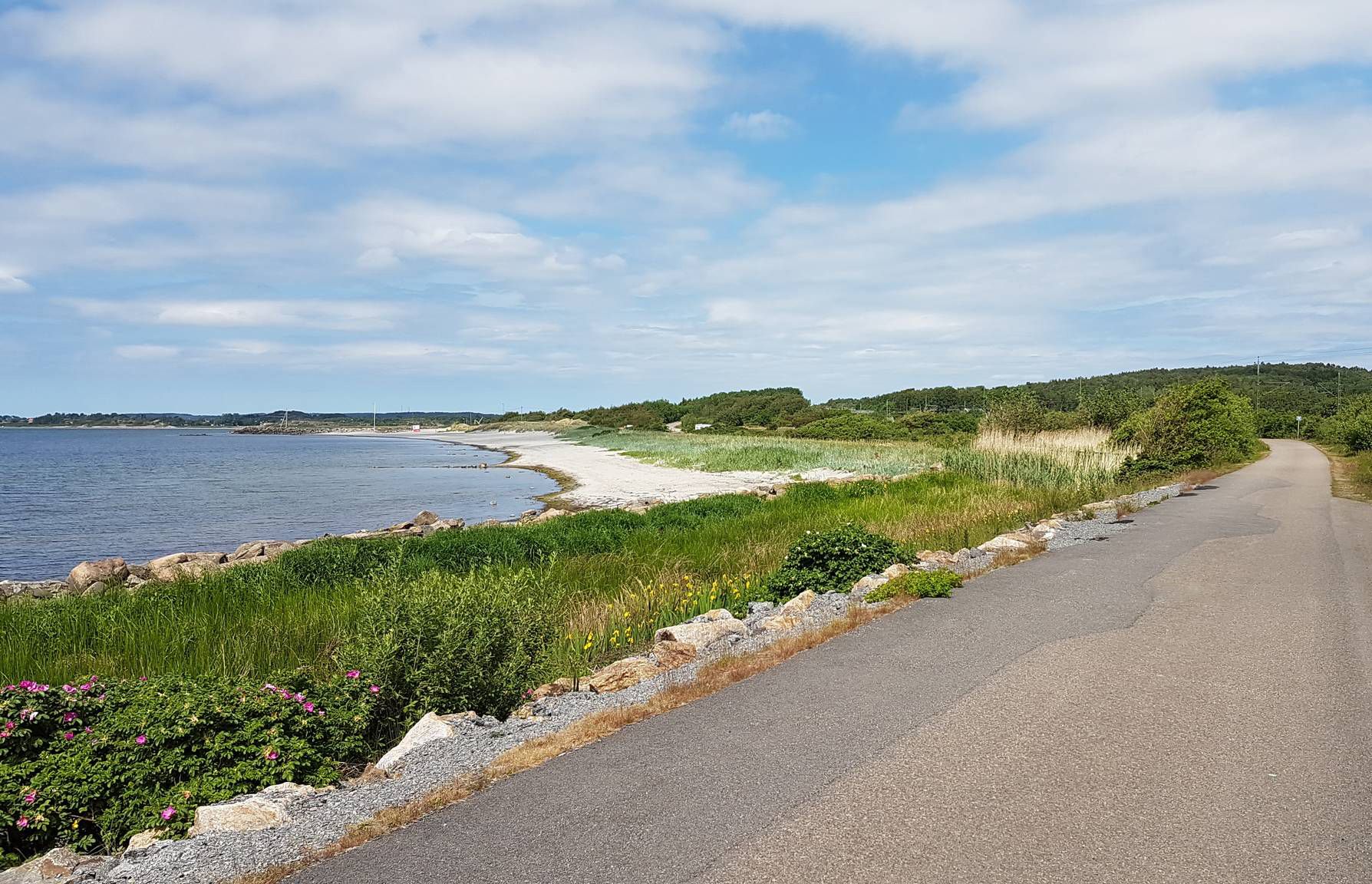
The North Sea Coast Cycle Route — Sweden
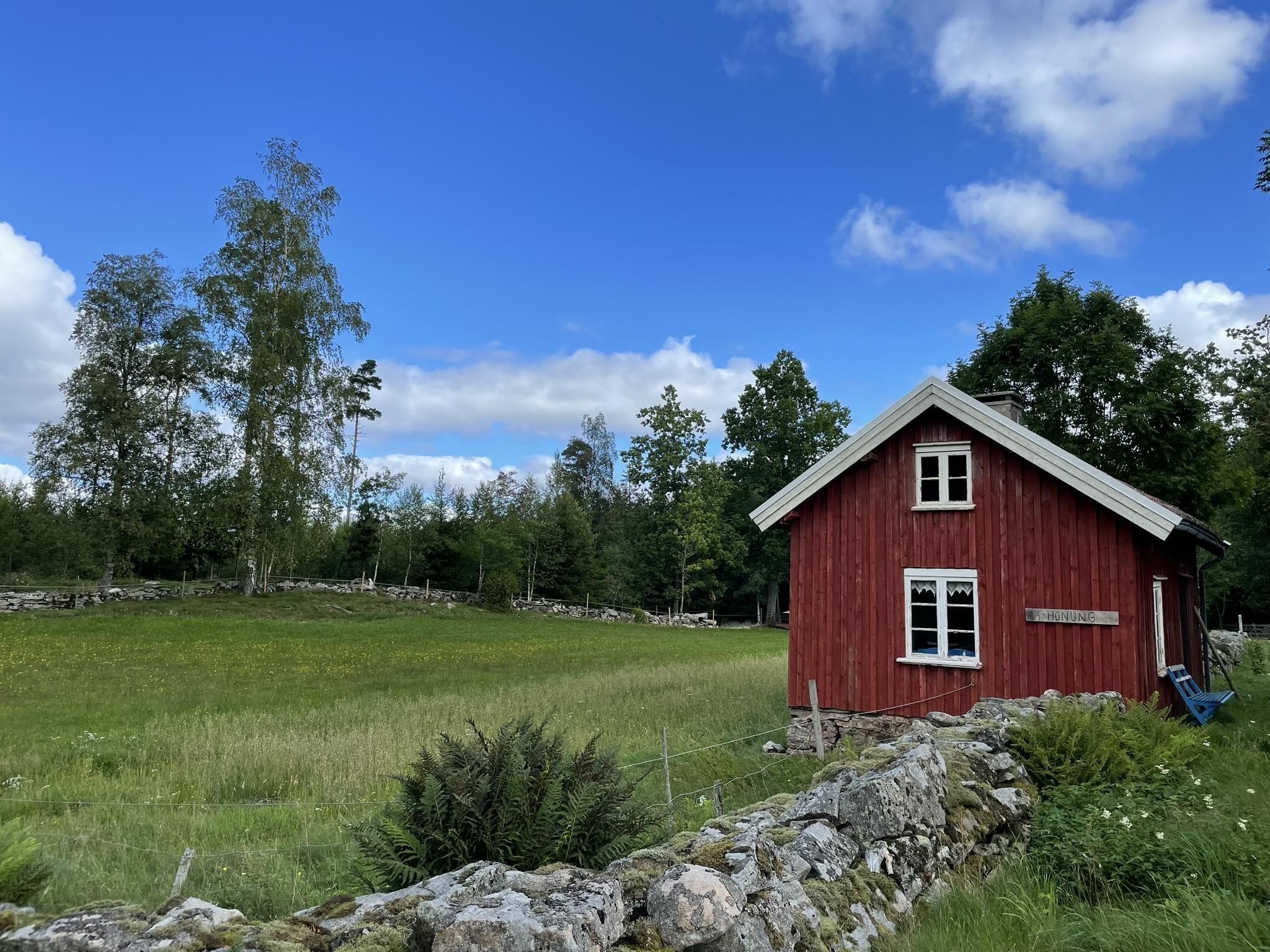
Following the Gotaleden – Gothenburg to Vårgårda
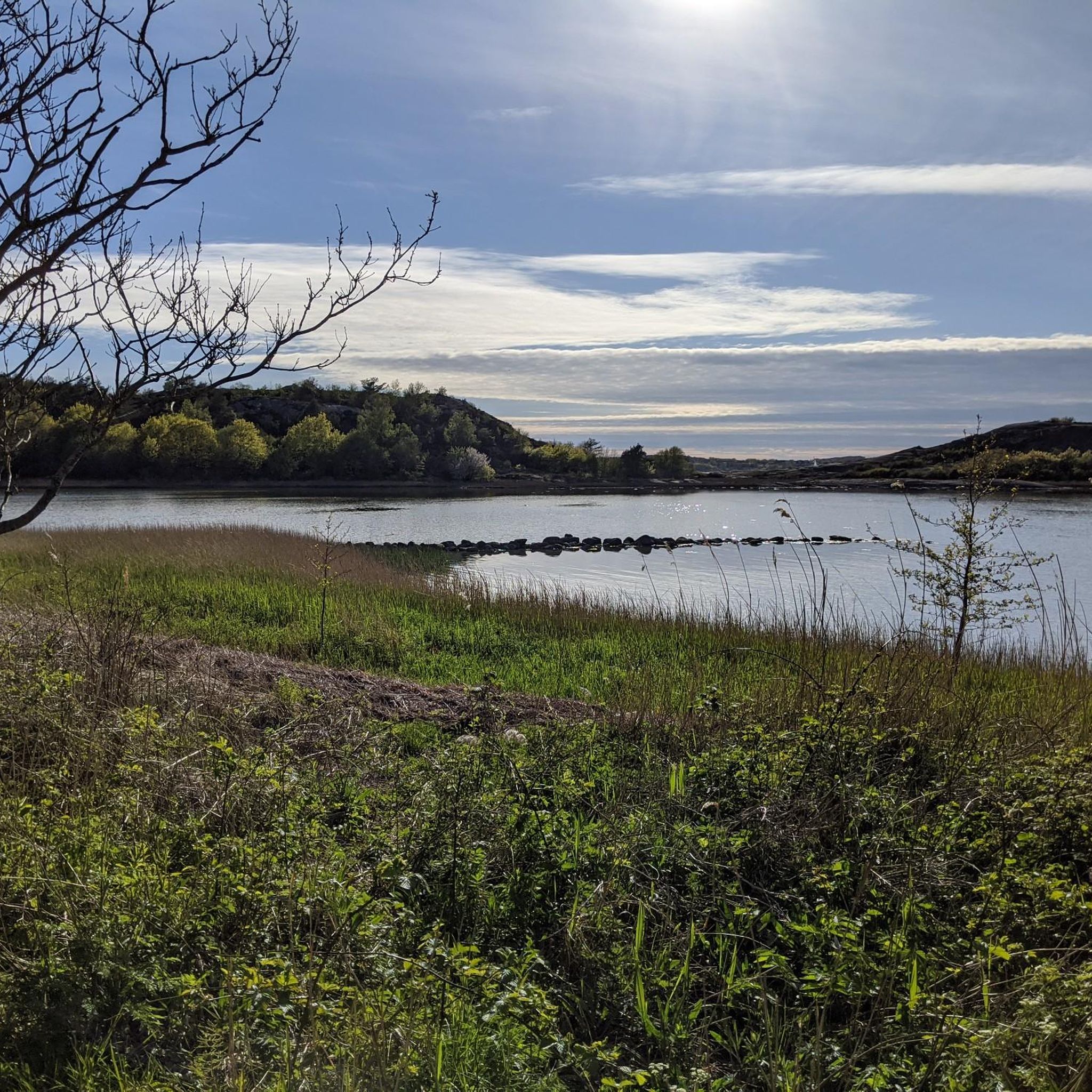
Hiking around Göteborg
Running Trails around Göteborg
Road Cycling Routes around Göteborg
Cycling around Göteborg
MTB Trails around Göteborg

Gravel biking around Göteborg


Tips from the Community

Beautiful section of the trail through the nature reserve. The biodiversity is particularly varied here, and you may spot kingfishers, white-throated dippers, beavers, salmon, trout, and even moose. The river alternates between rapids in the ravines, and calm, open pools. The dense forest gives the trail a fairytale-like feel.
0
0

A great circular route around the lake, always alongside the military training area. The route is also suitable for a walk with a stroller.
1
0

Beautiful lake in a nature reserve. A 2.5 km circular path leads around the lake. The path is gravelled and easy to walk on. The circular path is also easily manageable with a stroller. There are several benches and a shelter on one side of the lake, as well as two barbecue areas.
1
0
Bronze Age cairns: A note is attached to a post. Here is the German translation/explanation: Cairns (Cairns) Cairns belong to a class of graves constructed during the Bronze Age (1800–500 BC). The central part of a cairn often contains a burial chamber made of stone slabs for a single burial, either as an inhumation or cremation. Clay vessels, flint, and sometimes a metal object are part of the grave furnishings. The depression in the central part of these cairns was probably caused by the collection of stones taken from the scree in the escarpment west-southwest of the cairn. Cairns are usually located in distinctive locations—on a peak facing the sea. Ancient monuments are protected by law.
1
0

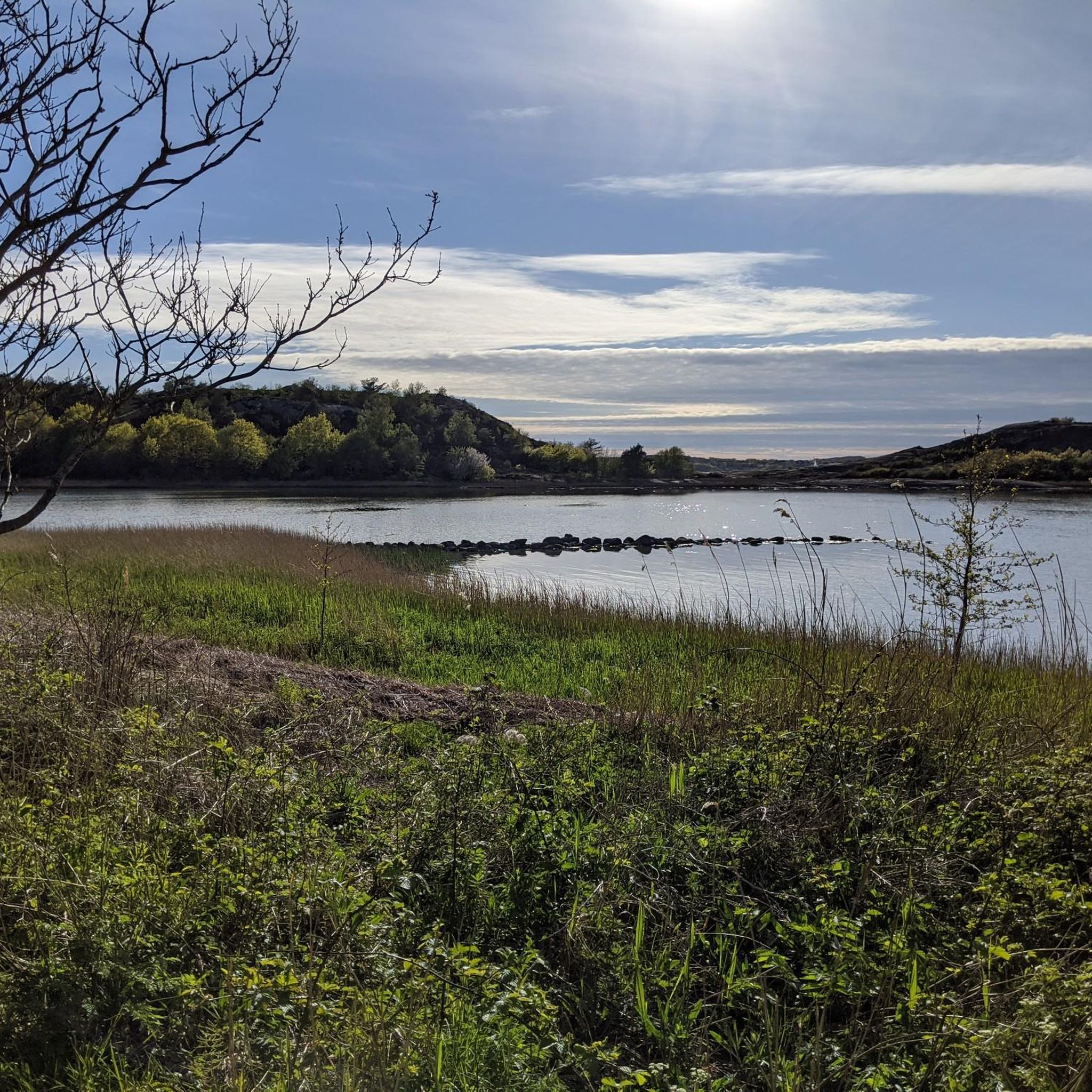
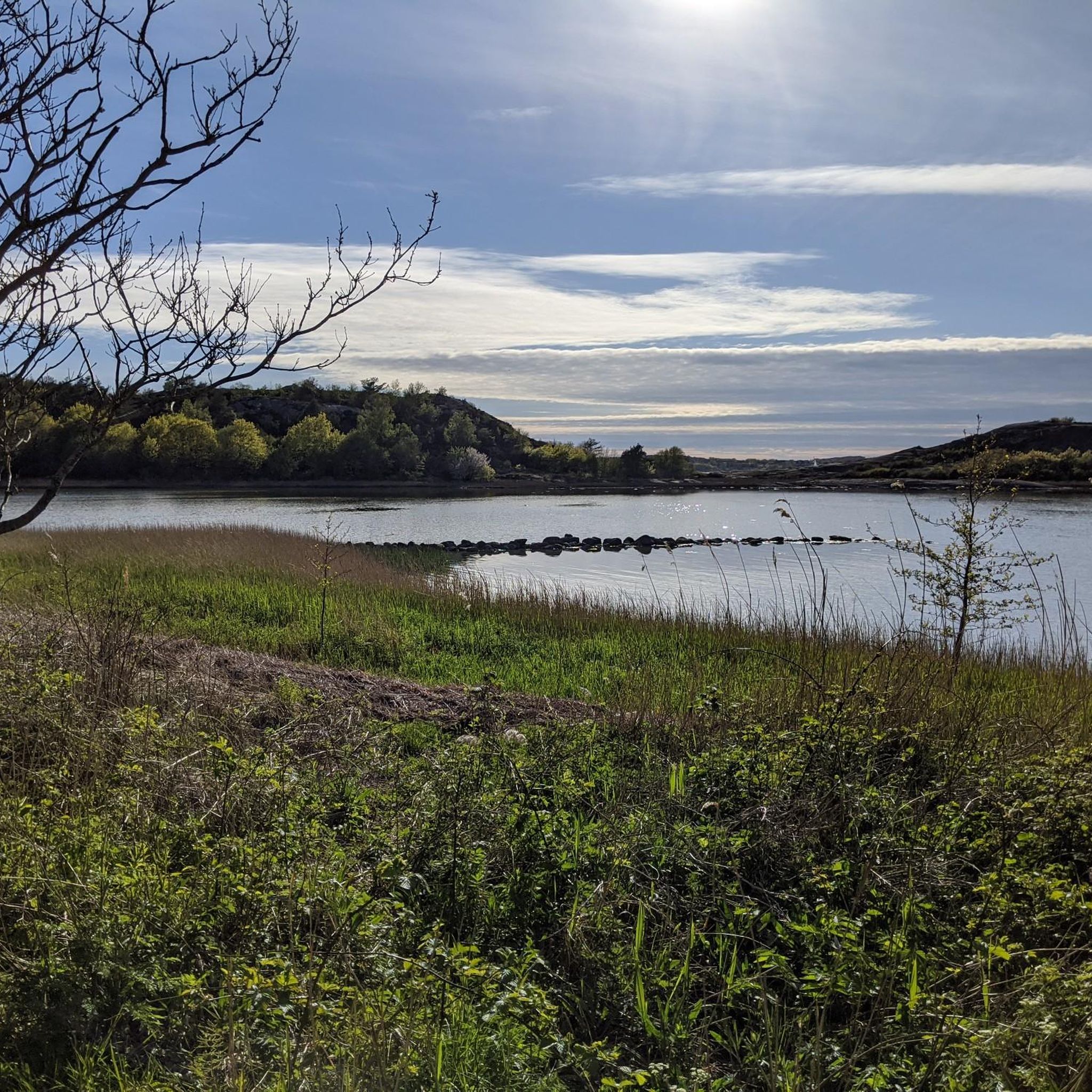
Hedlunds Park is an historic green space thatt forms part of Hisingsparken, the largest park in Gothenburg. It is named after Sven Adolf Hedlund, who around 1860, initiated the creation of Slätta damm by damming a marsh and planted forests in the surrounding area
1
0
Oxsjön Lake is located in the Sandsjöbacka Natura 2000 area. It's a beautiful, calm spot for a hike. The paths lead around the lakes Sisjön and Oxsjön. There is a barbecue area here.
0
0
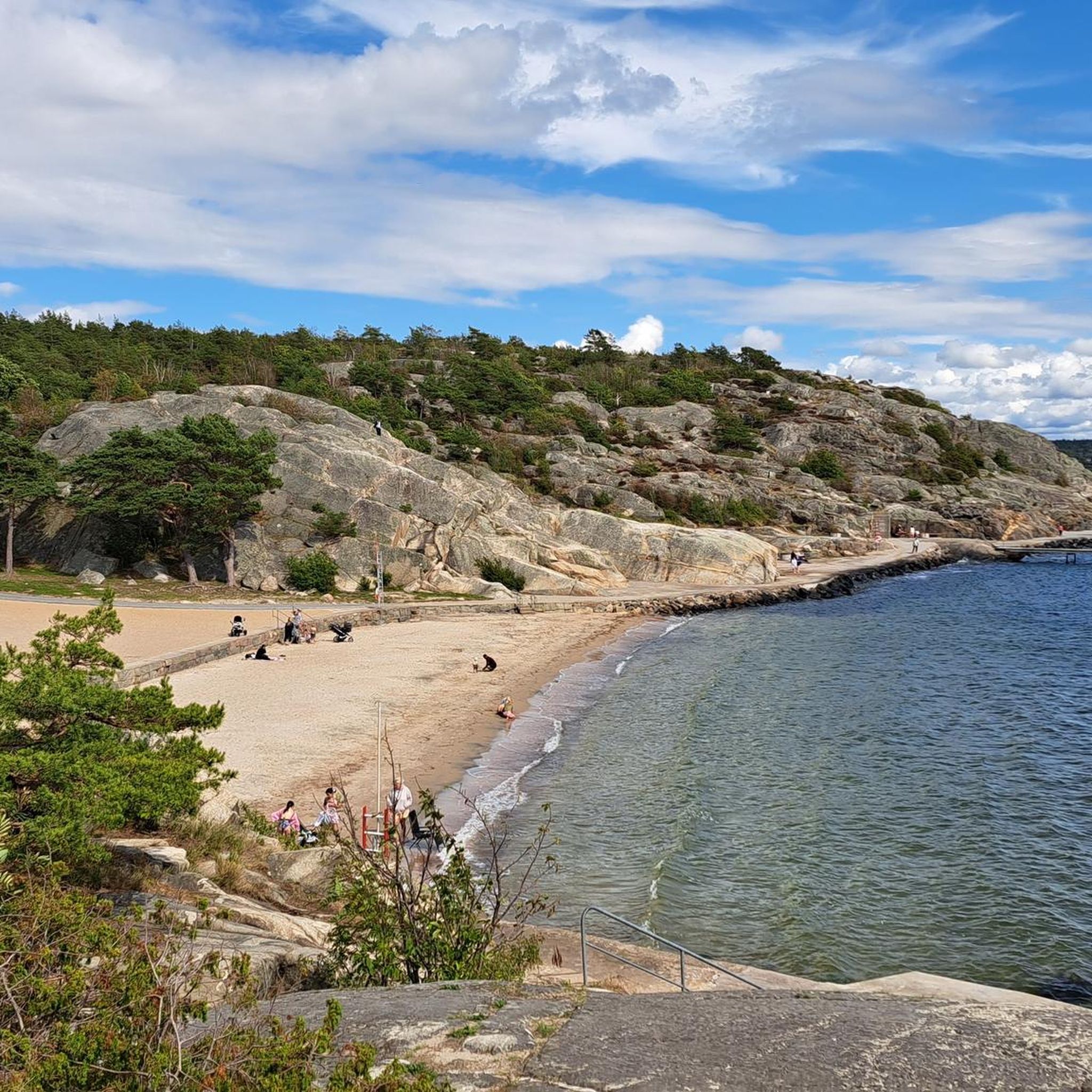
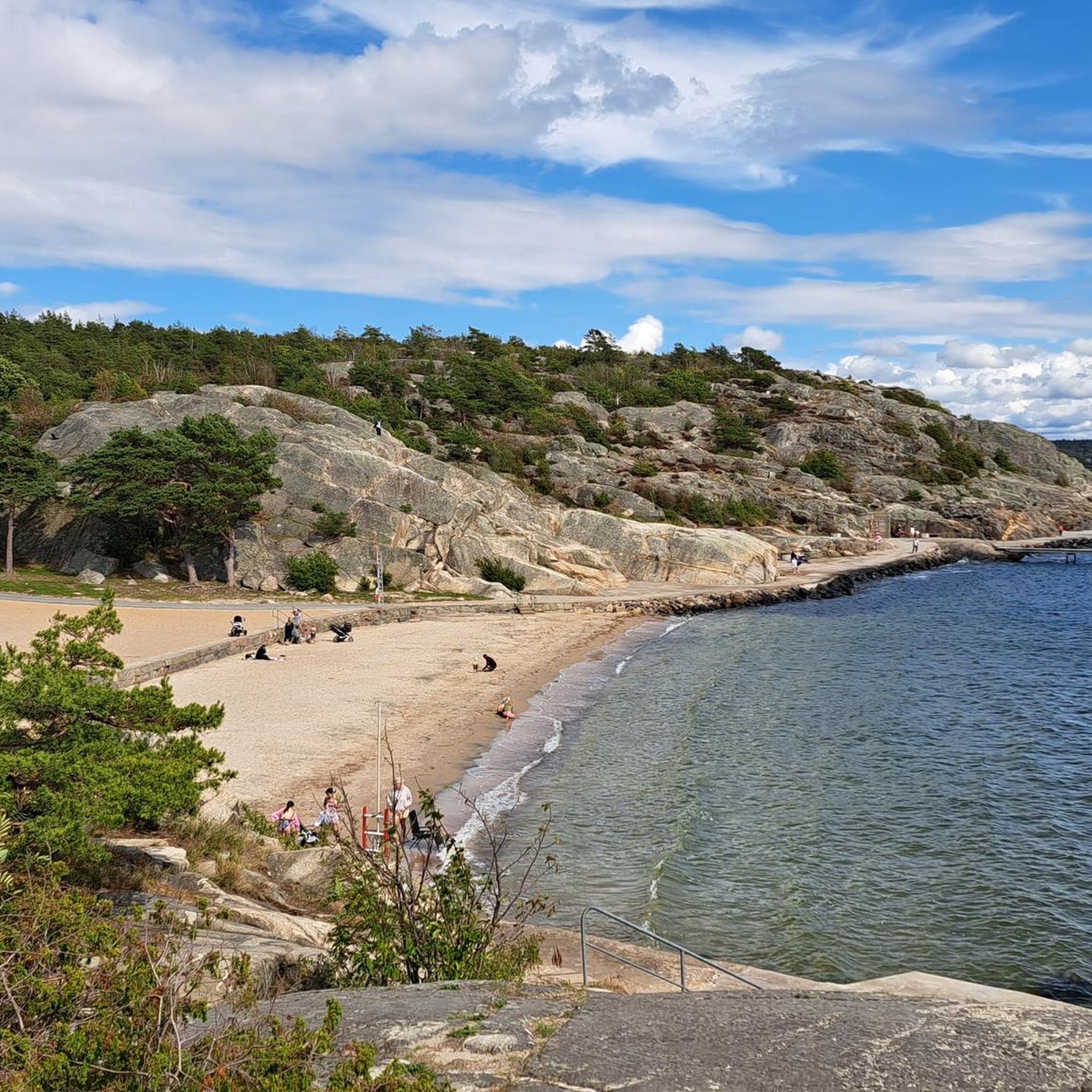
Excellent view from the northern edge of the forest and out to sea. Tomtningar Island sits just opposite. The trail runs along forest paths and rocky sections along the beach.
0
0

Frequently Asked Questions
Which natural monuments in Göteborg are suitable for families with children?
Several natural monuments around Göteborg are excellent for families. Oxsjön offers a 2.5 km circular path that is gravelled and easy to walk, even with a stroller. It also has benches, a shelter, and barbecue areas. Slottsskogen, a large park, features a free zoo with Nordic animals, playgrounds, and cafes. Slätta Damm Lake is another family-friendly spot within Hisingsparken, offering a historic green space for walks.
Are there any natural monuments in Göteborg that are accessible for wheelchairs or strollers?
Yes, Oxsjön is noted for its 2.5 km circular path which is gravelled and easily manageable with a stroller. While not explicitly mentioned for wheelchairs, its smooth surface suggests good accessibility. The main areas of the Gothenburg Botanical Garden are generally accessible, though specific paths within the nature reserve or rock garden might be more challenging.
What kind of wildlife can I expect to see in Göteborg's natural areas?
Göteborg's natural monuments offer diverse wildlife viewing opportunities. In Slottsskogen, you can see Nordic animals like seals, Gotland ponies, deer, and penguins in its free zoo. The Säveån Nature Reserve is particularly rich in biodiversity, where you might spot kingfishers, white-throated dippers, beavers, salmon, trout, and even moose. The Gothenburg Archipelago is home to various seabirds and marine life.
What are the best natural monuments for hiking and trails near Göteborg?
For hiking, the Säveån Nature Reserve offers beautiful sections of trail through dense forest with varied biodiversity. Särö Västerskog Nature Reserve features trails along forest paths and rocky sections by the beach, with excellent sea views. Vättlefjäll Naturreservat, a short drive north, provides an extensive network of trails through shifting landscapes and lakes. You can find more detailed hiking routes in the Hiking around Göteborg guide.
Are there any natural monuments with scenic viewpoints in the Göteborg region?
Yes, several natural monuments offer stunning views. From the highest point of the Gothenburg Botanical Garden, you get a fantastic panoramic view over Göteborg. Särö Västerskog Nature Reserve provides excellent views out to sea from its northern edge. The Gothenburg Archipelago also boasts breathtaking coastal landscapes and viewpoints across its many islands.
What is the best time of year to visit the natural monuments around Göteborg?
The best time to visit depends on your interests. Spring and summer (May to August) are ideal for enjoying the vibrant blooms at the Gothenburg Botanical Garden and Trädgårdsföreningen's rose garden, as well as outdoor activities in Slottsskogen and the Archipelago. Autumn (September to October) offers beautiful foliage, particularly in forested areas like Vättlefjäll Naturreservat. Even in winter, places like the Botanical Garden are worth seeing, especially the greenhouses.
Can I bring my dog to the natural monuments in Göteborg?
Dog policies vary by location. For instance, the Gothenburg Botanical Garden has restrictions, with no access for dogs from March 1st to September 30th. Slottsskogen generally allows dogs on leash. It's always best to check specific rules for each natural monument before your visit, as regulations can change.
Are there opportunities for cycling near Göteborg's natural monuments?
Absolutely. The region around Göteborg offers excellent cycling opportunities. You can find various routes for gravel biking and road cycling that pass through or near many natural areas. For example, there are routes like 'Canal Cycle Path in Gothenburg – Pathway Along Stora Delsjön' and 'Coastal Pathway with Sea Views'. Explore more options in the Gravel biking around Göteborg guide and the Road Cycling Routes around Göteborg guide.
What historical natural monuments can be found in Göteborg?
Göteborg has several natural monuments with historical significance. Slottsskogen is the city's largest and oldest park. Slätta Damm Lake is part of an historic green space, Hedlunds Park, created around 1860. Trädgårdsföreningen (The Garden Society of Gothenburg) is one of Europe's best-preserved 19th-century parks, featuring a historic Palm House dating back to 1878.
Are there any natural monuments with water features like lakes or rivers?
Yes, Göteborg is known for its lakes and rivers. Oxsjön is a beautiful lake located in the Sandsjöbacka Natura 2000 area. Slätta Damm Lake is another notable lake within Hisingsparken. The Säveån Nature Reserve features the Säveån river, which alternates between rapids and calm pools, creating a diverse aquatic environment.
What unique natural features characterize the Gothenburg Archipelago?
The Gothenburg Archipelago, comprising over 20 islands, is characterized by its rugged, barren rocks and cliffs, typical of the Bohuslän coast. These car-free islands offer a peaceful environment with breathtaking coastal landscapes, idyllic fishing villages, and opportunities for boat tours, kayaking, and observing vibrant wildlife.
Are there cafes or facilities available near the natural monuments?
Many natural monuments in Göteborg offer facilities. Slottsskogen has cafes within the park. Oxsjön provides benches, a shelter, and barbecue areas. The Gothenburg Botanical Garden and Trädgårdsföreningen also have cafes. While some smaller nature reserves might be more rustic, popular spots generally have amenities.
Most popular routes around Göteborg
Most popular attractions around Göteborg

Get inspired with the komoot mobile app


Explore more
Extend your search for the best caves by checking out these guides of the top ones around Göteborg:
