Top 20 Natural Monuments around Cascais
Best natural monuments around Cascais include a diverse range of coastal formations, historical sites, and natural parks. The region is characterized by its rugged Atlantic coastline, dramatic cliffs, and expansive natural landscapes. These areas offer opportunities to observe geological features and varied ecosystems. The Sintra-Cascais Natural Park encompasses many of these significant natural attractions.
Best natural monuments around Cascais
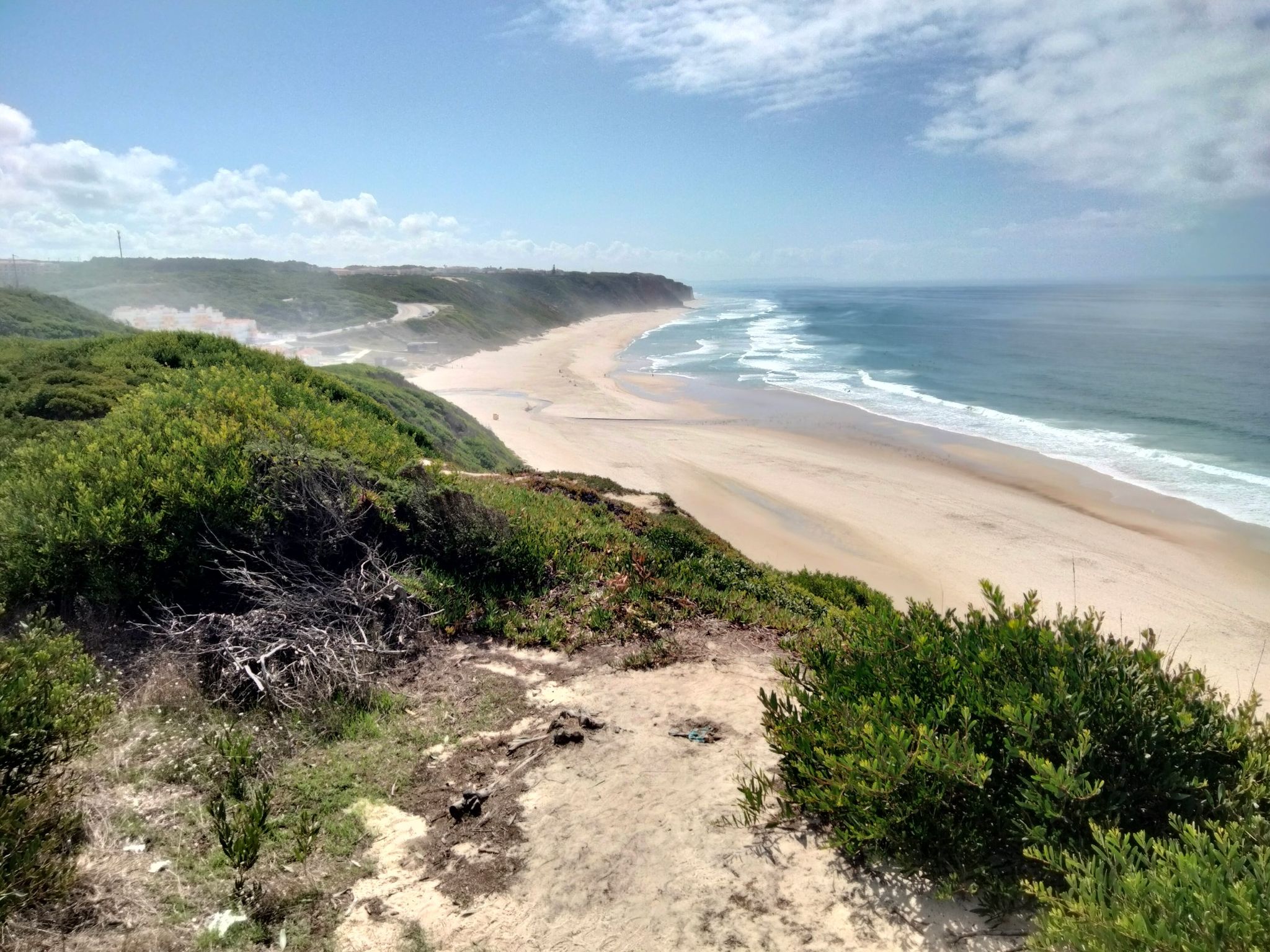
- The most popular natural monuments is Ursa Beach, a beach known for its secluded golden sand and huge rock formations.…
Last updated: June 22, 2026
Pena Palace
Highlight • Castle
Translated by Google •
Tip by

Castle of the Moors
Highlight • Castle
Translated by Google •
Tip by
Sign up now to discover places like this
Get recommendations on the best single tracks, peaks, & plenty of other exciting outdoor places.
Sign up for free
Cabo da Roca — Westernmost point of mainland Europe
Highlight • Viewpoint
Until the 14th century, Europeans thought it was the end of the world.
The highlight of Cabo da …
Translated by Google •
Tip by

Ursa Beach
Highlight • Beach
Translated by Google •
Tip by
Monument to the Overseas Combatants 🏛️ Belém
Highlight • Monument
Translated by Google •
Tip by
Sign up for free to discover even more natural monuments around Cascais.
Sign up for free
Already have an account?
Start today with a free account
Your next adventure awaits.
Login or Signup
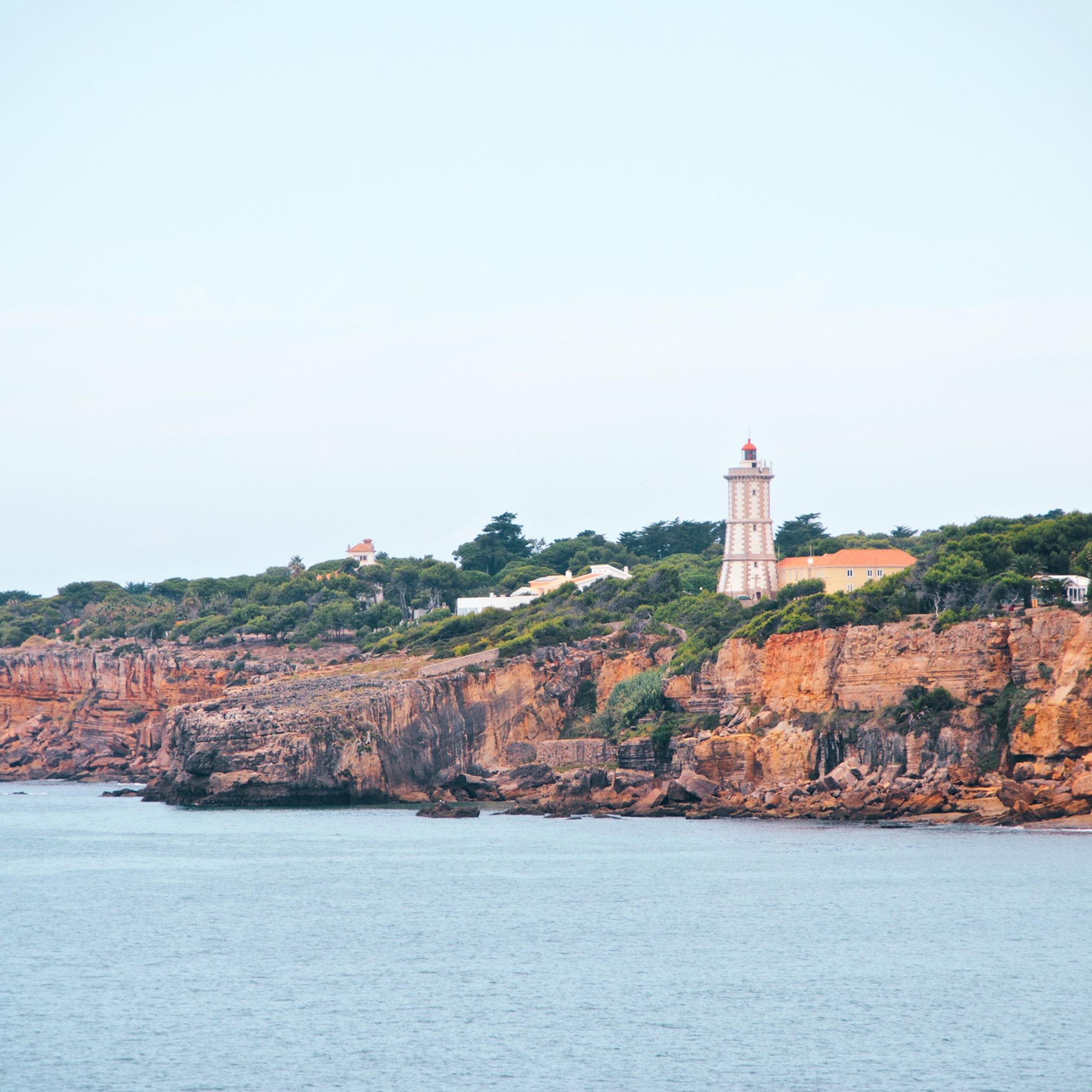
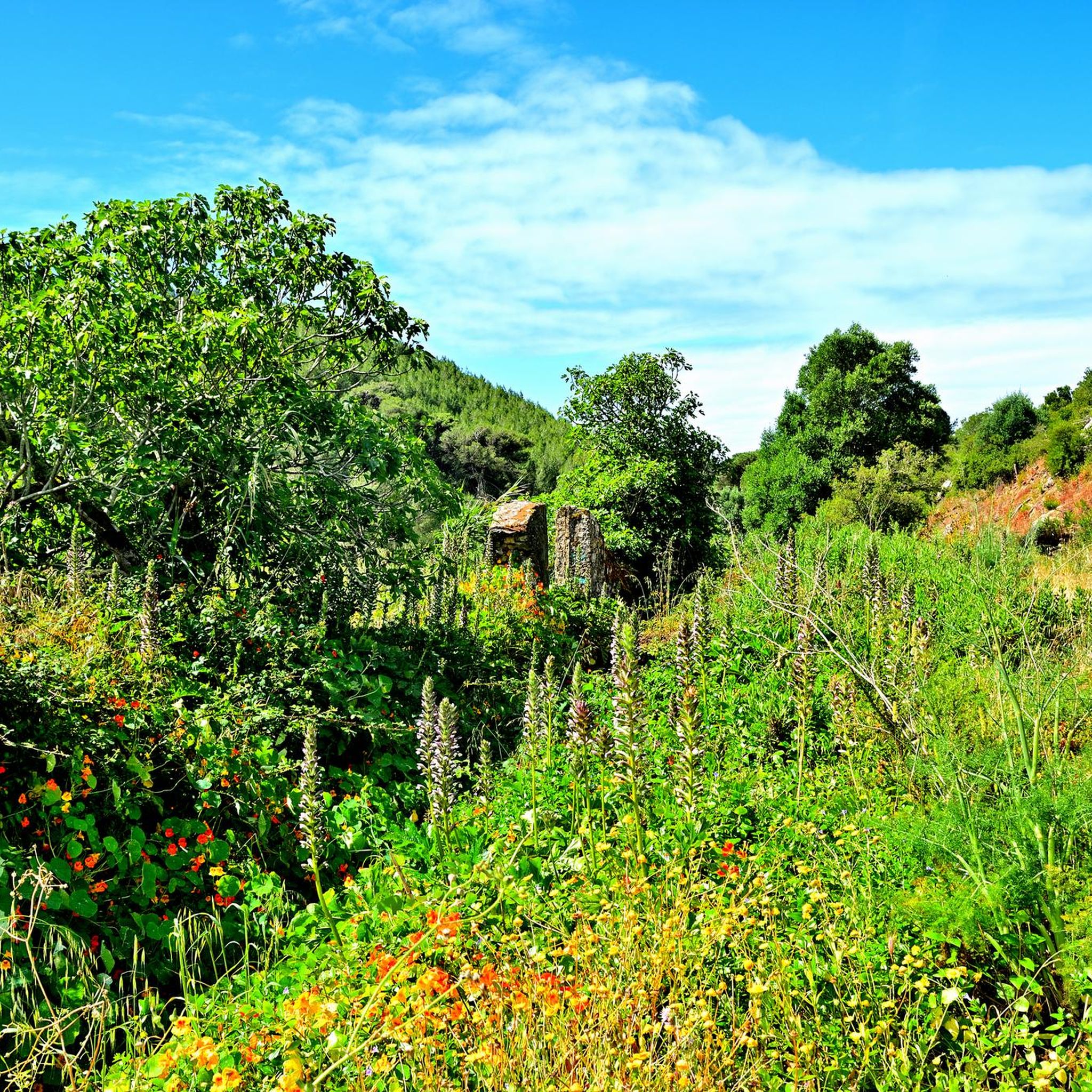
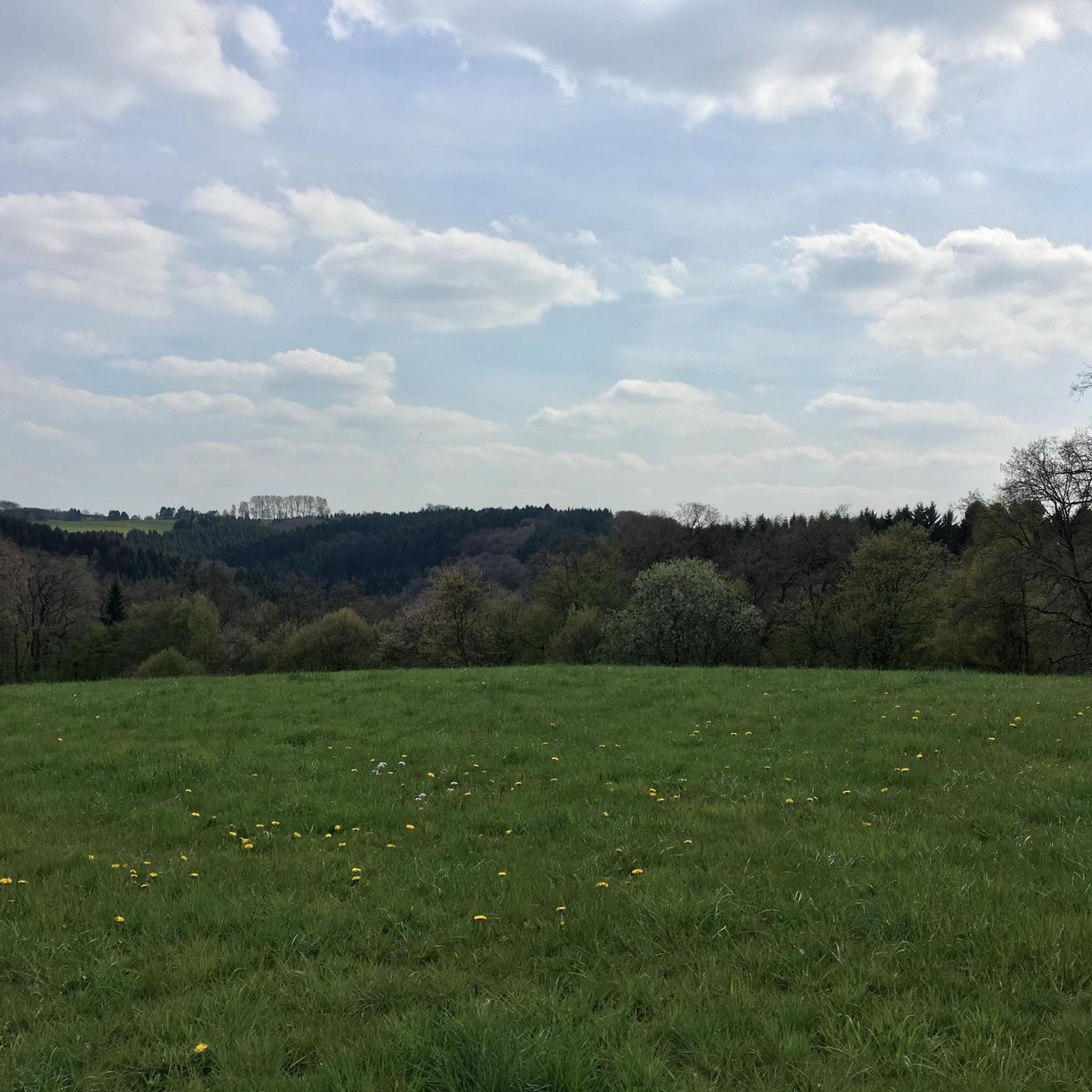
Other adventures around Cascais

Tips from the Community

Located in the Belem district, it was inaugurated in 1994 to honor the Portuguese soldiers (10,000) who fought and died in the colonial wars.
2
0

The view of Pena Palace and Sintra from the Castelo dos Mouros is one of the most spectacular in the entire region. Walking along the castle walls, you'll discover a landscape that blends history, architecture, and nature in perfect harmony.
7
0
The Monument to Overseas Combatants is a solemn tribute to the Portuguese soldiers who lost their lives during the Portuguese Colonial War (also known as the Overseas War), which took place between 1961 and 1974 in Africa.
21
0
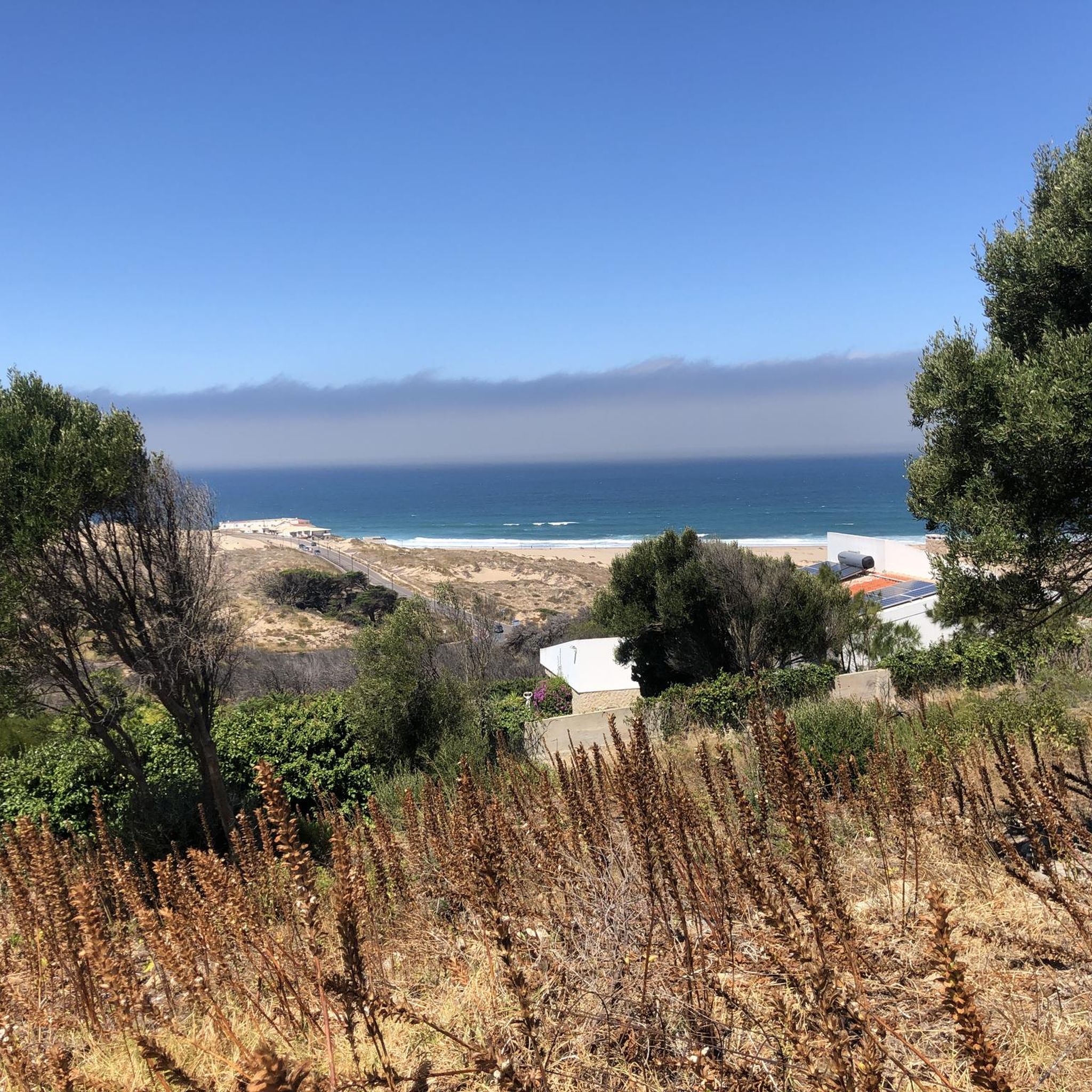
Cabo da Roca is a spectacular cape located in the Sintra-Cascais Natural Park in Portugal, known as the westernmost point of continental Europe. Its rugged beauty and remote location make it a very special destination for nature lovers and those interested in dramatic landscapes.
7
0
It was originally a Hieronymite monastery founded in the 16th century, dedicated to Our Lady of Sorrow. After the 1755 earthquake, it fell into ruins and was acquired by King Ferdinand II in 1838. Between 1842 and 1854, it became a summer palace for the Portuguese royal family. In 1910, following the end of the monarchy, it passed into state hands and was opened to the public.
20
0
The Pena Palace in Sintra is one of Portugal's most spectacular monuments and a jewel of European Romanticism. Located high in the Sintra Mountains, about 25 km from Lisbon, this palace looks like something out of a fairy tale with its colorful and eclectic architecture.
21
0

there is so much to discover here
3
0

Beautiful viewpoint, very popular, many buses, early or late time is recommended
6
1
Frequently Asked Questions
What unique natural features can I expect to see around Cascais?
The Cascais region offers a diverse range of natural features. You can witness the dramatic chasm of Boca do Inferno, where waves crash into limestone cliffs, or explore the wild, untamed beauty of Ursa Beach with its secluded sands and huge rock formations. The area also features expansive natural parks and rugged coastlines.
What makes the Sintra-Cascais Natural Park a significant natural monument?
The Sintra-Cascais Natural Park is a UNESCO World Heritage site known for its rich biodiversity and striking landscapes. It encompasses a wide range of environments, from lush mountains to rugged coastlines, and is home to many rare species of flora and fauna. It offers a harmonious coexistence of nature and historical sites, with forests, sand dunes, and cliffside trails.
Are there any dramatic coastal formations worth visiting near Cascais?
Absolutely. One of the most dramatic is Boca do Inferno, a chasm carved into limestone cliffs by the Atlantic waves, known for its thunderous sounds. Another is Ursa Beach, famous for its impressive rock formations that stand tall on its secluded golden sands.
What is the westernmost point of mainland Europe near Cascais?
The westernmost point of mainland Europe is Cabo da Roca. This rugged and windswept headland offers breathtaking panoramic views of the Atlantic Ocean and features a historic lighthouse. It's a symbolic and memorable destination within the Sintra-Cascais Natural Park.
Are there hiking opportunities near the natural monuments in Cascais?
Yes, the region is excellent for hiking. You can find numerous trails along the clifftops near Cabo da Roca, leading to pristine beaches. The Sintra-Cascais Natural Park also offers many trails for exploration. For specific routes, you can explore options like the 'Rio da Mula e Memorial dos Soldados' or 'Rota do Litoral do Guincho' in the Hiking around Cascais guide.
What other outdoor activities can I enjoy in the Sintra-Cascais Natural Park?
Beyond hiking, the Sintra-Cascais Natural Park is a playground for various outdoor activities. Praia do Guincho is world-renowned for surfing, windsurfing, and kitesurfing due to its powerful waves and consistent winds. You can also find excellent road cycling and running trails, such as those listed in the Road Cycling Routes around Cascais and Running Trails around Cascais guides.
Are there family-friendly natural monuments or trails in the Cascais area?
Yes, several natural monuments and areas are suitable for families. Cabo da Roca is considered family-friendly, offering expansive views. Near Praia do Guincho, the Cresmina Dunes feature elevated wooden boardwalks, perfect for exploring the unique ecosystem with children. The Sintra-Cascais Natural Park also has trails of varying difficulties, some suitable for family walks.
How can I reach Cabo da Roca using public transport?
Cabo da Roca has regular bus connections to both Sintra and Cascais throughout the year. While the journey by public transport can take over an hour, it's a viable option if you prefer not to drive. There are train connections from Lisbon to both Sintra and Cascais, from which you can then take a bus.
What is the best time of year to visit the natural monuments around Cascais?
The natural monuments around Cascais can be enjoyed year-round. For pleasant hiking and exploring, spring (April-May) and autumn (September-October) offer mild temperatures and fewer crowds. Summer (June-August) is ideal for beach activities and water sports at places like Praia do Guincho, though it can be busier. Winter offers dramatic views of crashing waves at Boca do Inferno and a more serene atmosphere at the beaches.
Are there any historical sites integrated with the natural monuments?
Yes, the region beautifully blends natural beauty with historical significance. The Castle of the Moors, located in Sintra, offers panoramic views from its ancient walls. Additionally, Pena Park, surrounding the majestic Palacio da Pena, is a beautiful landscaped park with historical elements and hiking trails. The Sintra-Cascais Natural Park itself is a UNESCO World Heritage site, acknowledging its cultural and natural value.
What do visitors enjoy most about the natural monuments in Cascais?
Visitors frequently praise the spectacular views and the raw power of nature. The dramatic rock formations and thunderous waves at Boca do Inferno are a highlight, especially at sunset. The wild landscape and expansive ocean vistas from Cabo da Roca are also highly appreciated. Many enjoy the sense of adventure and the opportunity for tranquil exploration away from crowds, particularly on trails leading to secluded spots like Ursa Beach.
Are there any natural monuments that are particularly good for photography?
Many natural monuments in the Cascais area offer fantastic photographic opportunities. Boca do Inferno is renowned for its dramatic rock formations and is an ideal spot for capturing sunsets. Cabo da Roca, as the westernmost point of Europe, provides expansive, rugged ocean views, especially impressive at sunset. The wild beauty and dramatic dunes of Praia do Guincho also make for stunning landscape photography.
Most popular routes around Cascais
Most popular attractions around Cascais

Get inspired with the komoot mobile app


Explore more
Extend your search for the best caves by checking out these guides of the top ones around Cascais:
