Top 20 Natural Monuments around Sesimbra
Best natural monuments around Sesimbra include a diverse range of geological wonders and protected landscapes. The region, centered around the fishing town of Sesimbra, features dramatic coastlines, rich biodiversity, and significant historical sites. Visitors can explore rugged cliffs, ancient fossilized tracks, and serene coastal mountain ranges. This area offers a variety of natural attractions for outdoor exploration.
Best natural monuments around Sesimbra
- The most popular natural monuments is Lagosteiros Natural Monument, a natural monument featuring dinosaur footprints. Traces left…
Last updated: July 6, 2026
Sanctuary of Our Lady of Cape Espichel
Highlight • Religious Site
The church is incredibly beautiful inside. Unfortunately, photography is not allowed.
Translated by Google •
Tip by

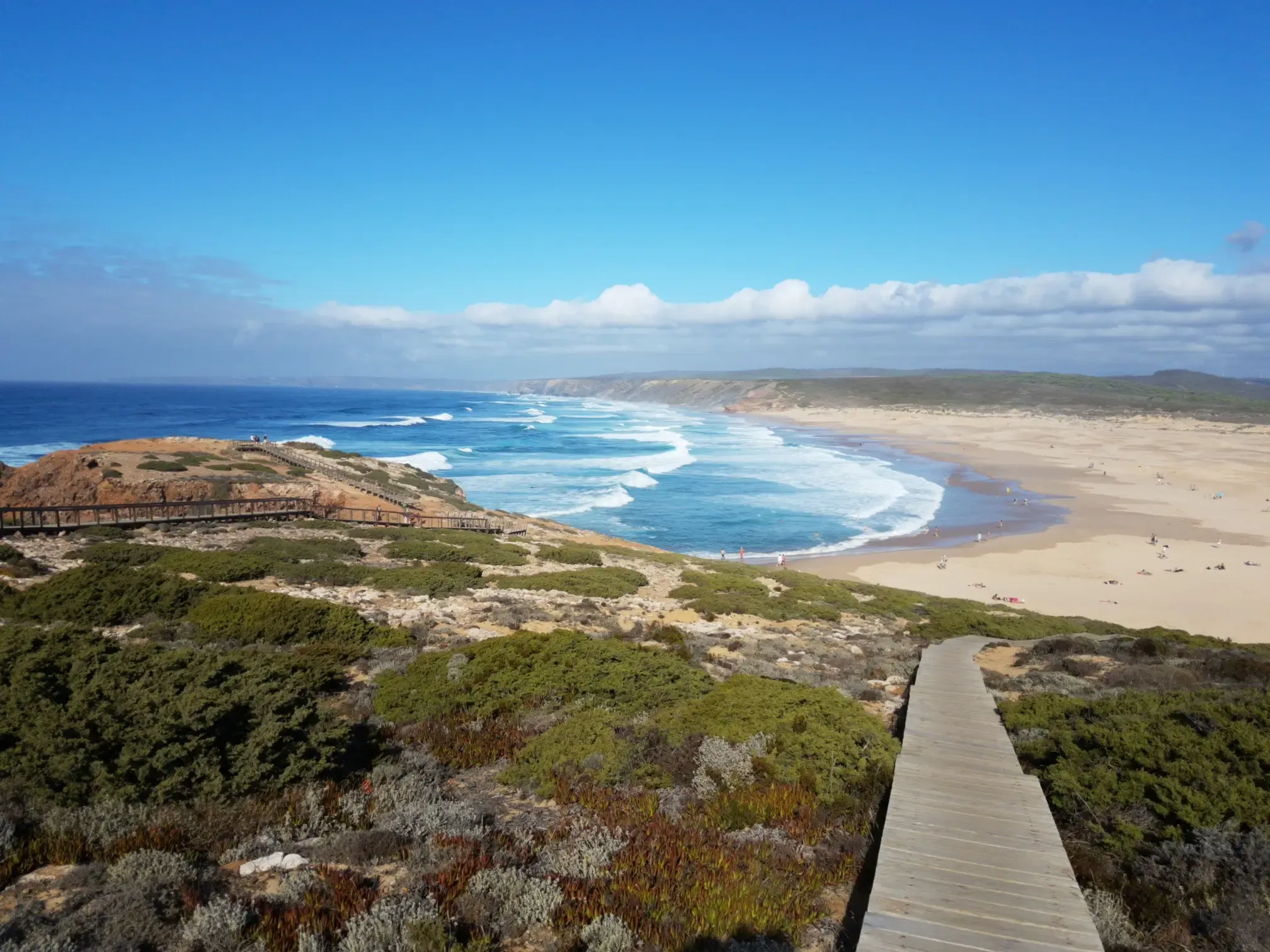
Ribeiro do Cavalo Beach
Highlight • Beach
Tip by

Sign up now to discover places like this
Get recommendations on the best single tracks, peaks, & plenty of other exciting outdoor places.
Sign up for free
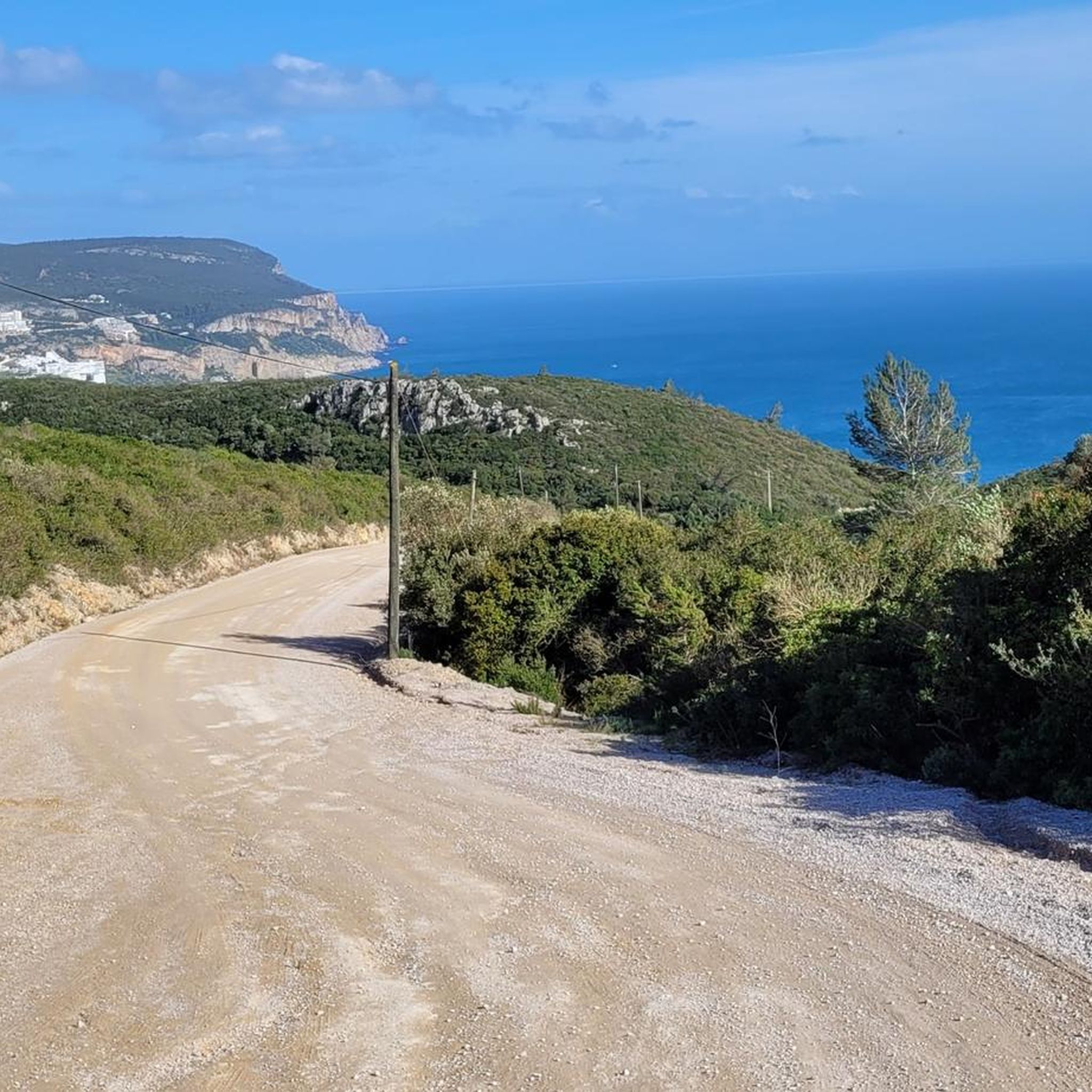
Formosinho Peak
Highlight • Summit
A very tough climb, an even tougher descent... Not accessible to everyone...
Translated by Google •
Tip by
Lapa de Santa Margarida Cave and Chapel
Highlight • Cave
Tip by

Lagosteiros Natural Monument
Highlight • Natural Monument
Translated by Google •
Tip by

Sign up for free to discover even more natural monuments around Sesimbra.
Sign up for free
Already have an account?
Start today with a free account
Your next adventure awaits.
Login or Signup
Other adventures around Sesimbra

Tips from the Community

Built in the 18th century, it is an eye-catcher with its baroque architecture and the typical blue and white tiles in which some icons were also kept.
2
0

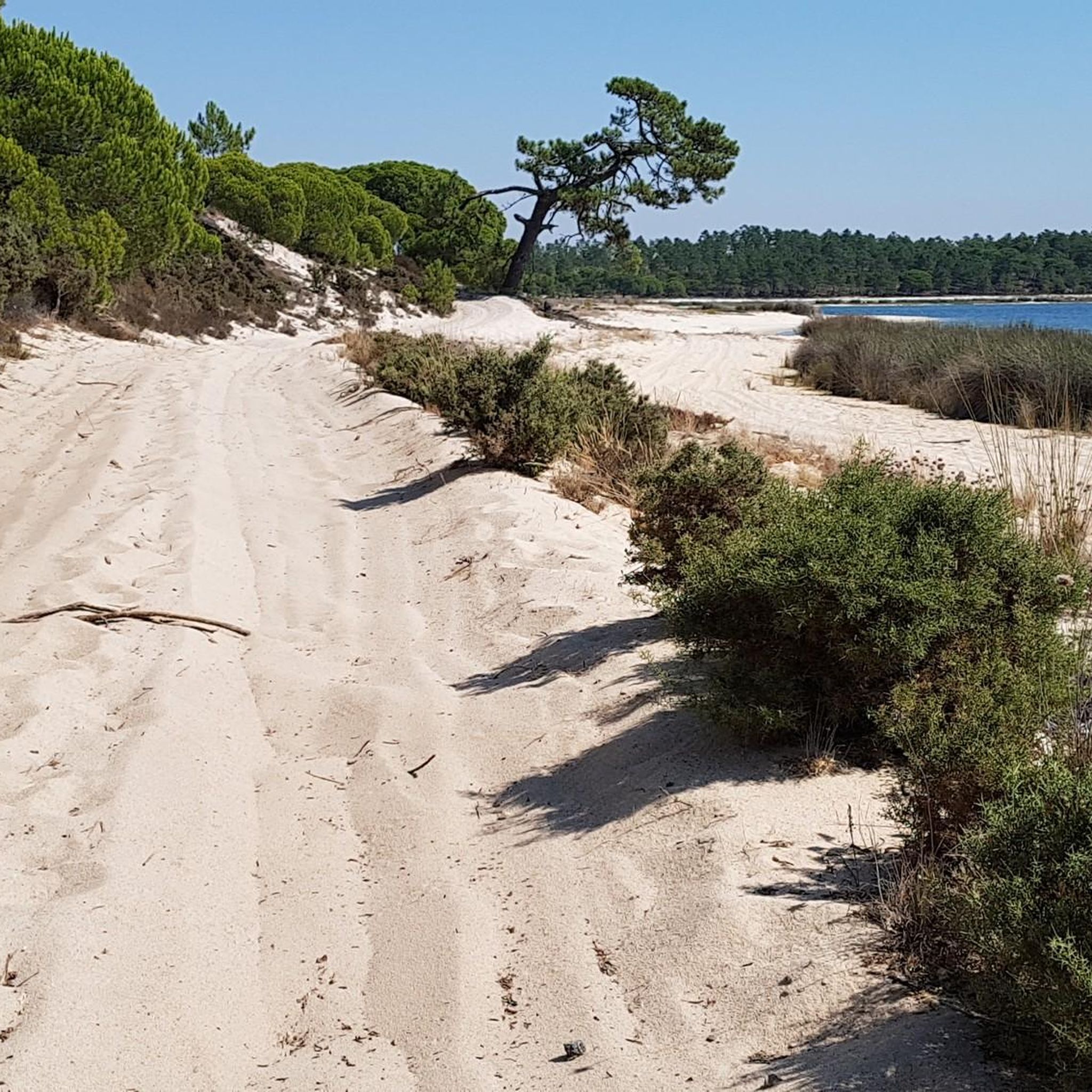
An excellent beach, although lacking in infrastructure and difficult to access, it's a super pleasant place, ideal for relaxing and recharging. Nearby, I also visited Mijona Beach and Hell Beach, which offer more challenging access but always boast immense natural beauty. I recommend it for those who don't have mobility issues and appreciate nature. 👍🥾🦯
1
0

Don't miss the opportunity to sign the summit book. The summit book is located in the small plastic container with the green lid, covered with a stone.
2
0

As it is a wild beach and difficult to access, there is no support equipment of any kind or lifeguards. Don't forget to bring water and food, and on the way back make sure to take all your rubbish with you (there are bins near the car park, at the start of the trail)! If you prefer to stay in the shade, you will need to bring a parasol. Also note that the name of the beach is Praia do Ribeiro do Cavalo and not Praia da Ribeira do Cavalo, as it is often called.
4
0
The chapel was probably built in the 17th or perhaps 18th century, as a place of Christian worship that, most likely, succeeded other previous cults, namely those related to water or even initiation rites linked to the idea of the rebirth of the soul.
4
0
Lapa de Santa Margarida is a natural grout at the base of Arrábida Mountain, where a small altar was erected. The access is done by a narrow path, with over 200 steps, until the sea level. Inside there is a Christian altar with some images and candles. The image of Saint Margaret was initially in this chapel, thus having given her name to this place.
4
0
No one had ever heard of this wild beach until recently, when social media, bloggers, and travel websites began showing photos of its stunning scenery. It wasn’t even marked on any map, and only a few locals knew that there was a trail leading down to one of Portugal’s most beautiful beaches. They kept it a well-guarded secret, but it’s now quite popular, including with tourists.
4
0

At the top of the cliff that embraces Lagosteiros beach, a piece of prehistory stands the test of time: the Lagosteiros Natural Monument. Traces left by dinosaurs over 130 million years ago can still be seen imprinted in the yellowish limestone. Among the various fossilized trails, one stands out, measuring an impressive 50 meters long, a true trace of the past, engraved in stone.
5
0
Frequently Asked Questions
What unique geological features can I explore around Sesimbra?
The region offers several fascinating geological sites. You can visit the Lagosteiros Natural Monument at Cape Espichel, where you'll find fossilized dinosaur footprints, including a remarkable 50-meter-long trail, imprinted in the limestone over 130 million years ago. Another unique spot is the Lapa de Santa Margarida Cave and Chapel, a dramatic sea cave near Portinho da Arrábida with a 17th-century chapel inside.
Are there historical or cultural sites integrated with the natural monuments?
Yes, several natural monuments also hold significant historical and cultural value. The Sanctuary of Our Lady of Cape Espichel, for instance, is a religious building with origins dating back to the 14th century, set against the dramatic backdrop of the cliffs. The Lapa de Santa Margarida Cave also houses a historic chapel, reflecting a tradition of finding divinity in nature's secluded places.
What kind of wildlife can I observe in the natural monuments area?
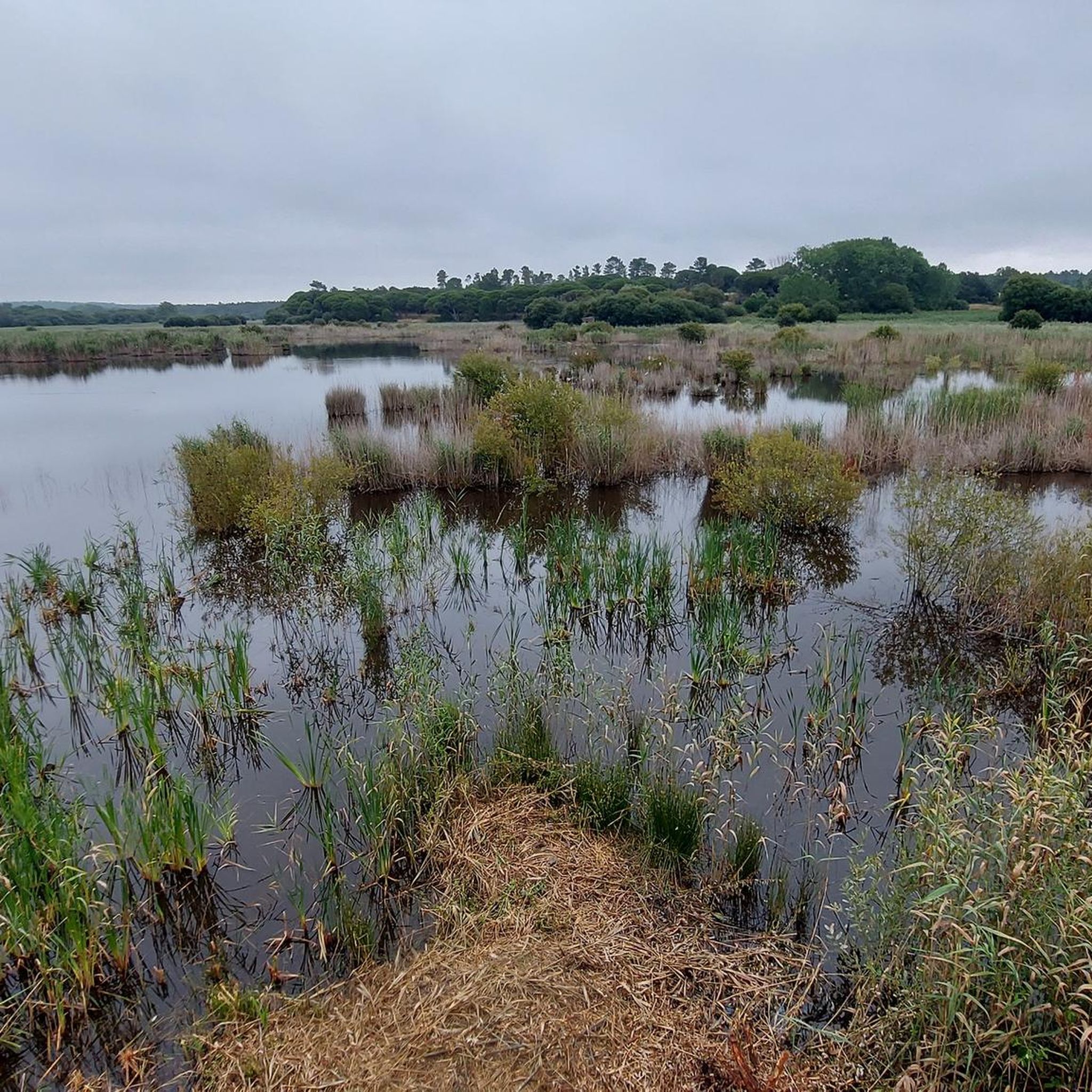
The region is rich in biodiversity, especially within the Serra da Arrábida Natural Park, which hosts diverse ecosystems and a wide array of flora and fauna. For birdwatching enthusiasts, the Albufeira Lagoon is a Special Protection Area for Birds, particularly the Espaço Interpretativo da Lagoa Pequena, offering various routes and observatories to see a great variety of resident and nesting birds.
Are there family-friendly natural monuments around Sesimbra?
Absolutely. The dinosaur footprints at Lagosteiros Natural Monument offer an educational and engaging experience for all ages. The Albufeira Lagoon is also excellent for families, providing calm, shallow waters ideal for water sports like canoeing and windsurfing, as well as birdwatching opportunities.
Where can I find the most breathtaking scenic views?
For panoramic vistas, Cape Espichel offers dramatic landscapes where rugged cliffs meet the Atlantic Ocean, especially from the historic Cape Espichel Lighthouse. Within the Serra da Arrábida Natural Park, the Estrada de Escarpa (N379) is a spectacular scenic drive, and reaching Formosinho Peak, the highest point in the range, rewards you with extensive views connecting the Sado estuary to the Tagus.
Can I go hiking near these natural monuments?
Yes, the region is excellent for hiking. The Serra da Arrábida Natural Park features numerous challenging hiking trails through protected forests. For specific routes, you can explore options like those found in the MTB Trails around Sesimbra guide, which also includes trails suitable for hiking, such as the loop from Hermitage of Memory to Cape Espichel Lighthouse.
What water activities are available at the natural monuments?
The Albufeira Lagoon is a popular spot for water sports due to its shallow and calm waters. It's ideal for activities such as sailing, windsurfing, kitesurfing, and canoeing. Additionally, the Serra da Arrábida Natural Park is home to stunning beaches like Praia de Galapinhos and Praia do Creiro, known for their clear turquoise waters, perfect for swimming and relaxation.
What is the best time of year to visit the natural monuments around Sesimbra?
The natural monuments around Sesimbra can be enjoyed year-round. Spring (March to May) and early autumn (September to October) offer pleasant temperatures for hiking and exploring, with fewer crowds. Summer is ideal for enjoying the beaches and water sports, though it can be busier. Winter provides a quieter experience, especially for coastal walks, but some paths might be more challenging due to weather.
Are there any less-known or 'hidden gem' natural spots worth visiting?
While it has gained popularity, Ribeiro do Cavalo Beach was once a well-kept secret, known for its stunning scenery and wild character. It remains a beautiful, less commercial alternative to other beaches, accessible via marked routes. The Lapa de Santa Margarida Cave and Chapel is another unique spot, requiring a steep descent but offering a memorable experience.
What do visitors enjoy most about the natural monuments around Sesimbra?
Visitors frequently appreciate the dramatic coastal landscapes, the historical significance of sites like the Sanctuary of Our Lady of Cape Espichel, and the unique geological wonders such as the dinosaur footprints at Lagosteiros. The wild beauty of beaches like Ribeiro do Cavalo and the challenging yet rewarding trails to viewpoints like Formosinho Peak are also highly praised for their stunning scenery and sense of adventure.
Are there cycling routes that pass through or near these natural monuments?
Yes, the region offers various cycling opportunities. You can find several routes, including touring bicycle, mountain biking, and road cycling options, that explore the area's natural beauty. For example, the Road Cycling Routes around Sesimbra guide includes routes like the 'Arrábida Scenic Road – Coast View Deluxe loop' which takes you through the stunning Serra da Arrábida Natural Park.
Most popular attractions around Sesimbra

Get inspired with the komoot mobile app


Explore more
Extend your search for the best caves by checking out these guides of the top ones around Sesimbra:
