Top 7 Natural Monuments around Murtosa
Best natural monuments around Murtosa highlight the region's unique natural heritage within the Ria de Aveiro. This area features diverse ecosystems, tranquil water bodies, and significant natural attractions. Visitors can explore coastal landscapes, ecological sites, and recreational opportunities. The landscape offers a blend of natural beauty and environmental richness, making it suitable for various outdoor activities.
Best natural monuments around Murtosa
- The most popular natural monuments is Boardwalk through the dunes of Ria de Aveiro, a trail that leads…
Last updated: July 6, 2026
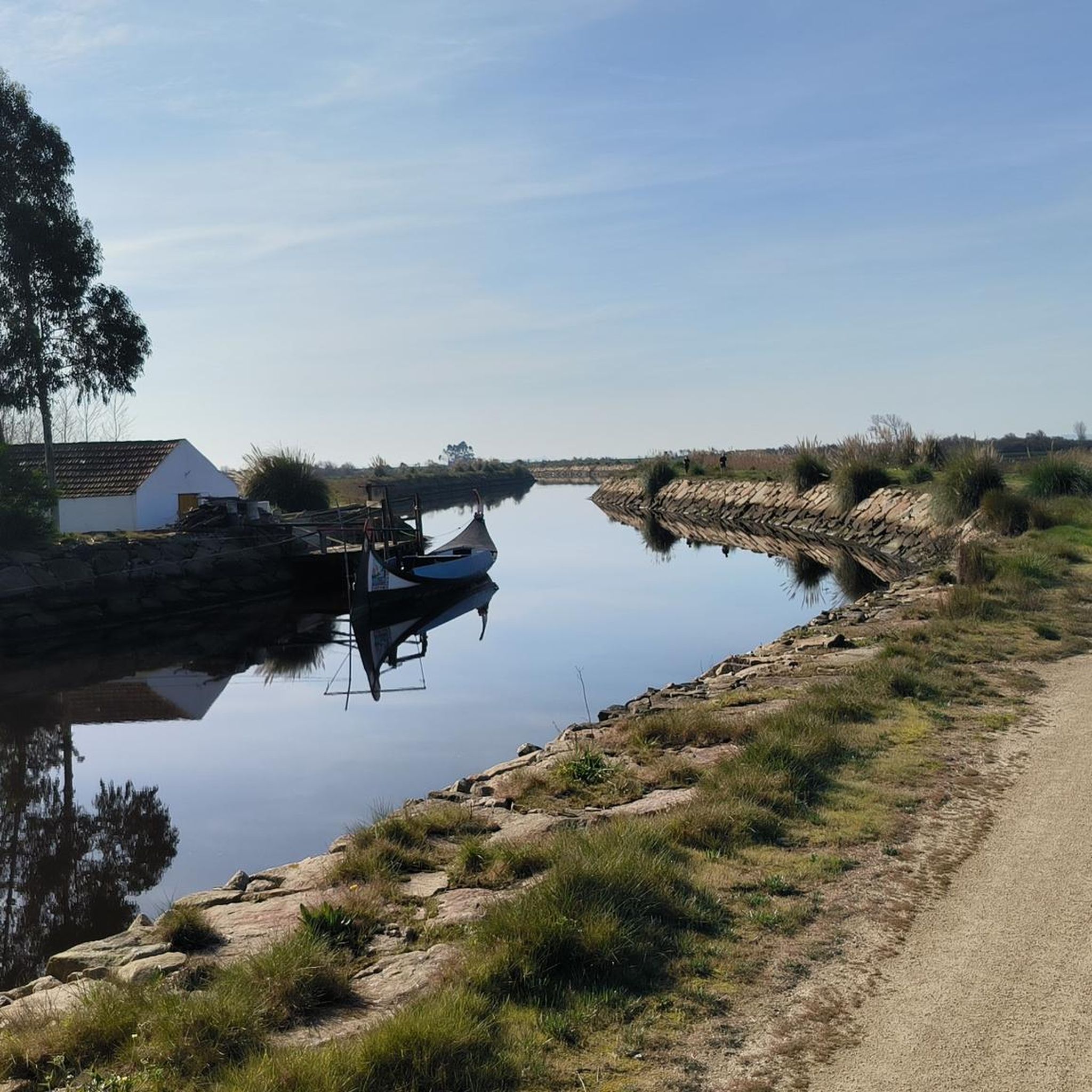
Ovar Canal 🌊 Aveiro Lagoon
Highlight • Lake
Translated by Google •
Tip by

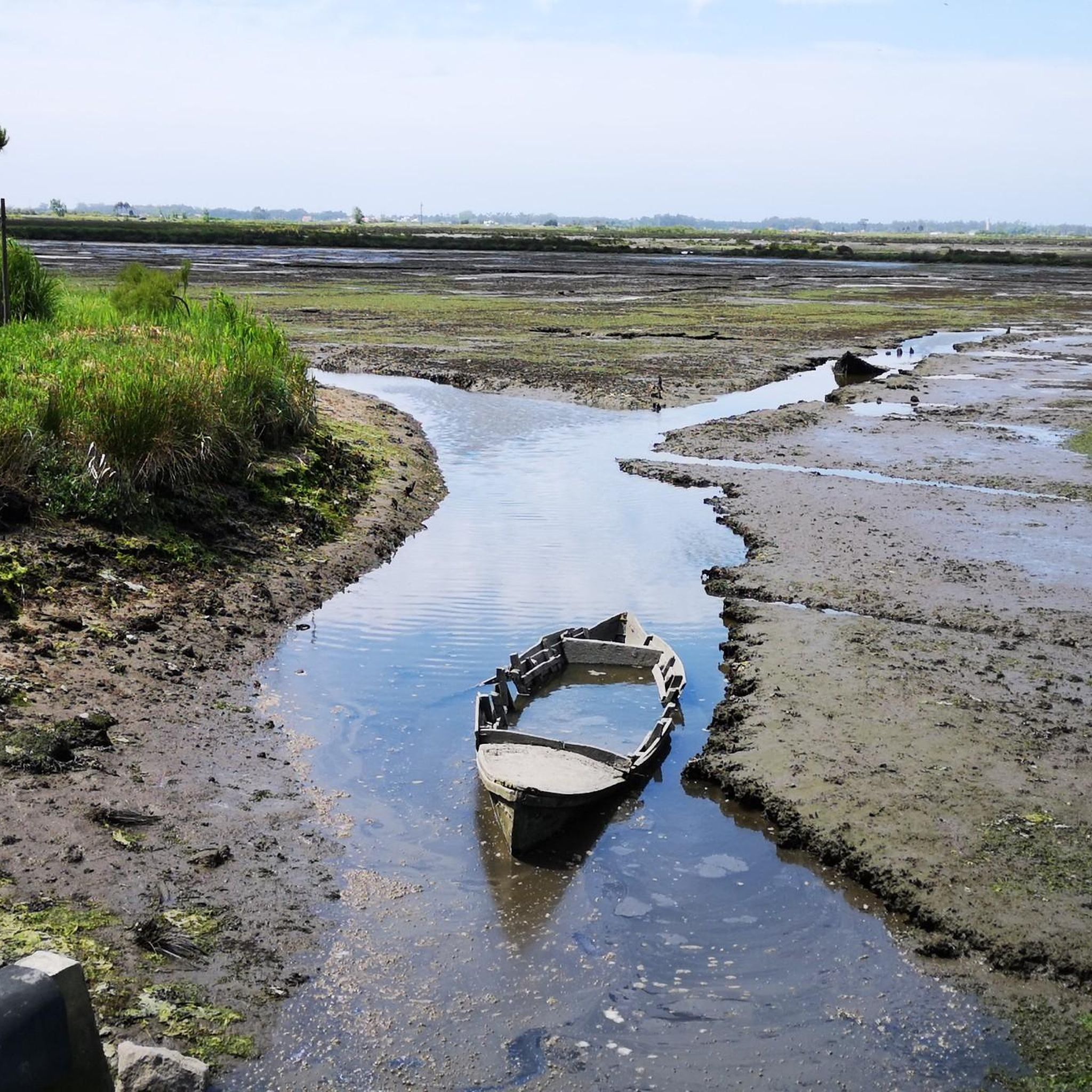
Aveiro Lagoon - Mira Channel
Highlight • River
Translated by Google •
Tip by

Sign up now to discover places like this
Get recommendations on the best single tracks, peaks, & plenty of other exciting outdoor places.
Sign up for free
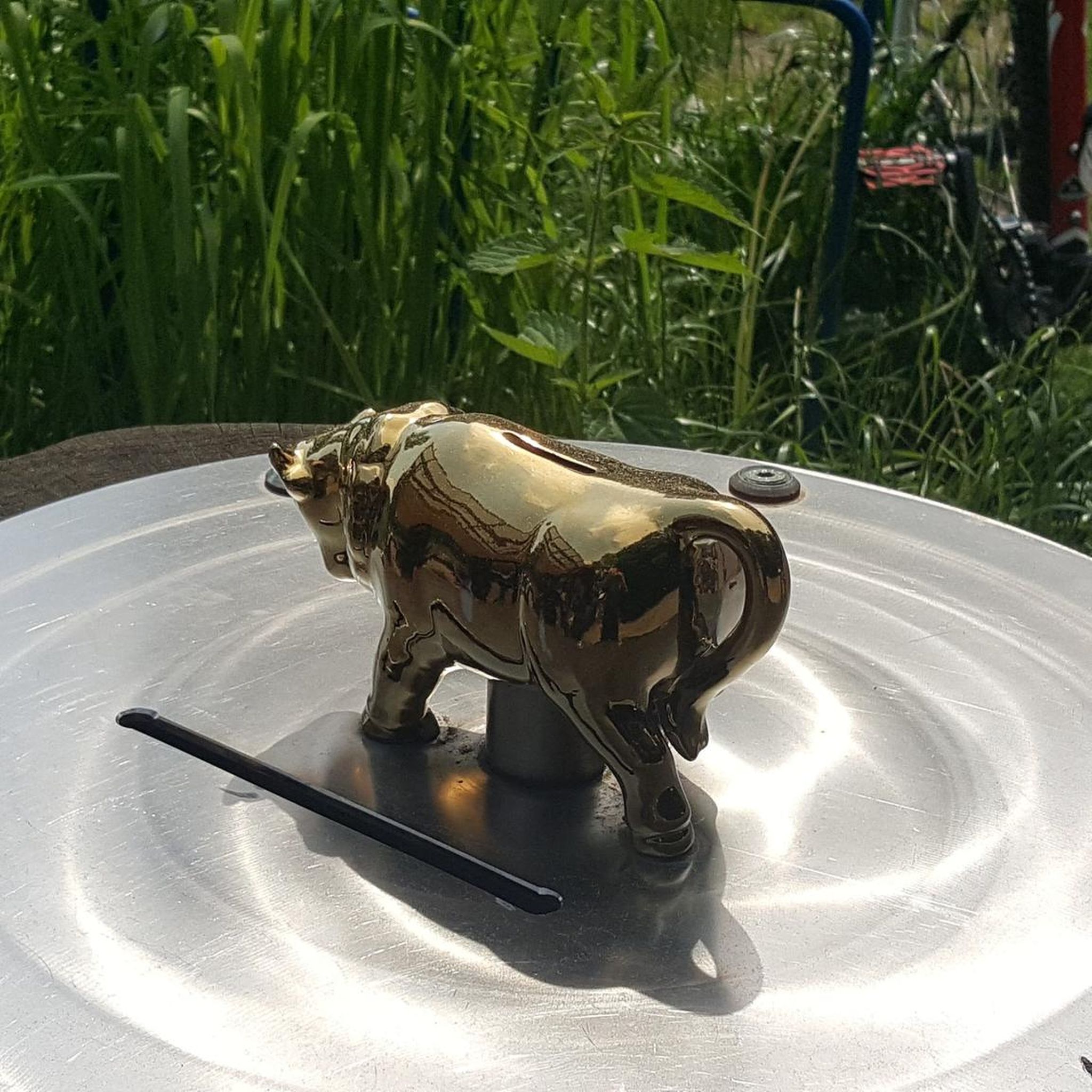
View of the Salt Pans, Rua do Sal
Highlight • Viewpoint
Translated by Google •
Tip by

Boardwalk through the dunes of Ria de Aveiro
Highlight • Trail
Translated by Google •
Tip by

Pine Forest of the Dunas de São Jacinto Nature Reserve
Highlight • Forest
Translated by Google •
Tip by

Sign up for free to discover even more natural monuments around Murtosa.
Sign up for free
Already have an account?
Start today with a free account
Your next adventure awaits.
Login or Signup
Popular around Murtosa


Tips from the Community

Salt mining in the Aveiro region dates back to a time before the Ria de Aveiro itself existed, with the first written document about Aveiro salt production dating back to before the founding of the nation. Over the centuries, the instability of the inlet (isolation from the sea) was a decisive factor in the variation in the number and production of salt pans. This resulted in periods of decline interspersed with periods of great favorability for production. This occurred in 1572, when, given the favorable condition of the inlet and the high and progressive commercial and maritime index, Aveiro became one of the best ports in Portugal, with a significant increase in salt trade and cod fishing. In 1808, the new inlet (an artificial system that allows seawater to enter) was finally opened, a fact of exceptional importance for the future of Aveiro and the entire region. (Source: Wikipedia) (Source: Wikipedia)⁶
13
0

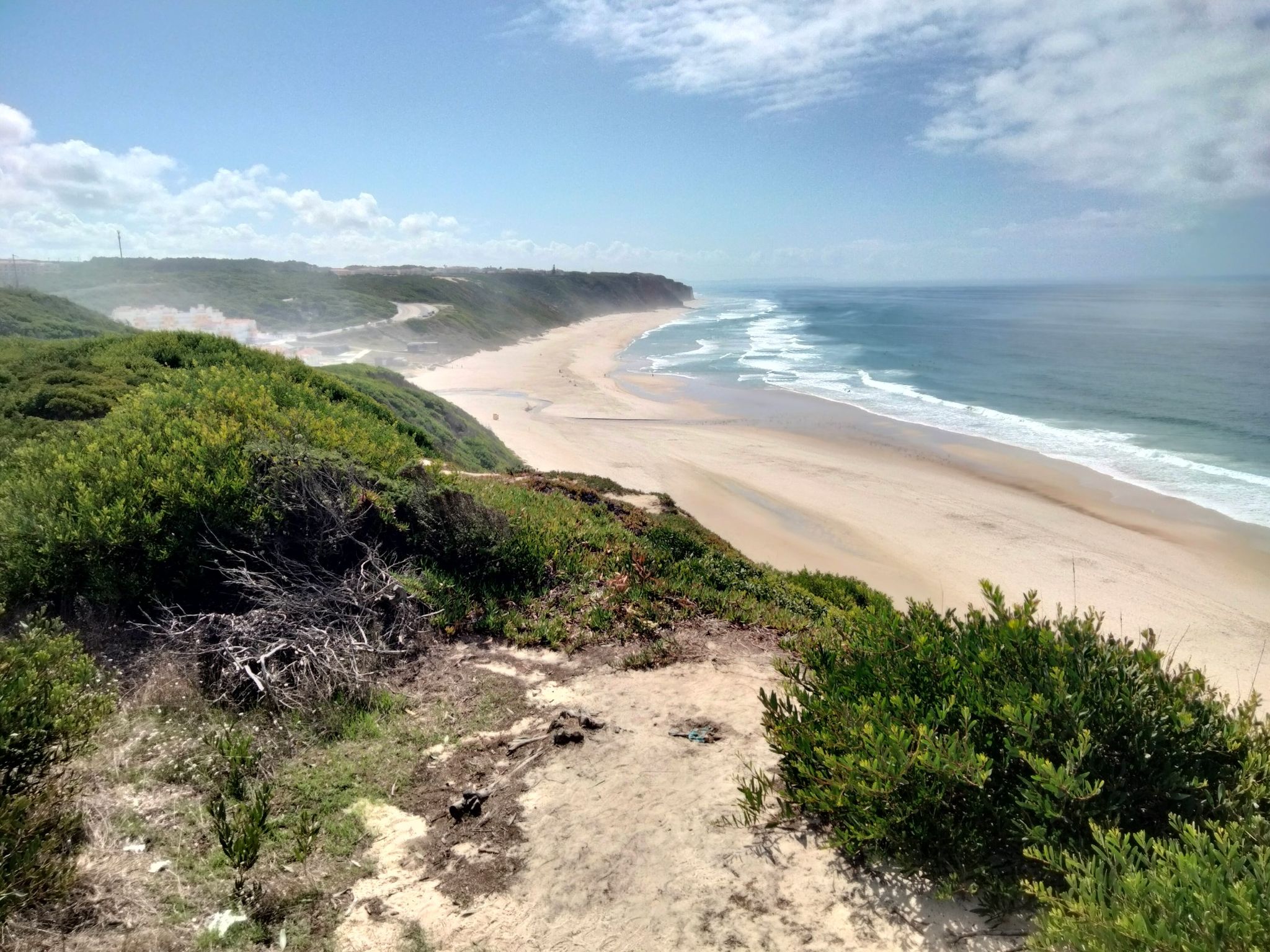
With 995.69 hectares, of which 733.48 hectares are on land and 262.21 hectares are marine, the Dunas de São Jacinto Nature Reserve is located in the "ria de Aveiro", on a thin sandy peninsula that separates the salt water from the brackish water, to which the Vouga River gives a "sweeter" taste.
2
1

The protected area consists of 3 very different zones: the dune area which leads into a pine and acacia forest that was planted at the end of the last century to reinforce the dunes. Inside there are some freshwater ponds.
2
1

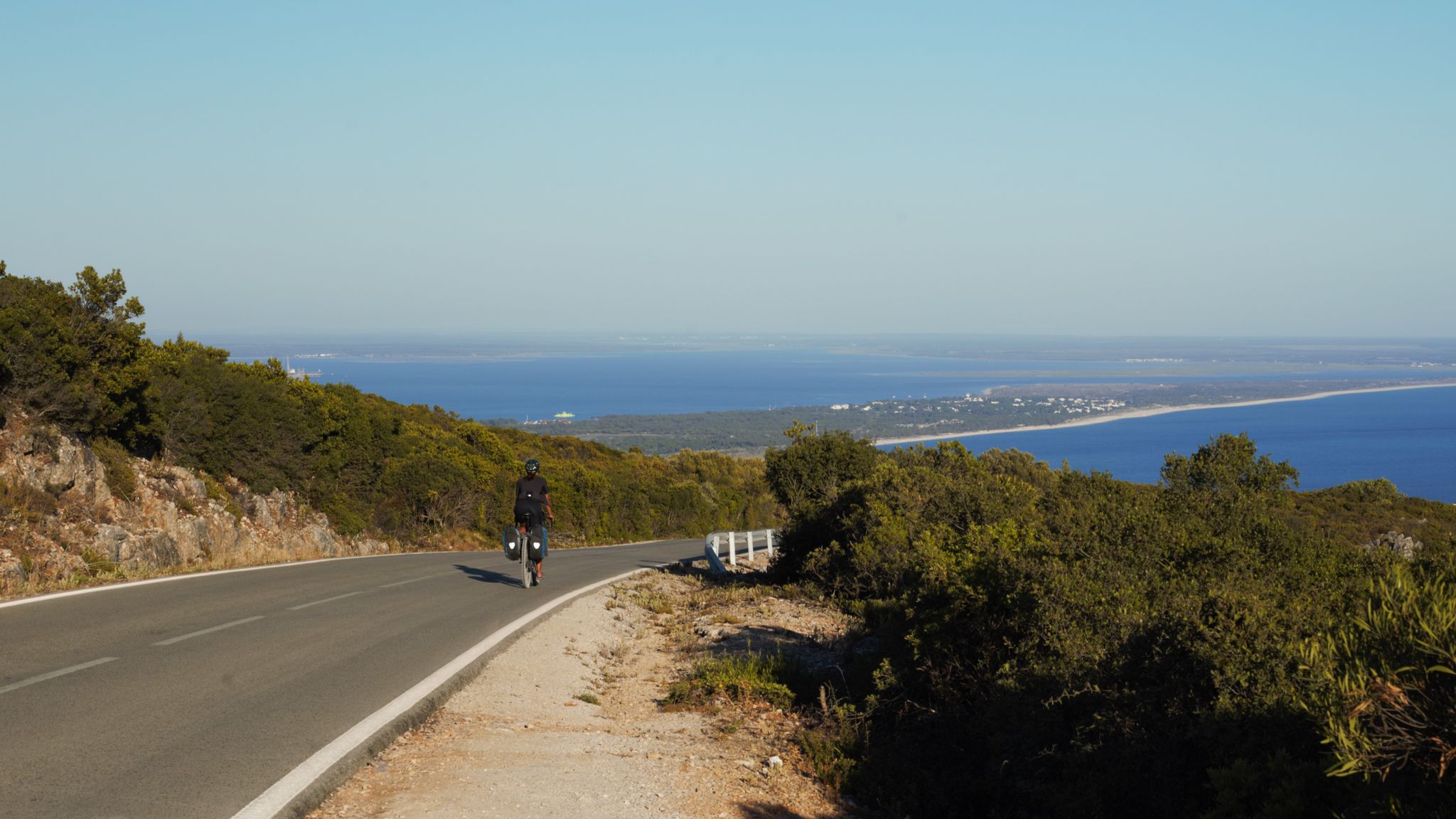
The Ria de Aveiro (also known as Foz do Vouga) is a shallow coastal lagoon in the Aveiro region, extending for 45 kilometers. It covers two districts and several locations, including Aveiro, Ílhavo and Mira. It is divided into three main channels, one of which is the Canal de Mira, location of the bridge in question.
0
0

The path leads over the dunes along the sea and is primarily intended to protect the vegetation there.
4
1

A boardwalk through the dunes
4
1

The bridge crosses the beautiful long extension of the coastal lagoon, stretching along the Lagoon from Aveiro to Vagueira
1
0
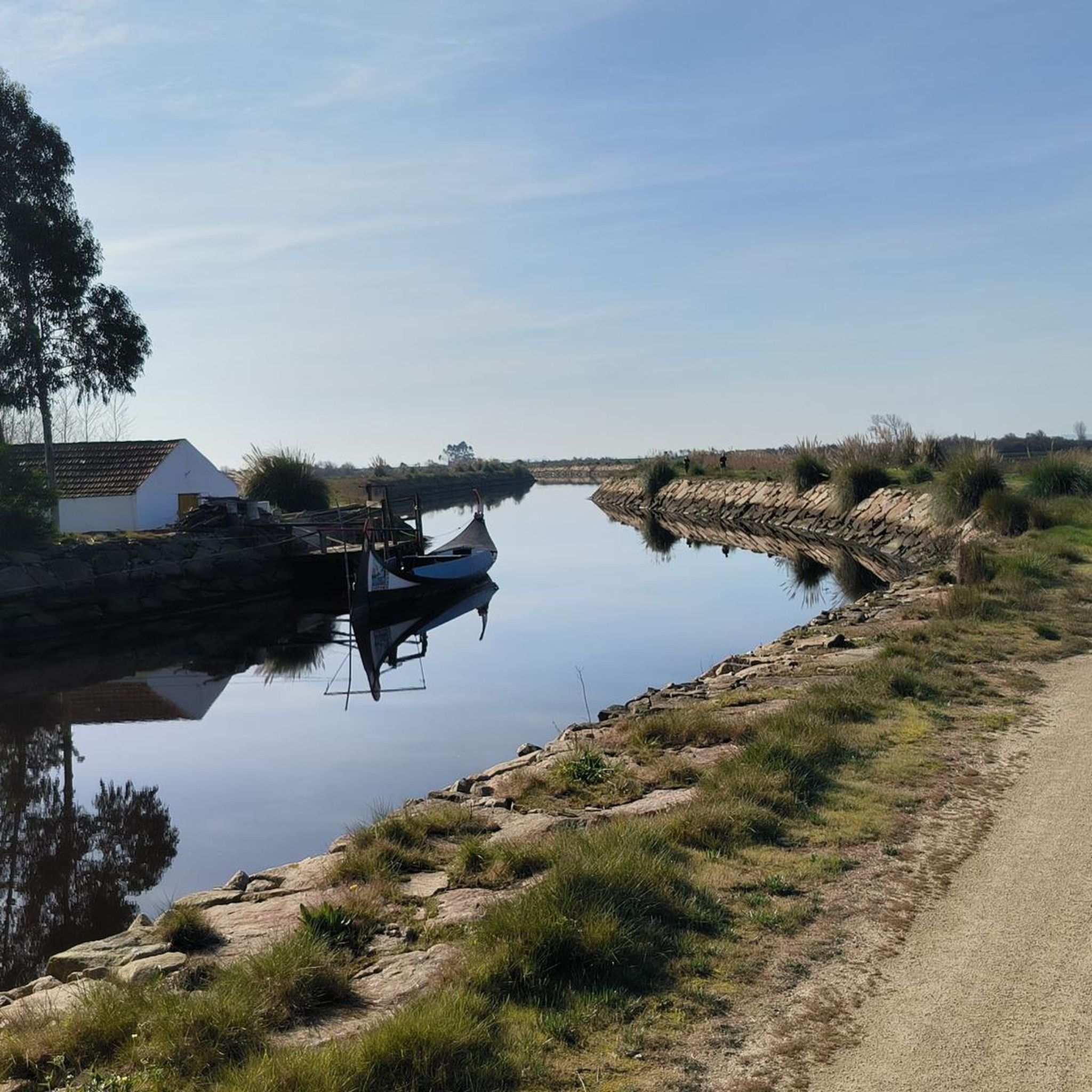
The Canal de Ovar, also known as Ria de Ovar, is the northern section of the Ria de Aveiro, between São Jacinto and Ovar, in the district of Aveiro. The shallow coastal lagoon, about 25 kilometers long, is the largest of the three main channels of the Ria (Ovar, Ílhavo and Mira) understood as a unique space in the context of Portugal and Europe, given the environmental and landscape qualities of high scientific value, with conditions for the practice of bird watching and other activities, such as rowing, sailing, canoeing, stand up paddle or simple boat or moliceiro trips. The Ria de Aveiro has been the target of a silting intervention since 2019, with the aim of strengthening the margins in low areas threatened by the advance of water, to protect people and goods and to restore the supply of sediment to the coast, and complementarily, contribute to the improvement of navigation conditions in the estuary and accessibility to some of the quays, which are quite silted, as well as to maintain an ecological flow, in order to preserve ecosystems
2
0
Frequently Asked Questions
What natural features can I expect to see around Murtosa?
Murtosa, nestled within the Ria de Aveiro, offers a diverse natural landscape. You'll find expansive lagoon systems, coastal dunes, tranquil beaches, and significant wetlands. Key features include the vast Ovar Canal 🌊 Aveiro Lagoon, which is the largest of the Ria's main channels, and the Aveiro Lagoon - Mira Channel. The region is also known for its unique salt pans, such as those visible from View of the Salt Pans, Rua do Sal, which reflect a long history of salt production.
Are there any unique natural attractions in Murtosa beyond the main lagoon?
Yes, beyond the main lagoon system, Murtosa boasts several unique natural attractions. The Boardwalk through the dunes of Ria de Aveiro offers a unique perspective on the coastal ecosystem, protecting local vegetation while providing scenic views. Another significant spot is the São Jacinto Nature Reserve, a haven for migratory birds with scenic forests and sand dunes. You can also explore the tranquil Monte Branco Beach or the picturesque Cais do Bico.
What outdoor activities can I do near the natural monuments in Murtosa?
The natural monuments around Murtosa are perfect for various outdoor activities. The Ria de Aveiro is ideal for birdwatching, cycling, walking, rowing, sailing, canoeing, and stand-up paddleboarding. You can find numerous cycling routes, including easy to moderate options like the 'EV1 on the Ria de Aveiro' or 'Cais da Bestida – View of Ria de Aveiro loop from Bunheiro'. For hiking, explore trails like the 'Ria de Aveiro Wetlands loop from Salreu' or 'Praia de São Jacinto loop from São Jacinto'. You can find more details on these activities in the Cycling around Murtosa, MTB Trails around Murtosa, and Hiking around Murtosa guides.
Are the natural monuments around Murtosa suitable for families?
Absolutely! Many natural monuments in Murtosa are family-friendly. Highlights like the Ovar Canal 🌊 Aveiro Lagoon, Aveiro Lagoon - Mira Channel, View of the Salt Pans, Rua do Sal, Boardwalk through the dunes of Ria de Aveiro, and Pateira de Frossos are all noted as suitable for families. The boardwalks and easy walking routes offer safe and enjoyable experiences for all ages, allowing families to explore the diverse ecosystems and observe local wildlife.
What is the best time of year to visit the natural monuments in Murtosa?
The best time to visit the natural monuments in Murtosa largely depends on your preferred activities. Spring and autumn offer pleasant temperatures for cycling and hiking, and are excellent for birdwatching as migratory species pass through the Ria de Aveiro and São Jacinto Nature Reserve. Summer is ideal for enjoying the beaches like Torreira and Monte Branco, though it can be busier. Winter provides a quieter experience, with opportunities for peaceful walks and observing resident bird species.
Are there easy walking routes or trails near the natural monuments?
Yes, there are several easy walking routes available. The Boardwalk through the dunes of Ria de Aveiro is a prime example, offering a flat and accessible path. Other easy options include the 'Ria de Aveiro Wetlands loop from Salreu' (7.78 km) and a 'Hiking loop from São Jacinto' (3.32 km). These routes allow you to comfortably explore the natural beauty and observe the diverse flora and fauna of the region. More details can be found in the Hiking around Murtosa guide.
Can I bring my dog to the natural monuments and trails in Murtosa?
While specific dog policies can vary by exact location within the broader Ria de Aveiro, many outdoor areas and trails in Murtosa are generally dog-friendly, especially those that are not strictly protected nature reserves. For instance, the extensive network of walking and cycling paths along the Ria de Aveiro often welcomes dogs on a leash. However, it's always advisable to check local signage or specific reserve rules, such as those for the São Jacinto Nature Reserve, to ensure compliance and protect wildlife.
Are there accessible viewpoints or trails for visitors with limited mobility?
The Boardwalk through the dunes of Ria de Aveiro is designed to be accessible, providing a flat and stable surface that allows visitors with limited mobility to experience the coastal environment. Many sections of the extensive network of boardwalks and cycle paths along the Ria de Aveiro are also generally flat and well-maintained, offering accessible options for enjoying the scenic views and natural beauty.
Where can I find cafes or restaurants near the natural monuments?
You'll find cafes and restaurants in the towns and villages surrounding the natural monuments. For instance, near Torreira Beach and the São Jacinto Nature Reserve, there are dining options available. Similarly, areas close to Cais do Bico and other popular spots along the Ria de Aveiro will have establishments where you can enjoy local cuisine and refreshments after your explorations.
How long does it typically take to explore the natural monuments in Murtosa?
The time required to explore the natural monuments in Murtosa varies greatly depending on which sites you visit and what activities you plan. A short walk along the Boardwalk through the dunes of Ria de Aveiro might take an hour or two, while a comprehensive cycling tour along the Ria de Aveiro could easily fill a full day. Birdwatching at the São Jacinto Nature Reserve might take half a day, whereas simply relaxing at Monte Branco Beach could be an afternoon affair. It's best to plan according to your interests and the specific locations you wish to visit.
What makes the Ria de Aveiro significant for birdwatching?
The Ria de Aveiro is a highly significant area for birdwatching due to its diverse ecosystems, including salt marshes, mudflats, and reed beds, which provide crucial habitats for numerous bird species. It serves as an important stopover point for migratory birds and hosts a rich variety of resident species. Enthusiasts can spot birds such as Osprey, Greater Flamingo, Eurasian Spoonbill, and Western Marsh Harrier, particularly around areas like the São Jacinto Nature Reserve and the Ovar Canal 🌊 Aveiro Lagoon.
Most popular attractions around Murtosa

Get inspired with the komoot mobile app


Explore more
Extend your search for the best caves by checking out these guides of the top ones around Murtosa:
