Top 7 Castles around Sabugal
Castles around Sabugal, Portugal, are situated in a region characterized by its historical significance and natural landscapes, including the Côa River and the Serra da Malcata mountain range. The area features medieval fortresses and historic villages that played crucial roles in border defense. These sites offer insights into Portuguese history and architecture. The municipality of Sabugal encompasses several historic villages with defensive structures.
Best castles around Sabugal
- The most popular castles is Belmonte Historic Village, a historical site and…
Last updated: July 6, 2026
Belmonte Historic Village
Highlight • Historical Site
Translated by Google •
Tip by

Historic Village of Sortelha
Highlight • Historical Site
Translated by Google •
Tip by

Sign up now to discover places like this
Get recommendations on the best single tracks, peaks, & plenty of other exciting outdoor places.
Sign up for free
Sabugal Castle
Highlight • Castle
Translated by Google •
Tip by
Castelo Mendo Historic Village
Highlight • Historical Site
Translated by Google •
Tip by
Alfaiates
Highlight • Castle
Translated by Google •
Tip by
Sign up for free to discover even more castles around Sabugal.
Sign up for free
Already have an account?
Start today with a free account
Your next adventure awaits.
Login or Signup

Tips from the Community

It's been a few years since I walked here with the hiking group from Évora. We loved it and recommend it.👍🥾
1
0

Sabugal Castle is one of the most imposing and well-preserved medieval fortifications in Portugal. It is known as the "Castle of the Five Corners" due to the unusual shape of its impressive pentagonal keep, the castle's most iconic feature. Its pentagonal (five-cornered) plan is considered unique in Portuguese military architecture. It is approximately 30 meters high and offers incredible views. The castle has a double ring of walls. You can walk along the ramparts on top of the walls for a panoramic view over the city and the Côa River. From the top, you can see the Côa River winding its way through the city and the natural landscape of the Serra da Malcata mountain range.
1
0

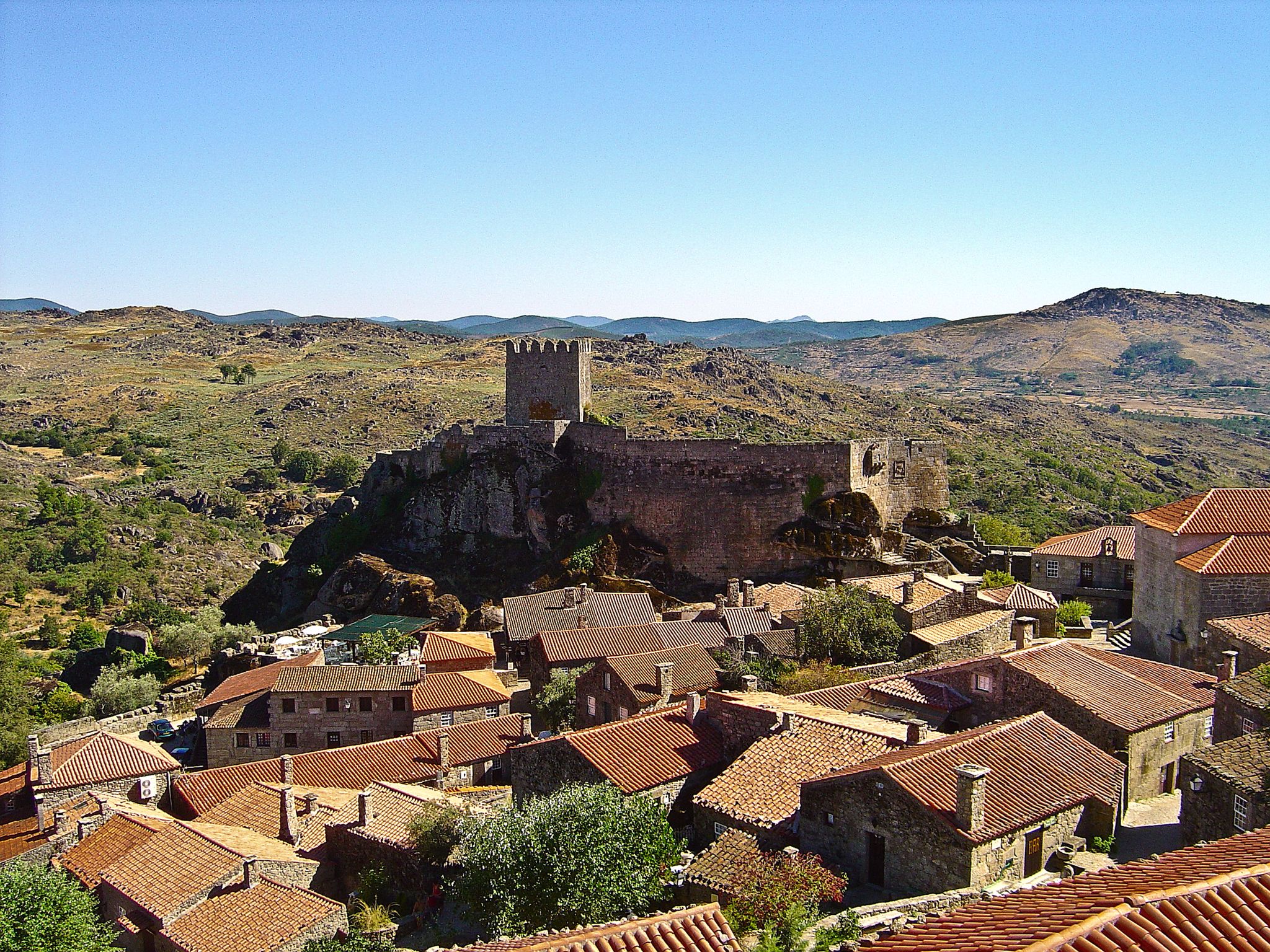
Among the municipality's 37 listed, predominantly granite buildings are churches, manor houses, fountains, and former public buildings. Of particular note are the castle complex and city walls dating back to the 13th century.
3
0

Castelo Mendo is a historic village with medieval roots, marked by two walls: the oldest, dating from the 12th century, surrounds the old town with its castle and the church of Santa Maria; the second, built by King Dinis in the 14th century, protected the Gothic suburb. The site was a living border between Portugal and León until the Treaty of Alcanices (1297), guarding strategic passages over the Côa River. At the entrance, two Vetón bellows, stone figures in the shape of wild boars, recall even more remote origins. Classified as a Property of Public Interest since 1984, Castelo Mendo today stands as a rare testament to the border region's history and Portuguese medieval splendor.
2
0
Alfaiates holds centuries of history intertwined with the very formation of Portugal. Its castle, once called Castillo de la Luna (Moon Castle) because it seemed to touch the sky, was built in the 13th century and passed to Portuguese territory by the Treaty of Alcañices in 1297. Between charters, royal alliances, and battles, it was the scene of moments of glory and strategic defense, even withstanding the French invasions. Today, amid crumbling walls and living traditions like the capeia arraiana (a bullfight in which the bull is faced by 20 or 30 men who hold off its charges with a huge pitchfork), Alfaiates continues to reveal the charm of its legendary memory.
2
0
Built on the Côa River, Sabugal Castle preserves centuries of borders and memory. Once part of the Kingdom of León, it passed to Portugal in 1297 and became a strategic staging ground for the Portuguese-British troops during the Third French Invasion. Today, it continues to stand as a living testament to the long history of one of Europe's oldest nations.
2
0
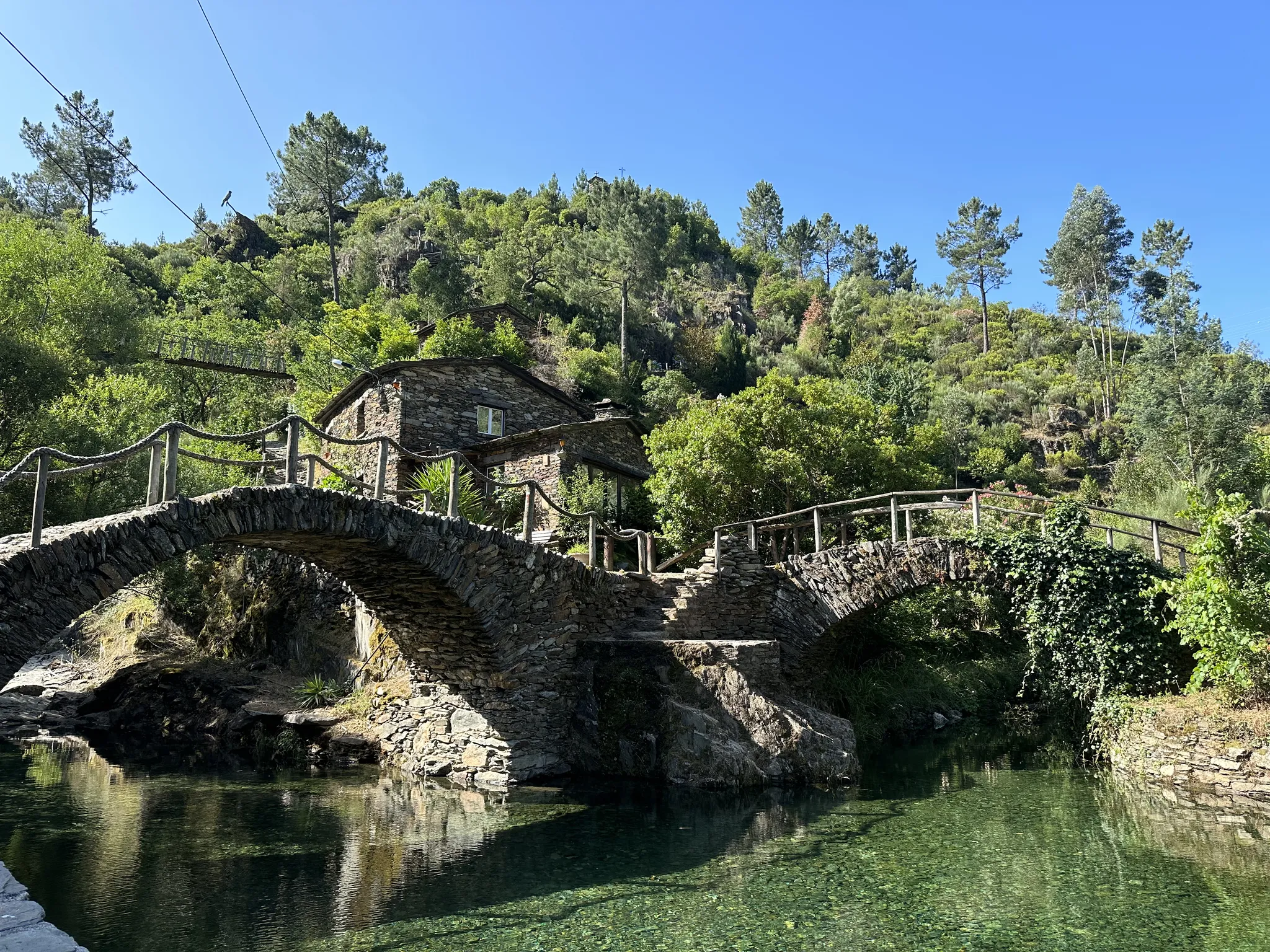
Belmonte, one of the twelve Historic Villages of Portugal, is the home of Pedro Álvares Cabral and guardian of the country's largest Jewish community, a legacy that endured centuries of Inquisition. Between walls and memories, mystique and history abound, with the Serra da Estrela on one side and the Malcata Reserve on the other. The food completes the enchantment: Jewish flavors like fried offal coexist with broths, migas, esparregados, and traditional Beira sweets: rice pudding, papas de carolo, and filhós. Here, the landscape and the food merge into a delightful experience.
5
0

To spend a few days of well-deserved rest in Sortelha, I recommend "Casas do Pelourinho", a very welcoming and friendly local accommodation. Spending a few days in Sortelha is not just 'tourism'. It is an act of culture. So simple and so enriching.
6
0
Frequently Asked Questions
What makes Sabugal Castle a unique historical site?
Sabugal Castle is renowned for its distinctive pentagonal keep, also known as the "Castle of the Five Corners," which is a rare feature in Portuguese military architecture. Standing over 20 meters tall, this unique shape provided a strategic defensive advantage. The castle also played a crucial role in border defense and was reconstructed by King Dinis after becoming part of Portugal in 1297.
Beyond Sabugal Castle, what other historic villages and castles can I explore in the region?
The Sabugal region offers several other significant historical sites. You can visit Belmonte Historic Village, known as the birthplace of Pedro Álvares Cabral, with its 13th-century castle. Another option is Castelo Mendo Historic Village, surrounded by a fortified wall with six medieval gates. Don't miss the Historic Village of Sortelha, featuring a 13th-century castle complex and city walls, or Alfaiates, with its castle that once withstood French invasions.
What kind of panoramic views can I expect from the castles in the Sabugal area?
From the walls and especially the keep of Sabugal Castle, you can enjoy breathtaking panoramic views of the city of Sabugal, the winding Côa River, and the natural landscape of the Serra da Malcata mountain range. Similarly, Belmonte Castle offers fine views of the Estrela mountains and the surrounding Lower Beiras countryside.
Are there any legends associated with the castles in the Sabugal region?
Yes, Sabugal Castle is the setting for the famous Portuguese legend of the "Miracle of the Roses," involving Queen Elizabeth of Portugal. This adds a layer of cultural richness to the historical significance of the site.
Are there hiking trails near the castles around Sabugal?
Yes, the Sabugal region offers various hiking opportunities. For example, you can find an easy hiking loop from Alfaiates, or moderate trails like the Pelourinho de Sortelha – Historic Village of Sortelha loop. For more options, explore the Hiking around Sabugal guide.
What other outdoor activities are available near the castles?
Besides hiking, the area around Sabugal's castles is great for cycling and mountain biking. You can find numerous routes, such as the Sabugal Castle – Alto da Machoca loop for mountain biking or various difficult cycling loops that explore the wider region. Check out the MTB Trails around Sabugal and Cycling around Sabugal guides for detailed routes.
What is the best time of year to visit the castles around Sabugal?
The Sabugal region, with its historical sites and natural landscapes, is generally pleasant to visit during spring and autumn when the weather is milder, making it ideal for exploring the castles and engaging in outdoor activities like hiking and cycling. Summer can be hot, while winter might be cooler and potentially rainy.
Are the castles around Sabugal suitable for families?
Many of the castles and historic villages, such as Sabugal Castle, Belmonte Historic Village, and Castelo Mendo Historic Village, offer an engaging experience for families. Children can enjoy exploring the ancient walls, towers, and imagining medieval life. The open spaces and historical context provide an educational and adventurous outing.
What historical significance do the castles around Sabugal hold?
The castles in the Sabugal region, including Sabugal Castle, played a vital role in Portugal's border defense, particularly against the Kingdom of León and during the Napoleonic Wars. They are living testaments to centuries of strategic importance, territorial disputes, and the formation of the Portuguese nation. Sites like Castelo Mendo were crucial border points until the Treaty of Alcañices in 1297.
Is there an entrance fee for Sabugal Castle?
Information regarding specific entrance fees for Sabugal Castle is not provided in the guide data. It is advisable to check the official local tourism websites or inquire upon arrival for the most current details on entrance fees and opening hours.
What are some unique architectural features of the castles in this region?
The castles in the Sabugal region showcase distinct architectural elements. Sabugal Castle is famous for its pentagonal keep, a rare design in Iberian fortifications. Castelo Mendo features a fortified wall with six medieval gates and simple stone houses, while Sortelha's castle complex and city walls date back to the 13th century, reflecting robust medieval defensive architecture.
Can I walk along the ramparts of the castles?
Yes, at Sabugal Castle, visitors can explore the continuous chemin de ronde (wall-walk), accessible by internal staircases. This allows for panoramic views over the city and the Côa River, offering a unique perspective of the castle's defenses and the surrounding landscape.
Most popular attractions around Sabugal

Get inspired with the komoot mobile app


Explore more
Looking for the best castles somewhere else? Discover other guides around Sabugal:
