Top 20 Natural Monuments around Castro Marim
Best natural monuments around Castro Marim include significant wetland ecosystems and coastal dune forests. The region is characterized by its extensive marshes, saltpans, and the River Guadiana estuary, forming Portugal's oldest nature reserve. This area provides a diverse landscape of inlets, rural areas, and sandy beaches. It is a key location for observing a wide array of wildlife and unique geological formations.
Best natural monuments around Castro Marim
- The most popular natural monuments is Ilha de Cabanas de Tavira Beach…
Last updated: July 6, 2026
Ilha de Cabanas de Tavira Beach
Highlight • Beach
Cabanas is home to many cafes, restaurants and holiday apartments along the …
Translated by Google •
Tip by

Cacela Beach
Highlight • Beach
Translated by Google •
Tip by

Sign up now to discover places like this
Get recommendations on the best single tracks, peaks, & plenty of other exciting outdoor places.
Sign up for free
Marshes and Saltworks of Isla Cristina 🌿 Via Verde crossing
Highlight • Natural Monument
The coastal biketrail ViaVerde west to Ayamonte is good. To the East …
Tip by

Manta Rota Beach
Highlight • Beach
Translated by Google •
Tip by

Salt Pans of the Reserva Natural do Sapal de Castro Marim e Vila Real de Santo António
Highlight • Natural Monument
Translated by Google •
Tip by

Sign up for free to discover even more natural monuments around Castro Marim.
Sign up for free
Already have an account?
Start today with a free account
Your next adventure awaits.
Login or Signup
Popular around Castro Marim
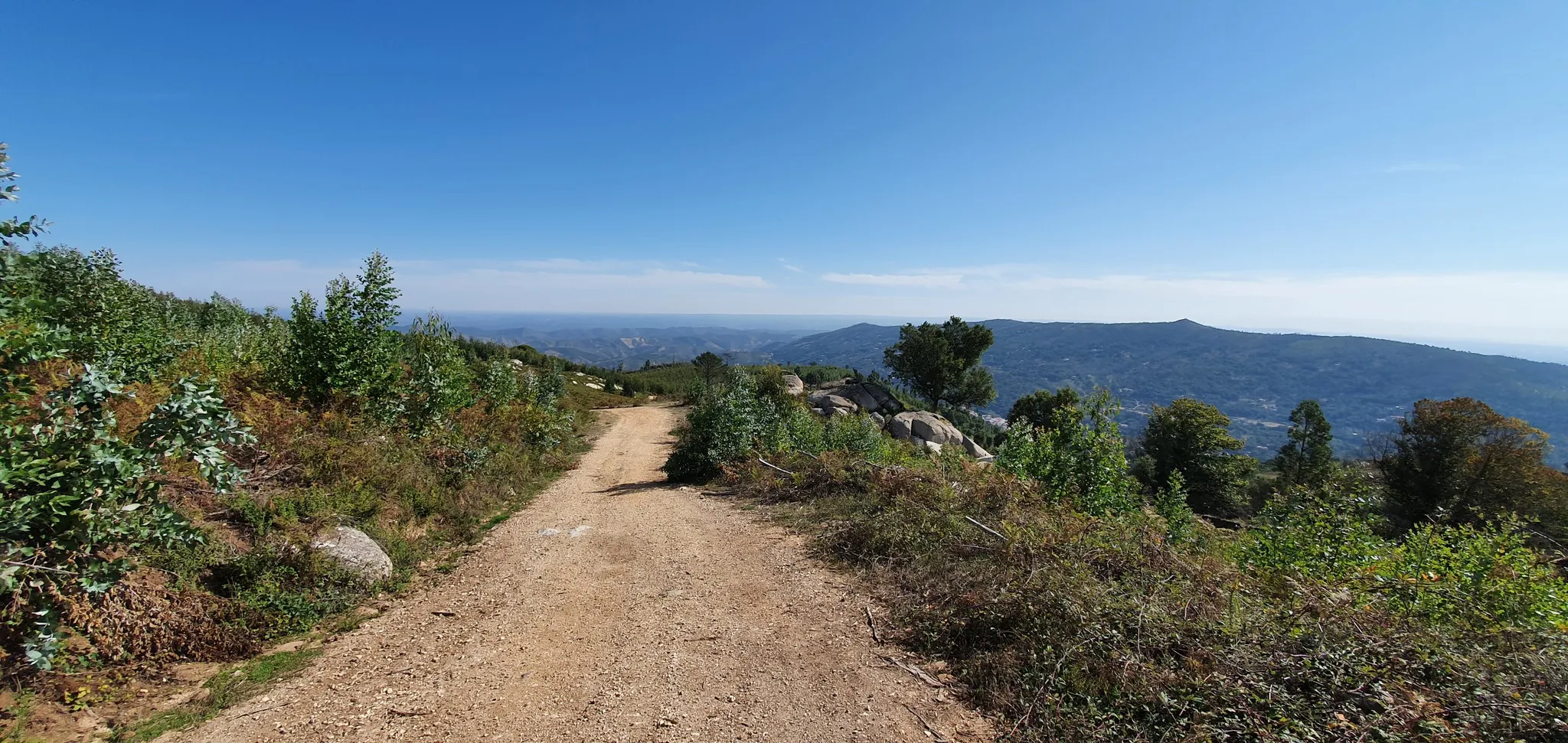
Via Algarviana (GR 13) - hidden corners of the south
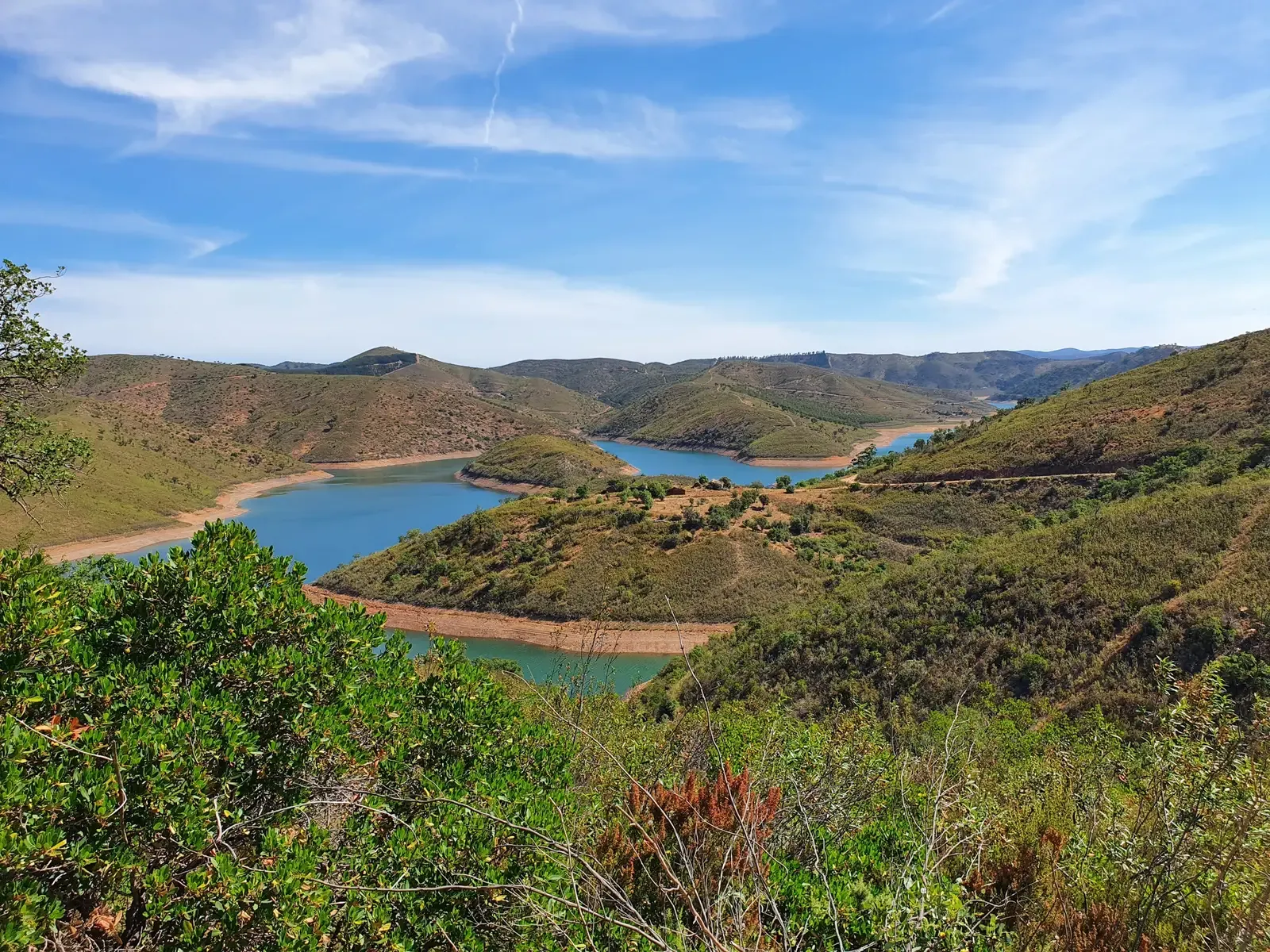
The secret Algarve – Algarviana Way
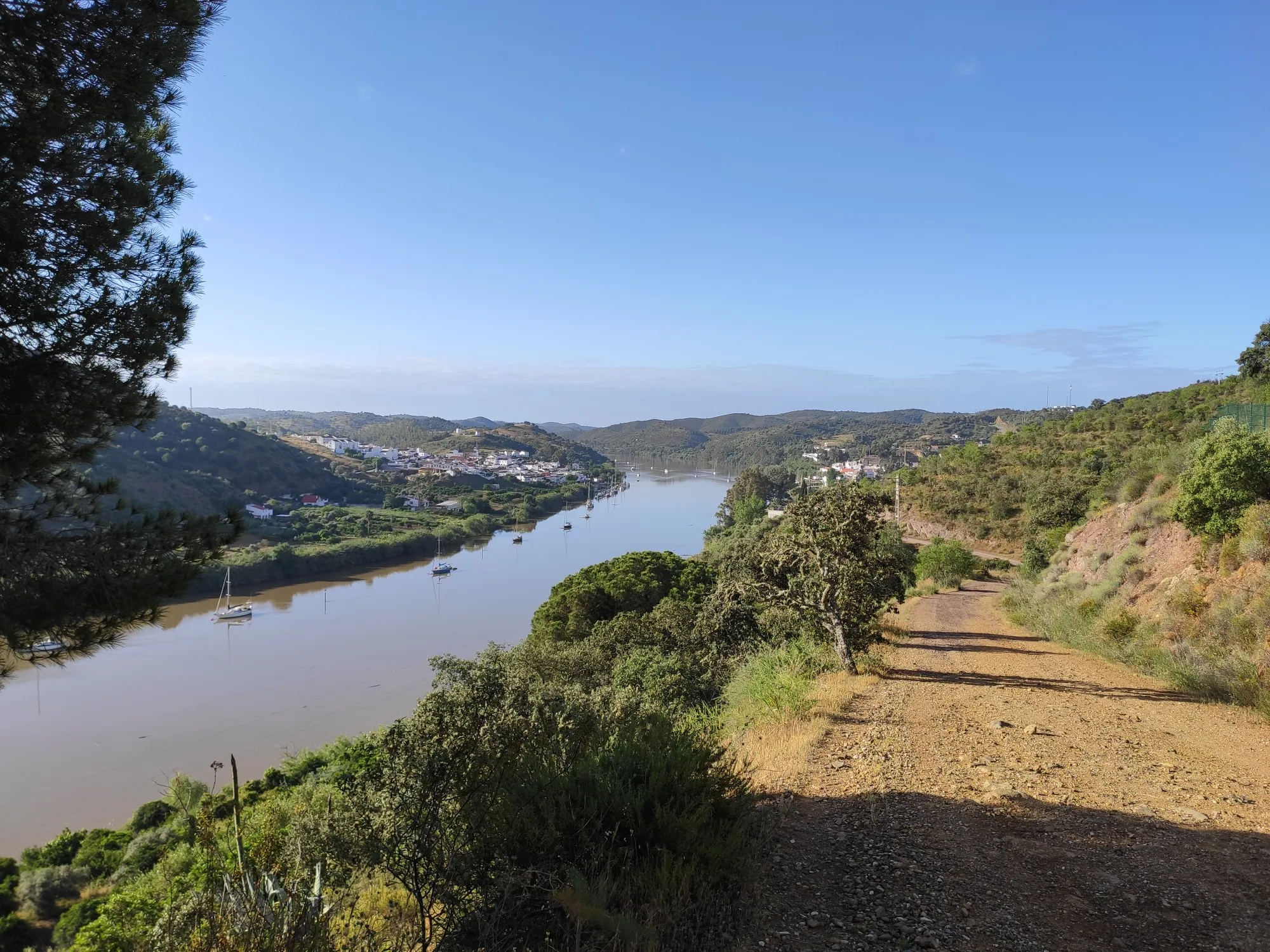
Stories of a river - Great Guadiana Route (GR 15)
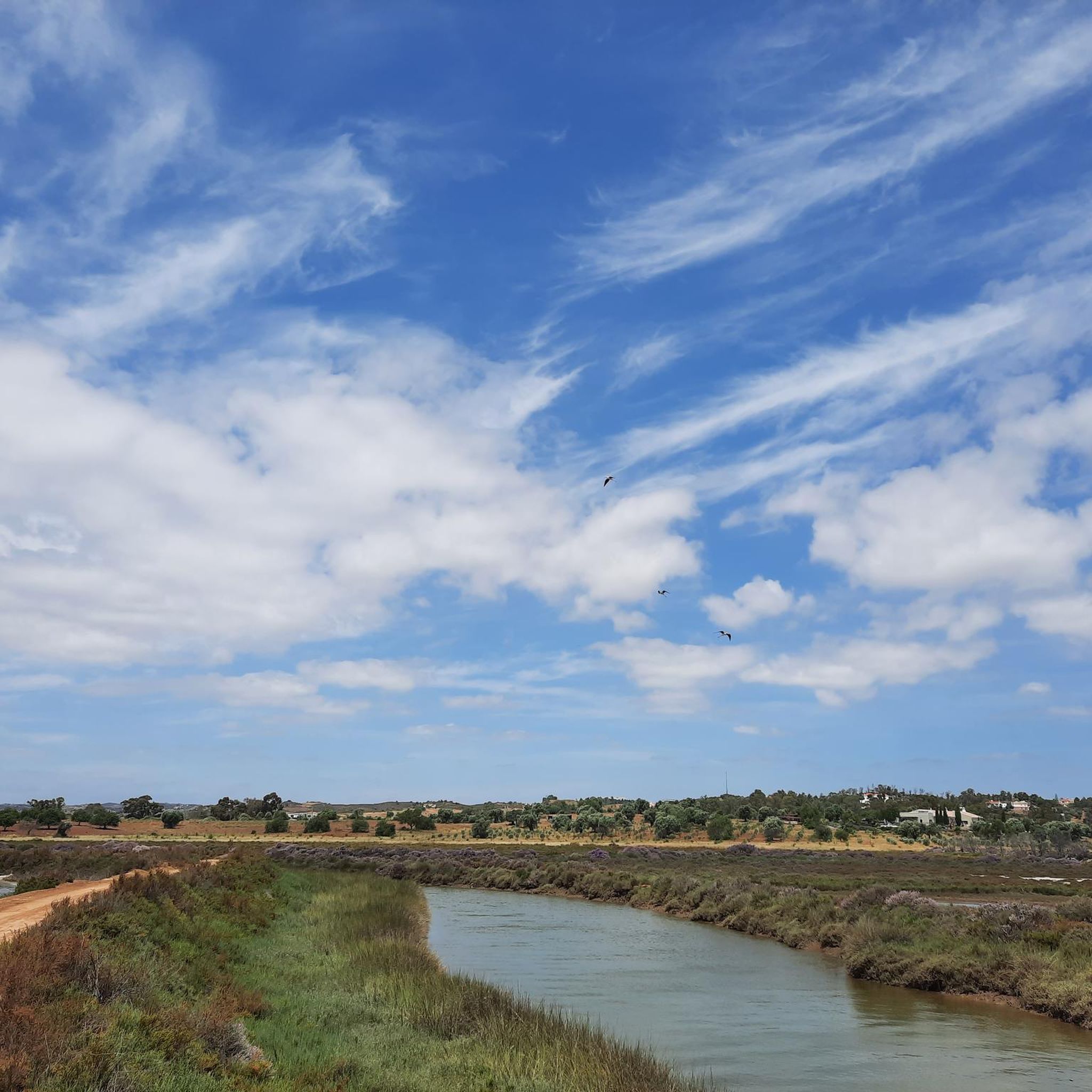
Hiking around Castro Marim
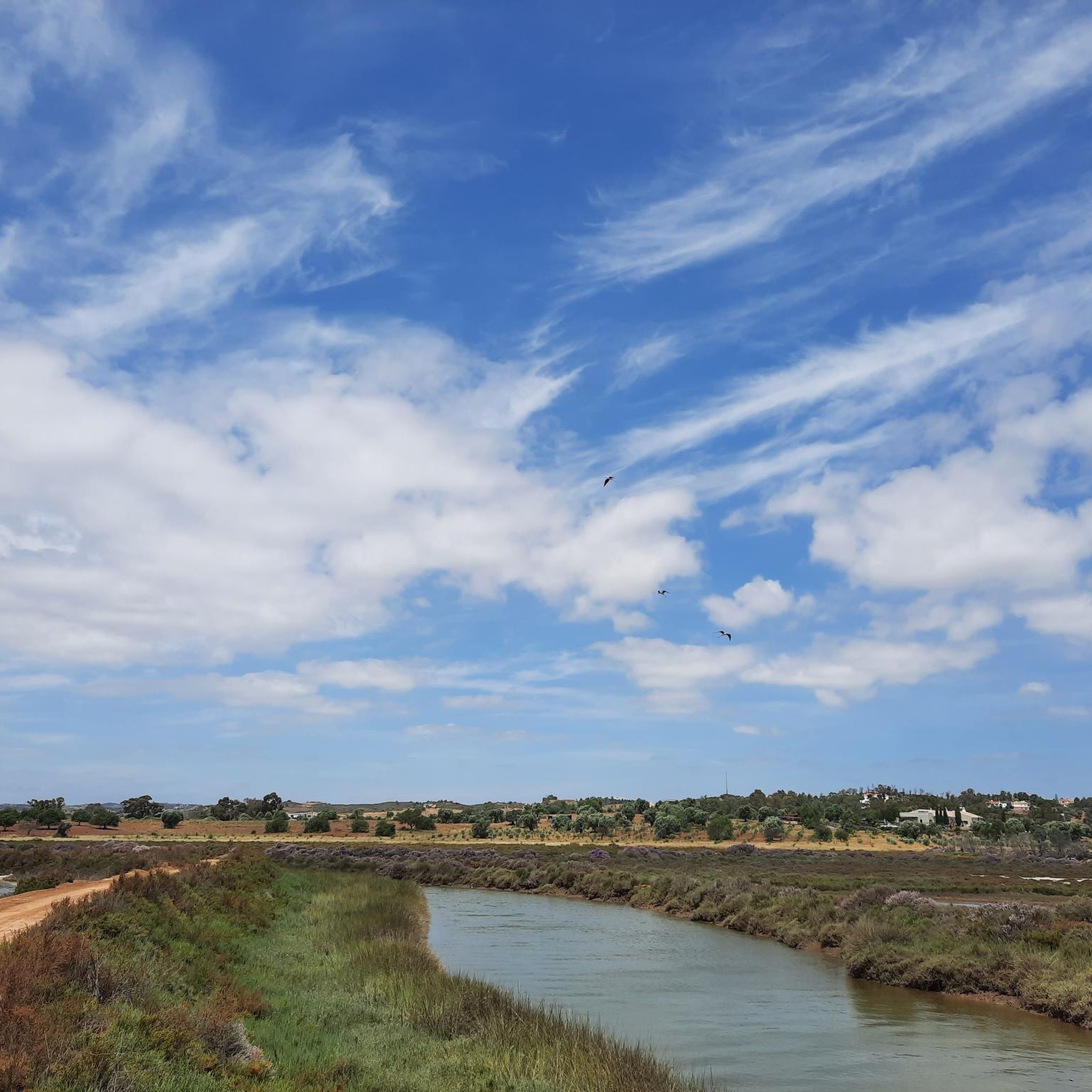
Running Trails around Castro Marim
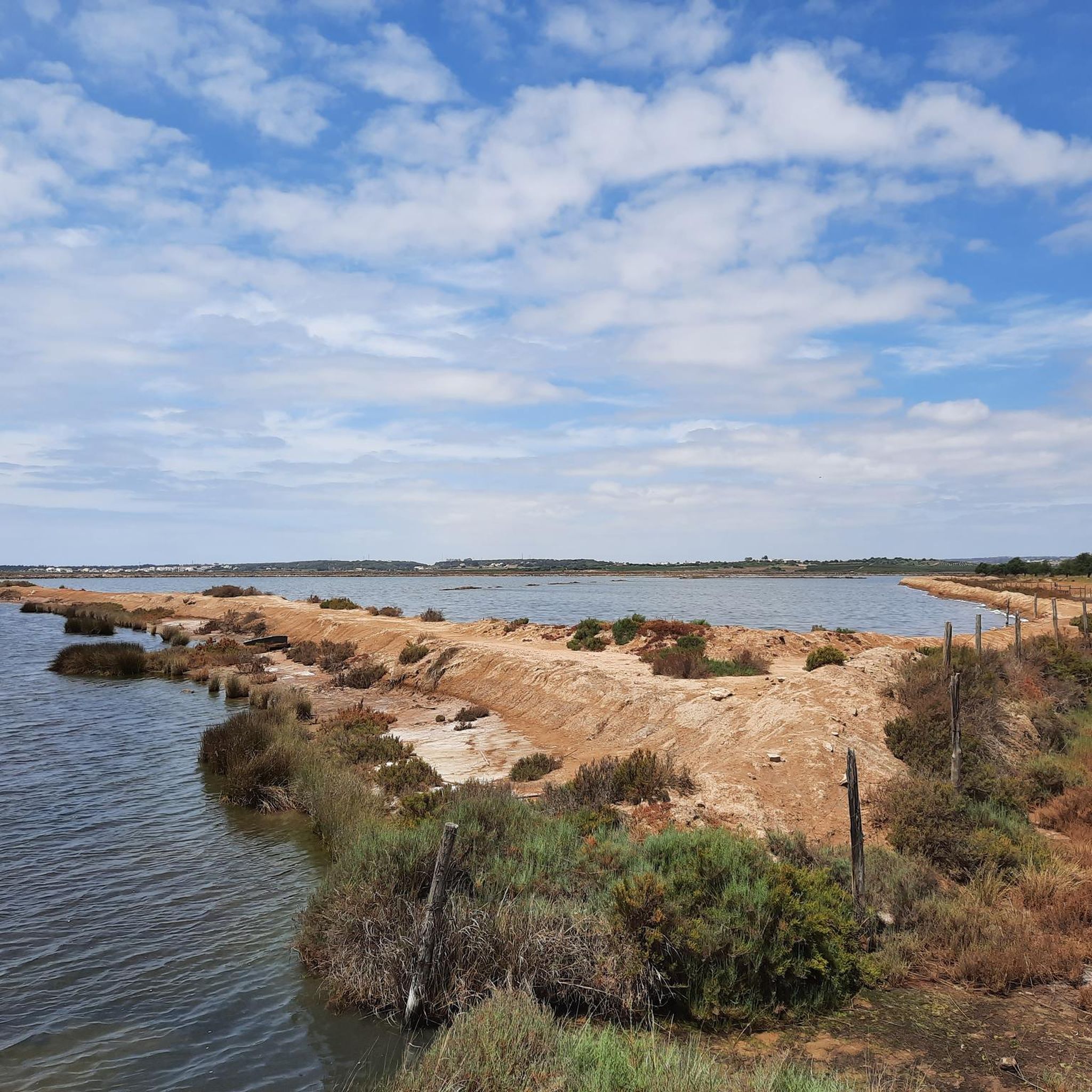
Road Cycling Routes around Castro Marim
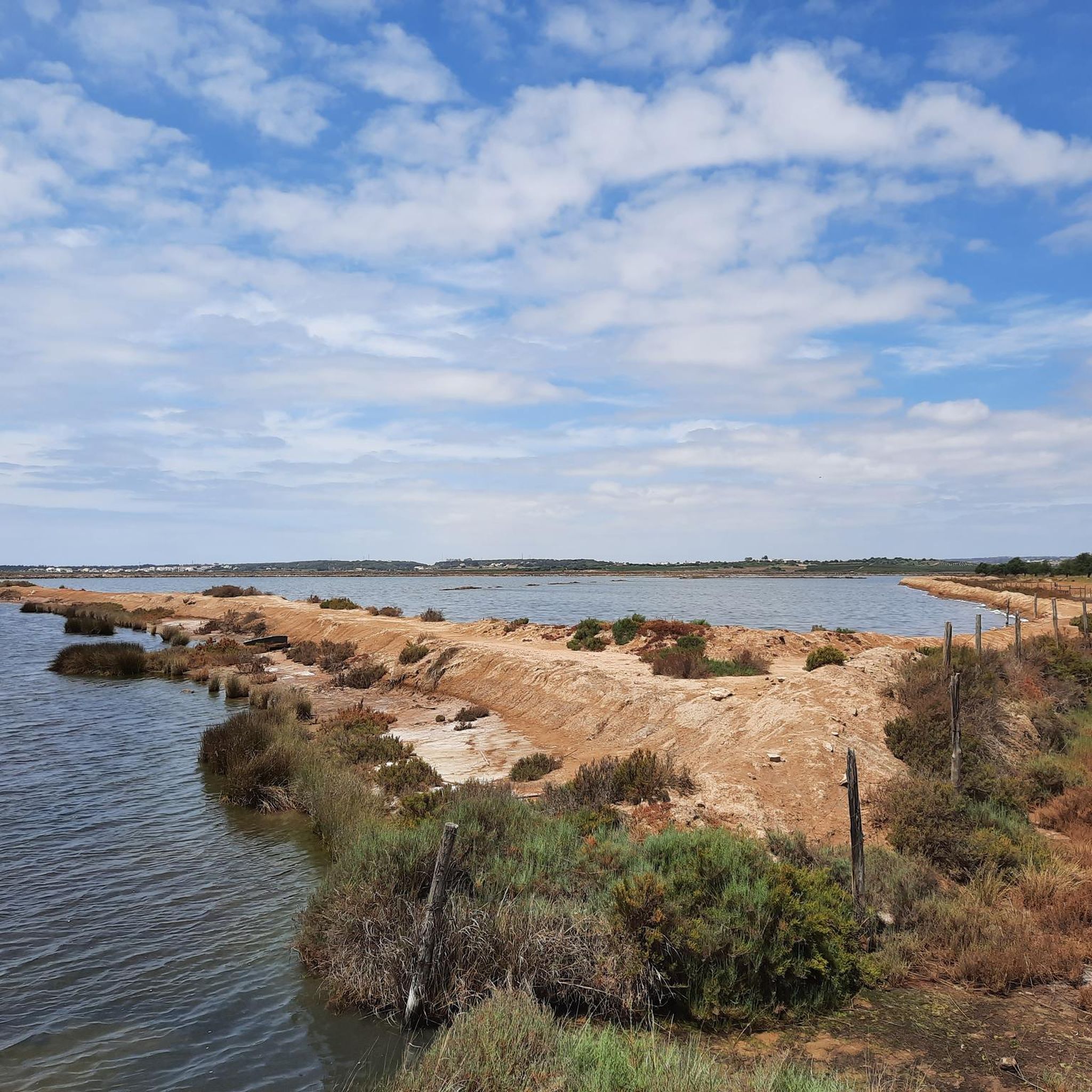
MTB Trails around Castro Marim
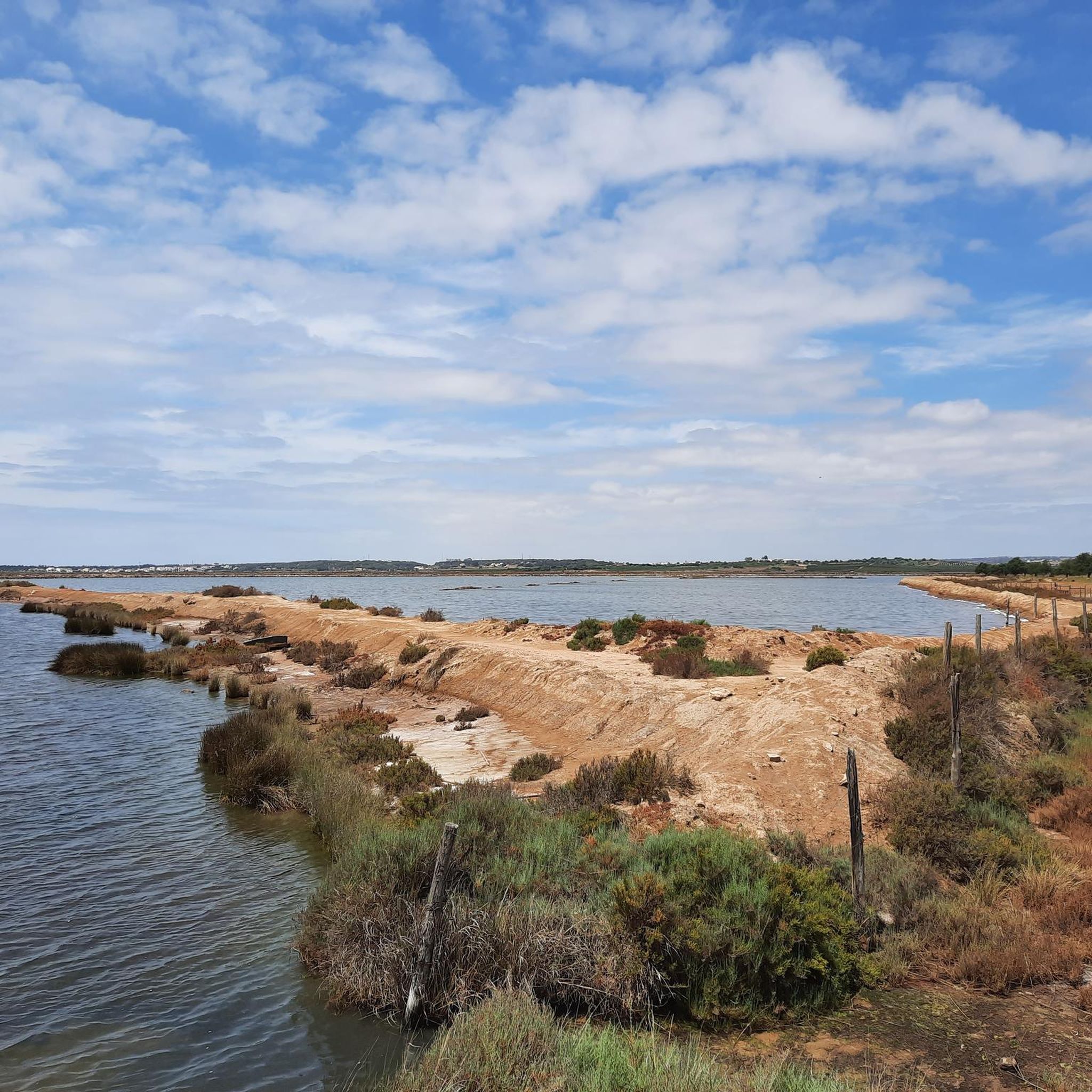
Cycling around Castro Marim
Gravel biking around Castro Marim


Tips from the Community


The Castro Marim Salt Pans, located in the Castro Marim and Vila Real de Santo António Salt Marsh Nature Reserve, are a historical and ecological landmark of the Algarve, where the artisanal production of salt and fleur de sel remains alive. 👍
1
0

An important natural product is extracted from the sea's saltwater here. Only through the power of the elements, sun and wind, which evaporate the water in the saltworks' shallow basins, does pure salt remain. Even today, you won't find a kitchen without salt to season dishes. But in earlier times, it had an additional significance: It was important for preserving food—making it so precious that salt was called "white gold."
3
0

The landscape is part of the Ria Farmosa. The Chameleon Trail also leads right past this charming little village. So always be careful 🤗
8
1

Parque Natural da Ria Farmosa You can walk for miles along the beach from Tavira to Fábricia. From there you can take a small boat to the town for €1.50. The beach is almost deserted for early June. Small and large shells line the path, in my opinion one of the most beautiful beaches in Europe.
6
1
Our holiday in Golden Club in Cabanas was still quiet and not too busy for the end of May. The transfer to the beach was free for hotel guests. The kilometer-long beach was practically deserted and the waves were not that strong. Unfortunately, there were no umbrellas on the beach.
2
1


Salt mountains spread across the landscape - which could be mistaken for snow if we weren't in the Algarve. The entire area is part of an environmental protection area that has several species of birds, such as Flamingos.
2
1
Frequently Asked Questions
What are some of the most appreciated natural monuments around Castro Marim?
Visitors particularly enjoy the extensive sandy beaches and the unique wetland ecosystems. Highlights like Ilha de Cabanas de Tavira Beach, known for its 30-meter high dunes and 8 km length, and Manta Rota Beach, with its wide, shallow waters, are highly rated. The Cacela Beach, located within the Ria Formosa National Park, is also a favorite for its unique island setting.
What kind of natural landscapes can I expect to see in the Castro Marim area?
The region is characterized by diverse natural landscapes. You'll find extensive wetland ecosystems, particularly within the Castro Marim and Vila Real de Santo António Marshland Natural Reserve, featuring marshes, saltpans, and inlets. There are also significant coastal dune forests, such as the Mata Nacional das Dunas Litorais de Vila Real de Santo António, and pristine sandy beaches.
Where can I go birdwatching near Castro Marim?
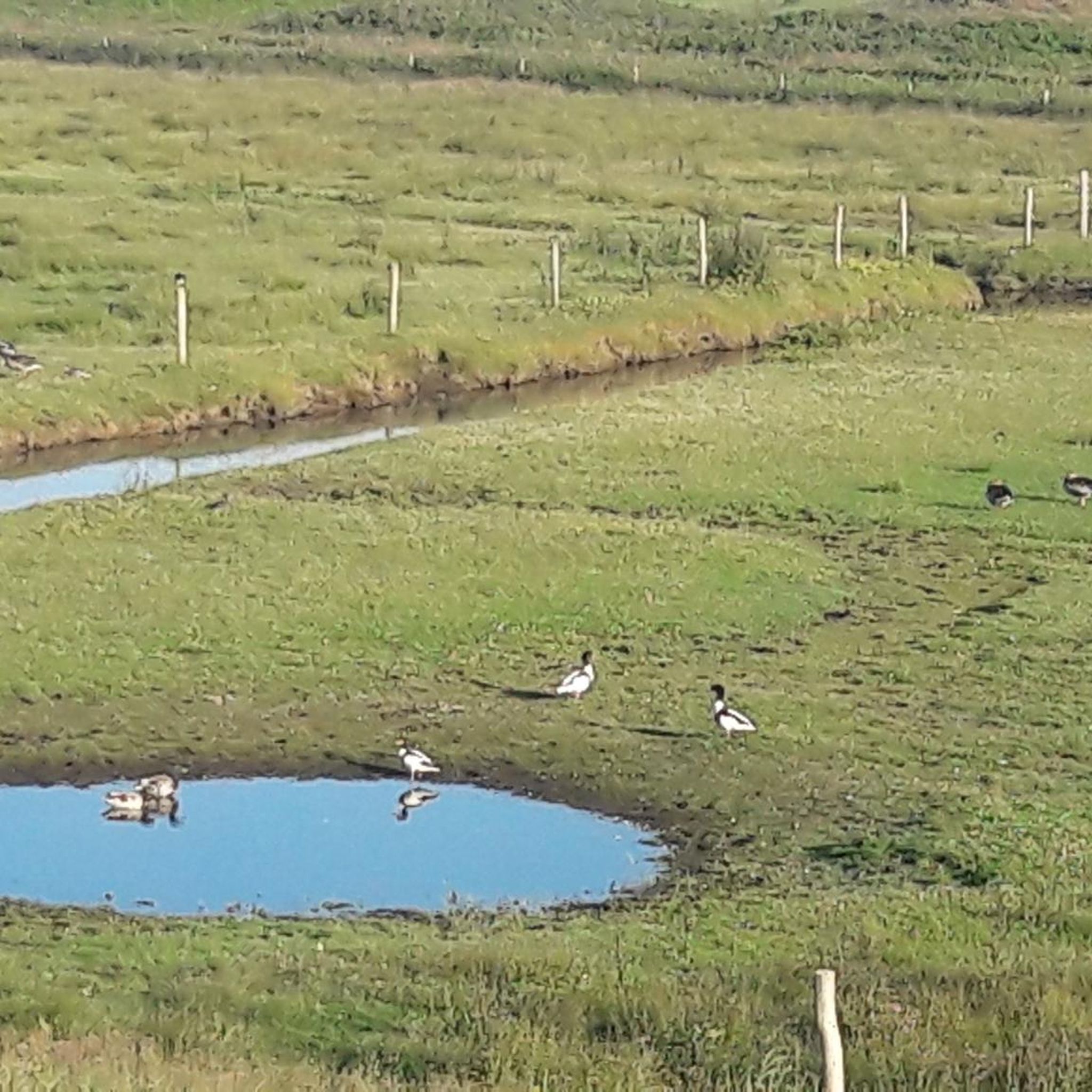
The Castro Marim and Vila Real de Santo António Marshland Natural Reserve is a prime location for birdwatching. It's a vital wetland ecosystem, home to over 153 bird species, including the black-winged stilt, pied avocet, and common flamingo. Early morning or late afternoon are ideal for spotting various species, and there are signposted routes and a bird observation hide available.
Can I see flamingos in the natural monuments around Castro Marim?
Yes, flamingos are a notable sight in the region. They can be observed in the Castro Marim and Vila Real de Santo António Marshland Natural Reserve, particularly around the Salt Pans of the Reserva Natural do Sapal de Castro Marim e Vila Real de Santo António. The Marshes and Saltworks of Isla Cristina also host large flamingo colonies.
Are there chameleons in the natural areas around Castro Marim?
Yes, the region is a significant habitat for chameleons. The coastal dunes and scrubland within the Castro Marim and Vila Real de Santo António Marshland Natural Reserve, as well as the Mata Nacional das Dunas Litorais de Vila Real de Santo António, are known for their chameleon populations. The Mata Nacional is considered one of their last natural strongholds in Portugal.
Are there family-friendly natural monuments around Castro Marim?
Many natural monuments in the area are suitable for families. Beaches like Manta Rota Beach are known for their shallow, calm waters and wide sandy areas, making them ideal for children. The Mata Nacional das Dunas Litorais de Vila Real de Santo António also offers shaded picnic areas and easy paths for walks.
What outdoor activities can I do near these natural monuments?
The area offers a variety of outdoor activities. You can explore numerous hiking trails, such as those found in the Hiking around Castro Marim guide. Cycling is also popular, with options for Cycling around Castro Marim and Gravel biking around Castro Marim, including routes through the marshlands and coastal forests.
Are there walking trails available in the natural monuments?
Yes, the Castro Marim and Vila Real de Santo António Marshland Natural Reserve features signposted routes perfect for exploring the unique landscape on foot. The Mata Nacional das Dunas Litorais de Vila Real de Santo António also provides refreshing environments for walking, with shaded paths through pine forests.
What is the best time to visit the natural monuments around Castro Marim?
The region is enjoyable year-round, but spring and autumn are particularly pleasant for wildlife observation and outdoor activities, with milder temperatures. For birdwatching, early morning or late afternoon are ideal, especially for spotting flamingos. In early autumn, chameleons are more visible as they descend to lay eggs.
Are there any natural monuments that are part of the Ria Formosa National Park?
Yes, Cacela Beach is a notable natural monument located within the Ria Formosa National Park. This area is characterized by its unique island setting, offering both Atlantic Ocean views and a tranquil lagoon.
How can I access the natural monuments, and is parking available?
Access to many natural monuments, especially the beaches, is generally straightforward, often with nearby parking facilities. For the Castro Marim and Vila Real de Santo António Marshland Natural Reserve, there are visitor centers and designated access points. Specific parking availability can vary by location, so it's advisable to check local signage.
What is the significance of the saltpans in the Castro Marim area?
The saltpans, particularly those within the Castro Marim and Vila Real de Santo António Marshland Natural Reserve, are historically and ecologically significant. They represent a traditional method of salt production, using artisanal techniques. Beyond their economic importance, these saltpans create a unique geometric landscape and provide crucial habitats for a wide array of aquatic birds and other wildlife.
Most popular routes around Castro Marim
Most popular attractions around Castro Marim

Get inspired with the komoot mobile app


Explore more
Extend your search for the best caves by checking out these guides of the top ones around Castro Marim:
