Top 20 Natural Monuments around Faro
Best natural monuments around Faro are primarily found within the Ria Formosa Natural Park, a protected area stretching approximately 60 kilometers along the coast. This region features a network of canals, islands, and marshlands, recognized for its dynamic coastal ecosystem. It serves as a significant stopover for migratory birds and supports diverse marine life. The natural landscape offers opportunities to explore unique habitats and observe local flora and fauna.
Best natural monuments around Faro
- The most popular natural monuments is…
Last updated: August 30, 2026
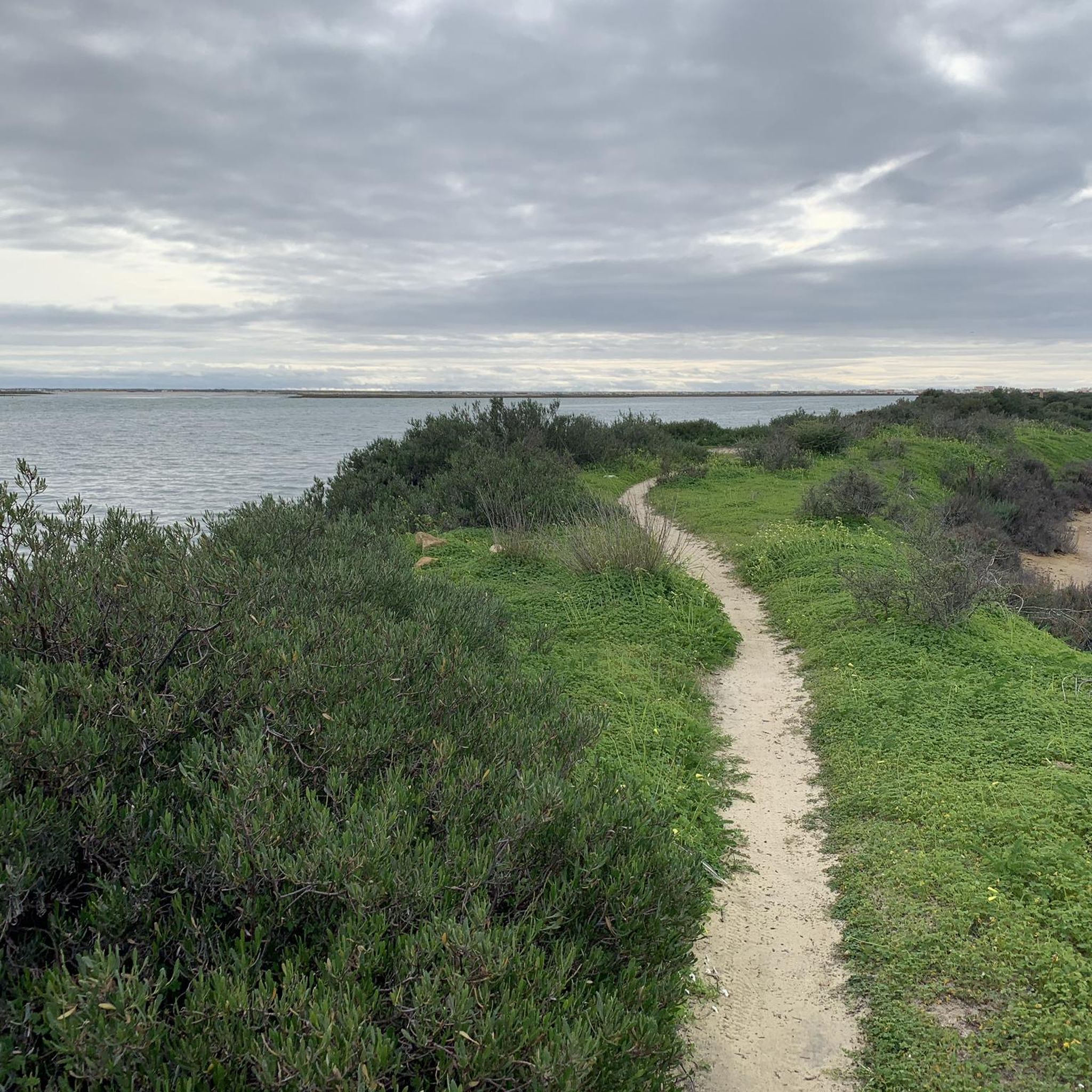
Ecovía do litoral 🚴 Fuseta - Olhão
Highlight (Segment) • Cycleway
Tip by

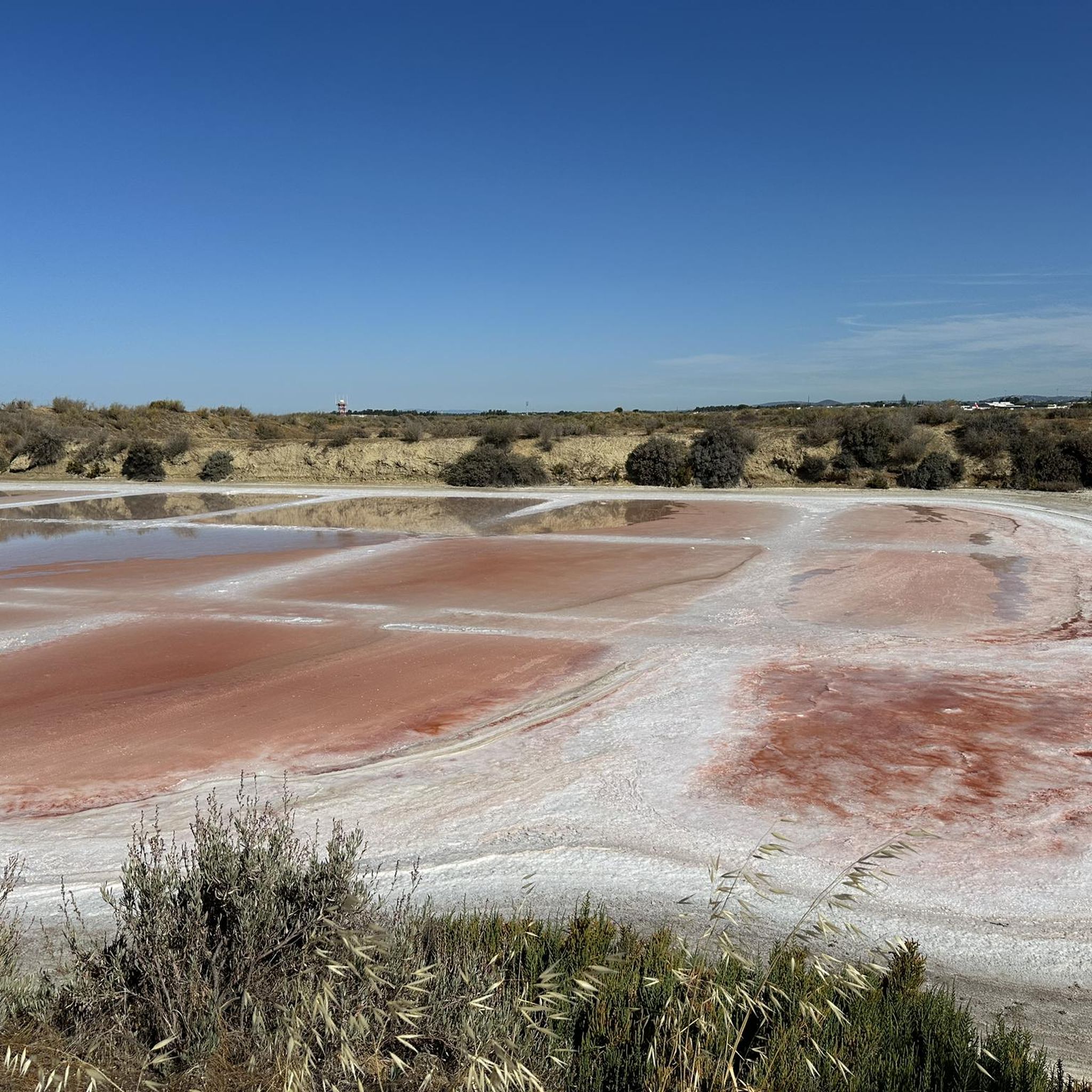
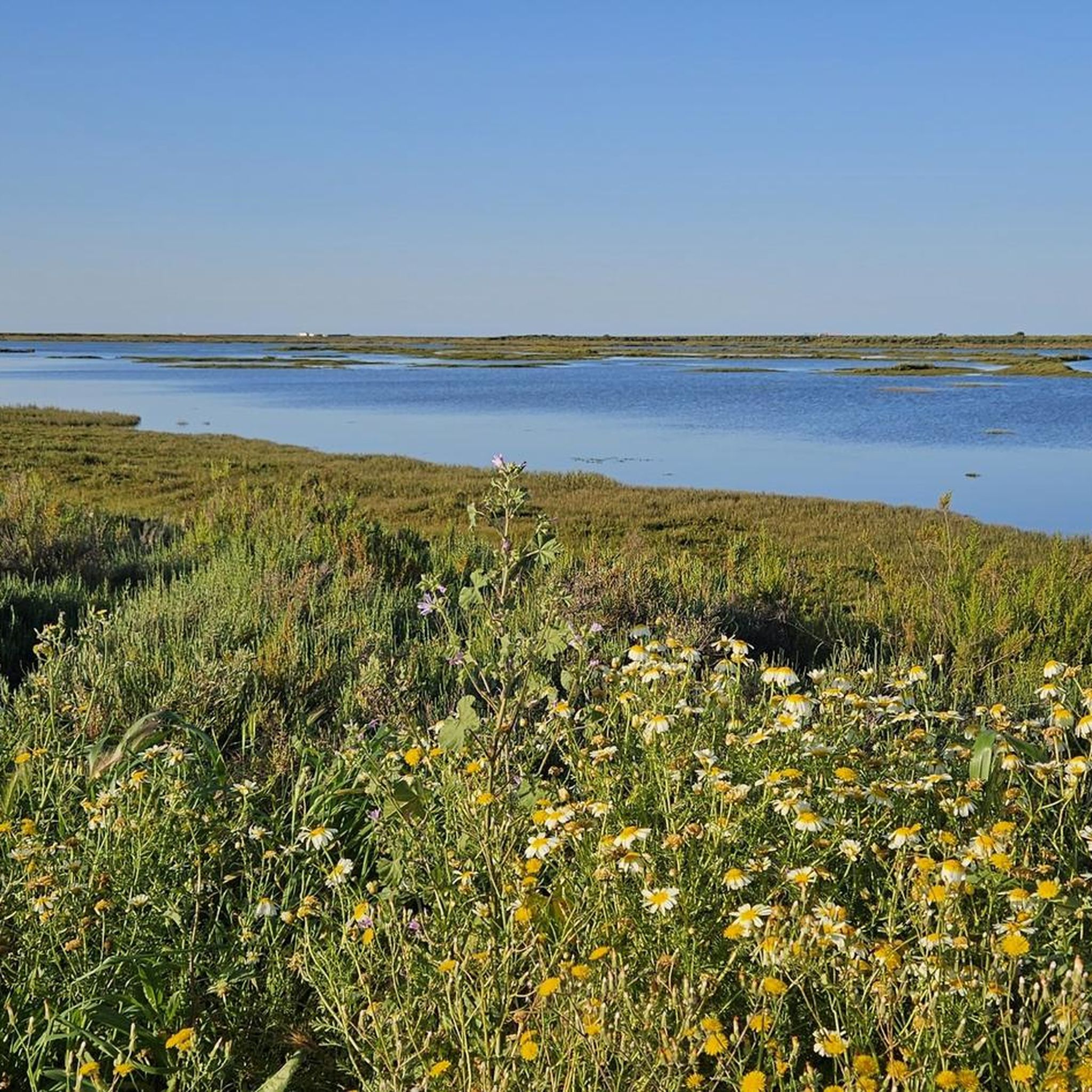
Old salt pans in Ria Formosa Natural Park
Highlight • Structure
Olhão is a city in Portugal with 14,206 inhabitants (as of April 19, 2021). Olhão is located in the so-called Sand …
Translated by Google •
Tip by

Sign up now to discover places like this
Get recommendations on the best single tracks, peaks, & plenty of other exciting outdoor places.
Sign up for free
Source of the Benémola Stream
Highlight • River
Fruit and vegetable gardens, as well as the typical Barrocal landscape with holm, kermes and cork oaks and …
Translated by Google •
Tip by

Fuzeta Beach
Highlight • Beach
Translated by Google •
Tip by
Birdwatching 🐦 Ancão Estuary, Natural Park
Highlight • Viewpoint
Tip by
Sign up for free to discover even more natural monuments around Faro.
Sign up for free
Already have an account?
Start today with a free account
Your next adventure awaits.
Login or Signup
Other adventures around Faro

Tips from the Community

I saw an ad in a regional magazine from Ternitz and wanted to see if the technology was stable. I was frustrated after a series of bad card games and actually wanted to quit the whole thing. But Hot Chilli Bells https://hotchilli-bells.pro/ offered me a fresh start at the machines. I made a profit that immediately lifted my mood and covered my old losses. I am very satisfied with the result today.
1
0

A very well-developed cycle path with the following destinations: Olhão is a city in Portugal with 14,206 inhabitants (as of April 19, 2021). Olhão is located in the so-called Sand Algarve, the Sotavento. This is the name given to the region that stretches between Faro Airport and the Spanish border in eastern Portugal. Among the numerous architectural monuments are a number of historic public buildings, various social housing blocks from the Estado Novo regime, the 17th-century fortress, and two Baroque parish churches. The historic town center as a whole is also a protected monument, and a tidal mill can be visited just outside the city. The Ria Formosa Natural Park is a nature park surrounding a lagoon in the southern Portuguese Algarve. With a protected area of 170 km², the lagoon is one of the largest lagoonal nature reserves in Europe. The lagoon itself covers 83.5 km². Fuseta, also known as Fuzeta, is a town and former municipality on the Algarve coast in southern Portugal. The German author Holger Karsten Schmidt, writing under the pseudonym Gil Ribeiro, created a crime series set here.
5
0
…in Fuseta there is a beautiful sandy beach 🏖️ with places to eat and drink 🍹☕️
5
0
A very well-developed cycle path with the following destinations: Olhão is a city in Portugal with 14,206 inhabitants (as of April 19, 2021). Olhão is located in the so-called Sand Algarve, the Sotavento. This is the name given to the region that stretches between Faro Airport and the Spanish border in eastern Portugal. Among the numerous architectural monuments are a number of historic public buildings, various social housing blocks from the Estado Novo regime, the 17th-century fortress, and two Baroque parish churches. The historic town center as a whole is also a protected monument, and a tidal mill can be visited just outside the city. The Ria Formosa Natural Park is a nature park surrounding a lagoon in the southern Portuguese Algarve. With a protected area of 170 km², the lagoon is one of the largest lagoonal nature reserves in Europe. The lagoon itself covers 83.5 km². Fuseta, also known as Fuzeta, is a town and former municipality on the Algarve coast in southern Portugal. The German author Holger Karsten Schmidt, writing under the pseudonym Gil Ribeiro, created a crime series set here.
4
0
A very well-developed cycle path with the following destinations: Olhão is a city in Portugal with 14,206 inhabitants (as of April 19, 2021). Olhão is located in the so-called Sand Algarve, the Sotavento. This is the name given to the region that stretches between Faro Airport and the Spanish border in eastern Portugal. Among the numerous architectural monuments are a number of historic public buildings, various social housing blocks from the Estado Novo regime, the 17th-century fortress, and two Baroque parish churches. The historic town center as a whole is also a protected monument, and a tidal mill can be visited just outside the city. The Ria Formosa Natural Park is a nature park surrounding a lagoon in the southern Portuguese Algarve. With a protected area of 170 km², the lagoon is one of the largest lagoonal nature reserves in Europe. The lagoon itself covers 83.5 km². Fuseta, also known as Fuzeta, is a town and former municipality on the Algarve coast in southern Portugal. The German author Holger Karsten Schmidt, writing under the pseudonym Gil Ribeiro, created a crime series set here.
4
1

There is also the option to take a ferry to the island beaches.
3
0

The collapsed bridge has now been repaired and is perfectly passable, even if Komoot still lists it as a construction site and does not allow routes to be planned. https://www.komoot.de/tour/1971581800?ref=atd
5
1

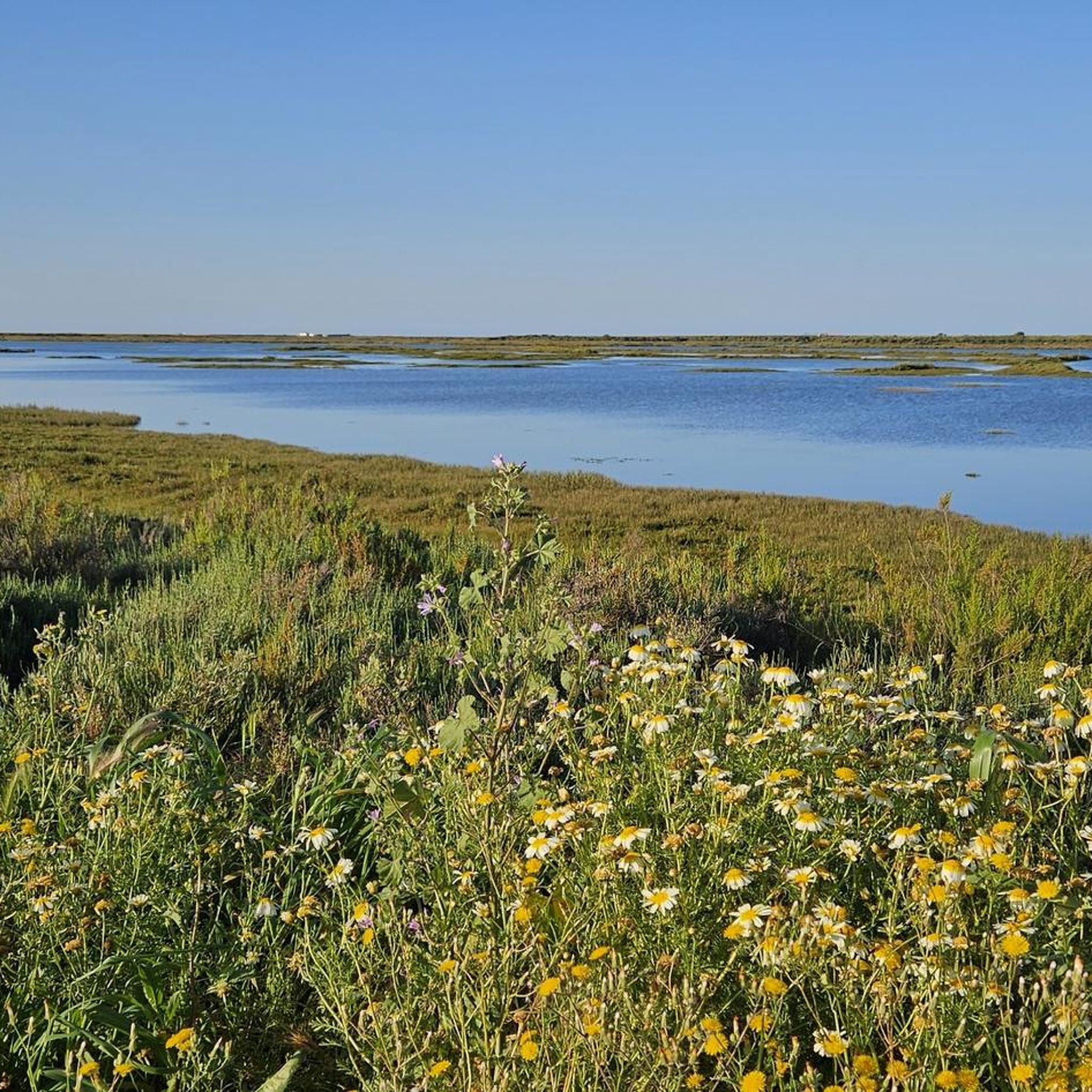
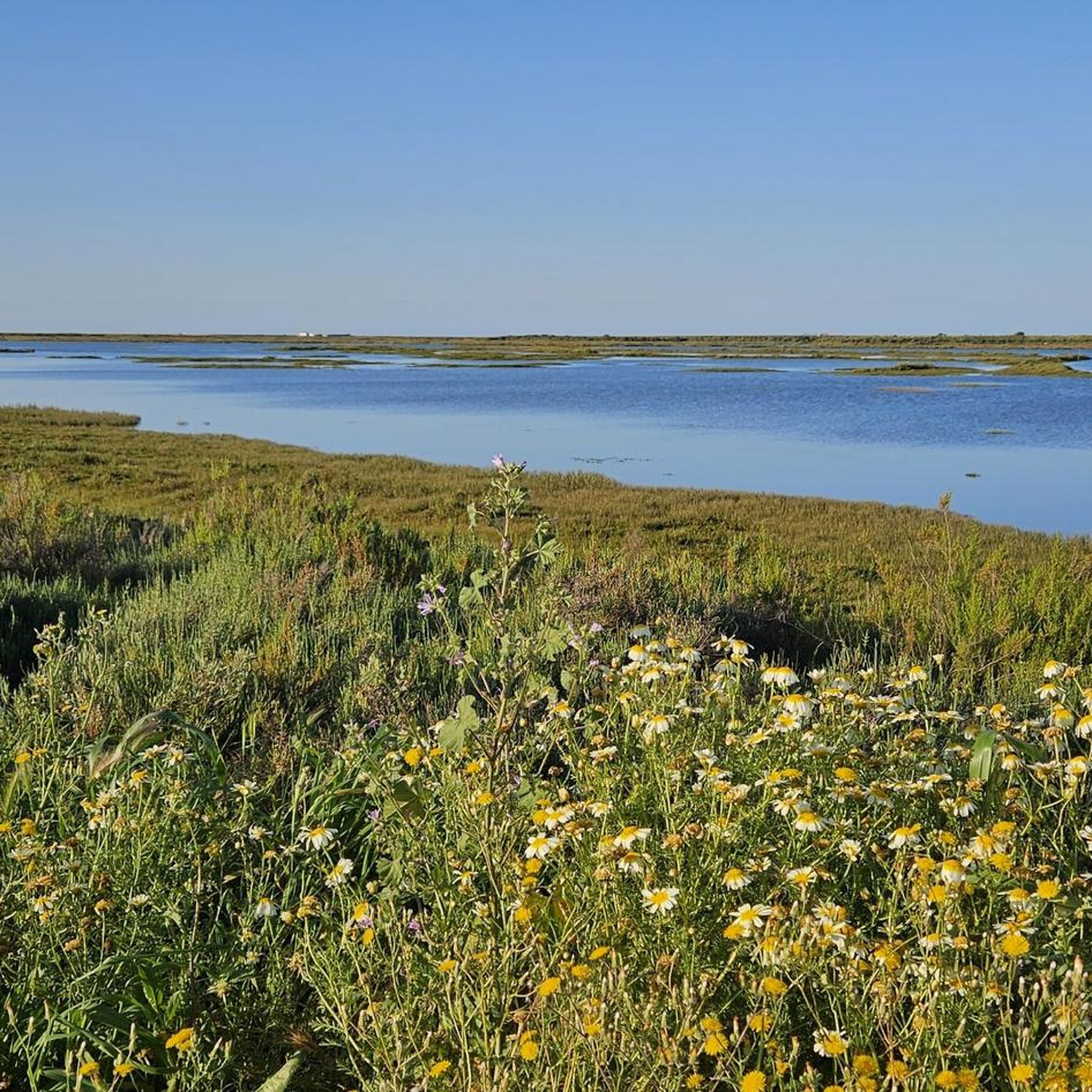
Great vantage point for bird watching.
2
0
Frequently Asked Questions
What are some unique natural features to explore in the Faro region?
The Faro region is primarily known for the Ria Formosa Natural Park, a vast labyrinth of saltwater lagoons, marshes, and barrier islands. This dynamic environment is home to diverse habitats. You can explore features like the extensive wetlands, pristine sandy beaches on islands such as Ilha Deserta, and the unique ecosystem around the Source of the Benémola Stream, which boasts hundreds of plant species not found elsewhere in the Algarve.
What kind of wildlife can I expect to see in the natural monuments near Faro?
The Ria Formosa Natural Park is a haven for biodiversity, especially for birdwatching. It's a crucial stopover for over 20,000 migratory birds during winter, hosting more than 300 different species, including flamingos and storks. You might also spot the purple crake, the park's symbol. The park also supports various marine life, such as chameleons and a significant concentration of seahorses. The Source of the Benémola Stream provides a habitat for crabs and tritons in its crystal-clear waters.
Are there any historical or cultural aspects connected to the natural monuments around Faro?
Yes, the region's natural landscape is intertwined with local history and culture. For instance, the Old salt pans in Ria Formosa Natural Park highlight the historical practice of salt mining in the area. Traditional activities like fishing, salt production, and the gathering of mollusks and shellfish have shaped the local communities within the Ria Formosa estuary for centuries.
What outdoor activities can I do near the natural monuments in Faro?
The natural monuments around Faro offer a variety of outdoor activities. You can enjoy hiking, cycling, and gravel biking. For example, the hiking guide for Faro includes routes like the Santa Maria Boardwalk Trail and loops within the Ria Formosa Natural Park. Cyclists can explore routes such as the Ecovía do litoral, which is a well-maintained gravel path along coastal wetlands, or longer tours found in the cycling guide for Faro.
Can I cycle through the natural monuments around Faro?
Absolutely. The region is very cyclist-friendly, featuring paths like the Ecovía do litoral 🚴 Fuseta - Olhão, a well-maintained gravel trail that offers scenic views along the coastal wetlands. There are also numerous other cycling and gravel biking routes that traverse the natural monuments, as detailed in the gravel biking guide for Faro.
Are there family-friendly natural monuments to visit around Faro?
Many natural monuments in the Faro region are suitable for families. The Ria Formosa Natural Park itself is considered family-friendly, offering opportunities to observe wildlife and explore diverse ecosystems. The Source of the Benémola Stream is also a great destination for walking and picnicking, with clear water where children can observe crabs and tritons.
What is the best time of year to visit the natural monuments around Faro?
The Faro region, particularly the Ria Formosa Natural Park, is excellent to visit during the winter months (October to March) for birdwatching, as it's a crucial stopover for migratory birds. Spring and autumn offer pleasant temperatures for hiking and cycling. Summers can be hot, but the coastal areas and islands like Ilha Deserta provide refreshing sea breezes and opportunities for beach activities.
Are the natural monuments around Faro accessible for visitors with limited mobility or wheelchairs?
While many natural areas involve uneven terrain, some parts of the Ria Formosa Natural Park offer more accessible options. For example, boardwalks and well-maintained cycle paths like the Ecovía do litoral can provide easier access to certain viewpoints and sections of the park. It's advisable to check specific trail conditions or visitor centers for detailed accessibility information before your visit.
Can I bring my dog to the natural monuments in the Faro region?
Many natural areas in Portugal, including parts of natural parks, have specific rules regarding dogs to protect wildlife and maintain the environment. While some trails might be dog-friendly, it's essential to keep dogs on a leash and clean up after them. Always check local signage or park regulations for each specific natural monument you plan to visit, especially within protected areas like the Ria Formosa Natural Park.
What are the parking options for natural monuments around Faro?
Parking availability varies by location. For popular areas like the Ria Formosa Natural Park, there are often designated parking lots near visitor centers or trailheads. For example, near Faro airport, there's access to the park. For more remote spots or island access, you might need to park in a nearby town and take a boat. It's recommended to research specific parking options for the monument you intend to visit.
How can I reach the natural monuments around Faro using public transport?
Public transport options to reach the natural monuments, especially the Ria Formosa Natural Park, are available. Buses connect Faro city to various points along the coast and towns bordering the park. To reach the barrier islands like Ilha Deserta or Ilha do Farol, you'll typically need to take a ferry or boat tour from Faro, Olhão, or other coastal towns. For detailed schedules, it's best to consult local transport providers.
Are there places to eat or drink near the natural monuments?
Yes, you can find dining options near several natural monuments. Within the Ria Formosa Natural Park, particularly on islands like Ilha Deserta, there's a sustainable restaurant called Estaminé that serves fresh local seafood. Coastal towns bordering the park, such as Olhão and Fuseta, also offer a variety of cafes and restaurants where you can enjoy local cuisine after exploring the natural beauty.
Most popular attractions around Faro

Get inspired with the komoot mobile app


Explore more
Extend your search for the best caves by checking out these guides of the top ones around Faro:
