Top 19 Natural Monuments around Mértola
Best natural monuments around Mértola are found within the expansive Guadiana Valley Natural Park, a region shaped by the prominent Guadiana River and its diverse landscapes. This area is characterized by rich biodiversity and significant historical elements. The natural environment offers a variety of experiences, from dramatic waterfalls to serene riverbanks and ancient sites. Mértola provides access to a range of natural features for exploration.
Best natural monuments around Mértola
- The most popular natural monuments is Pulo do Lobo Waterfall…
Last updated: July 6, 2026
Pulo do Lobo Waterfall
Highlight • Waterfall
Translated by Google •
Tip by

Guadiana Riverside at Bombeira
Highlight • River
Tip by

Sign up now to discover places like this
Get recommendations on the best single tracks, peaks, & plenty of other exciting outdoor places.
Sign up for free
Beautiful path along the Guadiana
Highlight (Segment) • Viewpoint
Translated by Google •
Tip by

Caution: Lynxes
Highlight • Natural Monument
Tip by

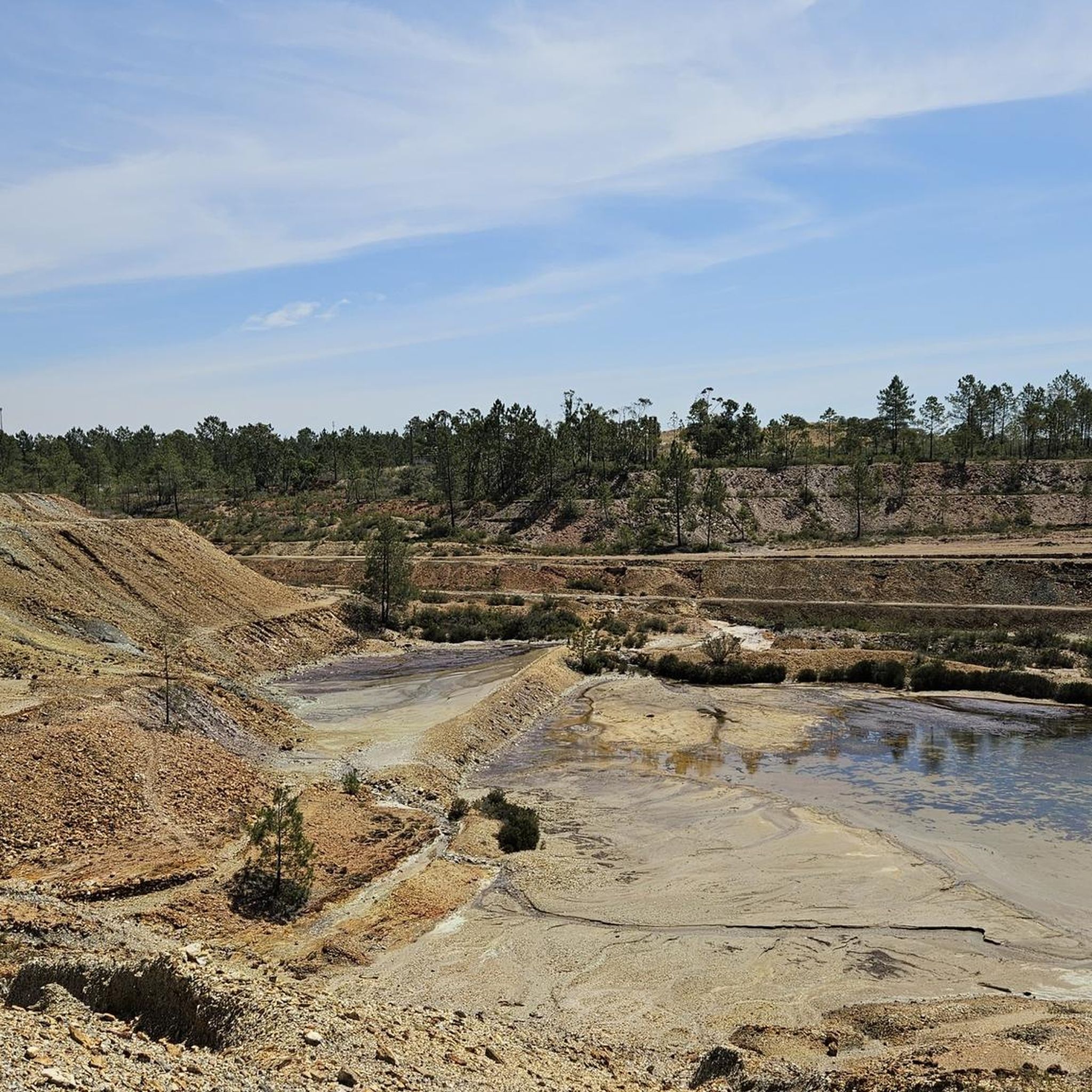
Copper lakes of the mine
Highlight • Lake
Translated by Google •
Tip by
Sign up for free to discover even more natural monuments around Mértola.
Sign up for free
Already have an account?
Start today with a free account
Your next adventure awaits.
Login or Signup
Popular around Mértola
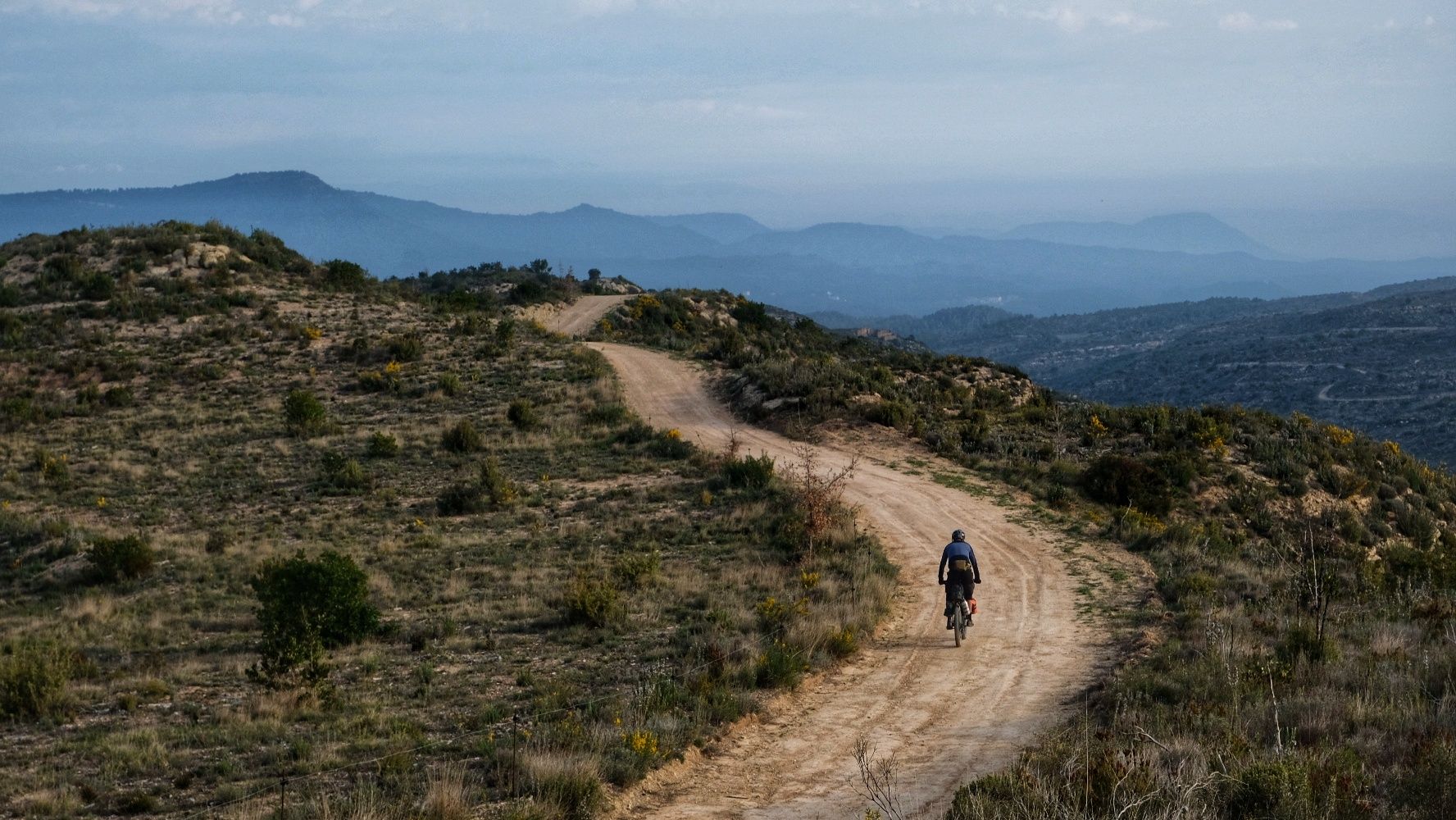
European Divide Trail — 7,600 km across the continent
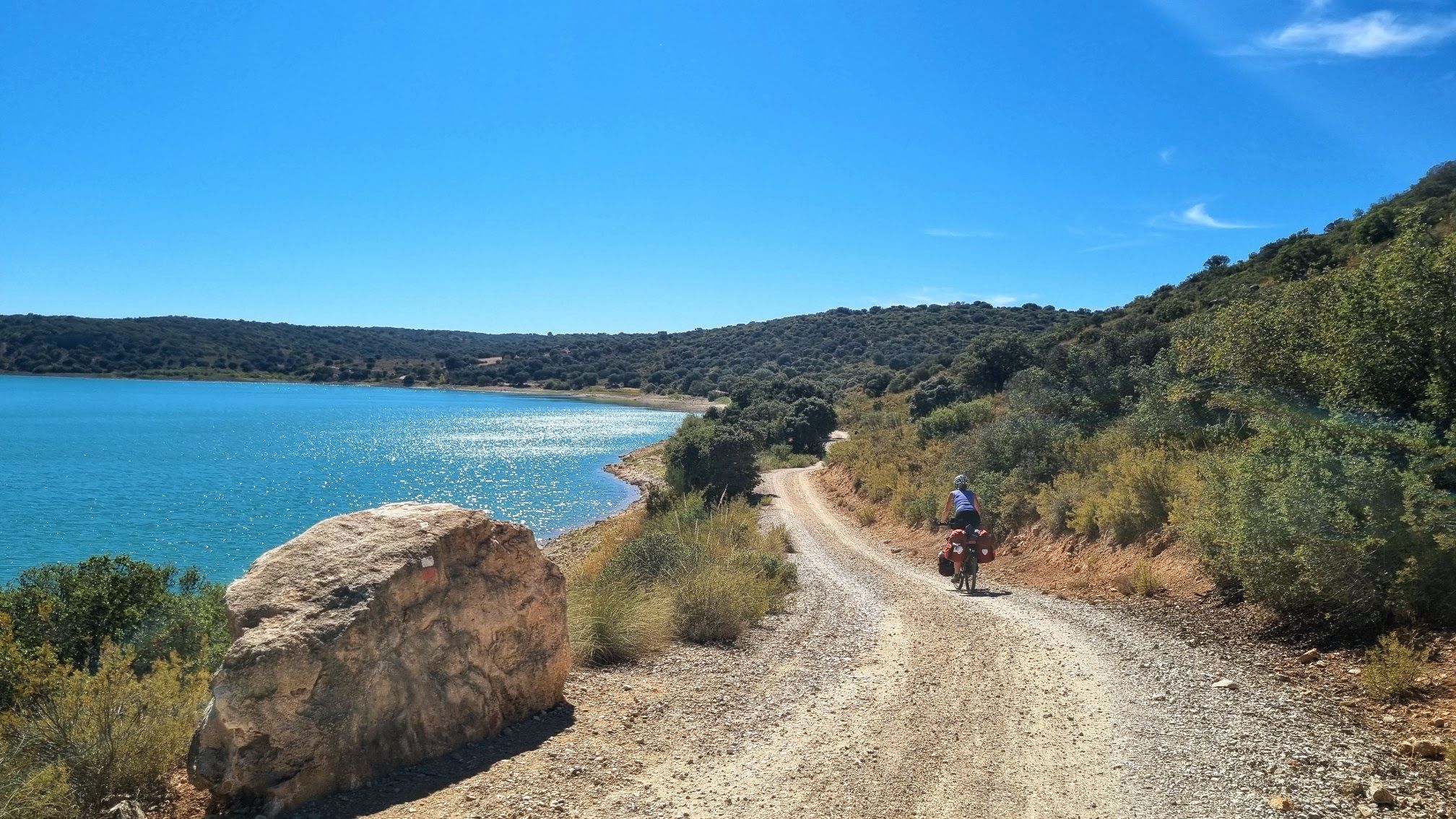
Pedalea junto al gran río — Camino Natural del Guadiana
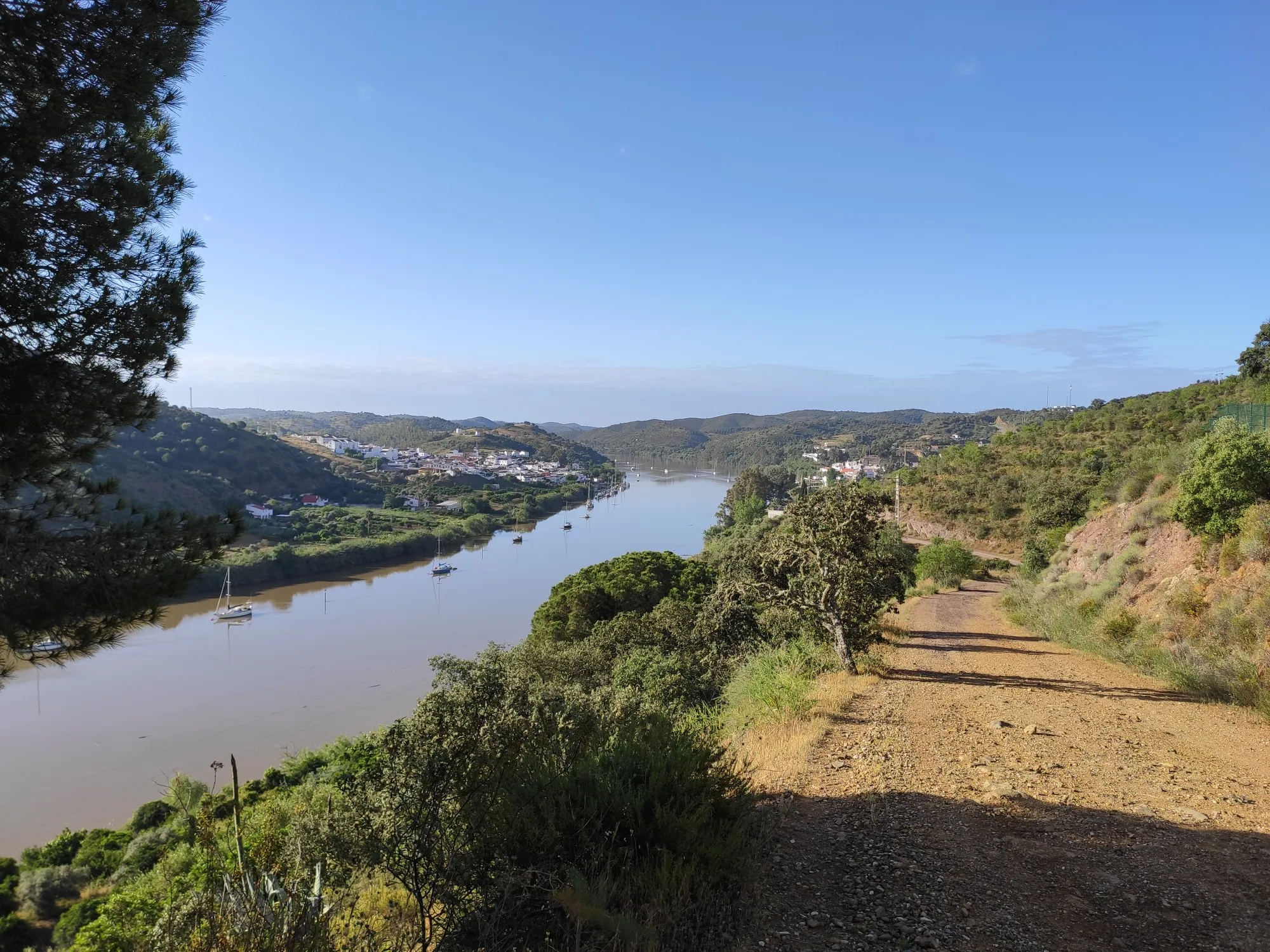
Stories of a river - Great Guadiana Route (GR 15)
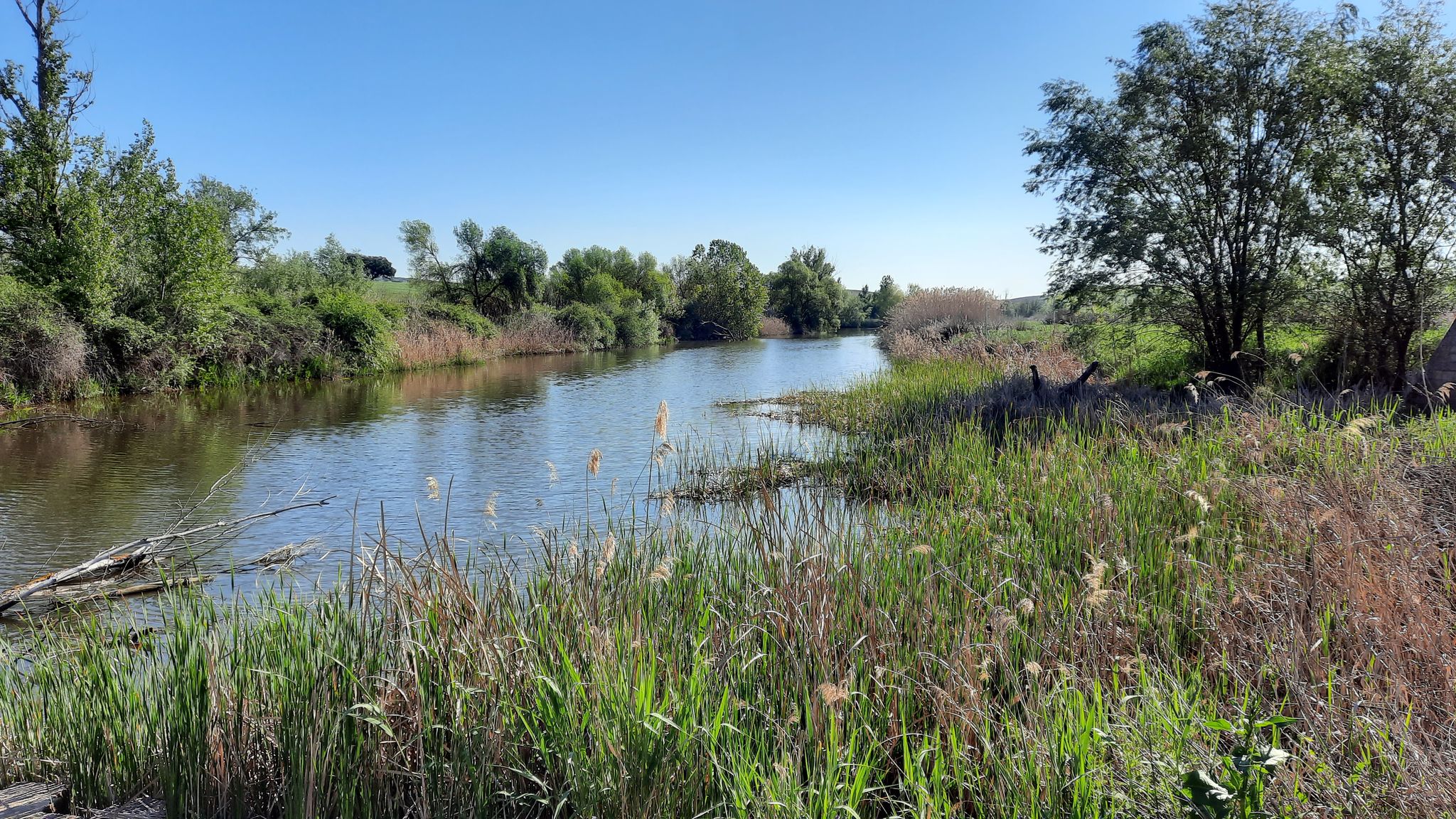
The magic of an endless river – Spain's Guadiana Natural Trail (GR 114)
Hiking around Mértola
Running Trails around Mértola
Road Cycling Routes around Mértola
Cycling around Mértola
MTB Trails around Mértola

Gravel biking around Mértola
Other adventures around Mértola


Tips from the Community

The Great Guadiana Route (GR15) is a long-distance linear hiking trail (approximately 65 km in the Algarve, with extensions in the Alentejo) that follows the Guadiana River, connecting the Algarve coast (Vila Real de Santo António) to the mountainous interior (Alcoutim and Mértola), crossing diverse landscapes (mountains, Barrocal, coastline), cultural and natural heritage, making it ideal for hiking and mountain biking, with connection points to other routes such as the Via Algarviana (GR13). 👍🥾🦯
0
0

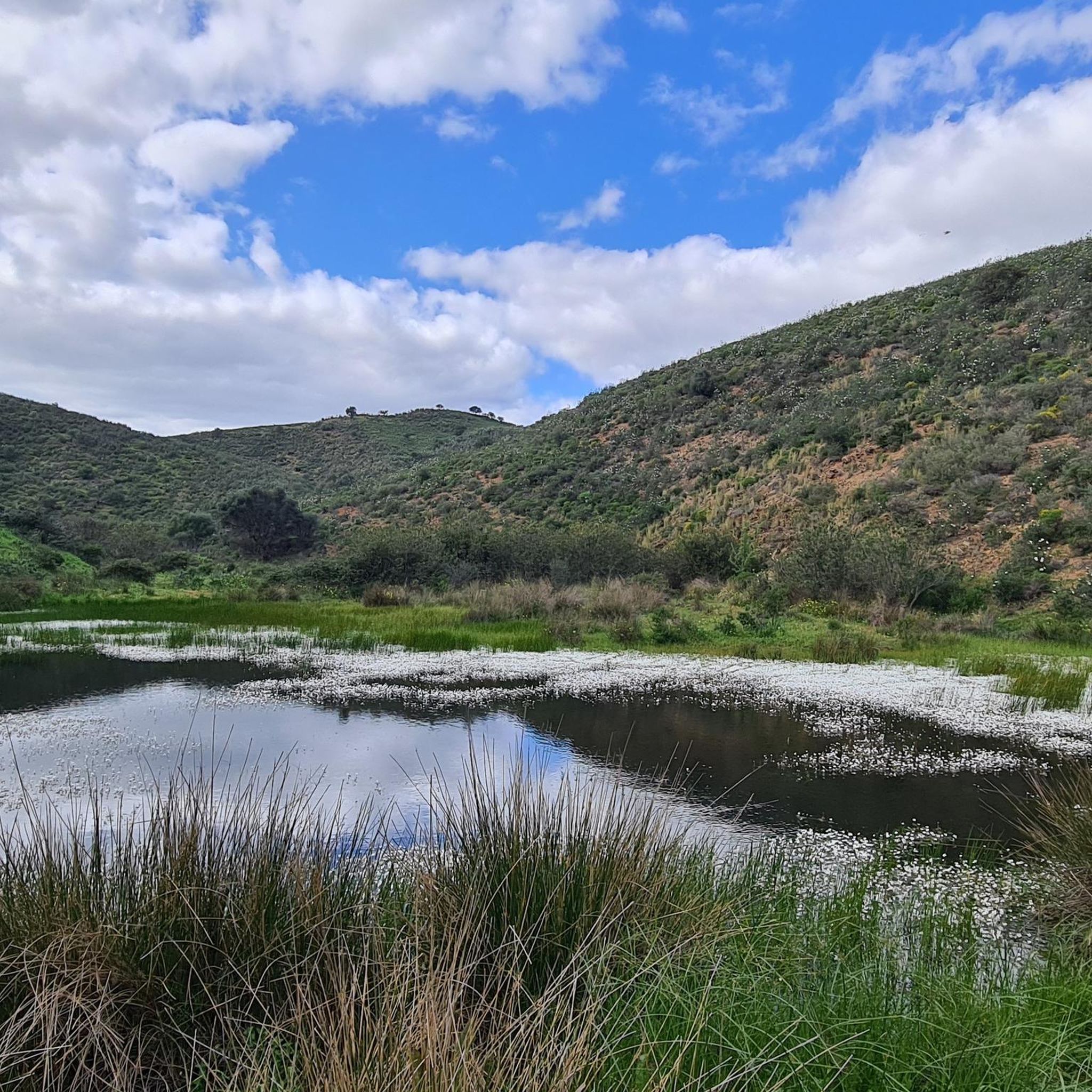
Along the Guadiana, the path meanders serenely, following the river's slow rhythm between hills of olive, almond, and fig trees. A former river of fishermen and miners, the Guadiana, called the "river of ducks" by the Romans, continues to connect Alentejo with Algarve and Portugal with Spain, a tranquil mirror of southern history and life.
2
0
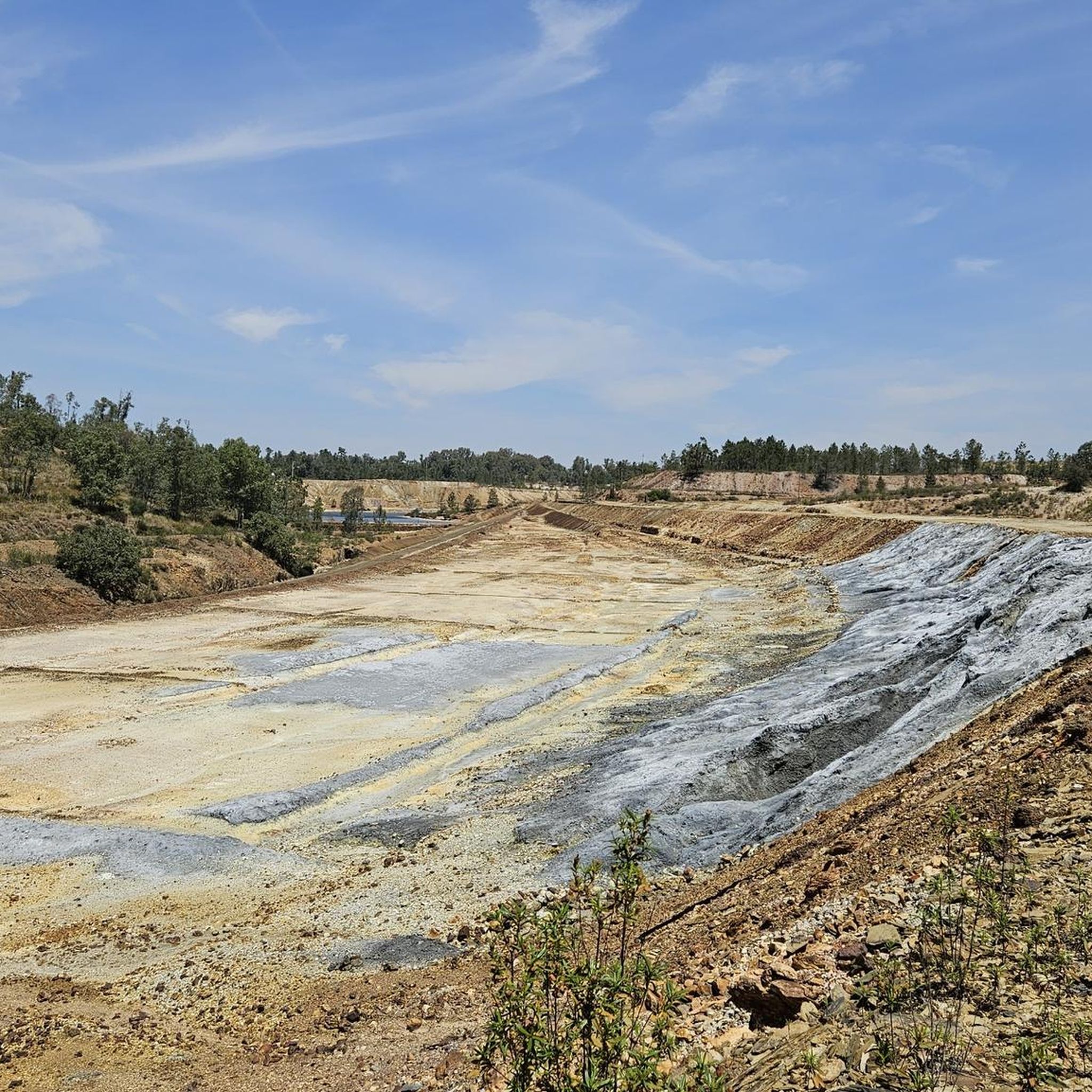
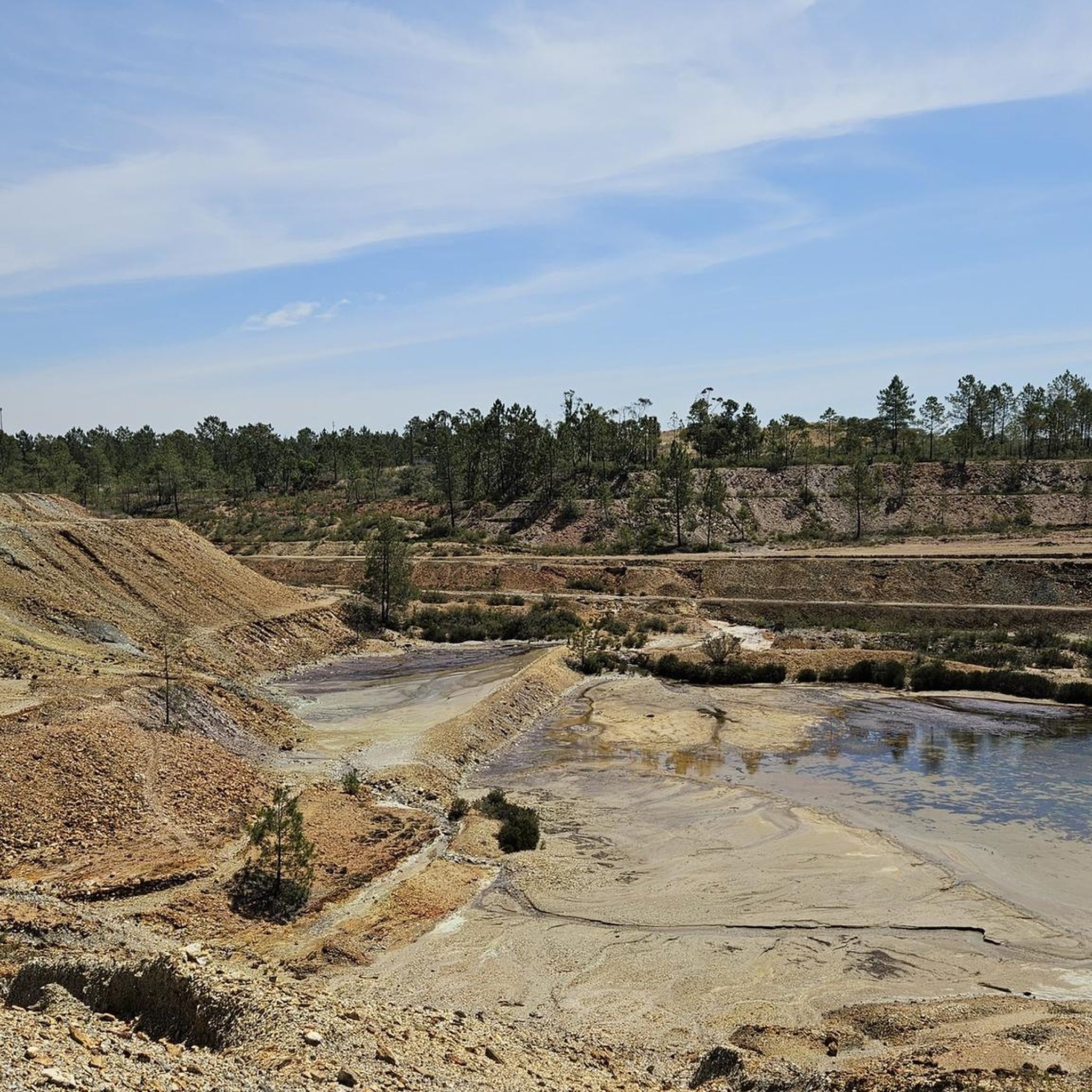
The old, abandoned copper mines resemble a lunar landscape: a strange and fascinating stage, illuminated by the reflections of copper-hued lakes. A road cuts through the landscape, guiding you along dirt roads. Streams and wells glow in unlikely colors, from copper to green to deep black. Signs warn of the dangers of the water, but nothing prevents your gaze from losing itself in the dramatic and unsettling beauty of the place.
2
0

You can access Pulo do Lobo from either side of the river: from Aldeia da Amendoeira, on the Mértola-Beja road (left bank), or from Serpa, in the village of Vale de Poços, where you'll find signs indicating exactly where to turn right (right bank). Both paths are well signposted, and both have several viewpoints. The best view of the waterfall, however, is undoubtedly from the viewpoint on the right bank. Further ahead, you'll see Pego dos Sáveis, the spot where the water suddenly calms down again, forming a tranquil lake.
4
0

Pulo do Lobo. This is the largest waterfall in southern Portugal and is located on the Guadiana River, upstream from Mértola. The waters fall from a height of over 20 metres and, surrounded by a sea of foam, descend the rocky gorge to the bottom, emptying into a lake between the rocks. The banks of the waterfall are so narrow that, according to legend, even a wolf could cross them in one leap. Hence the name Pulo do Lobo. The landscape of Pulo do Lobo is spectacular, the riverbed after the waterfall is completely exposed, in rock, between which the Guadiana River meanders, in a groove created over thousands of years. Access to Pulo do Lobo can be from the east or west. To the east, take a detour on the road that connects Serpa to Mértola. Access to the waterfall is difficult and you have to walk, crossing the rocky riverbed to reach the waterfall. We recommend caution. To the west, take a detour on the road that connects Beja to Mértola and continue to the village of Amendoeira da Serra, following the signs to Pulo do Lobo. You will then reach Herdade de Pulo do Lobo, open the gate and it is about 1000m on a dirt road to the waterfall. Access is prohibited to heavy vehicles. Access to the waterfall from the west is easier, and there is even a structure to better observe the waterfall.
5
0
To get a better view of the waterfall, choose the viewpoint on the right bank.
4
0

The route is not easy, nor familiar, nor for people without any preparation as it says in the generic. The route is difficult and is characterized, in the area next to the river, by the permanent crossing of masses of rocks that are difficult to overcome, it is not familiar at all and requires someone physically fit.
1
1

Boardwalks have been built on the eastern side for several years to make it easier to get to the waterfall and admire it from a safe distance. A really great project, which unfortunately seems to have stalled. The footbridges are still closed, although most of them are already accessible. The footbridges down to the water and above the reservoir are accessible (but still closed), the footbridges to the other side, downstream, are not yet completed.
2
1
Frequently Asked Questions
What natural features can I explore in the Mértola region?
The Mértola region, largely within the Guadiana Valley Natural Park, offers diverse natural features. You can explore dramatic river landscapes, such as the powerful Pulo do Lobo Waterfall, the largest in southern Portugal. The area also features serene riverbanks like the Guadiana Riverside at Bombeira, and scenic viewpoints such as the Beautiful path along the Guadiana. Beyond the river, you'll find holm oak woodlands and cereal-growing plains.
Are there any historical or cultural natural monuments near Mértola?
Yes, the region blends natural beauty with historical significance. You can visit the unique Cova dos Mouros Mining Park, an archaeological site that showcases the history of mining from the Chalcolithic period. Another notable site is the prehistoric dolmen, Anta das Pias, which offers a glimpse into ancient history amidst scenic views of the Guadiana River.
What kind of wildlife can I expect to see in the natural monuments around Mértola?
The Guadiana Valley Natural Park is a prime destination for birdwatching, considered one of the best in Portugal. Visitors can spot endangered and rare species such as the black stork, black vulture, Bonelli's eagle, golden eagle, and eagle owl, often nesting on the river's high cliffs. Keep an eye out for signs indicating the presence of lynxes, as the region is known for its diverse fauna.
Are there family-friendly natural monuments suitable for children?
Many natural monuments in Mértola are suitable for families. The Guadiana Riverside at Bombeira is noted as family-friendly, offering pleasant river views. The Cova dos Mouros Mining Park is also family-friendly, featuring a thematic route and serving as a reserve for animal species like ostriches and donkeys, which can be engaging for children.
Can I bring my dog to the natural monuments in Mértola?
While specific regulations for each site vary, the Guadiana Valley Natural Park generally welcomes visitors with dogs, especially on its numerous hiking trails. It's always advisable to keep dogs on a leash and ensure you clean up after them to preserve the natural environment for wildlife and other visitors.
What are the best hiking opportunities near Mértola's natural monuments?
The region offers excellent hiking opportunities, particularly along the Guadiana River. You can find easy trails like the 'Guadiana River – Pulo do Lobo Waterfall loop' (3.28 km) or the 'View of the Guadiana Valley – Pulo do Lobo Waterfall loop from Anta das Pias' (5.79 km). For more options, explore the Hiking around Mértola guide, which includes routes like the 'Mértola Castle – View of Mértola loop' (11.98 km).
Are there cycling routes that explore the natural monuments?
Yes, Mértola offers several cycling routes that allow you to explore the natural surroundings. A moderate option is the 'Rest area by the lake – Dirt road through the mines loop from Parque Estacionamento da Praia fluvial da Tapada Grande' (15.75 km). For more challenging rides, consider the 'Mertola – Mértola loop from Mértola' (48.04 km). You can find more details in the Cycling around Mértola guide.
What is the best time of year to visit the natural monuments around Mértola?
The Mértola region is beautiful year-round, but spring (March to May) and autumn (September to November) offer the most pleasant weather for exploring, with milder temperatures ideal for hiking and outdoor activities. During these seasons, the landscapes are vibrant, and birdwatching opportunities are excellent. Summers can be very hot, while winters are generally mild.
How accessible are the natural monuments, particularly Pulo do Lobo Waterfall?
Access to Pulo do Lobo Waterfall is possible from both sides of the Guadiana River. The western access, from Aldeia da Amendoeira (Mértola-Beja road), is generally easier, with a dirt road leading to the waterfall and structures for observation. Recent additions of wooden walkways also enhance accessibility. For other natural monuments, accessibility varies, but many have well-maintained paths or are reachable by car with nearby parking.
Where can I find parking when visiting these natural sites?
Parking is generally available near the main natural monuments and trailheads. For instance, when visiting Pulo do Lobo Waterfall from the west, you can reach Herdade de Pulo do Lobo, where parking is available before a short walk. For sites like Mina de São Domingos, designated parking areas are typically provided. It's always recommended to check local signage upon arrival.
What do visitors particularly enjoy about the natural monuments in Mértola?
Visitors frequently praise the dramatic and wild natural experience offered by sites like Pulo do Lobo Waterfall, highlighting the raw power of the Guadiana River. The serene beauty of the riverbanks, the rich history intertwined with nature, and the tranquility of the Guadiana Valley Natural Park are also highly appreciated. The region's diverse landscapes and opportunities for hiking and birdwatching receive many positive comments.
Are there any unique natural monuments beyond the main attractions?
Beyond the well-known sites, the Mértola region holds unique spots like Mina de São Domingos. While an abandoned mining complex, it presents a distinctive 'apocalyptic scenery' with disused sulphur factories and intensely colored landscapes, offering a fascinating blend of industrial heritage and nature. The site also features the Tapada Grande river beach for recreation.
Most popular routes around Mértola
Most popular attractions around Mértola

Get inspired with the komoot mobile app


Explore more
Extend your search for the best caves by checking out these guides of the top ones around Mértola:
