Top 13 Natural Monuments around Rio Maior
Best natural monuments around Rio Maior are primarily located within the Parque Natural das Serras de Aire e Candeeiros, a region known for its diverse geological formations. This area in central Portugal features unique karstic landscapes, extensive underground waterways, and significant paleontological sites. Visitors can explore a variety of natural attractions, from inland salt flats to ancient dinosaur footprints, offering insights into the region's natural and historical heritage.
Best natural monuments around Rio Maior
- The most popular natural monument is…
Last updated: July 6, 2026
Paúl de Manique do Intendente.
Highlight • Lake
Translated by Google •
Tip by

Serra de Montejunto Watchtower
Highlight • Viewpoint
Translated by Google •
Tip by

Sign up now to discover places like this
Get recommendations on the best single tracks, peaks, & plenty of other exciting outdoor places.
Sign up for free
Serro Ventoso Swing
Highlight • Viewpoint
Translated by Google •
Tip by

Portela do Pereiro Viewpoint
Highlight • Viewpoint
In addition to the swing and the picnic area, since March 2024, the space has a small outdoor gym with eight exercise machines. The sanitary installations …
Translated by Google •
Tip by
Bocas Gorge
Highlight (Segment) • Gorge
Translated by Google •
Tip by
Sign up for free to discover even more natural monuments around Rio Maior.
Sign up for free
Already have an account?
Start today with a free account
Your next adventure awaits.
Login or Signup
Tips from the Community

Portela do Pereiro Viewpoint. In addition to the swing and the picnic area, since March 2024, the space has a small outdoor gym with eight exercise machines. The sanitary installations are soon to be completed, which will add quality to this space.
2
0

The Serra de Montejunto Forest Watch Station can be accessed via a pastoral trail from the picnic park. It offers a beautiful panorama of the region north of the Serra.
3
0
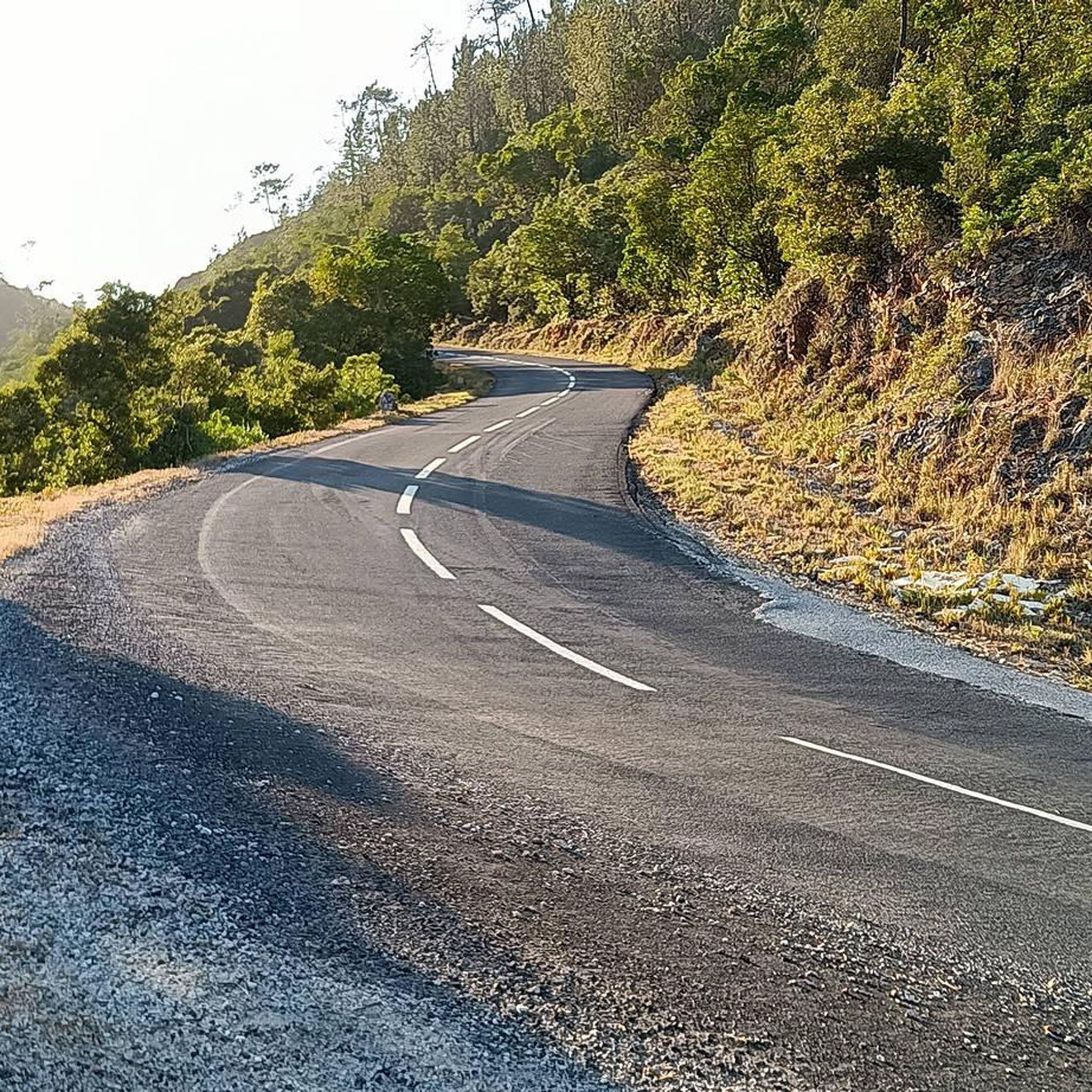
At the end of this segment, towards Rio Maior, on the right side of the road there is a small park where it is possible to stop and walk a little to observe the magnificent natural caves on the banks of the Rio Maior, a practically forgotten river that gave its name to the current city from Rio Maior. Currently, the flow of the river is very low, drying up completely in the summer months. A little of history: "The Rio Maior rises in a picturesque place called «Bocas», a large gorge that cuts the mountain range, through which the Santarém-Peniche road also passes, located west of the city of Rio Maior. the picnic on Good Summer Day. It is said that in the mid-19th century, still on the Maior river, in winter or in times of plenty of water, boats sailed, almost all sailing or rowing, approaching the Tagus to change the loads to other larger boats." Source: Memories of Rio Maior - https://memoriasderiomaior.blogs.sapo.pt/2023.html
3
0

Very cool highlight at the summit. A chilled swing with which you can enjoy the gigantic panoramic view even more. Of course, the whole thing is also a very nice photo highlight. The ascent from the west is easily feasible via a rocky trail. It's quite steep uphill but not a problem if you are fit enough.
0
1
“Paul Natura”, Manique do Intendente https://www.youtube.com/watch?v=9nKhlLvOrJw
3
0
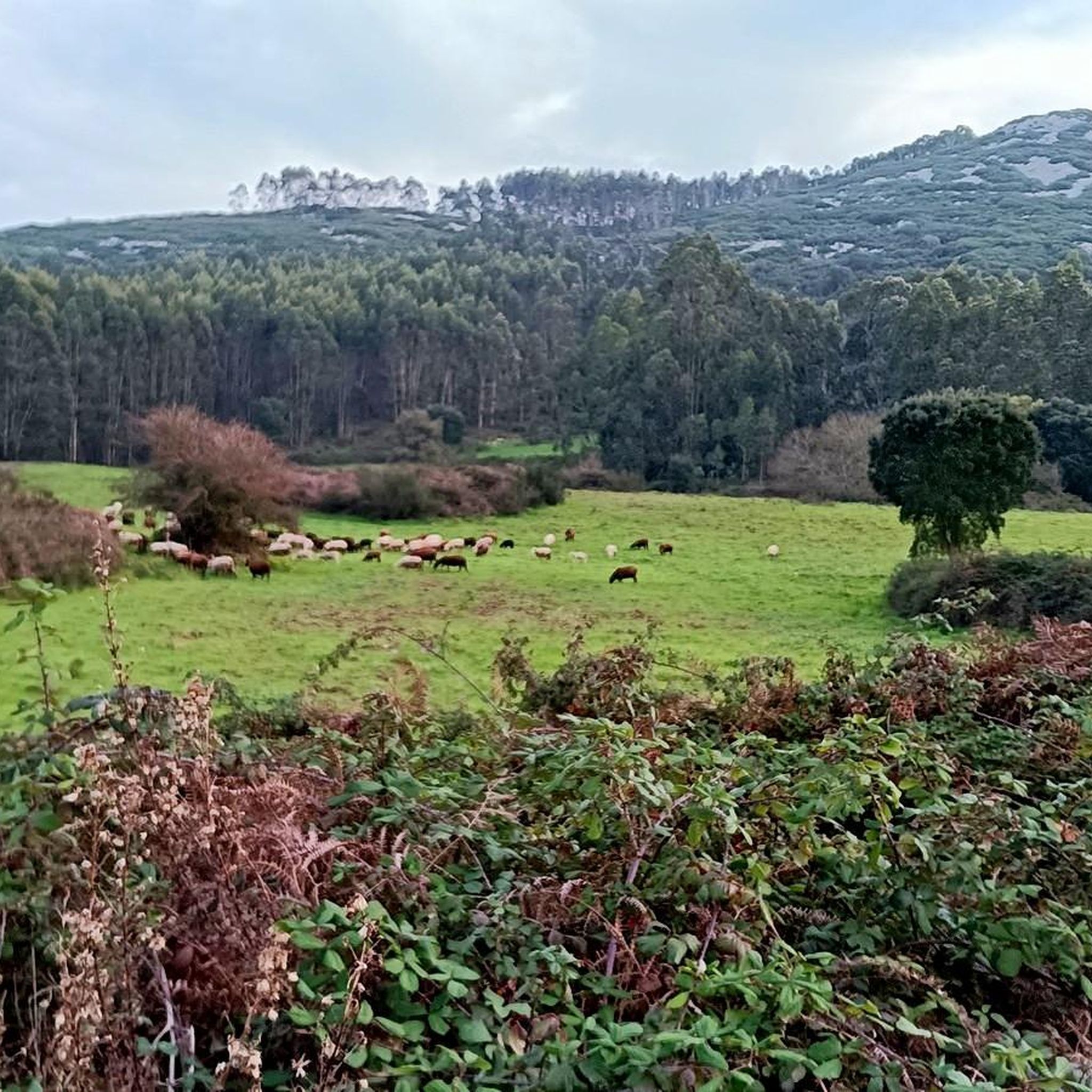
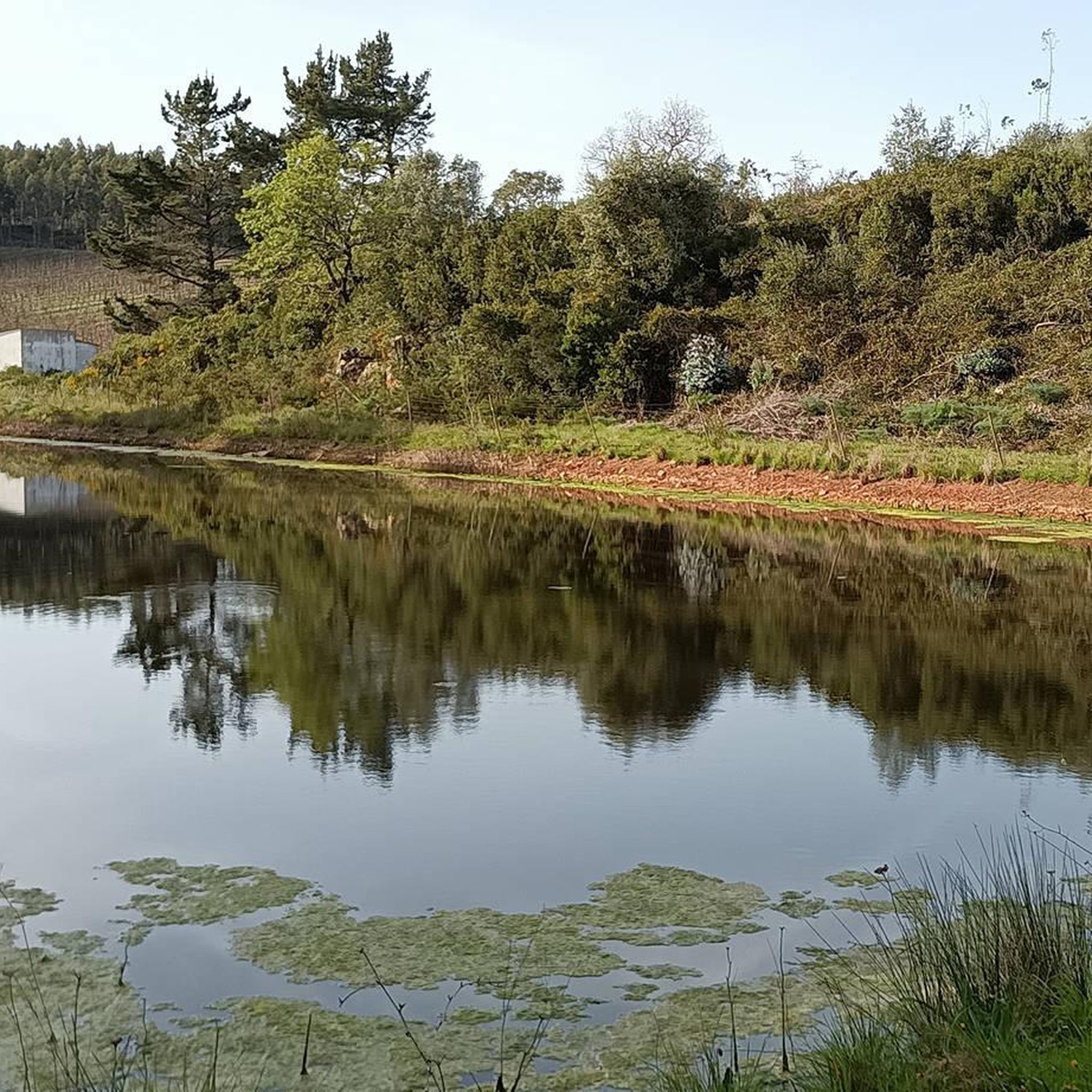
Paúl de Manique do Intendente is an area of around 97,000 square meters that constitutes a very rich natural heritage of great importance in terms of biodiversity, namely in terms of avifauna, already recognized at national level. It is an ecosystem composed of more than 180 species, where you can find 5 "simply unique" species such as the striped tortoise, the common caiman, the otter, the black stork and the reed. The municipality has been focusing on promoting this space, having recently advanced with the installation of an infrastructure for the observation of the fauna and flora of Pául, which aims to promote knowledge, protection and preservation of this unique and so rich ecosystem for the Municipality of Azambuja and for the entire region.
5
0

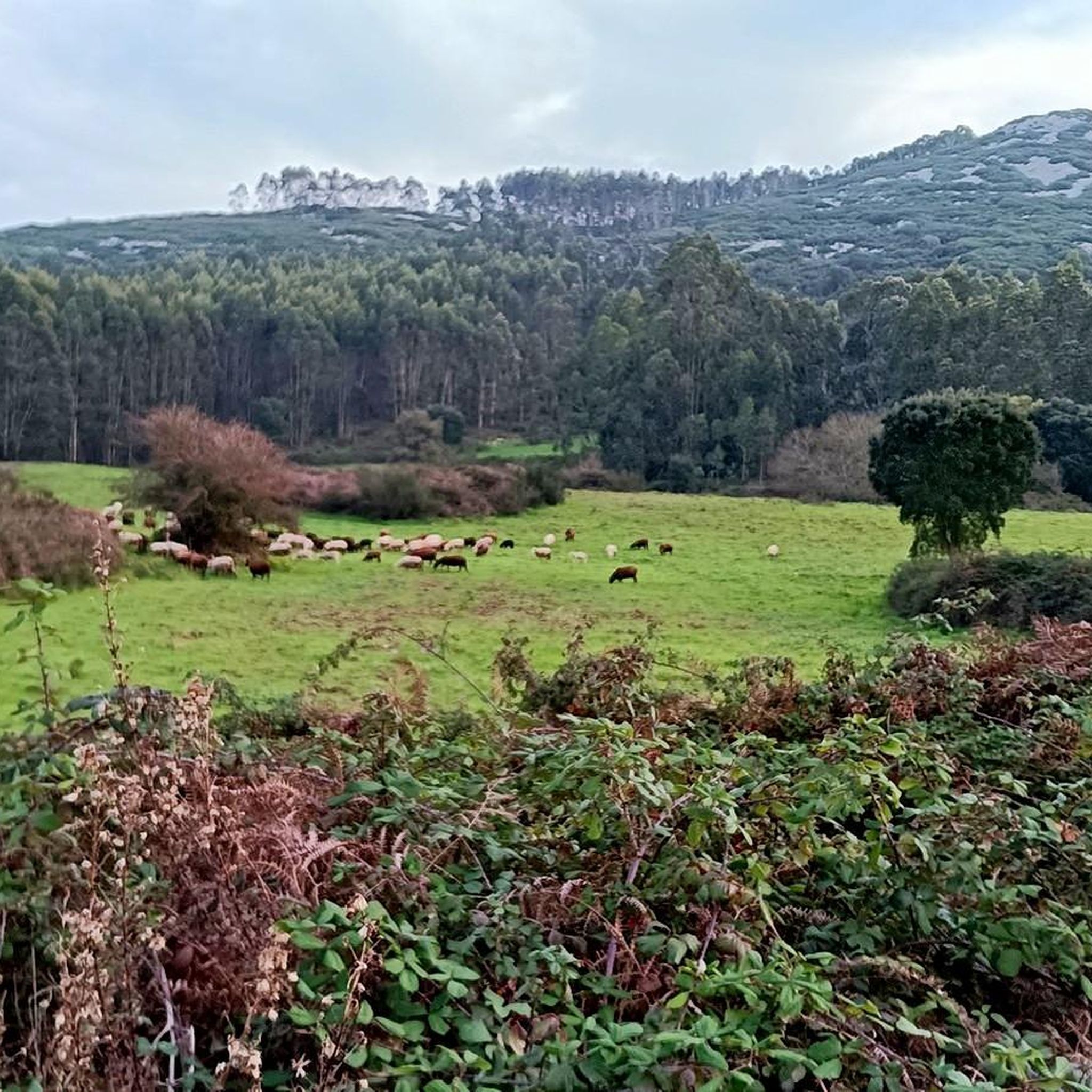
very pleasant landscape, it is recommended
1
0

Located in the heart of the Serras de Aire e Candeeiros Natural Park, this swing and viewpoint offers an excellent view from the top of the mountain, to the valley where national road 1 passes, a «fantastic panoramic view that reaches the Atlantic Ocean and as far as the Berlengas» when weather conditions allow.
0
0
Frequently Asked Questions
What unique natural features can I explore around Rio Maior?
The region around Rio Maior, particularly within the Parque Natural das Serras de Aire e Candeeiros, offers diverse natural features. You can discover unique inland salt flats at Salinas de Rio Maior, extensive underground cave systems like Grutas de Santo António, and significant karstic limestone formations. There are also important ecological areas such as Paúl de Manique do Intendente, known for its rich biodiversity.
Are there any natural monuments with historical or paleontological significance?
Yes, the region boasts sites of significant historical and paleontological interest. The Salinas de Rio Maior are unique inland salt pans with a history of salt production dating back to prehistoric times, preserving traditional methods. Additionally, the Monumento Natural das Pegadas de Dinossáurios de Ourém-Torres Novas offers a rare glimpse into the Jurassic period with internationally important fossilized dinosaur footprints, including the world's longest known sauropod trackway.
What are some of the most popular natural monuments visitors enjoy near Rio Maior?
Visitors frequently enjoy the panoramic views from Serra de Montejunto Watchtower, which offers expansive vistas of the northern Serra region. Another favorite is Serro Ventoso Swing, located in the heart of the Serras de Aire e Candeeiros Natural Park, providing breathtaking mountain-top views that can reach the Atlantic Ocean on clear days.
Are there family-friendly natural monuments or activities in the area?
Absolutely. The Monumento Natural das Pegadas de Dinossáurios de Ourém-Torres Novas is highly recommended for families, featuring a pedagogical circuit and informative panels that make learning about dinosaurs engaging. Paúl de Manique do Intendente offers a dedicated observation space for fauna and flora, perfect for birdwatching and experiencing a vibrant ecosystem with children. Viewpoints like Portela do Pereiro Viewpoint also provide accessible spots for families to enjoy the scenery.
What kind of wildlife can I expect to see at these natural monuments?
The Paúl de Manique do Intendente is a significant natural heritage site, particularly for its avifauna, hosting over 180 species of birds. This rich ecosystem is also home to unique species such as the striped tortoise, common caiman, otter, black stork, and reed. The broader Parque Natural das Serras de Aire e Candeeiros also protects diverse flora and fauna, including unique cave-dwelling species.
What is the best time of year to visit the natural monuments near Rio Maior?
The region experiences a climate transition between Mediterranean and Atlantic conditions. Spring (April to June) and autumn (September to October) generally offer pleasant temperatures for exploring the natural monuments, hiking, and outdoor activities. Summers can be hot, while winters are milder but may have more rainfall, which can affect visibility at viewpoints or access to certain trails.
Are there viewpoints offering panoramic views of the region?
Yes, several natural monuments double as excellent viewpoints. The Serra de Montejunto Watchtower provides a beautiful panorama of the region north of the Serra. The Serro Ventoso Swing offers an excellent view from the mountain top, reaching the Atlantic Ocean on clear days. Additionally, Portela do Pereiro Viewpoint is another spot to take in the scenic landscape.
What outdoor activities can I do near these natural monuments?
The area around Rio Maior is excellent for various outdoor activities. You can find numerous hiking trails, including moderate routes like the 'Olho de Água de Alcobertas loop' or the 'Old Water Mill – Abandoned Mill loop'. For cyclists, there are road cycling routes such as the 'Salinas Rio Major – Salinas de Rio Maior loop' and touring bicycle routes like the 'Pina Manique Palace – View of Alcoentre loop'. You can explore more options on the Hiking around Rio Maior, Road Cycling Routes around Rio Maior, and Cycling around Rio Maior guide pages.
Can I explore caves in the natural park?
Yes, the Parque Natural das Serras de Aire e Candeeiros is renowned for its extensive underground waterways and numerous caves. The Grutas de Santo António are a prime example, discovered in 1955 and known for their monumental dimensions, impressive stalactites and stalagmites, and a beautiful natural lake. Illuminated passages enhance the visitor experience, showcasing the intricate beauty of these geological formations.
What is the Bocas Gorge and what can I see there?
The Bocas Gorge is a significant natural monument where the Rio Maior river originates. It's a large gorge cutting through the mountain range, offering views of magnificent natural caves along the riverbanks. While the river's flow is very low, often drying up in summer, the gorge itself provides a picturesque setting and a glimpse into the region's geological history.
What do visitors enjoy most about the natural monuments around Rio Maior?
Visitors particularly appreciate the diverse natural beauty and the unique experiences offered. The opportunity to witness traditional salt production at Salinas de Rio Maior, explore ancient dinosaur footprints, or marvel at the underground artistry of the Grutas de Santo António are frequently highlighted. The panoramic views from various viewpoints and the rich biodiversity, especially for birdwatching at Paúl de Manique do Intendente, also receive high praise.
Most popular attractions around Rio Maior

Get inspired with the komoot mobile app


Explore more
Extend your search for the best caves by checking out these guides of the top ones around Rio Maior:
