Top 20 Natural Monuments around Sintra
Best natural monuments around Sintra are primarily found within the Sintra-Cascais Natural Park, a UNESCO World Heritage site. This protected area features a diverse landscape, ranging from lush mountains to rugged coastlines. The region is characterized by its unique microclimate, geological formations, and rich biodiversity. It offers a variety of natural beauty to explore, including dramatic cliffs, expansive beaches, and elevated viewpoints.
Best natural monuments around Sintra
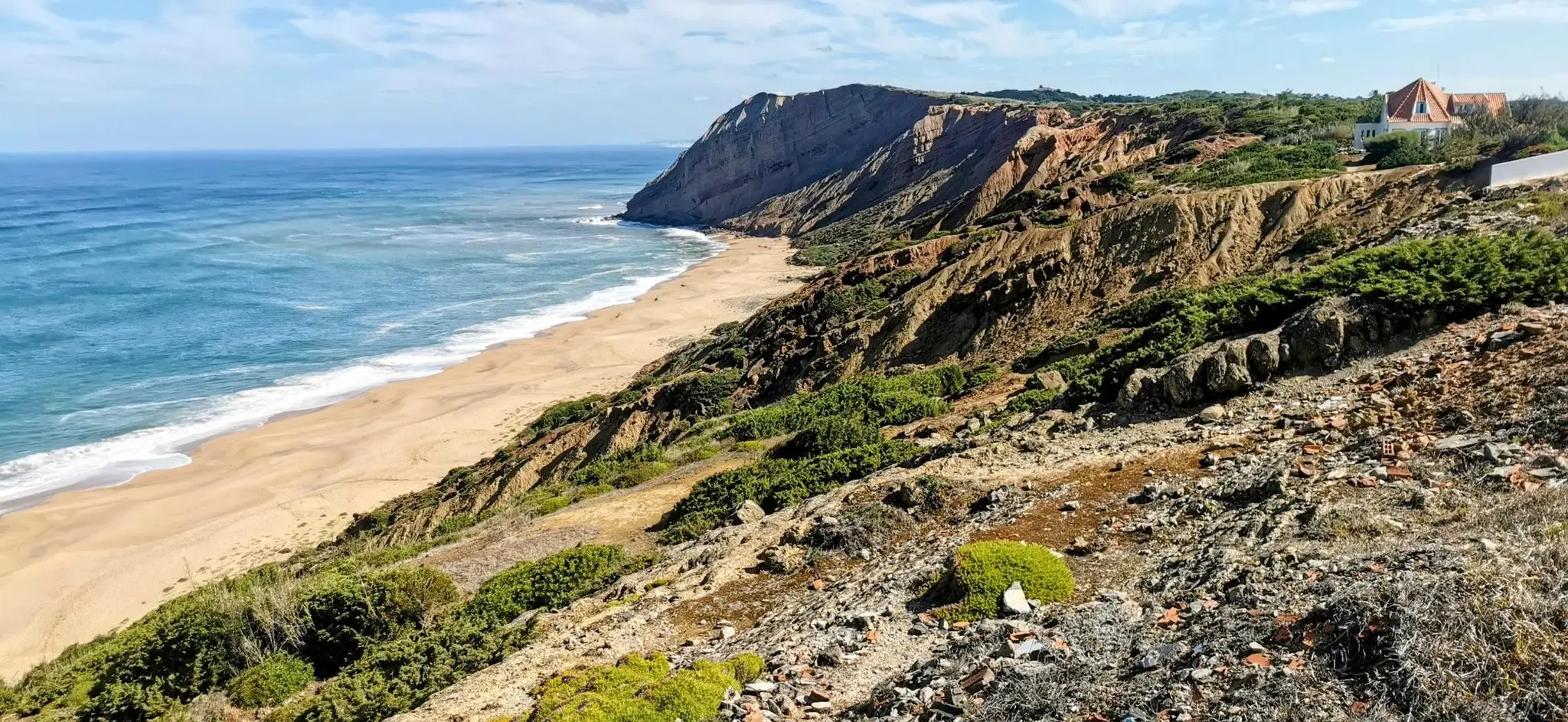
- The most popular natural monuments is Ursa Beach, a beach known for…
Last updated: July 6, 2026
Pena Palace
Highlight • Castle
Translated by Google •
Tip by

Castle of the Moors
Highlight • Castle
Translated by Google •
Tip by
Sign up now to discover places like this
Get recommendations on the best single tracks, peaks, & plenty of other exciting outdoor places.
Sign up for free
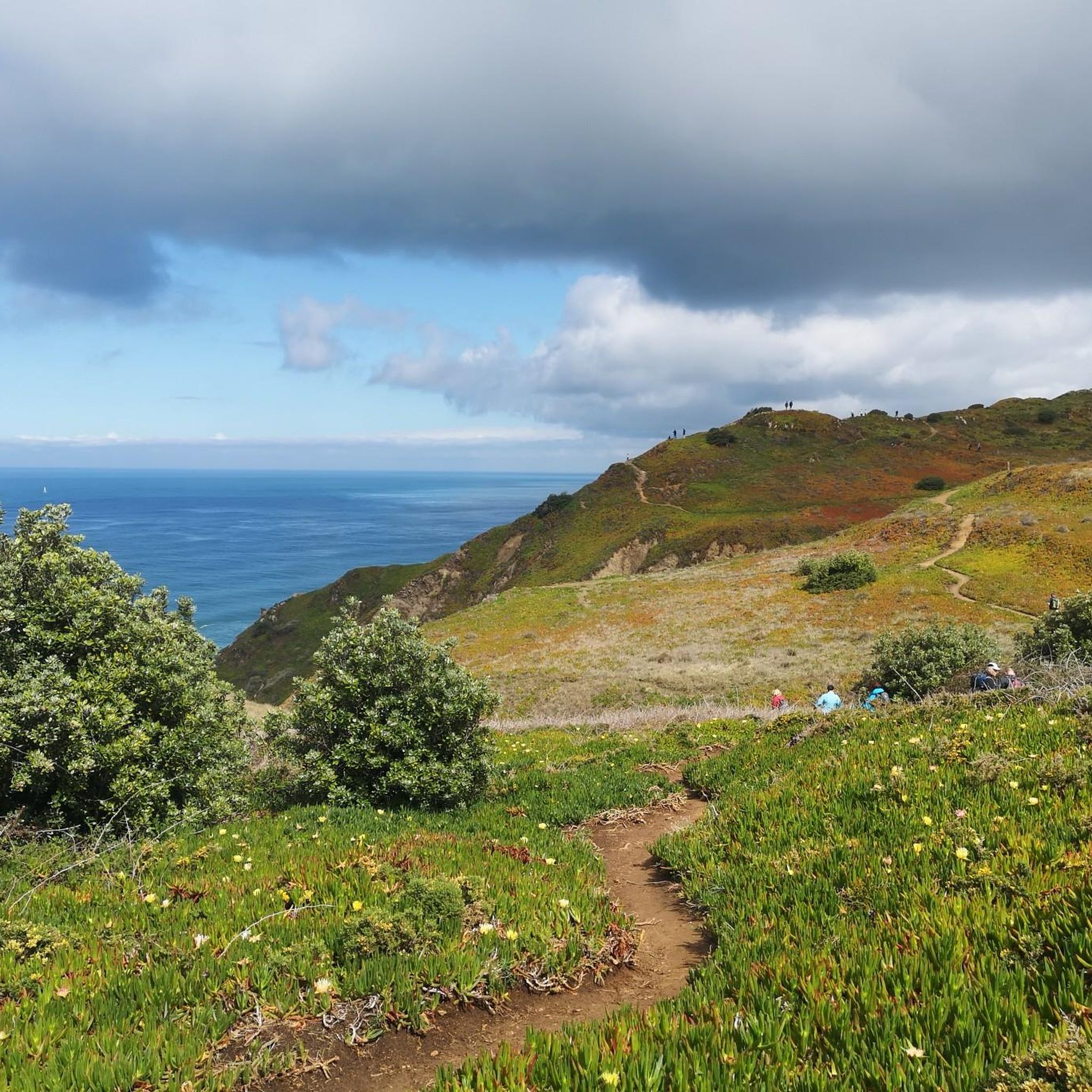
Cabo da Roca — Westernmost point of mainland Europe
Highlight • Viewpoint
Until the 14th century, Europeans thought it was the end of the world.
The highlight of Cabo da …
Translated by Google •
Tip by

Ursa Beach
Highlight • Beach
Translated by Google •
Tip by
Monument to the Overseas Combatants 🏛️ Belém
Highlight • Monument
Translated by Google •
Tip by
Sign up for free to discover even more natural monuments around Sintra.
Sign up for free
Already have an account?
Start today with a free account
Your next adventure awaits.
Login or Signup
Other adventures around Sintra

Tips from the Community

Located in the Belem district, it was inaugurated in 1994 to honor the Portuguese soldiers (10,000) who fought and died in the colonial wars.
2
0

The view of Pena Palace and Sintra from the Castelo dos Mouros is one of the most spectacular in the entire region. Walking along the castle walls, you'll discover a landscape that blends history, architecture, and nature in perfect harmony.
7
0
The Monument to Overseas Combatants is a solemn tribute to the Portuguese soldiers who lost their lives during the Portuguese Colonial War (also known as the Overseas War), which took place between 1961 and 1974 in Africa.
21
0
Cabo da Roca is a spectacular cape located in the Sintra-Cascais Natural Park in Portugal, known as the westernmost point of continental Europe. Its rugged beauty and remote location make it a very special destination for nature lovers and those interested in dramatic landscapes.
7
0
It was originally a Hieronymite monastery founded in the 16th century, dedicated to Our Lady of Sorrow. After the 1755 earthquake, it fell into ruins and was acquired by King Ferdinand II in 1838. Between 1842 and 1854, it became a summer palace for the Portuguese royal family. In 1910, following the end of the monarchy, it passed into state hands and was opened to the public.
20
0
The Pena Palace in Sintra is one of Portugal's most spectacular monuments and a jewel of European Romanticism. Located high in the Sintra Mountains, about 25 km from Lisbon, this palace looks like something out of a fairy tale with its colorful and eclectic architecture.
21
0

there is so much to discover here
3
0

Beautiful viewpoint, very popular, many buses, early or late time is recommended
6
1
Frequently Asked Questions
What are the most popular natural monuments to visit around Sintra?
The Sintra-Cascais Natural Park offers a variety of stunning natural monuments. Among the most popular are Cabo da Roca — Westernmost point of mainland Europe, known for its dramatic cliffs and panoramic ocean views, and Ursa Beach, a secluded golden sand beach with impressive rock formations. Visitors also frequently explore the historic Castle of the Moors, which offers extensive views from its elevated position within the Sierra de Sintra.
Are there family-friendly natural monuments in the Sintra region?
Yes, several natural monuments around Sintra are suitable for families. Cabo da Roca is a great option, offering easy access to breathtaking views. While some beaches like Ursa Beach require a steep descent, many other coastal areas within the Sintra-Cascais Natural Park provide easier access for family outings.
What kind of geological features can I expect to see in Sintra's natural areas?
The Sintra region is rich in diverse geological formations. At Cabo da Roca, you'll find gabbro-diorite, volcanic breccia, and granite formations shaped by strong coastal erosion. The coastal rim features consolidated fossil dunes, eroded calcareous stone fields, and even dinosaur footprints in the chalk layer of the South Cliff of Praia Grande. The Sintra Mountains themselves are primarily a magmatic massif.
What outdoor activities can I do near the natural monuments around Sintra?
The Sintra-Cascais Natural Park is ideal for various outdoor activities. You can find numerous trails for mountain biking, such as the 'Loop tour in Parco Naturale di Sintra-Cascais' or the 'Convent of the Capuchos – Mula River Dam loop'. For cycling, routes like the 'Penha Longa-Sintra Cycling Ruta' offer scenic rides. Many natural monuments, including Cabo da Roca, are starting points for coastal hikes. You can explore more options on the MTB Trails around Sintra, Cycling around Sintra, and Road Cycling Routes around Sintra guide pages.
Are there specific hiking trails near Sintra's natural monuments?
Yes, the Sintra Mountains and coastal areas offer many hiking opportunities. Trails lead from Cabo da Roca to pristine beaches like Praia da Ursa and Praia da Adraga. The Serra de Sintra is crisscrossed with winding trails perfect for exploring its lush vegetation and unique microclimate. While Ursa Beach is accessible via a steep path, other trails vary in difficulty. You can find detailed hiking routes and their difficulty levels on the komoot guide pages for the region.
What is the best time of year to visit the natural monuments in Sintra?
The Sintra region's natural monuments can be enjoyed year-round, but each season offers a different experience. Spring and autumn generally provide pleasant temperatures for hiking and exploring. Summer is popular for beach activities, though it can be crowded. The unique microclimate of the Sintra Mountains often brings mist, creating a mystical atmosphere, particularly outside of peak summer months.
Where can I find panoramic views of the Atlantic coast and Serra de Sintra?
For arguably the best panoramic views in the Sintra region, visit the Sanctuary of Peninha. Perched on a rocky outcrop at 448 meters, it offers sweeping vistas of the Atlantic coast and inland areas, extending up to 50 kilometers out to sea. Cabo da Roca also provides dramatic ocean views, especially at sunset.
Are there any less crowded natural attractions around Sintra?
While popular spots like Cabo da Roca can be busy, exploring the extensive network of trails within the Sintra Mountains (Serra de Sintra) can lead you to quieter areas. Many of the smaller, less accessible coastal beaches, beyond the main tourist hubs, also offer a more secluded experience. The Sanctuary of Peninha, while offering spectacular views, is often less crowded than the main palaces.
What makes the Sintra Mountains unique?
The Sintra Mountains, or Serra de Sintra, are unique due to their lush vegetation, a distinct microclimate that often produces mist, and a rich biodiversity including around 900 indigenous plant species. Geologically, they are a magmatic massif. This combination creates a fairytale-like, forest-like appearance, making them a 'beating heart' for outdoor enthusiasts and nature lovers.
Can I find beaches suitable for water sports near Sintra's natural monuments?
Yes, the coastal rim of the Sintra-Cascais Natural Park features several beaches known for water sports. Beaches like Praia Grande, Guincho, and Praia das Maçãs offer excellent conditions for activities such as windsurfing, surfing, and bodyboarding. These beaches are integrated within systems of sand dunes and provide a dynamic environment for water sports enthusiasts.
What historical sites are integrated with the natural monuments in Sintra?
The Sintra region beautifully blends natural beauty with historical significance. The Castle of the Moors is a prime example, an ancient fortification nestled within the Sierra de Sintra, offering historical insights alongside natural vistas. The Sanctuary of Peninha also includes a Baroque chapel from 1710 and remains of a hermitage with a medieval necropolis, showcasing centuries of history within a stunning natural setting.
Most popular attractions around Sintra

Get inspired with the komoot mobile app


Explore more
Extend your search for the best caves by checking out these guides of the top ones around Sintra:
