Top 15 Natural Monuments around Caldas Da Rainha
Best natural monuments around Caldas Da Rainha include a diverse array of coastal features, urban green spaces, and significant geological formations. The region is characterized by its Atlantic coastline, expansive lagoons, and inland wetlands, offering varied natural landscapes. These sites provide opportunities for watersports, birdwatching, hiking, and appreciating local biodiversity. The area's natural monuments are accessible and cater to different interests, from serene walks to active exploration.
Best natural monuments around Caldas Da Rainha
- The most popular natural monuments is…
Last updated: May 9, 2026
Salir do Porto Dune
Highlight • Natural Monument
Translated by Google •
Tip by

Salinas de Rio Maior
Highlight • Structure
Translated by Google •
Tip by
Sign up now to discover places like this
Get recommendations on the best single tracks, peaks, & plenty of other exciting outdoor places.
Sign up for free
Foz do Arelho Beach
Highlight • Beach
Translated by Google •
Tip by

Fonte Pena da Colvina
Highlight • Natural Monument
Translated by Google •
Tip by
Lagoa de Óbidos Observation Tower
Highlight (Segment) • Viewpoint
Translated by Google •
Tip by

Sign up for free to discover even more natural monuments around Caldas Da Rainha.
Sign up for free
Already have an account?
Start today with a free account
Your next adventure awaits.
Login or Signup
Popular around Caldas Da Rainha
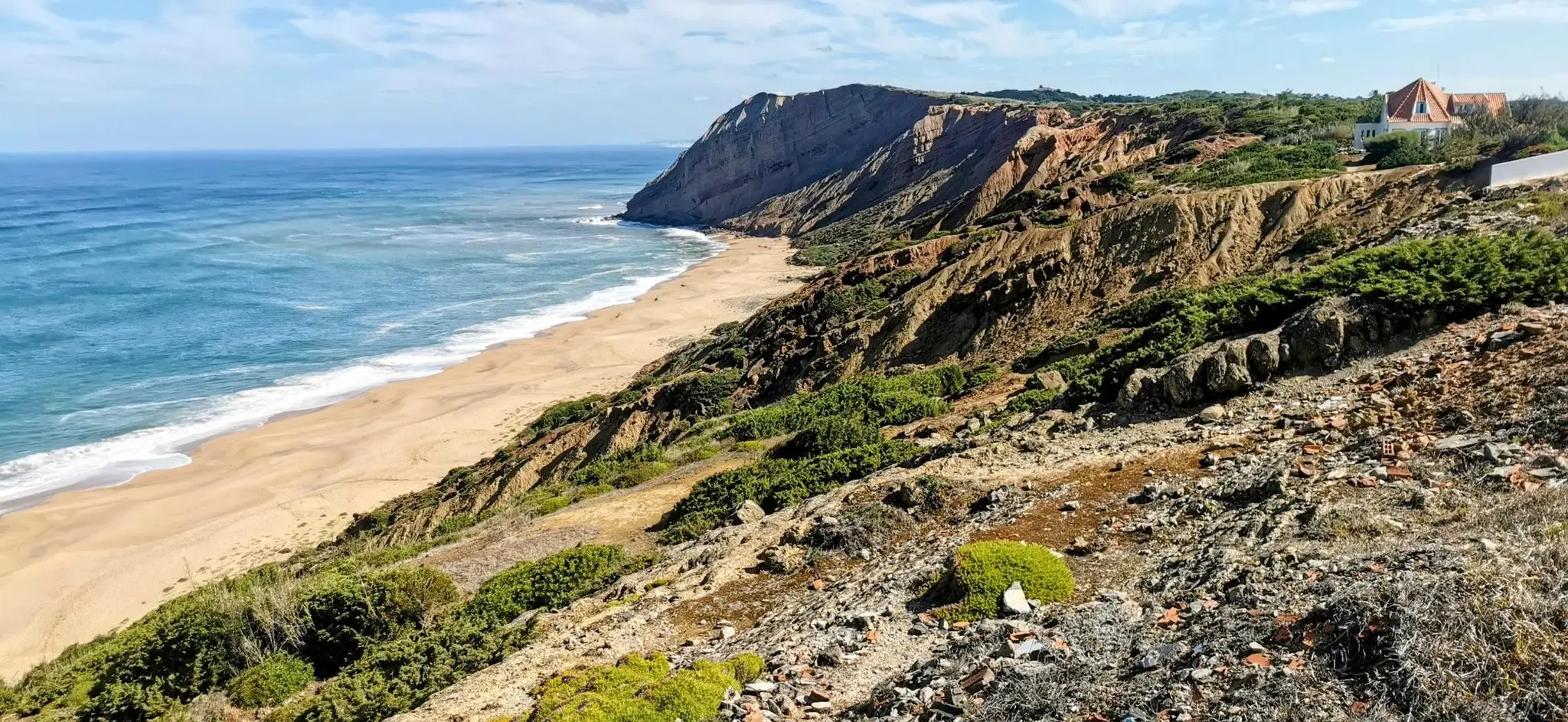
EuroVelo 1 Portugal – Cycle the Atlantic Coast
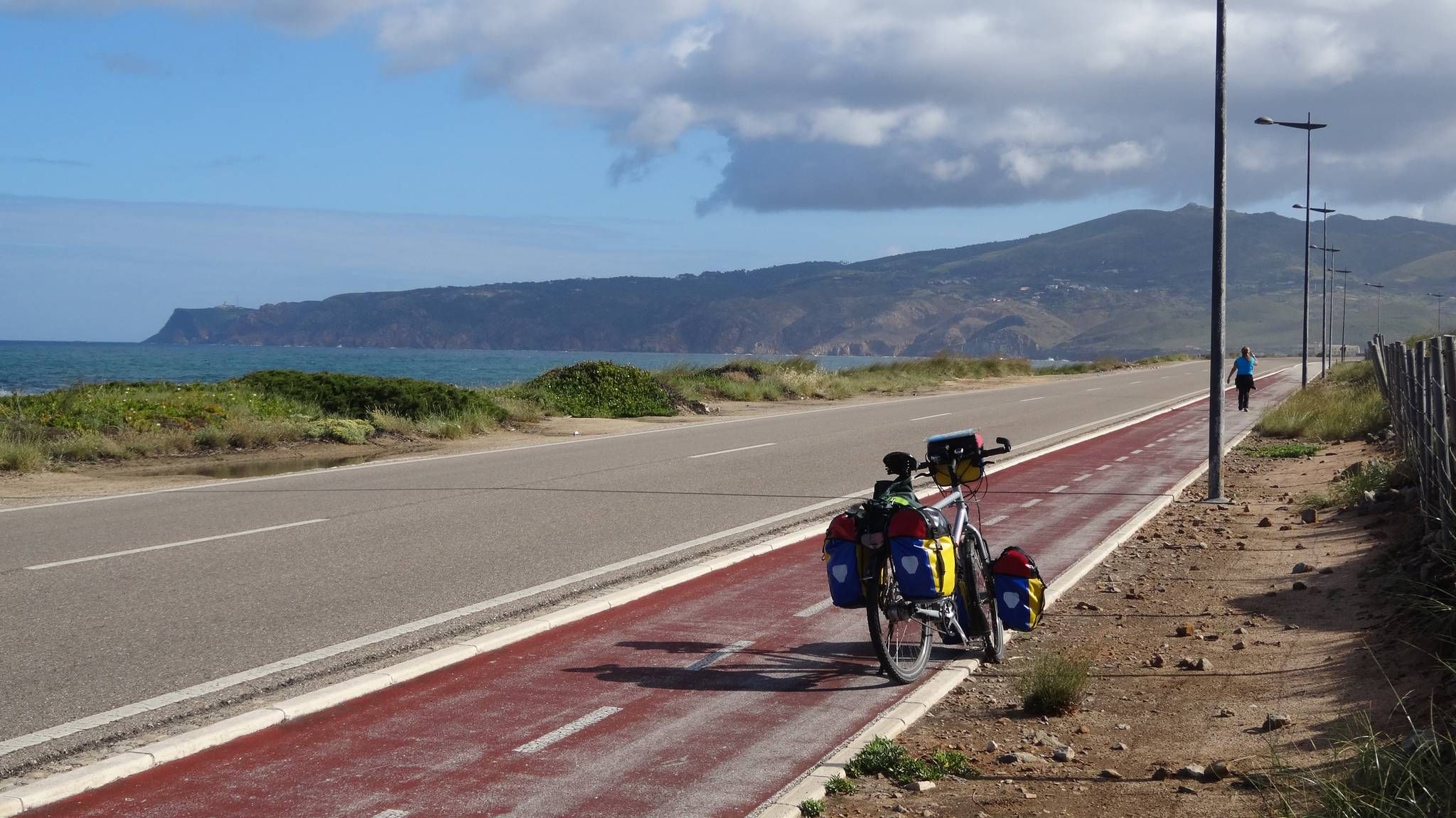
Bike Touring along Portugal's Atlantic Coast from Lisbon to Porto
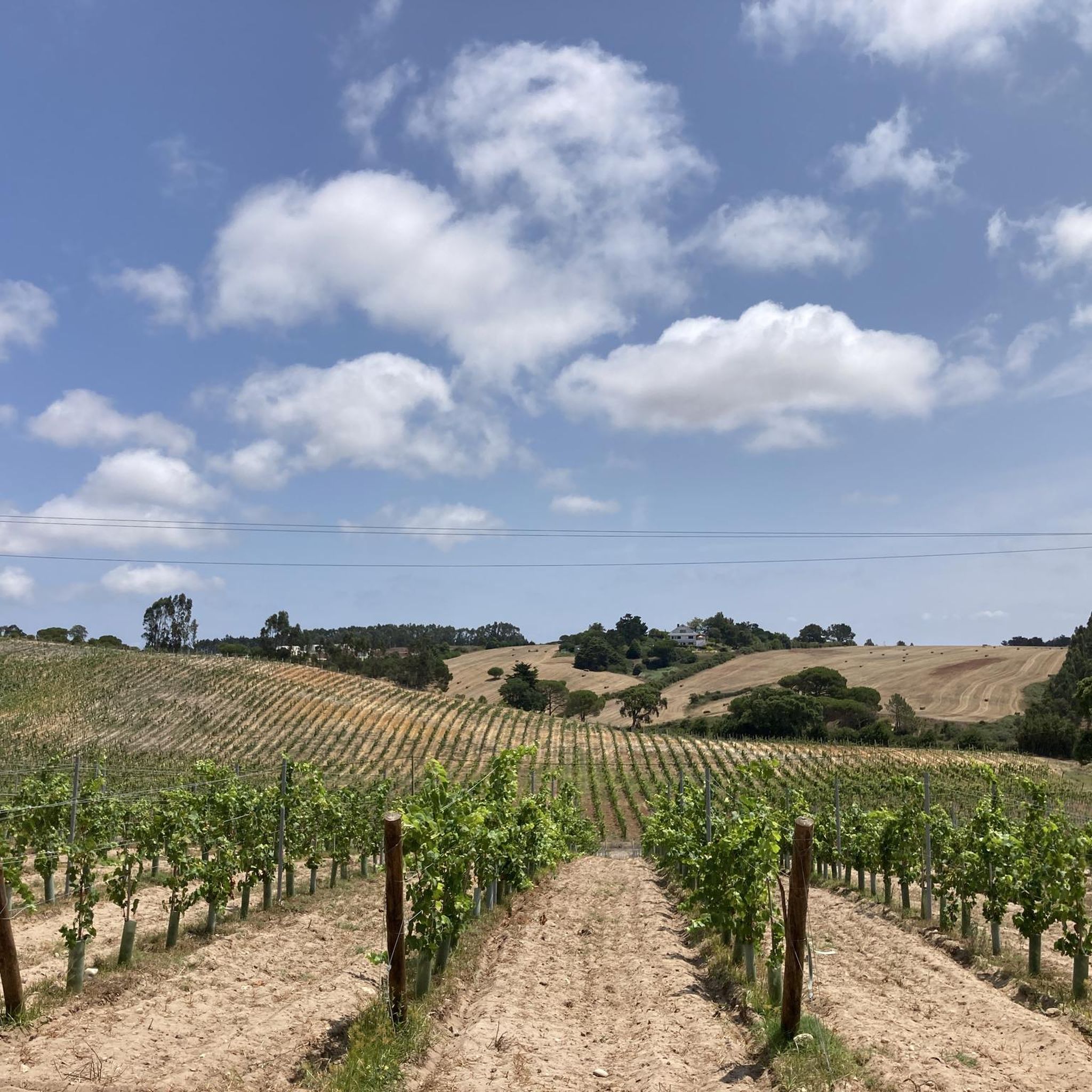
Cycling around Caldas Da Rainha
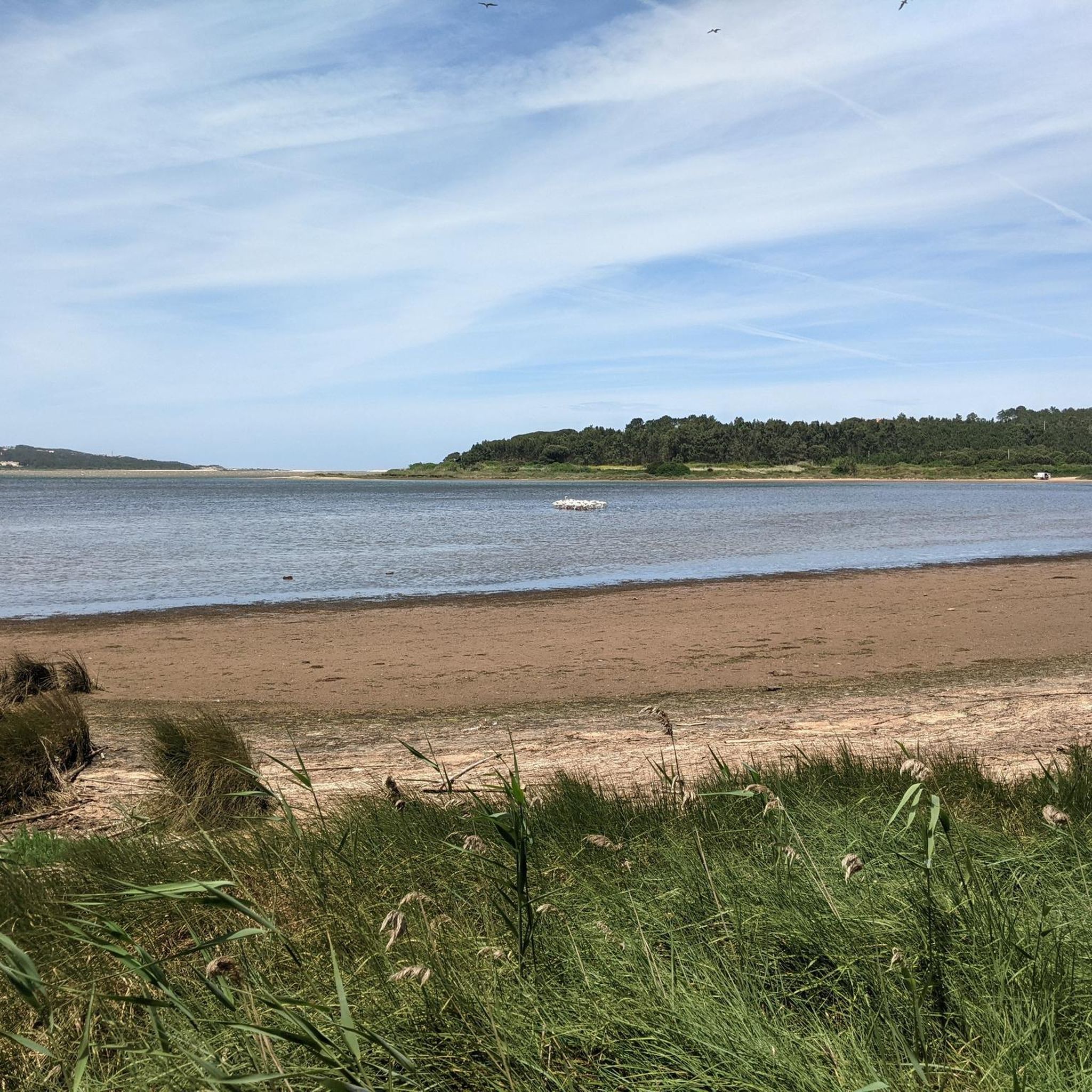
Hiking around Caldas Da Rainha
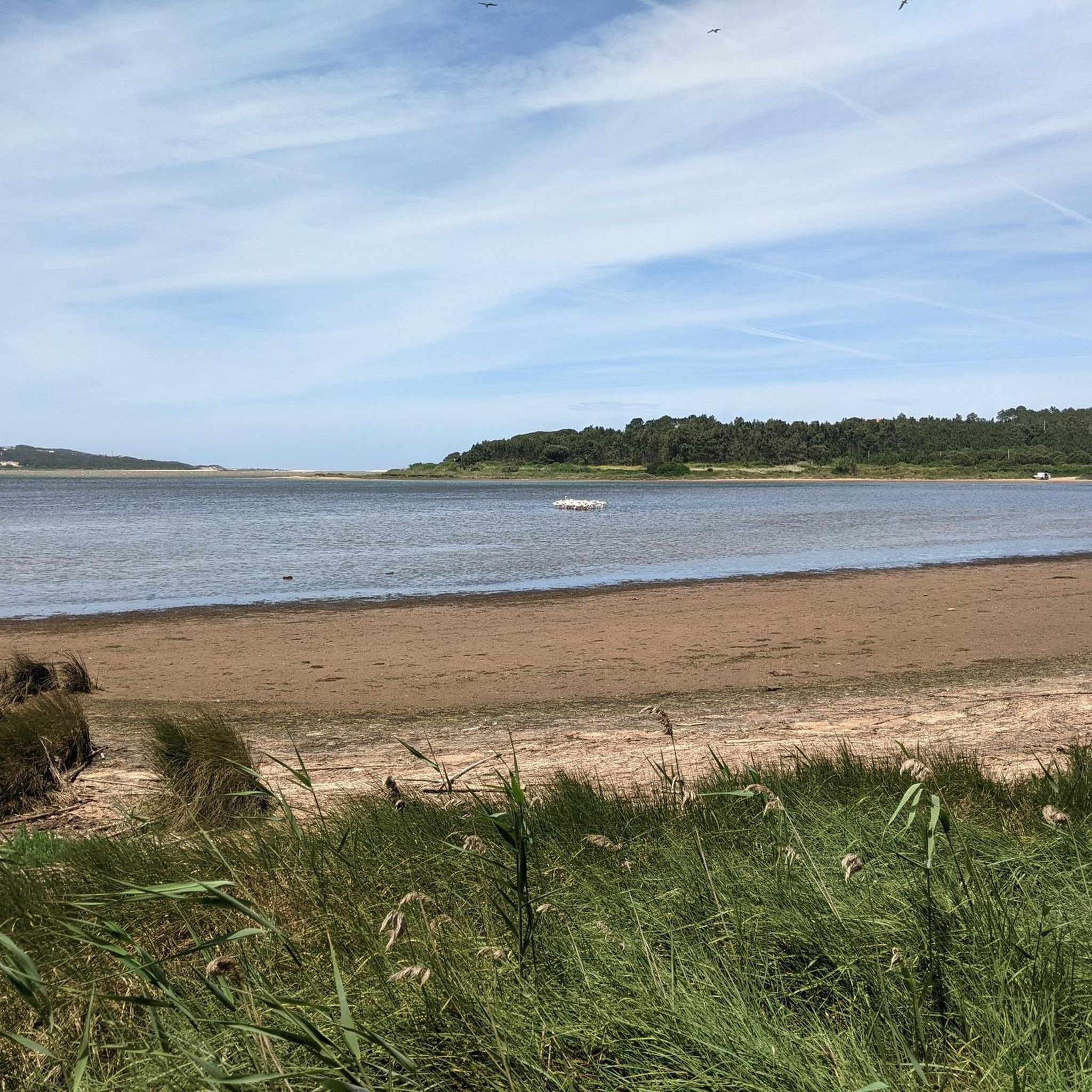
Road Cycling Routes around Caldas Da Rainha
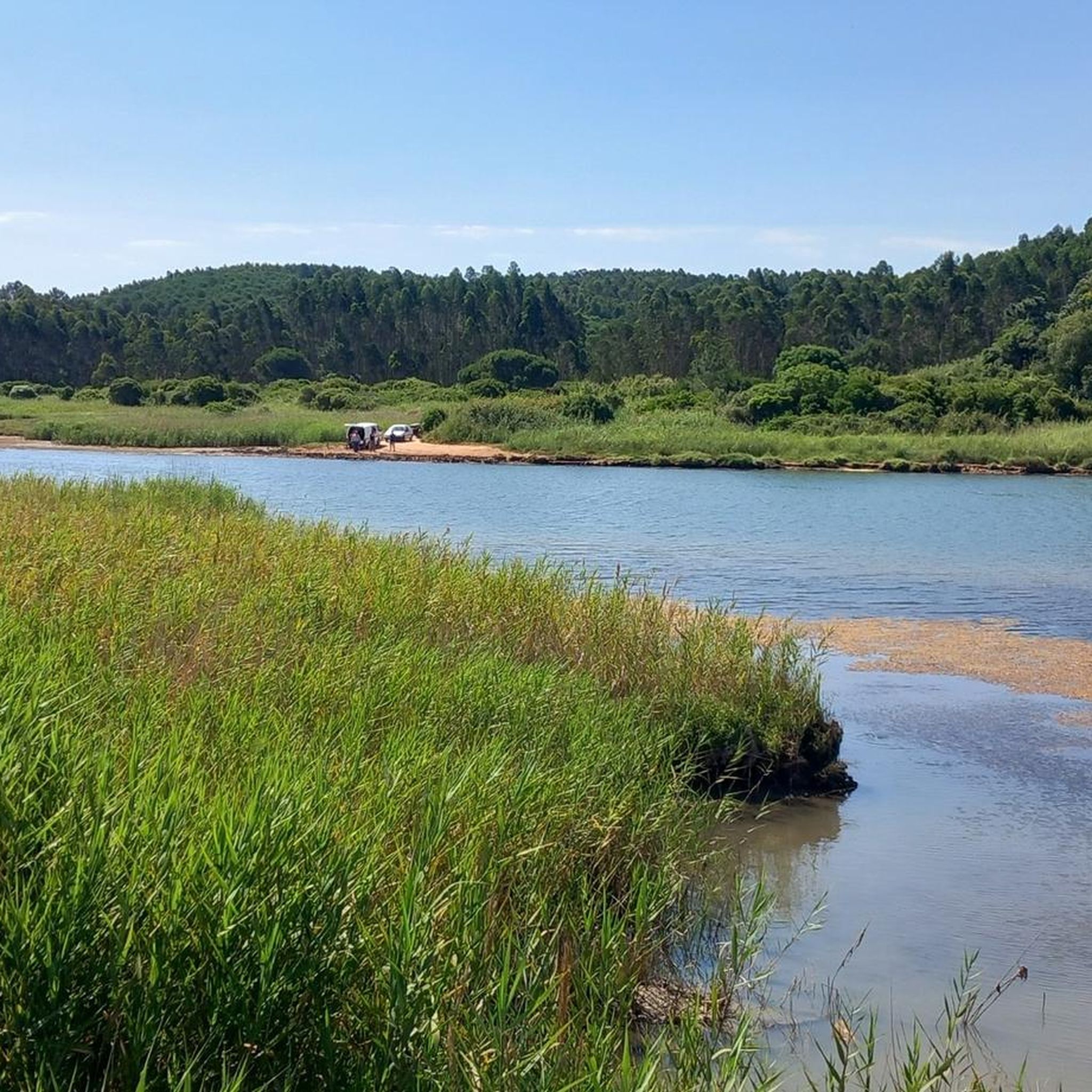
Running Trails around Caldas Da Rainha
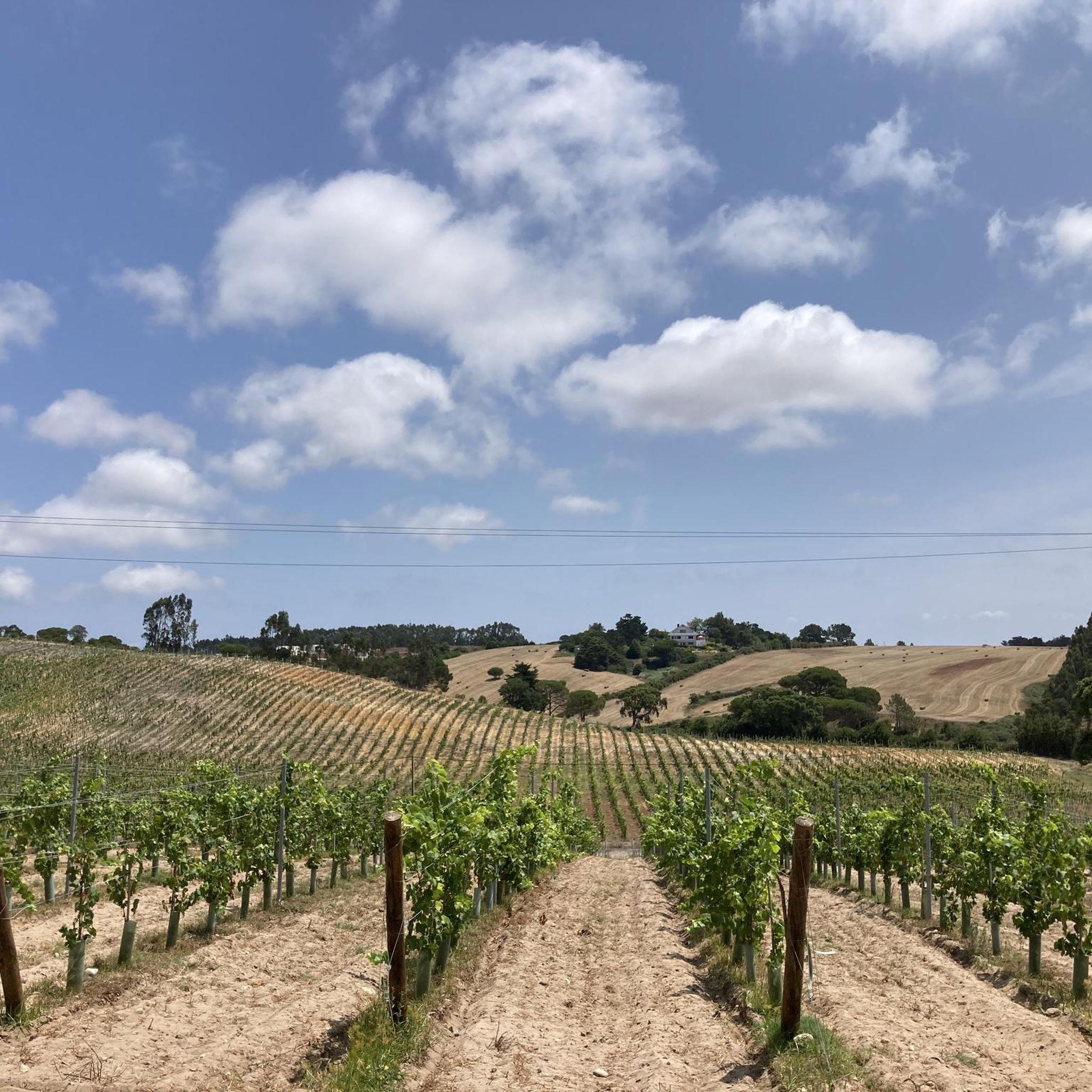
MTB Trails around Caldas Da Rainha

Gravel biking around Caldas Da Rainha

Tips from the Community

Salt is extracted from shallow, concrete or stone pans of varying sizes, where saltwater drawn from a well is conveyed through ditches. Currently, the water is pumped by a motor and distributed according to a system that is generally accepted and respected (not always) by all the owners. Drainpipes, threshing floors, and wooden salt storage houses complete the complex known as the Rio Maior Salt Pans. According to technicians, a large and deep rock salt mine, traversed by an underground stream that feeds a well, makes the extracted water salty, seven times saltier than seawater. The salt is obtained from its exposure to the sun and wind, and the resulting evaporation of the water. This salt is deposited at the bottom of the pans, which are then piled up in pyramid-shaped heaps to dry until harvest. The process is rudimentary and similar to that used in seaside salt mines. The only difference is the picturesque valley that surrounds them, the well, the unique style of the sailors (as the men who work in the salt mines are known), the wooden houses and the country air that you breathe.
0
0

Just three kilometres from Rio Maior, on the southern tip of the Serra dos Candeeiros, lie the only inland salt pans in Portugal, and the only ones still active in the whole of Europe. Surrounded by vineyards and cultivated fields, they are a true wonder of nature, as the sea is 30 kilometres away. Their history dates back to at least 1177, but it is said that rock salt has been mined since prehistoric times. The water, seven times saltier than that of the ocean, emerges from a well after passing through an underground deposit, leaving behind the pure vestige of an ancient sea.
1
0
The Rio Maior Salt Pans are located about 3 km from the city centre and are nestled in a valley at the foot of the Serra dos Candeeiros, in the heart of the Serras de Aire e Candeeiros Natural Park. Classified as a Property of Public Interest since December 1997, these are the only inland salt pans in Portugal, and the only ones in full operation in Europe. The first reference to their existence dates back to 1177, but it is thought that the use of rock salt was already being made in prehistoric times.
2
0

The Rio Maior Salt Pans are located about 3 km from the city center and nestled in a valley at the foot of the Serra dos Candeeiros, in the heart of the Serras de Aire e Candeeiros Natural Park. Classified as a Property of Public Interest since December 1997, these are the only inland salt pans in Portugal, and the only ones fully operational in Europe. The first reference to their existence dates back to 1177, but it is thought that rock salt mining has been practiced since prehistoric times. Surrounded by vineyards and farmland, they are considered a natural wonder, as the ocean is 30 km away. The salt is a vestige of the sea's presence in ancient times. The water, about seven times saltier than seawater, comes from a well after passing through a rock salt deposit. Visit the Salinas Tourist Office for information, maps, and guided tours. How to Get There: Latitude +39° 21' 52.57, Longitude -8° 56' 40.62
0
0
The Pena da Gouvinha fountain used to serve the locals. There was a queue to fill the bottles, so much so that it was decided that each resident could only take eight bottles of water and would have to “give others a chance”. Today it serves as a stopping point to cool off during the walk and, if you wish, you can take advantage of the place to eat whatever you have prepared at home. There is a picnic area next to the fountain. The place name Pena da Gouvinha suggests that barbarians passed through here. Gouvinha is a personal name of Germanic origin, still documented in the 12th century as Gaudina.
2
0
Salir do Porto has a river beach, on the bank of the Tornada River, which flows into the bay of São Martinho do Porto. Salir beach is famous for its sand dune about 50 meters high. Once the largest in Europe, the Salir Dune stands out in the dune landscape of São Martinho Bay. The core of the Dune is partly made up of red sandstone, a vestige of an older dune – a fossil dune. There are other rock beaches in the coastal area that are locally called Quebradas. It was in the Ruins of the artisanal Customs House of Salir that the caravels that participated in the discoveries and conquests were built during the reigns of D. Afonso V and D. João II. The extinct parish was made up of the towns of Salir do Porto, Casais de Salir do Porto and Bouro.
0
0

Climbing up the sand dune and sliding down from the top is the highlight for everyone
3
0
Be sure to go up there from the top, great view and slide down on your bum. Large dune that clings to the rocks there, perfect for hiking. At the foot of the dune, the Tornada river flows into the sea.
3
0
Frequently Asked Questions
What are the most popular natural monuments to visit around Caldas da Rainha?
Among the most popular natural monuments, visitors frequently highlight the Foz do Arelho Beach, known for its unique dual-sided beach where the Óbidos Lagoon meets the Atlantic Ocean. Another favorite is the Salir do Porto Dune, which is the highest dune in Portugal, offering impressive views. The tranquil Fonte Pena da Colvina, with its historic fountain and picnic area, is also a cherished spot for relaxation.
Are there family-friendly natural monuments in the Caldas da Rainha area?
Yes, several natural monuments are ideal for families. Foz do Arelho Beach is particularly family-friendly, offering calm, shallow waters in the Óbidos Lagoon perfect for children. The adjacent Foz do Arelho viewpoint 📷 also provides accessible wooden walkways. The Fonte Pena da Colvina is another great option, featuring a picnic area for family outings.
What kind of wildlife can I observe at the natural monuments near Caldas da Rainha?
The region is rich in biodiversity. The Óbidos Lagoon is a crucial habitat for migratory birds, especially in winter, with 175 identified species, making it excellent for birdwatching. The Paul de Tornada Local Nature Reserve is also a prime birdwatching spot, particularly for insect-eating birds like black swifts and warblers in summer. Further afield, the Serras de Aire e Candeeiros Natural Park is home to diverse fauna including bats, genets, wild boars, and various bird species.
What watersports can I enjoy at the natural monuments?
The Óbidos Lagoon, adjacent to Foz do Arelho Beach, is a hub for watersports. Its calm waters are popular for kayaking, paddleboarding, windsurfing, kitesurfing, and sailing. The Alvorninha Dam also offers opportunities for canoeing in a peaceful natural setting.
Are there hiking or walking trails near these natural monuments?
Absolutely. The Óbidos Lagoon area features boardwalks and walking/cycling routes like the PR7 – Óbidos Lagoon Route. The Paul de Tornada Local Nature Reserve has the PR2 – Paul de Tornada Route for birdwatching. The Alvorninha Dam is part of the 'Caminhos da Rainha' walking trails. For more extensive options, you can explore numerous routes in the region, including those around Foz do Arelho Beach and Salir do Porto Dune. Find detailed hiking routes on the Hiking around Caldas Da Rainha guide.
Where can I find unique geological formations or viewpoints?
The Salir do Porto Dune is Portugal's highest dune, offering unique sandy landscapes and panoramic views. The coastal cliffs of Serra do Bouro also provide breathtaking vistas. Slightly further, Serra do Socorro is a conical hill formed by an ancient volcano, showcasing distinct basalt formations and exceptional panoramic views. The Serras de Aire e Candeeiros Natural Park is renowned for its extensive karstic landscape, including numerous caves and sinkholes.
What urban green spaces are available within Caldas da Rainha?
Within the city, Parque Dom Carlos I and the adjacent Mata Rainha Dona Leonor offer a significant urban green retreat. Parque Dom Carlos I is a romantic 19th-century park with a lake, walkways, and a café, while Mata Rainha Dona Leonor is a historic 17-hectare woodland with diverse trees, providing a serene environment for walks and picnics.
Can I find places for running or cycling near the natural monuments?
Yes, the area offers various options for running and cycling. The Óbidos Lagoon has dedicated walking and cycling routes. For running, you can find trails around Foz do Arelho Beach and the Óbidos Lagoon. Road cycling routes often incorporate scenic coastal areas like Serra do Bouro. Discover more options on the Running Trails around Caldas Da Rainha guide and the Road Cycling Routes around Caldas Da Rainha guide.
Are there any historical or cultural aspects linked to the natural monuments?
Yes, some natural monuments have historical significance. Mata Rainha Dona Leonor, adjacent to Parque Dom Carlos I, is a historic woodland planted in the 15th century. Serra do Socorro, while primarily geological, also features an 18th-century chapel at its summit and remains of ancient fortified settlements, adding a cultural layer to its natural beauty. The Fonte Pena da Colvina is a historic fountain that once served locals.
What do visitors particularly enjoy about the natural monuments in this region?
Visitors frequently praise the unique contrast at Foz do Arelho Beach, where the calm lagoon meets the Atlantic. Many enjoy climbing the Salir do Porto Dune for the views and even sliding down. The tranquility of spots like the Alvorninha Dam and the urban escape offered by Parque Dom Carlos I are also highly valued. The opportunity for birdwatching and exploring diverse ecosystems is a significant draw for nature enthusiasts.
Can I find dinosaur footprints in the area?
Yes, there is a natural monument known for Dinosaur Footprints. However, visitors note that finding the exact location and identifying the tracks can be challenging and may require some imagination, as it's not a highly developed tourist attraction with extensive signage.
What is the Óbidos Lagoon known for?
The Óbidos Lagoon is Portugal's largest saltwater lagoon, famous for its unique ecosystem and the distinctive dual-sided beach at Foz do Arelho Beach. It's a vital habitat for migratory birds, a popular spot for various watersports like kayaking and windsurfing, and offers serene landscapes for walking and nature appreciation.
Most popular routes around Caldas Da Rainha
Most popular attractions around Caldas Da Rainha

Get inspired with the komoot mobile app


Explore more
Extend your search for the best caves by checking out these guides of the top ones around Caldas Da Rainha:
