Top 20 Natural Monuments around Plzeňský kraj
Best natural monuments around Plzeňský kraj feature a diverse landscape of ancient forests, glacial lakes, and unique rock formations. This region in the Czech Republic includes significant protected areas such as Šumava National Park and the Bohemian Forest Protected Landscape Area. These sites are recognized for their ecological and geological value, providing opportunities for nature exploration. Plzeňský kraj offers a variety of natural features, from extensive peat bogs to impressive granite boulders.
Best natural monuments around Plzeňský kraj
- The most…
Last updated: July 6, 2026
Great Osser
Highlight • Summit
Translated by Google •
Tip by

Three Coats of Arms
Highlight • Monument
Translated by Google •
Tip by

Sign up now to discover places like this
Get recommendations on the best single tracks, peaks, & plenty of other exciting outdoor places.
Sign up for free
Svaroh / Zwercheck Summit
Highlight • Summit
Translated by Google •
Tip by

Border Trail Between Zwercheck and Großer Osser
Highlight • Trail
Translated by Google •
Tip by

Markfleckl Border Stones and Historic Tripoint
Highlight • Historical Site
Translated by Google •
Tip by

Kreuzstein Border Marker (Bavaria–Bohemia)
Highlight • Monument
Translated by Google •
Tip by

Čertovo Jezero (Devil's Lake)
Highlight • Lake
Translated by Google •
Tip by

Černé Jezero (Black Lake)
Highlight • Lake
Translated by Google •
Tip by

Waldnaab Spring
Highlight • River
Translated by Google •
Tip by
Poledník Observation Tower (Mittagsberg)
Highlight • Viewpoint
Translated by Google •
Tip by
Sign up for free to discover even more natural monuments around Plzeňský kraj.
Sign up for free
Already have an account?
Start today with a free account
Your next adventure awaits.
Login or Signup
Popular around Plzeňský kraj
Triathlon around Germany
Bavaria-Bohemia long-distance cycling trail – Crossing borders
Nurtschweg – Hiking along the German-Czech border
From Berlin to Prague — in the footsteps of the Peace Race part 2
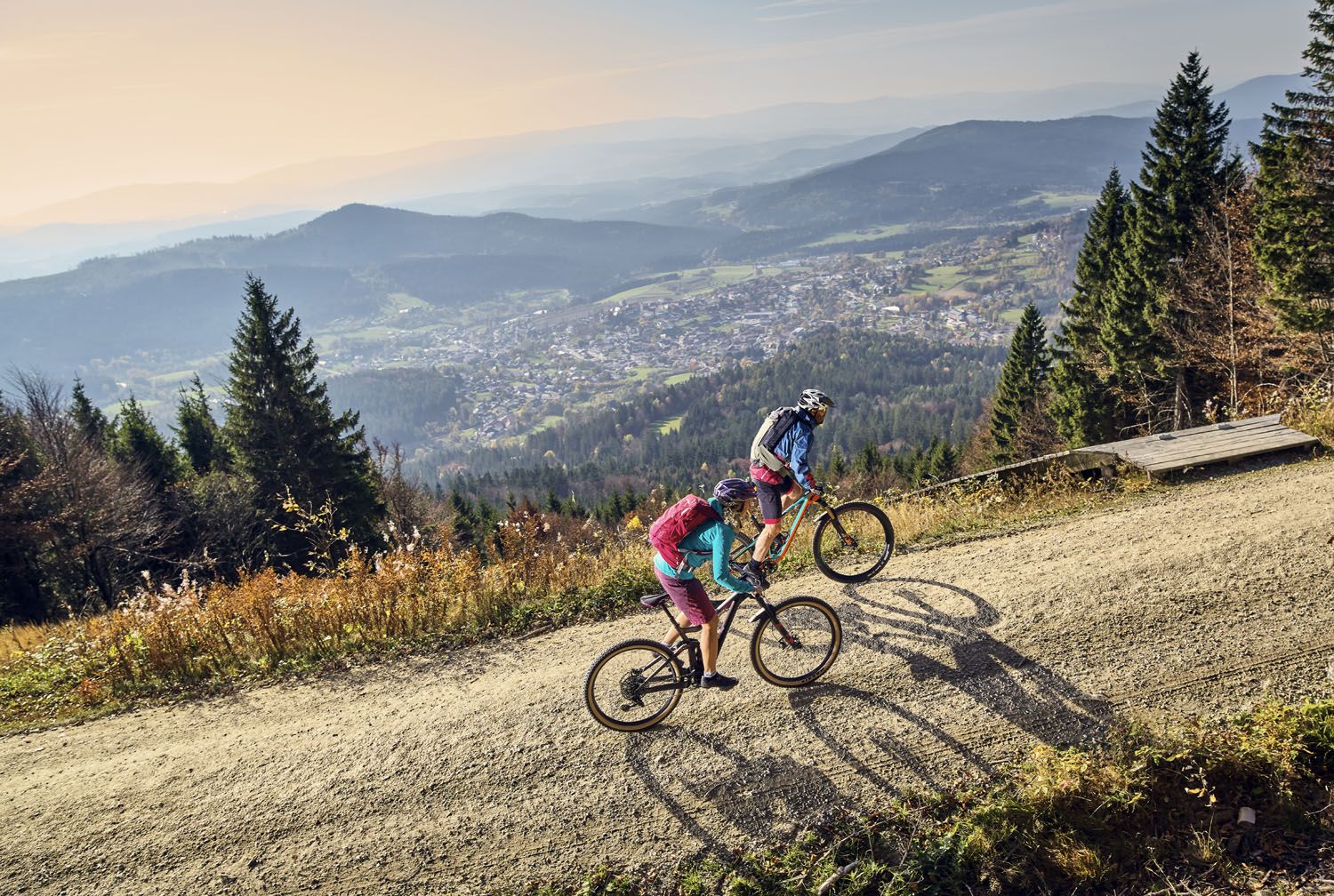
Exciting cycle and (e)-mountain bike Tours in the Bavarian Forest
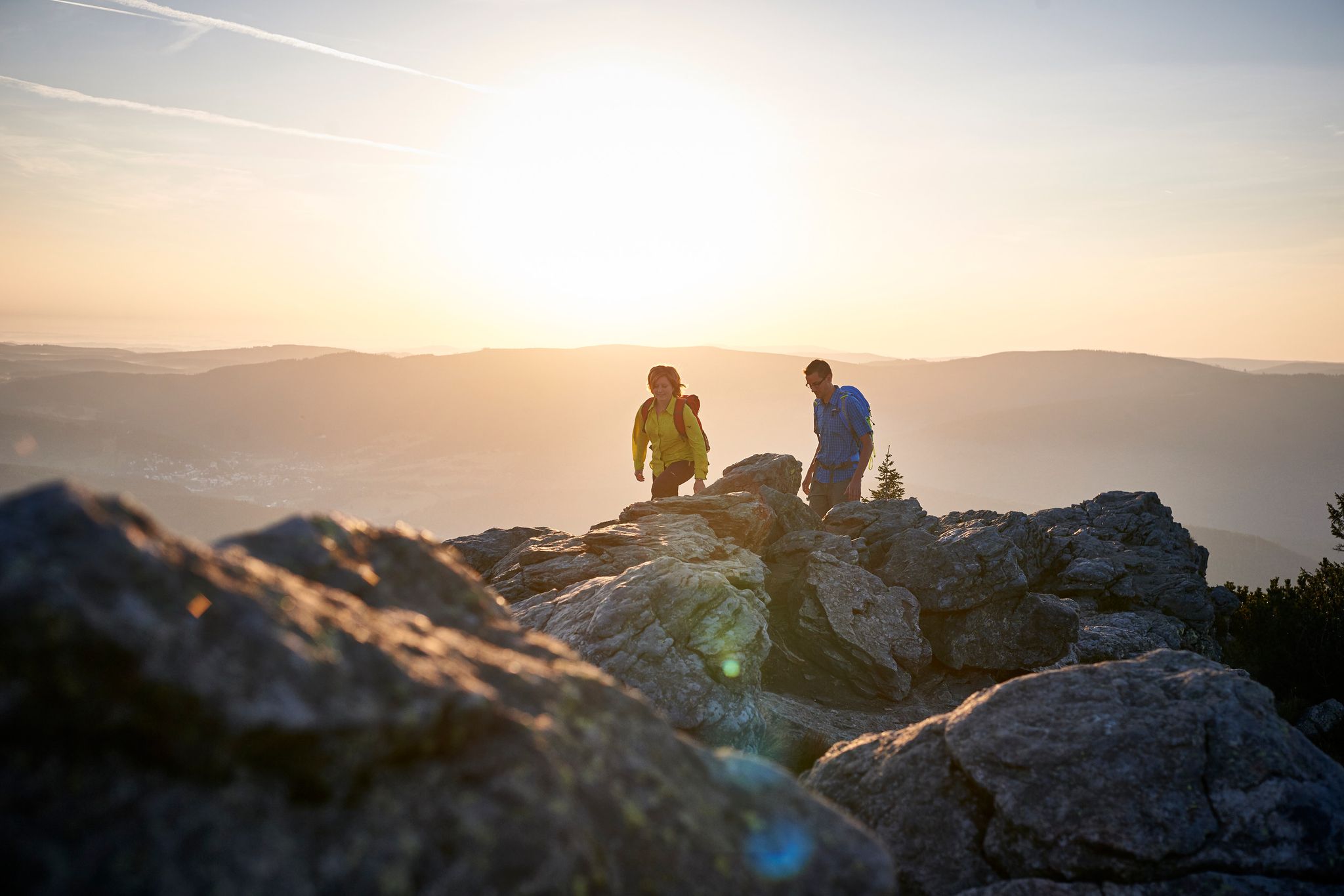
Varied day Tours on the Großer Arber
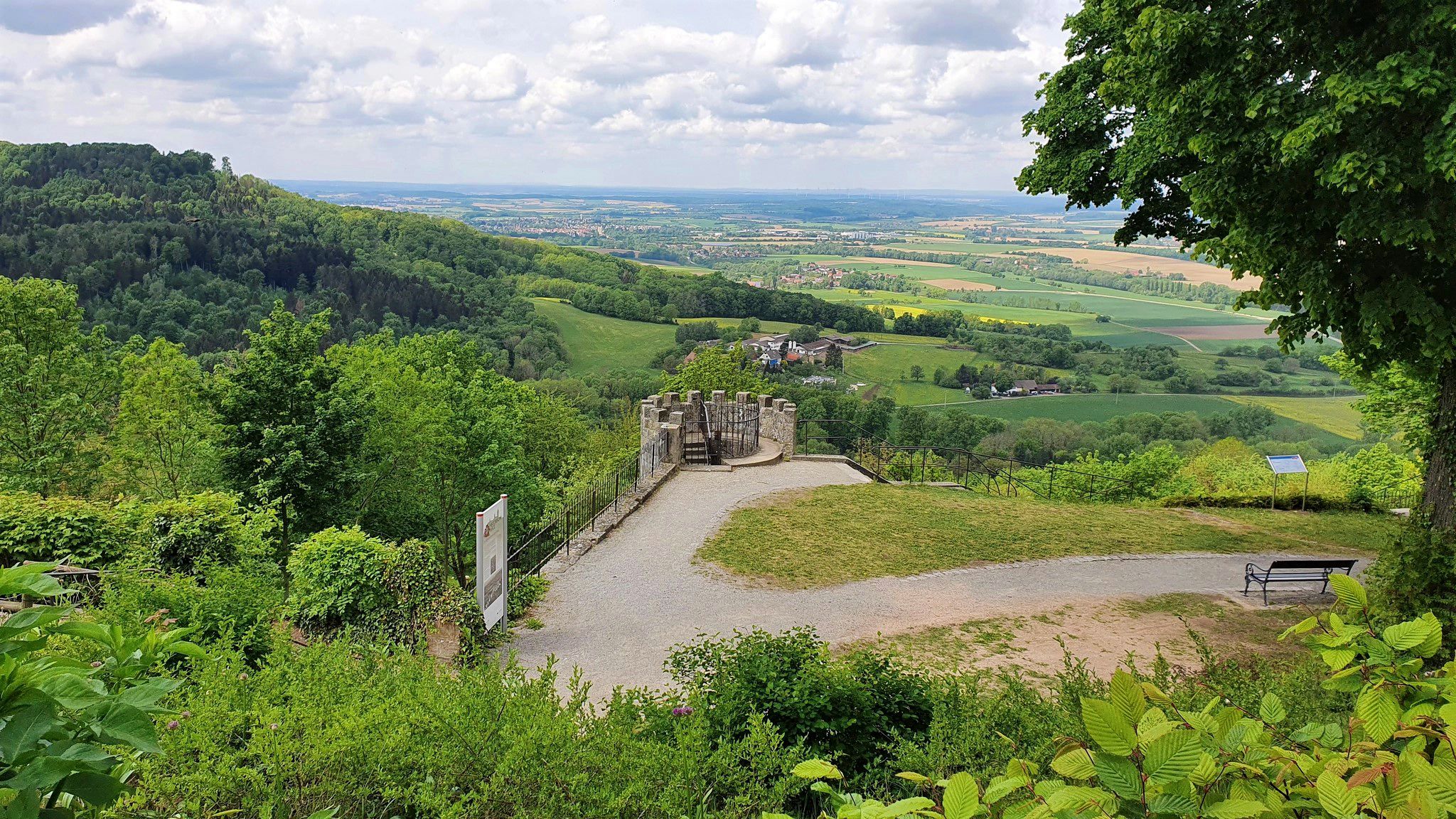
A cycling adventure from Paris to Prague – Pan-European Cycle Route
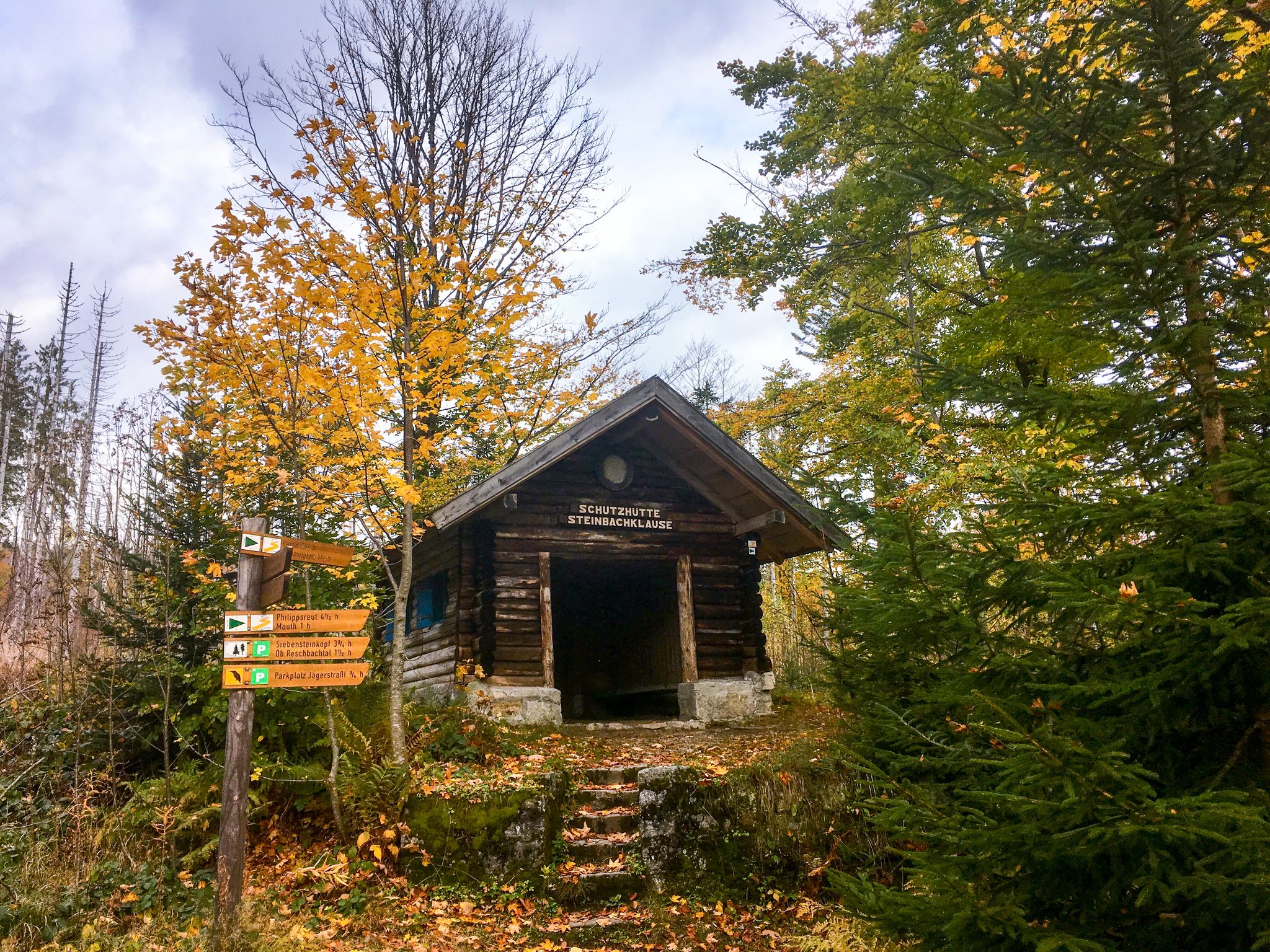
Discover the wild nature in the Bavarian Forest National Park on leisurely hikes
The most beautiful bike tours in the Bavarian Forest National Park
A 3-day bike adventure in Arberland
Other adventures around Plzeňský kraj


Tips from the Community

When Slavs repeatedly invaded the Nordgau at the beginning of the 12th century, Margrave Diepold, as administrator of the Nordgau, and his friend Count Beringer of Sulzbach were forced in 1109 to settle the border with the Bohemian dukes Borsivoy and Wladislaw on behalf of the German King Henry V. One of the established border points was likely this mighty, immovable granite block. A cross, still clearly visible today, was carved into the broad, blunt cone on the south side. Barely discernible is the inscription "Bohemia" on the east side and "Bavaria" on the west side. The slab marks the border line with a furrow cut at an obtuse angle. The stone also bears a number and the year of the last border determination: "1843." In 1997, the Bavarian-Bohemian hiking and cross-country skiing border crossing "Kreuzstein / Křížový kámen" was officially opened.
14
0

The beautifully decorated summit cross can be reached after a short climb 🤗. If the weather is good, you have a beautiful view ☺️.
20
2

The Grenzsteig is closed for nature conservation reasons from 15.11. until 15.07. blocked. Please keep at it, after the Finsterauer Lusensteig there is only the further ascent over the rocks to the Lusen, which is fun and not that difficult or long. Via the Himmelstreppe (surefootedness is required here) it then goes further down towards Waldhäuser.
4
0
The Künic Mountains rise up between Zwercheck and the Osser massif. Not only does the national border between Germany and the Czech Republic run over this ridge, we also find one of the most impressive activities in the Bavarian Forest on this line: the hike from Zwercheck to Osser. Anyone who has ever viewed the ridge of the Künic Mountains from the neighborhood (e.g. from the Großer Arber) should be aware that this hike is not for the lazy. There is a distance of 5.5 km between the two elevations. Ascent and descent as well as the return march to the starting point are added. The constant up and down the mountain ridge adds up to a considerable number of meters in altitude. Source: https://www.alpine-bergtouren.de/touren/wandern-vom-zwercheck-zum-osser.php
10
0

Strenuous to walk through the many chaotically jumbled stones and roots ... but there are always grandiose views.
7
2

The Grenzsteig is wonderful to walk and always offers beautiful views
6
1

Cross-border hiking trail. A sign points out various customs regulations and hiking times.
8
1

Non-Europeans please bring your passport and visa or residence permit with you 😂
5
1
Frequently Asked Questions
What are some unique natural features to explore in Plzeňský kraj?
Plzeňský kraj offers a diverse range of natural features. You can explore the extensive peat bogs of Modravské slatě within Šumava National Park, which have developed since the last Ice Age. Another unique geological site is the Boulders at Žihle, known for their giant spherical granite formations. Additionally, the Černé Jezero (Black Lake) and Čertovo Jezero (Devil's Lake) are prominent glacial lakes.
What are the most popular natural monuments for hiking in Plzeňský kraj?
Many natural monuments in Plzeňský kraj are popular for hiking. The area around Great Osser and Svaroh / Zwercheck Summit offers extensive hiking opportunities with scenic views. The Černé Jezero (Black Lake) and Čertovo Jezero (Devil's Lake) are also popular destinations for hikers, with trails leading through unique forest communities.
What makes the Šumava National Park a significant natural monument in Plzeňský kraj?
Šumava National Park is a vast and largely untouched wilderness, forming part of 'the green roof of Europe'. It's significant for its crystal-clear glacial lakes like Černé Jezero, extensive peat bogs such as Modravské slatě, and dense forests. It's a haven for rare flora and fauna, including endangered species, and offers exceptional opportunities for nature enthusiasts.
Are the natural monuments in Plzeňský kraj suitable for families with children?
Yes, many natural monuments in Plzeňský kraj are family-friendly. For example, the trails around Čertovo Jezero (Devil's Lake) and Černé Jezero (Black Lake) are often enjoyed by families. The Three Coats of Arms monument is also noted as family-friendly. Always check specific trail difficulties, but generally, there are options for various ages.
What is the best time of year to visit the natural monuments in Plzeňský kraj?
The best time to visit largely depends on your preferred activities. Summer (June to August) is ideal for hiking and cycling, with pleasant weather. Autumn (September to October) offers stunning fall foliage, particularly in forested areas like Šumava. Winter provides opportunities for cross-country skiing in Šumava, though some areas might be less accessible. Spring (April to May) is beautiful for wildflowers and milder temperatures.
Are there options for parking and public transport when visiting these natural monuments?
Access to natural monuments varies. For popular sites within Šumava National Park, there are often designated parking areas. Public transport options, such as buses, serve some of the larger towns and entry points to protected areas. However, for more remote natural monuments, personal transport might be necessary. It's advisable to research specific access details for each location you plan to visit.
Can I bring my dog to the natural monuments in Plzeňský kraj?
Generally, dogs are allowed on trails in many natural areas, especially in the Bohemian Forest Protected Landscape Area and parts of Šumava National Park, provided they are kept on a leash. However, some strictly protected zones, like certain peat bogs, might have restrictions to protect wildlife. Always look for local signage or check specific park regulations before your visit.
What outdoor activities can I do near the natural monuments in Plzeňský kraj?
Beyond exploring the monuments themselves, Plzeňský kraj offers a wide range of outdoor activities. You can find numerous routes for hiking, including trails around the glacial lakes and through the Vydra River Valley. There are also extensive options for cycling, particularly in Šumava National Park, and challenging mountain hikes.
Are there any viewpoints offering panoramic vistas of the region's natural beauty?
Yes, Plzeňský kraj boasts several excellent viewpoints. The Poledník Observation Tower (Mittagsberg) offers extensive views from its platform in the Bohemian Forest. Other notable spots include the summits of Great Osser and Svaroh / Zwercheck Summit, which provide impressive scenic impressions of the surrounding landscapes.
What are the Modravské slatě peat bogs, and can I visit them?
The Modravské slatě are the most extensive complex of peat bogs in the Šumava region, critically important for their uniquely preserved ecosystems. While much of the area is strictly protected and largely inaccessible to safeguard rare flora and fauna, some guided tours are available to specific sections. These bogs are characterized by small lakes and non-forest areas surrounded by peat spruce forests.
Are there any historical or border markers among the natural monuments?
Yes, the region features several historical border markers that are also considered natural monuments or are located within natural areas. Examples include Three Coats of Arms, Markfleckl Border Stones and Historic Tripoint, and Kreuzstein Border Marker (Bavaria–Bohemia). These sites often combine natural beauty with historical significance, marking ancient boundaries.
What do visitors enjoy most about the natural monuments in Plzeňský kraj?
Visitors frequently praise the stunning natural beauty and tranquility. Many highlight the 'gigantic view' from places like Poledník Observation Tower, the 'wonderful landscape' around Černé Jezero, and the 'beautiful path' along the German-Czech border near Border Trail Between Zwercheck and Großer Osser. The sense of pure nature and the impressive geological formations are also highly appreciated.
Most popular routes around Plzeňský kraj
Most popular attractions around Plzeňský kraj

Get inspired with the komoot mobile app


Didn’t find what you were looking for?
Find even more amazing natural monuments around Plzeňský kraj by checking out the top Highlights region by region:
Explore more
Extend your search for the best caves by checking out these guides of the top ones around Plzeňský kraj:
