Top 20 Natural Monuments around Meppel
Best natural monuments around Meppel are found in a region characterized by its diverse natural beauty, including stream valleys, expansive heathlands, and intricate wetland areas. The landscape features historical agricultural elements, ancient forests, and significant nature reserves. This area offers a variety of natural attractions, from geological formations to protected ecosystems. Visitors can explore a blend of natural and historical sites that showcase the region's unique heritage and ecological significance.
Best natural monuments around Meppel
- The most popular natural monuments…
Last updated: May 9, 2026
Dolmen D53
Highlight • Historical Site
Translated by Google •
Tip by

Bomb Craters on the Havelteberg
Highlight • Historical Site
Translated by Google •
Tip by

Sign up now to discover places like this
Get recommendations on the best single tracks, peaks, & plenty of other exciting outdoor places.
Sign up for free
Dolmen D54
Highlight • Historical Site
Translated by Google •
Tip by
Dickninge Estate Waterways
Highlight • River
Translated by Google •
Tip by

Faliebergbos
Highlight (Segment) • Forest
Translated by Google •
Tip by

Sign up for free to discover even more natural monuments around Meppel.
Sign up for free
Already have an account?
Start today with a free account
Your next adventure awaits.
Login or Signup
Popular around Meppel
Tour of Drenthe – In 6 days through the primitive province
Maarten van Rossumpad – hiking from 's-Hertogenbosch to Steenwijk
Reflecting on the paths of the Westerbork Trail
Cycle through water-rich Holland along the sea – LF9 NAP Route
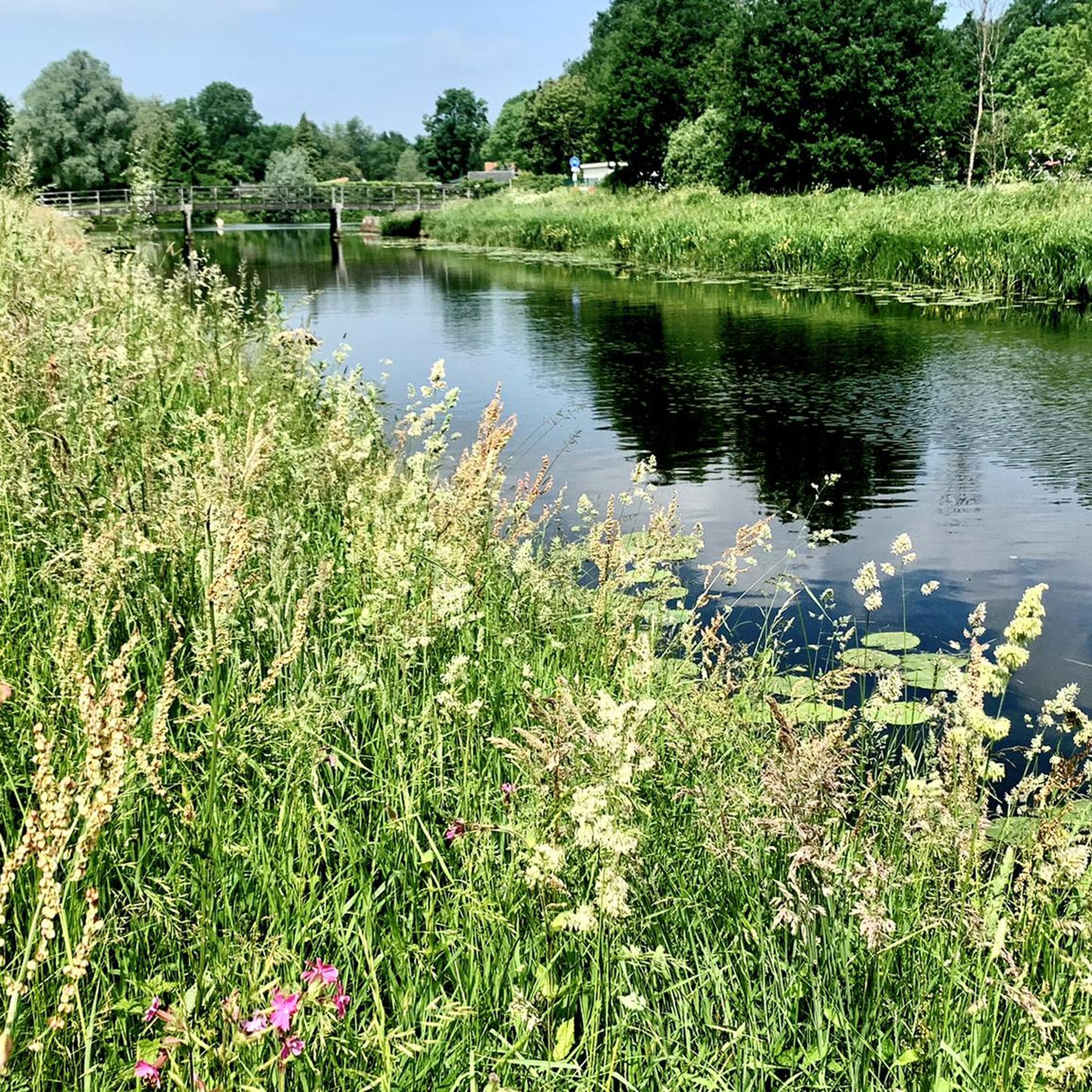
Road Cycling Routes around Meppel
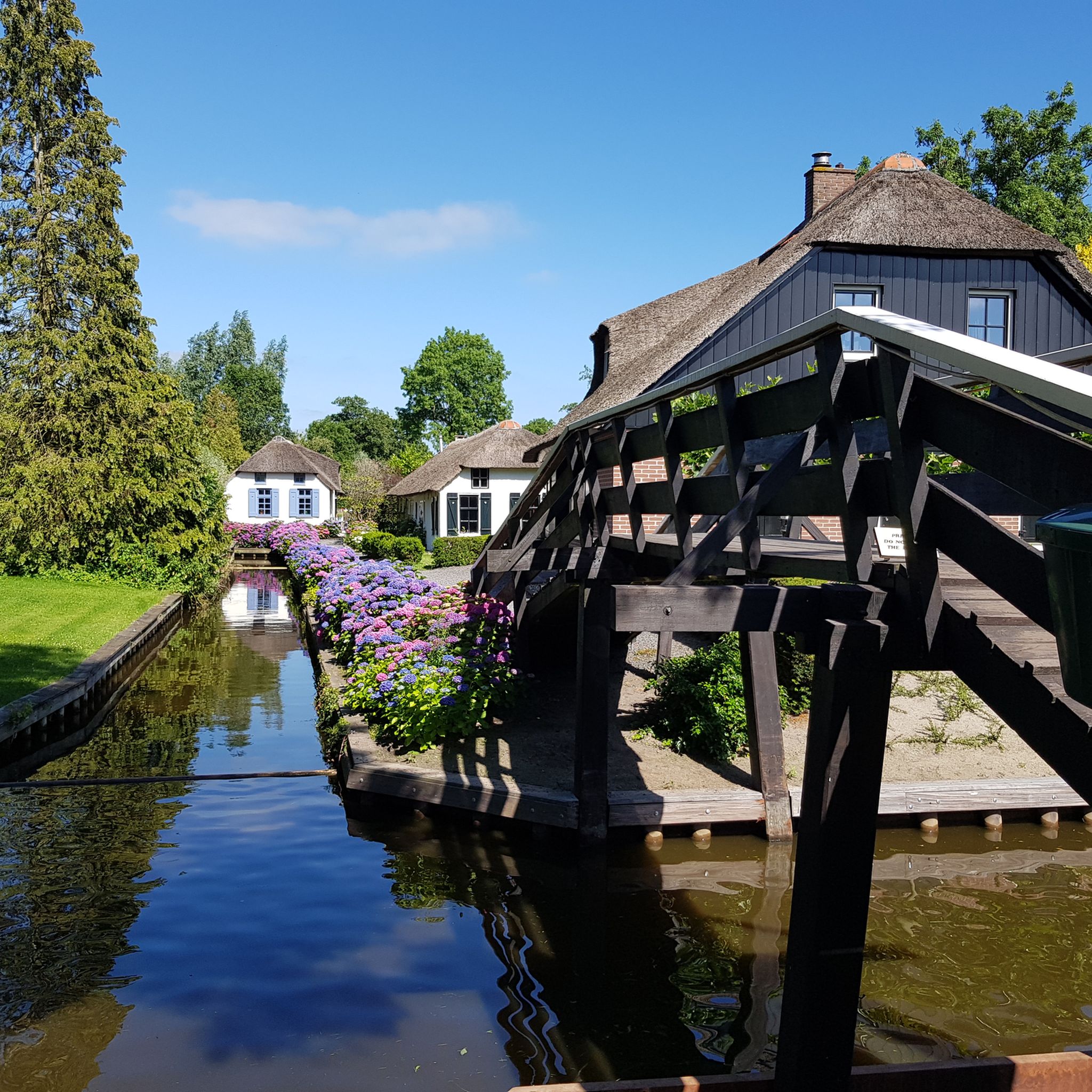
Cycling around Meppel
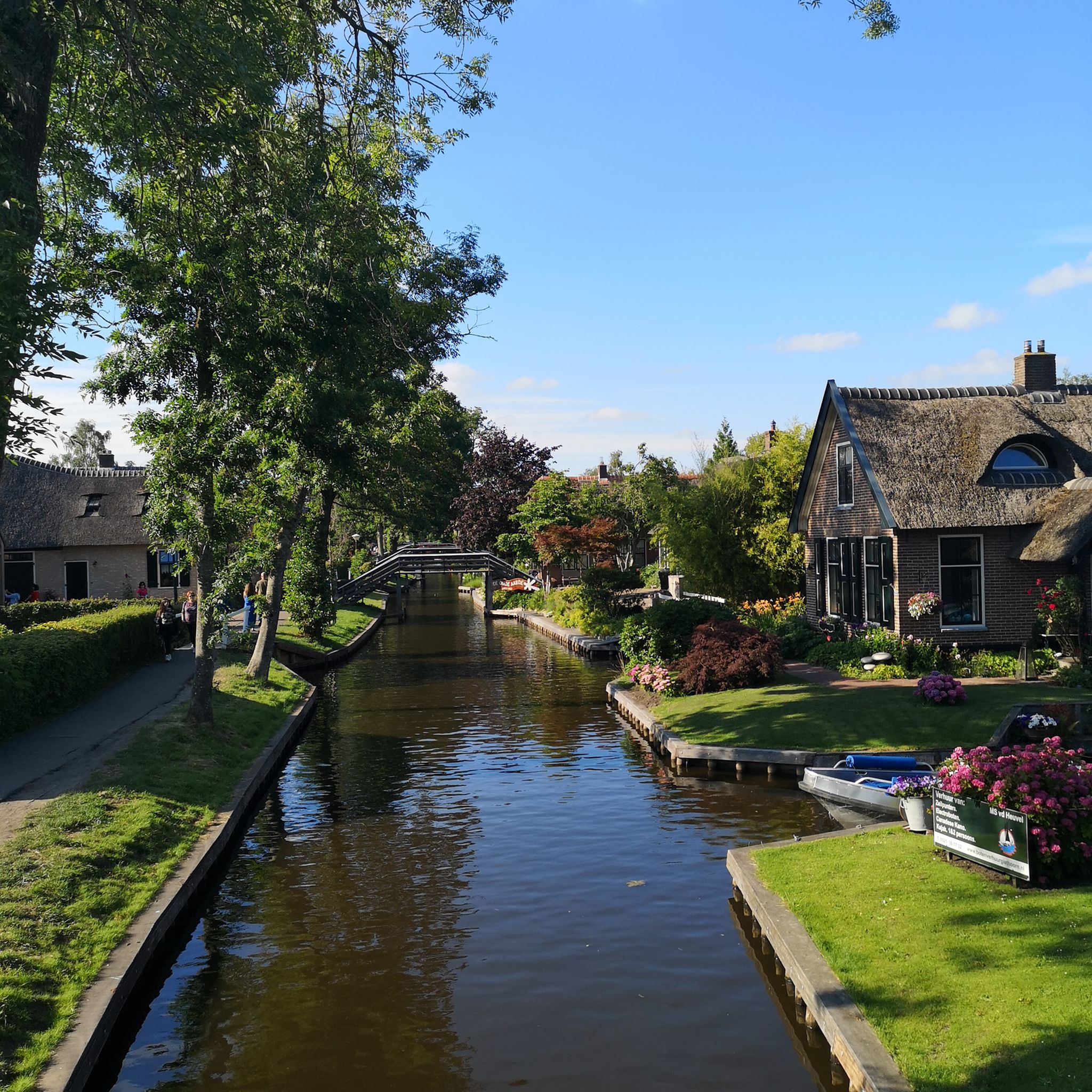
Hiking around Meppel
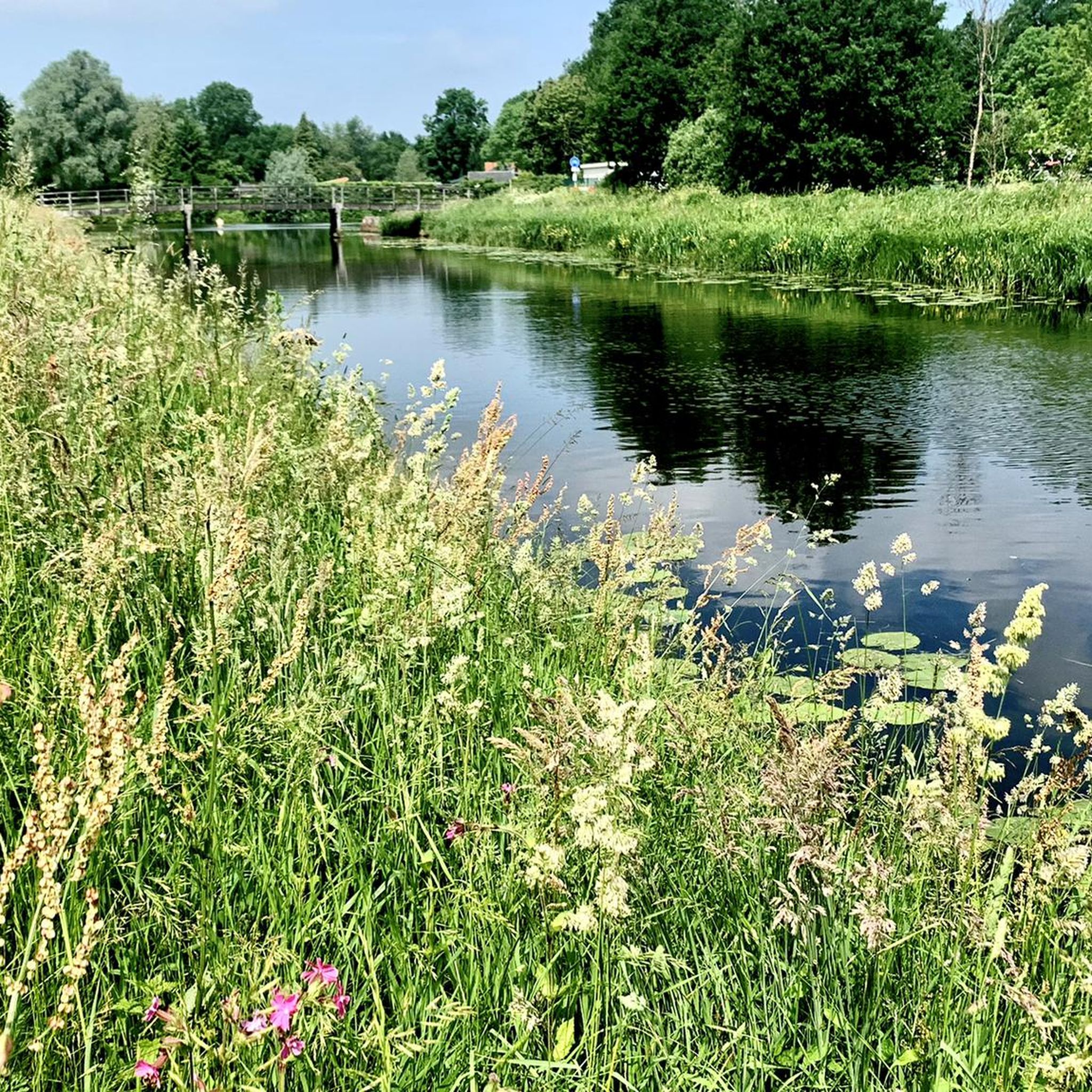
Running Trails around Meppel
MTB Trails around Meppel

Gravel biking around Meppel
Other adventures around Meppel


Tips from the Community

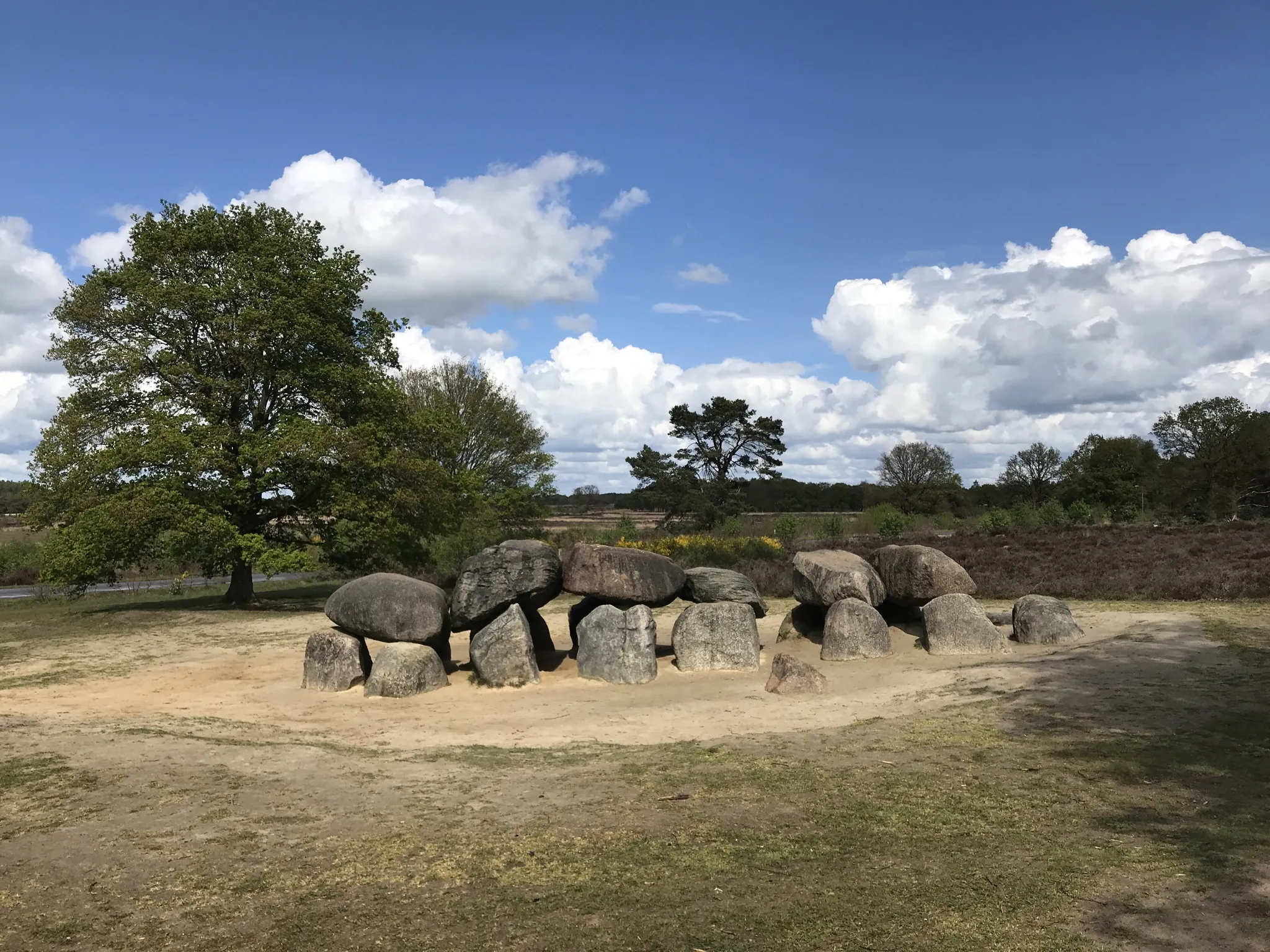
The second-largest dolmen in the Netherlands can be found in Havelte. Dolmen D53 is the only dolmen damaged during the war. The German air force wanted to build an airfield at this location, so the stones were moved. The airfield was bombed to pieces, and the dolmen was excavated and reassembled. The dolmen is approximately 18 meters long, almost complete, and lies on the edge of a heathland. Along with dolmens D54 and D52, it is one of the few in this part of Drenthe. Dolmen D54 is slightly smaller than D53. It lies in the middle of a small sandy plain surrounded by grass. It is a beautiful walking area around these dolmens, as the small sandy plain is surrounded by heathland, small forests, and meadows. Dolmen D53 and D54 are a must-see on your dolmen tour because they are complete, well-maintained, and impressive. If you're coming from Havelte, you can follow the main road, which will take you past a side road. If you take this, the dolmen is almost immediately on your left. Continue driving a little further, and you'll find dolmen D54. Source: https://www.drenthe.nl/locaties/1800662783/hunebed-d53-en-d54-1
1
0
At the end of World War II, several Allied bombings were carried out over the German military airfield on Havelterberg. The numerous bomb craters, visible in the landscape as "round pools," are silent witnesses to this turbulent period. Source: https://www.drenthe.nl/locaties/4065299428/bomkrater
1
0

Throughout the field you will encounter several bomb craters from when the Allies bombed the Germans here in WWII. Both "wet" and "dry" bomb craters are present that are now an important place for frogs and salamanders.
1
0

Dolmen D53 is the third largest dolmen in the Netherlands, measuring about 18 meters long. The dolmen is almost complete and is beautifully situated on the edge of the heath. However, it was taken apart by the German air force during the Second World War to make room for an airfield. Fortunately, there were drawings and the dolmen was reassembled after the war. D53 is located next to the smaller dolmen D54.
1
0
Dolmen D53 is the third largest dolmen in the Netherlands, measuring about 18 meters long. The dolmen is almost complete and is located on the edge of a heathland. However, it was taken apart by the German air force during the Second World War to make room for an airfield. Fortunately, there were drawings and the dolmen was reassembled after the war. D53 is located next to the smaller dolmen D54.
1
0
Hunebed D54 has six capstones, four of which rest completely on the supporting stones. The easternmost capstone is missing, as is the keystone below it. However, all fourteen sidestones are present, and there is still one gate sidestone to be found. The hunebed is beautifully situated next to the Havelterberg heathland. The larger hunebed D53 is 150 metres away.
1
0
Hunebed D53 is located on the Hunestromenweg near Havelte. With a length of almost 18 meters, this is one of the largest dolmens in the Netherlands, only dolmen D27 located a little further away in Borger is larger. On the side of the road is the smaller dolmen D54. Today the dolmen has 21 side stones, 4 keystones and 9 covering stones, which have rested on the supporting stones since a restoration in 1991. Originally it would have consisted of more than 40 stones. During excavations in 1918, many pottery shards were found, from which many hundreds (some researchers say more than 600) pots could be traced back. This made it the largest find ever in a dolmen in Drenthe. In addition, three flint axes, an arrowhead, a hammer axe, three beads of jet and one of amber were found.
1
0

D53 was removed by the Germans during the Second World War and the stones were thrown into a pit. This in the context of the construction of an airport. Thanks to previous research by Professor van Giffen, the dolmen has been replaced. It is said that the dolmen has lost its soul. It is certainly busier around the dolmens at the weekend, but walk further into the grounds and you will hardly encounter anyone.
1
0
Frequently Asked Questions
What kind of natural landscapes can I expect to see around Meppel?
The region around Meppel offers a diverse range of natural landscapes. You can explore centuries-old stream valleys like the Reestdal with its hay meadows and forests, expansive wet heathlands at Nationaal Park Dwingelderveld, and intricate wetland areas with reed beds and peat bogs in Weerribben-Wieden National Park. Within Meppel itself, you'll find charming urban green spaces like Wilhelminapark.
Where can I find ancient dolmens near Meppel?
You can find significant ancient dolmens near Meppel, notably Dolmen D53 and Dolmen D54. Dolmen D53 is the third largest dolmen in the Netherlands, beautifully situated on the edge of the heath. Dolmen D54, with its six capstones, is located nearby on the Havelterberg heathland, offering a glimpse into prehistoric times.
What is the historical significance of the Bomb Craters on the Havelteberg?
The Bomb Craters on the Havelteberg are a unique historical natural monument. During World War II, the Allies bombed an airfield built by the Germans in this area. The resulting bomb craters are still visible today within the Holtingerveld nature reserve, which features heathland and dolmens, offering a poignant reminder of the past amidst a primeval landscape.
Are there family-friendly natural sites around Meppel?
Yes, several natural sites around Meppel are suitable for families. Both Dolmen D53 and Dolmen D54 are considered family-friendly historical sites. The Dickninge Estate Waterways also offer a pleasant setting for families, and the Faliebergbos is a recreational walking forest with paths suitable for all ages.
What outdoor activities can I do near these natural monuments?
The natural areas around Meppel are excellent for various outdoor activities. You can enjoy extensive hiking and cycling routes through varied terrain in the Reestdal, Dwingelderveld, and Weerribben-Wieden National Parks. Weerribben-Wieden is particularly suited for water-based activities like boating, canoeing, and paddleboarding. For cycling, you can explore routes like the 'Holtingerveld Nature Reserve – Dolmen D53 loop' or the 'Zwartsluis – Giethoorn Canals loop'. You can find more inspiration for cycling routes in the Cycling around Meppel guide.
What is the best season to visit the natural monuments around Meppel?
The best season depends on your interests. Spring and summer are ideal for enjoying the vibrant blooms in the Reestdal's hay meadows and for water-based activities in Weerribben-Wieden. The vast, open spaces of Dwingelderveld National Park are refreshing in warmer months. Autumn offers beautiful foliage in forested areas like Faliebergbos. Even in winter, the landscapes can be serene, though some paths might be tougher to navigate.
What wildlife can I expect to see in the natural areas around Meppel?
The region is rich in wildlife. In the Reestdal, you might spot badgers, roe deer, and storks. Nationaal Park Dwingelderveld is home to flocks of sheep, wild deer, and various rare bird species. Weerribben-Wieden National Park boasts a rich diversity of flora and fauna, including many water birds and rare butterflies. In the Faliebergbos, you might see squirrels, deer, and bird species like the Black Woodpecker.
Are there good hiking trails near the natural monuments?
Yes, there are numerous hiking opportunities. The Holtingerveld, where the dolmens and bomb craters are located, is a beautiful walking area with heathland. The Reestdal offers walking routes through forests, heathlands, and small fens. Dwingelderveld National Park is ideal for extensive hikes across its vast heathlands. You can find more hiking inspiration in the Natural Monuments around Meppel guide.
Can I go cycling near the natural monuments?
Absolutely. The region around Meppel is very cyclist-friendly. You can find dedicated routes for road cycling, gravel biking, and general touring. For example, the 'Holtingerveld Nature Reserve – Dolmen D53 loop' is a popular cycling route. Explore more options in the Road Cycling Routes around Meppel, Gravel biking around Meppel, and Cycling around Meppel guides.
What is the Wilhelminapark in Meppel?
Wilhelminapark is Meppel's oldest park, designed in 1914. While not a natural monument in the geological sense, it's a significant urban green space. It features a pond, a deer park, a rose garden, and several monuments. It's a pleasant setting for leisurely walks and enjoying urban greenery. You can learn more about its history on Wikipedia.
Are there any notable forests to explore near Meppel?
Yes, the Faliebergbos is a notable forest near Meppel, covering nearly 30 hectares. It's a recreational walking forest with diverse tree species like spruce, pine, beech, and oak, and a strong undergrowth of holly. It's known for special plant and mushroom species, and you might spot birds, squirrels, and even deer. There's also a small open-air theater within the forest.
What makes the Reestdal unique among natural areas?
The Reestdal is unique for its centuries-old, unspoiled small-scale landscape, forming a natural border between Drenthe and Overijssel. Its slow-flowing Reest River maintains a natural, winding course, which is rare in the Netherlands. The area features hay meadows, heathlands, forests, and monumental farms, preserving a historical agricultural landscape. It's also rich in flora and fauna, including rare plants and various wildlife, making it feel like a step back in time.
Most popular attractions around Meppel

Get inspired with the komoot mobile app


Explore more
Extend your search for the best caves by checking out these guides of the top ones around Meppel:
