Top 19 Natural Monuments around Ameland
Best natural monuments around Ameland showcase the island's diverse natural landscapes, shaped by its unique position between the Wadden Sea and the North Sea. This Dutch Wadden Island features a variety of ecosystems, including extensive dunes, wide beaches, biodiverse salt marshes, and flat polder landscapes. These areas offer opportunities for outdoor activities like hiking and cycling, with over 90 kilometers of bike paths and numerous trails. The blend of these natural features creates a dynamic environment supporting a rich array…
Last updated: May 9, 2026
View of the Ballumerblinkert Dune on Ameland
Highlight • Viewpoint
Translated by Google •
Tip by

Duck Pond Hollum
Highlight • Lake
Translated by Google •
Tip by

Sign up now to discover places like this
Get recommendations on the best single tracks, peaks, & plenty of other exciting outdoor places.
Sign up for free
Monument for the Drowned Horses
Highlight • Monument
Translated by Google •
Tip by

Noard-Fryslân Bûtendyks Nature Reserve
Highlight • Natural Monument
Translated by Google •
Tip by

Paardengraf Memorial (1979 Rescue Boat Tragedy)
Highlight • Monument
Translated by Google •
Tip by

Sign up for free to discover even more natural monuments around Ameland.
Sign up for free
Already have an account?
Start today with a free account
Your next adventure awaits.
Login or Signup
Popular around Ameland
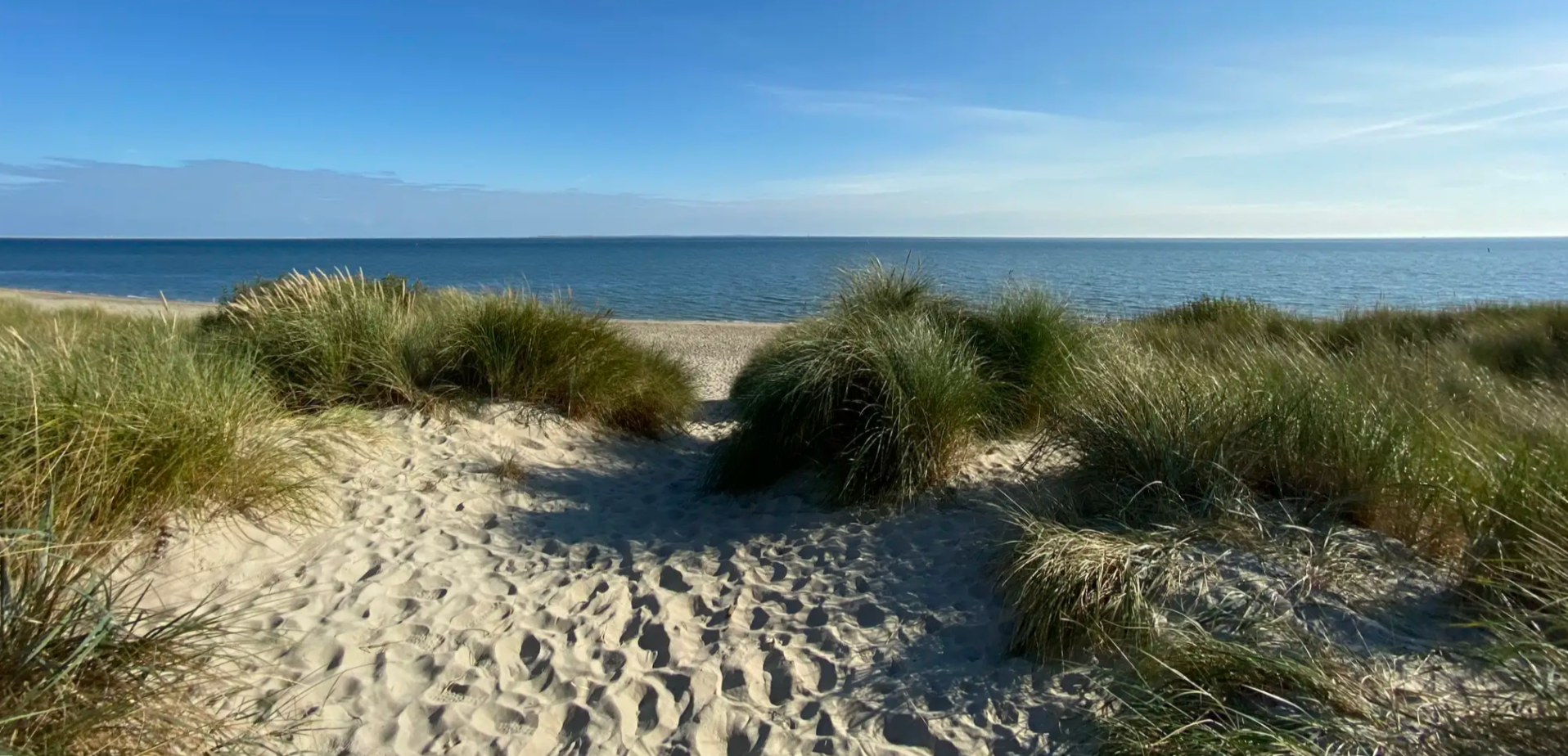
Regional Trail WaddenWalking (SP 04) - Hiking across the Wadden Sea.
Glamping Adventures on Foot
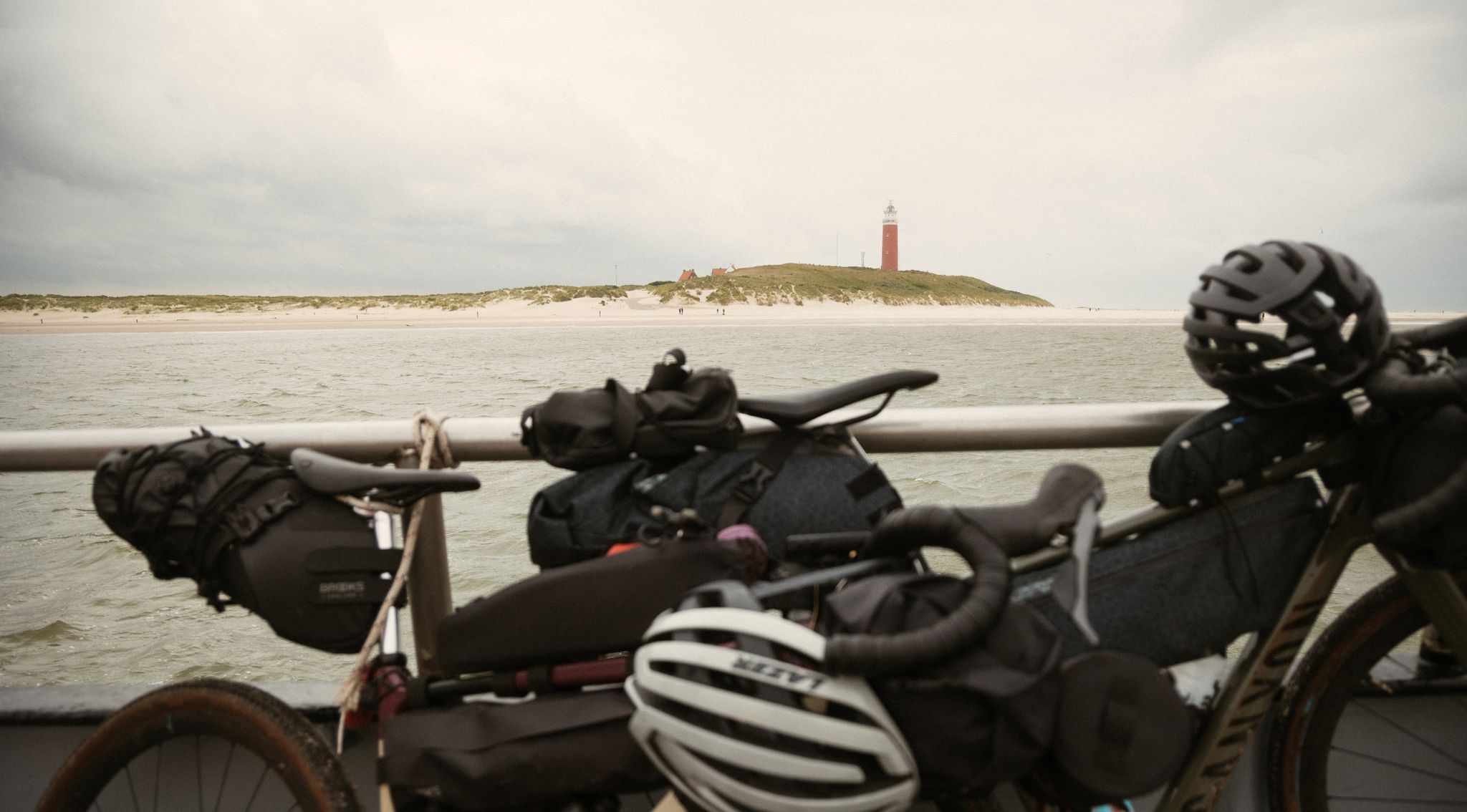
WADDENHOPPEN – bikepacking from Texel to Schier
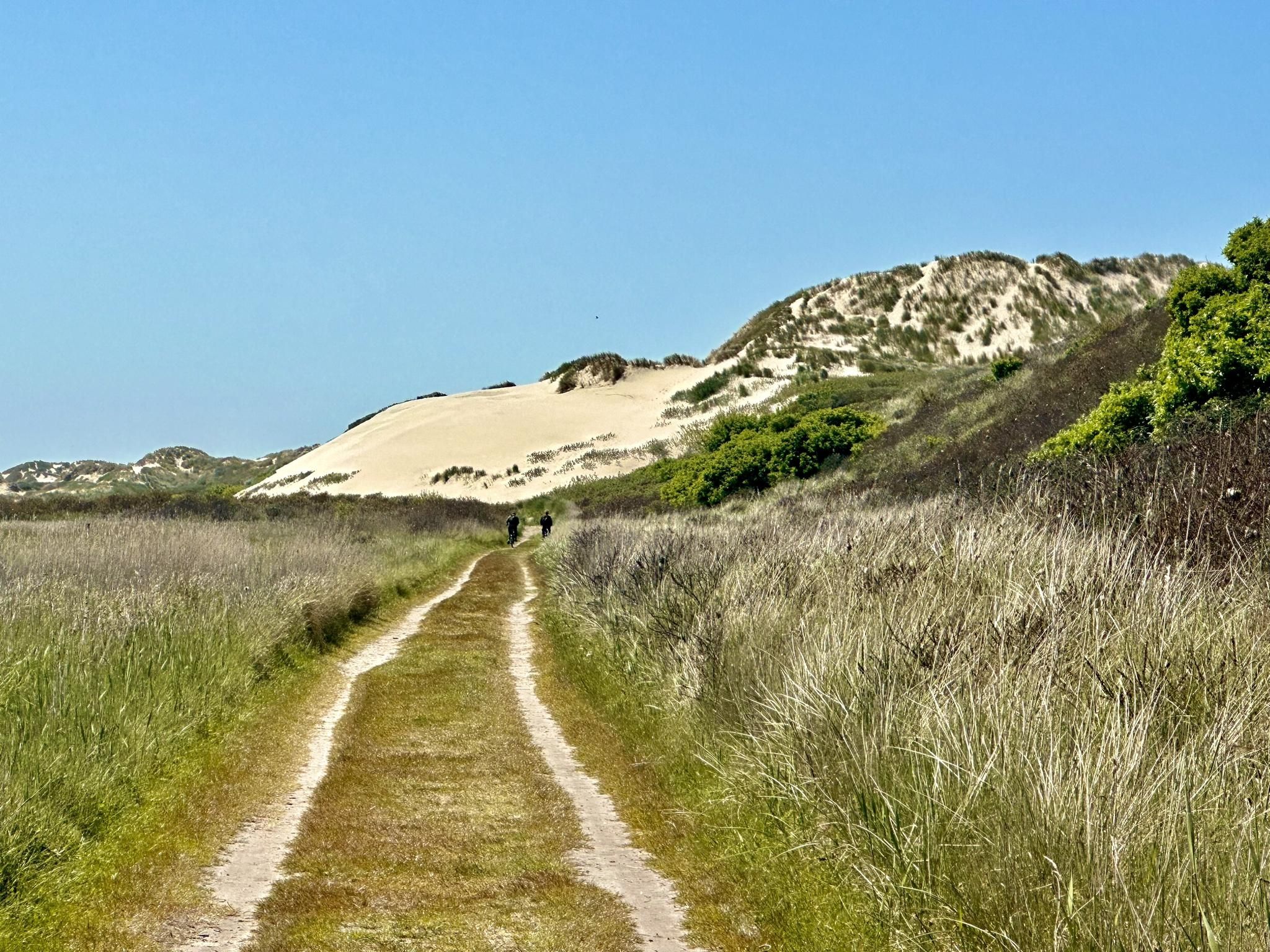
Smulling in the beach tent all year round - 5x walking on the Wadden
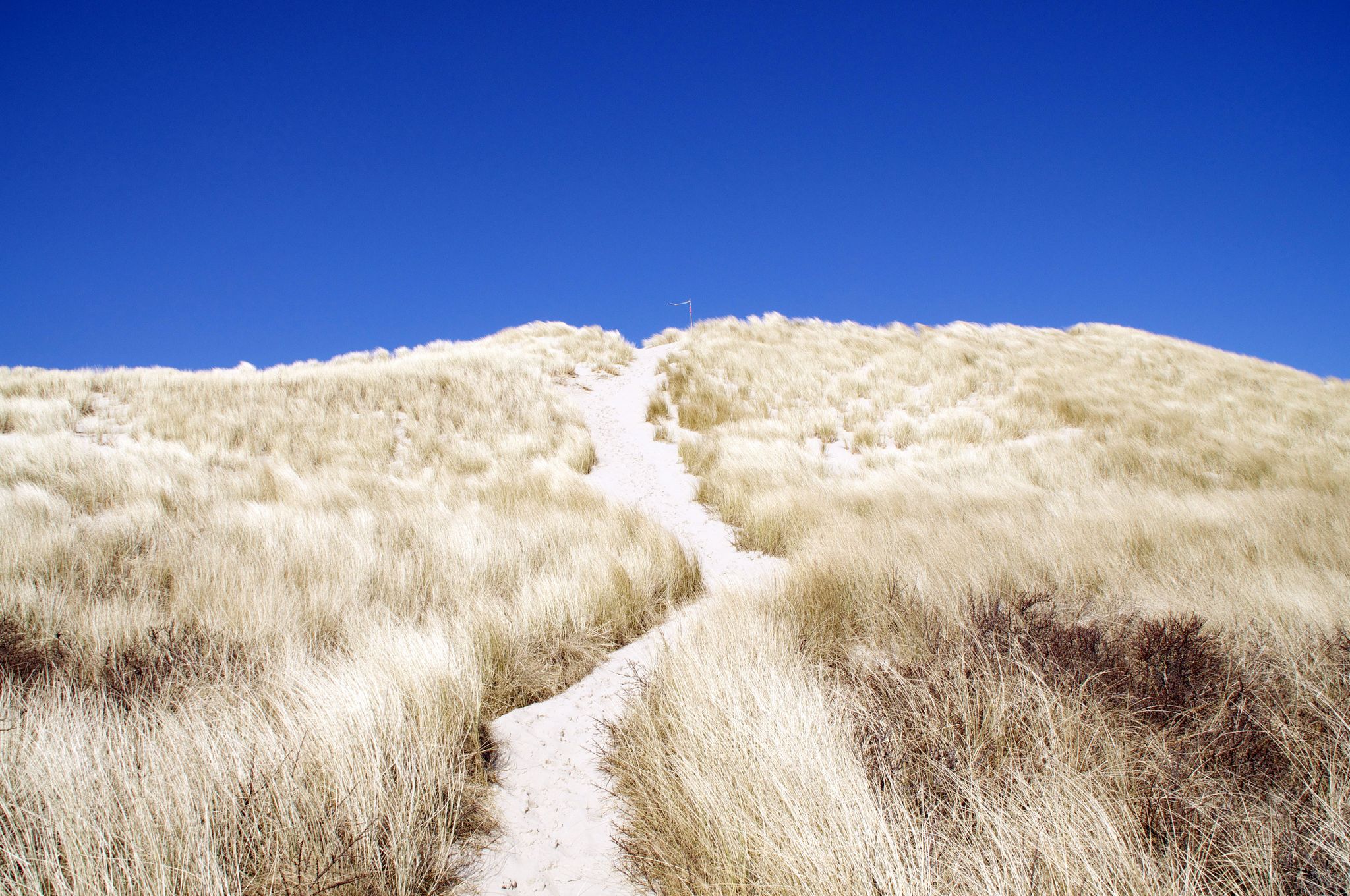
Birds, lighthouses and fish restaurants – trail runs on the Wadden Islands
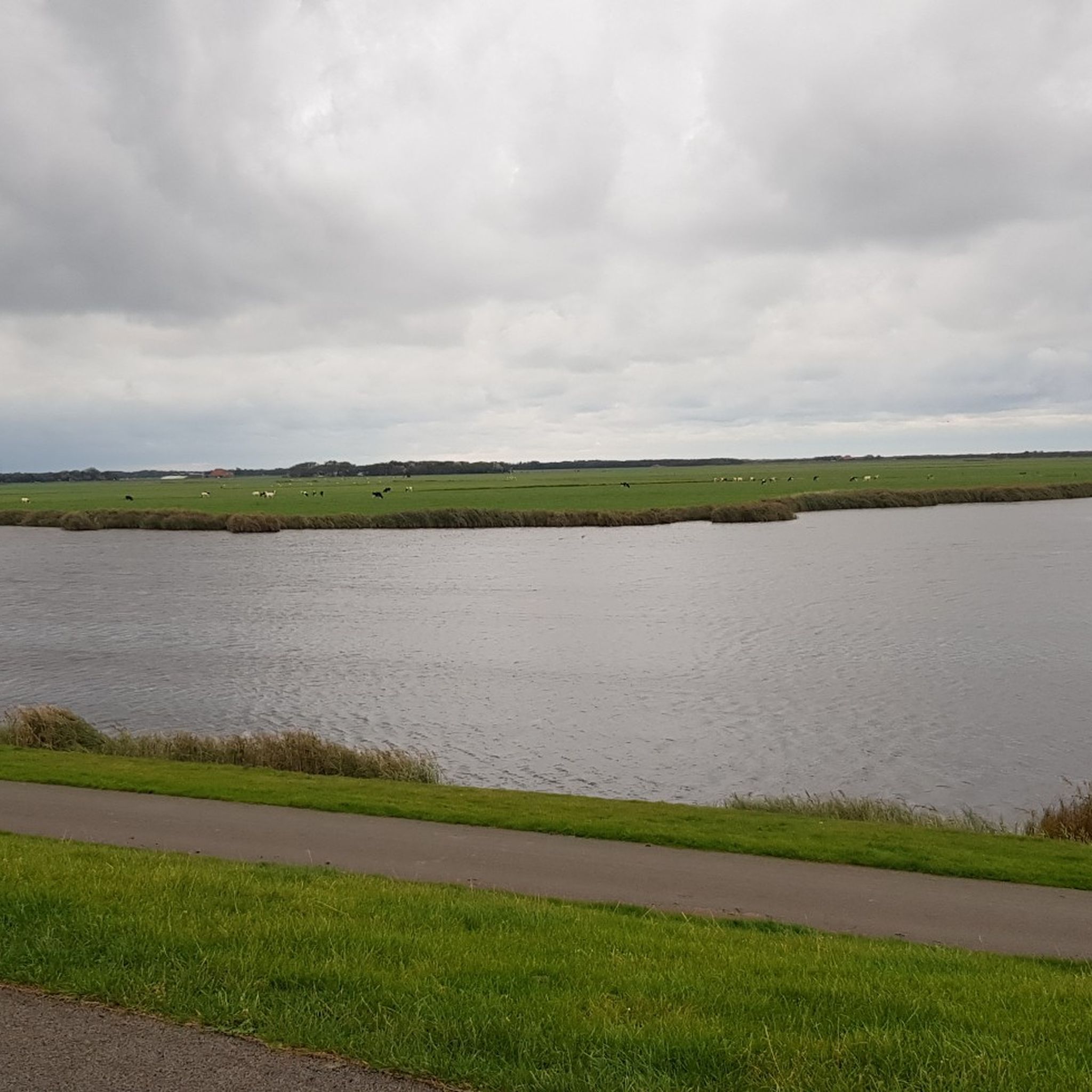
Cycling around Ameland
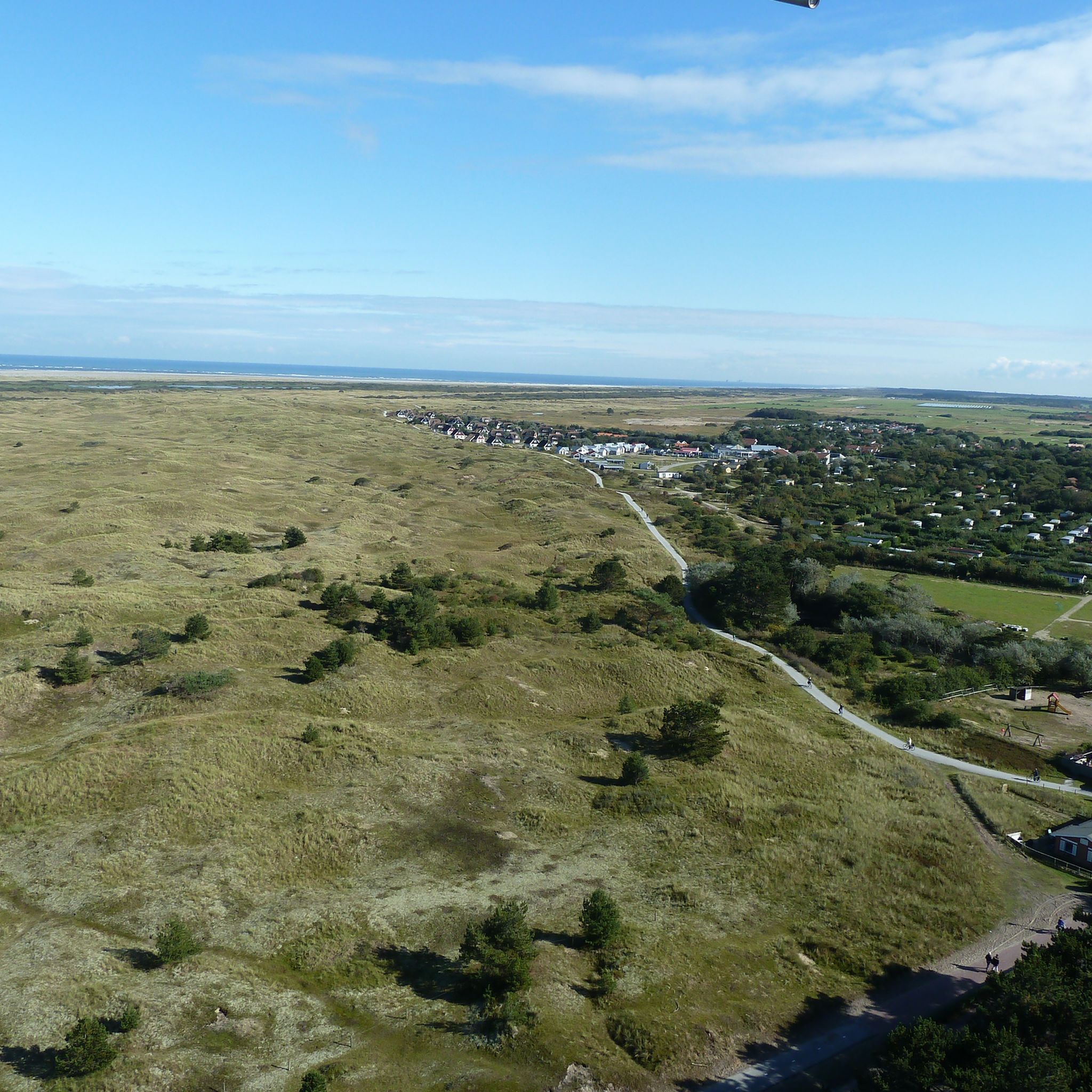
Hiking around Ameland
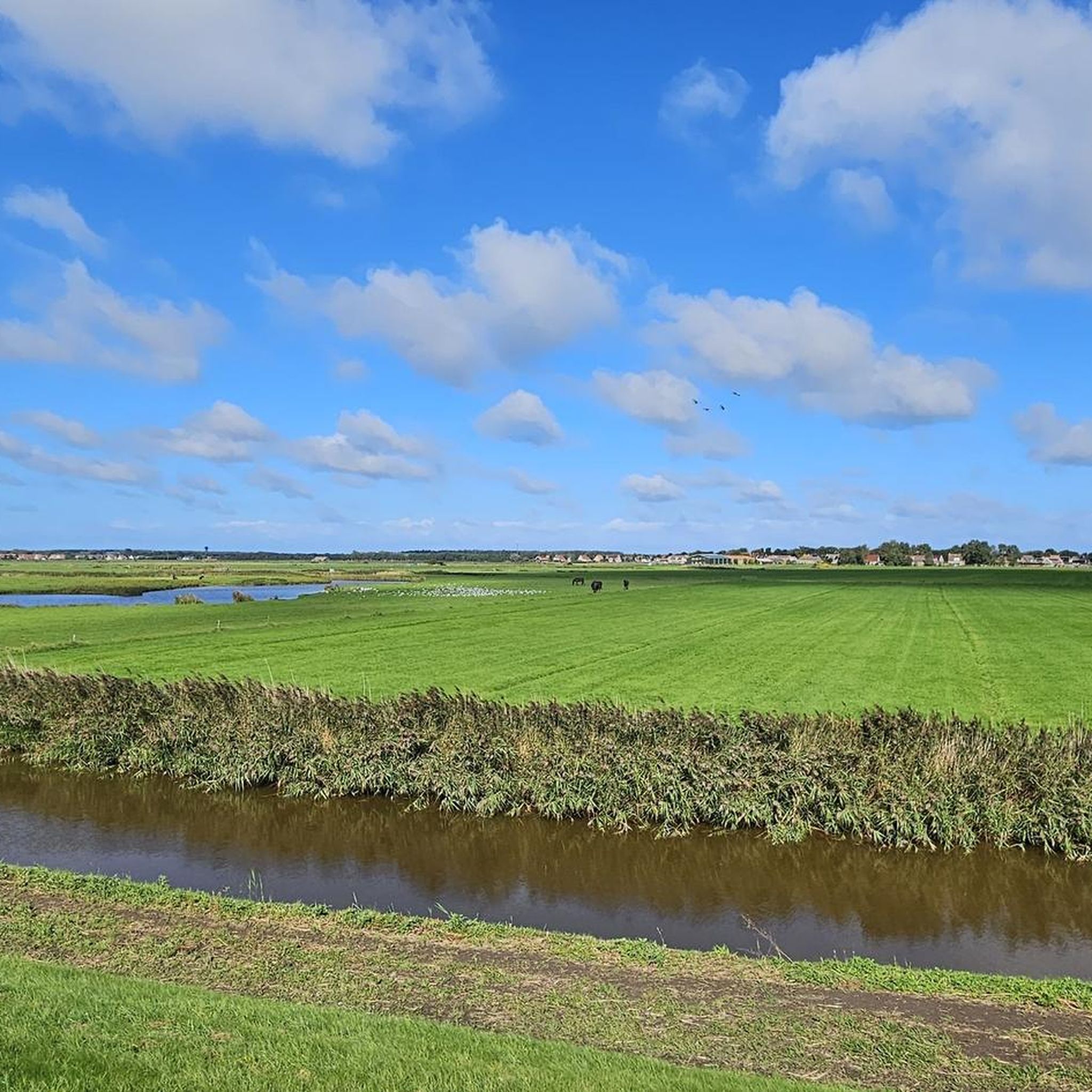
Running Trails around Ameland
MTB Trails around Ameland
Road Cycling Routes around Ameland
Other adventures around Ameland


Tips from the Community


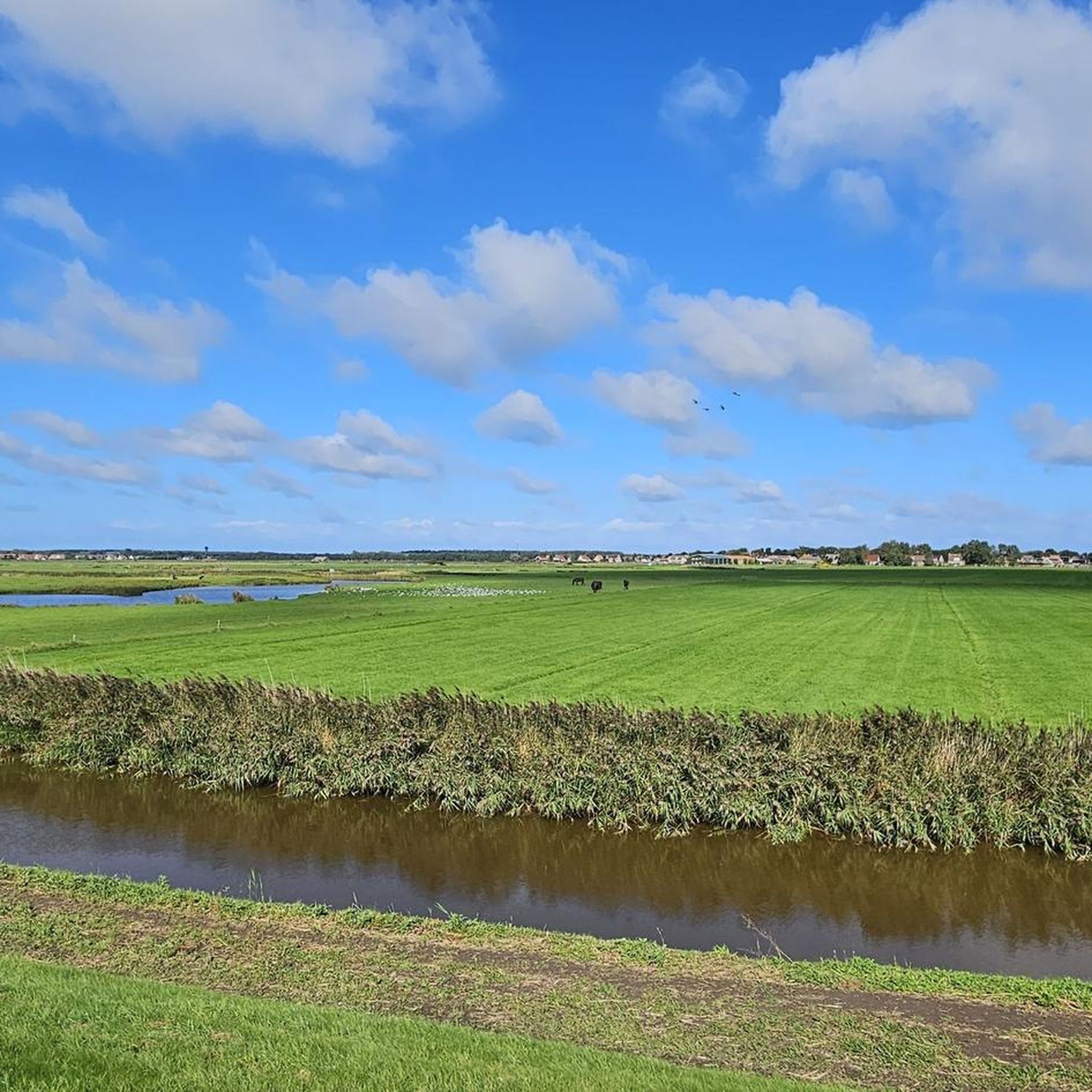
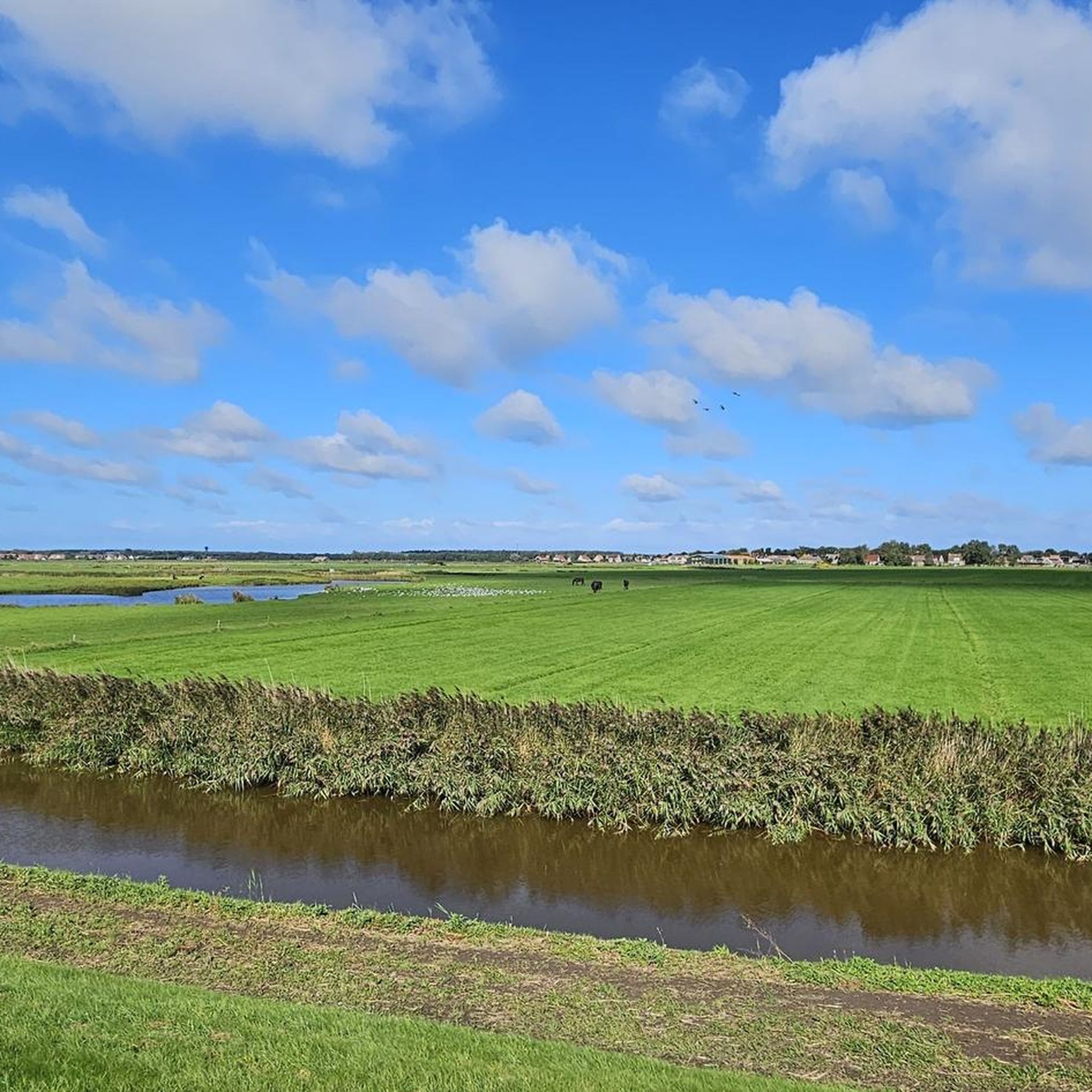
Peace, vastness, and rugged nature are paramount here. The nature reserve is part of the Wadden Sea World Heritage Site and covers over 4,200 hectares. Enjoy the green summer polders, colorful salt marshes, and muddy mudflats, or visit the Terp fan de Takomst (Terp of the Future).
5
0

Only a few horses have been honored with a monument for their faithful service to humanity.
2
0

North Fryslân Bûtendyks (language: Frisian) is a nature reserve in the Dutch province of Friesland, located in the municipalities of Waadhoeke and Northeast Friesland. North Fryslân Bûtendyks is located in the area of simmering polders with drinking water, salt marshes, and salt marsh wormwood. Every year, more than a million birds come here to seek food and rest. Not only the countless wading birds are worth seeing, but also the unique salt marsh plants. In spring, you can see fresh green samphire in the mudflats, and in autumn, flowering salt marsh plants turn the salt marshes red. The nature reserve is part of the Wadden Sea World Heritage Site.
1
0

The animals are named after the people who found them, e.g. Elton's pheasant. The chickens, ducks and pheasants have new wooden shelters with small bushes for protection. The peacocks run around freely.
2
0

Beautiful monument near the beach
3
0

On August 14, 1979, the rescue boat Mr. Adriaan de Bruine provided assistance to the German yacht Windspiel 4 in distress. When launching the horse rescue boat into the sea, the cart slid into a deep channel. The eight horses could not be disconnected from the chassis in time and drowned. It was about five to nine in the evening. The crew of the Windspiel 4 was rescued. The rescuers were unaware of the tragedy that had occurred during the launch. Wikipedia.
0
1
August 14, 1979 is known as a disaster day on Ameland. On that day, 8 horses tied to the lifeboat drowned. When launching the lifeboat into the sea, the horses are normally disconnected from the undercarriage. However, due to a combination of circumstances, the horses could not be freed and were pulled to death by ten thousand kilos of weight. A big shock for all residents of the island. However, shortly after this accident it was decided to continue this tradition and five new horses were purchased. After a short training period, the lifeboat was pulled into the sea in the usual manner. The drowned horses are buried on the east side of the Lifeboat Path. A memorial stone on the much-visited grave commemorates the tragedy.
4
0
Frequently Asked Questions
What unique natural features can I expect to see on Ameland?
Ameland, situated between the Wadden Sea and the North Sea, boasts a diverse range of natural features. You'll find extensive dunes, wide beaches, biodiverse salt marshes, and flat polder landscapes. These areas create a constantly changing natural spectacle, supporting a rich array of flora and fauna.
Are there specific viewpoints to experience Ameland's nature?
Yes, one of the most popular natural monuments is the View of the Ballumerblinkert Dune on Ameland, which offers varied landscapes and excellent hiking opportunities. The Bornrif lighthouse is also beautifully situated amidst these dunes, providing a scenic landmark.
What kind of wildlife can I spot in Ameland's nature reserves?
Ameland is a paradise for wildlife observation, especially birds. In the dunes, you might see sparrowhawks, buzzards, crows, bluethroats, and pheasants. The salt marshes are crucial refuges for thousands of birds like oystercatchers, dunlins, curlews, and eiders. Polders are home to wild and barnacle geese, as well as waders like black-tailed godwits. The Wadden Sea is ideal for spotting seals and millions of birds feeding at low tide.
Are there good hiking or walking trails near the natural monuments?
Absolutely. Ameland offers attractive hiking and equestrian trails crisscrossing the island. For example, you can explore the dunes and reed marshes, or take a walk through the Noard-Fryslân Bûtendyks Nature Reserve. Many trails are available, including those found in the Hiking around Ameland guide.
Can I cycle around the natural monuments on Ameland?
Yes, Ameland is a cyclist's paradise with over 90 kilometers of bike paths that allow you to explore all types of landscapes in a short time. You can find various routes, including gravel biking options, in the Gravel biking around Ameland guide.
When is the best time to visit Ameland's natural monuments?
The best time depends on what you wish to see. In spring, you can observe orchids blooming in the wet dune valleys and fresh green samphire in the mudflats. Late summer brings blue marsh gentians, and autumn features sea buckthorn with bright orange berries. Birdwatching is excellent year-round, with millions of migratory birds in the Wadden Sea, especially during spring and autumn migration periods.
Are there family-friendly options for exploring Ameland's nature?
Many natural areas on Ameland are suitable for families. The Duck Pond Hollum is a great spot to observe local wildlife, including special duck species and pheasants, and is surrounded by forest. The extensive beaches and dunes also offer plenty of space for family activities.
Are there any historical sites related to Ameland's natural environment?
Yes, the island has poignant historical sites. The Monument for the Drowned Horses and the Paardengraf Memorial (1979 Rescue Boat Tragedy) commemorate a tragic event where eight horses drowned during a lifeboat rescue operation. These monuments are located near the dunes and offer a glimpse into Ameland's maritime history and the role of horses in rescue efforts.
Can I bring my dog to Ameland's natural areas?
While many areas are dog-friendly, it's important to keep dogs on a leash in certain natural reserves, especially where young birds are present, such as around the Duck Pond Hollum. Always check local signage for specific regulations in nature reserves and protected areas to ensure wildlife is not disturbed.
What do visitors enjoy most about Ameland's natural monuments?
Visitors frequently praise Ameland for its beautiful island scenery, surprising diversity of nature, and excellent bike paths through stunning landscapes. The peace, vastness, and rugged nature of areas like the Noard-Fryslân Bûtendyks Nature Reserve are particularly appreciated, as are the opportunities for birdwatching and enjoying the beach.
What is the difficulty level of trails around Ameland's natural monuments?
Ameland offers a range of trail difficulties. You can find easy walks, such as the ''t Oerd Nature Reserve – Beacon of 't Oerd loop' (5.5 km), or more challenging routes like the 'Burenblinkert Viewpoint – 't Oerd Nature Reserve loop' (20 km). Many trails are moderate, allowing for varied experiences depending on your preference. Details can be found in the Hiking around Ameland guide.
Are there any lesser-known natural spots worth visiting on Ameland?
Beyond the well-known dunes and beaches, exploring the wet dune valleys can reveal hidden gems, especially in spring when orchids bloom, or in late summer for marsh gentians. The polder landscapes, while flat, are incredibly rich in birdlife and offer a different perspective of Ameland's natural beauty away from the main tourist paths.
Most popular routes around Ameland
Most popular attractions around Ameland

Get inspired with the komoot mobile app


Explore more
Extend your search for the best caves by checking out these guides of the top ones around Ameland:
