Top 8 Natural Monuments around Het Bildt
Best natural monuments around Het Bildt showcase a distinctive polder landscape, reclaimed from the sea and characterized by straight lines and fertile clay soil. This region is defined by its close proximity to the UNESCO World Heritage Wadden Sea, offering a unique interaction between land and sea. The area features coastal elements, dikes, and vast open spaces shaped by centuries of human ingenuity and natural processes. It provides a tranquil environment for exploring the natural and cultural history of the…
Last updated: July 6, 2026
Wadden Sea
Highlight • Natural
Translated by Google •
Tip by

Noard-Fryslân Bûtendyks Nature Reserve
Highlight • Natural Monument
Translated by Google •
Tip by

Sign up now to discover places like this
Get recommendations on the best single tracks, peaks, & plenty of other exciting outdoor places.
Sign up for free
Love – 11fountains
Highlight • Monument
Translated by Google •
Tip by

The Oort Cloud – 11fountains
Highlight • Monument
Translated by Google •
Tip by
Salt marshes of the Wadden Sea
Highlight • Natural
Translated by Google •
Tip by

Sign up for free to discover even more natural monuments around Het Bildt.
Sign up for free
Already have an account?
Start today with a free account
Your next adventure awaits.
Login or Signup
Other adventures around Het Bildt

Tips from the Community

One of the 11 fountains. Every 11 cities has one.
1
1

The fountain is a tribute to the world-famous, Franeker-born astronomer Jan Hendrik Oort. His hypothesis that a 'cloud' of billions of comet-like objects orbits our solar system represented a breakthrough in astronomy. The fountain is constructed as a series of waterfalls cascading from a bowl into the basin along a vertical chain of dark pearls. One of the pearls is silver, like the moon, another is gilded, the color of the sun. The 'Oort cloud' itself is a mist of fine droplets falling from a golden latticework into the bowl.
2
0

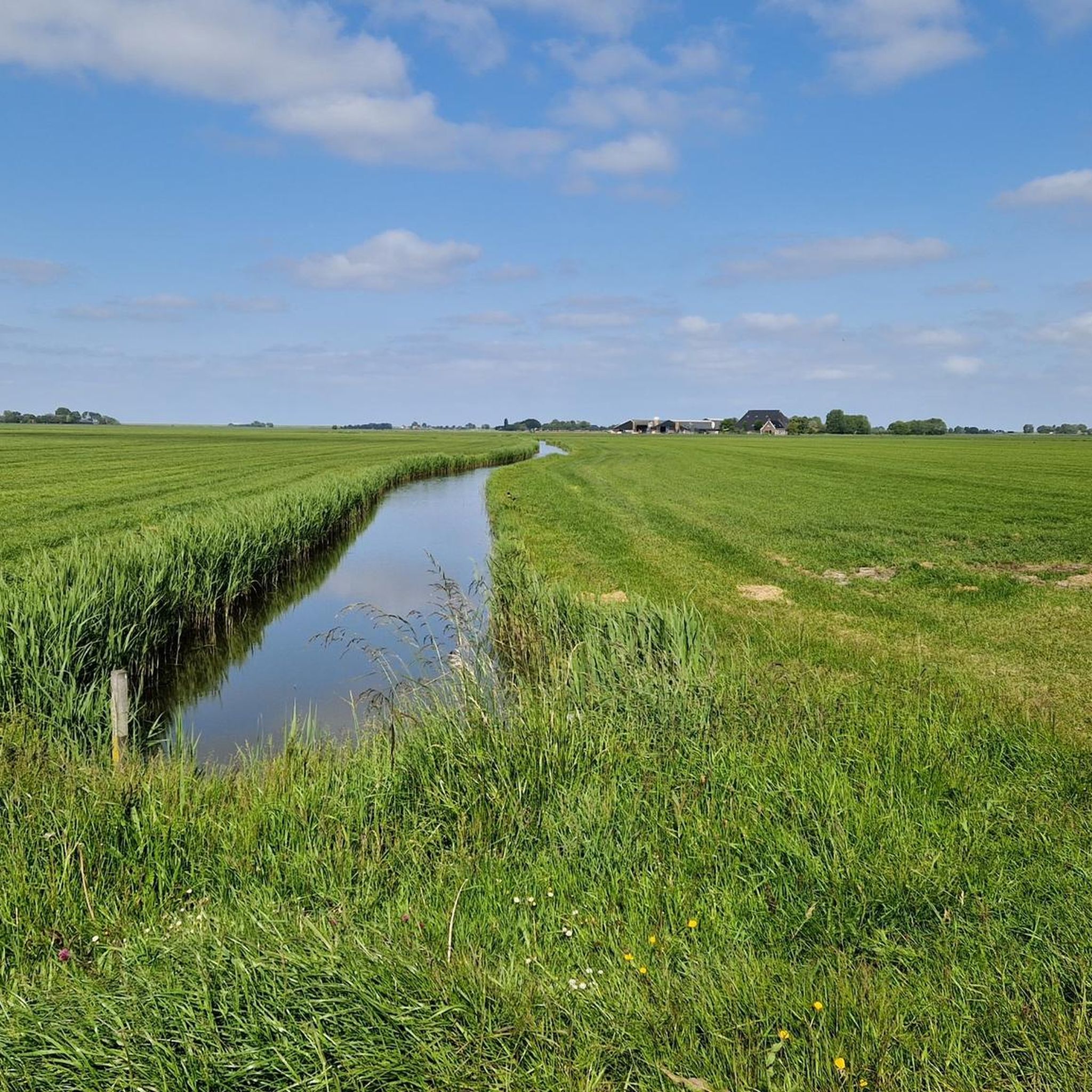
Peace, vastness, and rugged nature are paramount here. The nature reserve is part of the Wadden Sea World Heritage Site and covers over 4,200 hectares. Enjoy the green summer polders, colorful salt marshes, and muddy mudflats, or visit the Terp fan de Takomst (Terp of the Future).
5
0
The Love fountain in Leeuwarden is located directly in front of the train station and is therefore easy to find. The two very tall, white sculptures are interesting to look at. Unfortunately, during our visit, only the ground was very lightly covered with mist. There was no sign of the 2-meter-high fog bank, and therefore the mystical effect was somewhat lacking.
4
0

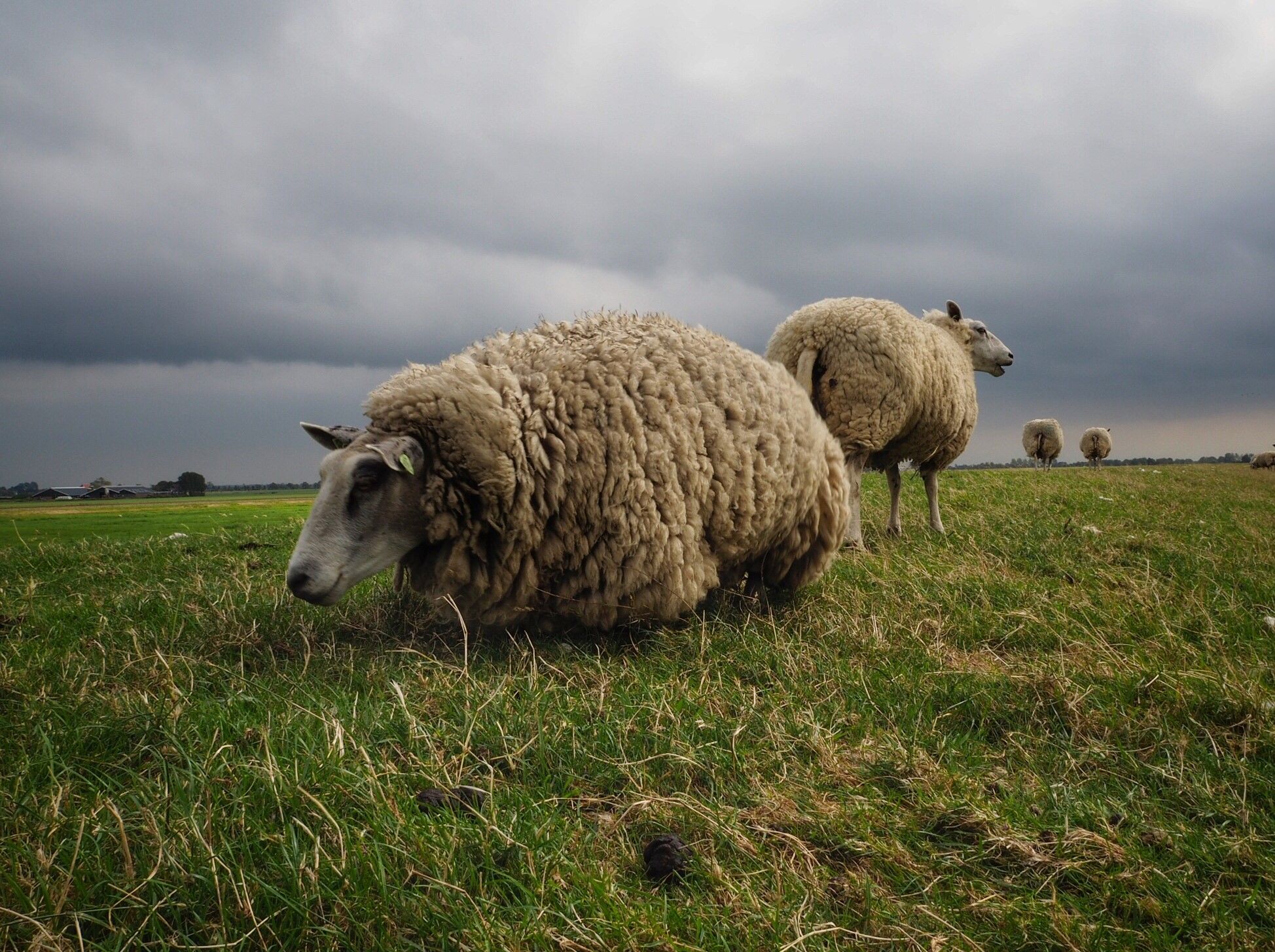
The Wadden Sea (Frisian: Waadsee, German: Wattenmeer) is a marginal sea between the Wadden Islands and the North Sea on one side and the mainland of the Netherlands, Germany and Denmark on the other. The area stretches between Den Helder in the Netherlands and Esbjerg in Denmark, has a length of 500 km and an average width of 20 km. The area is about 10,000 km², of which about 7,500 km² are tidal areas (mudflats and sandbanks), 1,100 km² are islands and 350 km² are salt marshes and summer polders. The rest consists of shipping canals. Several rivers flow into the Wadden Sea. The estuary expanded into an estuary such as the Dollart, the Lauwerszee, the Middelzee and the Zuiderzee. The Wadden Sea has great natural value and is on the UNESCO World Heritage List. The World Heritage covers more than 12,000 km², including the transition area to the North Sea (approx. 4,000 km²). The Wadden Islands of the Netherlands and Schleswig-Holstein and the estuaries of the Ems, Outer Jade, Weser and Elbe are largely excluded. However, these areas mostly fall under the Natura 2000 regime. The protection measures are coordinated by the International Wadden Sea Secretariat in Wilhelmshaven, in which the Netherlands, Germany and Denmark work together. The Wadden Sea is not only a nature reserve, but also important for fishing, recreation, mineral extraction and other economic activities. The Dutch Wadden Sea area was declared state property in 1981 and assigned to the provinces of North Holland, Friesland and Groningen. In 1986 the Wadden Sea was also divided into municipalities. Fantastic nature and great cycling paths.
0
0
North Fryslân Bûtendyks (language: Frisian) is a nature reserve in the Dutch province of Friesland, located in the municipalities of Waadhoeke and Northeast Friesland. North Fryslân Bûtendyks is located in the area of simmering polders with drinking water, salt marshes, and salt marsh wormwood. Every year, more than a million birds come here to seek food and rest. Not only the countless wading birds are worth seeing, but also the unique salt marsh plants. In spring, you can see fresh green samphire in the mudflats, and in autumn, flowering salt marsh plants turn the salt marshes red. The nature reserve is part of the Wadden Sea World Heritage Site.
1
0

This fountain was designed by the French artist Jean-Michel Othoniel. The fountain commemorates Jan Hendrik Oort, who was born in Franeker. He was the one who came up with the idea that there would be a cloud of billions of comet-like objects in our solar system. His assumption led to an important breakthrough in astronomy. The fountain is prominently located in front of the Martinikerk in the centre of Franeker.
1
0
Beautiful fountain made for all 11 cities
2
0
Frequently Asked Questions
What kind of unique natural features can I expect to see around Het Bildt?
Het Bildt is characterized by its distinctive polder landscape, reclaimed from the sea, featuring straight lines, fertile clay soil, and a network of dikes. The region's most prominent natural feature is its close proximity to the Wadden Sea (UNESCO World Heritage Site), which includes vast intertidal sand and mud flats, salt marshes, and sandbanks. This unique interaction between land and sea offers a tranquil environment shaped by centuries of human ingenuity and natural processes.
Is Het Bildt a good place for birdwatching?
Yes, Het Bildt is an excellent destination for birdwatching, especially at Zwarte Haan, which offers prime vantage points for experiencing the Wadden Sea. This extensive and tranquil area outside the dike provides crucial breeding grounds and feeding areas for millions of migratory birds. You can observe species like avocets, common gulls, terns, redshanks, and yellow wagtails.
What wildlife can be observed in the natural monuments of Het Bildt?
The Wadden Sea, a UNESCO World Heritage site, is a vital habitat for a diverse range of wildlife. Besides millions of migratory birds, you can also spot seals and harbour porpoises in the waters. The mudflats and salt marshes are teeming with smaller organisms that form the base of this rich ecosystem.
Are there any specific nature reserves worth visiting in Het Bildt?
Absolutely. The Noard-Fryslân Bûtendyks Nature Reserve is a must-see. Covering over 4,200 hectares, it's part of the Wadden Sea World Heritage Site. Here, you can experience peace, vastness, and rugged nature, including green summer polders, colorful salt marshes, and muddy mudflats. It's particularly known for its unique salt marsh plants and as a resting and feeding ground for countless wading birds.
Are there hiking or walking trails available near the natural monuments?
Yes, the dikes and the polder landscape of Het Bildt offer excellent opportunities for walking. The historic Oudebildtdijk, for instance, provides elevated pathways through this unique environment. A notable long-distance walking route is Het Ziltepad, which extends along the Wadden coast, inviting visitors to explore the vastness and tranquility of the region. For more specific running routes, you can explore options like the 'Zwarte Haan – The Silt Worker loop' from Het Bildt, which is a moderate 7.8 km trail. You can find more running trails in the region on the Running Trails around Het Bildt guide.
What is the best time to visit the natural monuments around Het Bildt?
The best time to visit depends on your interests. Spring and autumn are ideal for birdwatching, as millions of migratory birds use the Wadden Sea as a stopover. Summer offers pleasant weather for exploring the dikes and polder landscape, while the salt marshes display fresh green samphire in spring and turn red with flowering plants in autumn. The dynamic nature of the Wadden Sea means it offers unique experiences year-round, with tides constantly shaping the landscape.
Are there family-friendly natural monuments or activities in Het Bildt?
Many of the natural monuments around Het Bildt are family-friendly. The Wadden Sea (UNESCO World Heritage Site) and the Noard-Fryslân Bûtendyks Nature Reserve are great for families to explore the unique coastal environment, observe birds, and enjoy the vast open spaces. Walking along the dikes provides easy access and scenic views suitable for all ages. The flat terrain of the polder landscape makes it accessible for family walks.
What cycling opportunities are there near the natural monuments?
Het Bildt's flat polder landscape and dikes are perfect for cycling. You can find numerous routes that allow you to explore the region's unique natural features. For example, the 'Koehoal Position – Broken Jug by Frank Stella loop' is a moderate 47 km road cycling route from Het Bildt. There are also various MTB trails available. You can discover more options in the Road Cycling Routes around Het Bildt guide and the MTB Trails around Het Bildt guide.
What is the significance of the Wadden Sea as a natural monument?
The Wadden Sea is a UNESCO World Heritage site and holds immense natural value as the largest unbroken system of intertidal sand and mud flats globally. It is constantly shaped by tides, wind, and water, creating a dynamic environment of mudflats, salt marshes, and sandbanks. This unique ecosystem is crucial for global biodiversity, serving as an essential habitat for millions of migratory birds, as well as seals and harbour porpoises.
Are there any viewpoints to appreciate the vastness of the landscape?
Yes, Zwarte Haan on the northwestern edge of Het Bildt offers a prime vantage point for panoramic views of the Wadden Sea, especially at low tide when the mudflats are exposed. The dikes throughout the polder landscape also provide elevated pathways, offering unique perspectives on the vast, open environment where land and sea meet. The Salt marshes of the Wadden Sea also offer very nice views from the dike.
How does human history intertwine with the natural landscape of Het Bildt?
Het Bildt's landscape is a testament to human ingenuity. The entire polder landscape was reclaimed from the Middelzee in 1505, transforming a tidal area into fertile land. The straight lines, dikes, and water management systems, such as the Miedemagemaal pumping station at Zwarte Haan, showcase centuries of human effort to interact with and shape nature. This cultural history is deeply embedded in the region's natural appearance, offering a unique perspective on the relationship between land and sea.
Most popular attractions around Het Bildt

Get inspired with the komoot mobile app


Explore more
Extend your search for the best caves by checking out these guides of the top ones around Het Bildt:
