Top 11 Natural Monuments around Wûnseradiel
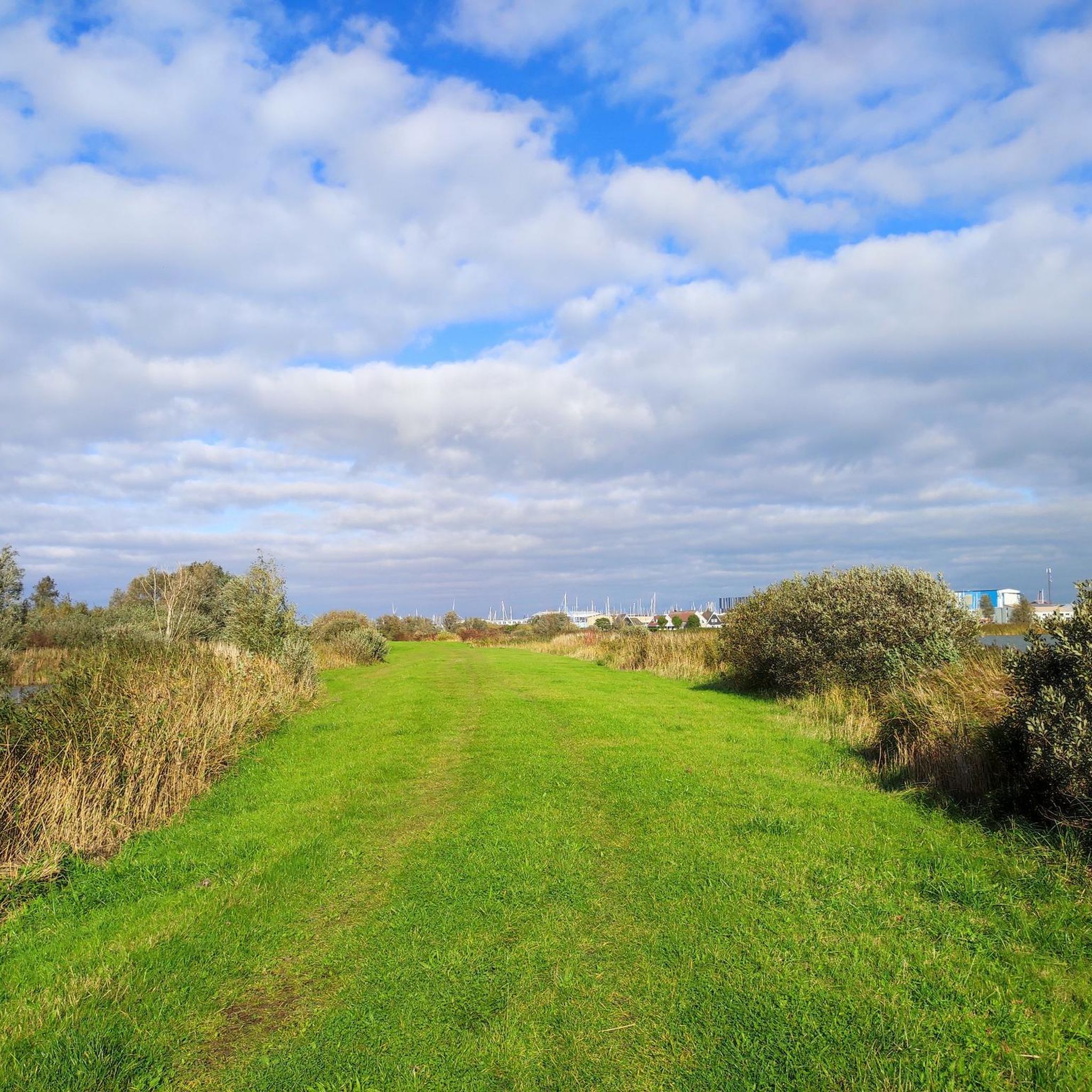
Best natural monuments around Wûnseradiel are found in a region characterized by its polder landscape and extensive water management history. This area, formerly the municipality of Wûnseradiel, is defined by low-lying tracts of land reclaimed from water, protected by dikes. It features expansive meadows, canals, and remnants of old lakes, creating a distinctive natural environment. The region's unique interplay of land and water, including its connection to the IJsselmeer and the Wadden Sea, contributes to its natural appeal.
Best natural…
Last updated: May 9, 2026
The Fountain of Fortuna – 11fountains
Highlight • Monument
I didn't find this fountain visually appealing at all; the colors …
Translated by Google •
Tip by

The Bat – 11fountains
Highlight • Monument
I found this fountain very interesting, somewhat simply designed but still very …
Translated by Google •
Tip by
Sign up now to discover places like this
Get recommendations on the best single tracks, peaks, & plenty of other exciting outdoor places.
Sign up for free
The Whale – 11fountains
Highlight • Monument
Translated by Google •
Tip by

Wadden Sea
Highlight • Natural
Translated by Google •
Tip by

The Wild Lions of Workum – 11fountains
Highlight • Monument
Translated by Google •
Tip by

Sign up for free to discover even more natural monuments around Wûnseradiel.
Sign up for free
Already have an account?
Start today with a free account
Your next adventure awaits.
Login or Signup
Popular around Wûnseradiel
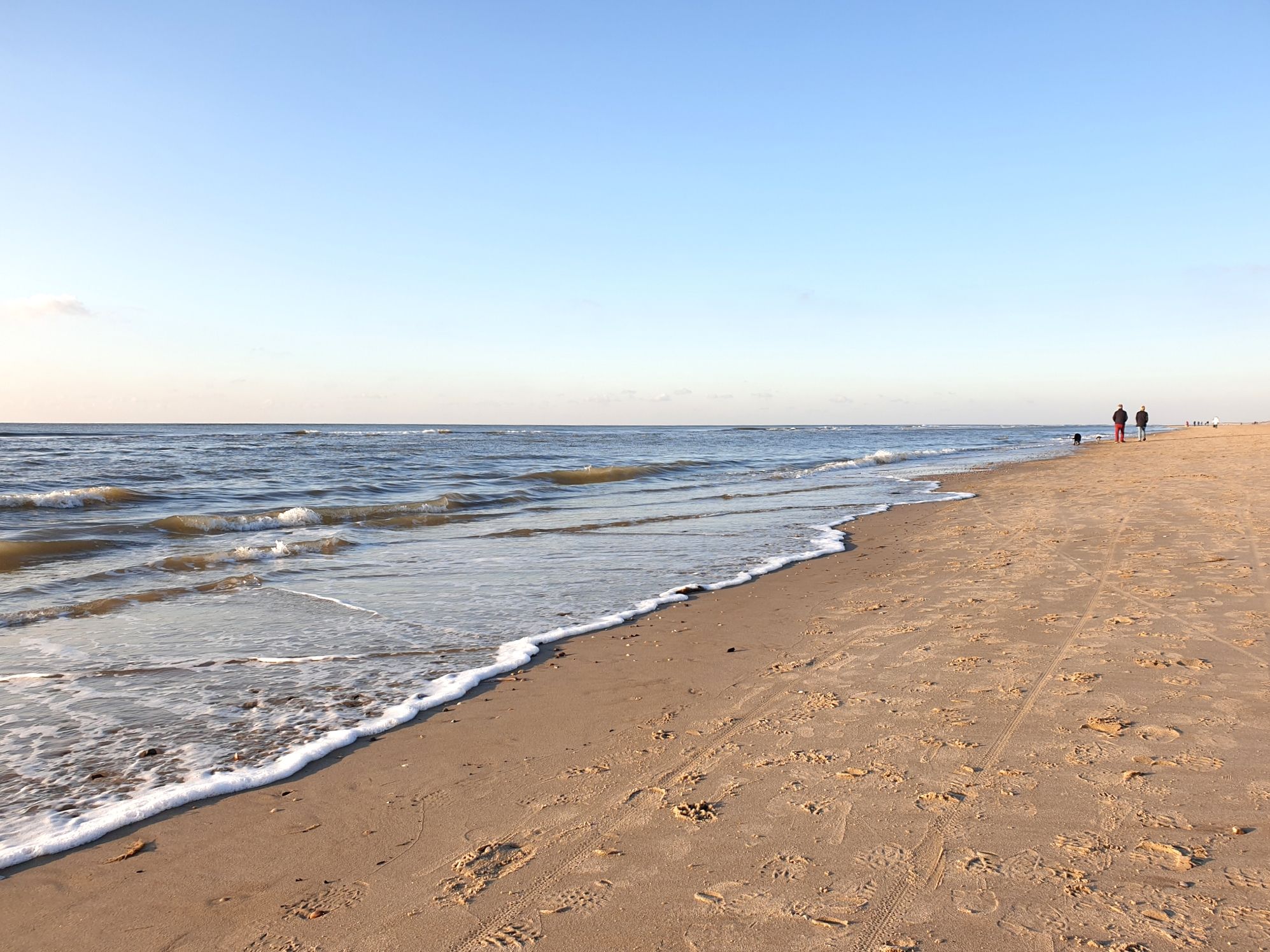
Groot Frieslandpad (LAW 14) – Right through the North of the Netherlands
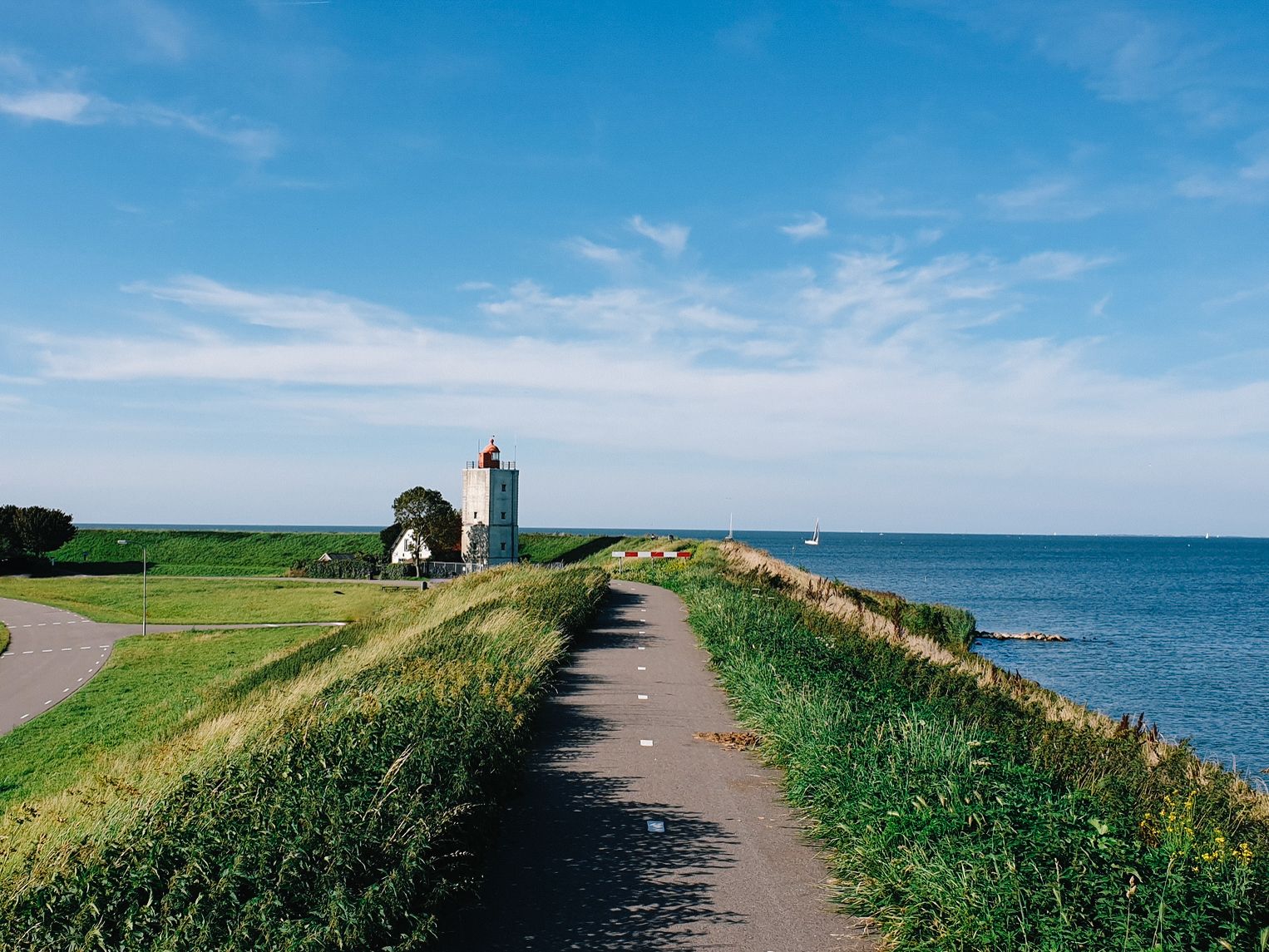
Around the IJsselmeer – A six-day Dutch classic through lake landscapes
Along the Wadden Sea — part 3: Dutch Coastal Path
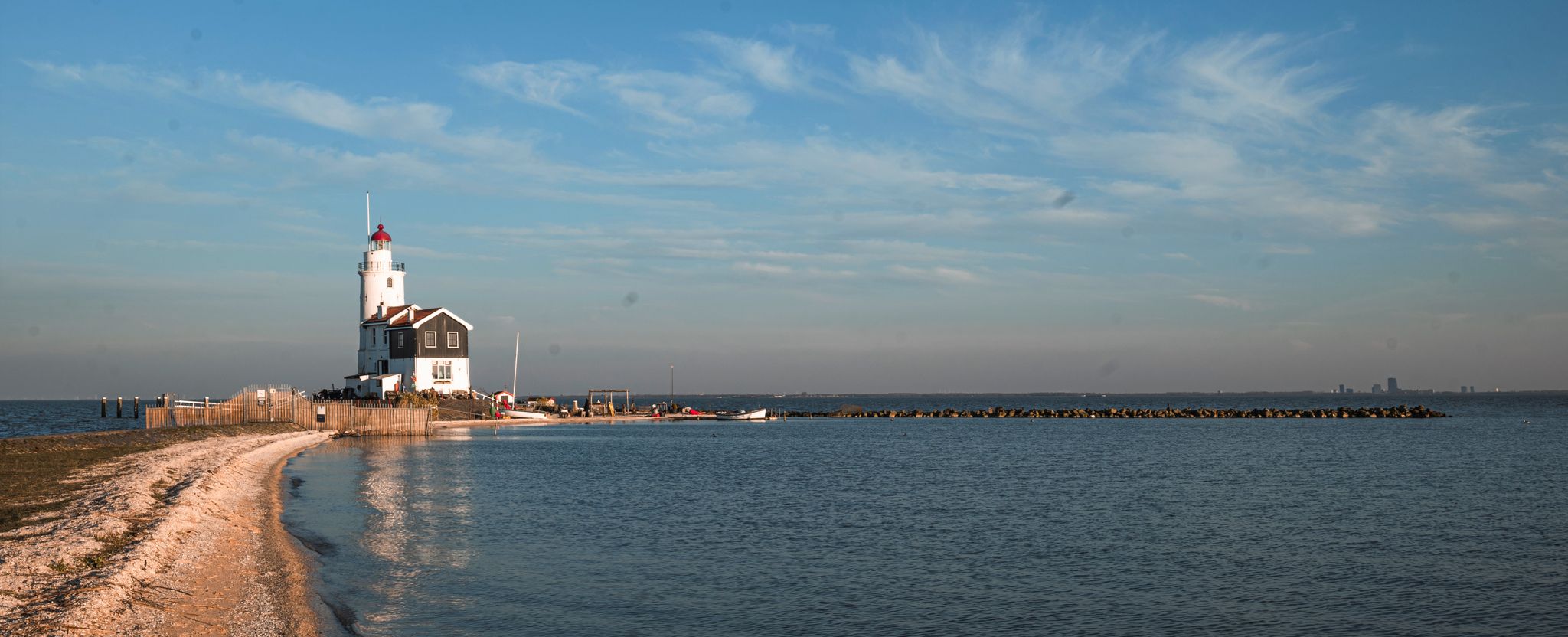
Zuiderzeepad – hike around the IJsselmeer in 28 stages
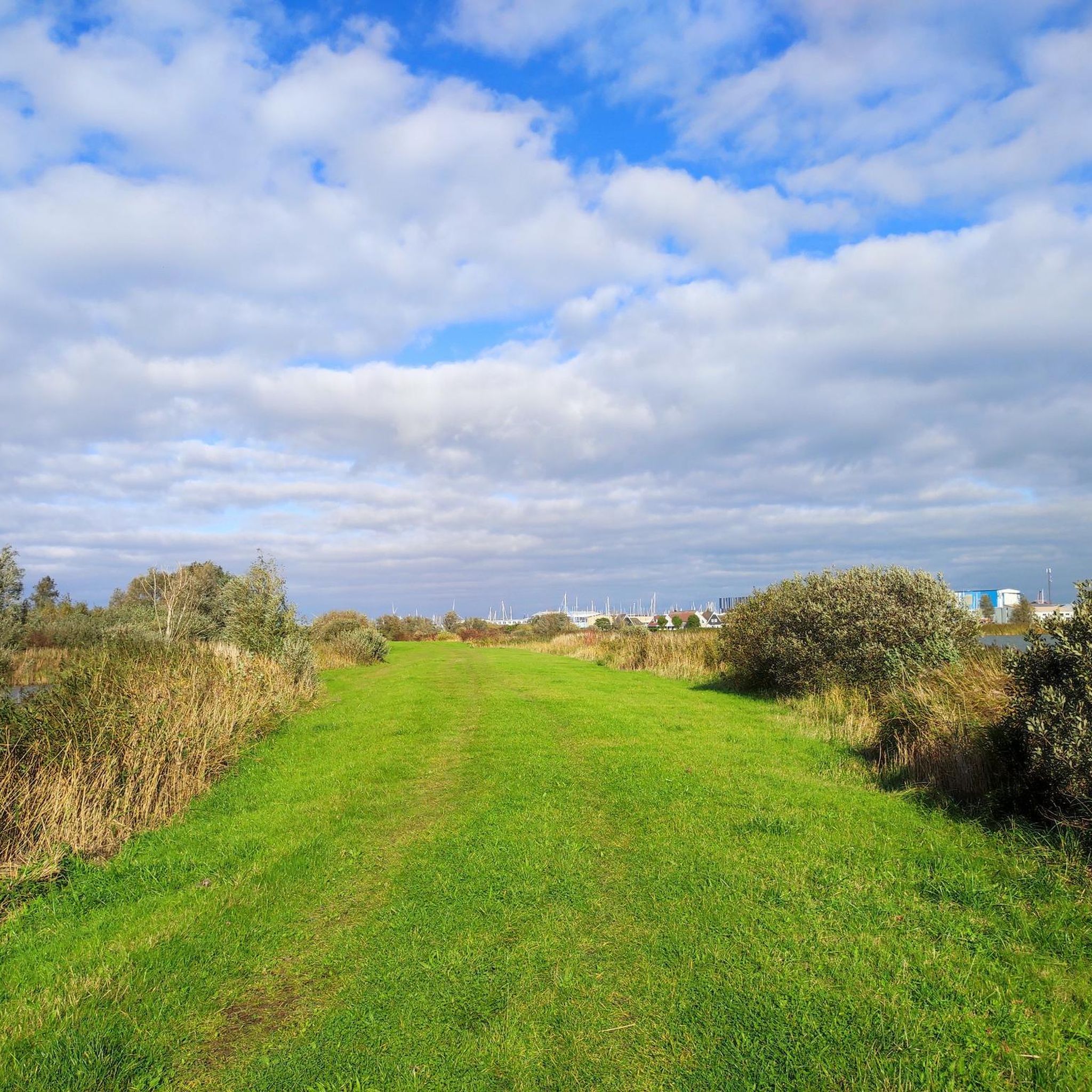
Cycling around Wûnseradiel
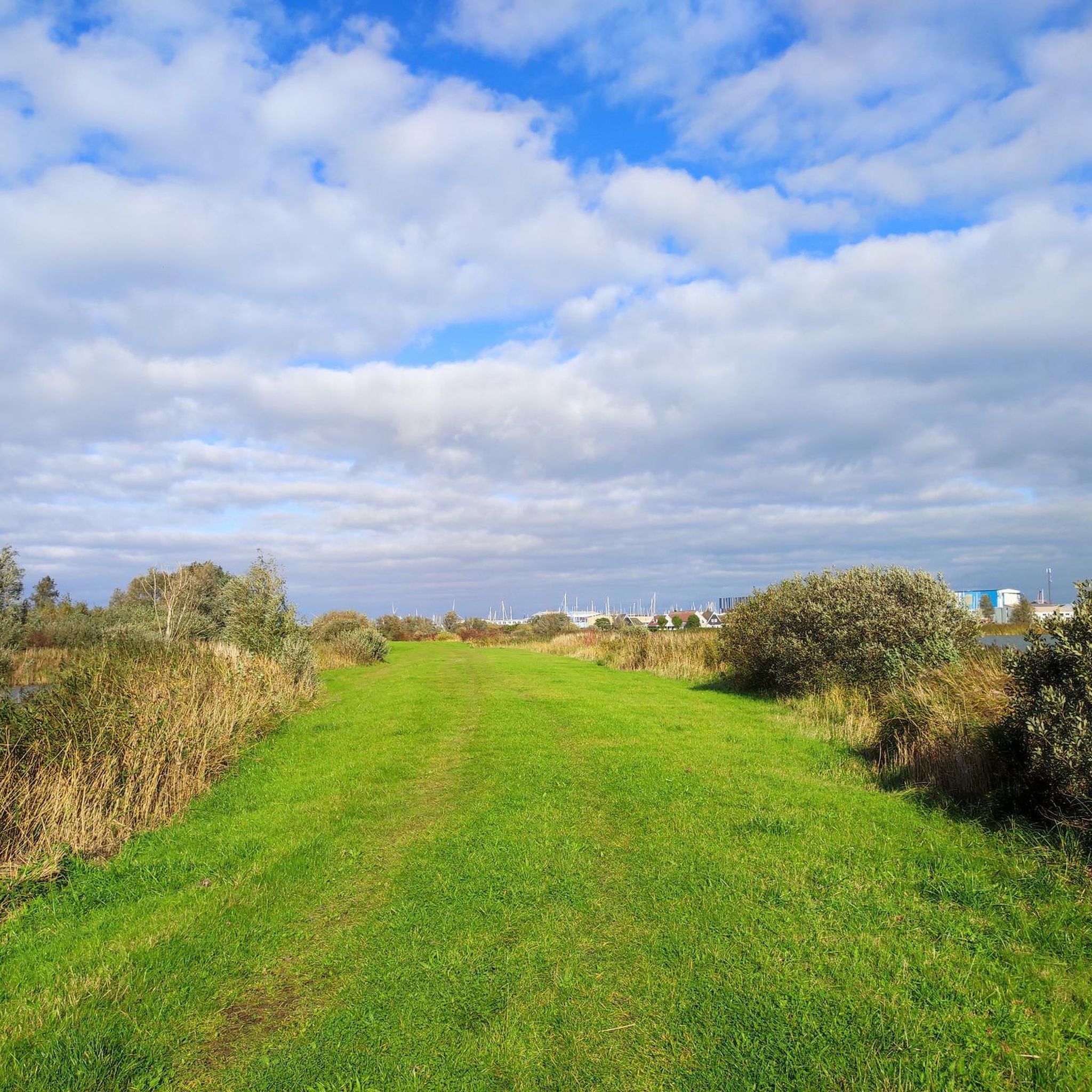
Hiking around Wûnseradiel
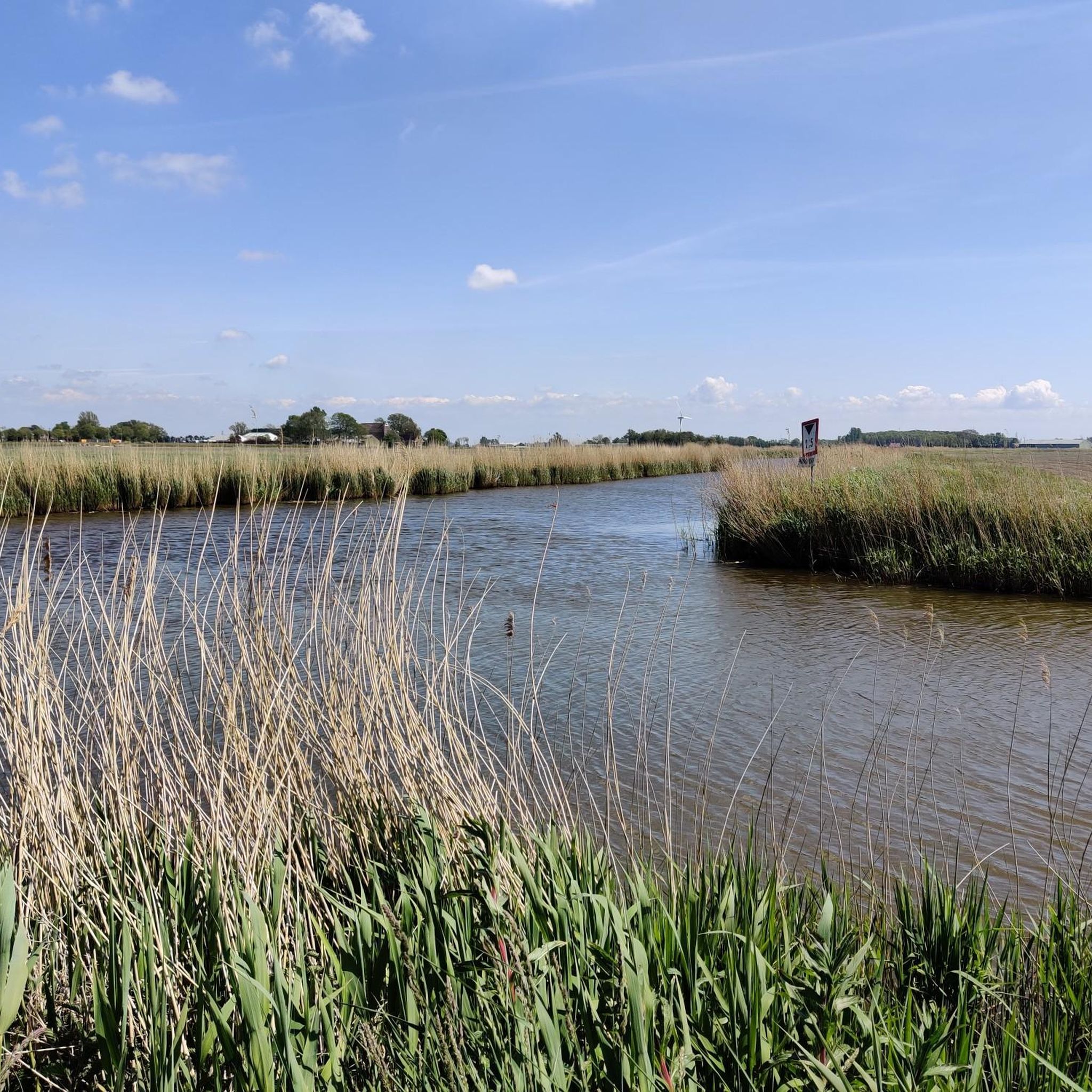
Road Cycling Routes around Wûnseradiel
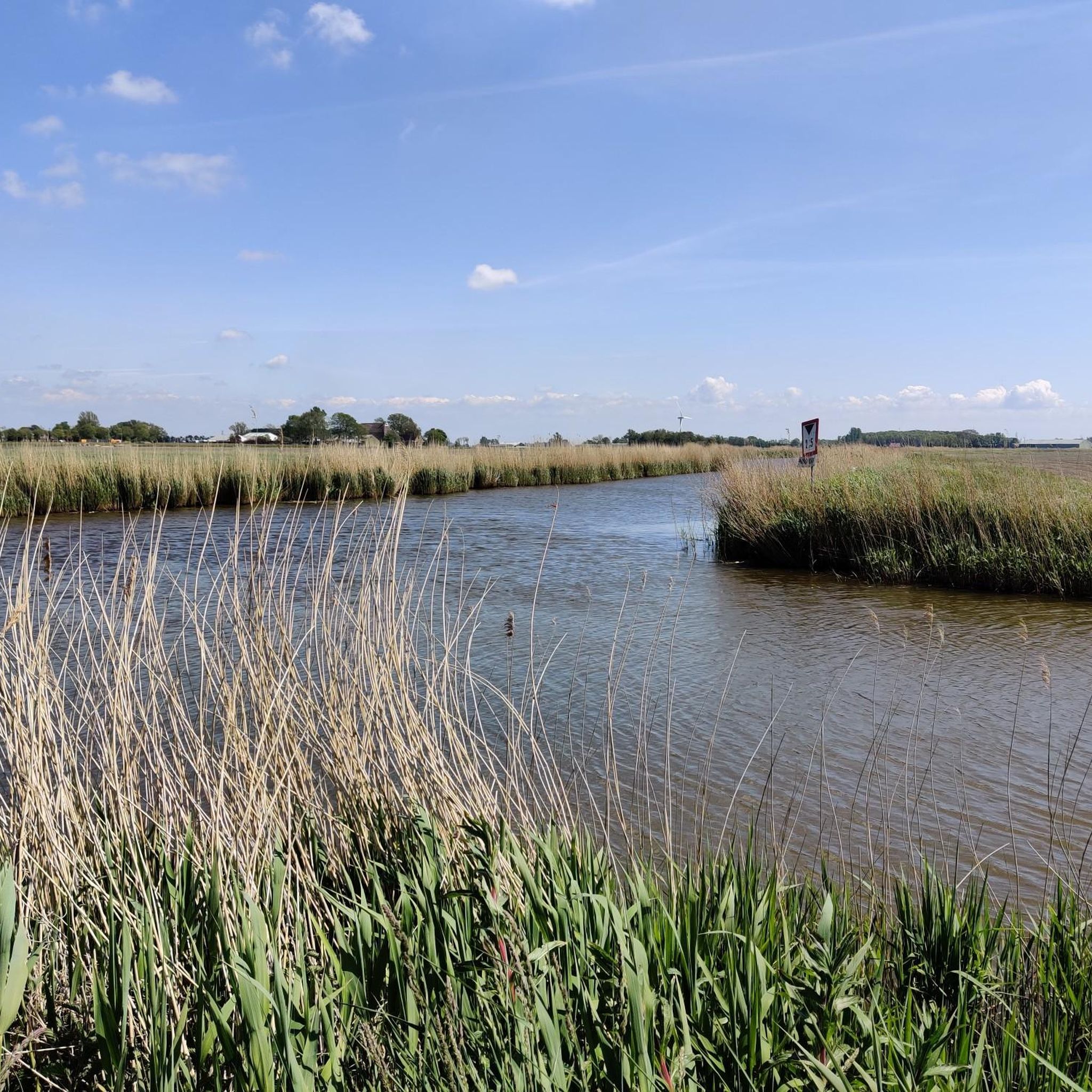
Running Trails around Wûnseradiel
MTB Trails around Wûnseradiel
Other adventures around Wûnseradiel


Tips from the Community

Harlingen was once a center of whaling. Today, we no longer seek to kill these great and magnificent animals, but rather to save them from death. Especially since, for unknown reasons, they are now increasingly stranded in shallow waters. The Harlingen fountain is a life-size sperm whale. It lies lost in the Zuiderpier, but every now and then its powerful jet of water reveals that it is very much alive. Thus, "The Whale" reminds us of the profound influence that humans have on all that lives in the sea. You can reach the fountain by strolling along the wall on the left side of the harbor. Almost opposite the Harlingen harbor crane as the crow flies is the whale – the Harlingen fountain. https://www.bloggmaus.de/2022/04/elfstadtetour-11-fountains-in-friesland.html
1
0

https://www.sneek.nl/routes/fontein-van-fortuna-sneek-11fountains On a golden sphere in the middle of the water stands a man with a Horn of Plenty. The statue refers to Fortuna, the goddess of fortune and patron saint of cities, families, and nations. The overflowing horn symbolizes the material prosperity of the fortunate person who encounters it. But the golden sphere constantly rotates on its axis, so that the water, like the influx of fortune, becomes an unpredictable force. The abundance that happens to be showered upon us can be taken away just as quickly by fate. Just look at the history of Sneek.
1
0

The bat fountain is part of a project of 11 such fountain objects in the region
1
0


11 fountains in the eleven Frisian citiesThe Elfstedentocht reinvented. That is 11Fountains. Eleven internationally renowned artists decorated the eleven cultural-historical cities of Friesland with unique waterworks in 2018. Mist, ice, steam, seawater... Every city has its own story. See the eleven fountains yourself during your Elfstedentocht. Perfectly possible without ice. Just like the old lime tree in the village used to be, the 11 fountains each form a central meeting place in 'their' city. They symbolize the strong sense of community in Friesland, of mienskip as the Frisians themselves say. The fountains would never have come about without the enthusiastic support and involvement of this mienskip, represented in each city by a so-called Fountain Committee. These committees suggested possible locations, met the artist chosen for their city and informed him or her about the local history, provided public presentations and helped assess the design. Never before has such broad support been created for a complex and ambitious art project. For centuries, the city coat of arms on ‘De Waag’ of Workum has been supported by two lions. They seem naïve and their theatrical pose stimulates our laughter. But as the fountain of Workum, firmly on the ground with a larger than life size, they are no longer secondary figures, but main characters. At some distance from each other, they now spray water at each other like fighting cats. ‘Look at Workum’, they seem to call out to us. Because without the coat of arms, the empty space between them suddenly offers a view of the living reality of the city.
0
0
This fountain is located in the Sneek city center canal, just behind the famous Sneek Water Gate, "De Waterpoort." I didn't find this fountain visually appealing at all; the colors were somehow too bright, it's hard to describe. The Sneek Water Gate definitely steals the show from the Fortuna Fountain!
4
0
The bat fountain is located in Bolsward directly in front of the church and is therefore very idyllic. I found this fountain very interesting, somewhat simply designed but still very impressive! I actually overcame my fear, climbed the stairs up to the bat, stood still for 3 photos and then bravely climbed back down again. ;-)
4
0
Frequently Asked Questions
What are the most significant natural features in the Wûnseradiel area?
The Wûnseradiel area, now part of Súdwest-Fryslân, is primarily characterized by its unique polder landscape, extensive dikes, and coastal areas. This region, shaped by centuries of human interaction with water, features expansive meadows, canals, and remnants of old lakes. Key natural areas include the Makkumerwaard Nature Reserve, known for its bird sanctuaries and diverse flora, and the connection to the UNESCO World Heritage Wadden Sea.
Where can I experience the unique polder landscape of Wûnseradiel?
The entire former Wûnseradiel area offers a prime example of the polder landscape, with low-lying tracts of land reclaimed from water and protected by dikes. You can experience this distinctive environment through its expansive meadows, canals, and old seawalls. For a deeper understanding of this unique interplay of land and water, consider exploring areas around Makkum and the broader region, which showcase this rich history of Dutch water management.
Are there good opportunities for birdwatching in the Wûnseradiel region?
Yes, the Wûnseradiel region is excellent for birdwatching, particularly at the Makkumerwaard Nature Reserve. This area is a vital bird sanctuary, attracting a wide variety of water birds such as avocets, common terns, and various species of ducks, swans, and geese. The Koaiwaard island within Makkumerwaard offers the 'De Ral' bird-watching hut for optimal viewing.
What kind of wildlife can I expect to see in the natural monuments around Wûnseradiel?
Beyond the abundant birdlife, especially in the Makkumerwaard Nature Reserve, the region's wetlands and reed beds provide a rich ecosystem. You might spot various marsh animals and insects. The diverse flora, including marsh marigolds, hemp-agrimony, meadowsweet, and marsh sow-thistle, also supports a range of smaller creatures. The nearby Wadden Sea is globally recognized for its ecological importance and diverse marine life.
What outdoor activities can I do near the natural monuments in Wûnseradiel?
The region offers various outdoor activities. For hiking, you can find routes like the 'Makkum Harbor and Dike – Makkum Lock and Drawbridge loop from Makkum' or the 'View of the IJsselmeer – Beach Resort Makkum loop from Makkum'. Cyclists can enjoy routes such as the 'Makkum Lock and Swing Bridge – View of the Wadden Sea loop from Makkum'. You can explore more options on the Hiking around Wûnseradiel, Road Cycling Routes around Wûnseradiel, and Running Trails around Wûnseradiel guide pages.
Are there family-friendly natural monuments or activities in the Wûnseradiel area?
Yes, several spots are suitable for families. The Wadden Sea is generally family-friendly, offering opportunities to explore the unique tidal flats. While not strictly natural, the artistic installations like The Whale – 11fountains and The Bat – 11fountains are categorized as natural monuments and are popular with families for their unique visual experiences. The Makkumerwaard Nature Reserve also offers scenic walks, though parts may be closed during breeding season.
What is the best time of year to visit the natural monuments in Wûnseradiel?
The best time to visit for nature observation is generally during spring and early summer (April to July) when flora is in bloom and bird activity is high. However, be aware that some walking routes in areas like Makkumerwaard are closed during the breeding season (March 15 to July 15) to protect nesting birds. Autumn can also offer beautiful landscapes and migratory bird viewing. Winter walks can be tranquil, but weather conditions should be checked.
Are there any accessible natural monuments for visitors with mobility considerations?
While specific accessibility details for all natural areas can vary, some highlights like The Fountain of Fortuna – 11fountains, The Whale – 11fountains, and The Wild Lions of Workum – 11fountains are noted as wheelchair accessible. For natural reserves like Makkumerwaard, paths may be unpaved; it's advisable to check local conditions or visitor information centers for the most up-to-date accessibility details.
Can I bring my dog to the natural monuments and trails in Wûnseradiel?
Policies for dogs vary by location. While many outdoor areas in the Netherlands are dog-friendly, nature reserves often have restrictions, especially during breeding seasons, to protect wildlife. For instance, parts of the Makkumerwaard Nature Reserve may have limitations. It's always best to check specific signage at trailheads or contact local tourism offices for the most current regulations regarding dogs in natural monuments and on hiking trails.
What is the historical significance of Kornwerderzand in relation to the natural landscape?
Kornwerderzand, located at the eastern end of the Afsluitdijk, is a crucial point where human engineering profoundly interacts with significant natural landscapes. While not a natural monument itself, it represents the Dutch relationship with water management and provides a gateway to the Wadden Sea, a UNESCO World Heritage site. It highlights the dikes and waterworks essential for land protection and offers insight into the historical context of land reclamation from the former Zuiderzee.
Where can I find information about parking near natural monuments in Wûnseradiel?
Parking availability varies by specific location. For popular areas like Makkum, there are generally designated parking spots near the harbor or town center, which can serve as starting points for exploring nearby natural features or trails. For more remote natural reserves, parking might be limited to smaller lots or roadside areas. It's recommended to check local maps or visitor information for specific parking instructions for your chosen destination.
What do visitors enjoy most about the natural monuments in the Wûnseradiel area?
Visitors frequently appreciate the tranquility and scenic beauty of the polder landscapes and coastal areas. The unique blend of human-made dikes and reclaimed land with natural wetlands and bird sanctuaries offers a distinctive experience. The Wadden Sea is highly valued for its natural beauty and cycling paths, while the artistic '11fountains' installations, such as The Whale, are enjoyed for their unique visual appeal and playful elements.
Most popular attractions around Wûnseradiel

Get inspired with the komoot mobile app


Explore more
Extend your search for the best caves by checking out these guides of the top ones around Wûnseradiel:
