Top 20 Natural Monuments around Weststellingwerf
Best natural monuments around Weststellingwerf include diverse landscapes from wetlands to forests and ancient historical sites. This municipality in Friesland, Netherlands, is characterized by its unique ecological significance and natural beauty. The area offers a blend of natural features and cultural-historical elements, providing varied outdoor experiences. Visitors can explore significant natural areas that stand out for their ecological value.
Best natural monuments around Weststellingwerf
- The most popular natural monuments is Dolmen D53, a historical site that is the third…
Last updated: July 6, 2026
Dolmen D53
Highlight • Historical Site
Translated by Google •
Tip by

Bomb Craters on the Havelteberg
Highlight • Historical Site
Translated by Google •
Tip by

Sign up now to discover places like this
Get recommendations on the best single tracks, peaks, & plenty of other exciting outdoor places.
Sign up for free
Dolmen D54
Highlight • Historical Site
Translated by Google •
Tip by
Aekingerzand Sand Dunes
Highlight • Natural Monument
Translated by Google •
Tip by

Hiding place
Highlight • Historical Site
Translated by Google •
Tip by

Sign up for free to discover even more natural monuments around Weststellingwerf.
Sign up for free
Already have an account?
Start today with a free account
Your next adventure awaits.
Login or Signup
Popular around Weststellingwerf

Recharging in Friesland – nature and culture in northern Netherlands
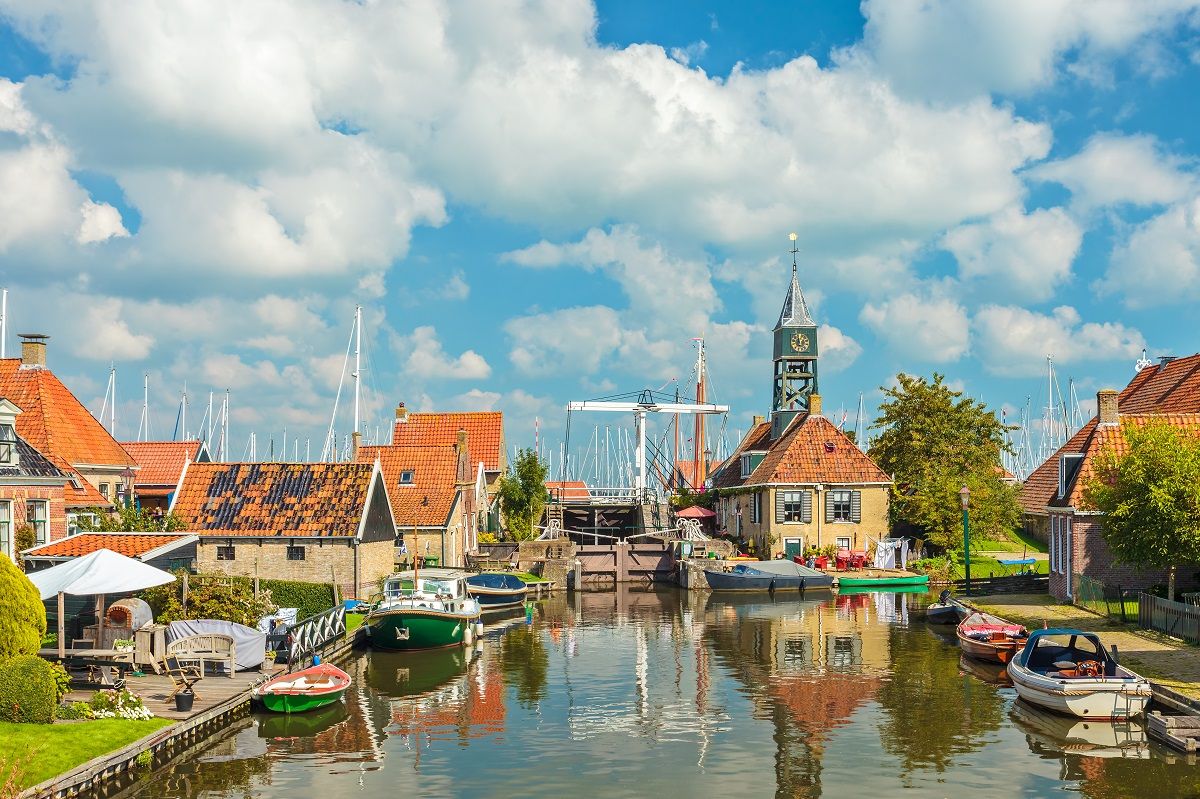
Ten rejuvenating bike rides through Friesland
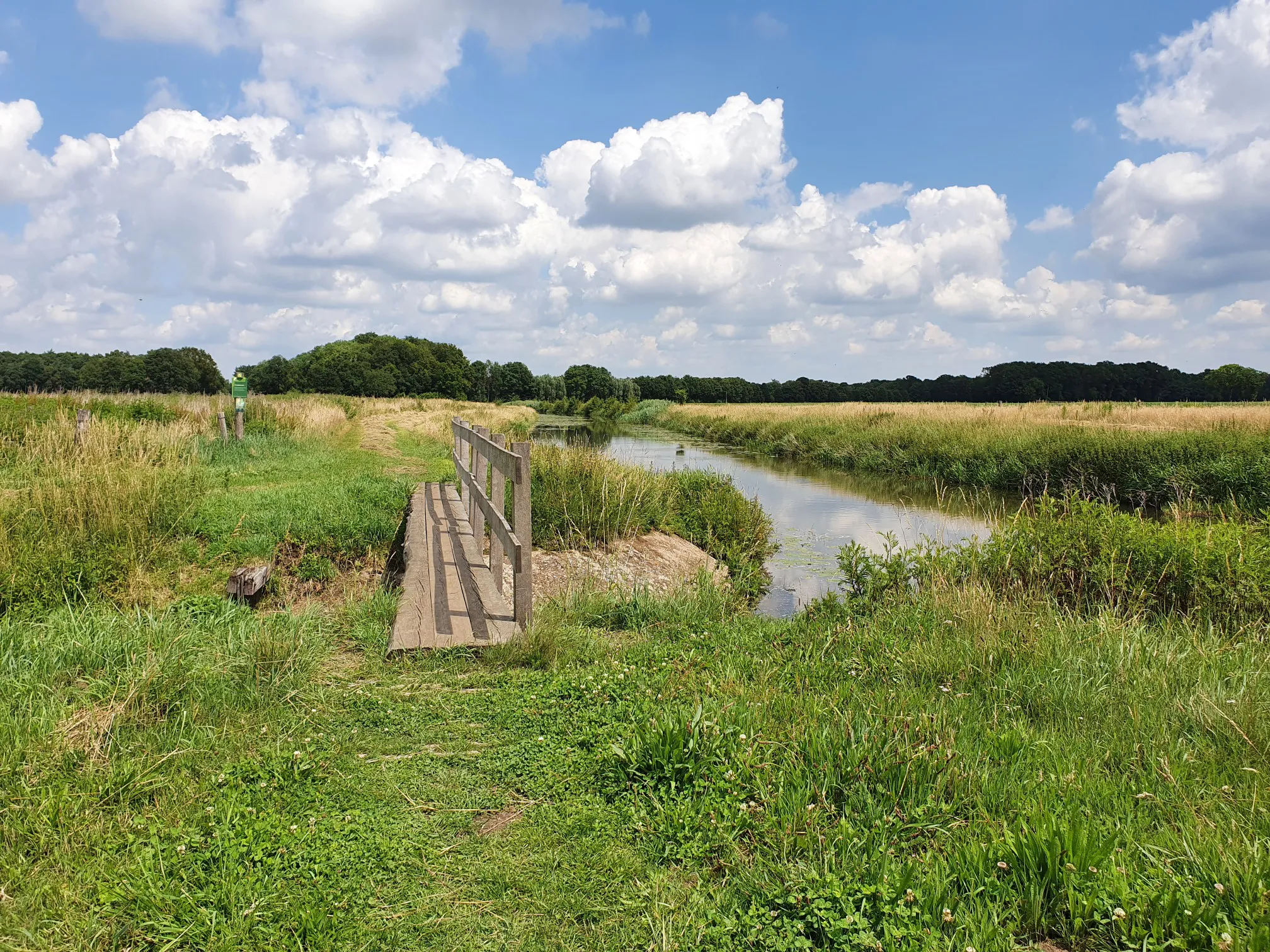
Peat houses and canals – 5 hikes in the Netherlands
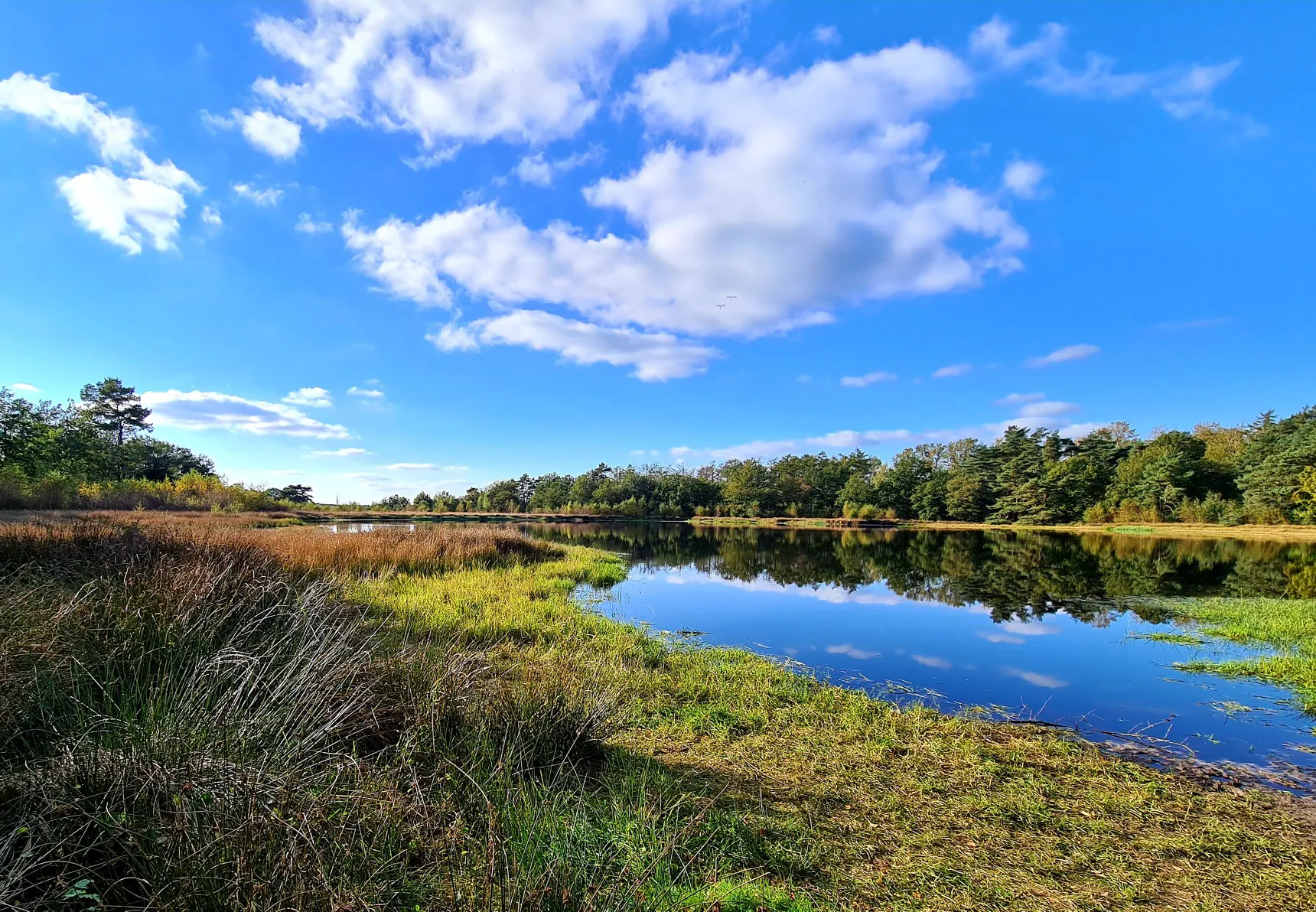
Frisian Forest Trail – walk from the Wadden Sea to Overijssel
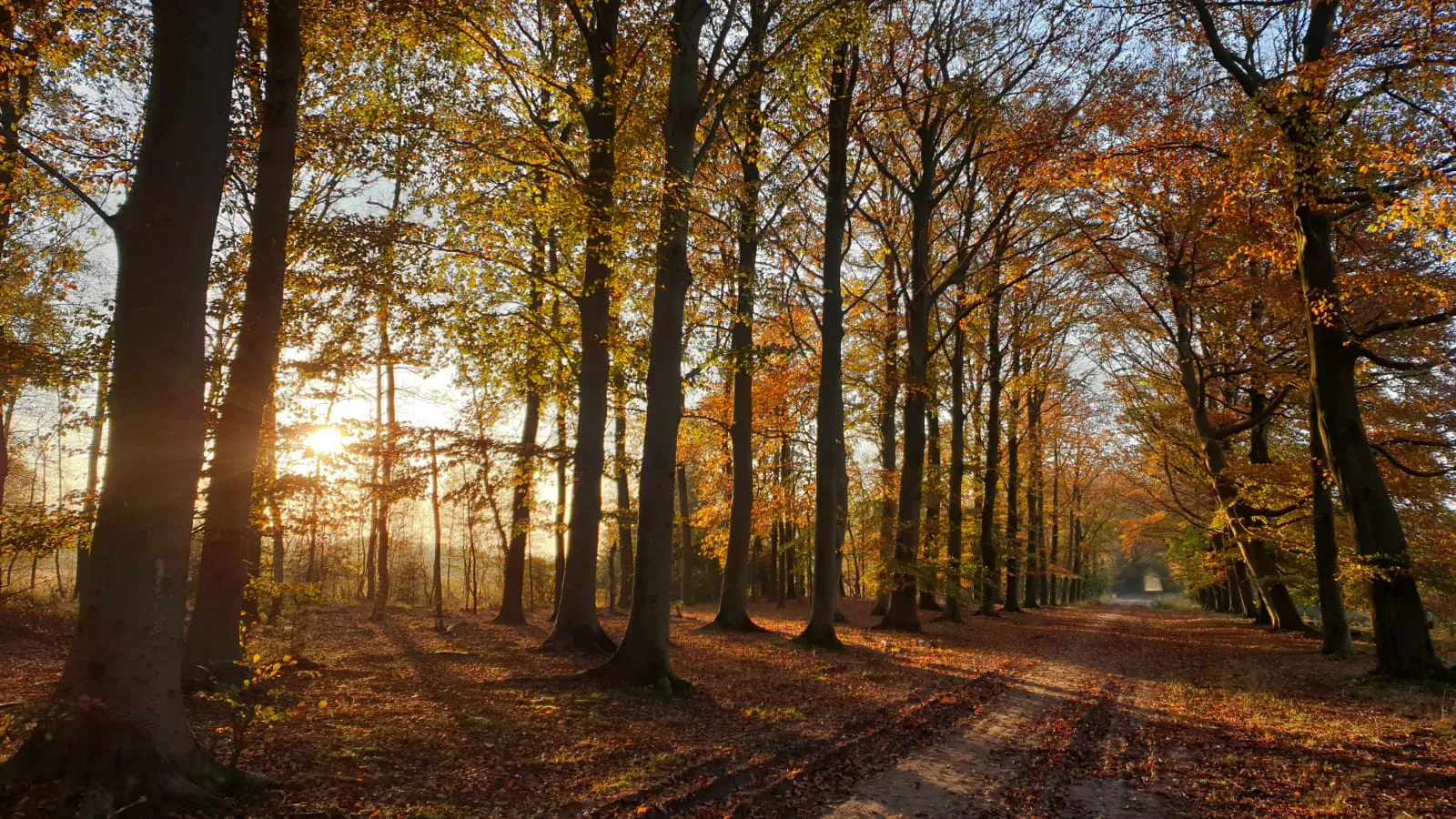
Experience the 2023 Hiking Route of the Year – Stellingenpad Trail
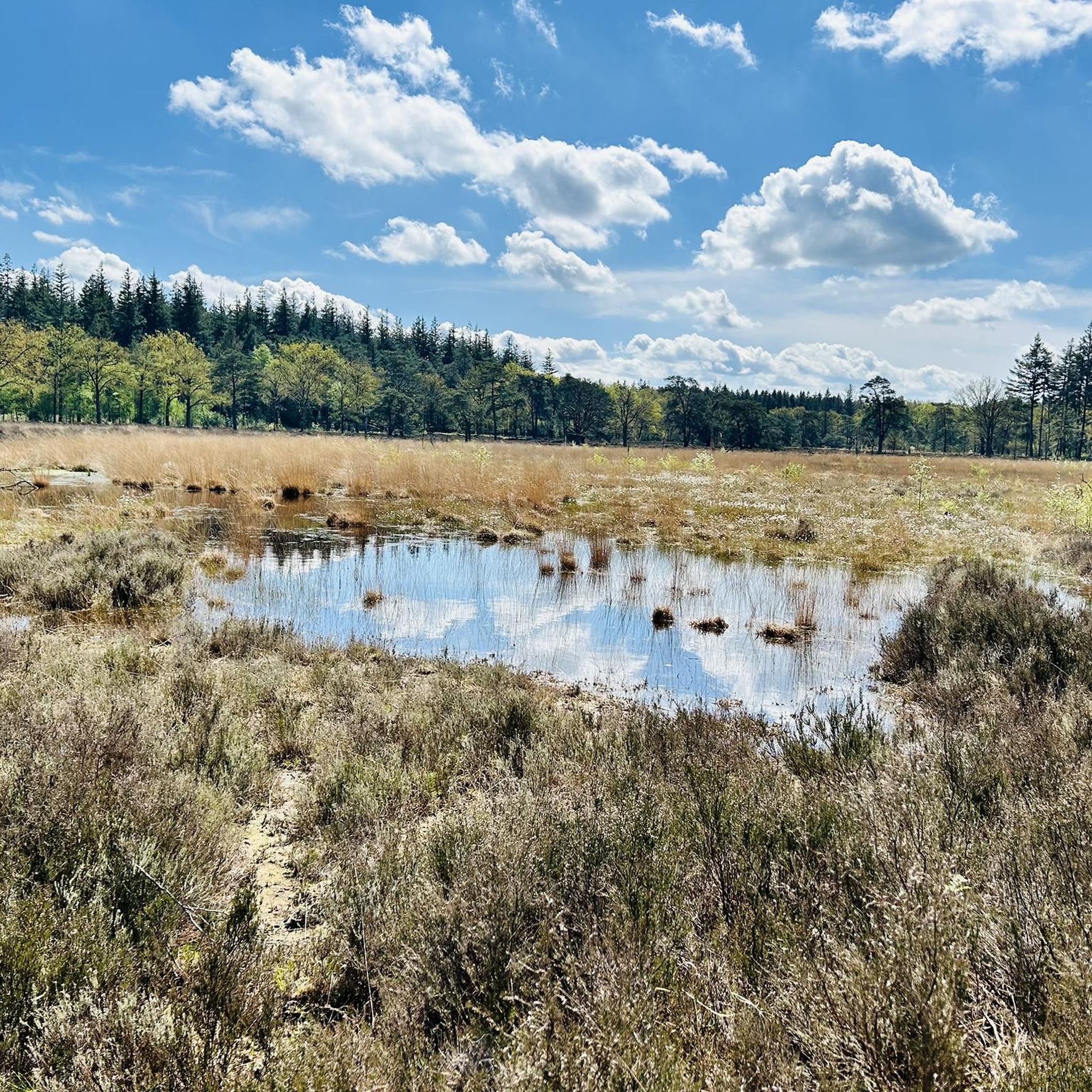
Cycling around Weststellingwerf
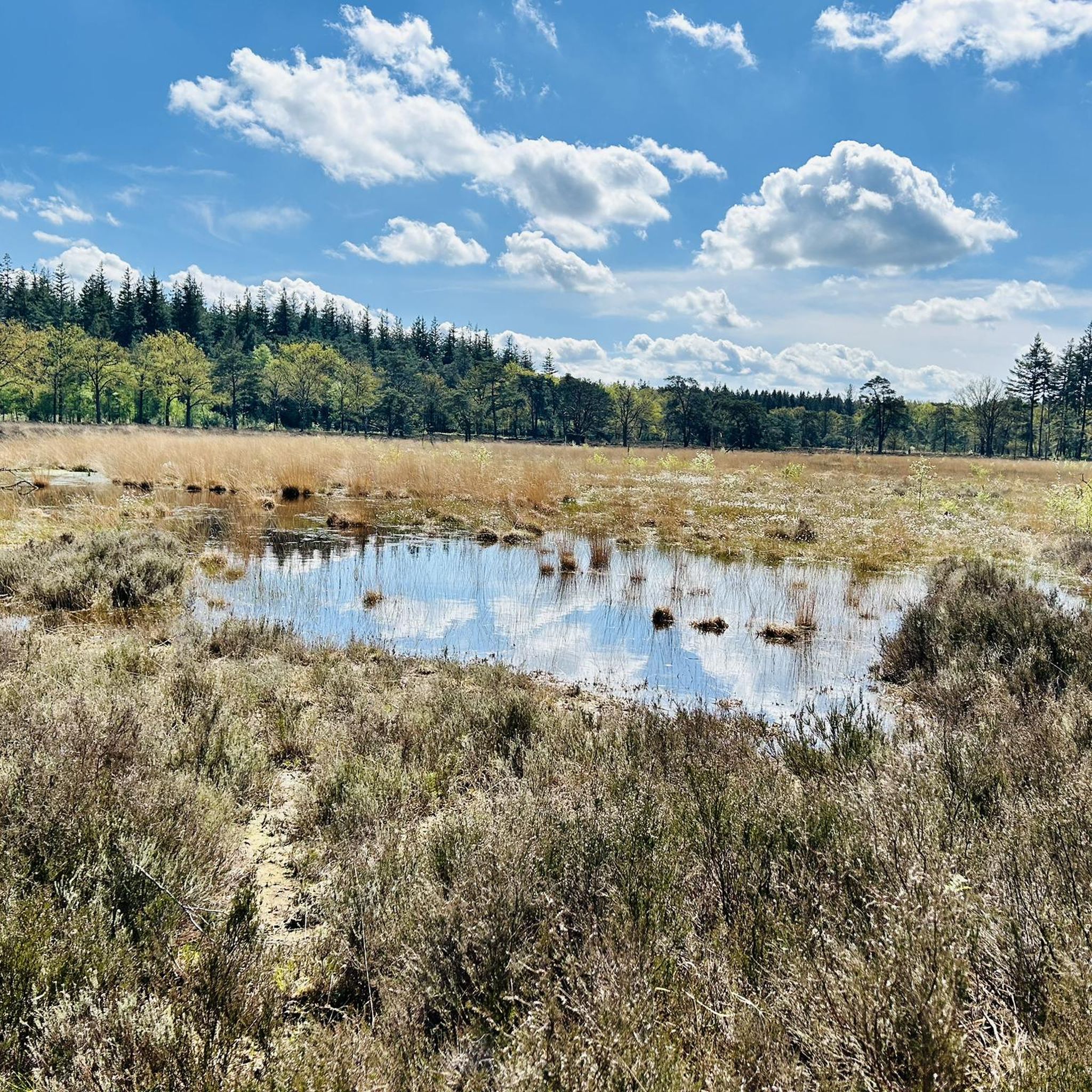
Hiking around Weststellingwerf
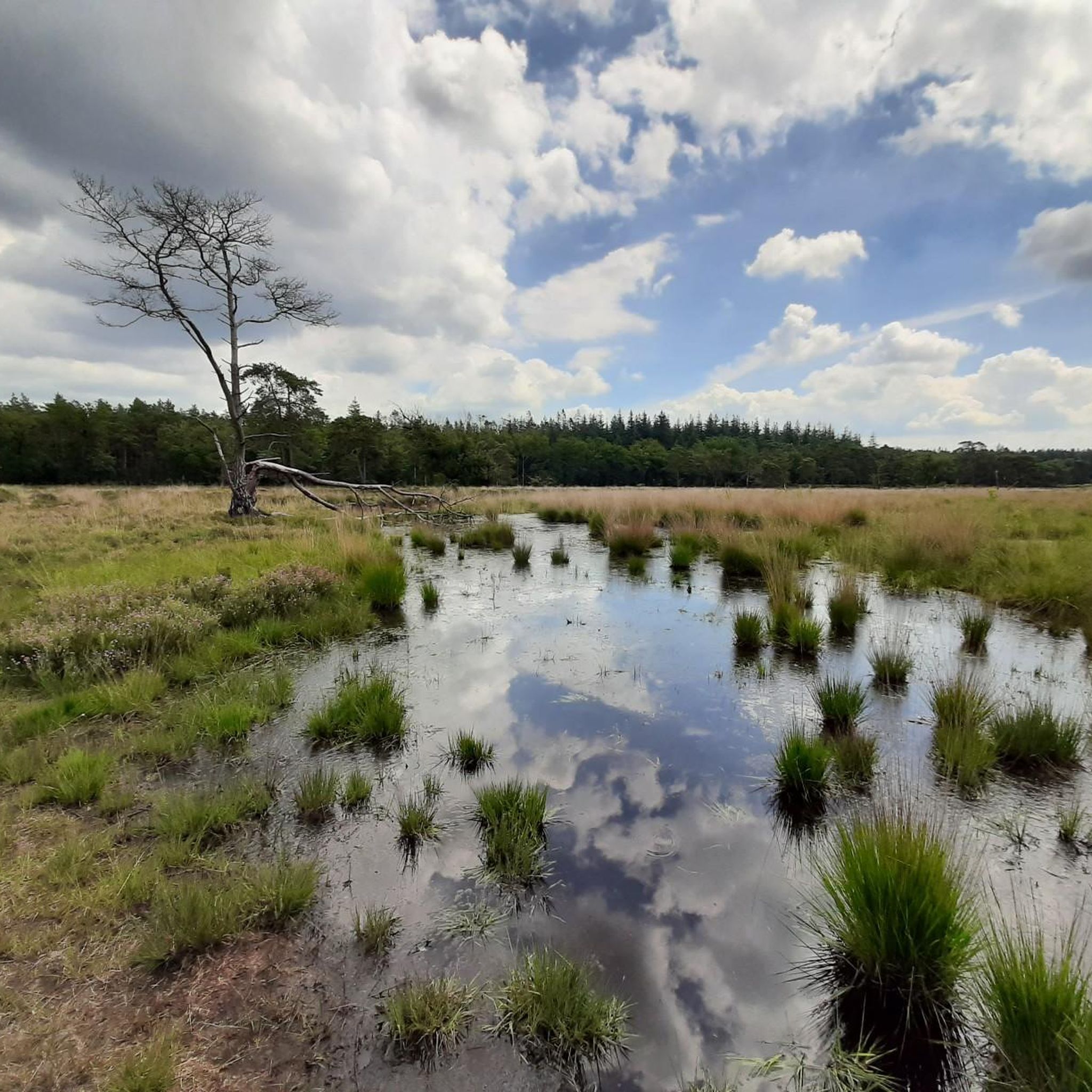
Road Cycling Routes around Weststellingwerf
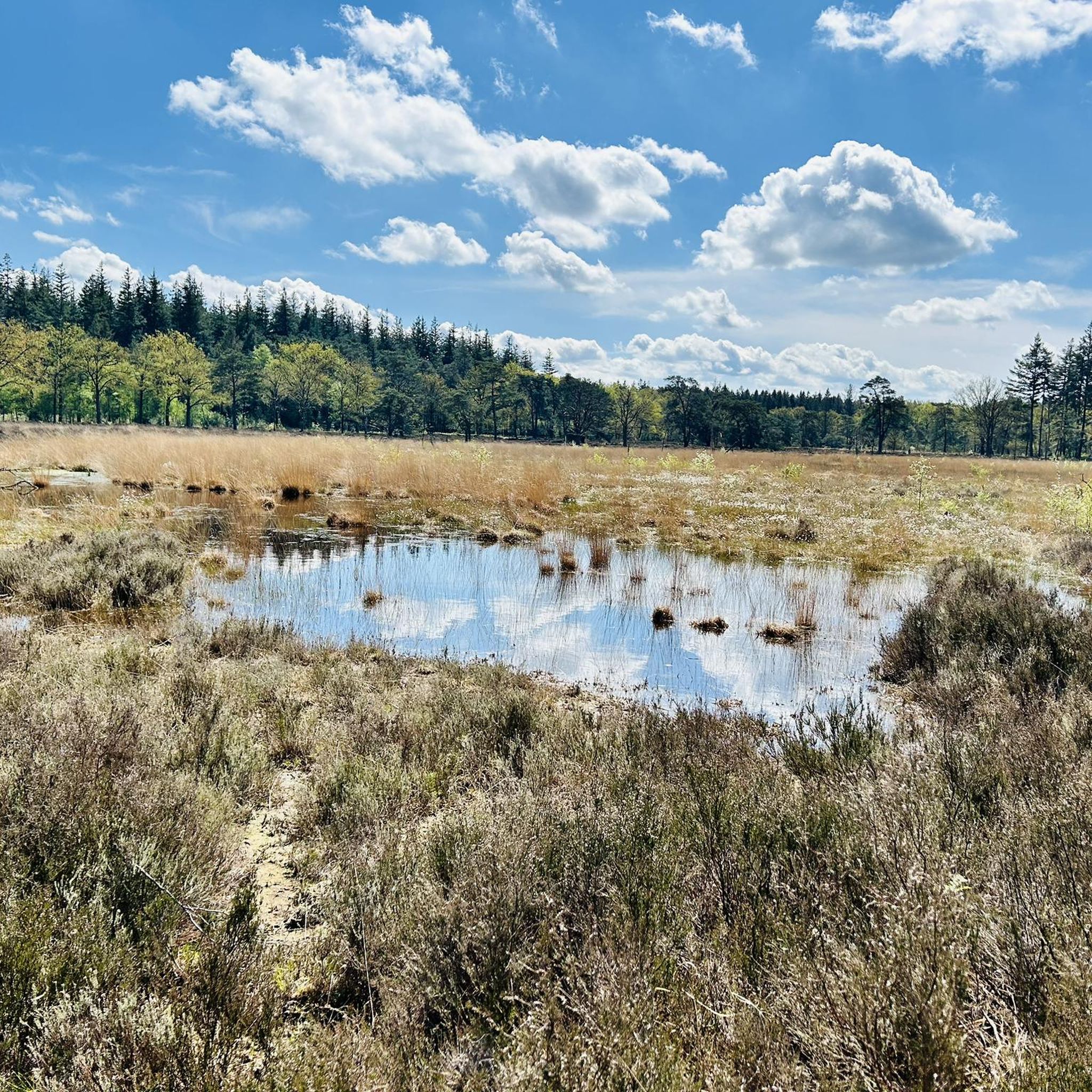
MTB Trails around Weststellingwerf
Running Trails around Weststellingwerf
Other adventures around Weststellingwerf


Tips from the Community

The second-largest dolmen in the Netherlands can be found in Havelte. Dolmen D53 is the only dolmen damaged during the war. The German air force wanted to build an airfield at this location, so the stones were moved. The airfield was bombed to pieces, and the dolmen was excavated and reassembled. The dolmen is approximately 18 meters long, almost complete, and lies on the edge of a heathland. Along with dolmens D54 and D52, it is one of the few in this part of Drenthe. Dolmen D54 is slightly smaller than D53. It lies in the middle of a small sandy plain surrounded by grass. It is a beautiful walking area around these dolmens, as the small sandy plain is surrounded by heathland, small forests, and meadows. Dolmen D53 and D54 are a must-see on your dolmen tour because they are complete, well-maintained, and impressive. If you're coming from Havelte, you can follow the main road, which will take you past a side road. If you take this, the dolmen is almost immediately on your left. Continue driving a little further, and you'll find dolmen D54. Source: https://www.drenthe.nl/locaties/1800662783/hunebed-d53-en-d54-1
1
0
At the end of World War II, several Allied bombings were carried out over the German military airfield on Havelterberg. The numerous bomb craters, visible in the landscape as "round pools," are silent witnesses to this turbulent period. Source: https://www.drenthe.nl/locaties/4065299428/bomkrater
1
0

What a beautiful area. Just after sunrise it is magical. The serene peace and the vast heathland... a new favorite place in Drenthe for me.
2
2

People in hiding stayed in this secret hiding place during World War II until betrayal put an end to it. The hiding place was restored in 1954 and 1994 due to the large number of visitors.
0
0
During World War II, people in hiding stayed in this secret hideout until betrayal put an end to it. The hiding place, called "the wigwam," was restored in 1954 and 1994 due to the large number of people visiting. https://beleefhetlagenoorden.nl/onderduikershol-diever/
1
1

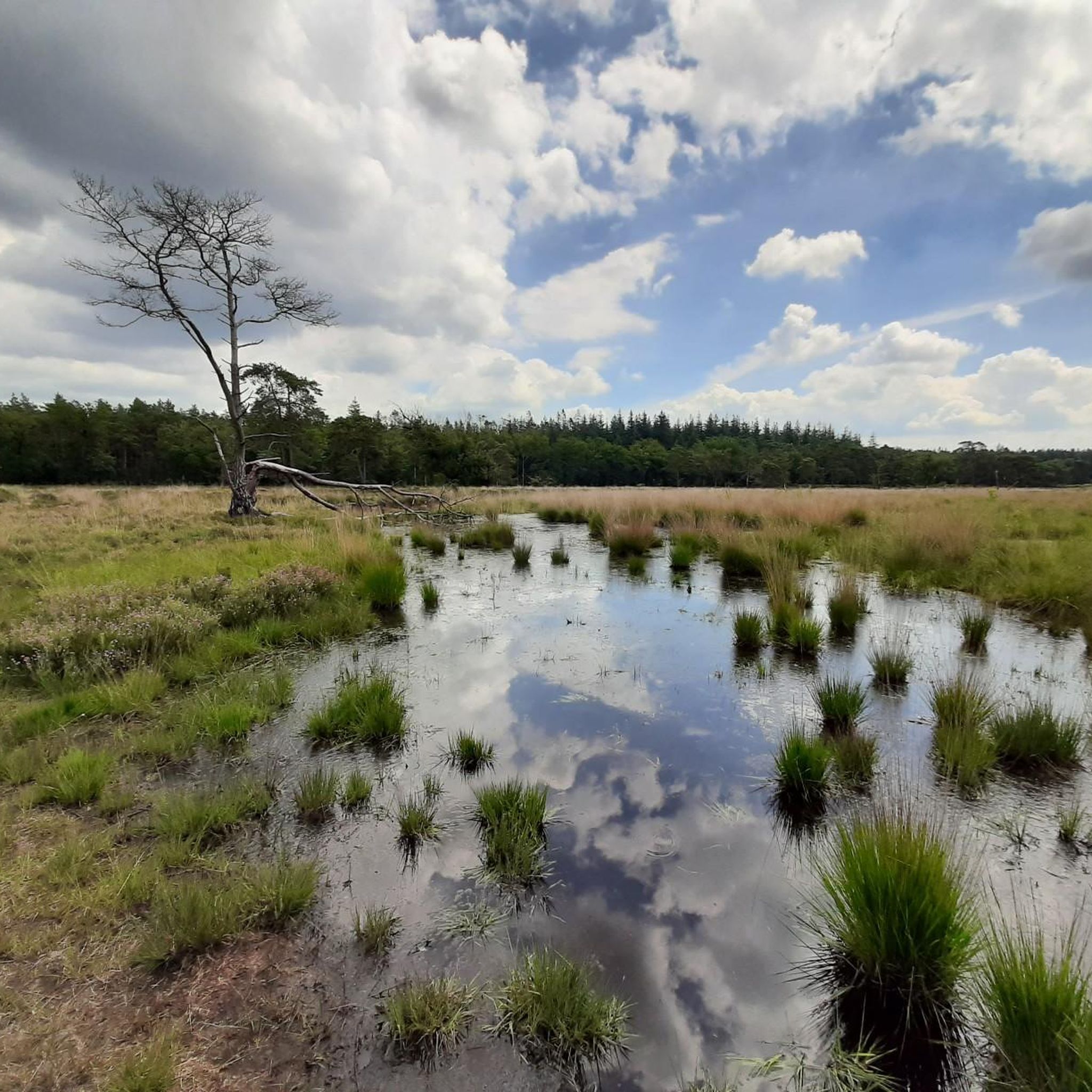
Throughout the field you will encounter several bomb craters from when the Allies bombed the Germans here in WWII. Both "wet" and "dry" bomb craters are present that are now an important place for frogs and salamanders.
1
0
The hiding place, including a monument for the war victims, is a living reminder of all the people in hiding who were hidden here for a shorter or longer period of time.
0
0

Dolmen D53 is the third largest dolmen in the Netherlands, measuring about 18 meters long. The dolmen is almost complete and is beautifully situated on the edge of the heath. However, it was taken apart by the German air force during the Second World War to make room for an airfield. Fortunately, there were drawings and the dolmen was reassembled after the war. D53 is located next to the smaller dolmen D54.
1
0
Frequently Asked Questions
What are some unique natural features to explore around Weststellingwerf?
Weststellingwerf and its surroundings offer a diverse range of natural features. You can explore the Lindevallei, a significant wetland area known for its marsh birds, valuable water plants, and diverse insect life. The Sickengabos provides a peaceful walking environment with mature oak, beech, and linden trees, alongside unique stinzenflora. Further afield, the Aekingerzand Sand Dunes present an expansive landscape where forests have been cleared to restore the natural drifting sand, creating a habitat for special animals like the sand lizard.
What historical natural monuments can I visit around Weststellingwerf?
The region boasts several natural monuments with historical significance. The Dolmen D53, though located in nearby Drenthe, is a prominent historical site and one of the largest dolmens in the Netherlands, beautifully situated on the edge of a heath. Nearby, you can also find Dolmen D54. Another unique site is the Bomb Craters on the Havelteberg, where craters from WWII bombings of an airfield are still visible within a nature reserve, offering a blend of natural landscape and historical impact. Additionally, the Lindevallei contains cultural-historical elements like the Bekhofschaans and Blessebrugschans, part of the Frisian Waterline.
Are there family-friendly natural monuments around Weststellingwerf?
Yes, several natural monuments are suitable for families. The Dolmen D53 and Dolmen D54 offer an engaging historical experience for all ages. The Aekingerzand Sand Dunes are also a great spot for families to explore the unique landscape. The Lindevallei provides excellent opportunities for walking and cycling, making it enjoyable for families to experience the serene wetland ecosystem.
Can I bring my dog to the natural monuments in Weststellingwerf?
Yes, the Lindevallei is accessible year-round, with designated areas where dogs can roam freely during certain periods. For other natural monuments, it's always advisable to check local signage or specific park regulations regarding dog access, especially concerning leash requirements and protected wildlife areas.
What is the best season to visit the natural monuments in Weststellingwerf?
The natural monuments around Weststellingwerf can be enjoyed year-round, each season offering a different experience. Spring and summer are ideal for birdwatching in the Lindevallei and seeing the stinzenflora in the Sickengabos. Autumn brings beautiful foliage to the forested areas. Even in winter, the Lindevallei attracts large numbers of waterfowl, and the landscapes offer a tranquil beauty for walks.
What outdoor activities can I do near the natural monuments around Weststellingwerf?
The area around Weststellingwerf is excellent for various outdoor activities. You can find numerous routes for hiking, including trails through the Lindevallei and the Sickengabos. For cyclists, there are options for gravel biking and road cycling that allow you to explore the diverse landscapes, from wetlands to forests and open fields.
Are there specific hiking routes recommended near these natural monuments?
Yes, the Lindevallei offers a picturesque cycling route along the stream and a dedicated walking route through its marsh forest. For more options, you can explore various hiking routes around Weststellingwerf, including trails like 'Doldersum peat' or the 'Rottige Meenthe Walking Trail' which offer diverse natural experiences.
What makes the Lindevallei a significant natural monument?
The Lindevallei is an 860-hectare nature reserve characterized by its diverse wetland ecosystem. It's particularly important for marsh birds and boasts valuable water and marsh plants like large buttercup and water violet. The area is also a habitat for numerous dragonfly species. Its alder carr forests and open peat pits contribute to its unique ecological value, making it a tranquil oasis for nature lovers.
What is the significance of the monumental trees in Wolvega?
Wolvega, the main town in Weststellingwerf, is home to several old and significant trees that are considered local natural monuments. These include an over 125-year-old Black Birch in a park and other prominent old lime, beech, and oak trees in former estate gardens. These trees are valued for their age, contribution to local biodiversity, and their role in preserving the town's historical landscape and beauty.
What are the Aekingerzand Sand Dunes like?
The Aekingerzand Sand Dunes are a unique natural monument where the landscape has been restored to its original state of drifting sand. Forests were intentionally cut down to allow the sand to move freely again, creating an expansive and dynamic environment. This area is a diverse nature reserve and a habitat for special animals like the sand lizard and various butterflies, offering a distinct natural experience.
What do visitors enjoy most about the natural monuments in this region?
Visitors frequently appreciate the historical significance and natural beauty of the sites. For instance, the dolmens are often described as 'beautiful to see,' where one can 'feel the history.' The Aekingerzand Sand Dunes are praised for their 'beautifully diverse and varied nature reserve' and the opportunity to observe a 'diversity of birds.' The overall appeal lies in the blend of natural landscapes and cultural-historical elements, providing varied outdoor experiences.
How can I get to the natural monuments using public transport?
While specific public transport routes to every natural monument can vary, Weststellingwerf is generally accessible by bus services connecting its towns and villages. For destinations like the Lindevallei or Sickengabos near Wolvega, local buses might be an option. For monuments further afield, such as the dolmens or Aekingerzand, public transport might require a combination of bus and a final walk or cycle. It's recommended to check local public transport schedules for the most up-to-date information.
Most popular routes around Weststellingwerf
Most popular attractions around Weststellingwerf

Get inspired with the komoot mobile app


Explore more
Extend your search for the best caves by checking out these guides of the top ones around Weststellingwerf:
