Top 20 Natural Monuments around Grootegast
Natural monuments around Grootegast offer diverse landscapes and unique ecological features. The region is characterized by its natural areas, including expansive nature reserves and significant geological formations. Visitors can explore areas known for their preserved darkness and extensive natural beauty. The landscape provides opportunities to experience various natural phenomena and outdoor activities.
Best natural monuments around Grootegast
- The most popular natural monuments is De Onlanden Nature Reserve, an other natural area and natural monument. This area features quiet roads…
Last updated: July 6, 2026
Observation Tower Lauwersmeer Dark Sky Park
Highlight • Viewpoint
Translated by Google •
Tip by

Freulevijver
Highlight • Lake
Translated by Google •
Tip by

Sign up now to discover places like this
Get recommendations on the best single tracks, peaks, & plenty of other exciting outdoor places.
Sign up for free
Lieversche Diep Fish Pass
Highlight • Structure
Translated by Google •
Tip by

Lauwersmeer viewing platform
Highlight • Viewpoint
Translated by Google •
Tip by

Pûpedobbe Pingo Ruin
Highlight • Natural Monument
What is a Pingo Ruin?
When the climate warms, for example at the end of an ice age, a pingo is left with a …
Translated by Google •
Tip by

Sign up for free to discover even more natural monuments around Grootegast.
Sign up for free
Already have an account?
Start today with a free account
Your next adventure awaits.
Login or Signup
Tips from the Community

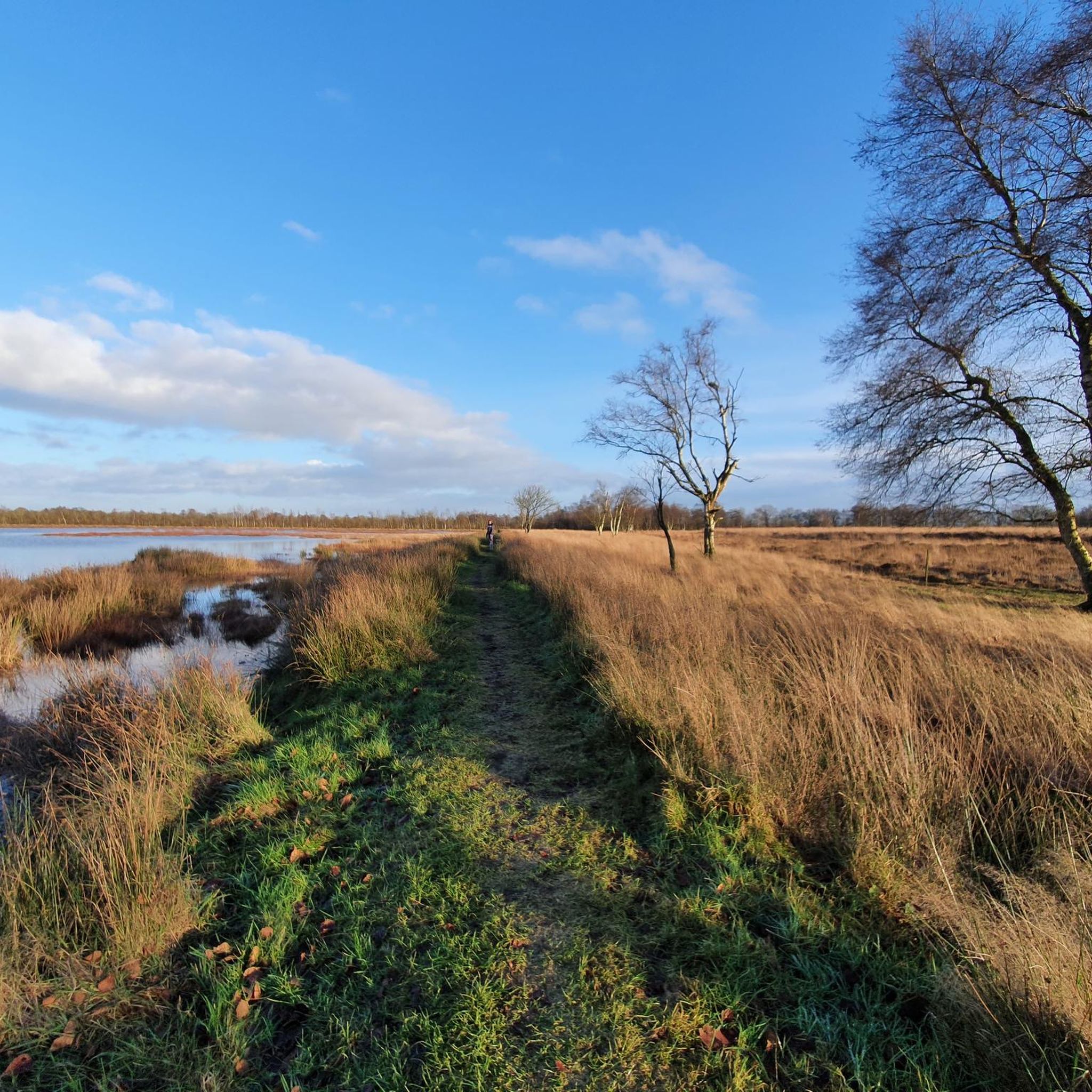
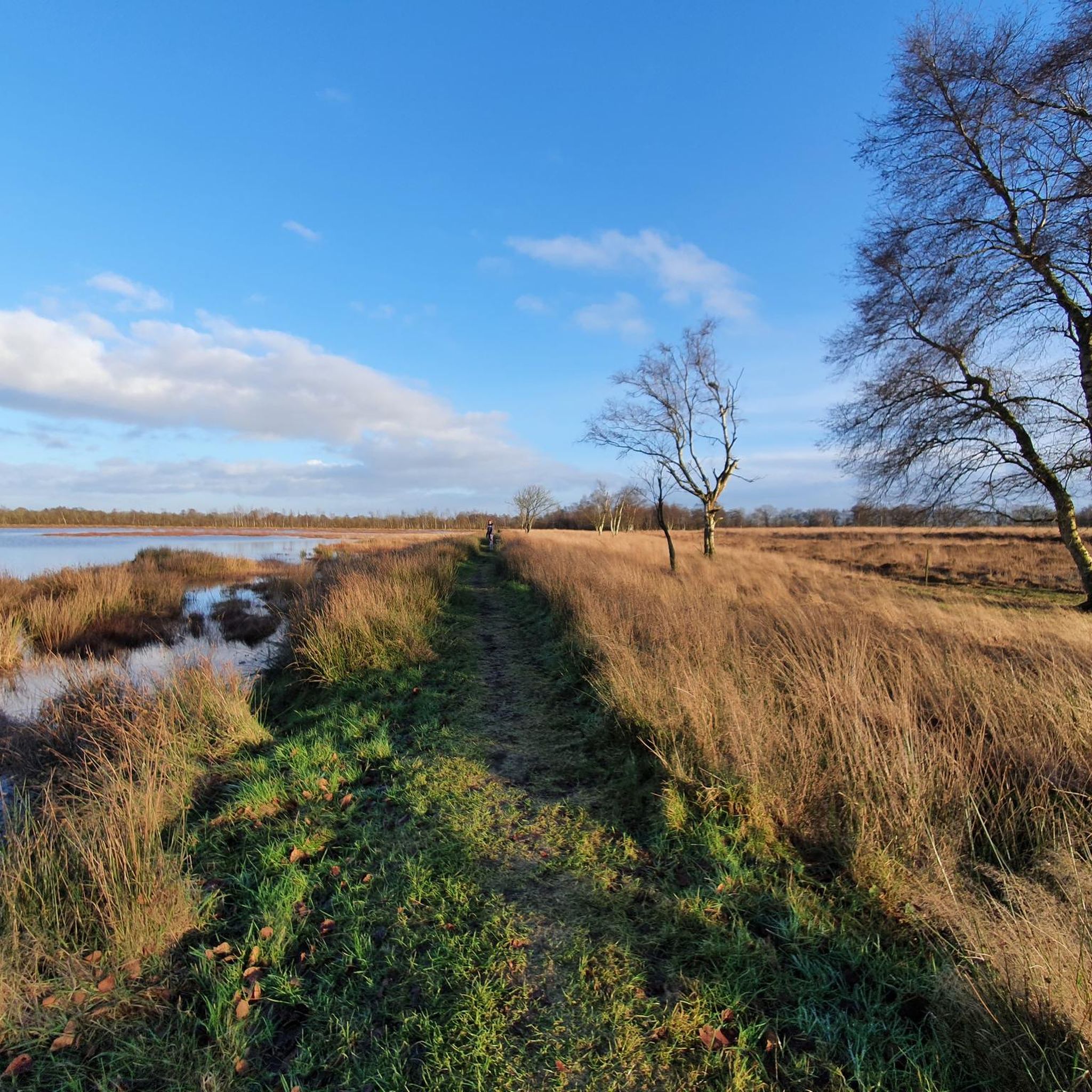
Located in the north of the Netherlands, in the provinces of Groningen and Friesland, it was declared a National Park Lauwersmeer in November 2003. In 2016 it was named a DARK SKY PARK and is the 2nd location in the Netherlands to receive this recognition so far. Besides hiking and cycling paths, there are also publicly accessible areas of the park for water sports activities, Bird watching spots/towers
0
0


The Zomerhuisbos viewpoint offers a great view of the Lauwersmeer lake landscape.
1
0

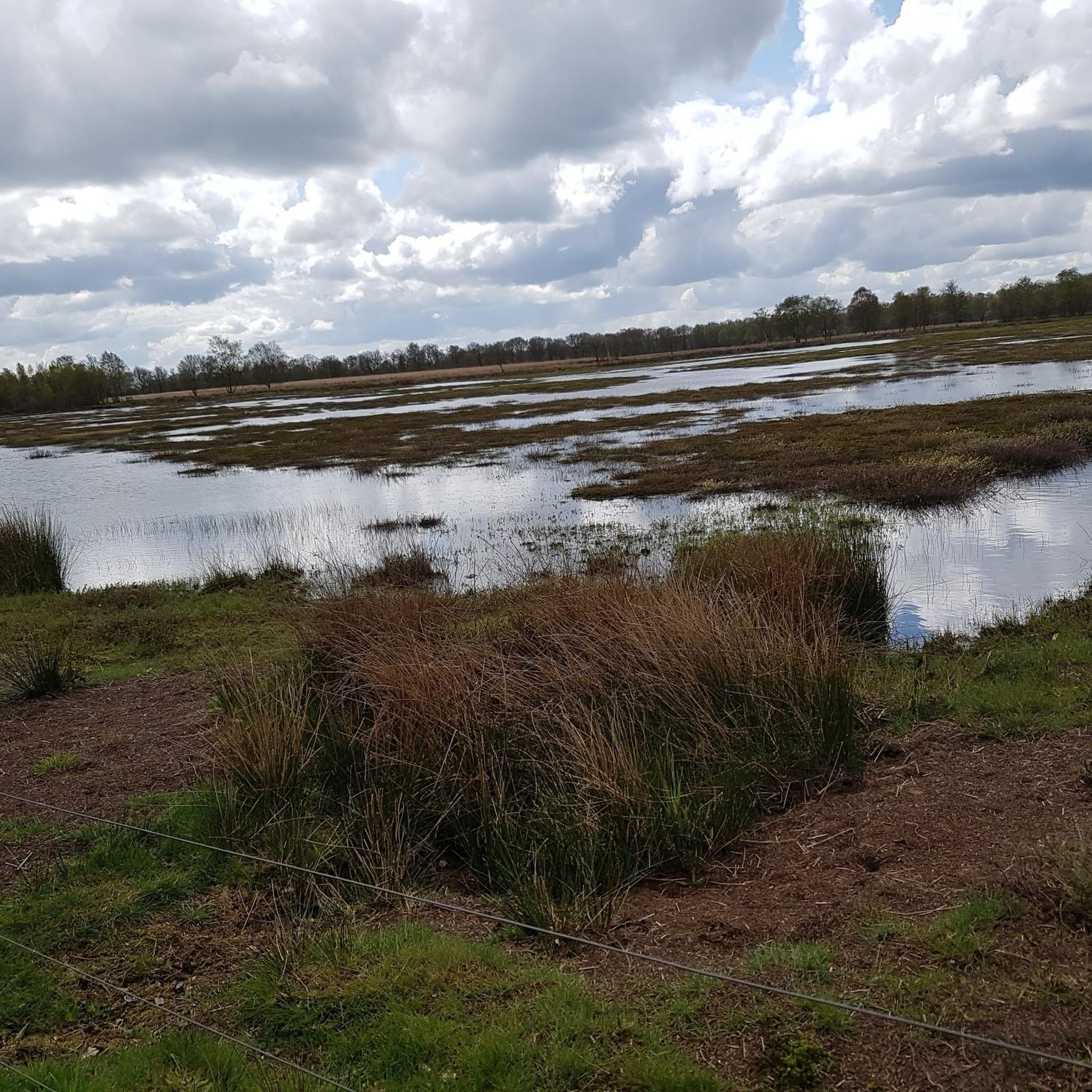
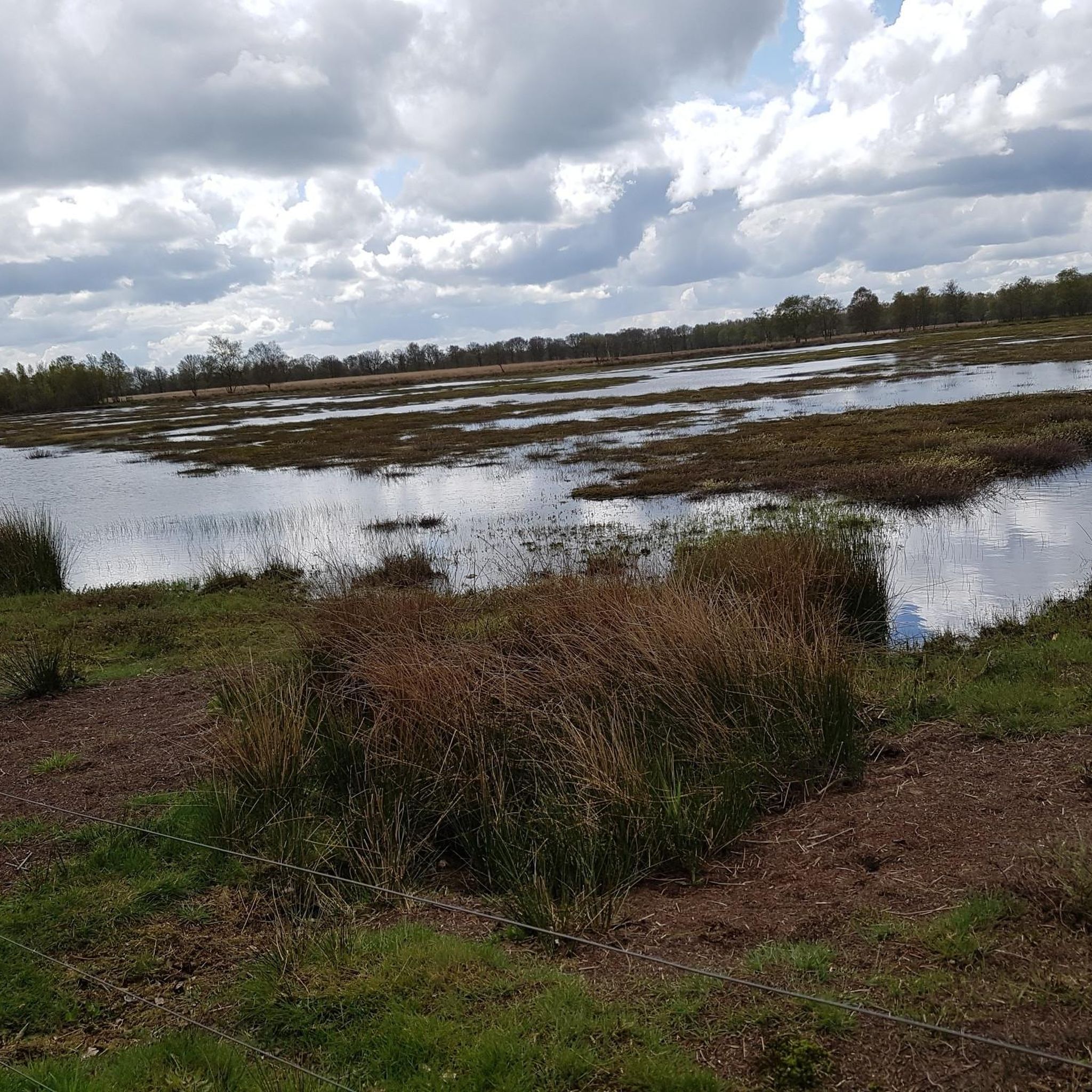
The Freulevijver, located in the Oude Bos between Wijnjewoude and Bakkeveen, is an idyllic and historic place. The forest was created around 1880 by the noble family Lycklama à Nijeholt as a private park and production forest. The pond was created by a dike breach of the nearby Koningdiep, and was enlarged around 1900 by Jonkvrouw Eritia Lycklama à Nijeholt. Although the original tea house and boathouse have disappeared, the location remains a beautiful spot for a picnic, with a natural gazebo that is reminiscent of the former charm of the place.
1
0


Lovely place to rest for a while, especially when the rhododendron is in bloom
0
0

Even if there are no birds to spot for a while, you have a lovely spot here in the silence with a beautiful view.
2
0

One of the darkest places in the world!
1
0
Frequently Asked Questions
What natural features can I explore around Grootegast?
The region around Grootegast offers diverse natural features. You can visit the expansive De Onlanden Nature Reserve, known for its extensive natural beauty and recreational opportunities. There are also unique geological formations like pingo ruins, such as Freulevijver, an old pingo ruin bordered by birch and beech, and the Pûpedobbe Pingo Ruin. Additionally, the area features significant dark sky areas like the Lauwersmeer Dark Sky Park.
Are there any unique natural phenomena to observe near Grootegast?
Yes, the Observation Tower Lauwersmeer Dark Sky Park is one of the darkest places on Earth, offering exceptionally clear starry skies due to minimal light pollution. It's an ideal spot for stargazing, and on certain days, you might even observe the northern lights. This park is crucial for nocturnal animals, allowing visitors to experience nature in complete darkness.
What is a pingo ruin, and where can I see one around Grootegast?
A pingo ruin is a circular lake or crater left behind when the ice of a pingo (an ice-cored hill) melts after an ice age. These sites often become filled with peat over thousands of years, preserving valuable climate information. Around Grootegast, you can visit Freulevijver, an old pingo ruin with a scenic view, and the Pûpedobbe Pingo Ruin, both offering insights into this unique geological past.
Are there hiking trails near the natural monuments around Grootegast?
Absolutely. The region provides various hiking opportunities. For example, you can find trails near the Lieversche Diep Fish Pass, which offers a varied walk through forest, heathland, and near water. For more hiking options, explore the Hiking around Grootegast guide, which includes routes like the 'Ontginningsbos Trimunt' loops and the 'Visvliet Harbor – The Lauwers River' trail.
What cycling opportunities are available near Grootegast's natural monuments?
The area is excellent for cycling. De Onlanden Nature Reserve features quiet roads and bike paths, perfect for exploring. You can find numerous routes for road cycling and touring. Check out the Road Cycling Routes around Grootegast guide or the Cycling around Grootegast guide for detailed routes like the 'Kanaaldijk' loops or the 'Peebo Barefoot Path' loop.
Are the natural monuments around Grootegast family-friendly?
Many natural monuments in the Grootegast area are suitable for families. Sites like the Observation Tower Lauwersmeer Dark Sky Park, Freulevijver, Lieversche Diep Fish Pass, Pûpedobbe Pingo Ruin, and De Onlanden Nature Reserve are all categorized as family-friendly, offering accessible experiences for all ages.
Can I bring my dog to these natural areas?
While many natural areas in the Netherlands are dog-friendly, specific rules can vary. Some trails, like those near the Lieversche Diep Fish Pass, may allow loose dogs in certain sections. It's always best to check local signage or specific reserve guidelines for areas like Curringherveld or Notoaristuun to confirm dog policies, especially regarding leashing requirements.
What is the best time of year to visit the natural monuments?
The best time to visit depends on your interests. For stargazing at the Lauwersmeer Dark Sky Park, clear, moonless nights are ideal, often found in autumn and winter. For enjoying blooming rhododendrons around Freulevijver, late spring to early summer is recommended. Generally, spring and autumn offer pleasant temperatures for hiking and cycling, with fewer crowds than peak summer.
How can I get to the natural monuments around Grootegast by public transport?
Public transport options to specific natural monuments can vary. While Grootegast itself has bus connections, reaching more remote natural areas might require a combination of bus and walking or cycling. For detailed public transport routes to specific locations like Curringherveld or the Abel Tasmanpad near Lutjegast, it's advisable to consult local public transport websites or journey planners for the most up-to-date information.
Are there parking facilities available at these natural sites?
Parking facilities are generally available at or near popular natural sites and trailheads. For instance, areas like the Observation Tower Lauwersmeer Dark Sky Park and nature reserves often have designated parking. However, for smaller or more remote natural monuments, parking might be limited to roadside spots or nearby village car parks. It's always recommended to check specific location details before your visit.
What is the significance of the Lieversche Diep Fish Pass?
The Lieversche Diep Fish Pass is a hydraulic engineering structure designed to allow fish to bypass obstacles like dikes, dams, weirs, or locks, granting them access to hinterland waters. It's an important feature for maintaining aquatic ecosystems and fish migration. The location also offers a varied walk through forest, heathland, and near water.
Most popular routes around Grootegast
Most popular attractions around Grootegast

Get inspired with the komoot mobile app


Explore more
Extend your search for the best caves by checking out these guides of the top ones around Grootegast:
