Top 20 Natural Monuments around Hoogezand-Sappemeer
Best natural monuments around Hoogezand-Sappemeer include a variety of natural and historical sites. The region, part of the Midden-Groningen municipality, features expansive lakes, marshy nature reserves, and designated green spaces. These areas offer opportunities for outdoor activities and experiencing local biodiversity. Visitors can explore ancient stone structures and historic parks.
Best natural monuments around Hoogezand-Sappemeer
- The most popular natural monument is Dolmen D10, Gasteren, a historical site that is a small and incomplete hunebed. It is located in a…
Last updated: May 9, 2026
Dolmen D10, Gasteren
Highlight • Historical Site
The hunebed is a small and incomplete hunebed. The hunebed is 6.7 meters long and 3.1 meters wide. It still has two …
Translated by Google •
Tip by

Noorderplantsoen Park
Highlight • Natural
Translated by Google •
Tip by

Sign up now to discover places like this
Get recommendations on the best single tracks, peaks, & plenty of other exciting outdoor places.
Sign up for free
Dolmen D11, Anloo
Highlight • Historical Site
Translated by Google •
Tip by

Hunebed D8, Schipborg Forest
Highlight • Historical Site
Translated by Google •
Tip by

Hiding Place (Onderduikershol) in the Drentsche Aa
Highlight • Historical Site
Translated by Google •
Tip by

Sign up for free to discover even more natural monuments around Hoogezand-Sappemeer.
Sign up for free
Already have an account?
Start today with a free account
Your next adventure awaits.
Login or Signup
Popular around Hoogezand-Sappemeer
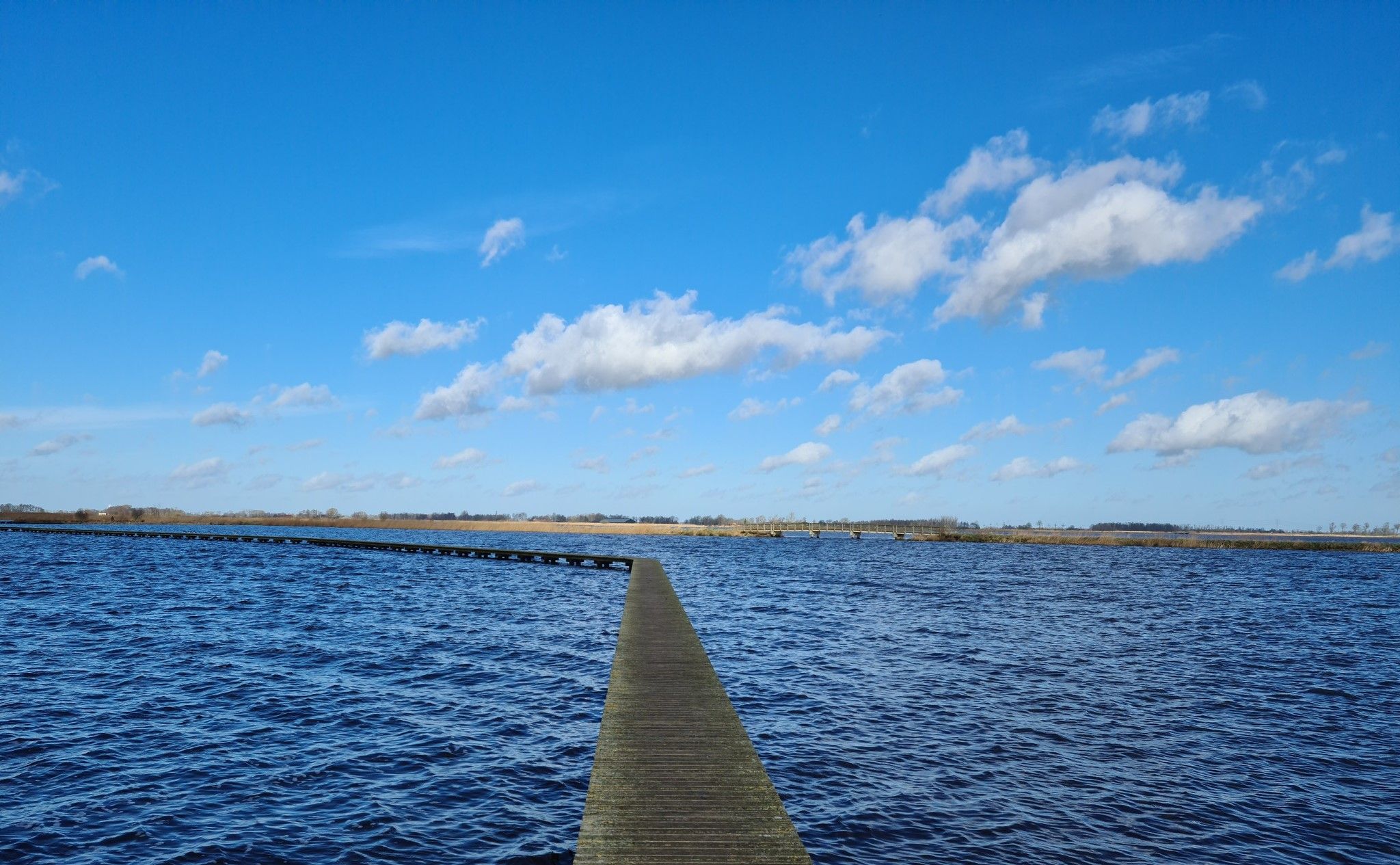
Right in the middle of nature - 20 accessible routes in Groningen
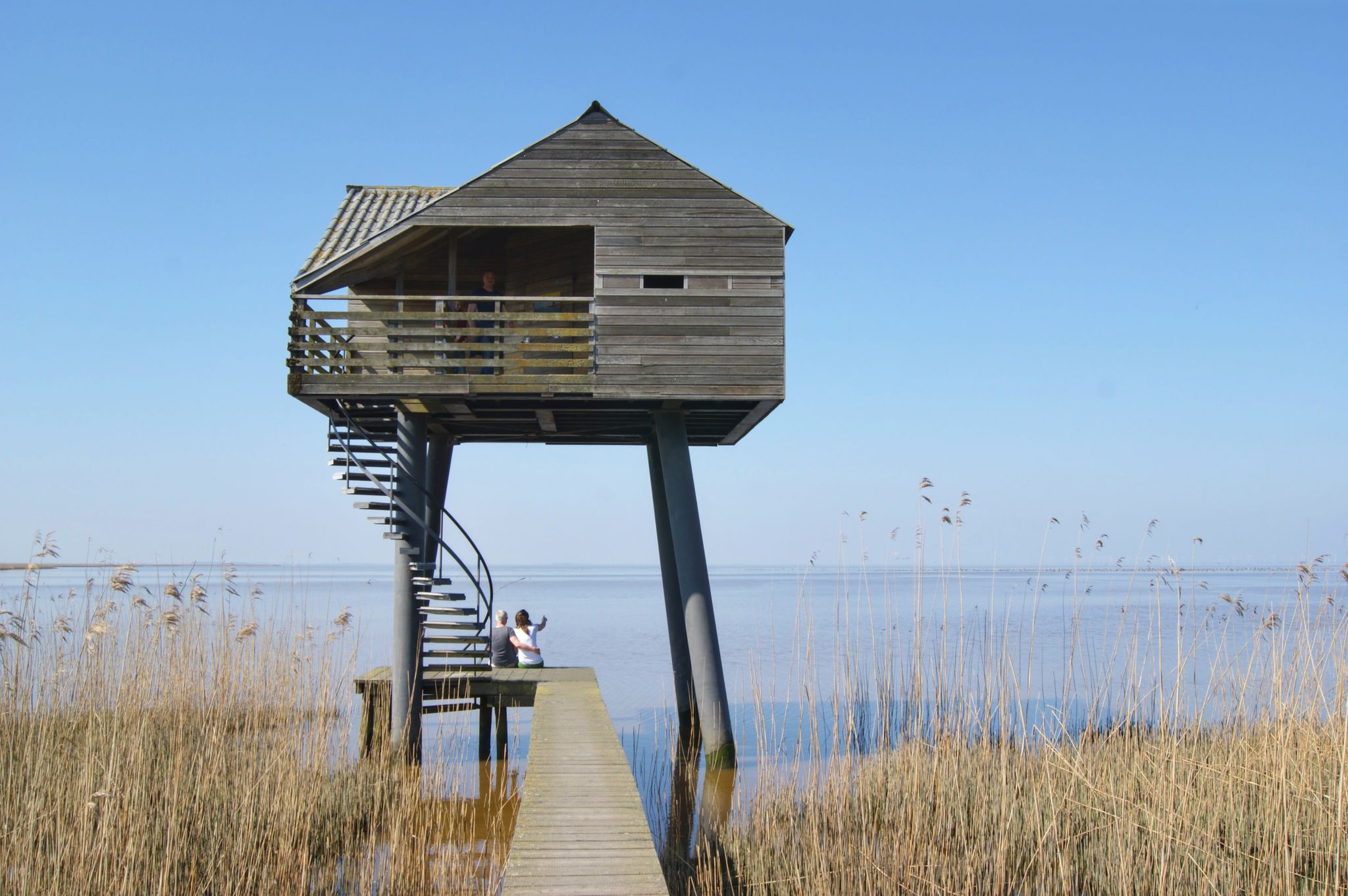
Experience East Frisia and the Netherlands on the Dollard Route
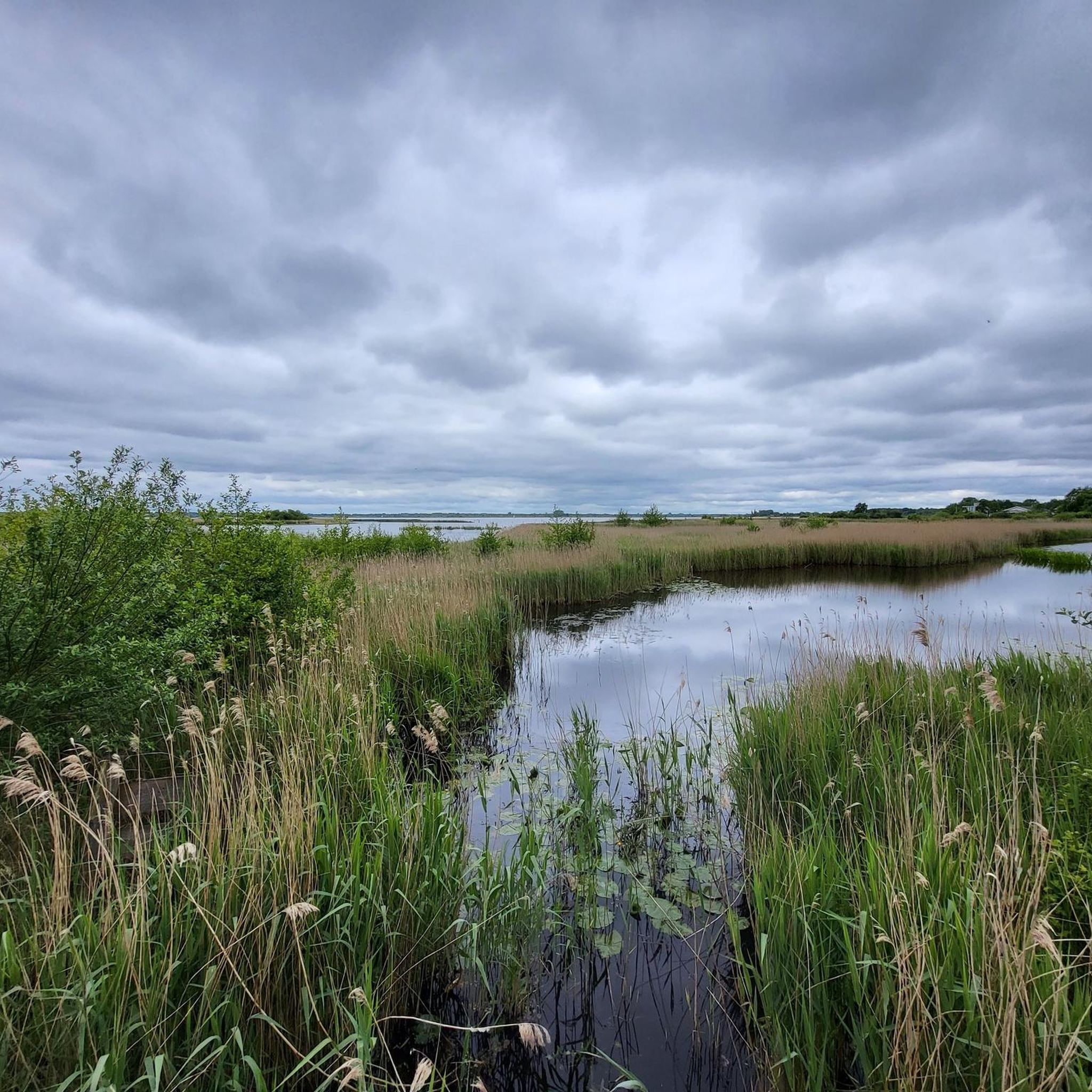
Hiking around Hoogezand-Sappemeer
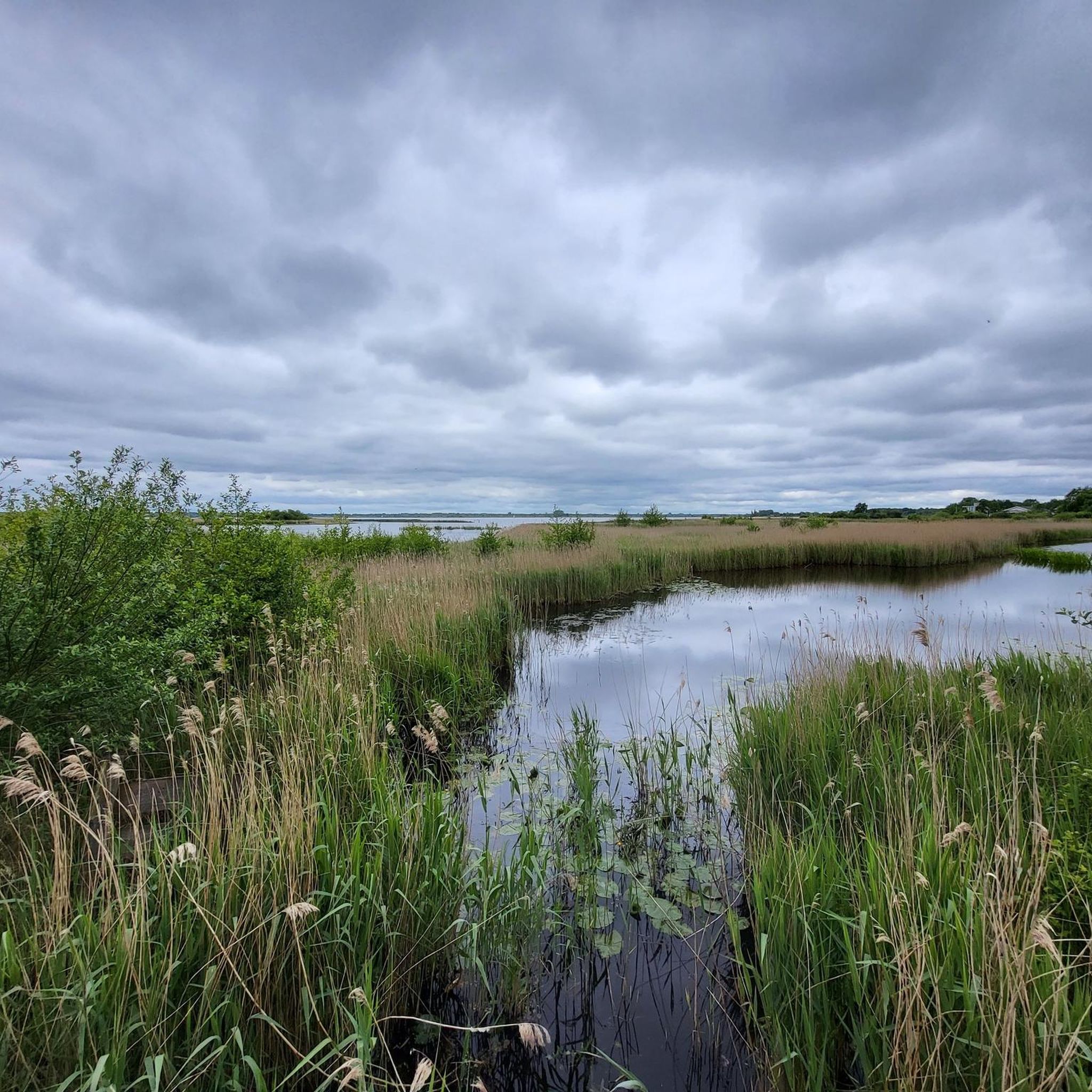
Cycling around Hoogezand-Sappemeer
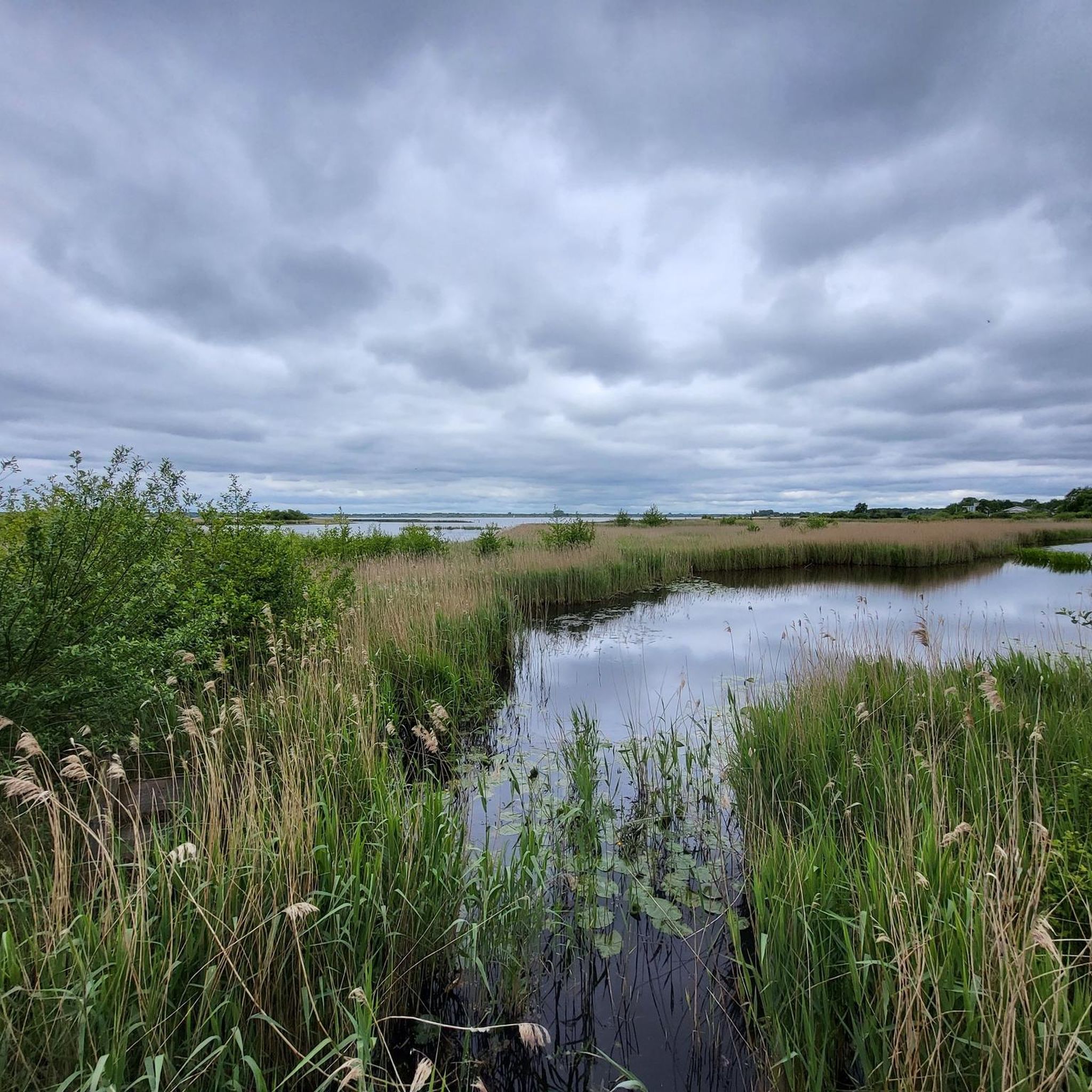
Road Cycling Routes around Hoogezand-Sappemeer
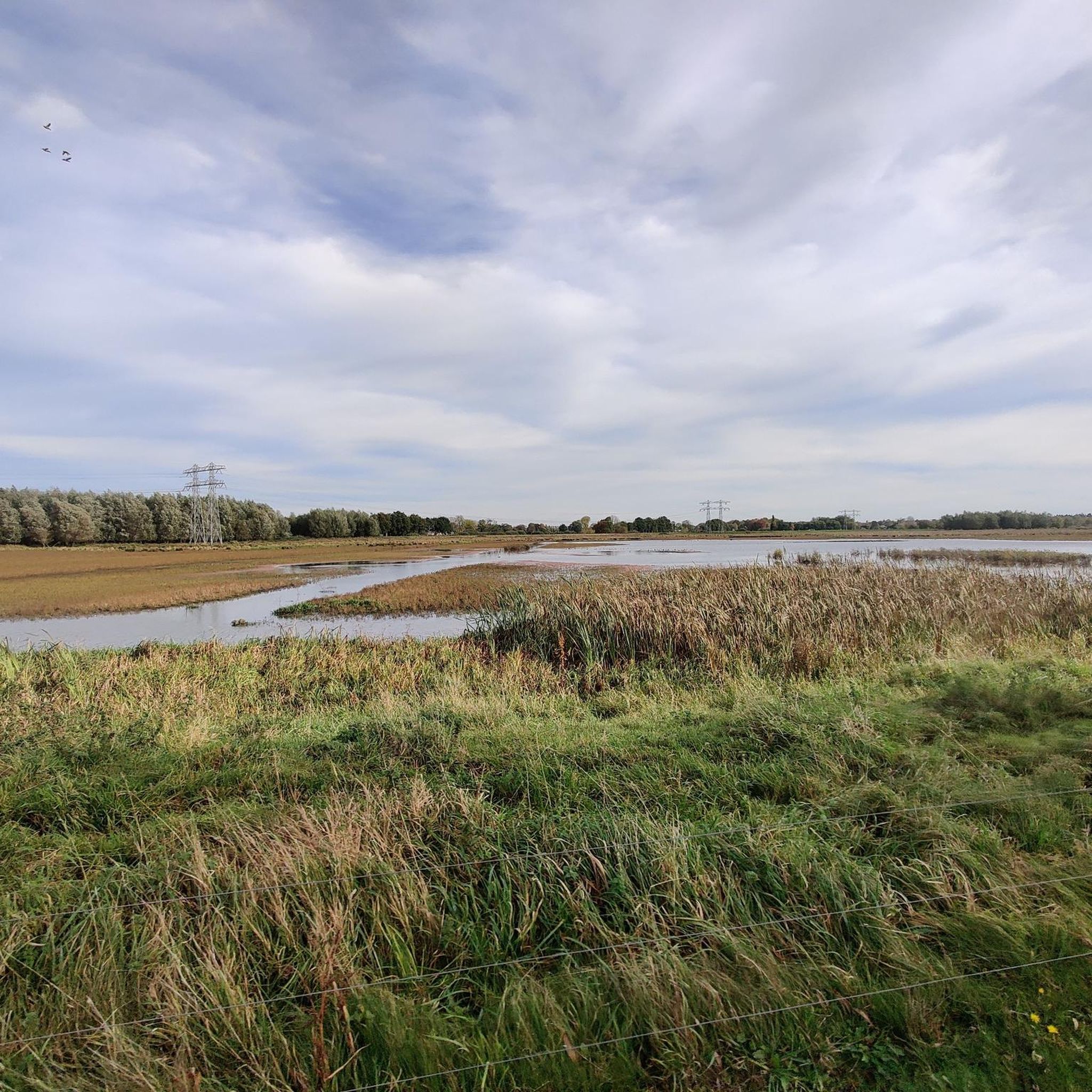
MTB Trails around Hoogezand-Sappemeer
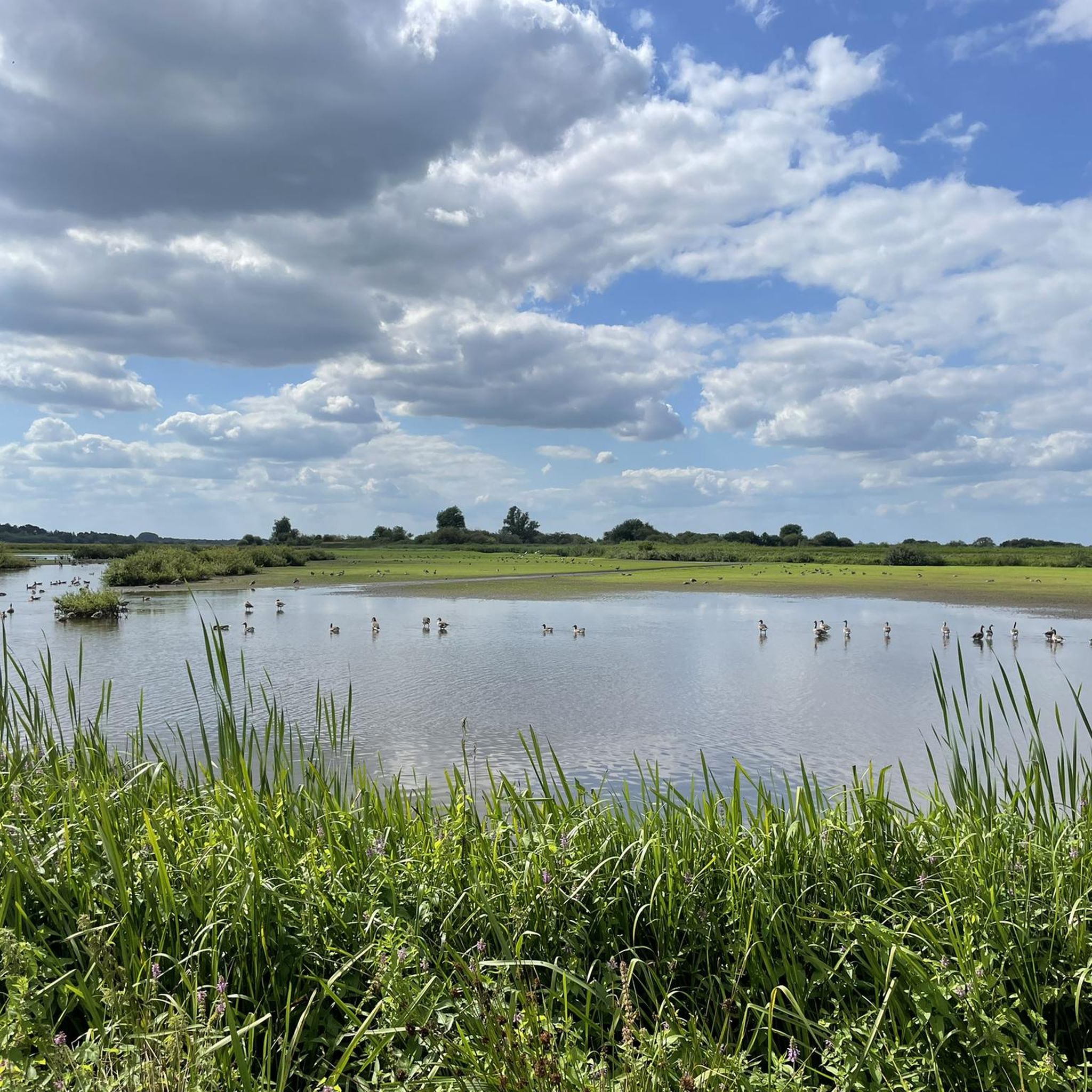
Running Trails around Hoogezand-Sappemeer
Gravel biking around Hoogezand-Sappemeer


Tips from the Community

I think this dolmen (D11) is one of the most beautiful in the Netherlands. This prehistoric burial monument is located at a crossroads in the middle of the forest. It was built in the Neolithic period, around 3400–2750 BC, by farmers of the Funnel Beaker Culture. The almost 10-meter-long and almost 4-meter-wide dolmen is located on the Terborgh estate. It has four capstones resting on ten sidestones and two keystones. The yellow walking route runs past the dolmen and the nearby pinetum. Don't confuse this with the yellow signs of the Hondsrug Trail, as those will take you across the entire Hondsrug into Germany.
0
0
This hiding place on the edge of the heath was a hidden underground refuge in the Evertsbos forest. It was constructed in 1943 and used during the war by people in hiding and resistance fighters seeking refuge from the German occupiers. The hiding place was cleverly camouflaged with sand, branches, and vegetation. In September 1944, the Sicherheitsdienst (Security Service) discovered the hiding place. Some people managed to escape, but others were arrested and later murdered. Shortly before liberation, in April 1945, ten resistance fighters were executed at the same location. At the site of the former hiding place, standing stones commemorate the murdered.
0
0


Along the road to Gasteren and Oude Molen in the Gasterse Duinen lies the remote dolmen. The dolmen itself is no longer intact because some of the stones have been stolen, but it is still worth a visit. Especially in late summer the heather is in full bloom and it is wonderfully relaxing in the middle of the forest. This dolmen is easily accessible, there is a spacious parking lot. It is a freely accessible walking area, you only have to enter it via a cattle grid because a flock of sheep is grazing there.
1
0


Dolmen D11 in Anloo is a dolmen with four covering stones resting on ten side and two keystones and one gate stone. The original fifth capstone and the second gate stone are missing. It's nice that this dolmen is quietly located, and you often have it to yourself to take in peace and quiet.
1
0

Hunebed D10 is located north of the village of Gasteren on the edge of the Gasterse Duinen in the Dutch province of Drenthe. It can be reached via hiking trails in the Gasterse Duinen nature reserve.
1
1

Dolmens, that is really a POI in Drenthe.
1
1
Frequently Asked Questions
What kind of natural monuments can I expect to find around Hoogezand-Sappemeer?
The region around Hoogezand-Sappemeer offers a diverse range of natural monuments. You'll find ancient stone structures like dolmens, expansive lakes such as Zuidlaardermeer and Foxholstermeer, and marshy nature reserves like Kropswolderbuitenpolder. There are also designated green spaces, including the historic Noorderplantsoen Park, which is a national monument.
Are there historical natural monuments in the area?
Yes, the area is rich in historical natural monuments. You can explore several ancient dolmens (hunebeds), which are prehistoric burial chambers made of large stones, dating back thousands of years. Notable examples include Dolmen D10, Gasteren, Dolmen D11, Anloo, and Hunebed D8, Schipborg Forest. Additionally, the Hiding Place (Onderduikershol) in the Drentsche Aa offers a poignant historical site within a natural setting.
What are the best places for birdwatching near Hoogezand-Sappemeer?
For birdwatching, the Kropswolderbuitenpolder is an excellent choice. This marshy nature reserve is a vital breeding ground for marsh and water birds, with species like the Black-necked Grebe, Garganey, Bluethroat, and even the White-tailed Eagle observed. The Zuidlaardermeer also boasts diverse bird species, including the bald eagle, bearded reedling, bluethroat, and marsh harrier, making it another prime spot for enthusiasts.
Are there family-friendly natural monuments to visit?
Many natural monuments in the area are suitable for families. Noorderplantsoen Park is a great option within the city, offering green spaces for relaxation and play. The dolmens, such as Dolmen D11, Anloo and Hunebed D8, Schipborg Forest, are quietly located in natural environments, providing an educational and peaceful outing for all ages.
What outdoor activities can I do near these natural monuments?
The natural monuments around Hoogezand-Sappemeer offer a variety of outdoor activities. You can enjoy cycling, gravel biking, and walking through scenic landscapes. The Zuidlaardermeer is popular for water sports, while areas like Kropswolderbuitenpolder and 't Roegwold are ideal for birdwatching and peaceful strolls. For more detailed routes, explore our guides on Gravel biking around Hoogezand-Sappemeer, Cycling around Hoogezand-Sappemeer, and Road Cycling Routes around Hoogezand-Sappemeer.
Where can I go for a peaceful walk in nature?
For a peaceful walk, consider visiting the areas around the dolmens like Dolmen D11, Anloo, which is quietly located in the woods. The Kropswolderbuitenpolder offers a serene environment with a concrete cycle path (Polderpad) that's also great for walking. Additionally, 't Roegwold is known for its tranquil natural setting, perfect for experiencing the unique regional nature.
Is there a park within Hoogezand-Sappemeer that is considered a natural monument?
Yes, Oosterpark Hoogezand-Sappemeer, laid out in 1932, is recognized as a 'rijksmonument' (national monument). While a designed park rather than a wild natural area, its historical designation highlights its cultural and aesthetic value as a carefully maintained green space within the urban fabric, offering a serene environment for strolls and relaxation.
What is the best time to visit the natural monuments around Hoogezand-Sappemeer?
The best time to visit largely depends on your interests. Spring and summer are ideal for enjoying the lush greenery, birdwatching, and water sports at lakes like Zuidlaardermeer. Autumn offers beautiful foliage, while winter can provide unique, quiet walks, especially in forested areas or around the dolmens. Birdwatching is particularly rewarding during migration seasons in spring and autumn.
Are there any accessible natural monuments for disabled visitors?
The Kropswolderbuitenpolder features a wheelchair-friendly bird hide, offering panoramic views of the marshy nature reserve. While specific accessibility details for all sites vary, this location provides a dedicated option for disabled visitors to enjoy the natural environment and observe wildlife.
Where can I find opportunities for water sports or fishing?
The Zuidlaardermeer is an excellent destination for water sports, with its shallow waters making it suitable for sailing. It's also a great spot for boating. For fishing enthusiasts, Foxholstermeer is a popular choice, known for species such as Northern pike, Common roach, and European perch, offering a peaceful setting for anglers.
What do visitors enjoy most about the natural monuments in this region?
Visitors particularly enjoy the peaceful and atmospheric locations of the ancient dolmens, often having them to themselves for quiet contemplation. The rich biodiversity and birdwatching opportunities at sites like Kropswolderbuitenpolder and Zuidlaardermeer are also highly appreciated. Many value the blend of recreational activities, from cycling to water sports, within these beautiful natural settings.
Are there any hidden natural gems worth exploring?
Beyond the well-known sites, the region's landscape, sculpted from water, clay, sand, and peat, holds many smaller, less crowded spots. 't Roegwold, while a significant area, often offers a more secluded experience for walking and cycling, allowing visitors to discover its unique regional nature and wildlife away from larger crowds. The quiet locations of the dolmens in the woods also provide a sense of discovery.
Most popular routes around Hoogezand-Sappemeer
Most popular attractions around Hoogezand-Sappemeer

Get inspired with the komoot mobile app


Explore more
Extend your search for the best caves by checking out these guides of the top ones around Hoogezand-Sappemeer:
