Top 17 Natural Monuments around Halderberge
Best natural monuments around Halderberge offer diverse landscapes, from varied forests and unique peatlands to tranquil waterways and botanical gardens. This Dutch municipality provides numerous opportunities for recreation, including walking and cycling. The region is characterized by its ecological value and significant natural spots, making it ideal for exploring the outdoors.
Best natural monuments around Halderberge
- The most popular natural monuments is Oude Buisse Heide, a forest that is a typical cultural landscape. This area is known for inspiring…
Last updated: October 23, 2026
Oude Buisse Heide
Highlight • Forest
Translated by Google •
Tip by

De Wachter Art Installation
Highlight • Monument
Translated by Google •
Tip by
Sign up now to discover places like this
Get recommendations on the best single tracks, peaks, & plenty of other exciting outdoor places.
Weir and fish ladder on the Aa of Weerijs
Highlight • Structure
The length of the Aa or Weerijs is 36.4 km.
It rises in Belgium where it arises …
Translated by Google •
Tip by

Birdwatching Wall De Roode Weel
Highlight • Structure
Translated by Google •
Tip by
Raeybergh Wheel – Medieval Execution Site
Highlight • Historical Site
Translated by Google •
Tip by
Sign up for free to discover even more natural monuments around Halderberge.
Already have an account?
Start today with a free account
Your next adventure awaits.

Other adventures around Halderberge

Tips from the Community

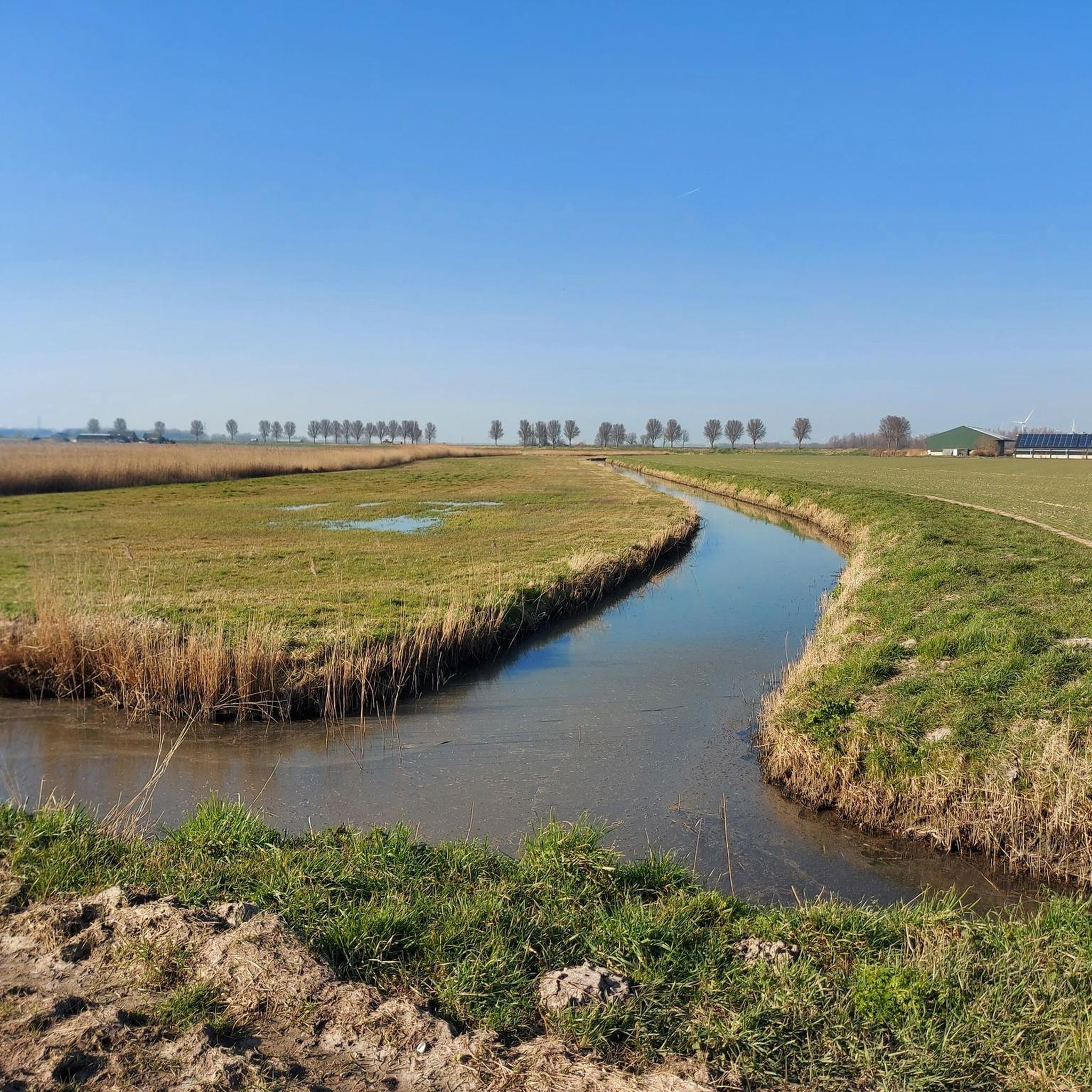
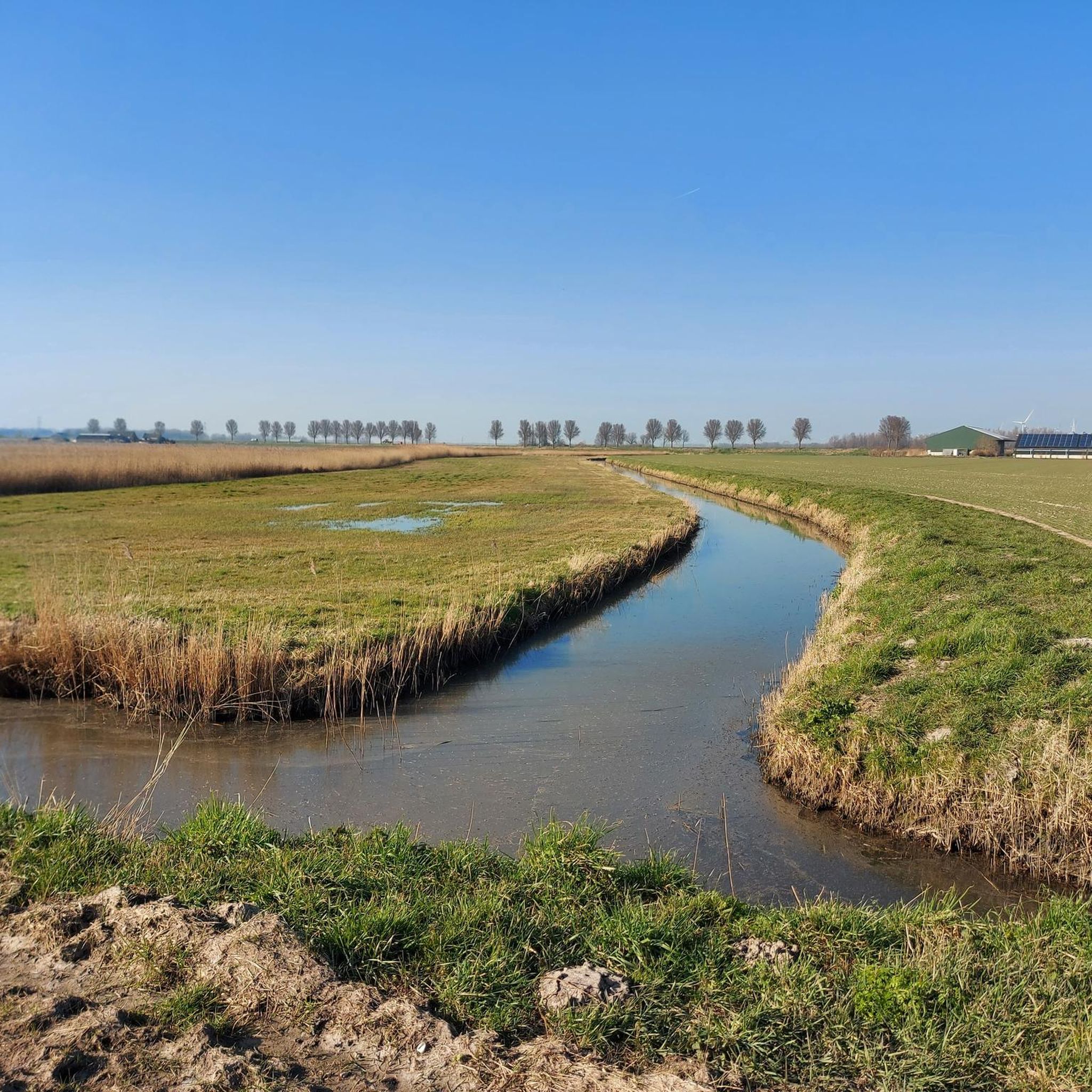
Lovely to enjoy the flowing water here for a moment.
0
0

De Oude Buisse Heide is a historic estate of approximately 200 hectares in the municipality of Zundert, near Achtmaal. It is known for its unique combination of nature and cultural history, partly because it was the former summer residence of the artist couple Henriette and Richard Roland Holst. Cultural Heritage: The Roland Holst couple hosted famous guests here and found inspiration for their work. Henriette donated the area to Natuurmonumenten in 1945. Historic Buildings: On the estate, you will find the Buisse Hoeve, the Angorahoeve (the former residence), and Richard Roland Holst's Studio. Some of these properties are available for rent as holiday homes through Buitenleven Vakanties. Vincent van Gogh: The famous painter also developed his love for nature in this area.
3
0

The Wheel of Raeybergh, historical interpretation: The street name 'Raaiberg' is a reference to a place of execution dating from the Middle Ages. The name 'Raaiberg' is a corruption of the word 'radberg', a hill or mountain on which a wheel was placed. A wheel is mounted on a large, thick pole on which the condemned person is tied and 'radbraakt' (the breaking of all the bones) with a heavy bar, after which, after a painful death struggle, death follows. In 1340, Nout Goetlief is said to have been broken on the wheel on 'het wheel van Craeybergh', and in 1767 it is Elias Breukeleer's turn to suffer the same fate. The symbolic gravestone is dedicated to him with the text in old Flemish: "Here Elias Breukeleer was back-broken And his head beaten. He had to endure the pain for punishment. His body tied to the wheel For crying and screaming. A warning for the passer-by With wrong ways" The current 'Raeybergh wheel' was erected here in 2021, a good stone's throw from the place where the original stood.
5
0
In Essen and Kalmthout, executions were carried out at at least two locations in the 17th century. The most important and perhaps also the oldest location is located at the Boterbergen, but the Raeybergh was also a notorious location at the time. In cases of murder and manslaughter, among other things, the criminal was broken on the wheel and the body was placed on a wheel, as a warning to those who also had bad thoughts. The location was always located near a post office, to warn strangers that crime was severely punished. Moreover, they were also located in a remote area because no one wanted to live near such a horrible place. Incidentally, the bodies were left until they had completely decomposed.
5
0
Be surprised by the rich history of this estate. The Oude Buisse Heide is a typical cultural landscape. Vincent van Gogh got his inspiration from the surroundings of the Oude Buisse Heide. It is a wonderful area for cycling or walking through old forests and along meadows, fields, fens and farms.
6
0
Along the Oostdijk between the Tonnekreek and Willemstad is 'De Wachter' a special work of art. De Wachter stands exactly on the spot where the storm surge on 1 February 1953 hit and flooded the Ruigenhilpolder. The work of art is an eight-metre-high hill, on which sheep can graze. The work of art De Wachter, by artist Marius Boender, was built along the Hollandsch Diep at the spot where the dike broke during the Flood Disaster in 1953. The reason for the monument was the completion of the dike reinforcement in 2001. The work of art is an eight-metre-high, pyramid-like clay hill, overgrown with grass. You can climb the work of art via a path that winds over the work of art. There is a good chance that you will do so in the company of grazing sheep. The creation of the work of art was a challenge, because factors such as weight (not too heavy), weather resistance (rain and wind) and construction (not subsidence under pressure from visitors) had to be taken into account. Source: https://www.visitmoerdijk.nl/nl/locaties/2645610321/de-wachter
6
0
The De Roode Weel wheel was created after a dike breach. It is located in a nature reserve that is part of the Cruijslandse Kreken. This area near the fortified town of Steenbergen is a true paradise for bird lovers. Because it is the domain of, among others, the marsh harrier, water rail, common snipe and little owl. They can be 'secretly' spotted from the birdwatching hut since the beginning of 2018. This architectural masterpiece is located at the bottom of the dike and offers a magnificent view of the Roode Weel. It is made of Accoya wood, just like the picnic jetty at De Blauwe Sluis. This creates unity between the various objects along the West Brabantse Waterlinie. Want to know more? Click through to https://www.zuiderwaterlinie.nl/vestingsteden/natuurgebieden/cruijslandse-kreken
5
0
Take a seat and discover the main characters in this water feature. Each season is colored differently. It's up to you to recognize the players. Information boards give tips and reveal external characteristics.
5
0
Frequently Asked Questions
What kind of natural landscapes can I expect to see in Halderberge?
Halderberge offers a diverse range of natural landscapes, including varied forests, unique peatlands, tranquil waterways, and botanical gardens. You can explore areas like the Pagnevaartbos with its old trees and quiet ponds, the rugged Gastels Laag peatland, or the marshy forests and flowery meadows of the Hoevense Beemden.
Are there any family-friendly natural monuments or areas in Halderberge?
Yes, several natural areas in Halderberge are suitable for families. The Oude Buisse Heide is a great choice for walks and cycling through forests and meadows. The De Wachter Art Installation, an eight-meter-high hill where sheep graze, is also family-friendly. Additionally, the Birdwatching Wall De Roode Weel offers an engaging experience for all ages to spot local birds.
What historical or cultural sites are integrated with the natural monuments?
Halderberge features natural monuments with interesting historical connections. The Oude Buisse Heide is a cultural landscape that inspired Vincent van Gogh. The De Wachter Art Installation marks the spot where a dike broke during the 1953 flood disaster. For a deeper historical dive, the Raeybergh Wheel – Medieval Execution Site offers a glimpse into the region's past.
What outdoor activities can I do near the natural monuments in Halderberge?
You can enjoy a variety of outdoor activities. The region is excellent for walking and cycling, with many paths through forests and along waterways. For more structured routes, you can find options for gravel biking, running, and road cycling. The Mark and Vliet rivers also offer opportunities for water sports like boating, canoeing, or stand-up paddleboarding.
Are there any botanical gardens or unique plant collections to visit?
Yes, the Arboretum Oudenbosch is a unique natural highlight. Originally a monastery garden, it now boasts an impressive collection of trees, shrubs, and unusual plant species, including over 70 types of horse chestnuts. It's a serene oasis perfect for a leisurely stroll.
Where can I go birdwatching in Halderberge?
The Birdwatching Wall De Roode Weel is an excellent spot for bird lovers. Located in a nature reserve that is part of the Cruijslandse Kreken, this birdwatching hut offers a magnificent view of a water feature, making it ideal for spotting marsh harriers, water rails, and other species.
What is the best time of year to visit the natural monuments in Halderberge?
Halderberge's natural areas offer beauty year-round. Spring and summer are ideal for enjoying lush greenery, blooming flowers, and warmer weather for walking and cycling. Autumn brings vibrant fall colors to the forests. Even in winter, the quiet landscapes can be picturesque, though some areas might be less accessible depending on conditions.
Are the natural areas in Halderberge accessible for people with disabilities or wheelchairs?
While specific accessibility information for all natural monuments is not universally available, many paths in areas like Pagnevaartbos and Oude Buisse Heide are generally well-maintained and relatively flat, making them more accessible. It's advisable to check specific trail conditions or contact local visitor centers for detailed accessibility information before your visit.
Can I bring my dog to the natural monuments in Halderberge?
Many natural areas in Halderberge, such as the Pagnevaartbos and Oude Buisse Heide, are generally dog-friendly, often requiring dogs to be on a leash. However, specific rules can vary by location, especially in nature reserves with sensitive wildlife. Always look for local signage regarding dog policies.
Are there any natural monuments related to water features or rivers?
Yes, Halderberge is characterized by its waterways. The Mark and Vliet rivers are prominent, offering opportunities for exploration by boat. You can also find the Weir and fish ladder on the Aa of Weerijs, which showcases how the region manages its water systems and supports aquatic life.
What are some lesser-known natural spots worth exploring in Halderberge?
Beyond the more popular spots, consider exploring the Gastels Laag, a unique peatland area with sparse grassland and ancient alder forest, perfect for nature enthusiasts and bird watchers. The Hoevense Beemden also offers a tranquil experience with marshy forests and winding creeks, often traversed by an unpaved cycle path.
Where can I find more information about nature and walking routes in Halderberge?
For more information on nature spots and walking routes, you can visit the official tourism website for the region. Check out visithalderberge.com/en/do/fond-of-nature/ or visithalderberge.com/en/the-paths-on-the-lanes-in-halderberges-most-beautiful-nature-spots/ for additional details and inspiration.
Most popular routes around Halderberge
Most popular attractions around Halderberge

Get inspired with the komoot mobile app


Explore more
Extend your search for the best caves by checking out these guides of the top ones around Halderberge:
